Packaging Printing CTP Plate
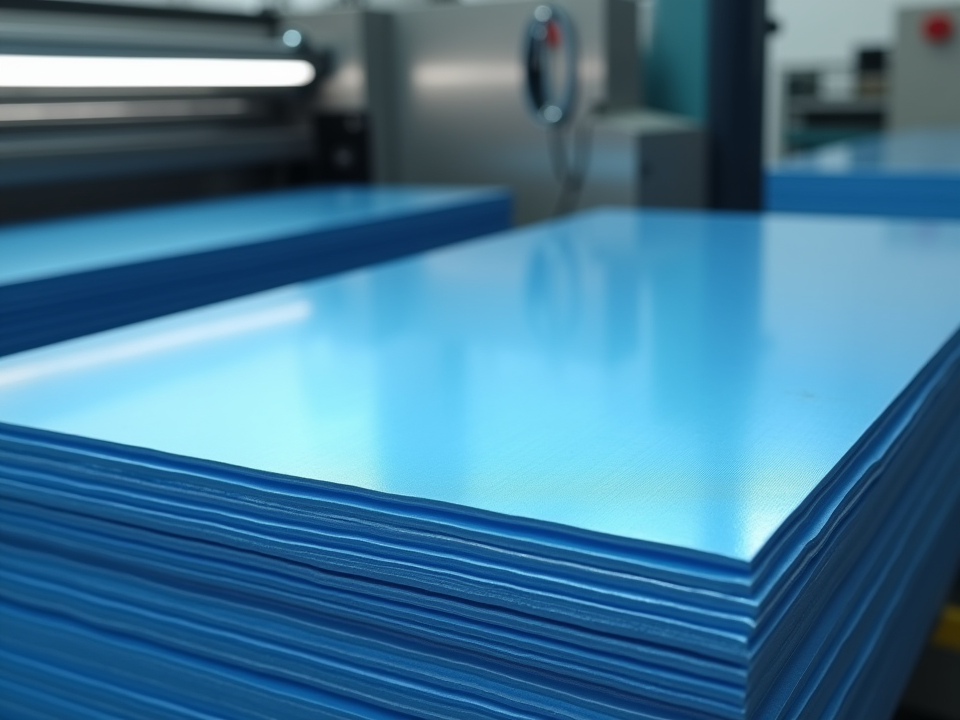
Packaging is often judged before the product inside is even noticed. A folding carton, beverage label, flexible package, or pharmaceutical box must carry clean brand colors, readable microtext, smooth gradients, and consistent barcodes across large production volumes. In offset packaging production, the packaging printing CTP plate is the working surface that turns digital artwork into repeatable inked images on press.
Unlike general commercial pages, package designs place severe demands on the plate. Dense solid colors, fine reverse text, rich black areas, metallic-effect artwork, varnish zones, and tight registration all appear on the same sheet. A plate that images well but loses highlight dots or wears too quickly can create waste far beyond the prepress department. For this reason, plate selection should be considered part of packaging quality control rather than a routine consumable decision.
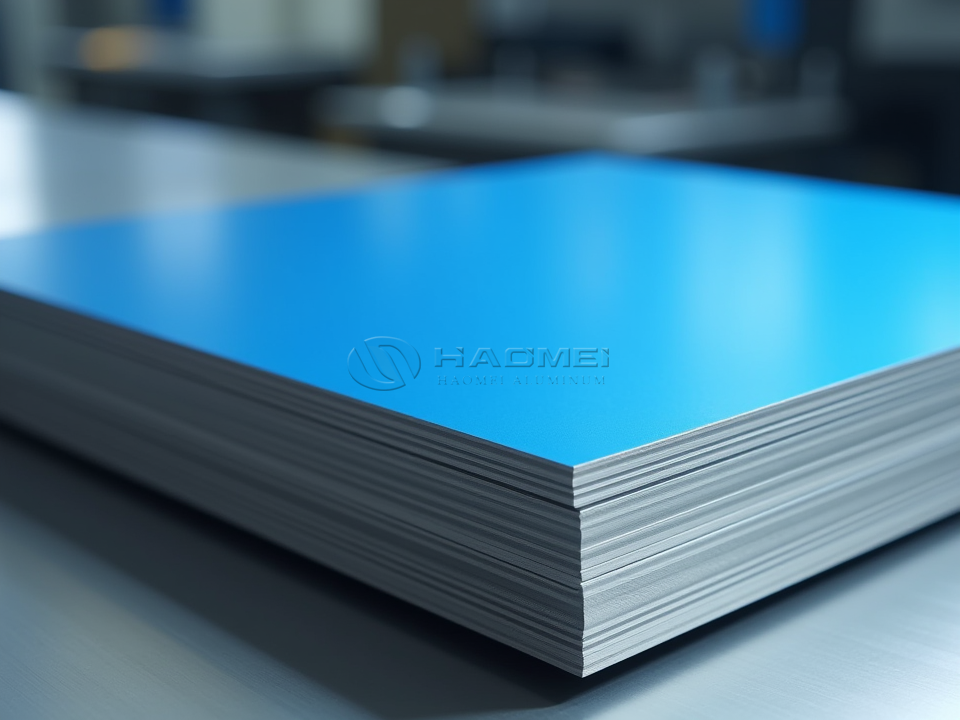
Why Packaging Work Requires a More Stable Plate
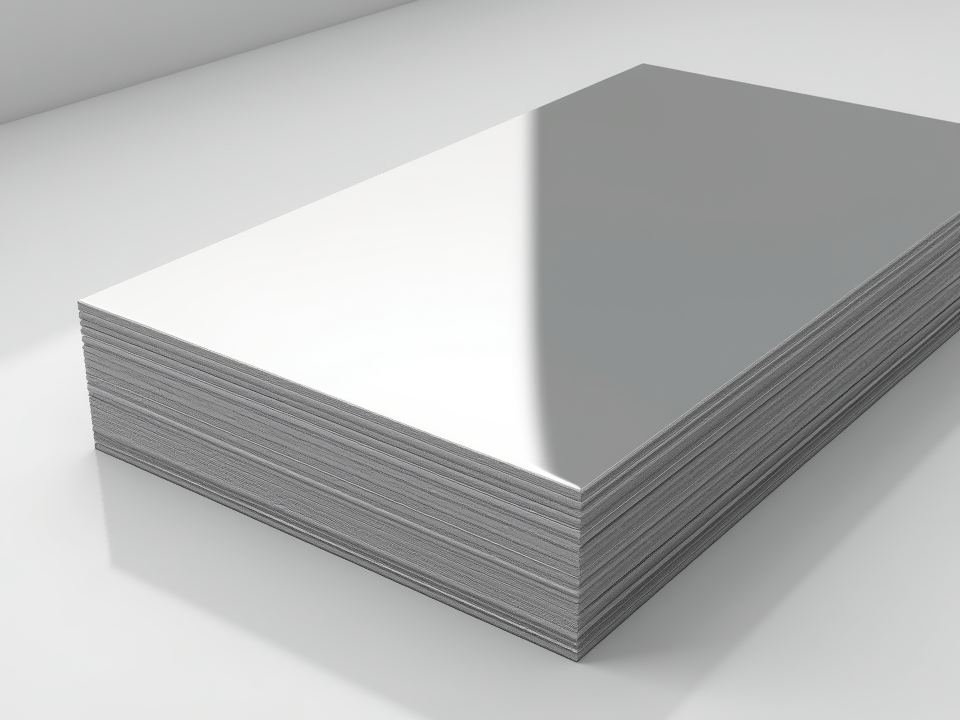
A packaging printing CTP plate is normally built on an electrochemically grained and anodized aluminum sheet. This aluminum base retains fountain solution in non-image areas while the exposed coating accepts ink after imaging and processing. The balance between these two surfaces determines whether a press holds clean backgrounds and strong solids throughout the run.
Packaging jobs commonly use heavier ink films than brochures or books. Cartons may require broad cyan, magenta, yellow, black, spot-color, and coating areas. Labels may include very small type beside bold color blocks. These conditions increase abrasion, emulsification risk, and plate contamination. A stable plate coating helps preserve dot shape, resist chemical attack, and maintain image integrity under prolonged press pressure.
Thermal technology is frequently selected for demanding carton and high-volume offset work because of its broad processing latitude and strong image durability. A properly matched Thermal CTP Plate can support accurate tonal transitions while offering dependable resistance to conventional inks, fountain solutions, and pressroom handling. UV ink applications, which expose the plate to more aggressive chemistry, may require a dedicated UV-compatible plate system.
Aluminum Sheet Substrate: Small Differences, Major Press Effects
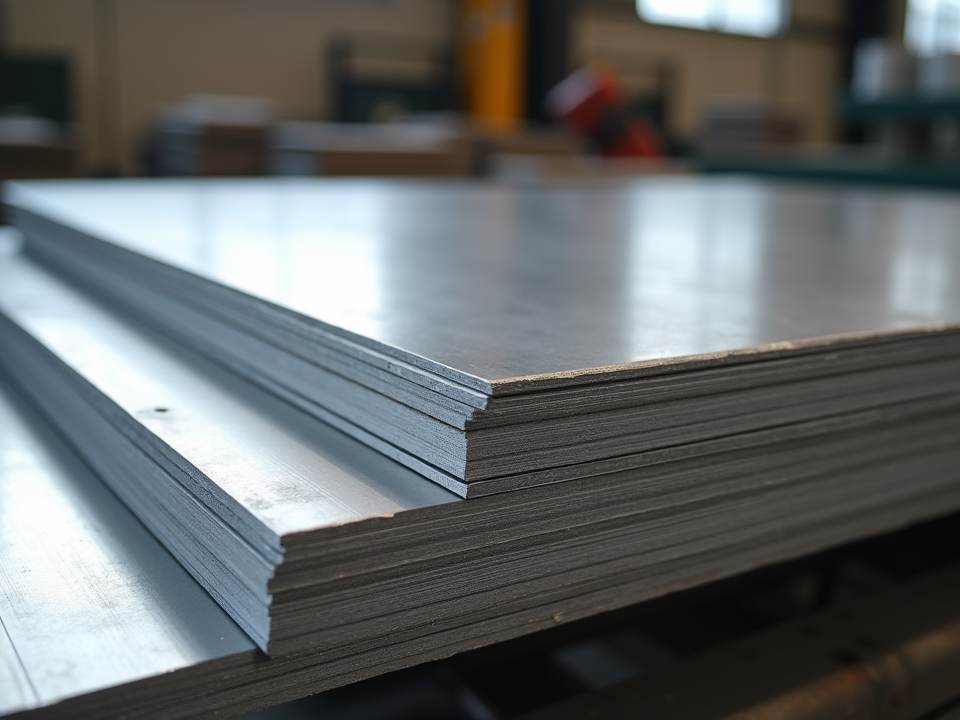
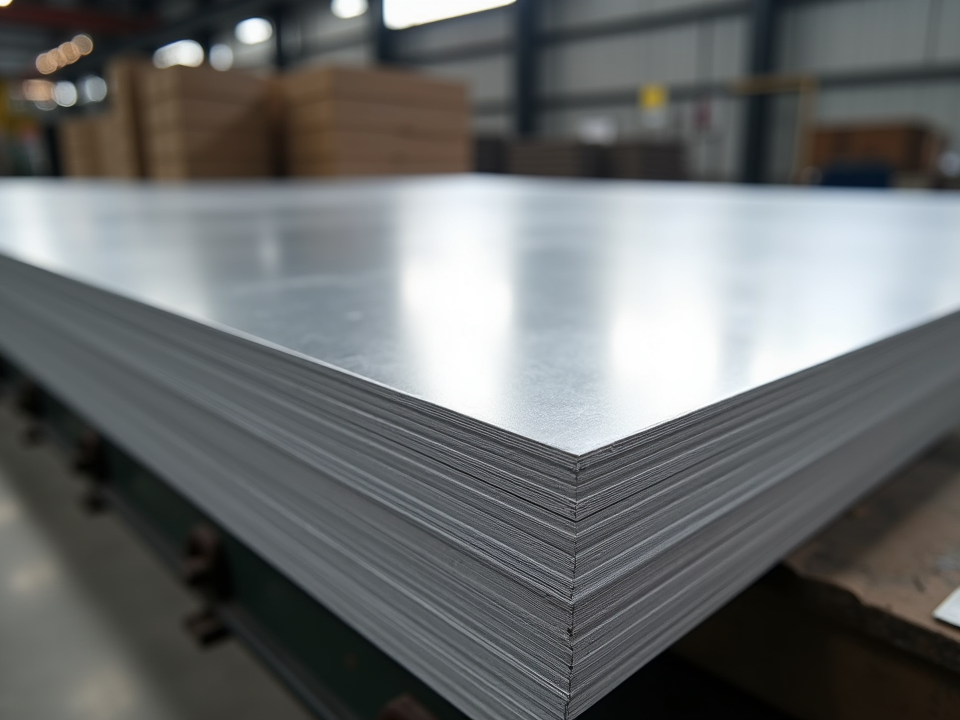
The aluminum sheet is the structural foundation of a CTP plate. It must be flat enough to mount correctly, strong enough to tolerate clamping and bending, and consistent enough to receive uniform graining and anodizing. In packaging printing, substrate inconsistency can appear as uneven water balance, variable coating adhesion, or difficulties in maintaining registration on long runs.
Most aluminum substrates for CTP plate production use high-purity 1xxx-series aluminum. Alloy 1050 and 1060 are widely used because their high aluminum content supports excellent electrochemical treatment and controlled surface roughness. The plate base is generally supplied in a hard temper such as H18, although exact temper selection depends on plate thickness, bending requirements, press format, and production method.
Typical plate thicknesses include 0.15 mm, 0.20 mm, 0.24 mm, 0.27 mm, 0.30 mm, and 0.40 mm. Thin gauges are often used for smaller presses and shorter production demands. Thicknesses around 0.24 mm to 0.30 mm are common for sheet-fed packaging presses, where better stiffness can assist mounting stability and repeated press handling. Large-format or specialized systems may require thicker gauges.
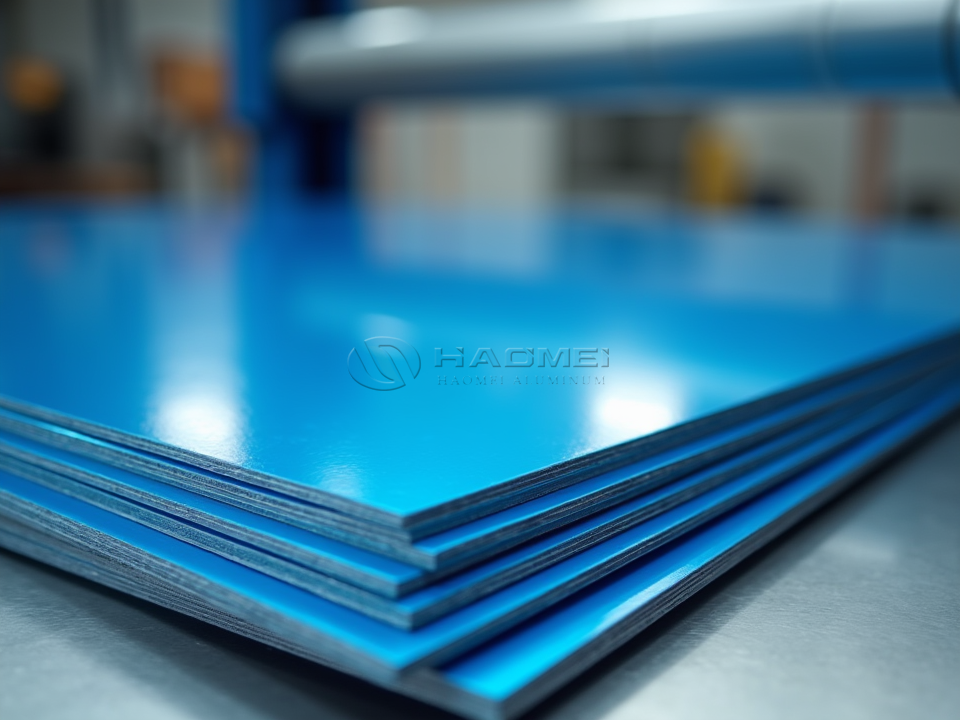
Typical Technical Parameters for Packaging Printing CTP Plates
| Property | Typical Range or Condition | Packaging Relevance |
|---|---|---|
| Aluminum substrate alloy | AA 1050, AA 1060 | High purity supports uniform graining and anodizing |
| Temper | H18, H19 or specified hard temper | Provides flatness, stiffness, and handling strength |
| Plate thickness | 0.15-0.40 mm | Selected according to press size and durability needs |
| Surface treatment | Electrochemical graining and anodizing | Creates hydrophilic non-image areas and coating adhesion |
| Anodic oxide layer | Approximately 1.5-3.0 g/m² | Improves corrosion resistance and press stability |
| Spectral sensitivity | 405 nm violet or 830 nm thermal | Must match the CTP imaging device |
| Resolution capability | Up to 2,400-4,000 dpi | Supports fine text, line work, and barcode clarity |
| FM screening capability | Typically 20 μm or finer, system dependent | Useful for smooth gradients and detailed package graphics |
| Run length | Around 50,000 to 200,000+ impressions | Depends on plate type, ink, chemistry, and baking |
| Storage condition | Cool, dry, protected from light | Prevents coating aging and imaging variation |
Actual values vary by coating design and press environment. Long-run or baked thermal plates may reach substantially higher impression counts when used with controlled chemistry and proper press maintenance.
Chemical Properties of Common Aluminum Plate Substrates
The chemical composition of the aluminum sheet affects grain uniformity, anodizing response, mechanical behavior, and the quality of the finished CTP surface. High-purity alloys reduce the chance of uneven treatment caused by excessive alloying elements.
| Element | AA 1050 Typical Maximum, % | AA 1060 Typical Maximum, % |
|---|---|---|
| Aluminum, Al | 99.50 minimum | 99.60 minimum |
| Silicon + Iron, Si + Fe | 0.40 | 0.35 |
| Copper, Cu | 0.05 | 0.05 |
| Manganese, Mn | 0.05 | 0.03 |
| Magnesium, Mg | 0.05 | 0.03 |
| Zinc, Zn | 0.05 | 0.05 |
| Titanium, Ti | 0.03 | 0.03 |
| Other elements, each | 0.03 | 0.03 |
| Other elements, total | 0.10 | 0.10 |
These limits are generally aligned with recognized aluminum alloy composition practices such as EN 573-3 and ASTM B209 requirements for wrought aluminum sheet. Finished plate dimensions, flatness, burr condition, and surface quality should also be controlled according to the agreement between the plate producer and printer.
Standards and Quality Controls That Matter in Practice
For packaging printers, a reliable CTP plate should be evaluated through measurable production behavior. Standard references may include ASTM B209 for aluminum sheet and coil, EN 485 for mechanical properties and tolerances of aluminum products, EN 573-3 for chemical composition, and ISO 12647 process control principles for offset printing.
However, pressroom performance remains the practical test. A plate should image consistently across the full sheet, develop without scumming, reproduce small positive and reverse text, maintain highlight dots, and remain clean during startup and long press runs. The anodized substrate must be evenly treated, while the photosensitive coating needs a controlled coating weight and strong adhesion.
For packaging graphics, the plate should also support dependable reproduction of barcodes and QR codes. Poor edge definition can lower scan reliability, especially when codes are printed in reverse or placed over colored backgrounds. Plate resolution, screening strategy, blanket condition, ink tack, and substrate absorbency work together, but the plate is where the image begins.
Choosing Between Thermal, Violet, and UV Plate Systems
Thermal plates are a frequent choice where long runs, demanding solids, and repeatable color are required. They are well suited to folding cartons, premium labels, and jobs involving numerous reprints. Violet plates offer rapid imaging and can be effective for shorter to medium runs when an established violet workflow is available.
UV printing requires additional attention. UV inks and washes can be more chemically aggressive than conventional systems, so a standard plate may not provide adequate durability. A purpose-designed UV-CTP Plate uses coating chemistry intended to tolerate UV press conditions and help prevent premature image wear.
Low-chemistry and processless plates can also benefit packaging operations that want to reduce processor maintenance, water use, and chemical handling. Their suitability depends on the press speed, job coverage, expected run length, and the consistency of the entire imaging-to-press workflow.
Practical Handling for Better Plate Life
CTP plates should be stored away from direct sunlight, high humidity, corrosive fumes, and sudden temperature changes. Operators should avoid touching the coated surface with bare hands, as fingerprints can interfere with water balance or cause localized contamination. Before mounting, inspect edges for damage and confirm that punching, bending, and plate orientation match the press requirements.
On press, correct fountain solution conductivity, pH, roller settings, ink-water balance, and wash-up chemistry have a direct effect on plate life. Even a durable aluminum CTP plate can fail early if the press is over-emulsified or cleaned with incompatible solvents.
A packaging printing CTP plate is therefore more than a carrier for an image. It is the controlled interface between digital design and physical package production. When the aluminum substrate, temper, surface treatment, coating, imaging system, and press conditions are properly matched, printers gain sharper graphics, more consistent color, lower waste, and dependable performance from the first carton to the final sheet.