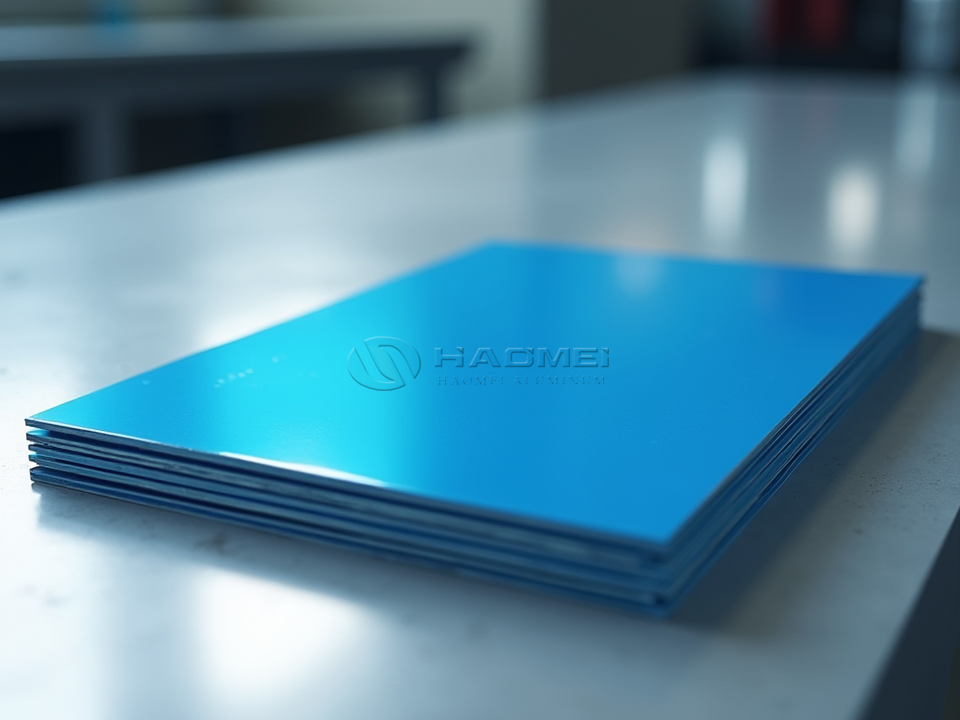
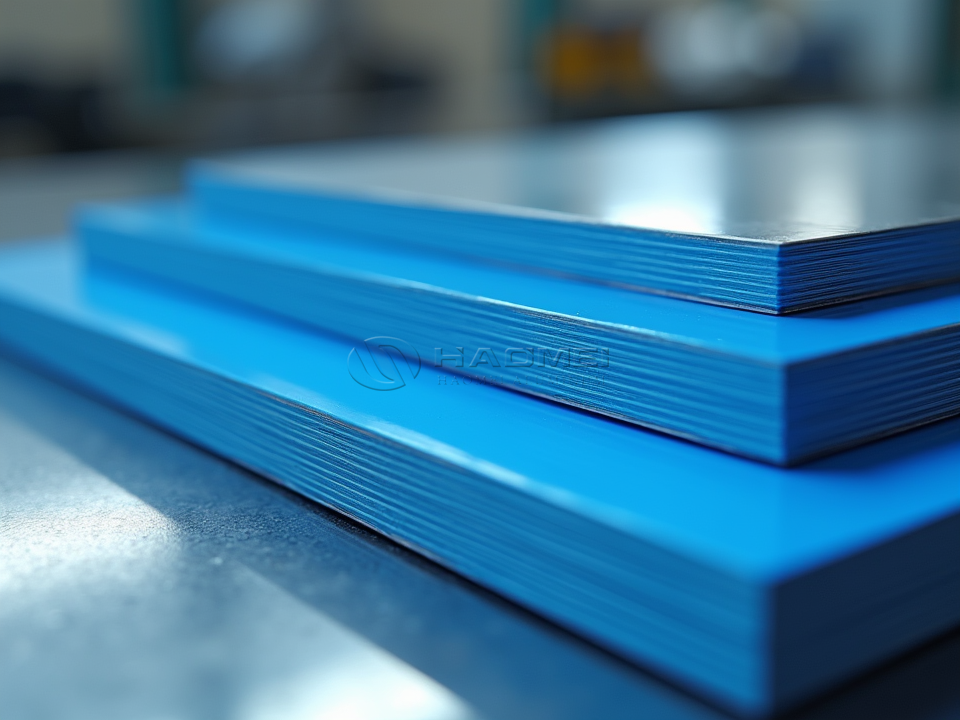
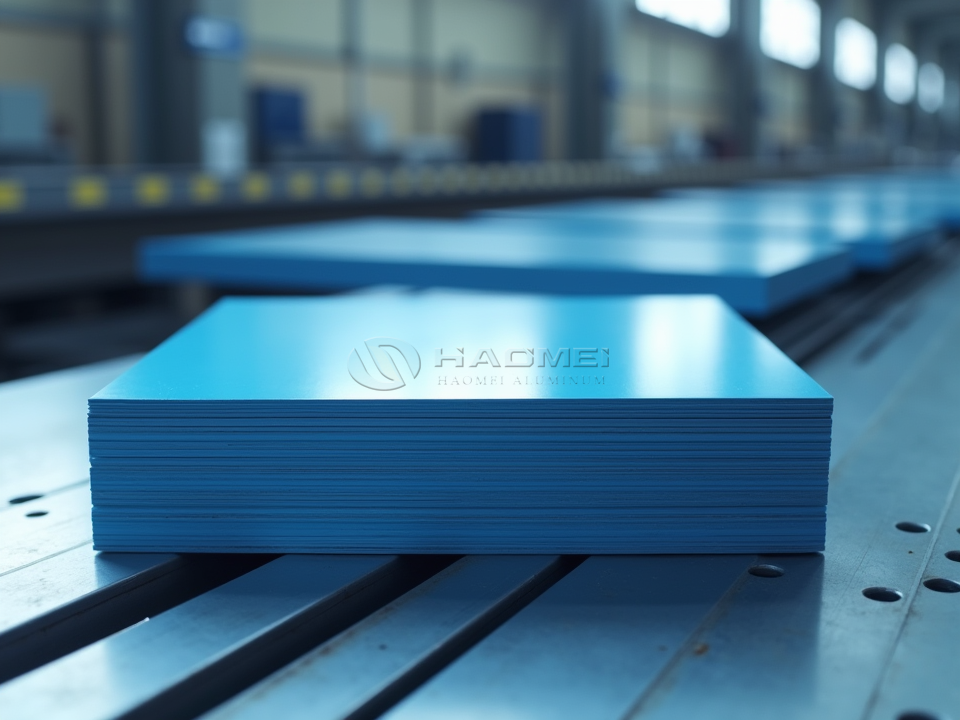
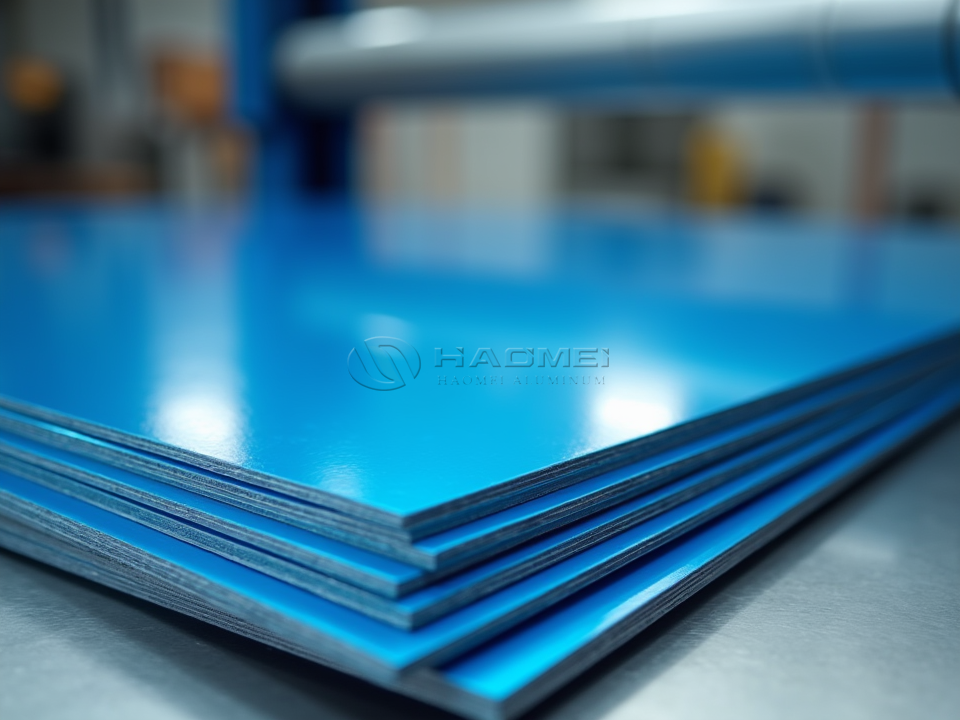
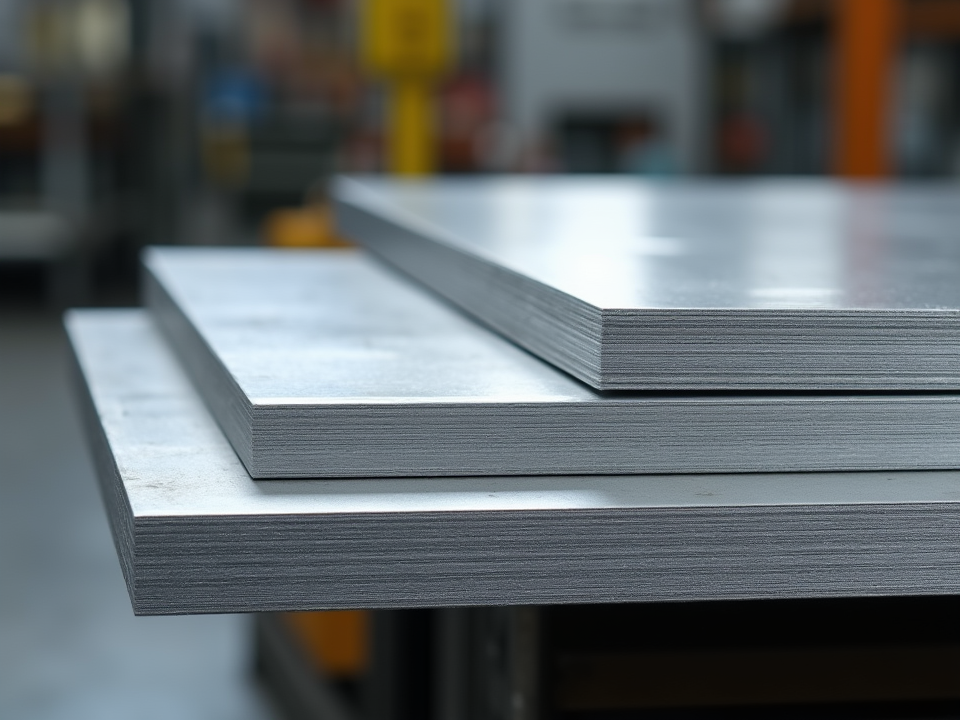
Negative Working CTP Aluminum Plate
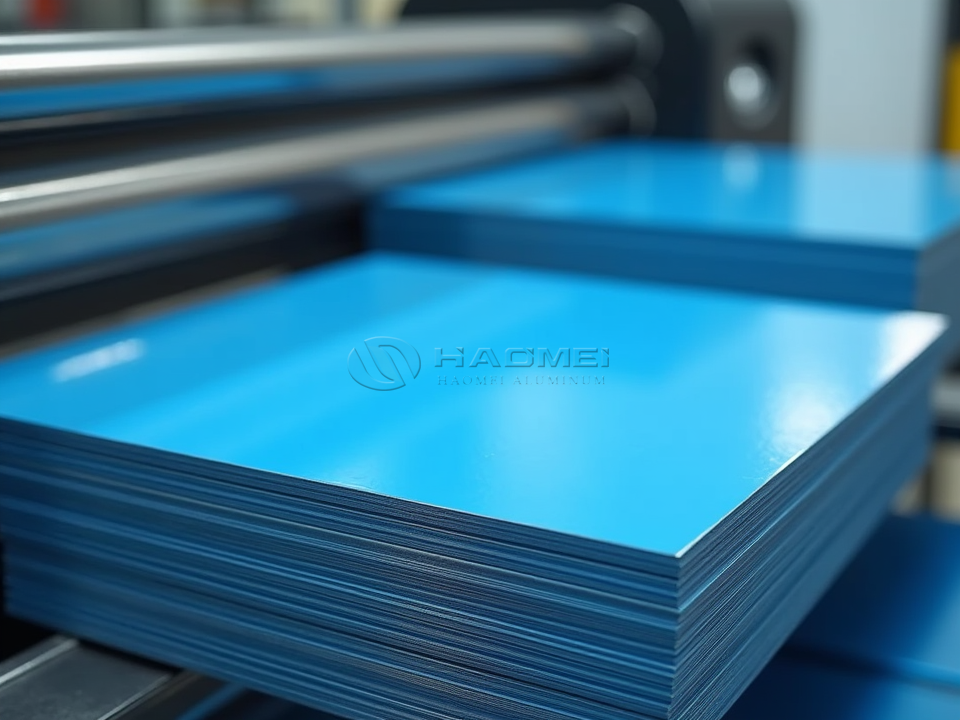
A negative working CTP aluminum plate is a computer-to-plate material designed for efficient, high-definition offset printing. It combines a grained and anodized aluminum substrate with a laser-sensitive negative coating. During imaging, the exposed coating hardens or becomes insoluble. The unexposed area is removed during development, leaving durable image regions that accept ink while the treated aluminum background retains water.
This plate technology supports stable dot reproduction, clean highlights, accurate registration, and dependable press performance. It is widely selected by commercial printers, packaging converters, book printers, and newspaper operations that need a balanced combination of sensitivity, run length, and image consistency.
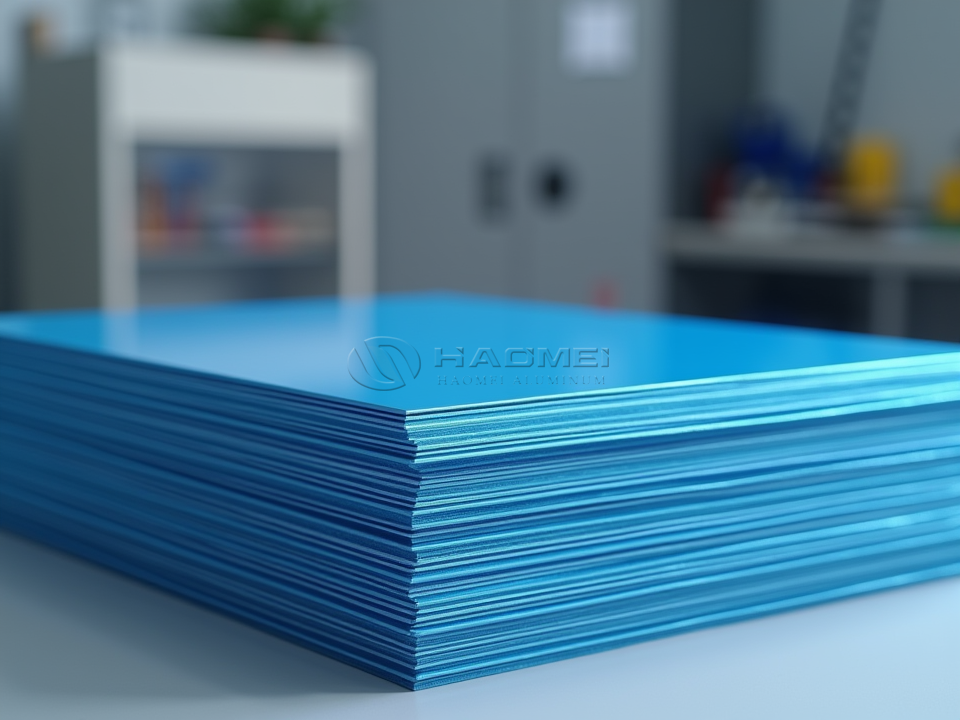
How Negative Working CTP Plates Function
The negative-working principle is based on selective laser exposure. A thermal or UV-compatible CTP device writes the digital image directly onto the coated aluminum plate. Exposed portions form the printing image. During processing, the developer removes the non-image coating while preserving the exposed, ink-receptive areas.
The aluminum base is not simply a carrier. Electrochemical graining creates a controlled microtexture that improves water retention and strengthens coating anchorage. Anodizing then develops a hard aluminum oxide layer, improving hydrophilicity, corrosion resistance, and plate durability. A sealed surface can further stabilize storage and press behavior.
| Process Stage | Plate Response | Printing Benefit |
|---|---|---|
| Digital laser imaging | Exposed coating crosslinks or hardens | Accurate transfer of text, lines, and halftone dots |
| Preheat, where required | Image layer gains chemical resistance | Longer press run potential |
| Development | Unexposed coating dissolves | Clean non-image background |
| Gum finishing | Plate surface is protected before press | Reduced oxidation and improved handling |
| Offset printing | Image areas accept ink; background accepts fountain solution | Stable ink-water balance |
A negative working CTP aluminum plate can be specified for thermal imaging, violet imaging, or UV exposure according to the plate formulation and imaging system. For thermal workflows, a Thermal CTP Plate is often preferred when robust imaging latitude and high-volume production are required.
Plate Construction and Aluminum Substrate
Plate performance depends heavily on the quality of the aluminum sheet. Most negative CTP plates use high-purity 1xxx-series aluminum, commonly AA 1050, AA 1060, or AA 1100. These alloys provide excellent formability, surface-treatment response, flatness, and resistance to printroom chemicals after anodizing.
| Layer | Typical Material | Primary Function |
|---|---|---|
| Protective interleaf | Paper or polymer separator | Prevents scratches and coating transfer in storage |
| Photosensitive layer | Negative-working polymer coating | Forms durable image areas after exposure |
| Optional interlayer | Hydrophilic or adhesion-promoting chemistry | Enhances coating bond and processing stability |
| Anodic layer | Porous aluminum oxide | Increases hardness, water retention, and corrosion protection |
| Grained aluminum substrate | Electrochemically grained aluminum sheet | Provides controlled surface roughness and coating anchorage |
| Back coating, optional | Protective organic layer | Improves handling and protects cylinder contact surface |
Typical Chemical Composition of Aluminum Substrate
The composition may vary with the selected alloy and mill specification. Values shown are common limits for AA 1050A-type plate substrate material.
| Element | Typical Content, % by Weight |
|---|---|
| Aluminum, Al | Balance, minimum 99.50 |
| Silicon, Si | 0.25 maximum |
| Iron, Fe | 0.40 maximum |
| Copper, Cu | 0.05 maximum |
| Manganese, Mn | 0.05 maximum |
| Magnesium, Mg | 0.05 maximum |
| Zinc, Zn | 0.07 maximum |
| Titanium, Ti | 0.05 maximum |
| Other elements, each | 0.03 maximum |
| Other elements, total | 0.10 maximum |
Technical Specifications
Negative working CTP aluminum plates are made in standard press formats and can be slit or cut to customized dimensions. Exact imaging and run-length figures depend on coating design, exposure energy, processor chemistry, press conditions, ink type, fountain solution, and whether post-baking is used.
| Parameter | Typical Range or Value | Notes |
|---|---|---|
| Plate thickness | 0.15 mm, 0.20 mm, 0.30 mm, 0.40 mm | 0.30 mm is common for sheet-fed commercial presses |
| Width | 300-1,650 mm | Custom sizes available by equipment requirement |
| Length | 400-1,350 mm | Cut accurately for specific press formats |
| Aluminum alloy | AA 1050A, AA 1060, AA 1100 | High-purity lithographic-grade substrate |
| Temper | H18 or H19 | Full-hard condition supports flatness and handling |
| Surface roughness, Ra | Approximately 0.40-0.70 μm | Controlled by graining process |
| Anodic oxide weight | Approximately 2.0-3.0 g/m² | Supports hydrophilicity and durability |
| Spectral sensitivity | Thermal 800-830 nm or UV/violet, formulation dependent | Match plate to CTP setter |
| Resolution | Up to 2-20 μm FM capability, system dependent | Suitable for fine text and screening |
| Conventional run length | 50,000-150,000 impressions | Dependent on press chemistry and coating system |
| Baked run length | Up to 300,000+ impressions | Product and process dependent |
| Storage condition | 15-25°C, relative humidity 40-60% | Keep sealed and away from direct light |
| Shelf life | Commonly 12-24 months | Confirm against product-specific datasheet |
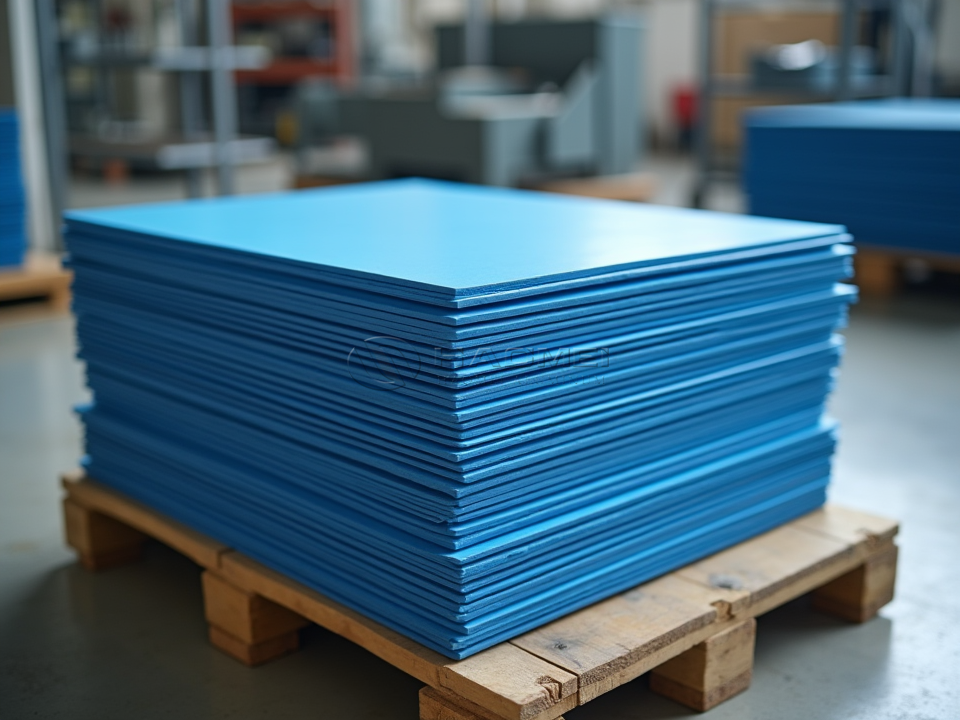
Temper, Mechanical Properties, and Flatness
H18 and H19 are widely used temper conditions for lithographic aluminum coils and sheets. These full-hard tempers help the plate maintain flatness during cutting, punching, bending, mounting, and high-speed press operation. The substrate must also remain sufficiently workable for accurate bends at the leading and trailing edges.
| Property | Typical 0.30 mm H18 Lithographic Substrate | Test Reference |
|---|---|---|
| Tensile strength | 150-190 MPa | EN 485-2 or ASTM B209 practice |
| Yield strength | 130 MPa minimum, typical | EN 485-2 or ASTM B209 practice |
| Elongation | 1-4% | Depends on gauge and test length |
| Density | 2.70 g/cm³ | Aluminum reference value |
| Flatness | Controlled to plate-format tolerance | Verified by supplier inspection |
| Surface condition | Clean, oil-controlled, scratch-free | Visual and process inspection |
Applicable Standards and Quality Controls
Finished negative CTP plates are specialized imaging products, so plate coating requirements are generally established through manufacturer specifications and press qualification. The aluminum substrate, however, can be produced and inspected in accordance with recognized aluminum sheet and coil standards.
| Standard or Practice | Relevance to Negative Working CTP Aluminum Plate |
|---|---|
| EN 485-1 | Technical conditions for inspection and delivery of aluminum wrought products |
| EN 485-2 | Mechanical-property requirements for sheet, strip, and plate |
| EN 485-4 | Tolerances for cold-rolled sheet and strip |
| ASTM B209 | Aluminum and aluminum-alloy sheet and plate specification |
| ISO 9001 | Quality-management framework for controlled manufacturing processes |
| RoHS / REACH, where applicable | Restricted-substance and chemical compliance review |
Typical quality checks include thickness measurement, width and length verification, edge quality, substrate cleanliness, coating uniformity, sensitivity testing, development latitude, image resolution, and press run validation. These controls help avoid problems such as pinholes, scumming, premature wear, irregular dot gain, or weak image adhesion.
Applications Across the Printing Industry
Negative working CTP aluminum plate serves printing operations where productivity and image resistance are important. Its ability to carry fine detail makes it suitable for both dense color work and sharp black text.
| Printing Segment | Typical Printed Products | Plate Requirement |
|---|---|---|
| Commercial printing | Brochures, catalogs, annual reports, posters | Fine screening and consistent color reproduction |
| Packaging printing | Folding cartons, labels, sleeves | Solid-ink durability and reliable registration |
| Publishing | Books, manuals, educational materials | Stable long-run text and image quality |
| Newspaper production | Daily newspapers, inserts, local editions | Fast imaging and repeatable processing |
| Security and specialty print | Forms, tickets, controlled graphics | Crisp microtext and dependable plate definition |
Handling and Process Recommendations
Store plates in their original sealed packaging in a dry, temperature-controlled area. Avoid direct sunlight, high humidity, strong oxidizing chemicals, and rapid temperature swings. Handle edges with clean gloves to prevent fingerprints from interfering with coating behavior.
For reliable imaging, calibrate the CTP setter to the selected plate sensitivity and confirm focus, laser power, and screening settings. Maintain developer concentration, temperature, replenishment rate, and dwell time within the plate supplier's process window. On press, use compatible fountain solution and ink, and keep the roller train clean to preserve the hydrophilic background.
Negative working CTP aluminum plates provide a practical route from digital files to durable offset plates. With a properly grained, anodized, full-hard aluminum substrate and a consistent negative imaging layer, they help printers achieve clean backgrounds, solid image retention, and efficient production across demanding print applications.