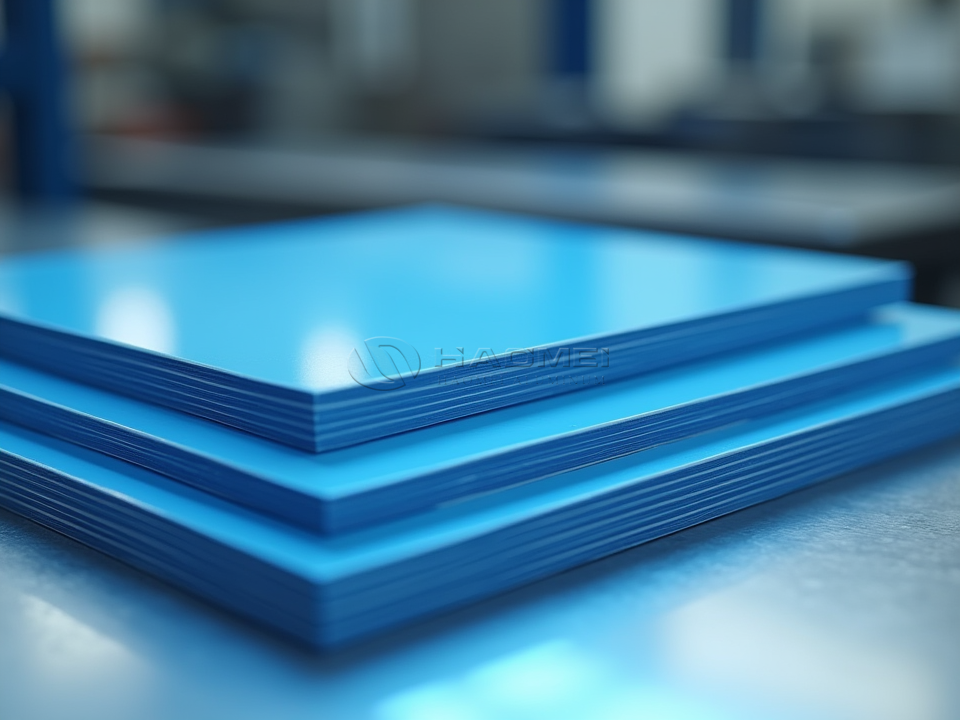
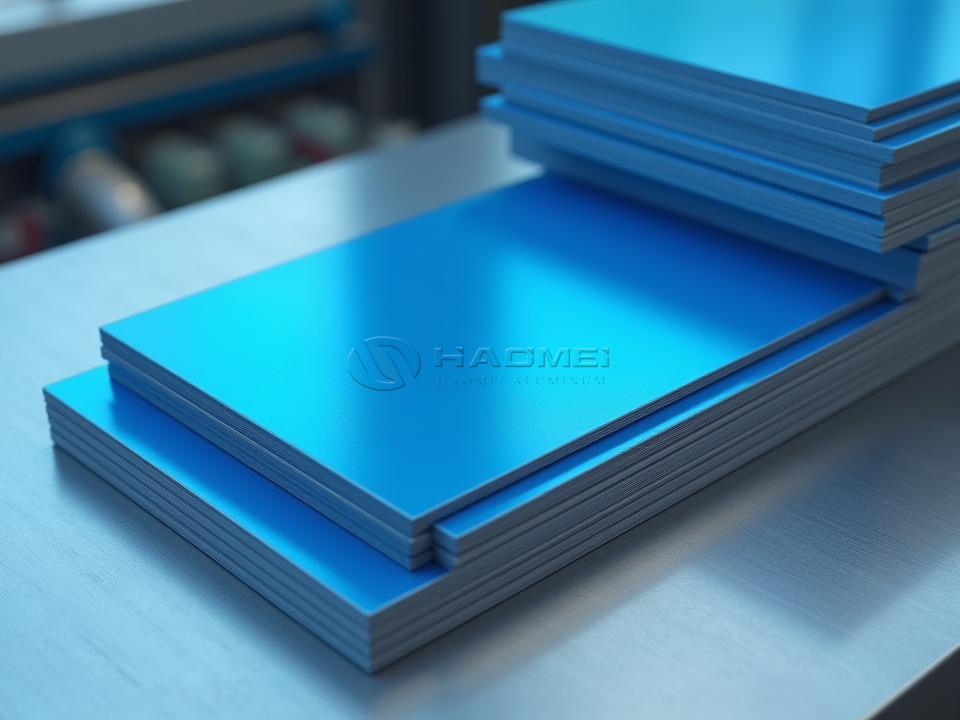
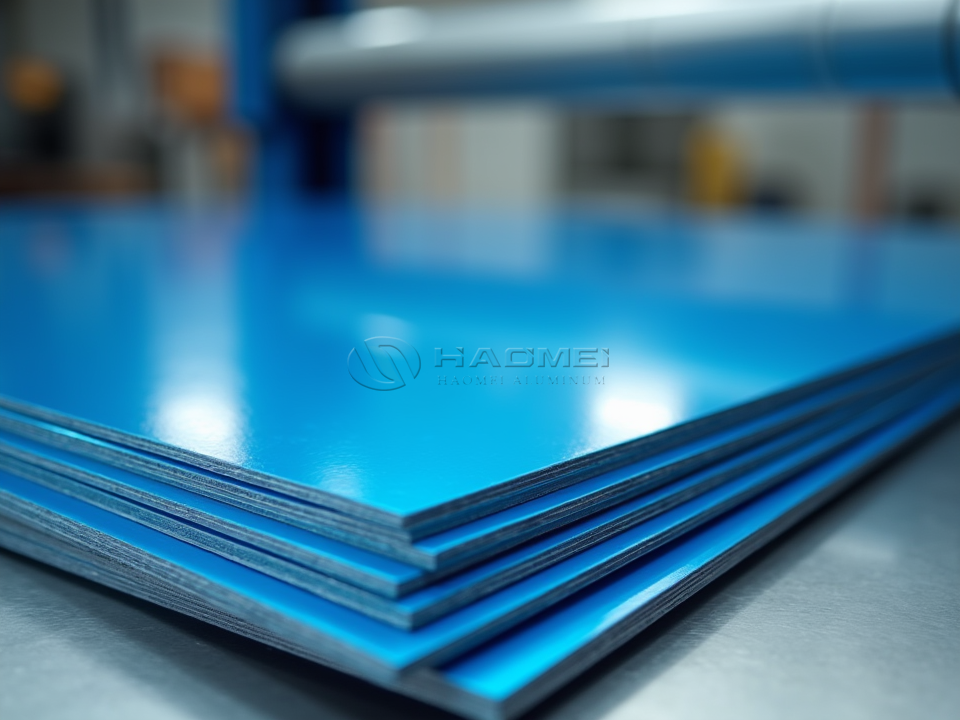
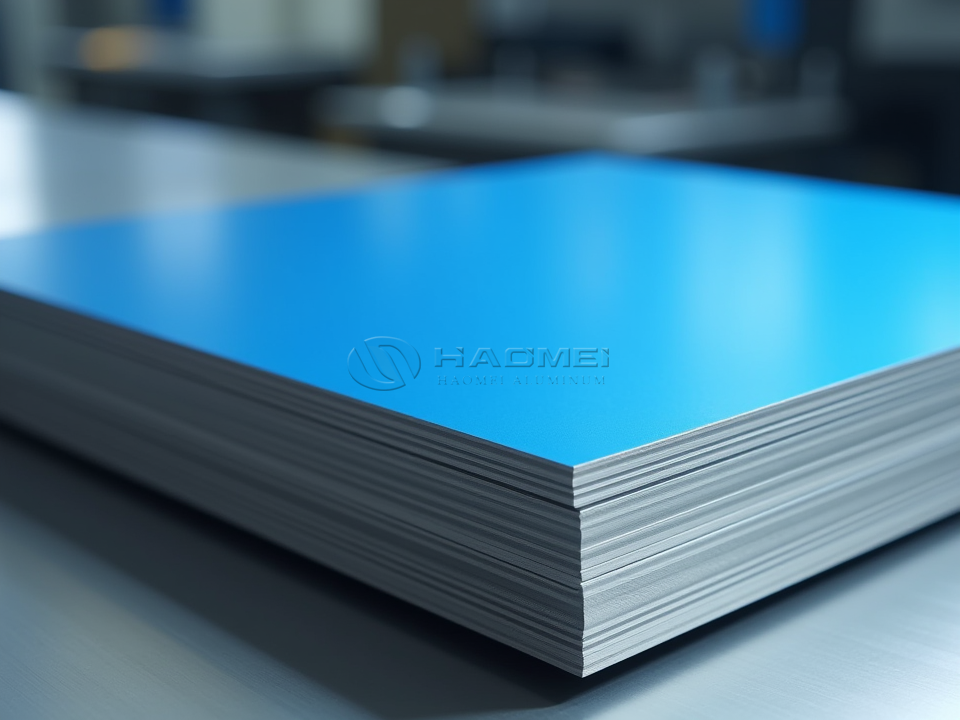
Fast Exposure CTP Aluminum Sheet
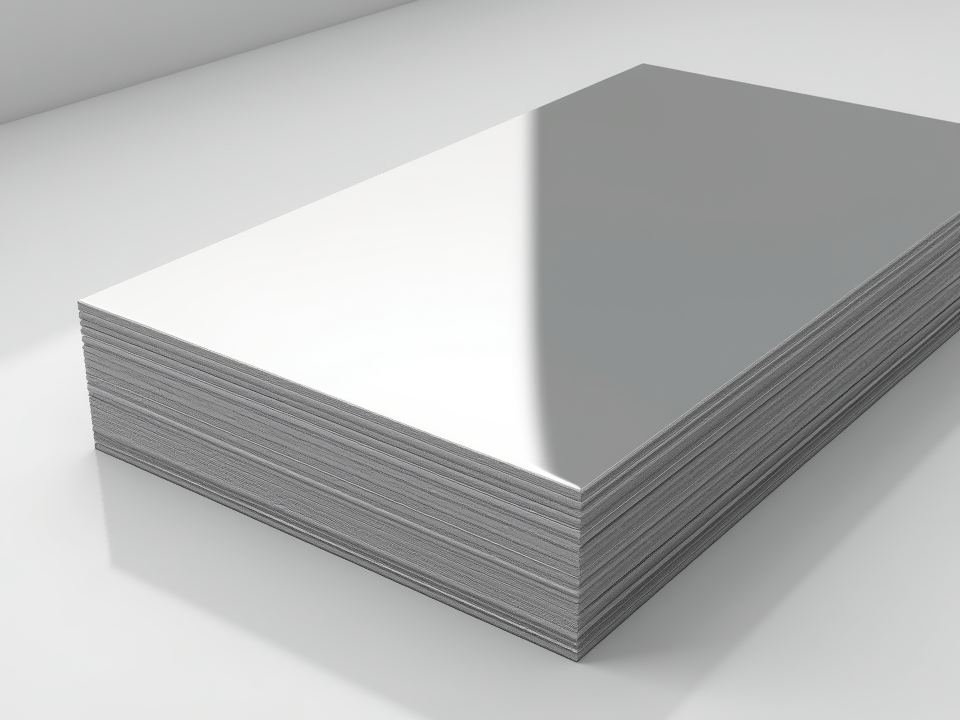
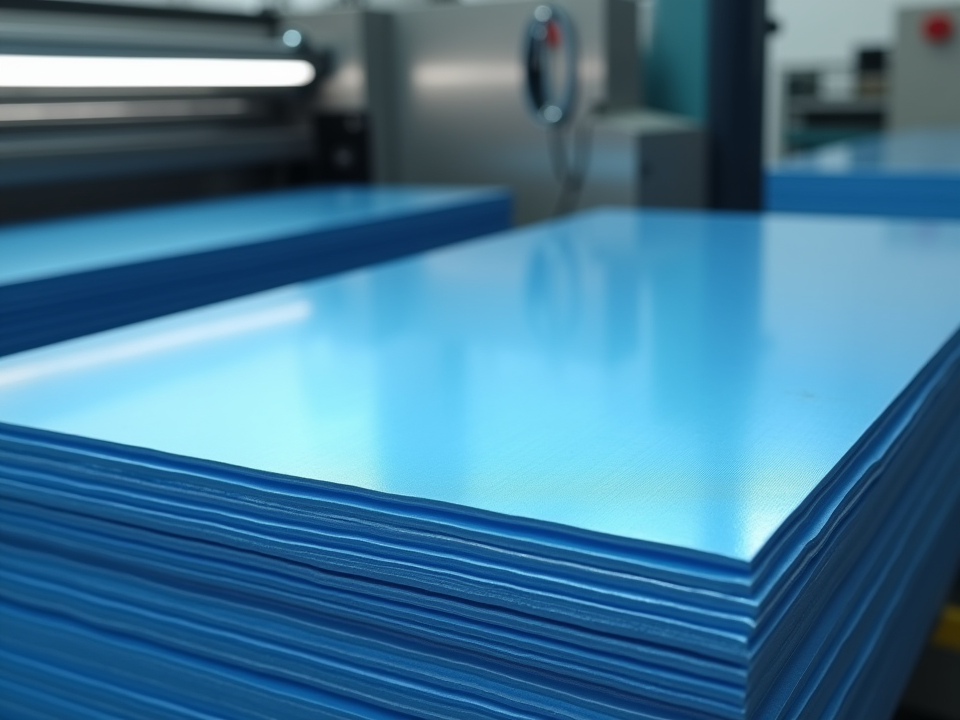
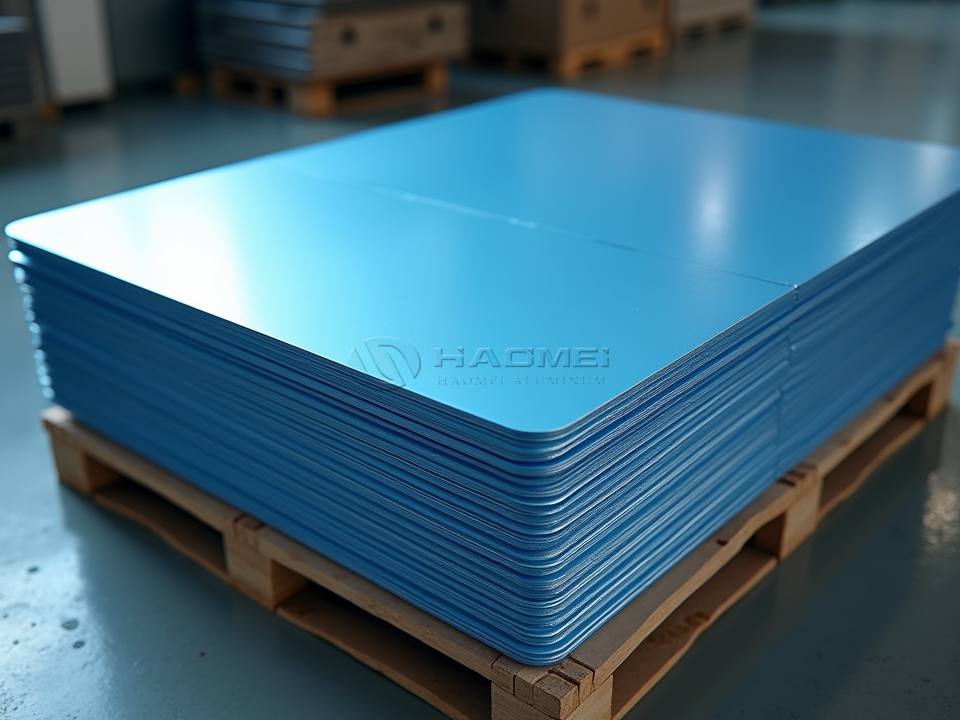
Fast exposure CTP aluminum sheet is a high-performance offset printing plate material designed for short imaging cycles, accurate reproduction, and stable press behavior. It combines a precision-rolled aluminum substrate with electrochemical graining, anodizing, hydrophilic treatment, and a light-sensitive coating. The finished plate responds efficiently in compatible computer-to-plate systems, helping printrooms reduce imaging time while maintaining clear highlights, dense solids, and controlled screen dots.
This material is suitable for commercial offset printing, publication work, packaging inserts, manuals, catalogs, labels, and fast-turnaround promotional jobs. Its balanced surface structure supports reliable water acceptance in non-image areas and strong ink attraction in exposed image areas. The result is a plate that starts cleanly on press and maintains consistent print quality throughout the planned run length.
Product Characteristics
Fast exposure CTP aluminum sheet is engineered around the relationship between substrate cleanliness, oxide-layer quality, coating sensitivity, and press durability. A controlled aluminum surface provides an even foundation for the photosensitive layer. Fine electrochemical graining creates microscopic anchoring points that improve coating adhesion and water retention, while anodizing strengthens corrosion resistance and supports long-term plate stability.
The fast-response coating shortens the laser exposure cycle compared with conventional plate technologies. This supports higher plate output from CTP equipment and can improve workflow efficiency during time-sensitive production. Fast imaging does not require sacrificing resolution: properly processed plates can reproduce fine text, smooth tonal transitions, stochastic screens, and conventional AM screening with dependable consistency.
| Performance Feature | Customer Benefit |
|---|---|
| High-sensitivity coating | Reduces plate imaging time and improves CTP throughput |
| Grained and anodized aluminum base | Supports water balance, coating adhesion, and press durability |
| Hydrophilic non-image surface | Helps prevent scumming and improves clean background reproduction |
| Sharp image formation | Delivers crisp text, stable halftone dots, and fine line detail |
| Consistent thickness and flatness | Promotes dependable mounting and register accuracy |
| Clean processing latitude | Supports stable results across normal exposure and development conditions |
| Strong storage protection | Helps preserve coating performance before use when handled correctly |
Aluminum Substrate and Surface Construction
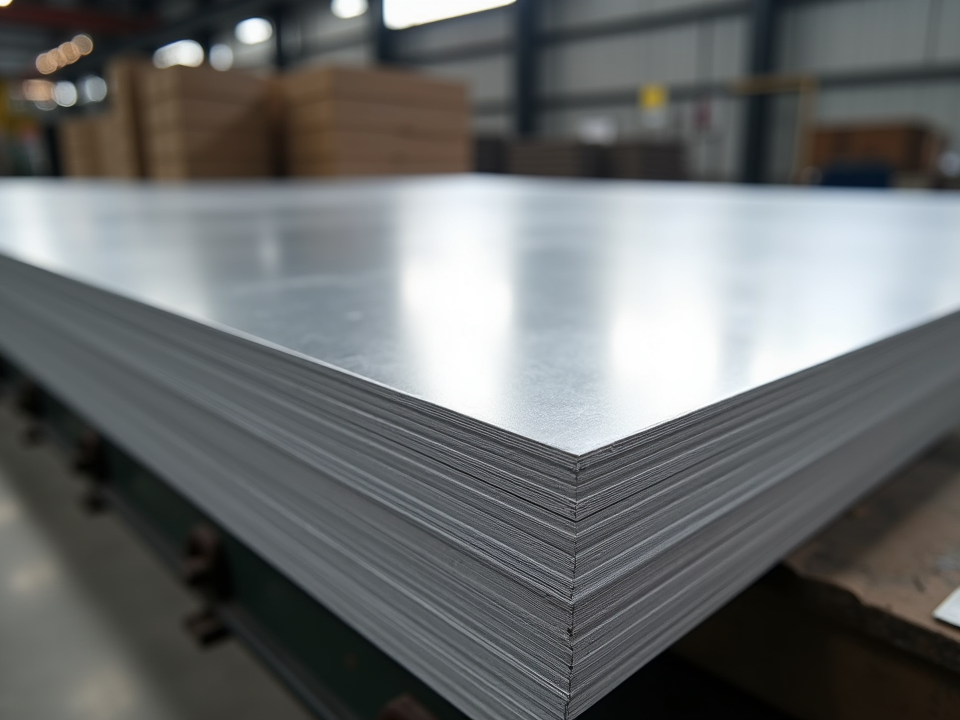
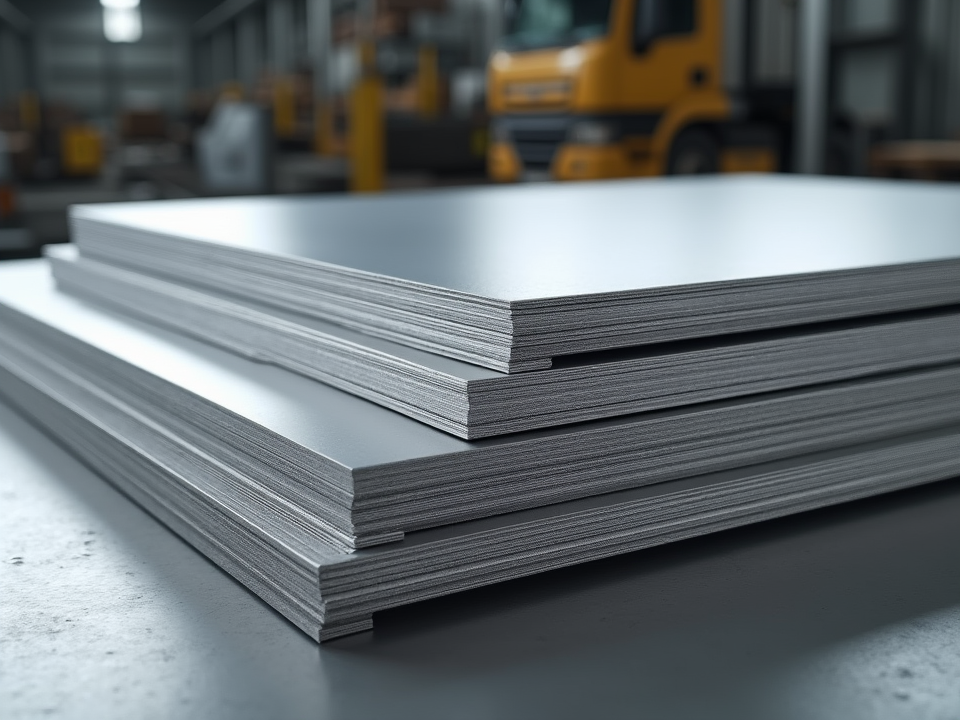
The substrate is commonly produced from high-purity 1050 or 1050A aluminum alloy. This alloy provides excellent formability, a uniform metallurgical structure, and reliable response to graining and anodizing. Tight control of thickness, surface cleanliness, and flatness is essential because even small variations can affect image uniformity, plate mounting, or on-press water balance.
The production route generally includes degreasing, electrochemical graining, anodizing, sealing or hydrophilic treatment, coating, drying, cutting, and protective packaging. Each stage contributes to the final plate's imaging speed and printing behavior.
| Layer or Treatment | Function in Plate Performance |
|---|---|
| Aluminum base | Provides dimensional stability and mechanical support |
| Electrochemical grain | Creates a controlled microstructure for water retention and coating anchorage |
| Anodic oxide layer | Improves corrosion resistance and strengthens the substrate surface |
| Hydrophilic treatment | Enhances water acceptance in non-image zones |
| Fast-exposure coating | Forms the ink-receptive image after laser exposure and processing |
| Protective interleaf | Reduces risk of scratching, contamination, and coating damage during handling |
For customers comparing plate technologies, an Aluminium CTP Plate range can also be selected according to laser wavelength, press length, developer system, and chemistry-reduction targets.
Chemical Composition of Typical Aluminum Base
The coating formulation is proprietary and selected according to imaging technology. The table presents typical chemical limits for a 1050A aluminum substrate used in CTP plate production. Actual mill certificates may vary according to the applicable standard and customer specification.
| Element | Typical Content, % by Weight |
|---|---|
| Aluminum, Al | 99.50 min |
| Silicon, Si | 0.25 max |
| Iron, Fe | 0.40 max |
| Copper, Cu | 0.05 max |
| Manganese, Mn | 0.05 max |
| Magnesium, Mg | 0.05 max |
| Zinc, Zn | 0.07 max |
| Titanium, Ti | 0.05 max |
| Other elements, total | 0.03 max |
Alloy Temper and Mechanical Data
CTP aluminum sheet is supplied in a temper selected for smooth processing, dimensional stability, and dependable conversion into printing plates. H18 is frequently used for thin, rigid plate substrates, while other tempers can be agreed for specialized converting requirements.
| Parameter | Typical Value or Range |
|---|---|
| Base alloy | AA 1050 / 1050A |
| Common temper | H18 |
| Thickness range | 0.15 mm to 0.40 mm |
| Common thicknesses | 0.15 mm, 0.20 mm, 0.24 mm, 0.30 mm, 0.40 mm |
| Tensile strength | 130 MPa to 165 MPa |
| Elongation | 1% to 4% |
| Density | 2.70 g/cm³ |
| Plate flatness | Suitable for automated CTP loading and offset press mounting |
| Surface condition | Electrochemically grained, anodized, hydrophilic, coated |
Imaging and Printing Specifications
Fast exposure CTP aluminum sheet is generally configured for thermal, violet, or other compatible CTP imaging platforms. The exact imaging energy depends on laser wavelength, plate coating, CTP head condition, resolution, screen type, and processing parameters. Exposure and development settings should always be confirmed through plate-room testing before full production.
| Technical Item | Typical Specification |
|---|---|
| Imaging method | Computer-to-plate laser imaging |
| Common laser compatibility | 830 nm thermal or 405 nm violet, depending on coating design |
| Thermal exposure sensitivity | Approximately 80 to 120 mJ/cm² |
| Resolution capability | Up to 2,400 dpi or according to CTP device capability |
| FM screening support | Suitable for fine stochastic screening with controlled processing |
| AM screening support | Suitable for conventional screen rulings up to 200 lpi or higher by application |
| Recommended processing | Compatible developer and replenisher system specified for the plate type |
| Press run length | Approximately 50,000 to 150,000 impressions, depending on ink, fountain solution, press conditions, and post-bake option |
| Storage condition | Cool, dry, protected from direct light and excessive humidity |
| Shelf life | Commonly up to 12 to 18 months in unopened recommended storage conditions |
Printing Applications
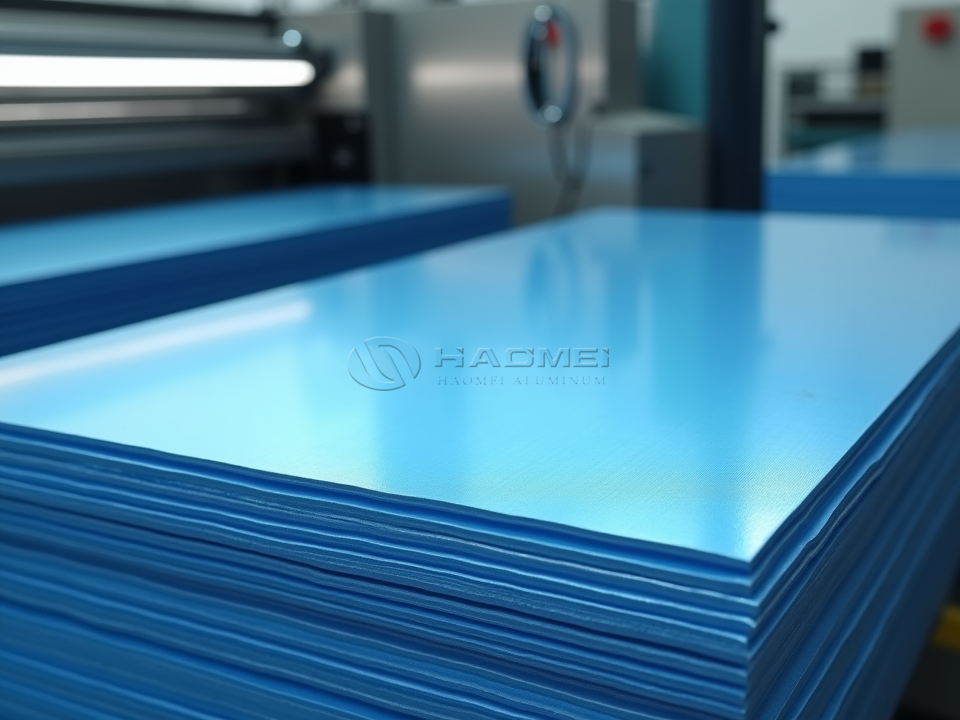
Fast exposure CTP aluminum sheet is particularly effective where rapid plate preparation supports daily production schedules. Commercial printrooms can use it for brochures, leaflets, annual reports, books, retail inserts, and direct-mail materials. Publishers benefit from repeatable tonal reproduction for magazines and educational materials. Packaging converters can apply it to carton inserts, short-run packaging graphics, and high-detail brand pieces where clean type and solid ink density matter.
It is also practical for service bureaus and print operations that receive frequent small or medium-volume jobs. Faster imaging helps reduce waiting time between approved artwork and press-ready plates. The plate's stable hydrophilic surface assists operators in reaching ink-water balance quickly, reducing paper waste during press start-up.
Handling and Process Guidance
Plate performance depends on careful handling from delivery through press removal. Store cartons horizontally in their original protective wrapping, away from sunlight, chemicals, moisture, and high temperatures. Allow sealed material to acclimatize to the plate-room environment before opening to reduce condensation risk.
Use clean gloves when handling plates, avoid touching the coated surface, and keep plate punches, clamps, and conveyor paths free of debris. During processing, maintain developer concentration, temperature, conductivity, and replenishment within the plate supplier's recommended operating window. Underexposure can weaken image areas, while excessive exposure may affect dot shape and processing latitude.
| Process Control Point | Recommended Practice |
|---|---|
| Plate storage | Keep dry, light-protected, and temperature-stable |
| Plate-room cleanliness | Prevent dust, fingerprints, scratches, and chemical contamination |
| Exposure calibration | Verify with a control wedge, test form, or plate quality-control system |
| Developer maintenance | Monitor concentration, temperature, replenishment, and filtration |
| Gum application | Apply evenly to protect the processed plate before press use |
| Press chemistry | Use compatible fountain solution and maintain correct conductivity and pH |
Purchasing Considerations
When specifying fast exposure CTP aluminum sheet, confirm the CTP laser wavelength, required plate dimensions, thickness, coating polarity, processing method, target run length, and press conditions. Customers with frequent changeovers may prioritize exposure speed and rapid clean-out. Longer production runs may require a more durable coating, optimized chemistry, or post-baking capability.
A properly matched plate provides more than rapid imaging. It creates a dependable bridge between digital prepress and offset production, supporting sharp print definition, predictable press startup, and efficient use of labor, chemistry, and press time.