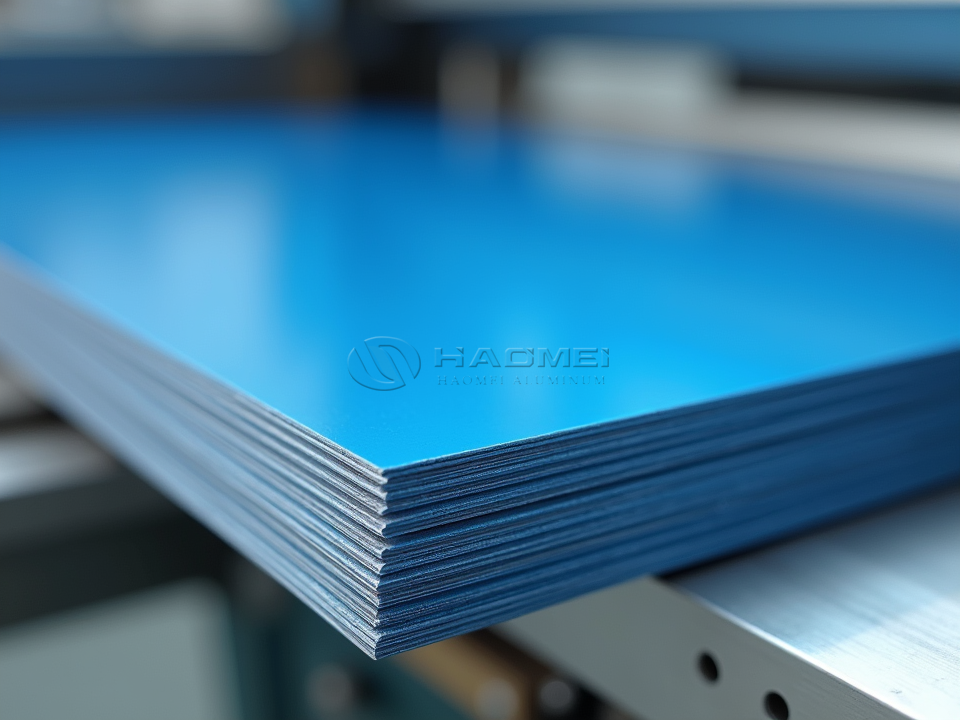
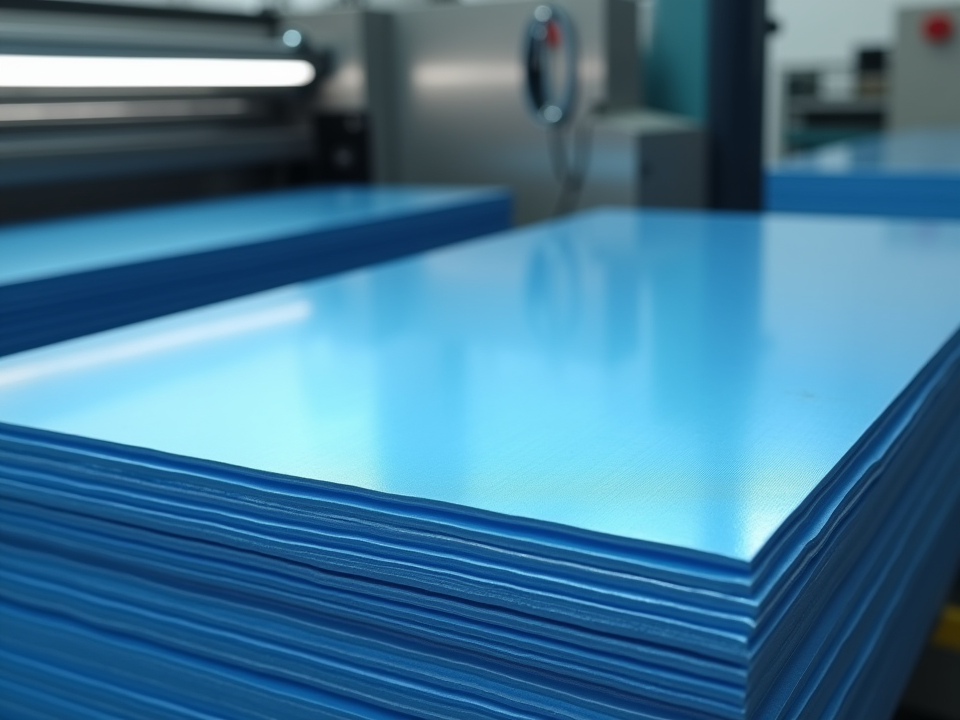
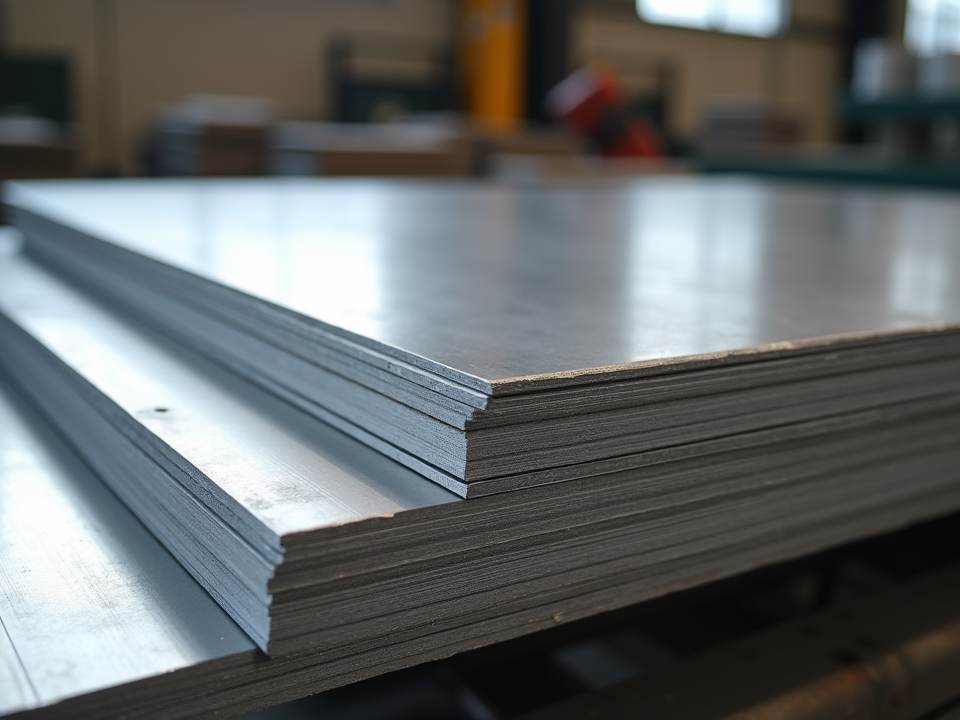
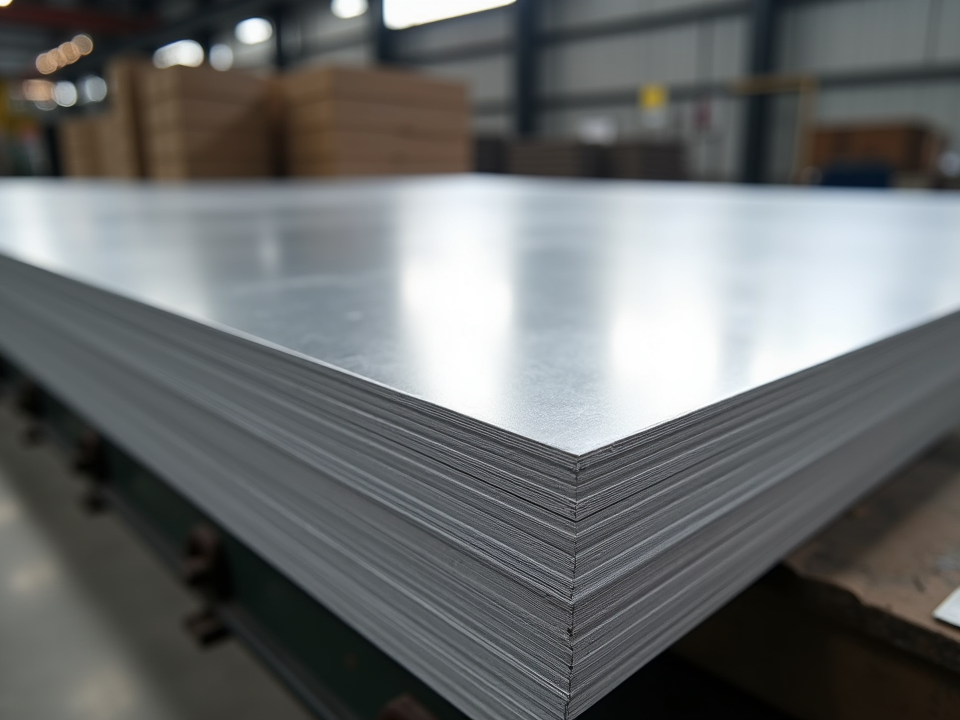
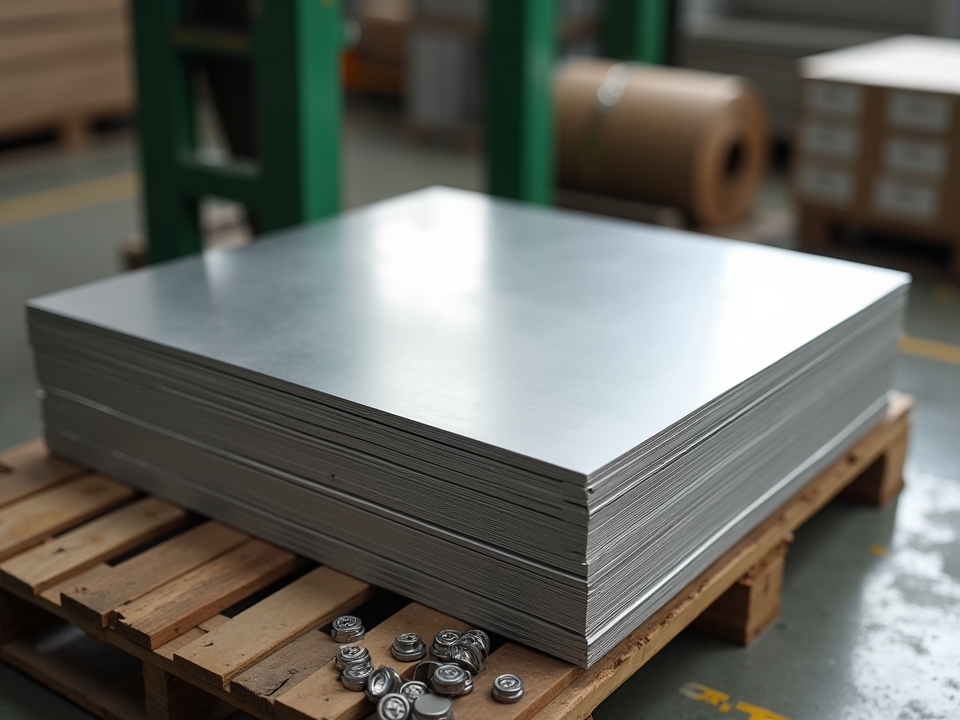
High Resolution CTP Aluminum Plate
A high resolution CTP aluminum plate is more than a thin metal sheet carrying a photosensitive coating. It is the stable foundation beneath every fine highlight, sharp line screen, readable microtext, and consistent solid printed on an offset press. While imaging technology often receives the attention, the aluminum substrate determines whether that digital image remains stable through exposure, development, mounting, dampening, and thousands of press impressions.
For printers pursuing clean tonal transitions and reliable dot reproduction, plate quality begins with the aluminum grain structure. A well-produced CTP substrate has controlled flatness, even thickness, high surface cleanliness, and a uniform electrochemically grained texture. These details help the coating accept laser imaging evenly while supporting balanced water retention in non-image areas.
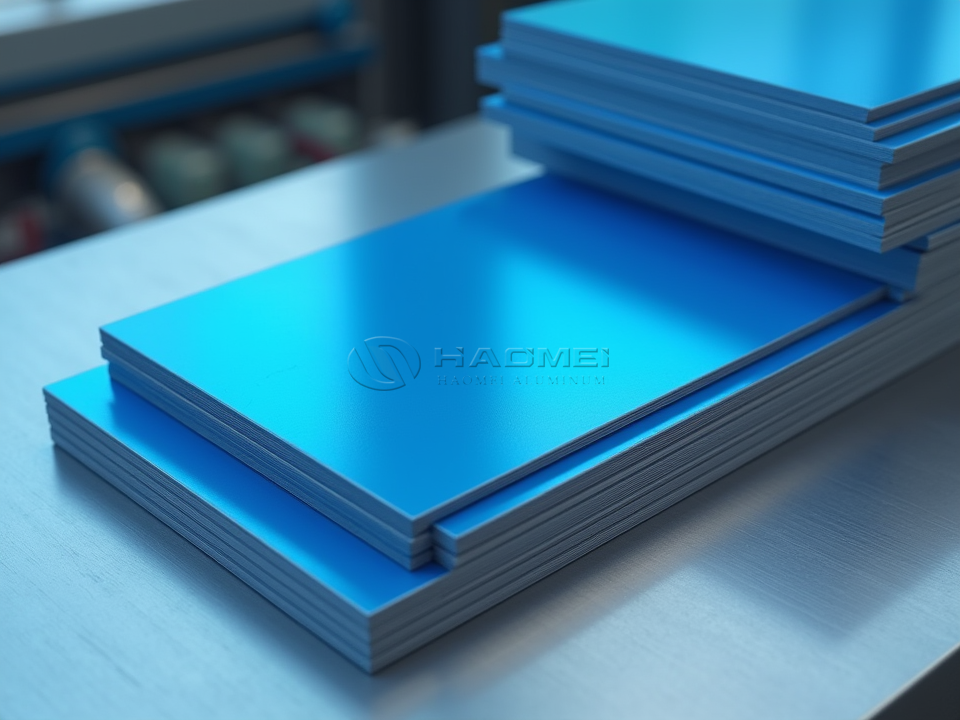
Why Resolution Depends on the Aluminum Substrate
In CTP production, resolution is not only a matter of laser wavelength or RIP settings. The plate must present a highly consistent surface to the coating and imaging system. If the substrate has uneven roughness, residual rolling marks, inconsistent oxidation, or poor dimensional stability, the final plate can show irregular dots, uneven ink-water balance, premature wear, or weak reproduction in delicate image areas.
High resolution CTP aluminum plate is generally manufactured from premium rolled aluminum coil. The coil passes through cleaning, alkaline or electrochemical graining, anodizing, sealing, and coating preparation stages. Electrochemical graining forms a microscopic landscape across the plate. This texture is fine enough to preserve small halftone dots while providing enough hydrophilicity for stable non-image areas during offset printing.
The anodic oxide layer is equally important. It improves corrosion resistance, strengthens the surface, and creates an effective anchor for the photosensitive layer. A properly anodized plate can maintain imaging precision while resisting mechanical stress from press handling and repeated contact with rollers, fountain solution, and ink.
Common Technical Parameters
High resolution CTP aluminum plates are available for thermal, violet, UV, processless, and low-chemistry imaging systems. Exact values vary according to plate type, coating design, and press requirements, but the following ranges are commonly specified for aluminum CTP substrates.
| Parameter | Typical Range or Requirement |
|---|---|
| Aluminum alloy | AA 1050, AA 1060, AA 1070, AA 1100 series |
| Temper | H18, H19, H22, H24, H26 |
| Plate thickness | 0.14 mm to 0.40 mm |
| Common thicknesses | 0.15 mm, 0.20 mm, 0.25 mm, 0.30 mm, 0.40 mm |
| Width | Usually 650 mm to 1,650 mm, customized sizes available |
| Surface roughness | Typically Ra 0.40 to 0.70 μm after graining |
| Anodic oxide weight | Commonly 2.0 to 3.5 g/m², depending on coating system |
| Flatness | Controlled for reliable plate mounting and imaging |
| Resolution capability | Suitable for fine AM screening, FM screening, and microtext reproduction |
| Run length | Depends on plate coating, press chemistry, image coverage, and baking conditions |
Thickness selection should match the press cylinder design and printing application. A 0.15 mm or 0.20 mm plate is frequently selected for short-to-medium runs and smaller presses. A 0.30 mm or 0.40 mm plate offers greater rigidity for larger formats, long runs, UV ink applications, and demanding press environments.
Alloy and Temper: The Mechanical Balance Behind Stable Printing
Most CTP plate substrates use high-purity 1xxx aluminum alloys because they offer excellent formability, stable electrochemical graining behavior, and dependable anodizing response. AA 1050 and AA 1060 are widely used choices. Their low alloying-element content supports a clean, even surface after treatment.
Temper affects plate stiffness, handling behavior, and flatness retention. H18 and H19 tempers are hard conditions with good strength and strong resistance to deformation. They are suitable when the plate requires high rigidity. H22, H24, and H26 tempers provide differing degrees of strain hardening and partial annealing, allowing the manufacturer to balance mechanical strength with processing stability.
For a high resolution CTP aluminum plate, the ideal temper is not simply the hardest available condition. Excessive hardness can complicate processing or affect flatness control, while insufficient strength may lead to edge damage, bending, or mounting difficulties. The correct alloy-temper combination supports accurate plate registration and steady press performance.
Typical Chemical Composition of CTP Aluminum Plate Substrate
The chemical composition is commonly controlled according to aluminum alloy standards. The table presents representative limits for AA 1050 and AA 1060 aluminum, two frequently used substrate grades for CTP plate production.
| Element | AA 1050, % | AA 1060, % |
|---|---|---|
| Aluminum, Al | 99.50 min | 99.60 min |
| Silicon, Si | 0.25 max | 0.25 max |
| Iron, Fe | 0.40 max | 0.35 max |
| Copper, Cu | 0.05 max | 0.05 max |
| Manganese, Mn | 0.05 max | 0.03 max |
| Magnesium, Mg | 0.05 max | 0.03 max |
| Zinc, Zn | 0.05 max | 0.05 max |
| Titanium, Ti | 0.03 max | 0.03 max |
| Other elements, each | 0.03 max | 0.03 max |
| Other elements, total | 0.10 max | 0.10 max |
High aluminum purity contributes to uniform grain formation. Excessive impurities can influence the electrochemical reaction during graining and anodizing, making surface behavior less consistent. This is why CTP substrate production focuses not only on alloy designation, but also on controlled melt quality, rolling practice, and surface preparation.
Implementation Standards and Quality References
The aluminum coil or sheet used for CTP plate substrates may be produced with reference to standards such as ASTM B209, EN 485, EN 573, and GB/T 3880. These standards address aluminum alloy composition, mechanical properties, dimensional tolerances, and delivery conditions.
For coated CTP plates, production control also includes manufacturer-specific requirements for surface roughness, oxide layer quality, coating adhesion, sensitivity, resolution, developer compatibility, and press run performance. Since the final product is an imaging plate rather than ordinary aluminum sheet, both metal standards and printing-process requirements matter.
Quality inspection commonly checks thickness tolerance, width, diagonal accuracy, burr condition, flatness, surface defects, coating uniformity, sensitivity, and image development behavior. Plates intended for advanced commercial printing may also undergo tests for dot retention, chemical resistance, scratch resistance, and press durability.
Choosing the Right Plate Technology
Thermal systems remain popular for high-resolution commercial printing because they provide durable imaging, strong processing latitude, and dependable performance for detailed work. A Thermal CTP Plate can be selected for applications requiring stable dot formation, medium-to-long press runs, and compatibility with established thermal CTP workflows.
Violet imaging systems can offer fast exposure and efficient plate production in suitable pressrooms. For printers using violet laser equipment, a Violet CTP Plate provides a practical route to consistent imaging and clear print reproduction when matched with the correct processor settings and fountain solution control.
The best choice depends on imaging equipment, press format, expected run length, ink system, chemistry management, environmental targets, and finishing requirements. UV printing, abrasive paper stocks, high ink coverage, and long production schedules may require a more durable coating or a baked plate process.
Practical Handling for Better Plate Performance
Even the finest plate can lose performance through poor handling. Plates should be stored in a dry, temperature-stable environment, away from direct sunlight, moisture, dust, and corrosive vapors. Operators should avoid touching the coated surface with bare hands, as fingerprints can interfere with imaging or development.
Before imaging, confirm that plate thickness and punch configuration match the press. During production, maintain consistent exposure, processor temperature, replenisher condition, and gum application. On press, correct fountain solution conductivity and pH help preserve clean non-image areas and extend usable plate life.
A high resolution CTP aluminum plate delivers its strongest value when the substrate, coating, imaging system, chemistry, and press settings work as one controlled chain. The result is not merely a plate with a sharp image, but a predictable printing surface that protects detail from prepress file to finished sheet.