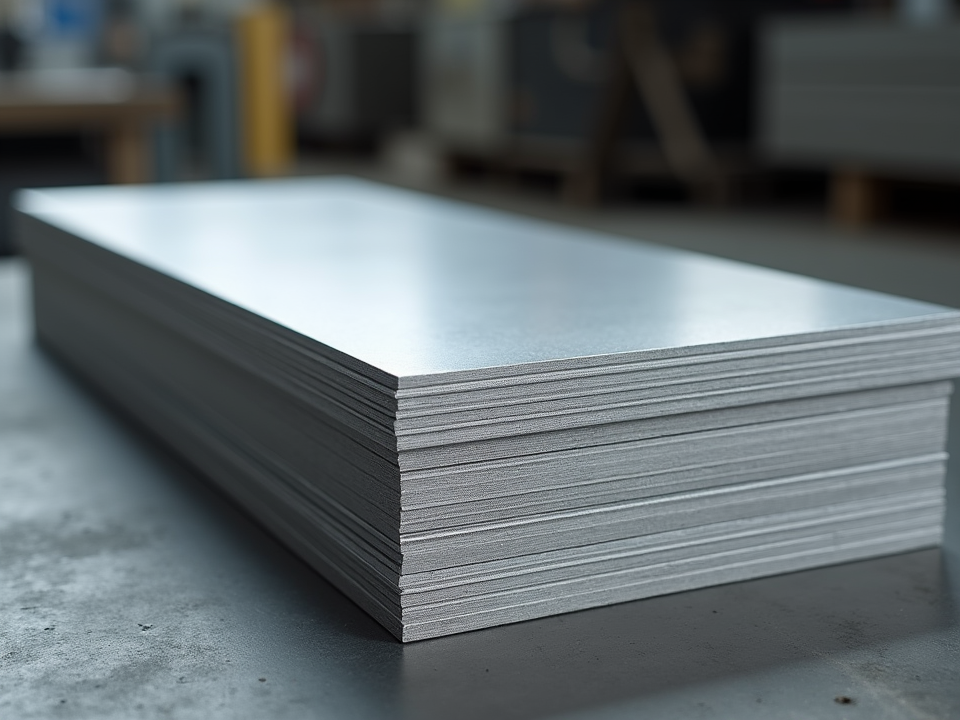
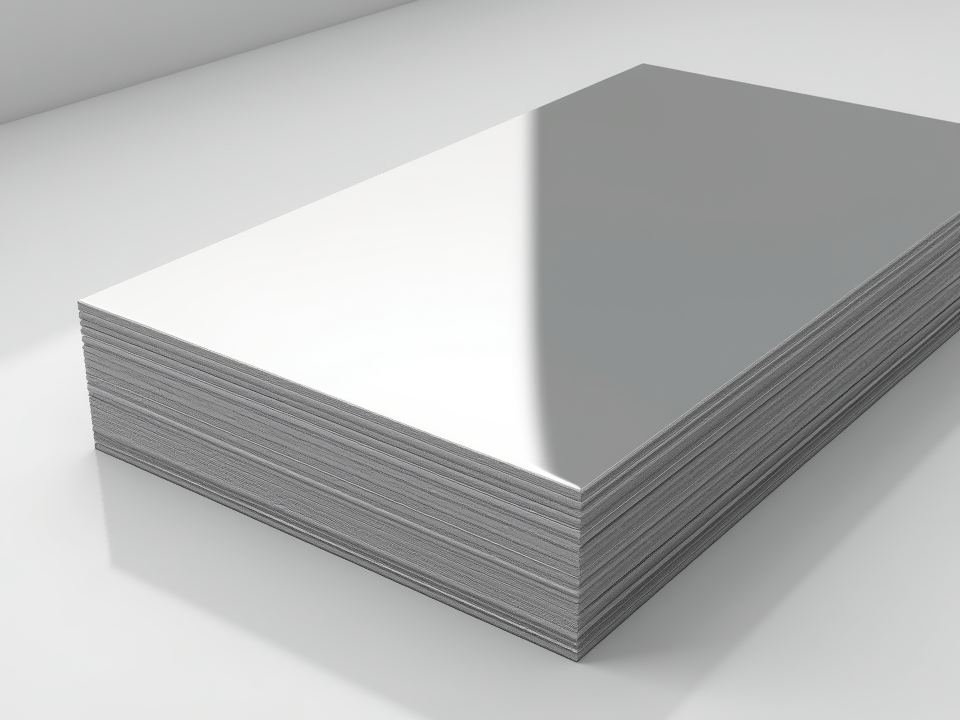
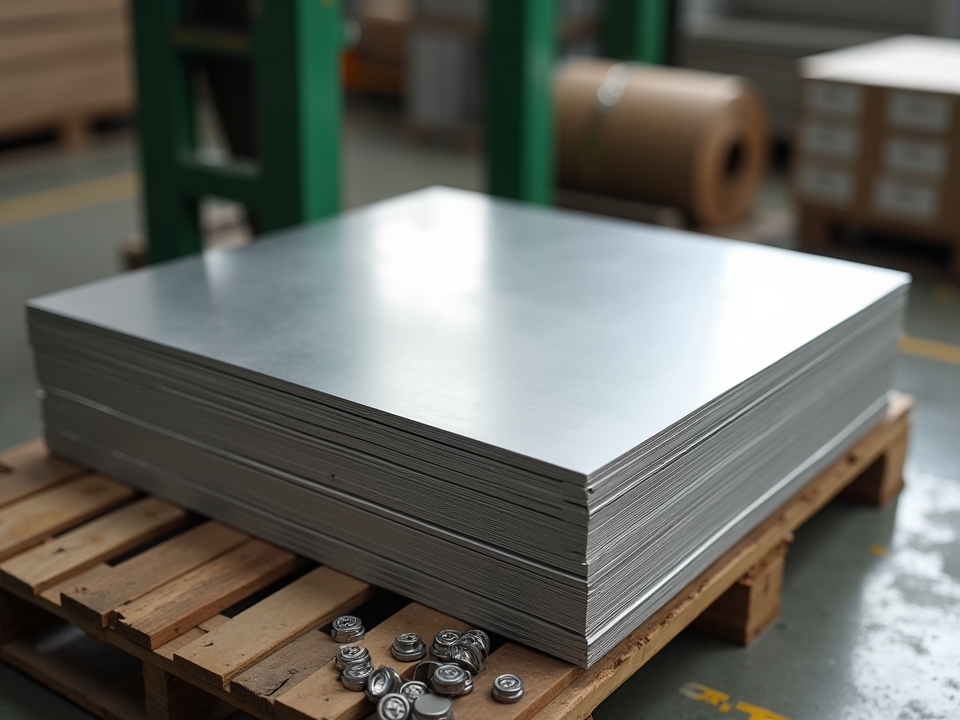
Pharmaceutical Closure Aluminum Sheet
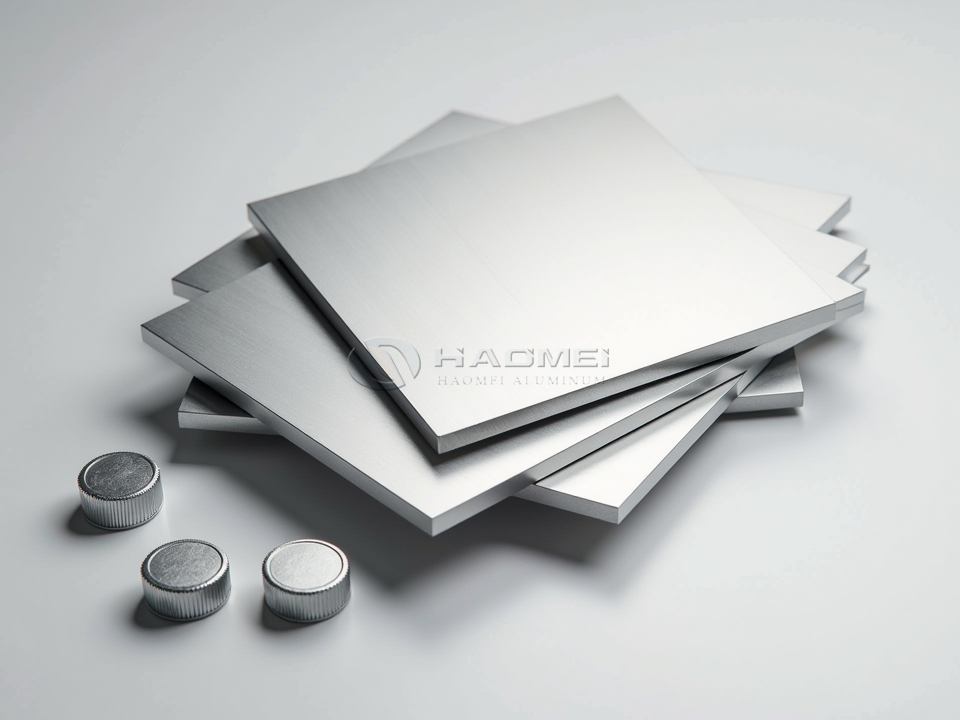
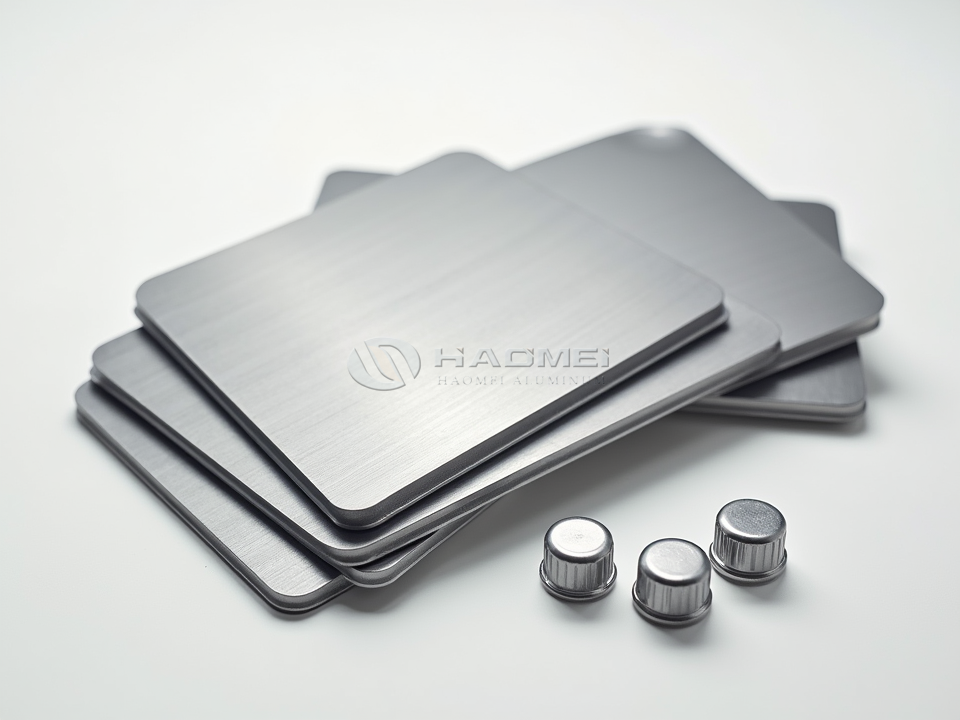
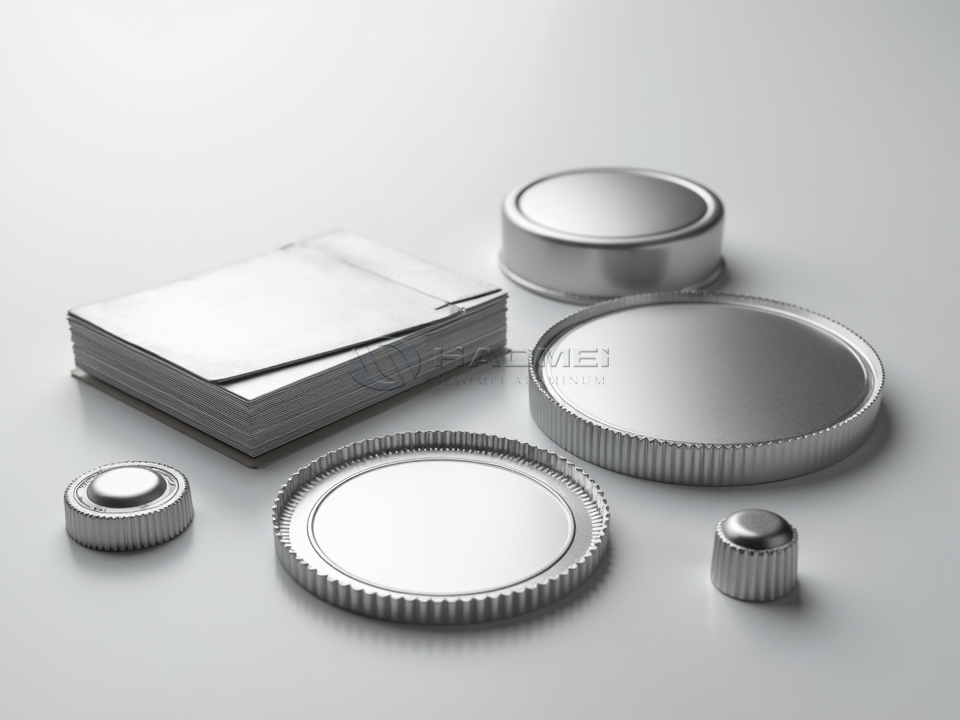
Pharmaceutical closure aluminum sheet is a precision-rolled material used to produce caps, seals, flip-off closures, vial overseals, and screw closures for medicine containers. It combines low weight, corrosion resistance, controlled strength, and excellent deep-drawing behavior. When formed into a closure and combined with an elastomer stopper, liner, or lacquer system, it helps protect medicines from contamination, moisture, oxygen exposure, and tampering.
For injectable medicines, oral liquids, diagnostic reagents, and sterile healthcare products, closure material quality directly affects production efficiency and pack integrity. A clean surface, stable thickness, and uniform mechanical properties enable high-speed stamping, drawing, knurling, printing, and sealing operations with reduced cracking and scrap.
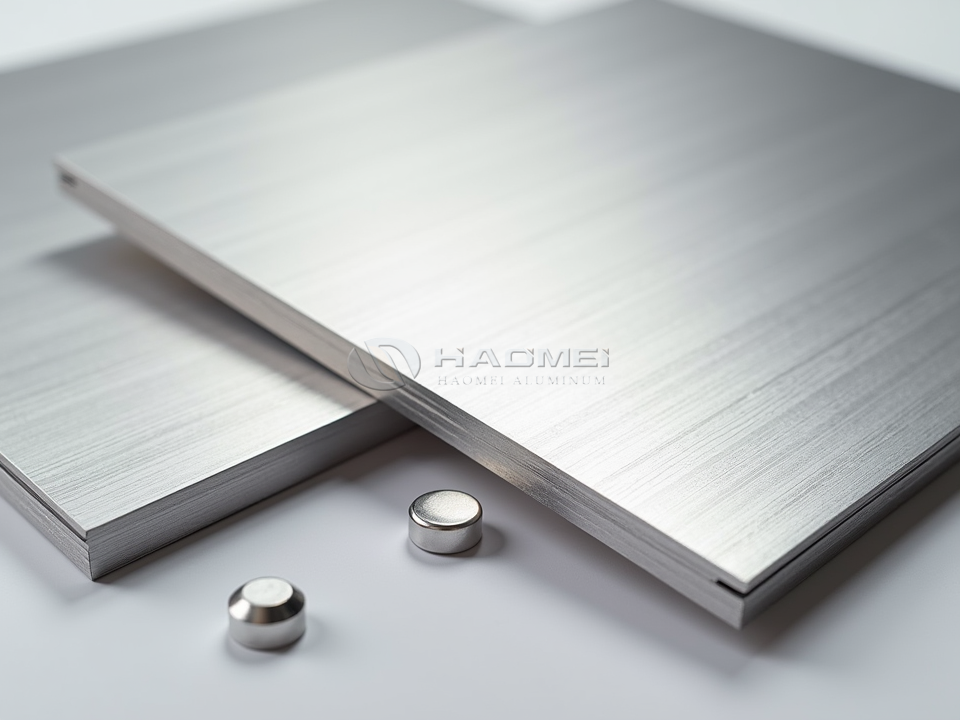
Functions in Pharmaceutical Packaging
An aluminum closure is more than a decorative outer cap. It supports the sealing system and protects the container during filling, storage, transport, and patient use. The aluminum shell is generally not the only barrier between the drug product and its environment; the final system normally includes a rubber stopper, polymer liner, coating, or induction seal according to the packaging design.
| Function | Contribution of Pharmaceutical Closure Aluminum Sheet |
|---|---|
| Mechanical protection | Shields rubber stoppers, liners, and container mouths from impact and handling damage. |
| Tamper evidence | Supports tear-off tabs, flip-off designs, and visible opening features. |
| Seal retention | Applies controlled compression to an elastomeric stopper or liner after crimping. |
| Processability | Allows blanking, deep drawing, embossing, threading, knurling, and skirt forming. |
| Decoration | Accepts printing, color coating, varnishing, embossing, and brand identification. |
| Corrosion resistance | The natural aluminum oxide film and suitable lacquer help withstand humid storage conditions. |
| Light shielding | Provides opacity that can assist light-sensitive product packaging designs. |
Pharmaceutical closures are commonly used on glass serum bottles, infusion bottles, antibiotic vials, vaccine vials, lyophilized product containers, diagnostic reagent bottles, syrup bottles, and nutraceutical packaging. Closure geometry, alloy selection, lacquer system, and stopper compatibility should be evaluated as one complete packaging system.
Common Alloys and Temper Conditions
The 8xxx aluminum series is widely selected for medical cap stock because it offers dependable formability, fine surface quality, and balanced strength. Alloy 8011 is especially common for drawn and crimped pharmaceutical caps. Alloy 3105 can also be used where a somewhat higher strength level or specific processing behavior is required.
| Alloy | Typical Temper | Typical Closure Use | Material Characteristics |
|---|---|---|---|
| 8011 | H14 | Flip-off caps, vial overseals, PP caps, medical bottle closures | Excellent drawing performance, stable surface, good corrosion resistance |
| 8011 | H16 | Closures needing moderately higher strength and dent resistance | Greater hardness while retaining practical forming capability |
| 3105 | H14 | Screw caps, pharmaceutical bottle caps, printed closures | Good strength, coating adhesion, and decorative finishing performance |
| 3105 | H16 | Rigid cap shells and formed closure components | Higher work-hardened strength for demanding forming profiles |
H14 represents strain-hardened material with a quarter-hard condition, while H16 is a three-quarter-hard condition. In practice, the correct temper depends on cap diameter, draw depth, skirt profile, thread design, tooling condition, and the amount of deformation during crimping. Material that is too hard may split at the draw radius, while material that is too soft can lose shape definition or show inadequate dent resistance.
Chemical Composition
Chemical composition is controlled to ensure repeatable rolling behavior, suitable grain structure, corrosion resistance, and forming stability. The ranges in this table are typical maximum or controlled limits for commonly used closure alloys. Actual specifications should be agreed according to the applicable standard and purchase requirement.
| Element, % by Weight | 8011 Aluminum Alloy | 3105 Aluminum Alloy |
|---|---|---|
| Silicon, Si | 0.50-0.90 | 0.60 max |
| Iron, Fe | 0.60-1.00 | 0.70 max |
| Copper, Cu | 0.10 max | 0.30 max |
| Manganese, Mn | 0.20 max | 0.30-0.80 |
| Magnesium, Mg | 0.05 max | 0.20-0.80 |
| Zinc, Zn | 0.10 max | 0.40 max |
| Titanium, Ti | 0.08 max | 0.10 max |
| Other elements | 0.05 each, 0.15 total max | 0.05 each, 0.15 total max |
| Aluminum, Al | Remainder | Remainder |
Technical Specifications and Mechanical Data
Pharmaceutical closure sheet is supplied as coil or cut sheet. Precision control of gauge and width supports consistent blank size, drawing depth, and closure fit. For sensitive medical packaging, the surface should be free from oil spots, edge cracks, corrosion marks, pinholes, roll marks, and foreign inclusions that could affect forming or coating adhesion.
| Parameter | Typical Range or Requirement |
|---|---|
| Alloy | 8011, 3105, or customer-approved equivalent |
| Temper | H14, H16 |
| Thickness | 0.18-0.30 mm, with 0.20-0.25 mm common for vial closures |
| Width | 300-1,500 mm, customized to blanking and stamping equipment |
| Coil inner diameter | 150 mm, 300 mm, 505 mm, or as agreed |
| Coil weight | Typically 2-8 metric tons, subject to handling capability |
| Surface finish | Mill finish, lubricated finish, lacquered, color coated, or printed |
| Tensile strength, 8011 H14 | Approximately 125-165 MPa |
| Tensile strength, 8011 H16 | Approximately 150-190 MPa |
| Elongation, 8011 H14 | Typically 3% or greater, depending on thickness and test direction |
| Flatness and edge quality | Controlled for stable feeding, blanking, drawing, and printing |
Mechanical values can vary with gauge, rolling direction, test method, and agreed delivery condition. Finished-cap performance should be validated through draw testing, crimp testing, coating adhesion checks, leak testing, torque testing where relevant, and compatibility assessment with the stopper or liner.

Standards and Quality Controls
Pharmaceutical closure aluminum sheet can be produced in accordance with recognized aluminum sheet standards, while pharmaceutical packaging compliance must also consider the full closure assembly, intended drug contact conditions, and destination-market regulations.
| Standard or Control Area | Typical Relevance |
|---|---|
| ASTM B209 | Aluminum and aluminum-alloy sheet and plate dimensional and material requirements |
| EN 485-2 | Mechanical property requirements for wrought aluminum sheet and strip |
| EN 573-3 | Chemical composition and alloy designation requirements |
| GB/T 3880 | Aluminum and aluminum-alloy sheet and strip requirements |
| ISO 15378 | Quality management principles for primary packaging materials for medicinal products |
| GMP-controlled production practices | Traceability, cleanliness, batch records, inspection discipline, and contamination control |
| RoHS or REACH declarations | Material compliance documentation where required by the customer or market |
A robust quality program normally includes melt and batch traceability, chemical analysis, thickness measurement, width inspection, tensile testing, surface inspection, coil-edge inspection, and packaging protection. For coated materials, lacquer weight, curing condition, adhesion, solvent resistance, and sterilization resistance may also require verification.
Surface Treatment, Coatings, and Printing
The surface may be supplied plain, lightly lubricated for stamping, or pretreated for downstream coating. Pharmaceutical closures often receive epoxy-phenolic, polyester, BPA-NI, or other approved lacquer systems based on the closure design and regulatory requirements. Coatings can improve corrosion resistance, reduce metal-to-product risk, provide a clean visual finish, and create a suitable base for printing.
Printed cap stock can carry dosage identification, product names, color coding, lot-related graphics, or tamper-direction marks. For branded formats and decorative pharmaceutical closures, Printed Aluminum Closure Sheet provides a practical route to combine forming performance with controlled visual presentation.
Selection Considerations for Buyers
The best pharmaceutical closure aluminum sheet is selected through the actual cap design rather than alloy designation alone. Cap diameter, drawing ratio, closure height, stopper type, sterilization method, decoration process, and filling-line speed all influence the material choice. Customers should define the target thickness, temper, surface condition, coating requirement, coil dimensions, and applicable quality documents before production.
Consistent aluminum cap stock helps closure converters achieve clean drawn walls, smooth skirts, reliable crimping, strong lacquer adhesion, and attractive finished caps. With appropriate alloy and temper control, pharmaceutical closure aluminum sheet becomes a dependable foundation for safe, efficient, and professional medical packaging.