Aluminum Screw Cap Base Material
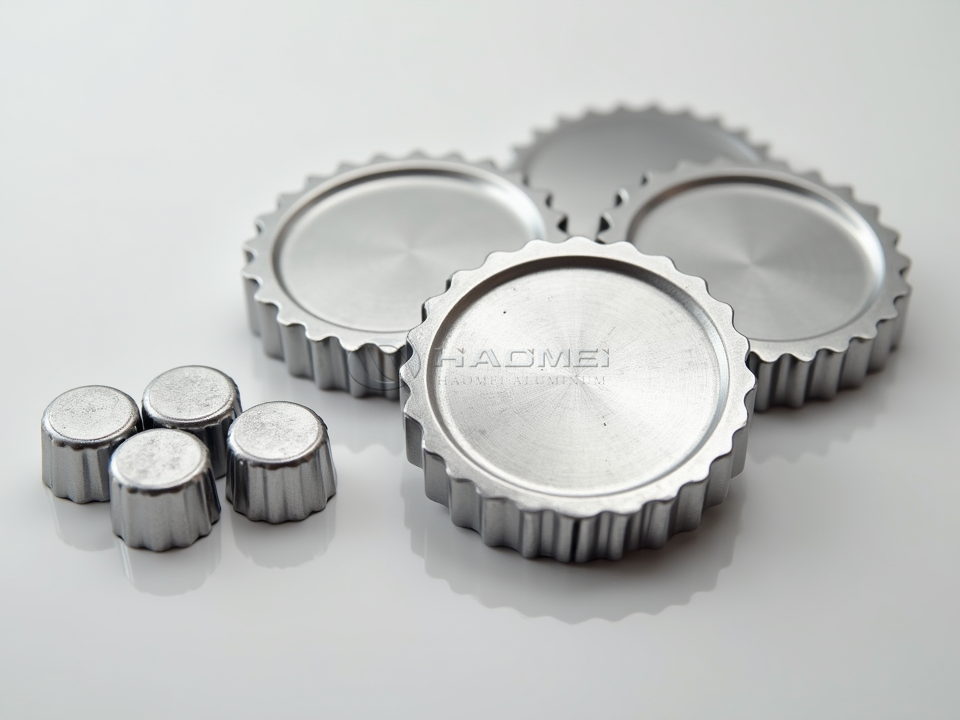
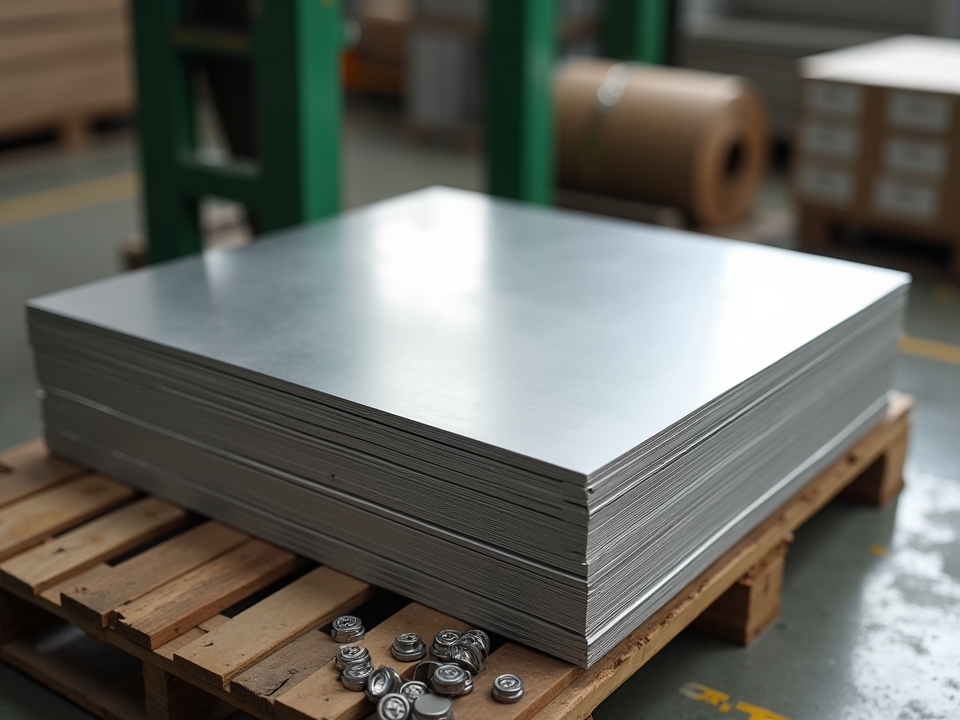
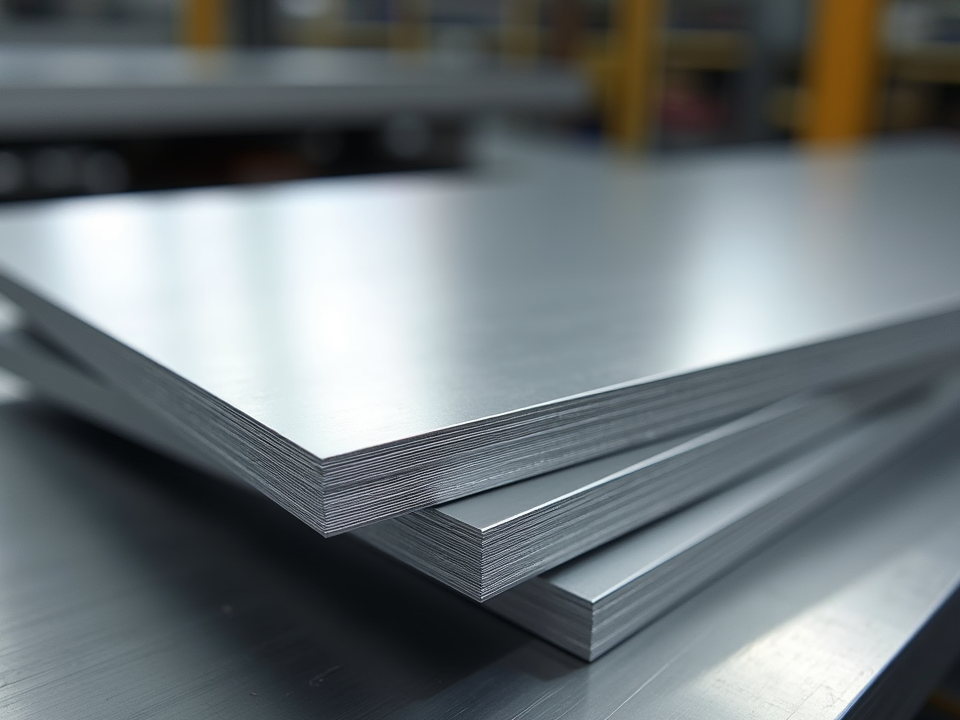
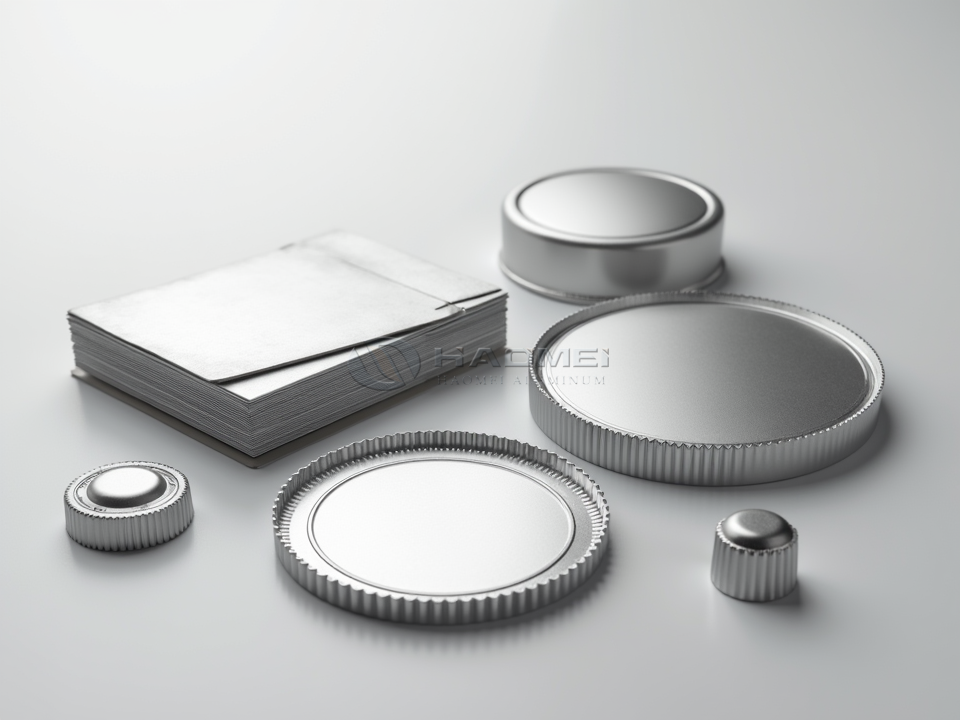
A screw cap may appear simple, but it performs one of the most demanding jobs in packaging: protecting the product at the exact point where the container meets the consumer. Aluminum screw cap base material is the rolled aluminum sheet or coil used to make threaded caps, roll-on pilfer-proof closures, beverage caps, pharmaceutical closures, cosmetic caps, and specialty bottle closures.
Its value is not measured only by appearance. The material must flow smoothly during stamping, retain enough strength after forming, accept coatings and printing, and create a dependable seal after the cap is rolled onto a bottle finish. In practical terms, the sheet is the forming foundation behind freshness, tamper evidence, shelf appeal, and opening convenience.
The Material Works as a Controlled Forming System
Aluminum screw cap base material is often selected from 8011, 3105, or 3104 aluminum alloys. These alloys offer a balanced combination of formability, strength, corrosion resistance, and surface quality. Unlike a structural aluminum sheet designed mainly to carry loads, closure stock is designed to deform in a precise and repeatable way.
During cap production, the coil is slit, lubricated if necessary, blanked into discs, deep drawn, curled, threaded, knurled, and sometimes embossed. A ROPP cap is especially dependent on controlled metal flow because its threads are formed around the glass bottle during capping. If the sheet is too hard, it may crack at the skirt or thread area. If it is too soft, the cap can lose dimensional stability, show excessive deformation, or provide inconsistent torque performance.
A high-quality Aluminum Closure Sheet therefore needs stable mechanical properties from one coil edge to the other. Thickness consistency, low earing tendency, clean edges, and uniform grain structure all help cap makers maintain efficient press operation and reduce scrap.
Functions That Matter in Daily Packaging Use
The first function is sealing support. Aluminum does not usually contact the product directly in a cap system; a liner, lacquer, or sealing compound commonly performs the direct sealing task. Yet the aluminum shell supplies the clamping force that keeps the liner compressed against the bottle mouth. This protects carbonated drinks, wine, spirits, edible oils, medicines, and personal-care products from leakage and outside contamination.
The second function is thread formation. ROPP closures rely on the aluminum skirt to reproduce the bottle thread profile during application. Appropriate H14 or H16 temper material allows thread rolling without fractures while maintaining enough rigidity for predictable removal torque.
The third function is tamper evidence. Many screw caps incorporate a bridge-connected band that separates when first opened. The aluminum must form thin, accurately weakened bridges without tearing prematurely during manufacturing, transport, or capping.
The fourth function is visual communication. Aluminum provides a smooth base for color coating, lithographic printing, varnishing, embossing, and matte or glossy finishes. For premium wine, spirits, and cosmetics, the cap is often a visible part of brand positioning rather than merely a closure.
Common Alloys, Tempers, and Processing Conditions
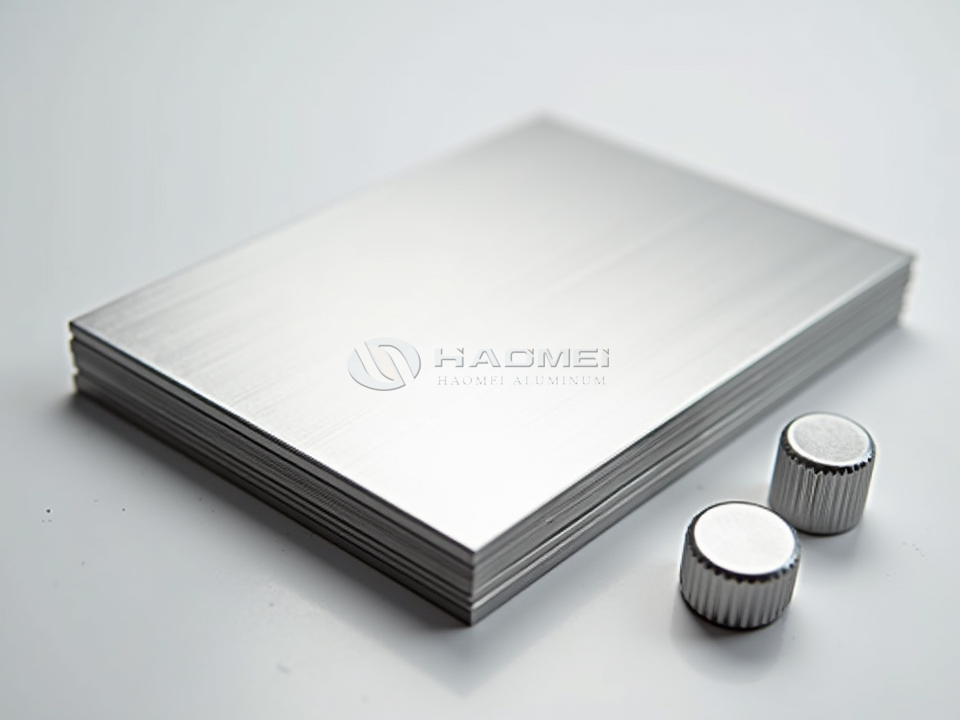
8011 is widely used for general screw caps, PP caps, and ROPP applications. Its iron and silicon content contributes to good processing stability and suitable strength after rolling. 3105 contains manganese and magnesium, giving it somewhat higher strength and favorable performance where cap rigidity, deeper profile definition, or durable exterior decoration is required. 3104 is also used for certain drawn closure designs where balanced strength and formability are needed.
H14 and H16 are common tempers. H14 is strain-hardened to a half-hard condition and is frequently chosen for closures needing dependable deep drawing and thread formation. H16 is harder, offering increased dent resistance and shape retention, but it requires careful tool design when the cap geometry is complex.
| Alloy | Typical Temper | Typical Closure Use | Forming Character | Practical Advantage |
|---|---|---|---|---|
| 8011 | H14, H16 | ROPP caps, PP caps, beverage caps | Smooth drawing and threading | Widely used, stable processing, good surface quality |
| 3105 | H14, H16 | Wine caps, spirit caps, cosmetic closures | Higher strength with workable ductility | Strong cap skirt and good decorative finish |
| 3104 | H14, H16 | Drawn and specialty closures | Balanced strength and elongation | Suitable for demanding formed profiles |
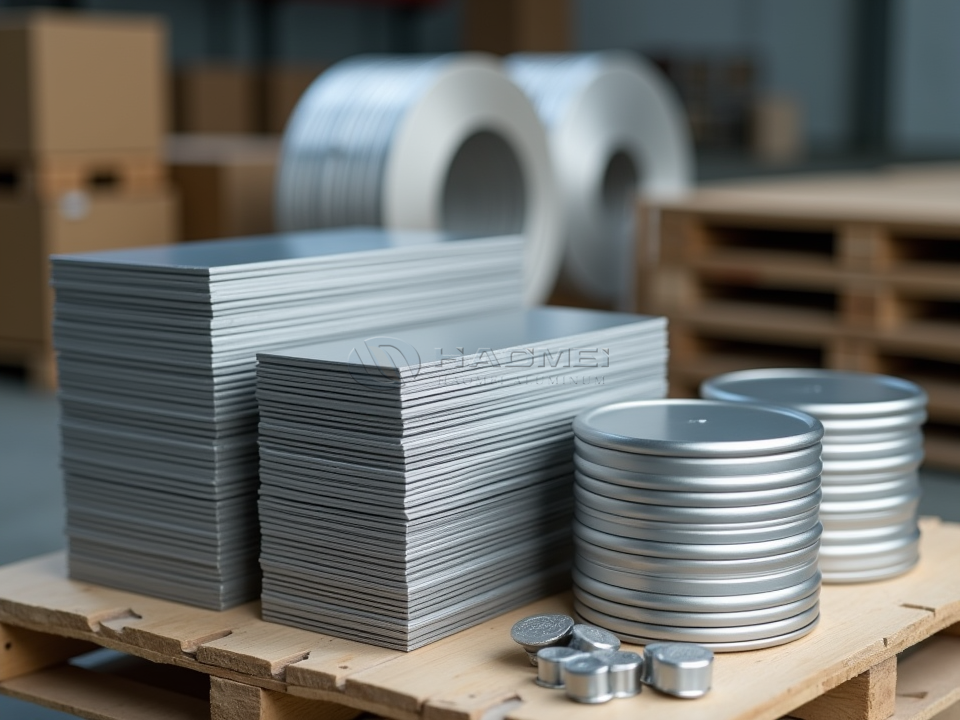
Typical thickness for aluminum screw cap base material ranges from 0.20 mm to 0.30 mm, although thinner or thicker gauges may be specified for particular cap diameters and designs. Common widths range from 200 mm to 1,500 mm, supplied in coil or sheet form. Coil inner diameters, outer diameters, coil weights, and slit-width tolerances should match the feeding capability of the customer's press line.
| Parameter | Typical Range or Requirement |
|---|---|
| Thickness | 0.20-0.30 mm, subject to closure design |
| Width | 200-1,500 mm |
| Surface | Mill finish, degreased, coated, printed, or lubricated as required |
| Edge condition | Burr-controlled, clean slit edge |
| Form | Coil, slit coil, or sheet |
| Temper | H14 and H16 are common |
| Flatness | Controlled for stable feeding and stamping |
Chemical Composition and Why It Influences Cap Behavior
Chemical composition affects rolling response, grain structure, strength, corrosion resistance, and the final forming window. Values should be confirmed against the agreed material specification and mill certificate.
| Alloy | Si | Fe | Cu | Mn | Mg | Zn | Ti | Al |
|---|---|---|---|---|---|---|---|---|
| 8011 | 0.50-0.90% | 0.60-1.00% | 0.10% max | 0.20% max | 0.05% max | 0.10% max | 0.08% max | Balance |
| 3105 | 0.60% max | 0.70% max | 0.30% max | 0.30-0.80% | 0.20-0.80% | 0.40% max | 0.10% max | Balance |
| 3104 | 0.60% max | 0.80% max | 0.25% max | 0.80-1.40% | 0.80-1.30% | 0.25% max | 0.10% max | Balance |
Iron and silicon in 8011 help develop practical strength for closure conversion. Manganese and magnesium in 3105 and 3104 contribute to strength while preserving useful formability. However, chemistry alone cannot guarantee cap quality. Casting practice, homogenization, rolling reduction, intermediate annealing, final temper control, and surface cleaning all influence how the material behaves at the press.
Standards, Surface Control, and Food-Contact Considerations
Aluminum cap stock may be produced and inspected with reference to ASTM B209, EN 541, EN 546 tolerance standards, and GB/T 3880, depending on the destination market and contractual requirements. These standards address dimensions, tolerances, mechanical properties, surface expectations, and testing practices for rolled aluminum products.
For food, beverage, and pharmaceutical closures, the aluminum base material must be paired with suitable coatings, inks, and liner systems. Compliance is typically evaluated for the complete closure construction rather than the bare metal alone. Food-contact projects may require conformity with applicable regulations such as EU Framework Regulation EC No. 1935/2004, relevant FDA requirements, or local market rules. Migration testing, coating adhesion, cure verification, odor control, and corrosion testing should be matched to the actual filling product and storage conditions.
For applications requiring dependable drawing and polished decoration, 8011 Aluminum Closure Sheet is a practical option because it combines conversion efficiency with broad closure compatibility.
Selecting Material by Closure Function
For wine and spirits, prioritize ROPP forming behavior, clean thread reproduction, exterior print quality, and resistance to handling damage. For carbonated beverage caps, sealing consistency and pressure retention are central. For edible oil or vinegar closures, lacquer compatibility and corrosion resistance receive greater attention. For pharmaceutical caps, dimensional control, clean surface condition, traceability, and compatibility with tamper-evident features are especially important.
The most suitable aluminum screw cap base material is not simply the thickest or hardest sheet. It is the material matched to cap diameter, skirt depth, tool geometry, liner type, capping torque, filling medium, decoration process, and distribution environment. When those factors align, aluminum delivers a lightweight, recyclable, attractive, and highly functional closure shell that protects the product from the factory line to the final opening.