Brushed Aluminum Composite Panel Face
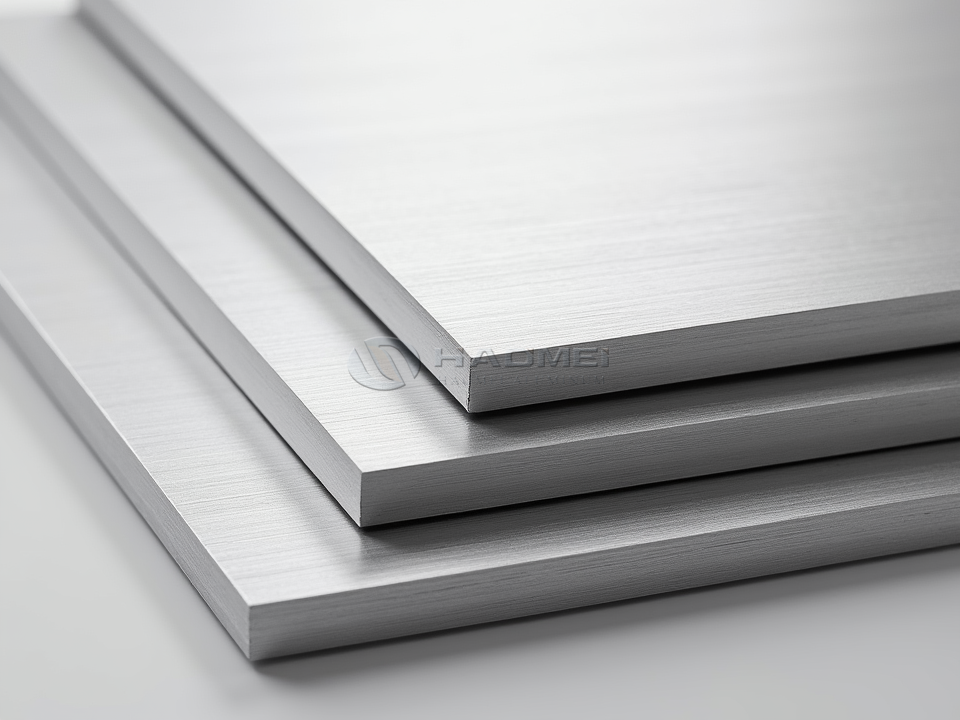
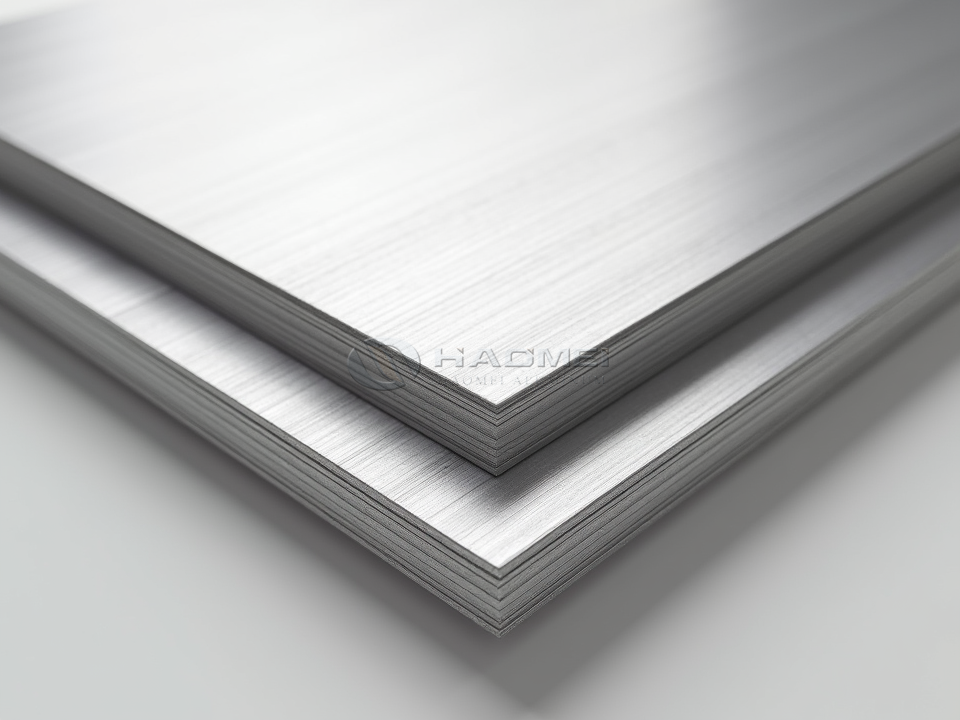
A brushed aluminum composite panel face is often chosen for its refined metallic appearance, but its real value goes far beyond visual design. The directional hairline texture changes how the panel handles light, masks minor surface marks, and gives a building or interior space a controlled industrial character. In practical terms, the brushed face acts as the visible working layer of an aluminum composite panel, protecting the core while defining the panel's color, gloss, durability, and maintenance behavior.
Unlike mirror-finish metal, a brushed aluminum composite panel face does not reflect every object around it. Fine linear abrasions diffuse light in one direction, producing a softer appearance that works especially well in elevator cladding, retail facades, transportation interiors, office partitions, column covers, and signage systems. This makes the finish a functional design choice rather than only a decorative treatment.
How the Brushed Face Works in an ACP Structure
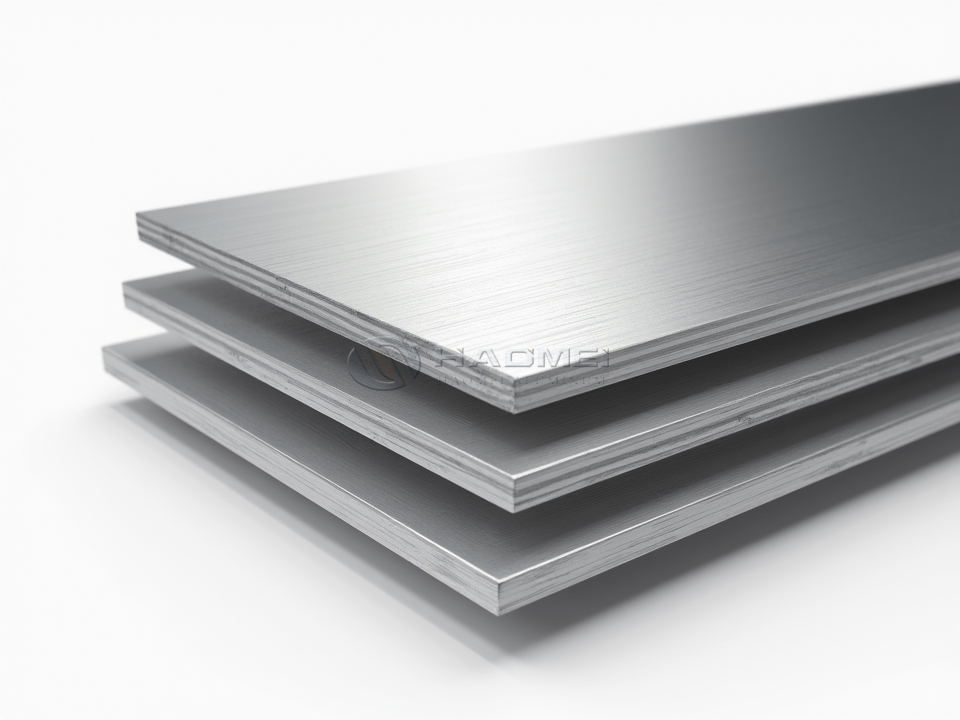
Aluminum composite panel, commonly called ACP or ACM, is built as a sandwich material. The exterior brushed aluminum face sheet is bonded to a core, followed by a rear aluminum sheet. The core may be polyethylene for general decorative applications, fire-retardant mineral-filled material for regulated facades, or an A2-grade mineral core where non-combustibility requirements are more demanding.
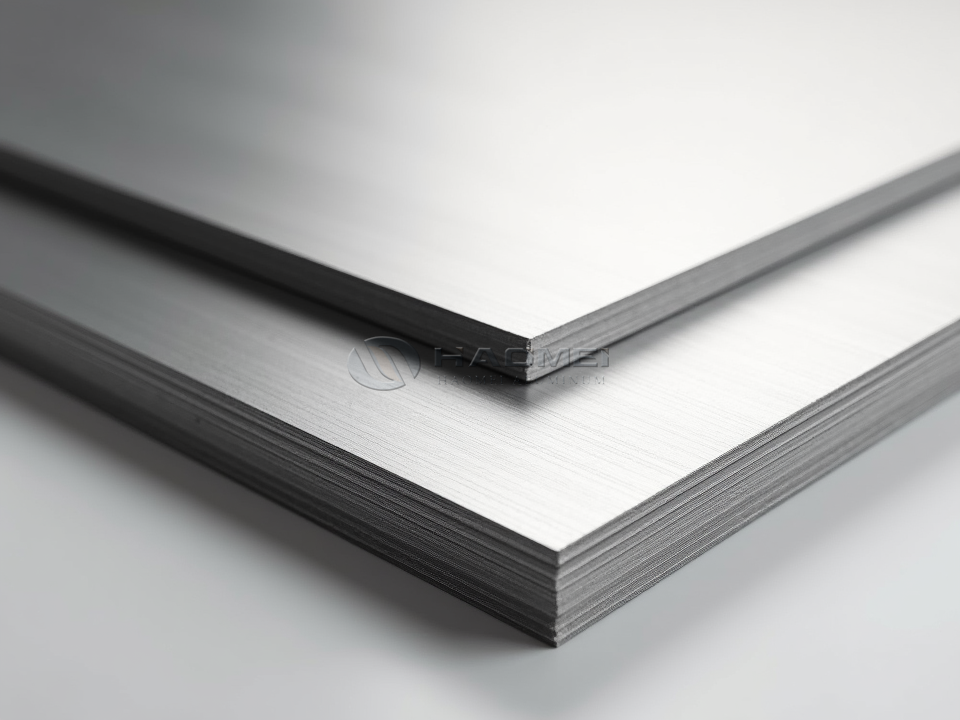
The brushed face is normally made from pretreated aluminum coil. Before or after coating, the aluminum surface receives a controlled mechanical brushing process using abrasive belts or rollers. The resulting hairline grain may run along the coil direction, across the panel, or in a specified visual direction. Consistent grain alignment matters greatly on large walls because mismatched panels can look like different colors under sunlight even when they come from the same production batch.
The face sheet performs several jobs at once. It provides weather protection, carries the decorative finish, supports forming during fabrication, and creates a barrier between the environment and the polymer or mineral core. The aluminum layer also helps the panel resist impact, although overall dent resistance depends on face thickness, alloy hardness, core density, and panel support spacing.
Common Parameters for Brushed Aluminum Composite Panel Face
Typical brushed ACP face sheets range from 0.20 mm to 0.50 mm thick. Interior decorative panels commonly use 0.20 mm to 0.30 mm aluminum skins, while exterior wall systems often use 0.30 mm to 0.50 mm skins for stronger flatness retention and fabrication stability.
Panel thickness is commonly 3 mm, 4 mm, 5 mm, or 6 mm. A 4 mm panel remains the frequent choice for facade applications because it balances rigidity, weight, routing performance, and frame compatibility. Standard panel widths include 1,220 mm, 1,250 mm, 1,500 mm, and 1,575 mm, while lengths can be supplied in standard sizes or cut to project requirements.
The brushing itself is measured less by a universal number than by appearance, grain uniformity, and sample approval. Fine hairline finishes are preferred for premium interiors, while broader brushed patterns can create a more pronounced industrial effect. A clear protective film is generally applied to the finished face to prevent scratches during transport, cutting, routing, bending, and installation.
| Parameter | Typical Range or Option |
|---|---|
| Aluminum face thickness | 0.20 mm to 0.50 mm |
| Total panel thickness | 3 mm to 6 mm |
| Common panel width | 1,220 mm to 1,575 mm |
| Surface finish | Hairline brushed, satin brushed, anodized brushed, coated brushed |
| Coating system | Polyester, PVDF, FEVE, anodized surface treatment |
| Core type | PE, fire-retardant mineral-filled core, A2 mineral core |
| Protective film | Transparent or printed PE film, typically 50 to 100 microns |
| Grain direction | Longitudinal, transverse, or project-specified |
Alloy and Temper: The Hidden Decision Behind the Finish
The visual surface receives most of the attention, yet the aluminum alloy and temper determine how the brushed face behaves during bending, cassette fabrication, and long-term service. AA 1100 and AA 1060 are commonly selected where excellent formability and a clean brushed appearance are required. These commercially pure aluminum grades are soft, corrosion resistant, and suitable for interior panels, signage, and non-structural decorative cladding.
For projects requiring greater strength, AA 3003 and AA 5052 are more suitable options. AA 3003 uses manganese to improve strength while retaining workable forming characteristics. AA 5052 contains magnesium, offering better corrosion resistance and higher mechanical strength, particularly for humid, coastal, transport, and high-traffic environments. When a panel face must tolerate tighter bends or more demanding fabrication, 5052 Brushed Aluminum Sheet can provide a more robust material base.
Common tempers include H14, H16, H18, H22, H24, and H32. Softer tempers such as H14 are easier to form but may dent more easily. H24 and H32 provide a balanced condition for many architectural panel faces. Harder tempers such as H18 improve surface resistance but may increase the risk of cracking if the panel is sharply folded without suitable routing and bend-radius control.
| Alloy | Main Alloying Elements | Typical Temper Options | Practical Characteristics |
|---|---|---|---|
| 1060 | Aluminum 99.60% minimum | H14, H16, H18 | High formability, bright surface, good corrosion resistance |
| 1100 | Aluminum 99.00% minimum | H14, H16, H18 | Soft, decorative, easy to brush and fabricate |
| 3003 | Manganese 1.0% to 1.5% | H14, H24 | Improved strength with dependable workability |
| 5052 | Magnesium 2.2% to 2.8% | H32, H34 | Stronger, highly corrosion resistant, suited to demanding environments |
Chemical Composition Reference
The chemical composition of the face sheet influences corrosion behavior, strength, and finishing response. Values should be confirmed against the selected material certificate and governing specification.
| Alloy | Si | Fe | Cu | Mn | Mg | Zn | Al |
|---|---|---|---|---|---|---|---|
| 1060 | 0.25% max | 0.35% max | 0.05% max | 0.03% max | 0.03% max | 0.05% max | Balance |
| 1100 | Si + Fe 0.95% max | Si + Fe 0.95% max | 0.05% to 0.20% | 0.05% max | - | 0.10% max | 99.00% min |
| 3003 | 0.60% max | 0.70% max | 0.05% to 0.20% | 1.0% to 1.5% | - | 0.10% max | Balance |
| 5052 | 0.25% max | 0.40% max | 0.10% max | 0.10% max | 2.2% to 2.8% | 0.10% max | Balance |
Standards and Project Compliance
A brushed aluminum composite panel face should be evaluated as part of a complete panel system, not as an isolated decorative sheet. Aluminum coil or sheet may be referenced to ASTM B209, EN 485, or equivalent regional material standards. Coating performance may be assessed through AAMA 2605 for high-performance exterior coatings, particularly PVDF or FEVE systems used in long-service architectural environments.
For facade projects, fire performance must match the full ACM construction, installation method, insulation, cavity design, and local building code. Depending on the market, relevant testing may include EN 13501-1, ASTM E84, NFPA 285, ASTM E119, or BS 476. A fire-rated core does not automatically mean the installed wall assembly complies with every regulation. Project teams should verify approved system documentation before material selection.
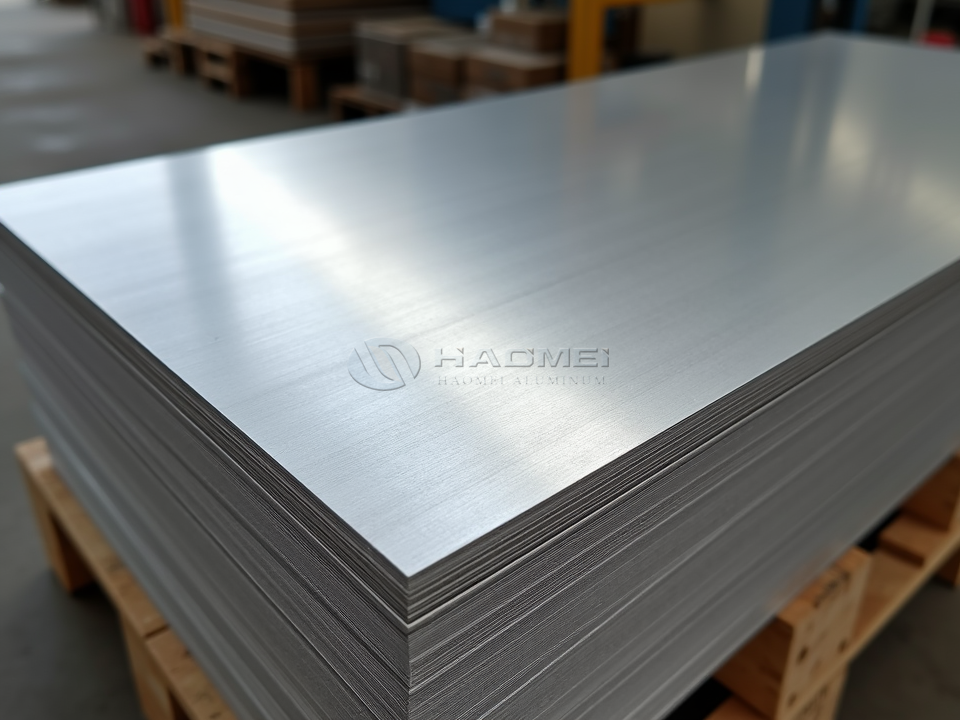
Applications Where the Brushed Finish Adds Practical Value
Brushed aluminum composite panel face materials are especially effective in places where people see and touch surfaces frequently. Elevator cabins benefit from the directional texture because it reduces the visibility of fingerprints and minor handling marks. Retail stores use brushed silver, champagne, black, and gold finishes to create premium wall zones without the weight and fabrication limits of solid metal.
For exterior applications, brushed ACP can be used for rainscreen facades, entrance canopies, soffits, parapet cladding, storefront bands, and architectural signage. The selected coating should suit the climate. PVDF or FEVE coatings are generally preferred for demanding exterior exposure, while polyester-coated brushed panels are often appropriate for protected interiors.
A silver finish remains the most versatile choice because it pairs easily with glass, stone, timber, and dark framing. Designers seeking a neutral metallic surface can specify Silver Brushed Aluminum Sheet as the visual reference for panel-face development.
Fabrication and Installation Considerations
The brushed grain must remain aligned throughout cutting and installation. Panels should be marked before routing so that every cassette or flat sheet follows the approved direction. Protective film should stay in place during fabrication but be removed promptly after installation, especially under strong sunlight, because extended exposure can make film removal more difficult.
Use clean tools, non-marking handling methods, and compatible sealants. Carbon steel particles can contaminate aluminum surfaces and create staining risks, while aggressive cleaners may damage coatings. For routine maintenance, mild detergent, clean water, and soft cloths are usually sufficient.
A well-specified brushed aluminum composite panel face combines the visual depth of brushed metal with the fabrication efficiency of ACP. When alloy, temper, core type, coating, fire classification, and grain direction are selected together, the finished panel becomes a durable architectural surface rather than a simple decorative skin.