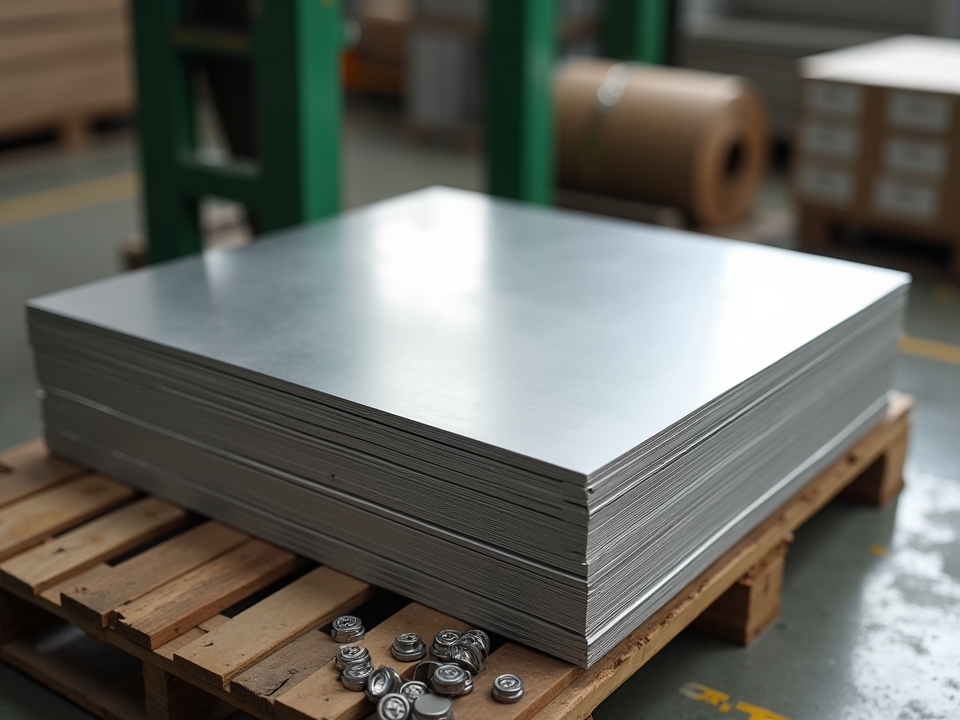
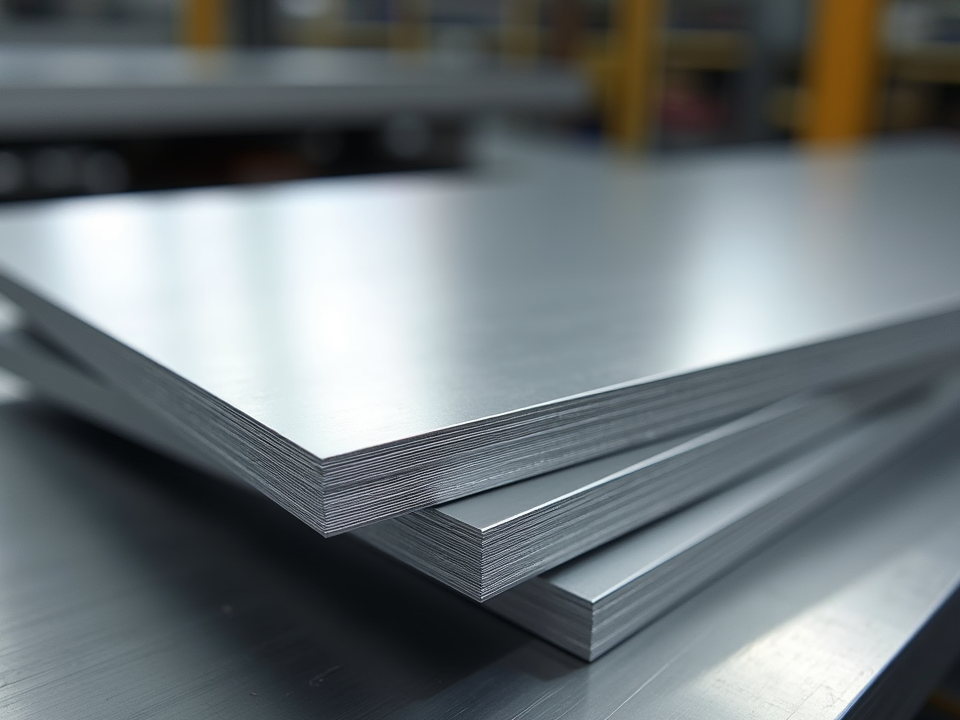
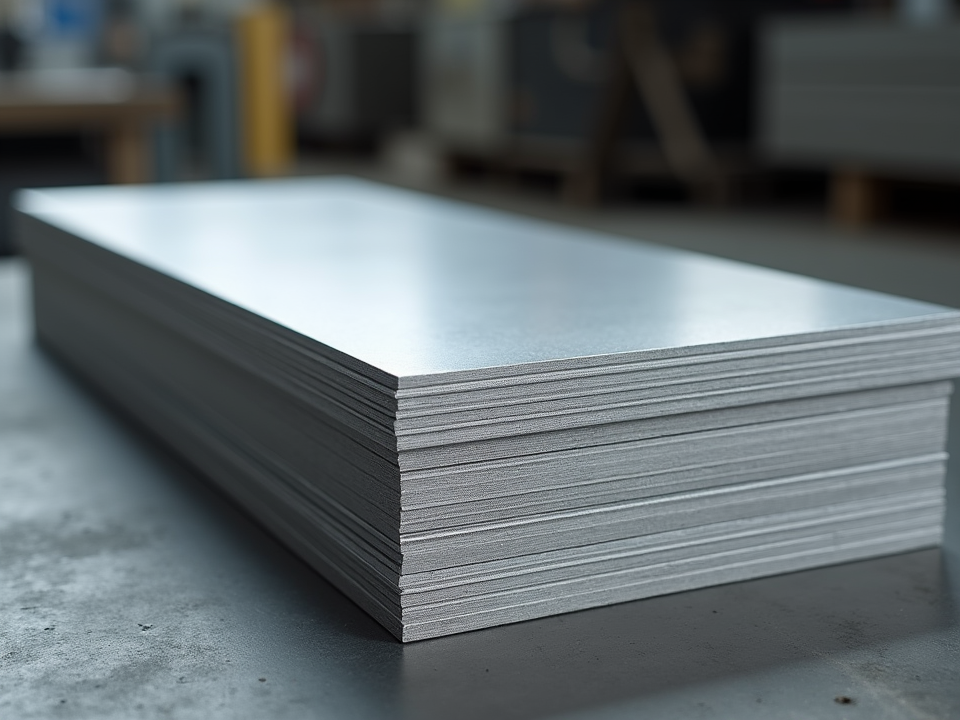
Custom Size Brushed Aluminum Sheet
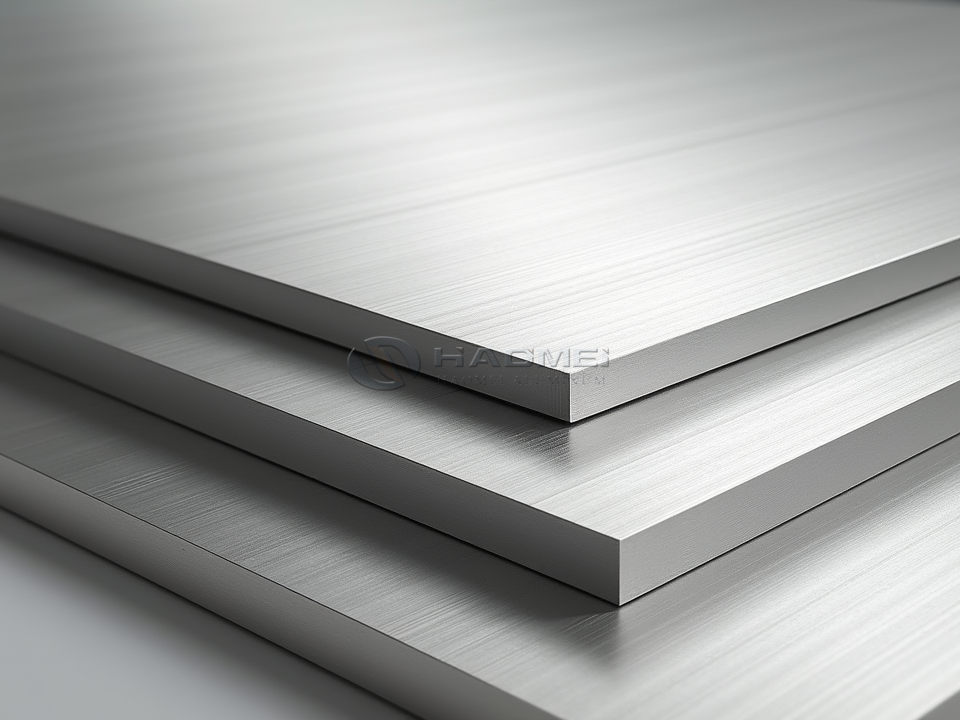
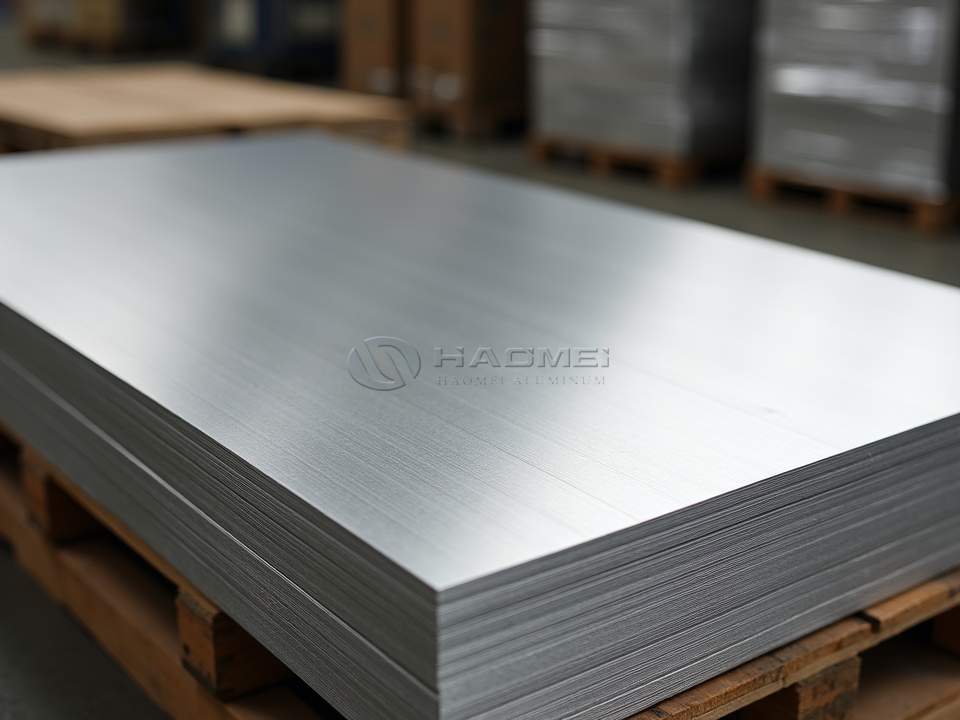
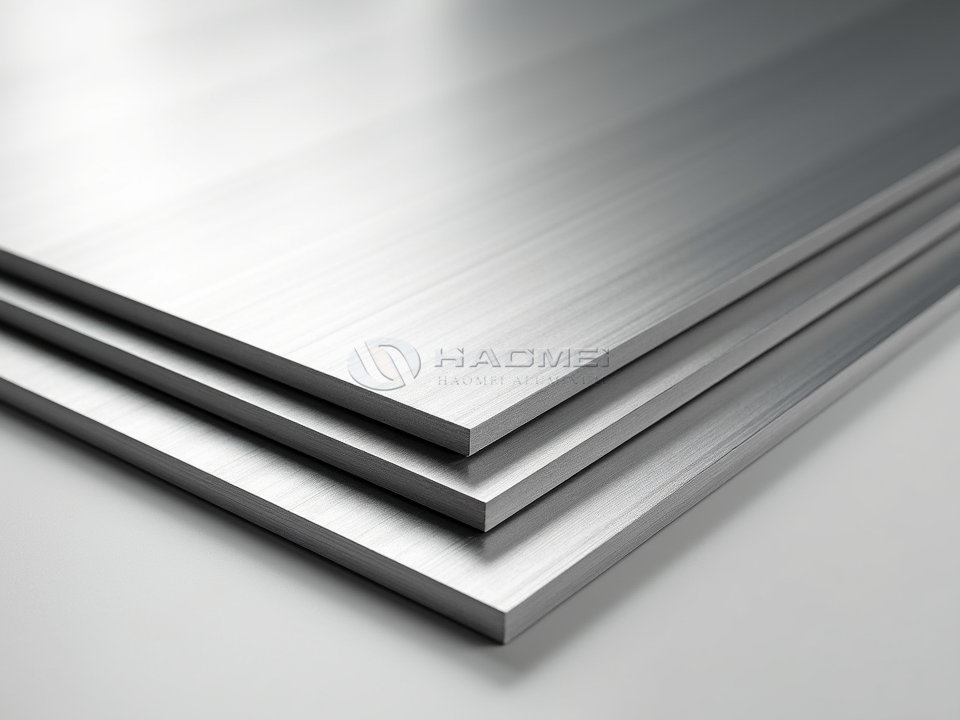
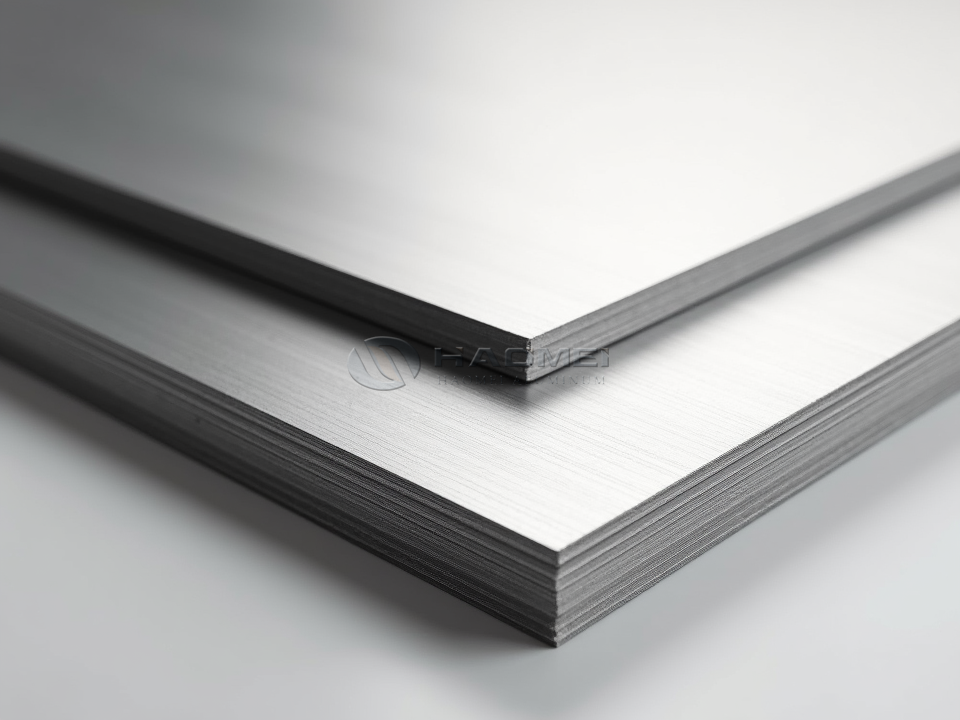
Custom size brushed aluminum sheet combines a clean metallic appearance with practical strength, low weight, and flexible fabrication. Its linear satin grain softens glare, helps disguise light handling marks, and gives panels a consistent modern character. By ordering material cut to the required width and length, fabricators can reduce trim waste, simplify assembly, and improve visual alignment across large installations.
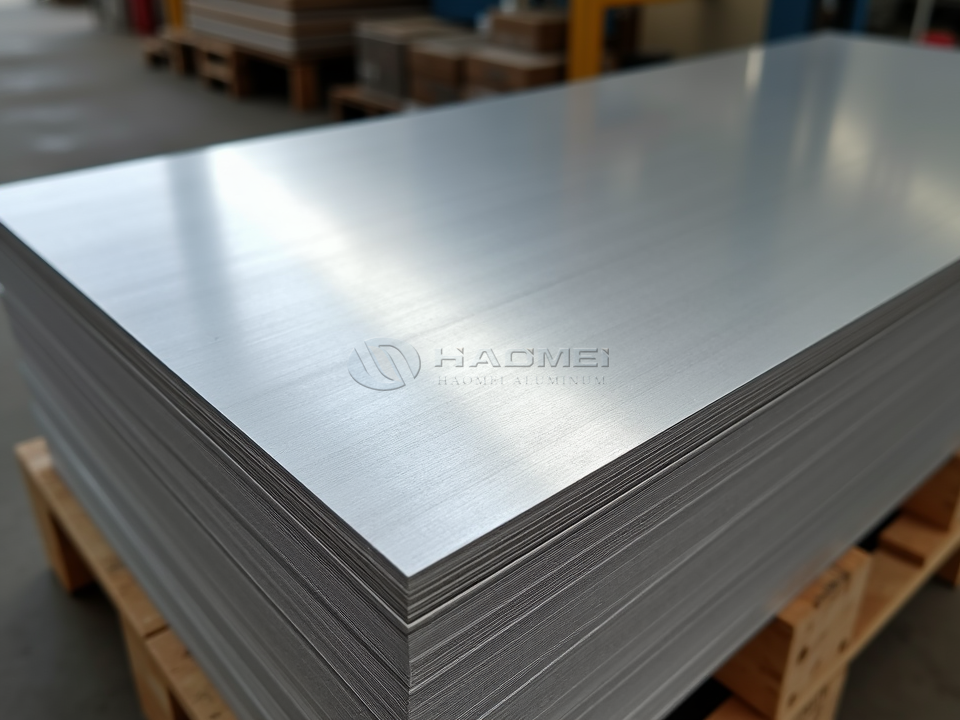
The brushed finish is created by controlled mechanical abrasion, usually in a single longitudinal direction. The result is a fine hairline or satin texture rather than a mirror-polished surface. Sheets may be supplied mill-finished and brushed, anodized after brushing, or finished with colored anodizing for silver, champagne, gold, or black decorative panels. Protective film is commonly applied to the visible face to protect the grain during cutting, bending, routing, and installation.
What Custom Sizing Delivers
A custom size brushed aluminum sheet is produced around the actual dimensions of a project rather than a fixed stock format. It supports panel layouts, cladding modules, machine housings, elevator interiors, appliance fronts, sign blanks, and furniture components where clean edges and repeatable grain direction matter.
| Custom Option | Typical Range or Choice | Practical Value |
|---|---|---|
| Thickness | 0.30-6.00 mm | Matches stiffness, forming, and weight requirements |
| Standard width | Up to 1,500 mm | Covers wide decorative and industrial panels |
| Custom length | Up to 6,000 mm or as agreed | Reduces joints and cutting loss |
| Grain direction | Lengthwise, crosswise, or specified | Maintains a consistent visual flow |
| Surface grade | Hairline, satin, medium brush | Controls reflectivity and texture intensity |
| Protective film | PVC, PE, laser film | Reduces scratches during fabrication |
| Edge condition | Mill edge, slit edge, deburred cut edge | Fits routing, bending, and visible-edge needs |
| Color treatment | Natural, silver, champagne, gold, black | Supports interior and branding palettes |
Material dimensions should be confirmed together with grain orientation. A panel cut to the correct size but brushed in the wrong direction can disrupt the appearance of adjacent panels, particularly on elevator walls, retail fixtures, and architectural facades.
Functional Advantages of a Brushed Surface
The directional finish provides more than decoration. Fine brushing diffuses reflections, making fingerprints and small abrasions less obvious than on bright polished aluminum. It also creates a repeatable surface for design-led products while retaining aluminum's natural corrosion resistance and recyclability.
| Function | How the Sheet Performs |
|---|---|
| Decorative appearance | Produces a refined linear metallic texture for visible surfaces |
| Light diffusion | Reduces harsh glare compared with mirror-finished aluminum |
| Scratch masking | Fine grain helps conceal minor service marks |
| Weight reduction | Aluminum is about one-third the density of steel |
| Corrosion resistance | Aluminum oxide film protects the base metal; anodizing improves durability |
| Formability | Suitable alloys can be bent, punched, riveted, and shaped |
| Thermal conductivity | Useful for appliance panels and equipment covers requiring heat transfer |
| Recyclability | Aluminum retains value through repeated recycling streams |
For projects requiring improved outdoor weathering or frequent cleaning, anodized material is often preferred. The anodic oxide layer becomes integral with the metal, unlike a coating that sits on top of the sheet. For deeper forming, specify the alloy and temper before selecting an anodized finish, since fabrication is generally easier before anodizing.
Common Alloys and Temper Conditions
The best alloy depends on forming needs, strength, corrosion exposure, and finish expectations. Commercially pure 1060 and 1100 are highly workable and well suited to decorative applications. 3003 offers increased strength for general fabrication. 5052 provides stronger marine-atmosphere corrosion resistance and is widely selected for durable panels, transport parts, and equipment enclosures.
| Alloy | Common Temper | Typical Tensile Strength | Typical Yield Strength | Elongation | Suitable Uses |
|---|---|---|---|---|---|
| 1060 | O, H14, H24 | 60-95 MPa | 20-75 MPa | 4-25% | Signage, trim, light decorative panels |
| 1100 | O, H14, H24 | 75-110 MPa | 20-95 MPa | 4-30% | Chemical equipment trim, reflectors, interiors |
| 3003 | H14, H24 | 110-150 MPa | 95-145 MPa | 3-12% | Appliance panels, roofing, general fabrication |
| 5052 | H32, H34 | 195-260 MPa | 130-215 MPa | 5-12% | Transport, marine-adjacent panels, cabinets |
Values vary with thickness, production route, and governing standard. Temper O is annealed and offers maximum ductility. H14 and H24 are strain-hardened conditions suited to moderate fabrication. H32 and H34 are commonly selected for 5052 where greater strength and stable flatness are needed. For corrosion-critical fabrication, 5052 Brushed Aluminum Sheet is a dependable choice for projects exposed to moisture, cleaning agents, or changing temperatures.
Typical Chemical Composition
The following table shows common composition limits in percent by mass. Actual mill certificates should be used when chemical control is required for welding, anodizing consistency, or compliance documentation.
| Alloy | Si + Fe | Cu | Mn | Mg | Cr | Zn | Al |
|---|---|---|---|---|---|---|---|
| 1060 | 0.35 max | 0.05 max | 0.03 max | 0.03 max | - | 0.05 max | 99.60 min |
| 1100 | 0.95 max | 0.05-0.20 | 0.05 max | - | - | 0.10 max | 99.00 min |
| 3003 | 0.70 max | 0.05-0.20 | 1.00-1.50 | - | - | 0.10 max | Balance |
| 5052 | 0.45 max | 0.10 max | 0.10 max | 2.20-2.80 | 0.15-0.35 | 0.10 max | Balance |
Technical Specifications and Standards
Brushed aluminum sheet can be manufactured according to international material standards, with inspection requirements agreed before production. Surface acceptance should distinguish visible-face requirements from the reverse side, especially when a decorative brushed panel will be installed under direct lighting.
| Item | Typical Requirement |
|---|---|
| Material standards | ASTM B209, EN 485, EN 573-3, GB/T 3880 |
| Thickness tolerance | Typically controlled to applicable standard or order agreement |
| Width tolerance | Commonly controlled within ±0.5 to ±2.0 mm, depending on width and cutting method |
| Length tolerance | Commonly controlled within ±1.0 to ±5.0 mm, depending on sheet size |
| Flatness | Subject to alloy, thickness, temper, and agreed inspection method |
| Surface finish | Hairline, satin brush, directional brushed, anodized brushed |
| Anodized film thickness | Typically 5-25 μm, based on indoor or outdoor service conditions |
| Protective film thickness | Typically 50-100 μm |
| Density | Approximately 2.70 g/cm³ |
| Melting range | Approximately 600-655°C, dependent on alloy |
| Electrical conductivity | Highest in 1xxx alloys; lower in manganese and magnesium alloys |
Applications Across Decorative and Industrial Markets
Custom brushed sheets are frequently used where appearance must remain consistent across repeated components. Elevator cabin walls and doors benefit from the grain's ability to reduce visible marks. Retail displays, cabinetry, kitchen appliances, office partitions, and lighting housings use the finish to create a durable metal accent. In transport equipment, 5052 grades can provide an effective balance between strength, formability, and environmental resistance.
| Application | Recommended Material Direction |
|---|---|
| Elevator interiors | 304? No, aluminum 5052 H32 or 3003 H24 with anodized brush |
| Appliance facings | 3003 H14/H24 or 1100 H14 |
| Interior wall panels | 1060, 1100, or 3003 with anodized surface |
| Signage and displays | 1060 or 1100 for easy cutting and forming |
| Equipment enclosures | 3003 H14 or 5052 H32 |
| Marine-adjacent fittings | 5052 H32/H34 with suitable protective treatment |
| Furniture trim | 1100, 3003, or 5052 depending on forming depth |
The line containing "304? No" should not be considered a material recommendation for aluminum sheet. For elevator installations, aluminum selections are normally 5052 H32 or 3003 H24, chosen according to panel rigidity, corrosion resistance, and forming requirements.
Fabrication and Care Considerations
Use clean tools, non-marking handling surfaces, and the correct protective film for the operation. Keep all visible panels oriented in the same brushing direction. Laser cutting, CNC routing, punching, folding, bonding, and riveting are common processing methods. Tight-radius bends should be assessed against alloy temper, thickness, and grain direction to avoid cracking or surface distortion.
For cleaning, use water, a mild neutral detergent, and a soft microfiber cloth wiped along the grain. Avoid abrasive pads, strong alkaline cleaners, and chlorine-containing chemicals. Remove protective film after installation rather than leaving it exposed to sunlight for extended periods, as adhesive aging can make removal more difficult.
Custom size brushed aluminum sheet gives fabricators control over dimensions, alloy, temper, grain, color, and protection. With the correct material specification, it provides an efficient finished-panel solution for projects that need reliable performance and a precise architectural appearance.