Interior Decorative Brushed Aluminum
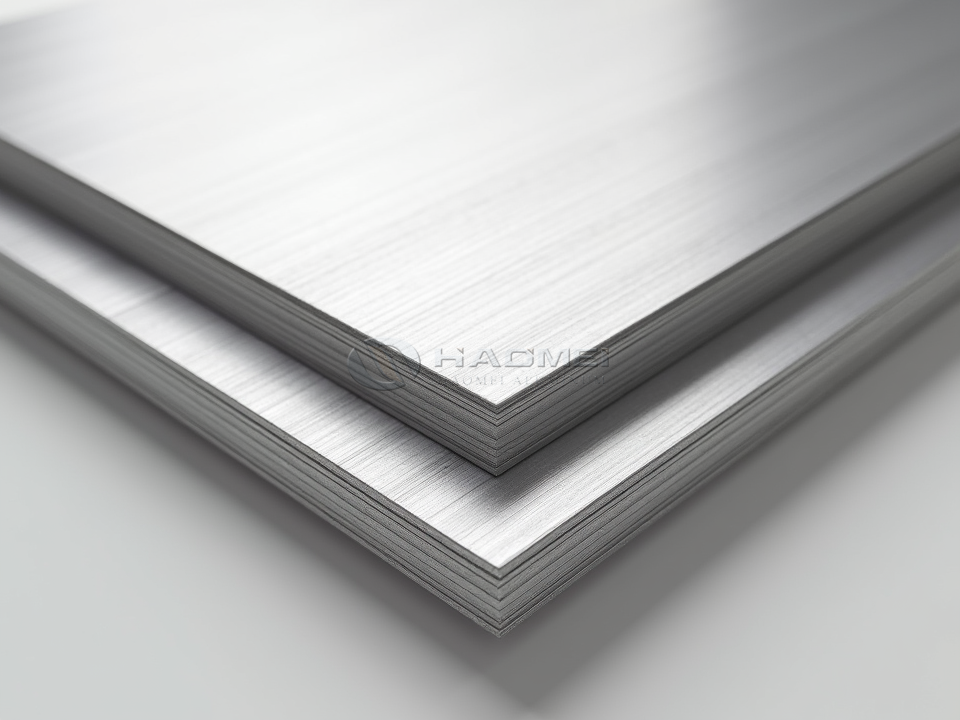
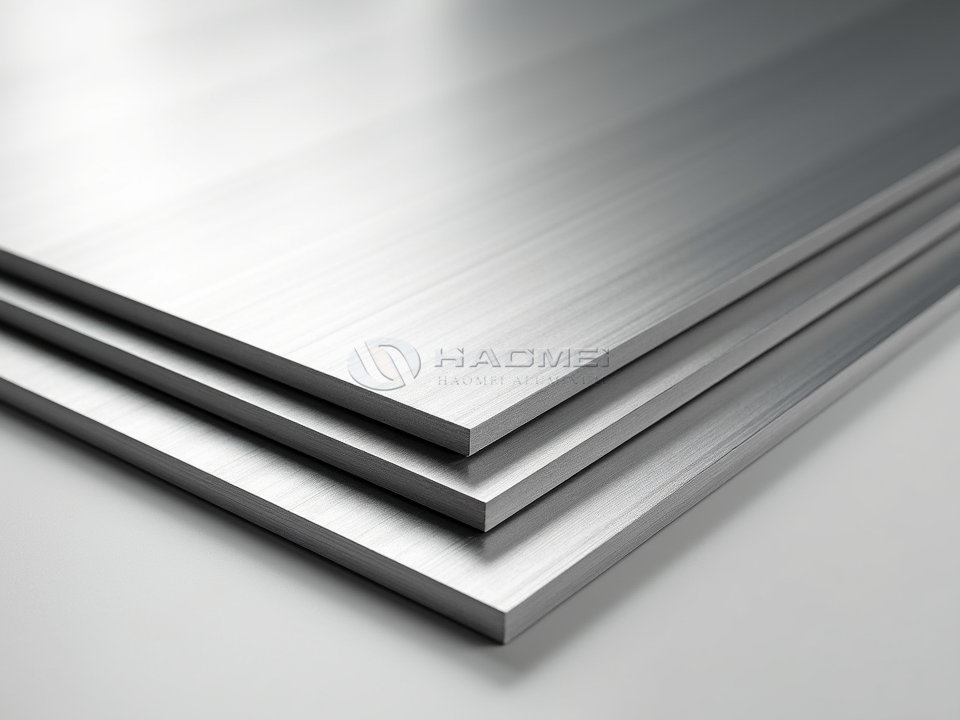
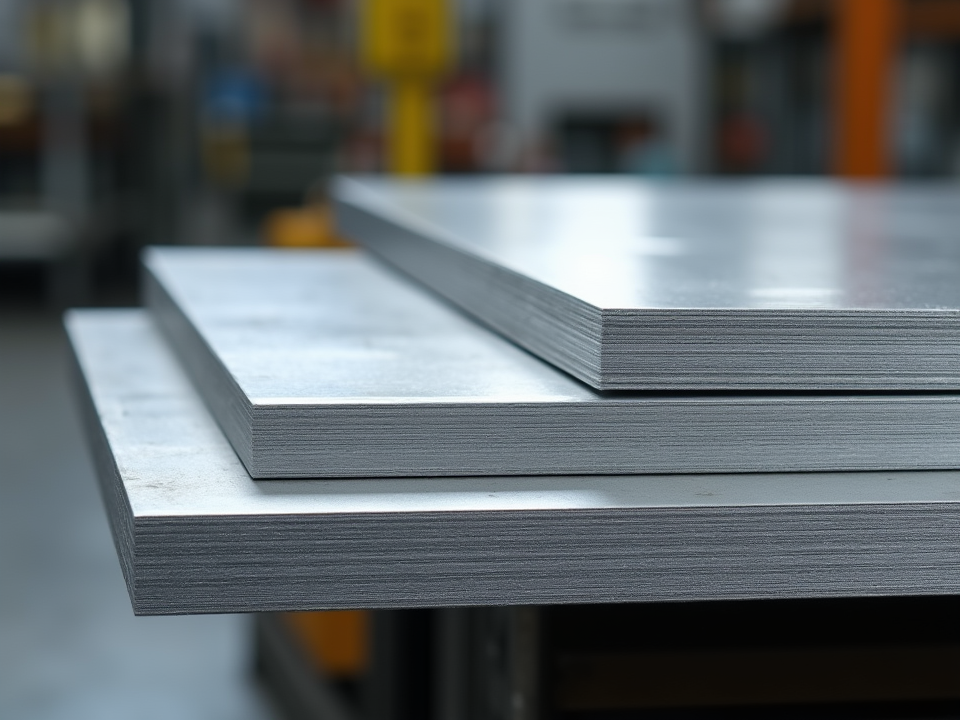
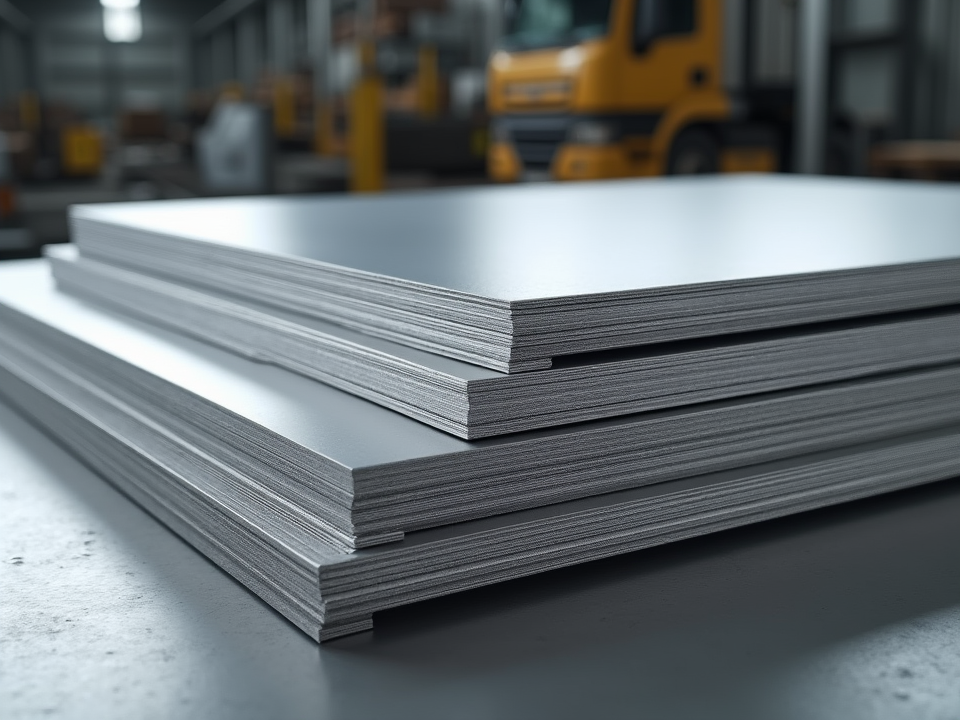
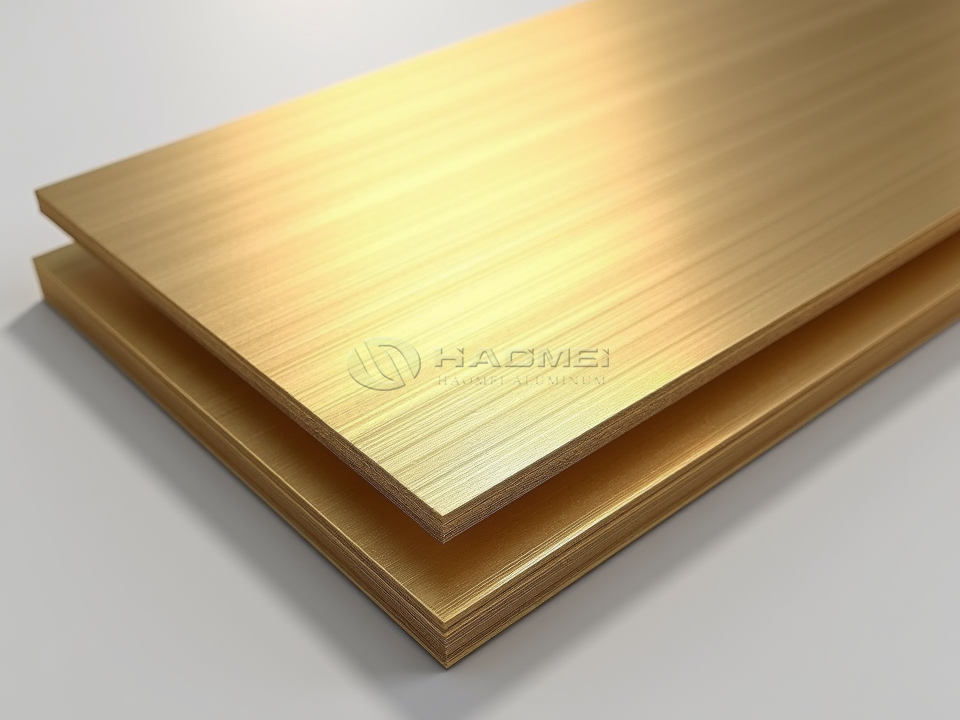
Interior decorative brushed aluminum is a versatile metal finish created by drawing controlled linear abrasions across an aluminum surface. The result is a satin-like appearance with subtle directional texture, reduced glare, and a contemporary metallic character. It brings a premium visual effect to commercial, residential, hospitality, retail, and transportation interiors without the weight and fabrication difficulty associated with many steel or solid decorative materials.
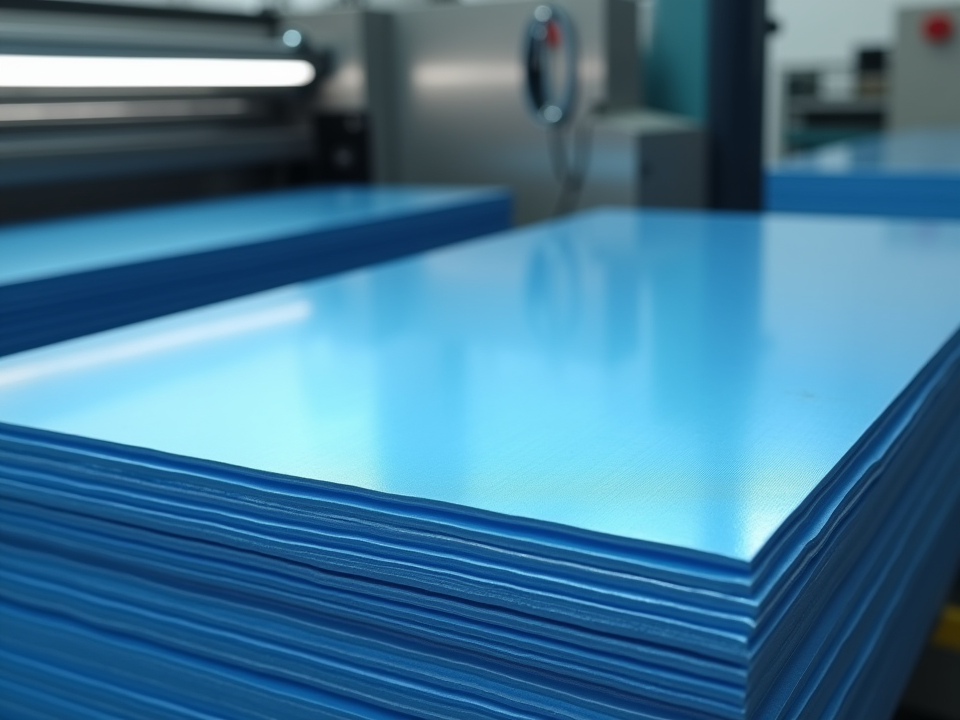
Brushed aluminum can be supplied in natural silver, champagne, gold, black, bronze-like tones, and other custom colors. Depending on the design target, the surface may be anodized, painted, laminated, or protected with a transparent coating. This combination of visual depth, corrosion resistance, formability, and easy maintenance makes it an excellent material for high-traffic interior environments.
Surface Character and Design Value
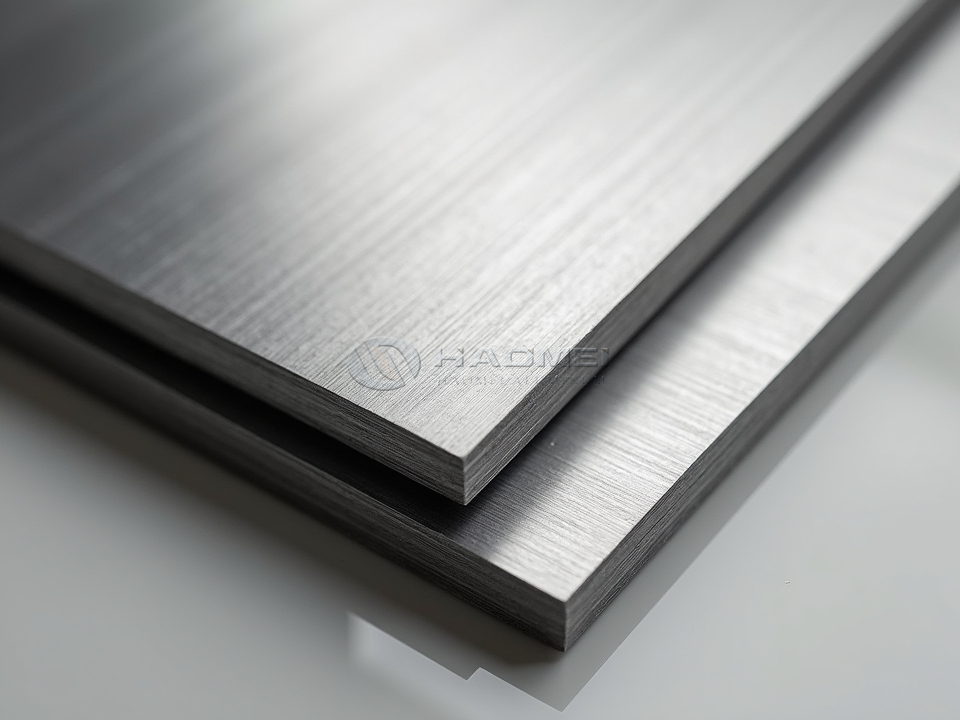
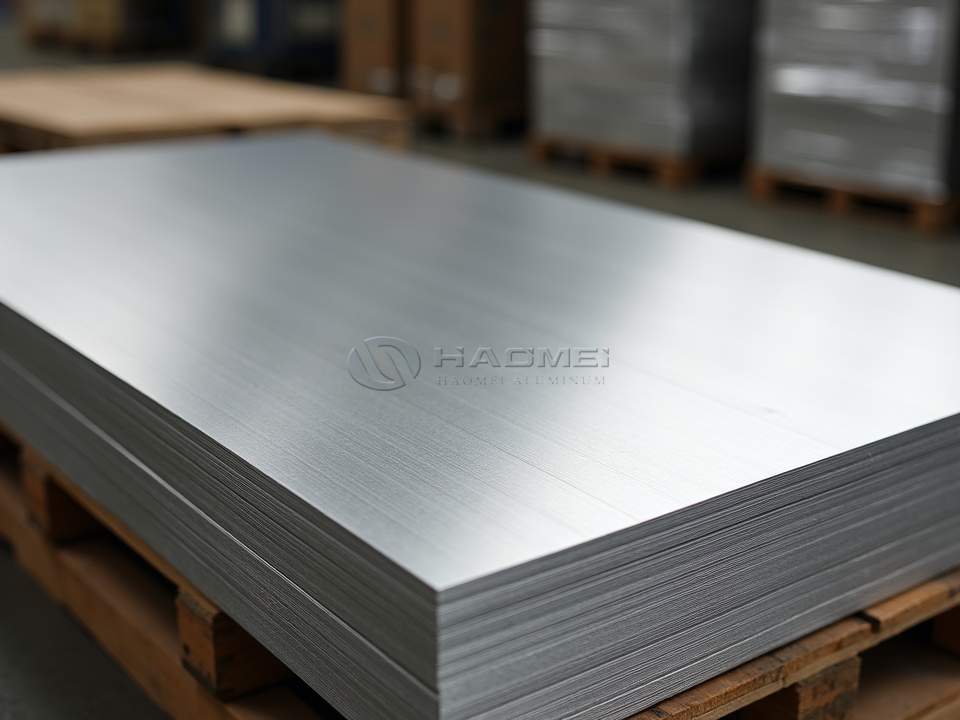
The brushed finish diffuses reflected light rather than producing a mirror-like shine. Fine hairline patterns visually elongate a wall, elevator panel, cabinet face, or ceiling strip, creating a clean and ordered sense of space. Brushing direction can be specified longitudinally, transversely, or according to panel layout requirements.
Compared with polished metal, the textured grain is more forgiving of fingerprints, light scuffs, and handling marks. Compared with painted flat aluminum, it introduces a genuine metallic visual layer that works well with glass, stone, wood veneer, fabric panels, and dark architectural finishes.
| Design Feature | Interior Benefit |
|---|---|
| Linear brushed grain | Creates a refined, directional visual rhythm |
| Satin reflectivity | Softens lighting glare in enclosed spaces |
| Metallic substrate | Delivers an authentic metal appearance |
| Broad color selection | Supports warm, cool, neutral, and dramatic design schemes |
| Lightweight sheet construction | Reduces load on furniture, wall systems, and lift cabins |
| Custom cutting and forming | Fits trims, reveals, folded panels, and detailed assemblies |
For projects requiring a flexible decorative base material, Brushed Aluminum Sheet can be selected in different alloys, thicknesses, grain styles, and protective finishes.
Available Alloys and Chemical Composition
Interior decorative brushed aluminum is commonly produced from 1060, 1100, and 5052 aluminum sheet. Pure aluminum grades offer excellent brightness and formability, while 5052 provides higher strength and better resistance to humid environments.
| Alloy | Aluminum, Al | Magnesium, Mg | Manganese, Mn | Iron, Fe | Silicon, Si | Copper, Cu | Typical Interior Use |
|---|---|---|---|---|---|---|---|
| 1060 | ≥99.60% | ≤0.03% | ≤0.03% | ≤0.35% | ≤0.25% | ≤0.05% | Decorative trims, signage, appliance facings |
| 1100 | ≥99.00% | - | ≤0.05% | ≤0.95% | ≤0.95% | 0.05-0.20% | Wall cladding, ceiling panels, formed covers |
| 5052 | Balance | 2.2-2.8% | ≤0.10% | ≤0.40% | ≤0.25% | ≤0.10% | Elevator interiors, wet-area panels, durable cabinetry |
Chemical values are typical specification ranges. Final mill certificates should govern purchase requirements.
Technical Specifications
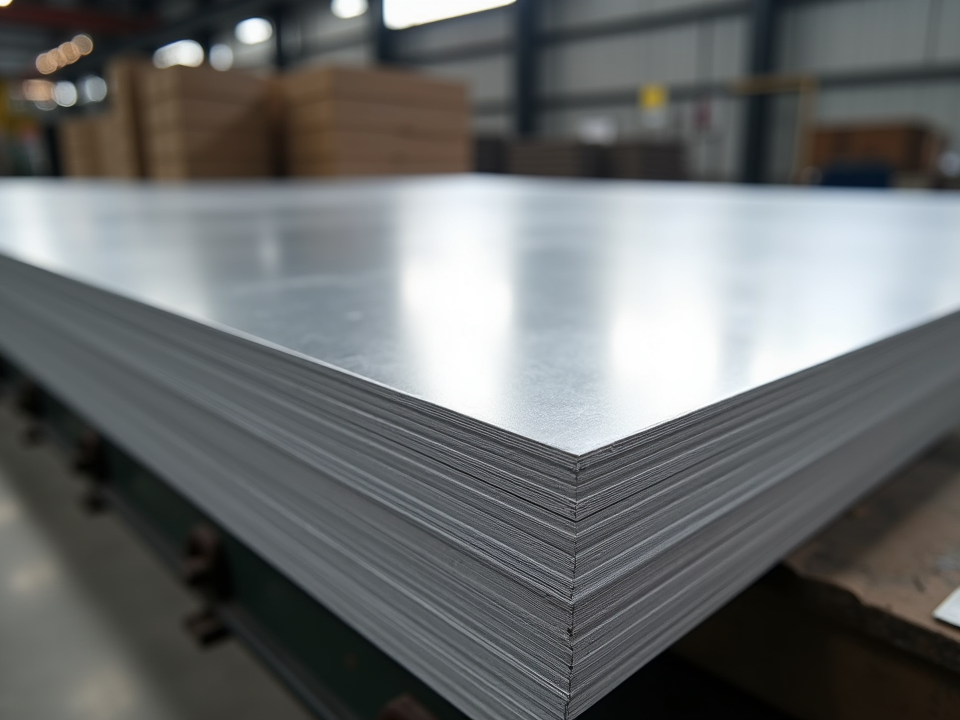
The sheet can be delivered as flat sheets, slit coils, pre-cut blanks, or fabrication-ready panels. Protective film is strongly recommended to preserve the directional finish during transport, cutting, bending, and installation.
| Parameter | Typical Range or Option |
|---|---|
| Base alloys | 1060, 1100, 5052 |
| Temper | H14, H16, H18, H24, H32, O temper by request |
| Thickness | 0.30-3.00 mm for common decorative sheet applications |
| Width | 300-1,600 mm |
| Length | 500-6,000 mm, or custom cut length |
| Surface grain | Fine hairline, medium brushed, long grain, short grain |
| Color finish | Silver, champagne, gold, black, bronze, custom coated colors |
| Surface treatment | Mill brushed, anodized, clear coated, PVDF coated, polyester coated, laminated |
| Protective film | PE laser film, standard PE film, PVC film, paper interleaf |
| Fabrication methods | Shearing, laser cutting, CNC punching, bending, riveting, bonding |
| Recommended indoor service temperature | -20°C to 80°C |
Mechanical and Physical Performance
Material selection should reflect panel size, fastening method, forming depth, expected contact frequency, and environmental moisture. For decorative wall skins and furniture facings, 1060 or 1100 is often sufficient. For lift cabins, bathroom partitions, kitchen zones, and public interiors, 5052 is often preferred because of its higher strength.
| Property | 1060-H14 Typical | 1100-H14 Typical | 5052-H32 Typical |
|---|---|---|---|
| Tensile strength | 95-125 MPa | 110-145 MPa | 210-260 MPa |
| Yield strength | ≥75 MPa | ≥95 MPa | ≥160 MPa |
| Elongation | ≥5% | ≥4% | ≥10% |
| Density | 2.70 g/cm³ | 2.71 g/cm³ | 2.68 g/cm³ |
| Elastic modulus | 69 GPa | 69 GPa | 70 GPa |
| Thermal conductivity | Approx. 230 W/m·K | Approx. 220 W/m·K | Approx. 138 W/m·K |
| Corrosion resistance | Good | Good | Very good |
Mechanical data vary with thickness, temper, and applicable production standard.
Performance Benefits for Interior Projects
Decorative brushed aluminum combines visual appeal with practical performance. Its low density makes handling easier during installation and can reduce the support requirements of decorative systems. The material is non-combustible as a metal substrate, making it suitable for many architectural assemblies when paired with compliant cores, adhesives, and fixing systems.
Anodized or coated finishes improve stain resistance and simplify routine care. A soft microfiber cloth with mild neutral cleaner is generally suitable for maintenance. Abrasive pads, strong alkaline cleaners, chlorine-containing products, and aggressive solvents should be avoided because they may damage the coating or disturb the grain appearance.
| Performance Area | Practical Value |
|---|---|
| Weight efficiency | Easier lifting, faster installation, lower structural load |
| Moisture resistance | Suitable for kitchens, washroom surrounds, and conditioned public areas |
| Formability | Supports folded edges, corner returns, channels, and curved accents |
| Surface durability | Coated or anodized options resist everyday handling and light abrasion |
| Hygiene | Smooth, non-porous finished surface is easy to wipe clean |
| Recyclability | Aluminum retains high recycling value at end of service life |
Recommended Applications
Brushed aluminum adapts easily to both large architectural surfaces and smaller detail components. Silver and champagne finishes often support restrained office or hospitality interiors, while black and gold finishes can create stronger contrast in luxury retail, restaurants, and feature spaces.
| Application Area | Recommended Material Direction | Design Consideration |
|---|---|---|
| Elevator cabin walls and doors | 5052 brushed aluminum | Use protective coating and robust edge finishing |
| Lobby wall panels | 1100 or 5052 | Align grain direction between adjacent panels |
| Kitchen cabinet facings | 5052 or coated 1100 | Select stain-resistant finish and sealed edges |
| Ceiling strips and baffles | 1060 or 1100 | Favor lightweight tempers and consistent color batches |
| Retail display fixtures | 1100 or 5052 | Combine with folded profiles or illuminated details |
| Hotel reception desks | 5052 brushed sheet | Use durable clear coat in high-contact zones |
| Interior doors and partitions | 5052 brushed sheet | Pair with honeycomb, MDF, or aluminum framing systems |
| Appliance and equipment covers | 1060 or 1100 | Select fine grain for an understated technical appearance |
For dark, high-contrast interiors, Black Anodized Brushed Aluminum Sheet provides a durable architectural finish with a sophisticated satin texture.
Selection and Fabrication Guidance
Specify the alloy and temper before finalizing the finish. Thin panels with wide unsupported spans may require stiffeners, bonded backing, cassette folds, or a composite construction to prevent oil-canning. When several panels meet in one visual field, all sheets should come from the same production batch whenever possible to maintain grain consistency and color harmony.
Keep the brushing direction consistent across doors, drawer fronts, lift walls, and long corridors. During bending, test the selected temper and coating first, especially for tight radii. Protective film should remain in place through fabrication and installation, then be removed only after the surrounding work is complete.
Interior decorative brushed aluminum offers more than a clean metallic appearance. It is a durable, lightweight, formable surface material that gives designers broad freedom in color, texture, scale, and detail while delivering dependable performance for everyday interior use.