Clear Anodized Brushed Aluminum
Clear Anodized Brushed Aluminum: A Surface Built for Real Life
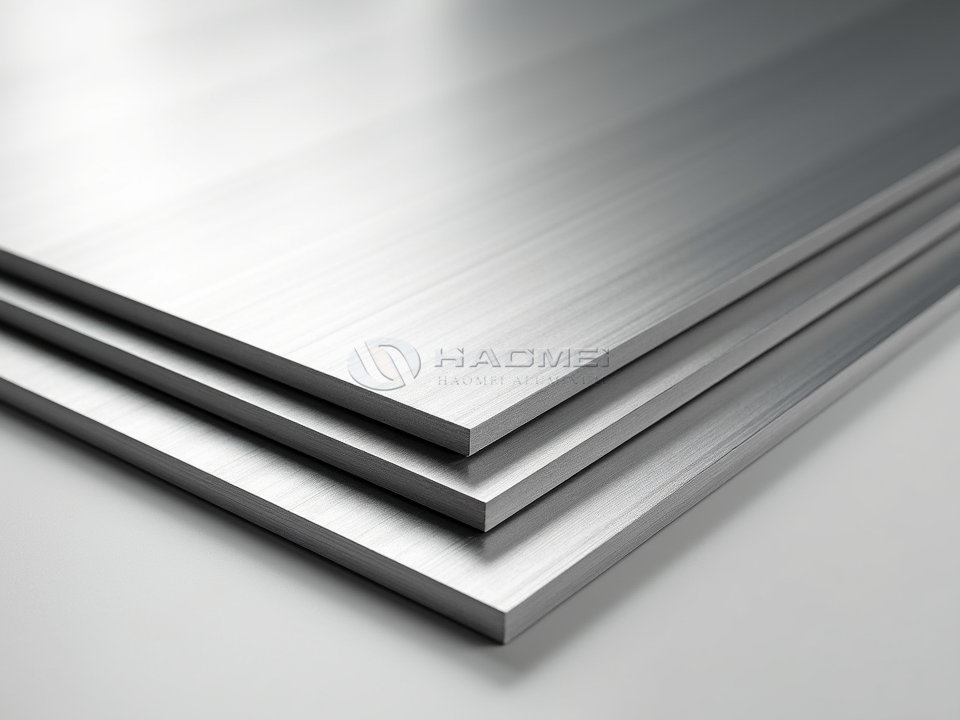
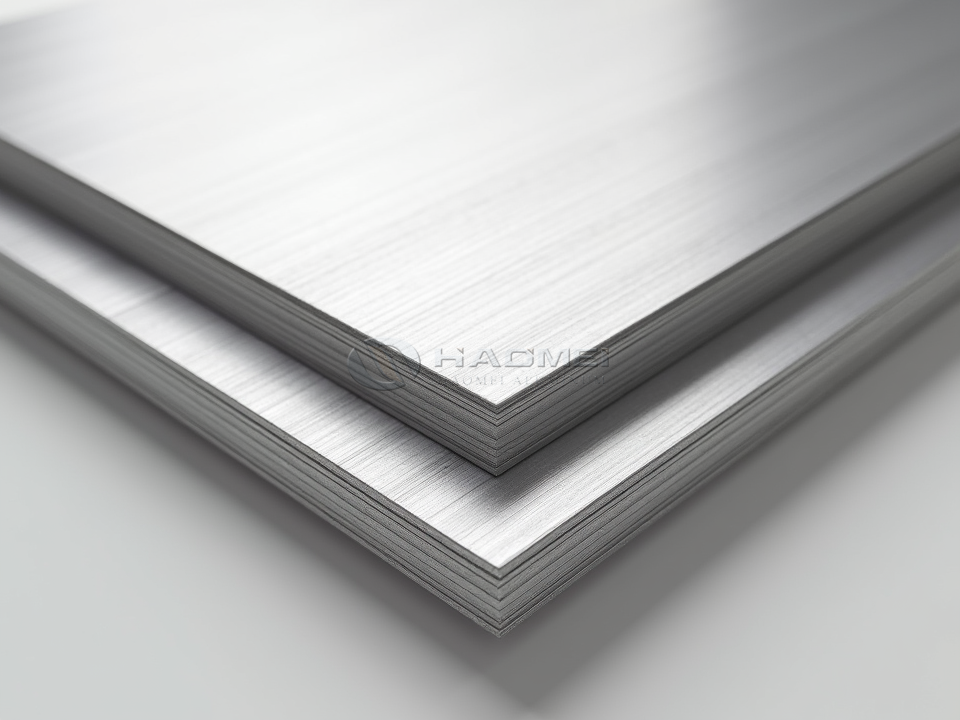
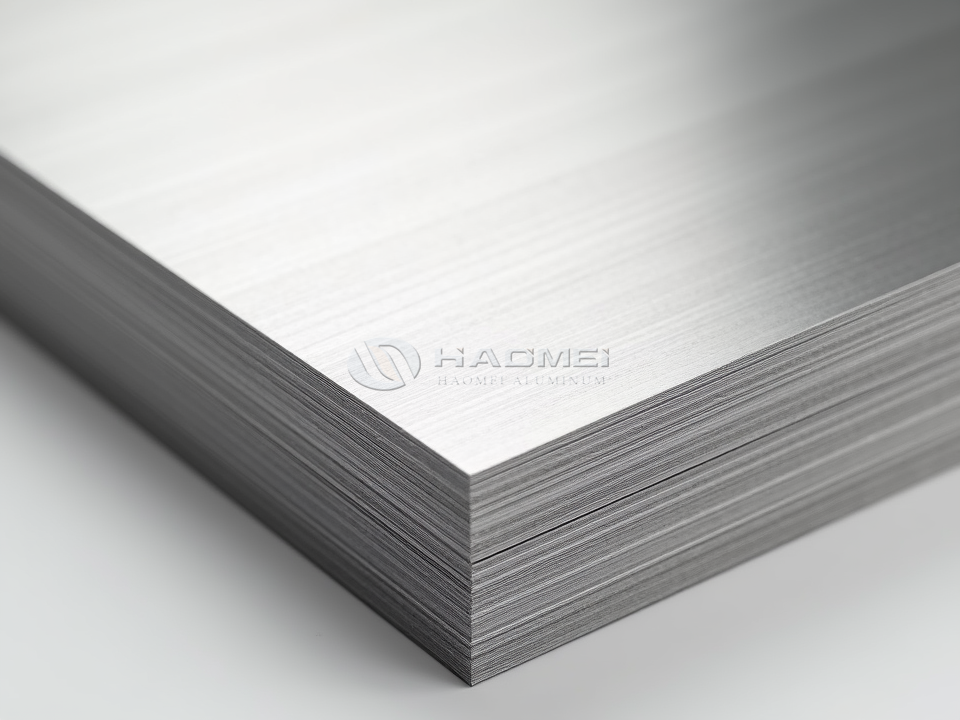
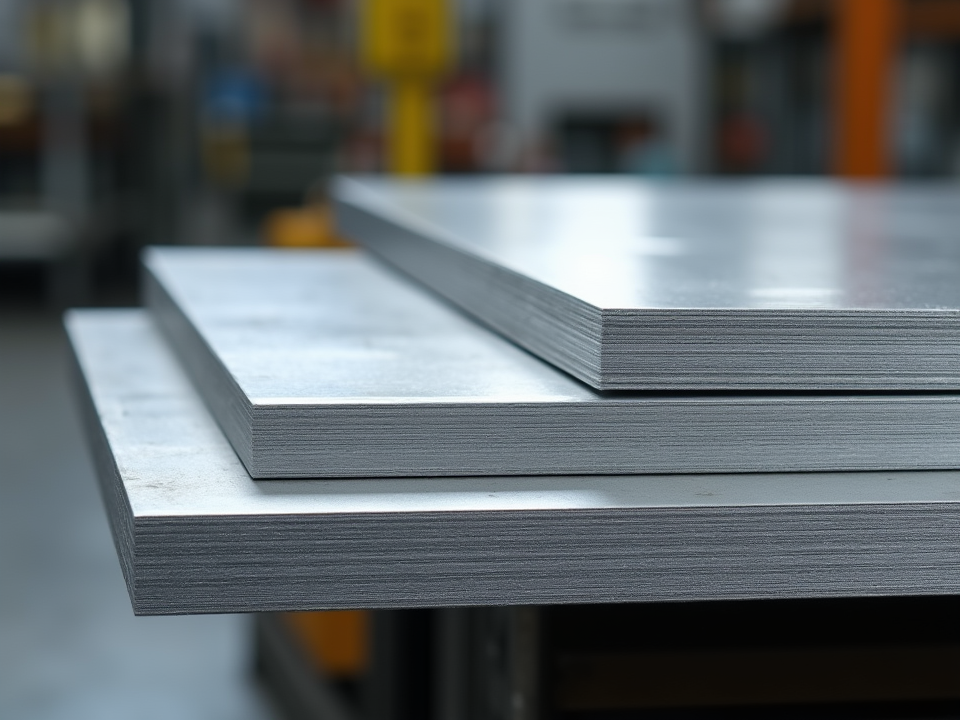
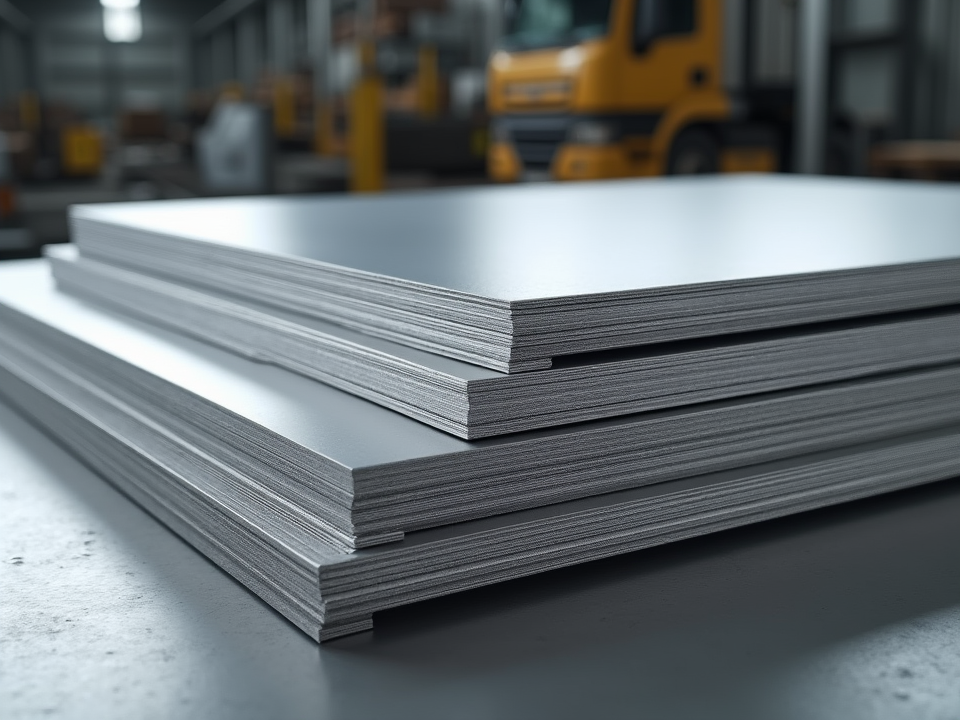
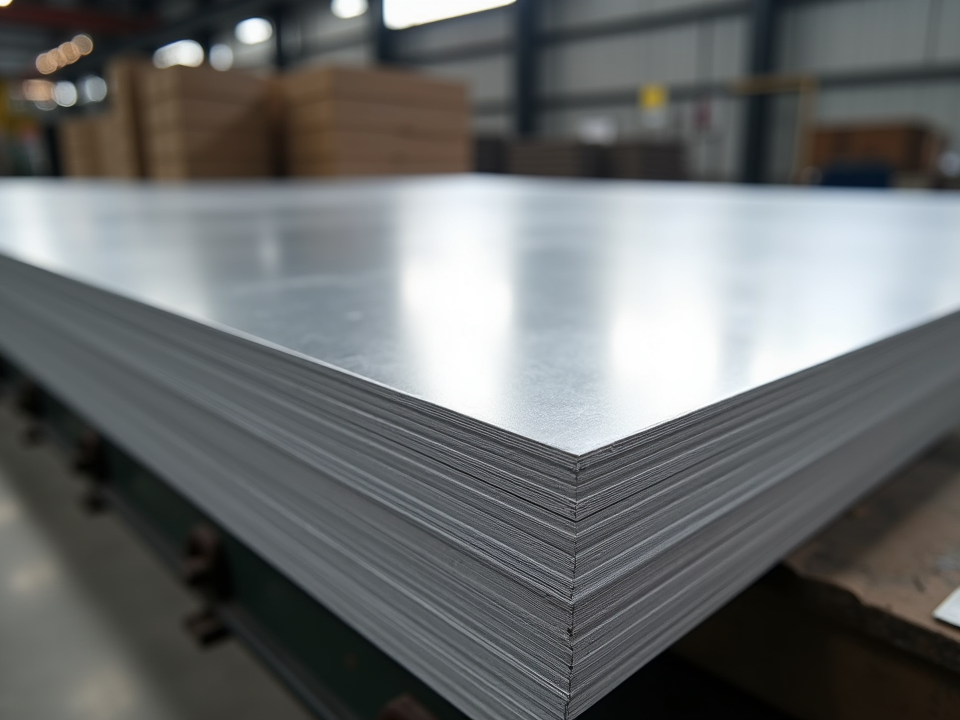
Clear anodized brushed aluminum is often chosen for its calm, refined appearance, but its real value is more practical. The linear brush pattern softens glare, masks light handling marks, and gives panels a directional visual rhythm. Clear anodizing then protects that brushed surface without covering the natural silver-metal character.
Rather than behaving like a painted coating sitting on top of the sheet, the anodic layer is grown from the aluminum itself. This distinction matters in elevator interiors, appliance panels, retail fixtures, architectural trim, equipment covers, and transportation components, where appearance must remain consistent after daily contact.
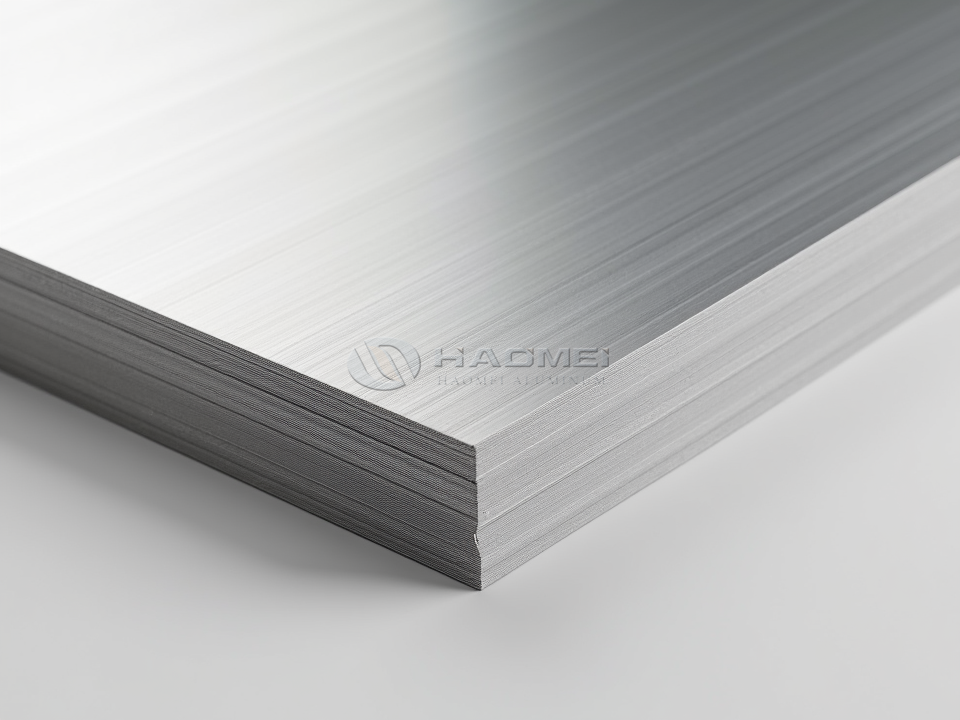
The finished material has two stories on one face. The brush lines provide visual texture, while the transparent oxide film provides a hard, corrosion-resistant skin. When specified correctly, clear anodized brushed aluminum does not need to shout. It delivers a clean industrial finish that looks intentional under office lighting, daylight, and close inspection.
What Creates the Clear Brushed Finish
Production normally starts with aluminum sheet or coil selected for its intended forming and corrosion requirements. The visible face is mechanically brushed with abrasive belts, wheels, or non-woven media. Fine linear grains are common for decorative panels, while coarser grains create a more pronounced technical appearance.
After brushing, the sheet is cleaned and chemically pretreated before anodizing. In a sulfuric-acid electrolyte, electrical current converts the surface into porous aluminum oxide. Sealing closes or hydrates much of this porous structure, improving stain resistance and long-term corrosion performance. The result is a transparent finish that preserves the silver color and brush direction.
The brushing direction should be specified before fabrication. A vertical grain may suit wall cladding or elevator doors, while a horizontal grain can visually widen furniture fronts and appliance panels. Mixing grain direction between adjacent components is one of the most noticeable avoidable quality issues.
For projects needing a darker contrast, Black Anodized Brushed Aluminum Sheet provides the same directional texture with a stronger architectural statement. Clear anodizing remains the preferred choice when the goal is to keep the original aluminum tone visible.
Common Product Parameters
Clear anodized brushed aluminum can be supplied as sheet, coil, cut blanks, or fabricated panels. Actual availability depends on alloy, equipment capability, brush width, and anodizing tank size. The following ranges are commonly used for commercial applications.
| Parameter | Typical Range or Condition |
|---|---|
| Alloy options | 1050, 1060, 1100, 3003, 5052, 5005 |
| Temper options | O, H14, H24, H32, H34, H38 |
| Thickness | 0.30 mm to 6.00 mm, project dependent |
| Standard sheet width | 1,000 mm, 1,220 mm, 1,250 mm, 1,500 mm |
| Standard sheet length | 2,000 mm, 2,440 mm, 3,000 mm, custom cut length |
| Anodic film thickness | 5-25 μm for indoor use; 20-25 μm or greater for demanding environments |
| Surface grain | Fine hairline, satin, medium line, coarse directional brush |
| Protective film | Optional PE, PVC, laser film, or paper interleaf |
| Finish side | One-side decorative finish is typical; double-side by agreement |
Anodic film thickness is not merely a visual specification. A 5-10 μm film can work well for dry interior decorative use. A 15-20 μm film is frequently selected for higher-touch commercial surfaces. Exterior or humid settings may require a thicker film, an alloy with stronger corrosion resistance, careful edge design, and confirmation of local environmental exposure.
Alloy and Temper Selection
Alloy selection changes the balance between formability, strength, appearance, and corrosion resistance. High-purity grades such as 1050, 1060, and 1100 anodize with a bright, clean silver response and are easy to form. They are well suited to signage, lighting reflectors, decorative trim, and non-structural interior panels.
3003 adds manganese for greater strength while retaining useful formability. It is often specified for general fabricated covers and decorative sheet work. 5005 offers an attractive anodized appearance and is commonly used for architectural panels. 5052 contains magnesium, providing stronger corrosion resistance and higher strength, making it suitable for marine-adjacent, transport, kitchen, and tougher service environments.
For applications requiring added durability, 5052 Brushed Aluminum Sheet is a practical choice where forming performance and corrosion resistance need to coexist.
| Alloy | Principal Alloying Elements | Typical Temper Choices | Practical Character |
|---|---|---|---|
| 1050 | Aluminum 99.5% minimum | O, H14, H24 | Excellent forming and clear anodized appearance |
| 1060 | Aluminum 99.6% minimum | O, H14, H24 | High conductivity, soft forming behavior |
| 1100 | Aluminum 99.0% minimum | O, H14, H24 | Decorative and general-purpose sheet |
| 3003 | Mn approximately 1.0-1.5% | H14, H24 | Improved strength for fabricated panels |
| 5005 | Mg approximately 0.5-1.1% | H34, H38 | Architectural anodizing performance |
| 5052 | Mg approximately 2.2-2.8% | H32, H34, H38 | Strong corrosion resistance and good workability |
Temper should reflect the fabrication route. O temper is soft and favorable for deep drawing or tight bends, but it dents more easily. H14 and H24 are common selections for moderate forming. H32 and H34 provide more rigidity and are often preferred where panel flatness and service strength matter. Testing a representative bend sample is wise when a brushed decorative face must remain free from stretch marks or grain distortion.
Chemical Composition Reference
Chemical composition should be verified against the applicable material standard and mill certificate. The values shown are typical specification ranges in percent by mass.
| Alloy | Si | Fe | Cu | Mn | Mg | Zn | Al |
|---|---|---|---|---|---|---|---|
| 1050 | ≤0.25 | ≤0.40 | ≤0.05 | ≤0.05 | ≤0.05 | ≤0.05 | Balance, ≥99.50 |
| 1060 | ≤0.25 | ≤0.35 | ≤0.05 | ≤0.03 | ≤0.03 | ≤0.05 | Balance, ≥99.60 |
| 1100 | Si+Fe ≤0.95 | Included | 0.05-0.20 | ≤0.05 | - | ≤0.10 | Balance, ≥99.00 |
| 3003 | ≤0.60 | ≤0.70 | 0.05-0.20 | 1.0-1.5 | - | ≤0.10 | Balance |
| 5005 | ≤0.30 | ≤0.70 | ≤0.20 | ≤0.20 | 0.5-1.1 | ≤0.25 | Balance |
| 5052 | ≤0.25 | ≤0.40 | ≤0.10 | ≤0.10 | 2.2-2.8 | ≤0.10 | Balance |
Standards and Inspection Expectations
Material can be supplied in accordance with recognized standards such as ASTM B209 for aluminum sheet and plate, EN 485 for tolerances and mechanical properties, EN 573 for chemical composition, and ISO 7599 for anodic oxidation coatings. Architectural anodizing requirements may also reference AAMA 611 where applicable.
Inspection should look beyond thickness. Confirm alloy, temper, dimensions, diagonal tolerance, brush direction, color consistency, anodic film thickness, protective film condition, and visible-face defects. Brushed surfaces naturally reflect light in one direction, so inspection should be performed under consistent lighting and from an agreed viewing distance.
Fabrication and Care Notes
Use clean tools, non-marking rollers, and protective interleaving during handling. Chips from carbon steel tools can contaminate aluminum and later cause staining. When cutting or bending, keep the brush grain aligned across assembled components. Protective film should remain in place during fabrication but be removed soon after installation to avoid adhesive residue.
For cleaning, use water, mild pH-neutral detergent, and a soft cloth moving with the grain. Avoid abrasive pads, alkaline cleaners, chloride-rich chemicals, and strong solvents unless they have been tested on a concealed area. Clear anodized brushed aluminum is durable, yet its satin appearance benefits from simple, disciplined care.
Clear anodized brushed aluminum turns an everyday metal sheet into a dependable finished surface. With the right alloy, temper, film thickness, and grain control, it delivers a quiet premium character while meeting the practical demands of fabrication and long-term use.