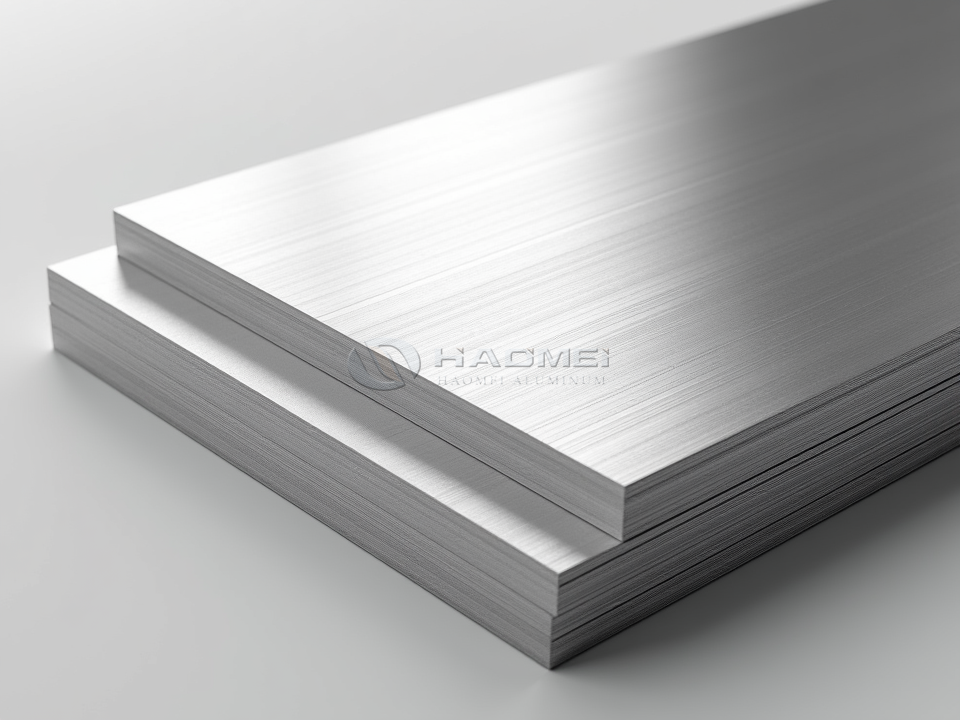
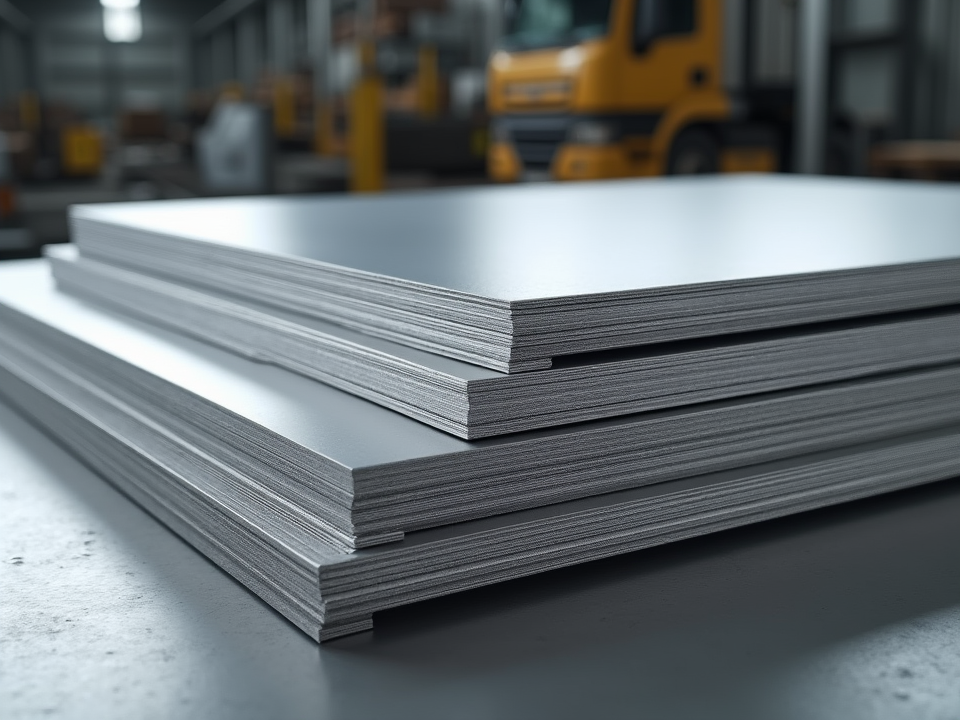
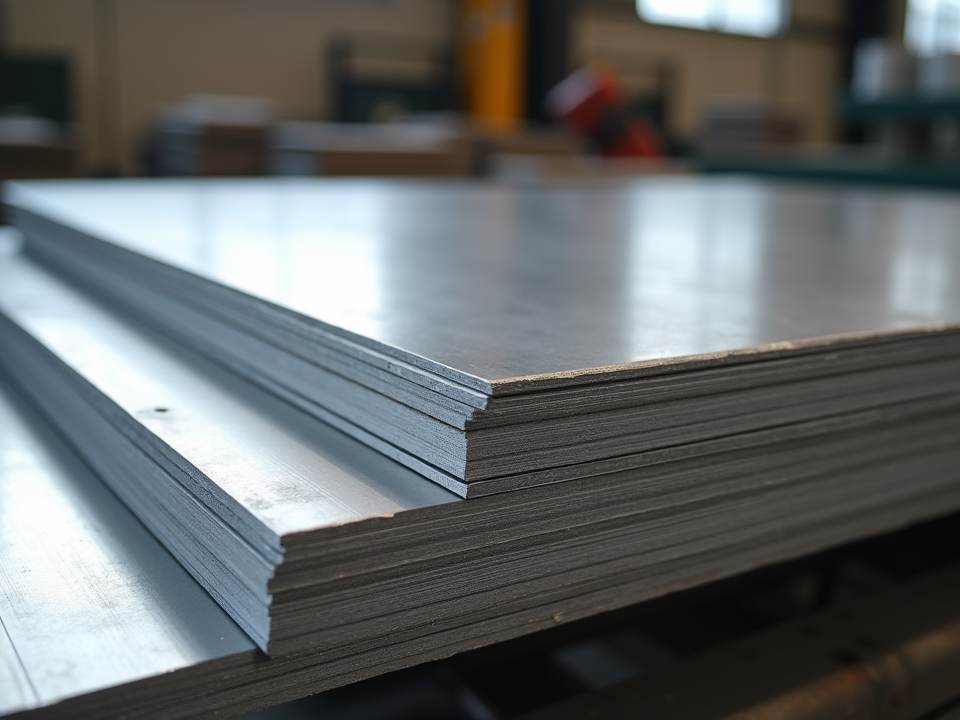
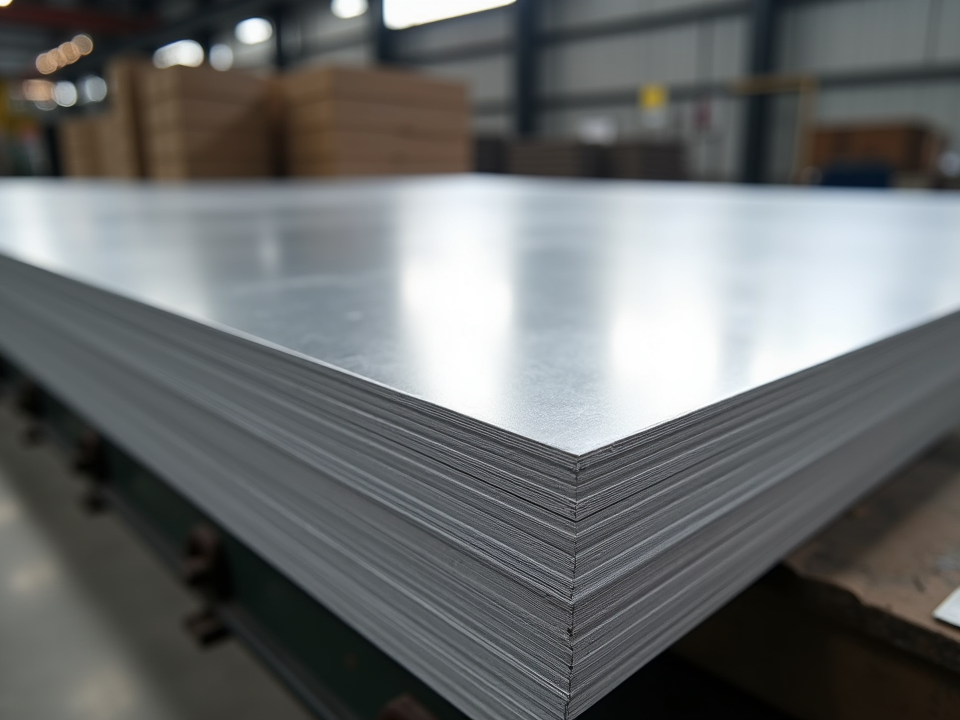
Long Hairline Brushed Aluminum Plate
A Metal Surface That Guides the Eye
Long hairline brushed aluminum plate is often selected for its refined industrial look, but its real value lies in how it directs visual attention. The extended, continuous grain acts like a quiet line across the sheet. It can make an elevator wall appear taller, a reception counter appear wider, or a cabinet face feel more orderly. Rather than simply decorating aluminum, the long hairline finish gives the material a visual direction.
This matters in spaces where people see the same surface every day. Stainless-looking metal can feel cold or overly reflective. Mirror-polished aluminum can reveal fingerprints immediately. A long hairline brushed aluminum plate sits between these extremes. Its fine linear texture softens glare while retaining the clean brightness associated with metal.
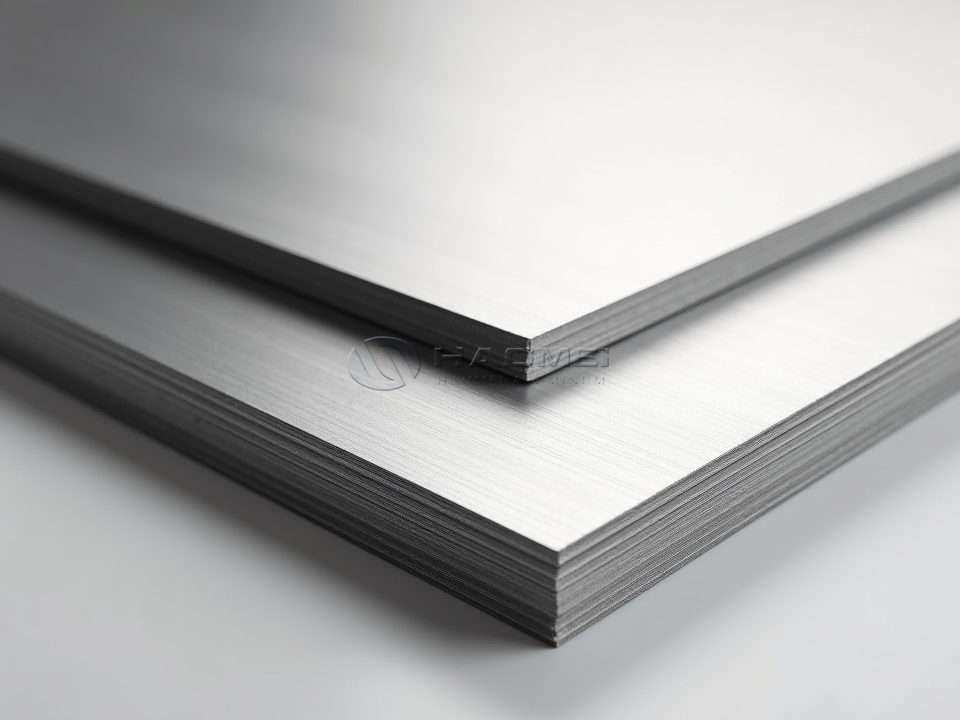
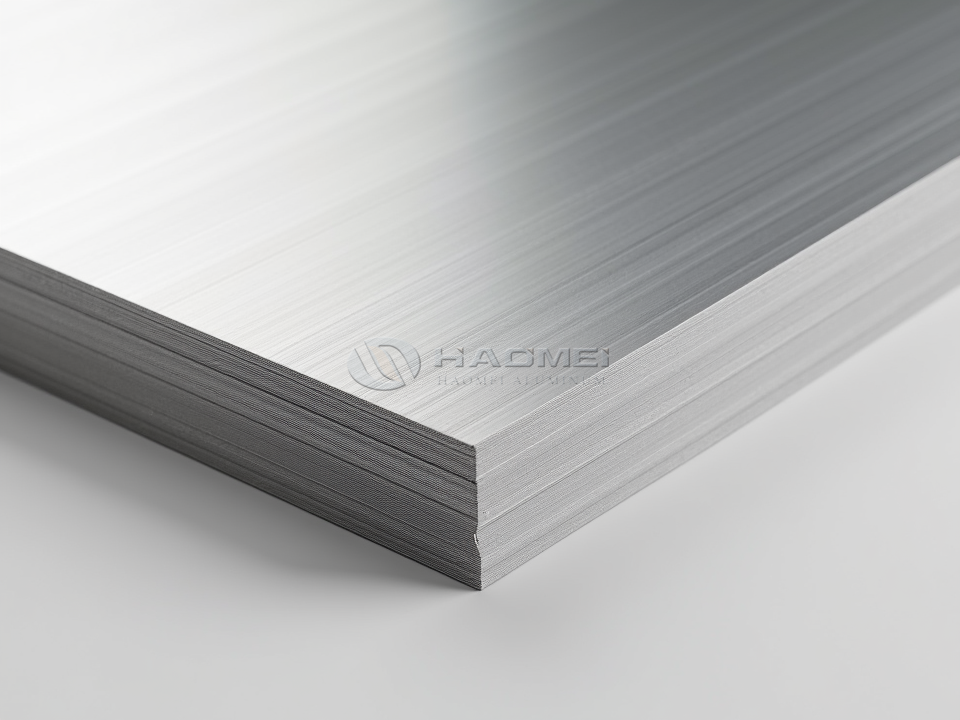
The finish is created by drawing abrasive belts, brushes, or sanding media along one consistent path. The resulting lines are longer and more continuous than a short hairline or random orbital pattern. When the brushing direction remains stable from sheet to sheet, installed panels can read as one large surface instead of several separate pieces.
Direction Is Part of the Specification
Customers sometimes focus only on alloy, thickness, and color. For a long hairline finish, grain direction deserves equal attention. A plate installed with vertical brushing can add height to a narrow corridor or elevator cabin. Horizontal brushing can make a wall panel, appliance fascia, or retail display feel broader and calmer. Diagonal installation is possible, though it requires careful panel alignment and creates more cutting waste.
The direction should be confirmed before cutting. Once a panel has been trimmed, folded, punched, or fabricated, rotating it may cause the brush lines to clash with adjacent pieces. This is especially noticeable under spotlights, daylight from windows, and angled ceiling illumination.
A practical purchase note can prevent costly rework: specify the visible face, the required grain direction, the maximum panel dimensions, and whether all panels must be supplied from the same production batch. When a project includes returns, column wraps, doors, and skirting, make a simple cutting layout before ordering. This protects visual continuity as well as material yield.
The Difference Between a Long Hairline and Ordinary Brushing
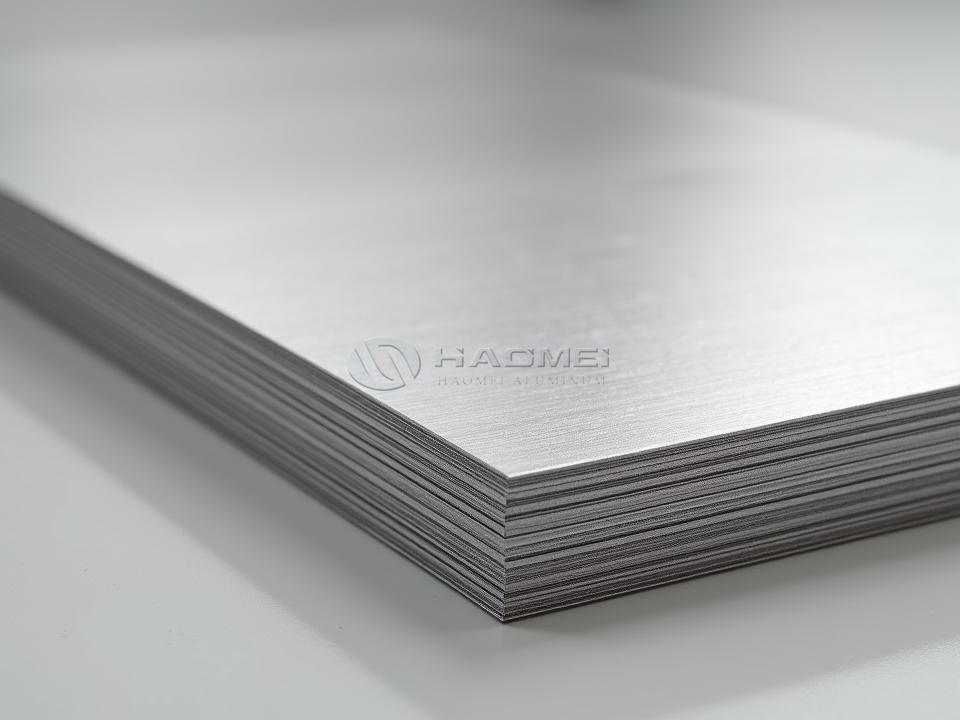
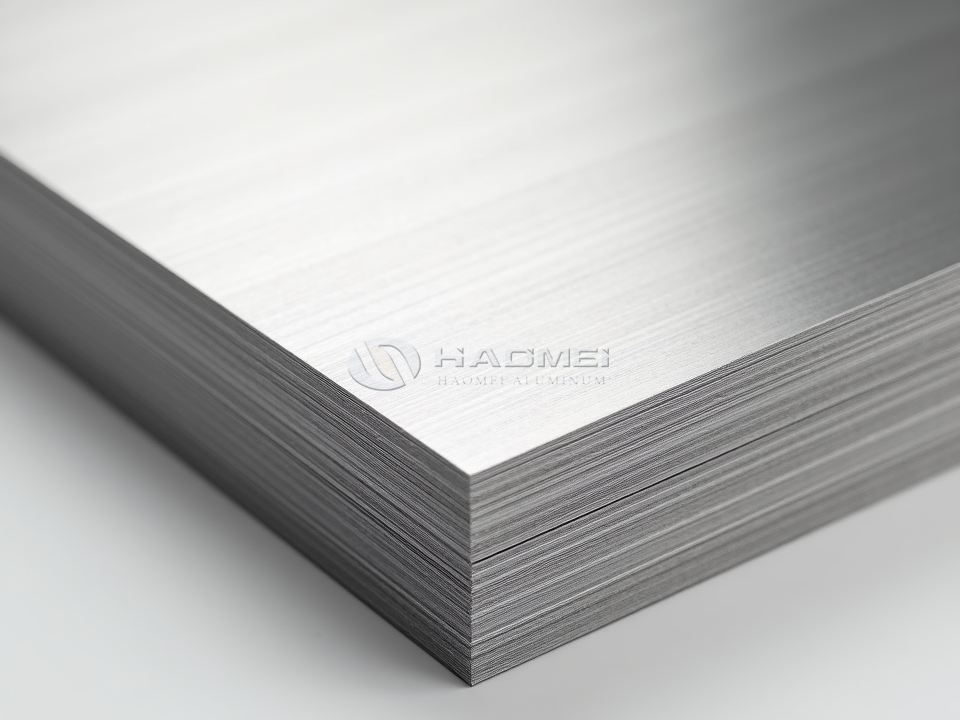
Not every brushed aluminum sheet has the same visual rhythm. Standard brushing may have shorter strokes, variable texture, or a more obvious abrasive pattern. Long hairline brushed aluminum plate is intended to look controlled over an extended distance. The lines are fine, parallel, and consistent enough to remain attractive on large panels.
This finish is often chosen for architectural trim, elevator interiors, wall cladding, furniture components, signage, consumer electronics housings, and decorative door panels. In each use, the surface is seen from changing angles. The brush lines catch light gradually, producing a moving satin effect rather than a sharp reflection.
For projects requiring a brighter natural-metal appearance, Silver Brushed Aluminum Sheet offers a clean, contemporary option that works well with glass, stone, white cabinetry, and cool-toned interiors. For darker designs, black or champagne finishes can create stronger contrast while preserving the directional character of the grain.
Choosing the Right Aluminum Base
The decorative finish may receive the attention, but the aluminum alloy determines how the plate behaves during fabrication and service. Common choices include 1060, 1100, and 5052 aluminum.
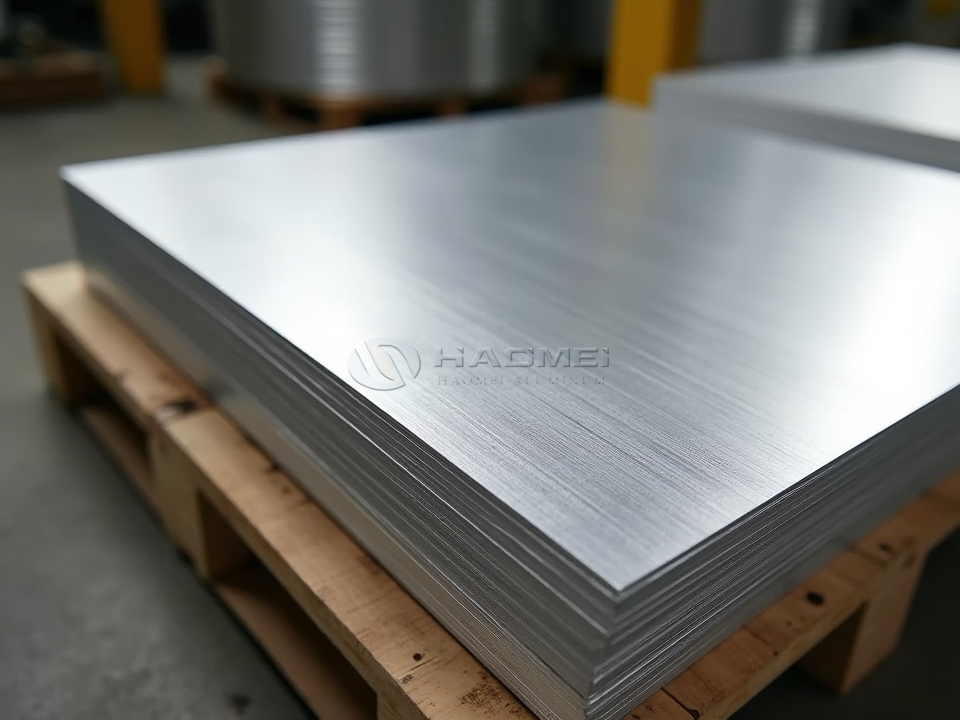
1060 and 1100 grades are commercially pure aluminum materials with excellent formability and a bright base appearance. They are suitable for decorative covers, signs, interior panels, and applications where deep forming or easy bending is more important than high mechanical strength. Their softness can also make them more vulnerable to dents during transport or installation, so protective film and careful handling are important.
5052 aluminum provides higher strength and better corrosion resistance. It is a strong option for humid interiors, marine-adjacent environments, transportation components, kitchen surrounds, and fabricated panels that require bending without sacrificing durability. A 5052 Brushed Aluminum Sheet is often the more dependable choice when the finished component will be folded, riveted, exposed to moisture, or handled frequently.
Temper should be selected according to the fabrication plan. Softer tempers bend more easily, while harder tempers offer improved dent resistance and flatness but may need a larger bending radius. Discuss bending lines and forming depth before the surface treatment is finalized, particularly when the brushed face must remain on the outside of a bend.
Color, Coating, and Surface Protection
Natural silver is not the only option. Long hairline brushed aluminum plate can be anodized, painted, coated, or laminated in black, gold, champagne, bronze, and other decorative shades. The brushing should remain visible after coloring; otherwise, the surface can lose the fine metallic movement that makes this finish appealing.
Anodized finishes are valued for their stable metallic appearance and improved surface hardness. Coated finishes allow a broader color range and can be matched with surrounding architecture. For indoor decorative applications, both can perform well when selected according to expected contact, cleaning frequency, and lighting conditions.
Protective film should remain on the visible face throughout cutting, bending, transport, and installation. However, it should not be left in place for an extended period under intense sun or high heat. Adhesive residue may become difficult to remove, and uneven exposure can affect certain coated surfaces. Remove the film only after nearby dusty, wet, or abrasive construction work has been completed.
Fabrication Without Damaging the Grain
Long hairline brushed aluminum plate rewards careful processing. Cut edges should be clean and deburred because rough edges can draw attention away from an otherwise precise finish. If laser cutting is used, test settings on a sample first to avoid heat marks or discoloration near the cut line. For shearing and punching, maintain sharp tooling to reduce distortion.
During bending, use clean tooling and protective inserts where appropriate. Any trapped metal chip, dirty press brake film, or rough support surface can leave a scratch across the grain. These marks are difficult to disguise because a cross-grain scratch interrupts the intentional linear pattern.
Welding directly on the decorative face is usually avoided. Heat tint, distortion, and grinding marks may be visible. Mechanical fastening, concealed adhesive systems, folded edges, or rear-mounted brackets can often preserve a cleaner presentation. If welding is necessary, position welds on the back where design and structure permit.
Care in Everyday Use
One advantage of the long hairline finish is that light handling marks can blend into its directional texture better than on mirror surfaces. Still, it is not scratch-proof. Clean with a soft microfiber cloth, mild detergent, and clean water. Wipe in the direction of the grain, then dry promptly to prevent water spotting.
Avoid steel wool, harsh scouring pads, chloride-containing cleaners, and aggressive alkaline chemicals. These may dull the finish, create random scratches, or damage anodized layers. For public-facing panels such as elevator interiors, regular gentle cleaning is more effective than occasional aggressive scrubbing.
A Better Way to Specify the Material
The best long hairline brushed aluminum plate is not merely the brightest or least expensive sheet. It is the material whose grain direction, alloy, thickness, color, protective film, and fabrication route all support the finished installation. Request a physical sample under the actual project lighting whenever possible. A surface that looks soft and elegant in a warehouse may appear much brighter under hotel downlights or beside a large window.
Treat the brush line as a design tool, not a minor finish detail. When specified with care, long hairline brushed aluminum plate brings order to large surfaces, gives light a controlled path, and delivers a durable metal presence without excessive shine.