Choosing the Right Surface Finish for 5052 Aluminum Sheet for Marine Fabrication
In marine fabrication, a surface finish is not merely a visual decision. It influences corrosion behavior, paint adhesion, cleanability, weld preparation, glare control, and the long-term appearance of a vessel. For boat builders, dock fabricators, tank producers, and offshore equipment makers, choosing the right finish for 5052 aluminum sheet should begin with one question: what will the surface face every day?
Salt spray, standing water, fuel residue, fish oil, UV exposure, abrasion, and regular washdowns do not affect every part of a vessel in the same way. A concealed support panel and a polished cabin trim panel may use the same alloy, but they should not necessarily receive the same finish.
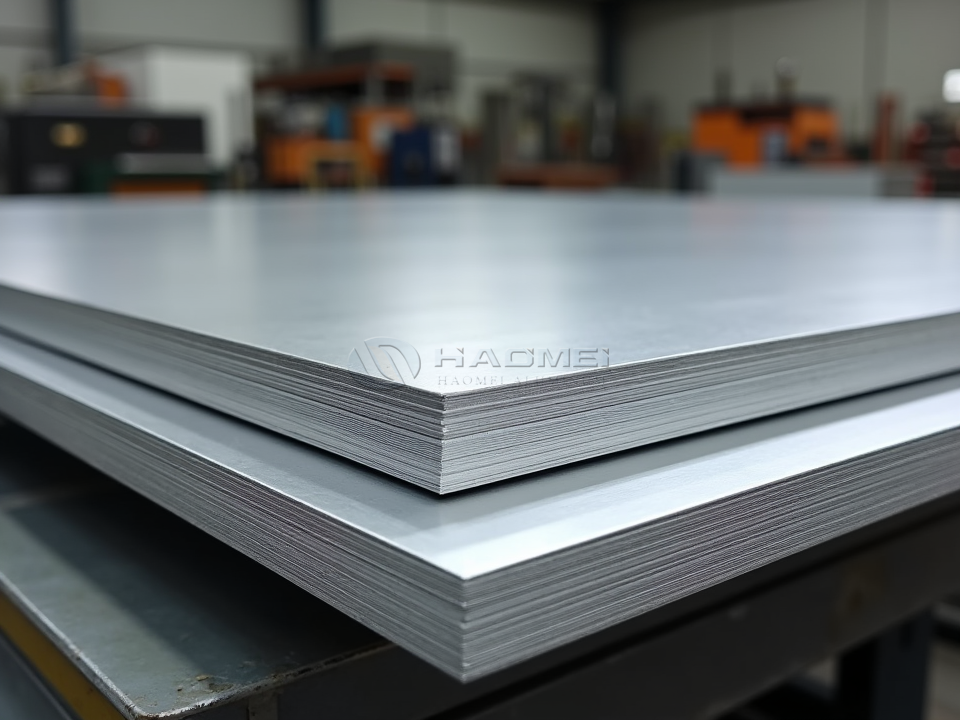
Why 5052 Aluminum Sheet Performs Well Near Saltwater
5052 is an aluminum-magnesium alloy valued for excellent resistance to marine atmospheres. Magnesium gives the alloy solid strength while helping it maintain good corrosion resistance without heat treatment. It is widely selected for boat hull components, fuel tanks, deck plates, interior marine panels, bulkheads, lockers, walkways, and fabricated equipment.
A quality 5052 Aluminum Sheet develops a natural aluminum oxide film when exposed to air. This thin film provides a degree of protection, but it is not invincible. Deep scratches, salt deposits, crevices, incompatible fasteners, and poorly prepared coatings can create localized trouble. The chosen finish should support the part's actual service conditions rather than simply look attractive at delivery.
Typical Chemical Composition of 5052 Aluminum Sheet
| Element | Typical Specification, % by Weight |
|---|---|
| Magnesium, Mg | 2.2-2.8 |
| Chromium, Cr | 0.15-0.35 |
| Iron, Fe | 0.40 max |
| Silicon, Si | 0.25 max |
| Copper, Cu | 0.10 max |
| Manganese, Mn | 0.10 max |
| Zinc, Zn | 0.10 max |
| Aluminum, Al | Balance |
The controlled magnesium and chromium content is especially useful in marine settings. However, finish selection and fabrication discipline remain essential, particularly where saltwater can remain trapped at seams or under fittings.
Mill Finish: The Practical Choice for Hidden and Welded Parts
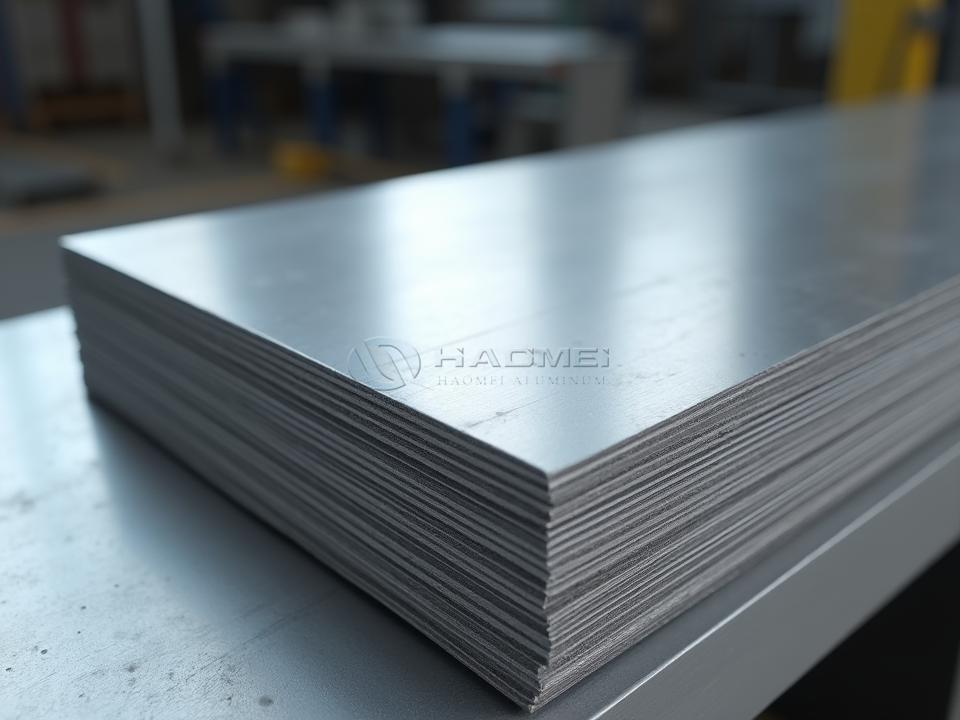
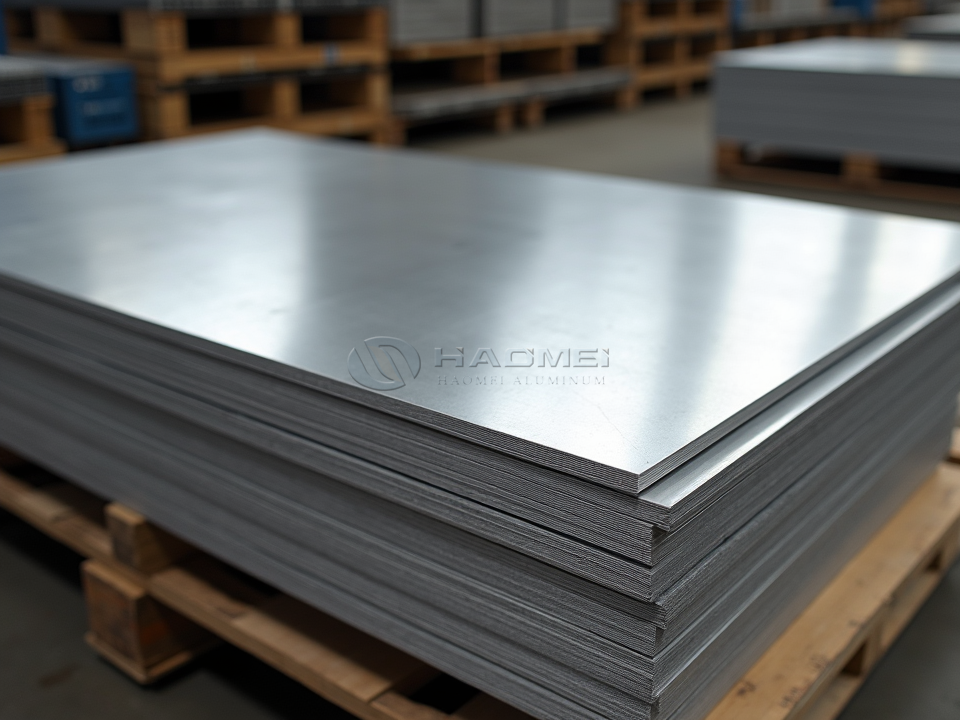
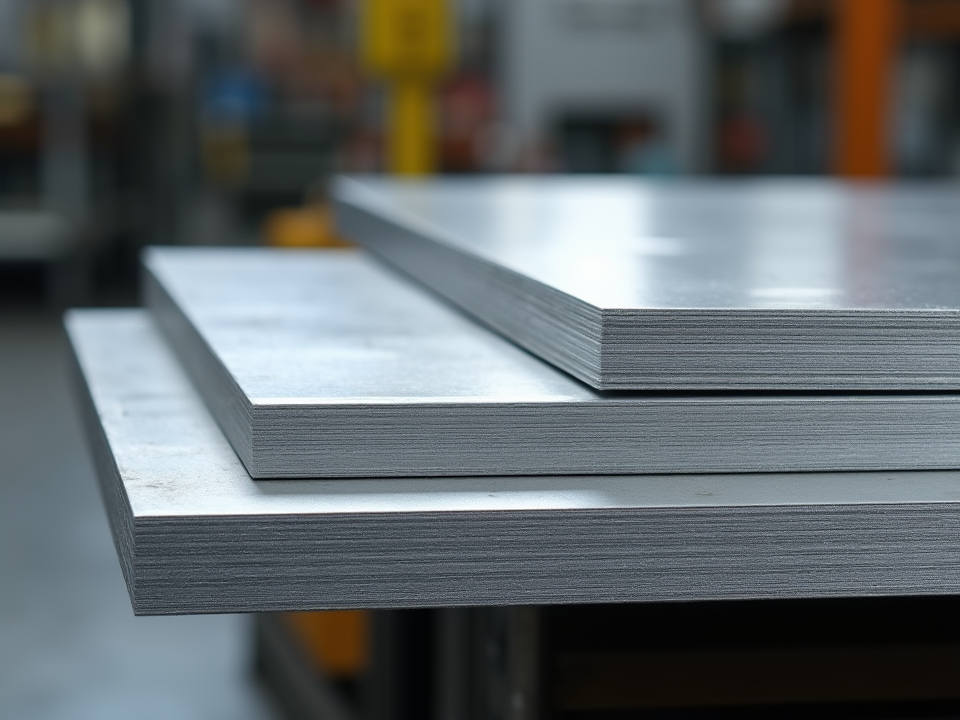
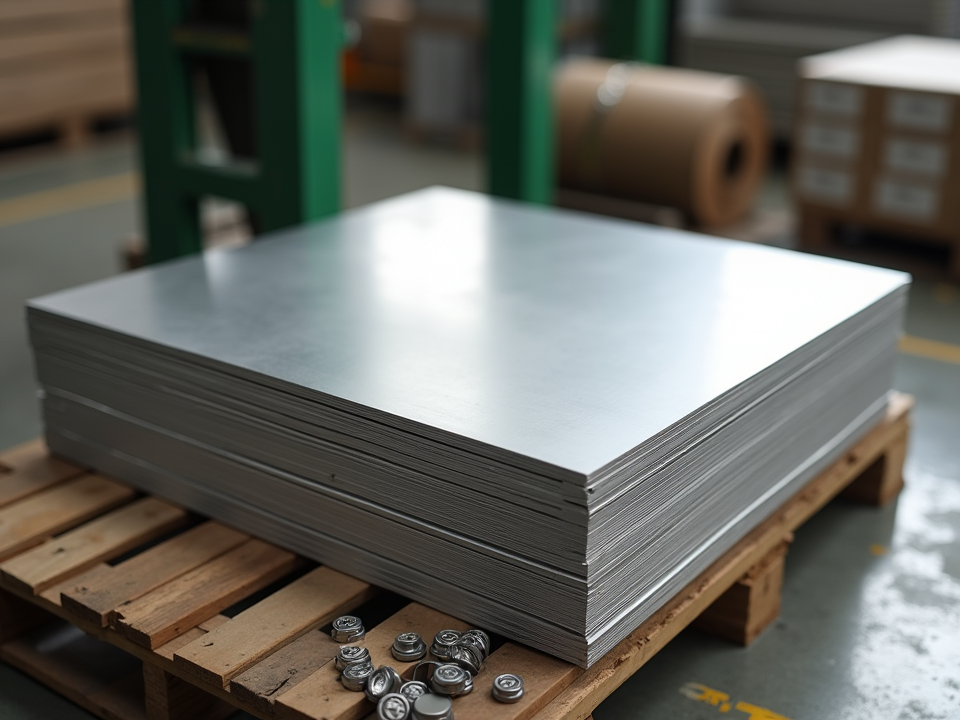
Mill finish is the as-rolled surface supplied from the aluminum mill. It is economical, functional, and commonly used for internal structural panels, brackets, bulkheads, tank components, and parts that will later be painted or coated.
For many welding projects, mill finish is the sensible starting point because no decorative layer needs to be protected. Before welding, fabricators should remove surface contamination, oil, moisture, and oxide near the weld zone. A dedicated stainless steel brush or approved chemical cleaning method helps prevent embedded iron contamination.
Mill finish is not always visually uniform. Light roller marks, handling marks, or natural variation may be visible. This is normal and usually irrelevant on concealed parts. It is less suitable for premium exposed interiors or visible exterior trim where customers expect a consistent decorative appearance.
Brushed Finish: A Better Fit for Visible Working Surfaces
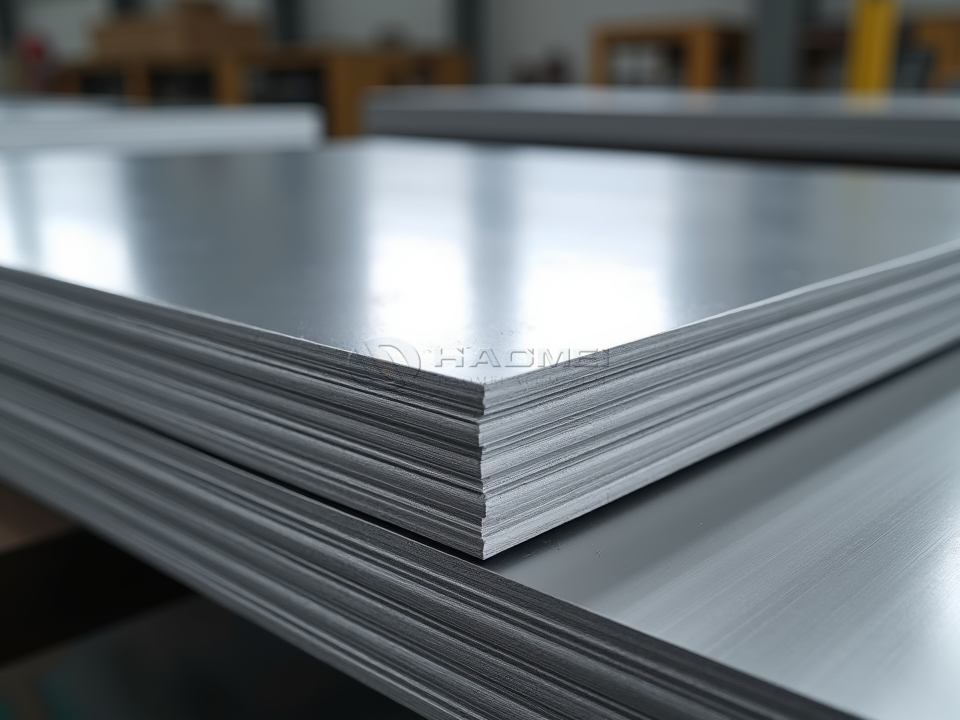
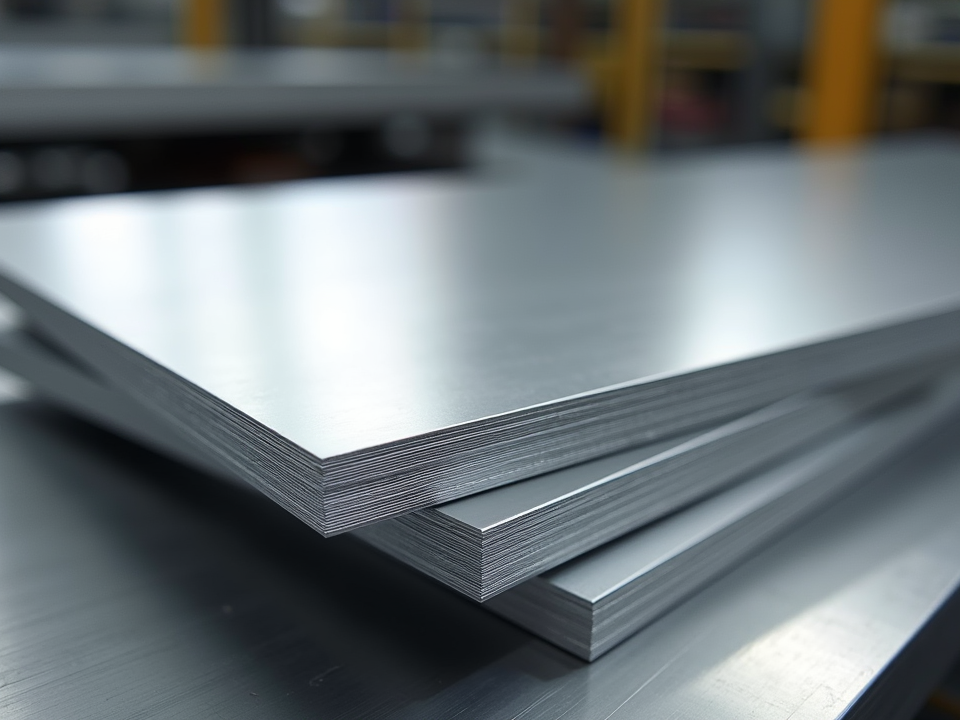
Brushed 5052 aluminum sheet has fine directional grain lines created by mechanical abrasion. This finish offers a modern industrial appearance while disguising fingerprints and minor handling marks better than a mirror-polished surface.
It works well for cabin panels, galley areas, console faces, equipment covers, interior wall panels, and protected exterior details. The directional grain also gives fabricators a practical visual guide during panel alignment.
The limitation is maintenance. Scratches must be repaired in the same grain direction, or the repair can become more visible than the original damage. Brushed panels should also be isolated from carbon steel dust during fabrication. Tiny steel particles embedded in the surface can rust, creating stains that are often mistaken for aluminum corrosion.
Polished Finish: High Impact, High Maintenance
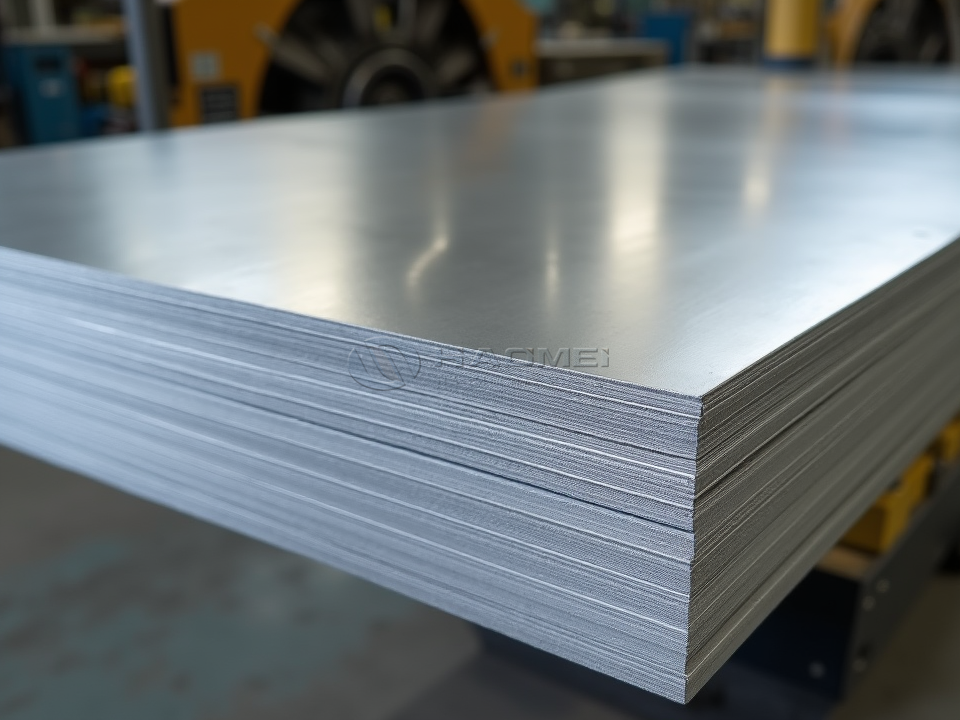
Polished 5052 aluminum sheet can create a bright, premium appearance for decorative marine trim, instrument surrounds, nameplates, and specialty fittings. Yet reflective surfaces are demanding in saltwater environments.
A polished finish reveals water spots, fingerprints, salt residue, and fine scratches quickly. On open decks, glare may also reduce comfort or visibility. If polished aluminum is used outside, frequent rinsing with clean water and non-abrasive cleaning products is necessary. Avoid strong alkaline cleaners and chloride-containing chemicals, which can stain or attack the surface.
For large working panels, polished 5052 is usually less practical than brushed, painted, or coated material. It is best reserved for areas where appearance justifies routine care.
Anodized Finish: Strong Protection With Important Limits
Anodizing thickens the natural oxide layer through an electrochemical process. It can improve surface hardness, stain resistance, and decorative consistency. Clear anodized or colored anodized finishes are commonly considered for trim, rails, interior panels, and light-duty architectural marine components.
For fabricated marine parts, timing matters. Welding after anodizing destroys the anodic film around the weld and leaves visible heat effects. Forming can also crack or craze a thick anodic layer, especially on tight bends. In most cases, cut, form, weld, clean, and inspect the 5052 sheet first, then anodize the finished component when design permits.
Anodizing is not a cure for poor drainage or crevice corrosion. Water trapped beneath gaskets, fittings, or dissimilar-metal hardware can still create localized corrosion conditions. Good joint design remains more valuable than an expensive finish applied to a poorly detailed part.
Painted and Powder-Coated Surfaces for Controlled Appearance
Paint and powder coating allow marine fabricators to match vessel colors, reduce glare, and create a barrier between aluminum and the environment. They are often chosen for consoles, housings, interior structures, deck equipment, and aesthetic exterior panels.
Coating success depends on preparation. The 5052 surface should be cleaned, chemically pretreated, and coated according to the selected coating system. Conversion coatings, suitable primers, and marine-grade topcoats improve adhesion and corrosion protection. Powder coating can provide a durable finish, but chips or edge damage should be repaired promptly to prevent moisture from migrating under the coating.
Where maximum saltwater durability is needed, a properly specified paint system may be preferable to a simple cosmetic powder coat. Discuss coating thickness, pretreatment, edge coverage, UV resistance, and repair procedures before production begins.
Temper and Surface Finish Must Work Together
Surface choice cannot be separated from temper selection. Common tempers for 5052 marine sheet include O, H32, H34, and H36. The temper affects forming behavior, strength, and dent resistance.
| Temper | General Condition | Marine Fabrication Use |
|---|---|---|
| O | Annealed, soft | Deep forming, curved panels, complex bends |
| H32 | Strain hardened and stabilized | General sheet fabrication, tanks, panels, moderate forming |
| H34 | Higher strength than H32 | Flat panels, flooring, structural covers, reduced-forming work |
| H36 | Higher hardness and strength | Parts requiring greater dent resistance with limited forming |
H32 is often the balanced choice for marine fabrication because it combines workable formability with practical strength. O temper is preferred when demanding bends or shaped components are required. For applications needing another alloy family or strength profile, Alloy Aluminum Sheet options can be evaluated alongside 5052 requirements.
Standards and Purchase Conditions to Specify
Marine buyers should define material requirements clearly on the purchase order. Common standards include ASTM B209 for aluminum and aluminum-alloy sheet and plate, EN 485 for tolerances and mechanical properties, and EN 573 for chemical composition. Marine projects may also reference rules from DNV, ABS, Lloyd's Register, or the vessel builder's own material approval process.
Specify alloy 5052, temper, thickness, width, length, surface condition, protective film requirements, and flatness expectations. For visible brushed or polished panels, identify grain direction and acceptable cosmetic criteria. For painted parts, specify whether the supplied sheet must be bare, pretreated, or pre-coated.
Selecting Finish by Real Exposure
The most dependable finish is the one matched to location and maintenance reality. Mill finish suits hidden welded structures. Brushed sheet serves visible, touch-prone panels. Polished sheet belongs on carefully maintained decorative features. Anodized material suits formed-free trim and finished components. Coated 5052 is effective where color, low glare, and added barrier protection are required.
Marine durability begins long before launch day. Select the correct 5052 temper, use a finish suited to the component's role, prevent moisture traps, isolate dissimilar metals, and preserve the surface during fabrication. That combination gives 5052 aluminum sheet the conditions it needs to perform reliably beside saltwater.