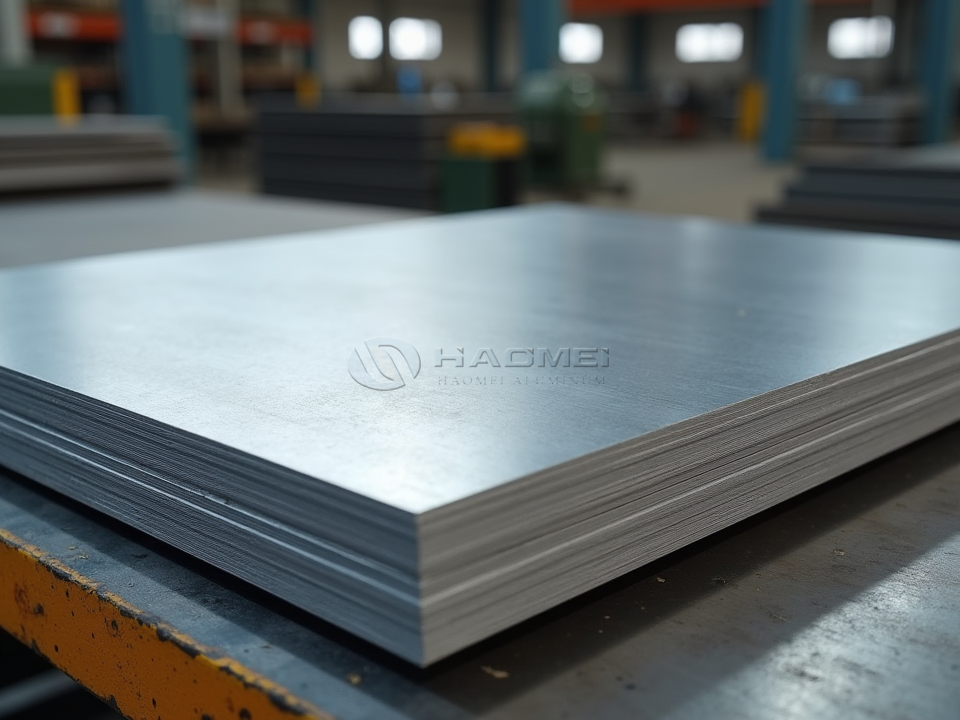
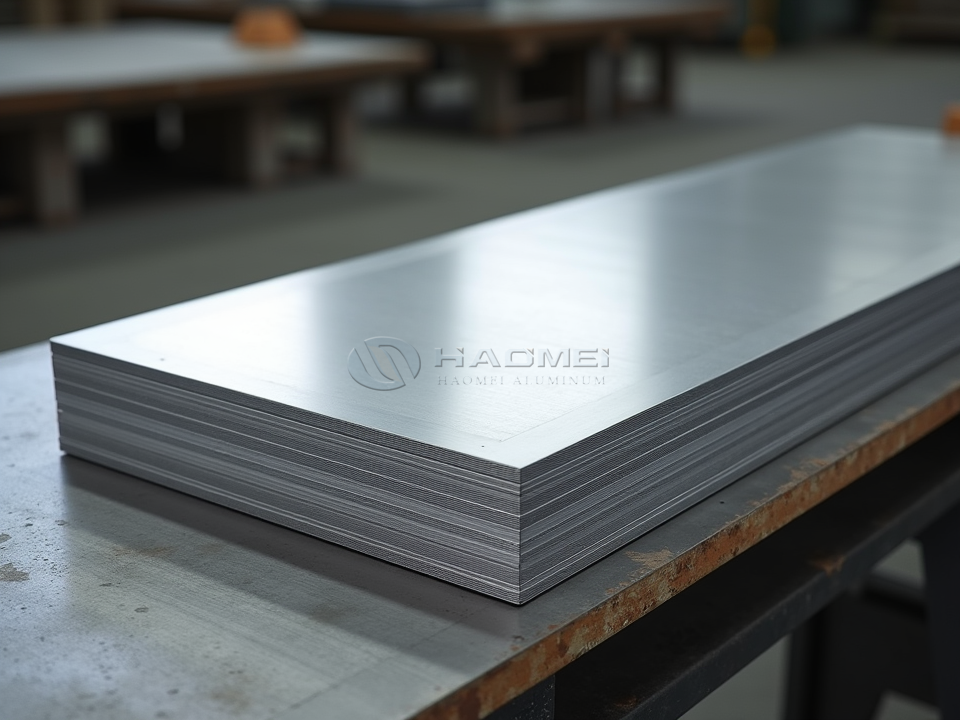
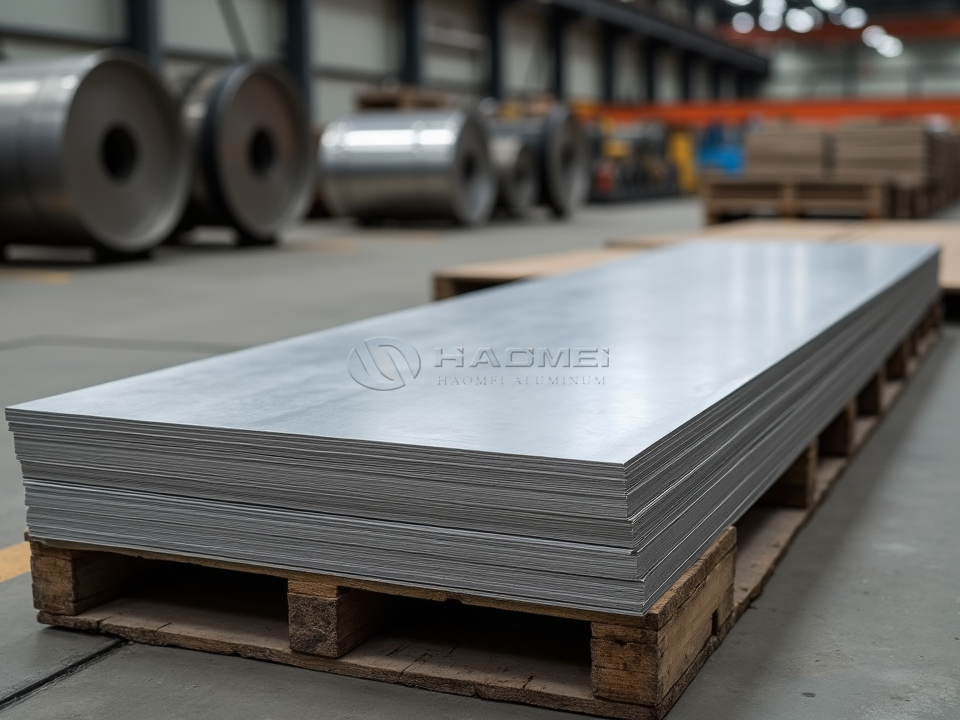
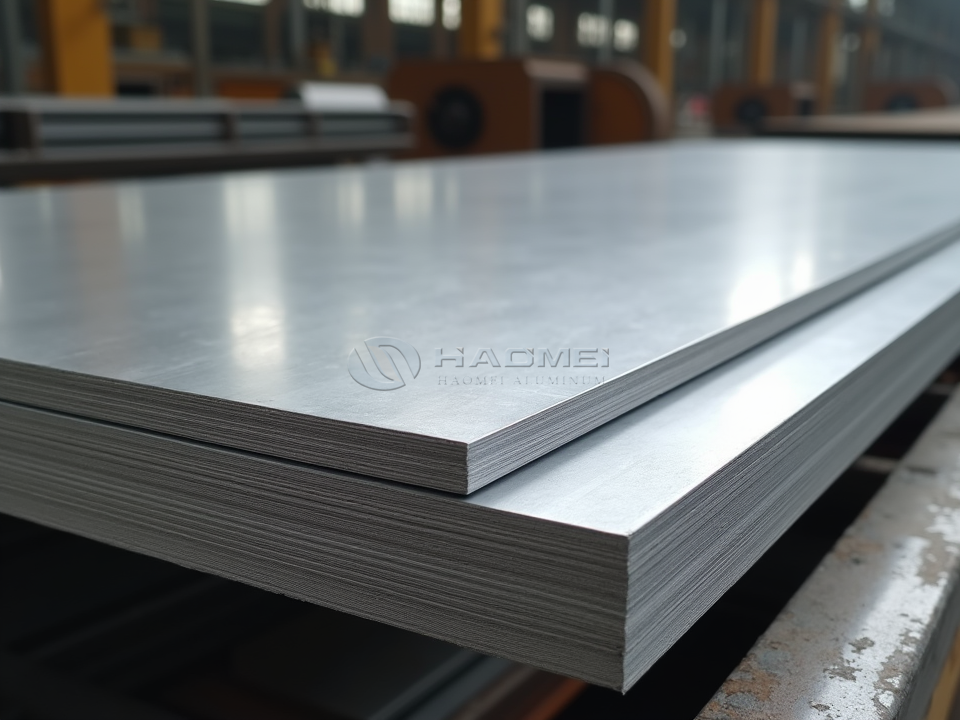
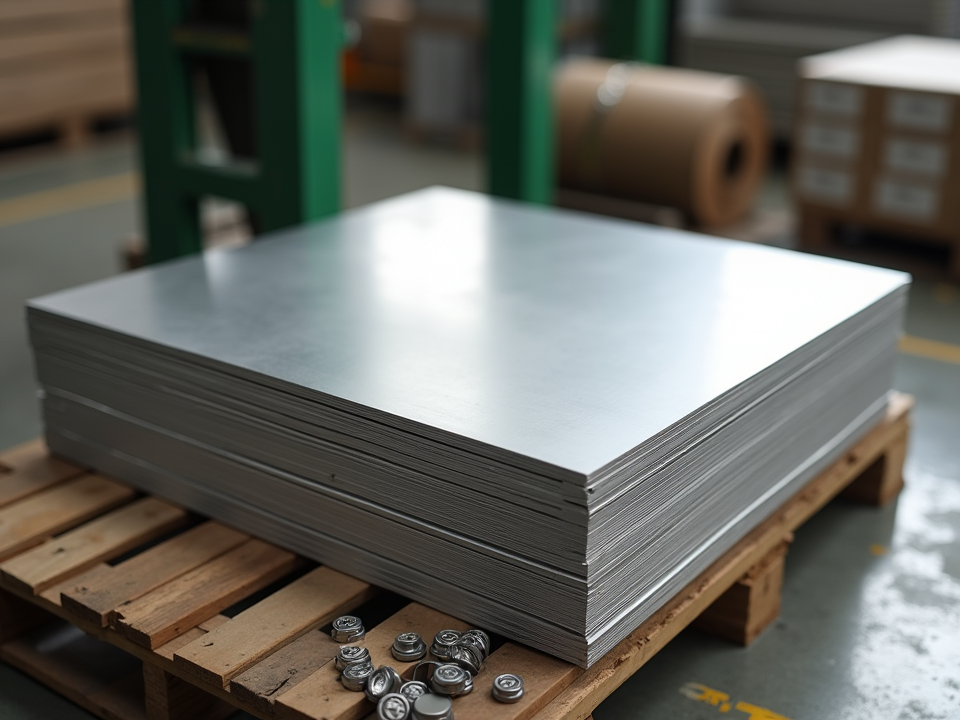
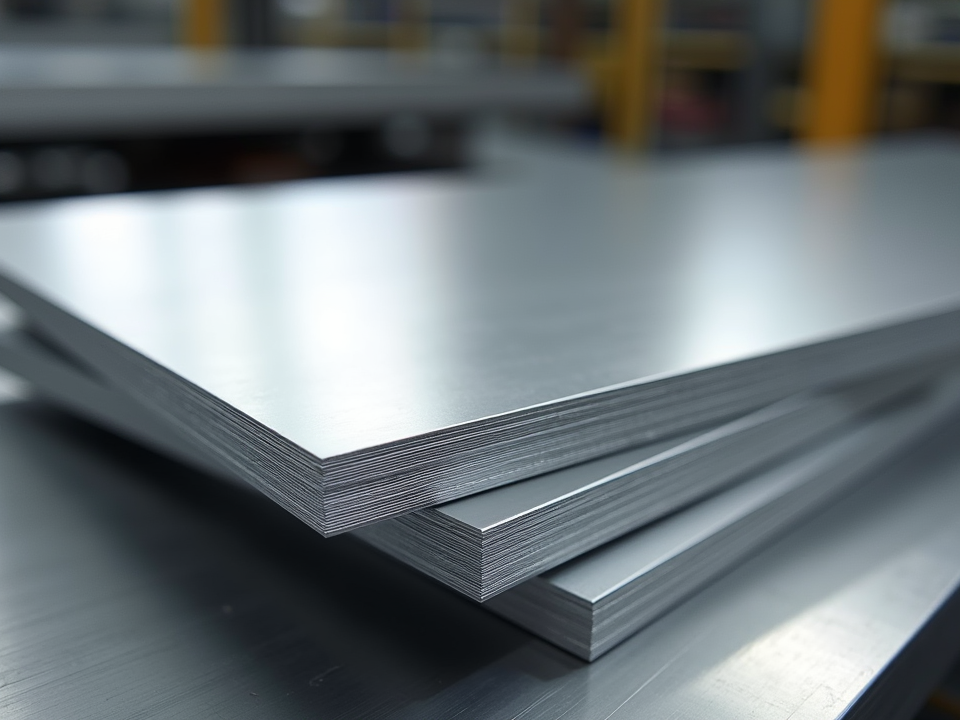
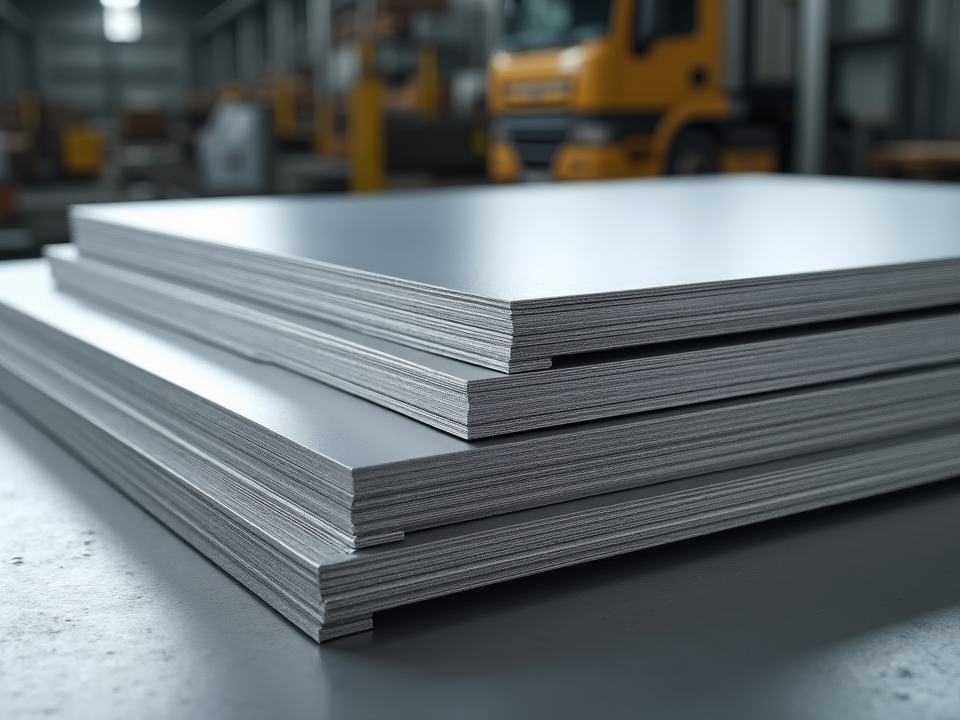
5052 Aluminum Sheet for Marine Fabrication: Applications, Benefits and Material Options
In marine work, material selection is rarely just about whether a metal can resist salt spray. A sheet may look excellent when delivered, then become difficult to form, distort during welding, or corrode around poorly isolated fittings. This is why 5052 aluminum sheet remains a practical choice for many marine fabricators: it provides a balanced combination of corrosion resistance, formability, weldability, and reasonable strength.
Rather than treating 5052 as a universal boatbuilding material, it is more useful to view it as a dependable working alloy for fabricated marine components. It performs especially well where sheet must be bent, rolled, stamped, welded, and exposed to moisture over a long service life.
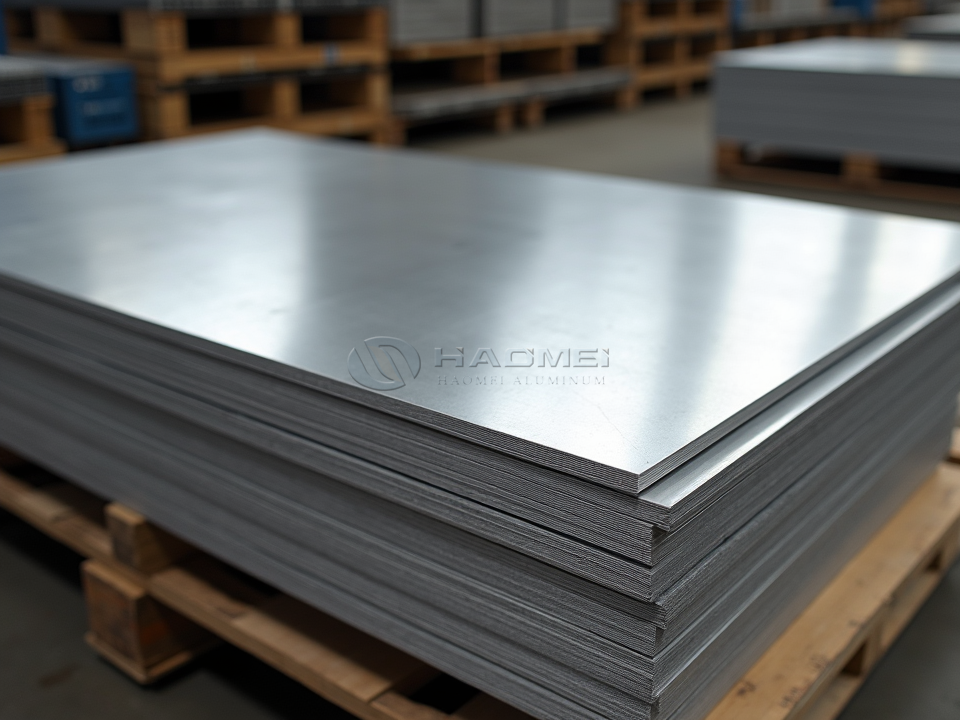
Where 5052 Aluminum Sheet Works Best on the Water
5052 is an aluminum-magnesium alloy with a small chromium addition. Its chemistry supports strong resistance to atmospheric and saltwater corrosion without relying on a heavy coating system. For marine workshops, this makes it suitable for parts that receive regular splashes, condensation, wash-down water, and occasional salt exposure.
Common applications include boat interiors, cabin panels, deck housings, access covers, lockers, storage boxes, fuel tank components, console panels, instrument enclosures, battery trays, gangway parts, dock accessories, and small workboat fittings. It is also frequently chosen for formed sheet details such as splash guards, wheelhouse panels, fish boxes, hatch surrounds, and lightweight partitions.
5052 can be a sensible choice for smaller fabricated structures where high formability matters. However, for heavily loaded hull plating, especially on larger vessels or high-speed craft, alloys such as 5083 or 5086 are often selected because they provide higher strength in marine tempers. Matching the alloy to the actual load path is more important than choosing the strongest grade on paper.
Benefits That Matter in Fabrication, Not Just on a Data Sheet
The strongest benefit of 5052 is its balanced behavior in the workshop. It bends more easily than many higher-strength marine alloys, helping fabricators produce curves, flanges, channels, and formed covers with less risk of edge cracking. This can reduce scrap when producing repeat parts with press brakes or roll-forming equipment.
5052 also has very good weldability. MIG and TIG welding are commonly used for suitable thicknesses, with 5356 filler often specified for marine aluminum assemblies. Welding does soften the heat-affected zone in strain-hardened tempers, so designers should account for reduced local strength near weld seams. This is especially relevant for brackets, mounting plates, and stiffened panels carrying concentrated loads.
Its natural oxide layer provides valuable corrosion protection, but material alone cannot prevent every marine corrosion problem. Stainless steel fasteners, copper-containing hardware, trapped seawater, wet insulation, and damaged coatings can create galvanic or crevice-corrosion conditions. Good fabrication practice includes isolating dissimilar metals, sealing moisture traps, using compatible fasteners, and providing drainage where water can collect.
For projects requiring a readily available sheet material with excellent processing performance, 5052 Aluminum Sheet offers a practical starting point for many non-primary structural marine parts.
Temper Choice Changes the Result
Temper is often the detail that determines whether a fabricated part is easy to make or unnecessarily difficult. The same 5052 alloy can behave very differently depending on its temper.
5052-O is annealed and comparatively soft. It is suitable for deep drawing, tight radii, complex curves, and parts that need extensive shaping. The tradeoff is lower strength and greater susceptibility to dents in service. It is useful for formed covers, decorative panels, and components with demanding bends.
5052-H32 is one of the most commonly selected tempers for marine sheet fabrication. It provides moderate strain-hardened strength while retaining good bendability. For many hatch covers, consoles, lockers, tanks, and panels, H32 provides a comfortable middle ground between shop workability and in-service rigidity.
5052-H34 has greater hardness and strength than H32, making it appropriate where a flatter, more dent-resistant sheet is needed. It generally requires more generous bend radii and careful forming control. Fabricators should avoid assuming that a bend method suitable for H32 will produce the same result in H34.
When ordering, confirm thickness tolerance, sheet dimensions, temper, surface condition, protective film requirements, and applicable certification. These details can influence nesting efficiency, forming consistency, final appearance, and material traceability.
Choosing Between 5052, 5083, and 6061
Marine fabrication often combines multiple aluminum alloys because different zones of a vessel demand different properties. 5052 is usually selected for formed sheet parts and corrosion-resistant fabrication. 5083 is commonly preferred for highly loaded welded hull structures and marine plate applications due to its higher strength and strong seawater resistance. 6061 is valuable for extrusions, machined parts, frames, and structural sections, although its corrosion and weld-zone performance should be assessed for the specific exposure.
A fabricator may use 5052 sheet for a console skin or locker door, 5083 plate for a hull-related structural panel, and 6061 for a machined bracket or extruded rail. This mixed-material approach can improve both performance and cost when each alloy is assigned to work it handles well.
For applications that call for greater strength in plate or structural components, comparing 6061 Aluminum Sheet with marine-grade 5xxx-series options helps clarify whether the part will be bent, welded, machined, or exposed continuously to saltwater.
Fabrication Details That Protect Long-Term Performance
A clean cutting edge and sensible joint design help 5052 perform at its best. Plasma, waterjet, laser, and mechanical cutting can all be used when settings are appropriate for the sheet thickness. Burr removal is worthwhile because rough edges can interfere with coating adhesion, sealing, and safe handling.
For welding, keep surfaces free from oil, oxide buildup, moisture, and shop contamination. Use dedicated stainless steel brushes for aluminum only, since cross-contamination from carbon steel tools can lead to staining and corrosion concerns. Weld sequence should be planned to limit distortion, particularly on wide, thin panels.
If the finished part will be painted, powder coated, or bonded, surface preparation should follow the coating supplier's process requirements. Aluminum's natural oxide layer reforms quickly, so cleaning and coating timing matter. In exposed assemblies, avoid placing absorbent materials directly against the sheet where saltwater can remain trapped.
A Practical Material Decision
5052 aluminum sheet is not simply a corrosion-resistant metal for boats. Its value comes from how smoothly it fits real fabrication work: it bends reliably, welds well, resists marine exposure, and supports a broad range of formed components. H32 is often the practical all-round temper, while O and H34 serve projects requiring greater forming freedom or added surface hardness.
For marine fabricators, the most reliable decision is to start with the part's job. Consider the saltwater exposure, required bends, welded areas, load level, finishing method, and contact with other metals. When those factors are considered together, 5052 becomes a highly capable material for durable marine sheet-metal fabrication.