What Buyers Should Know About 5052 Aluminum Sheet for Marine Fabrication
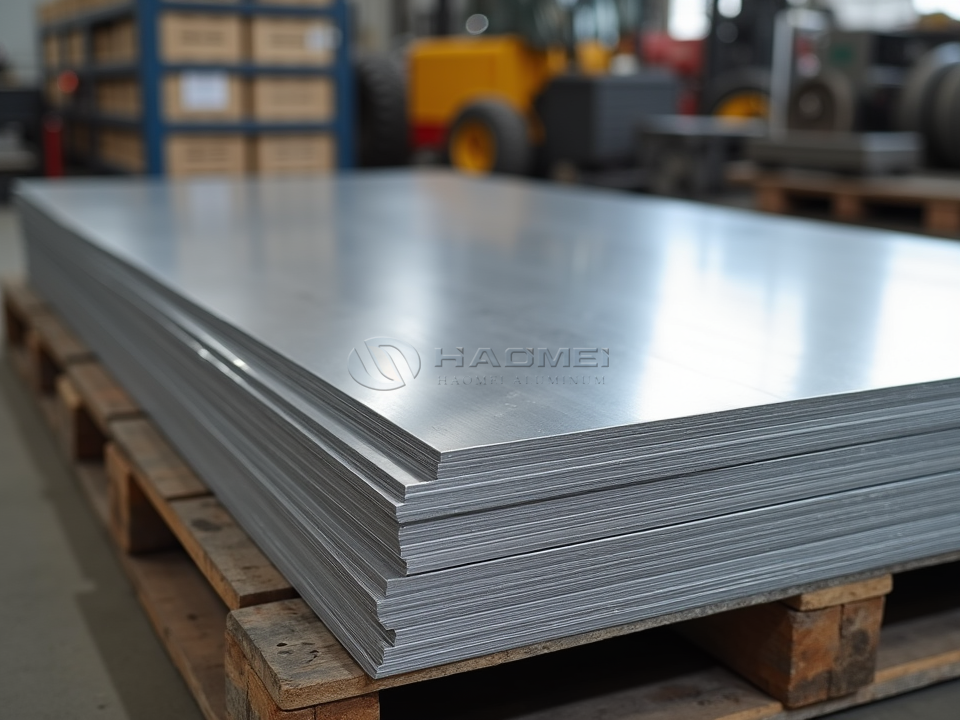
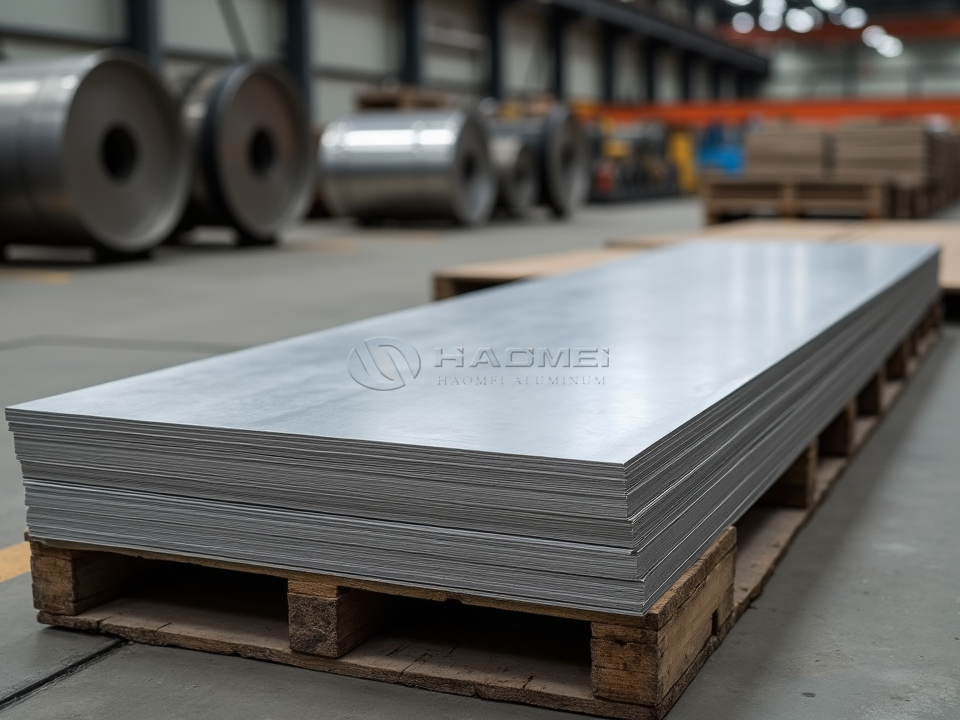
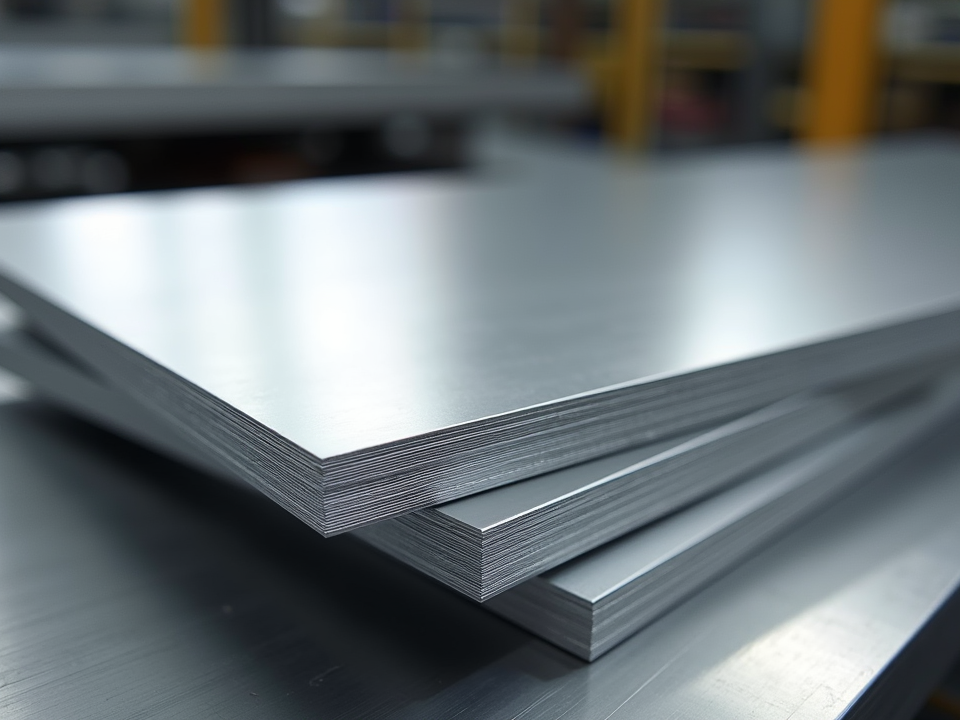
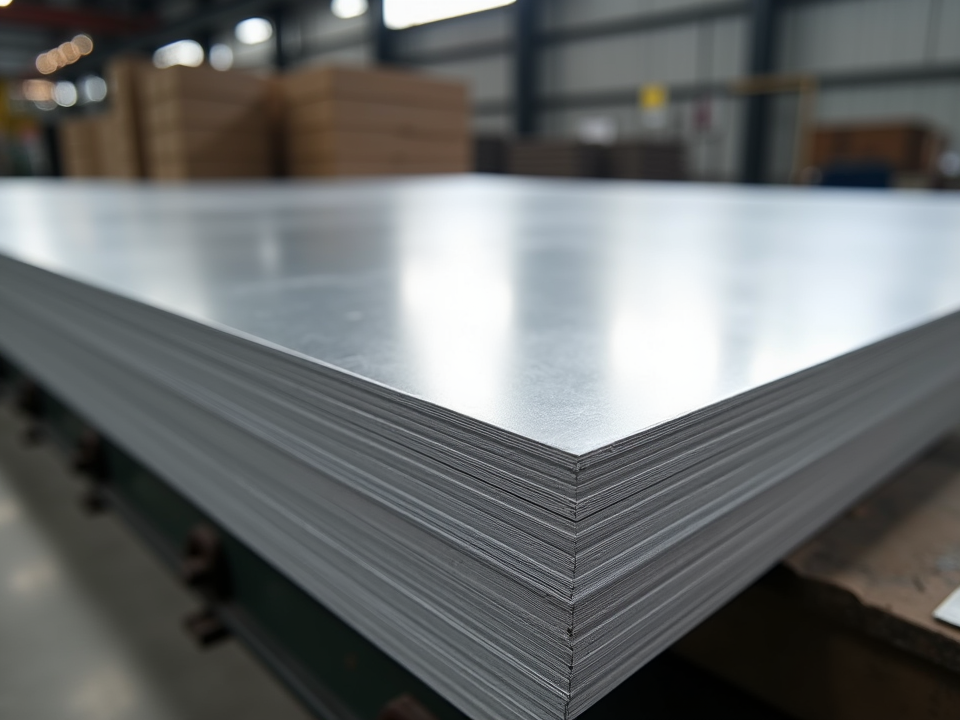
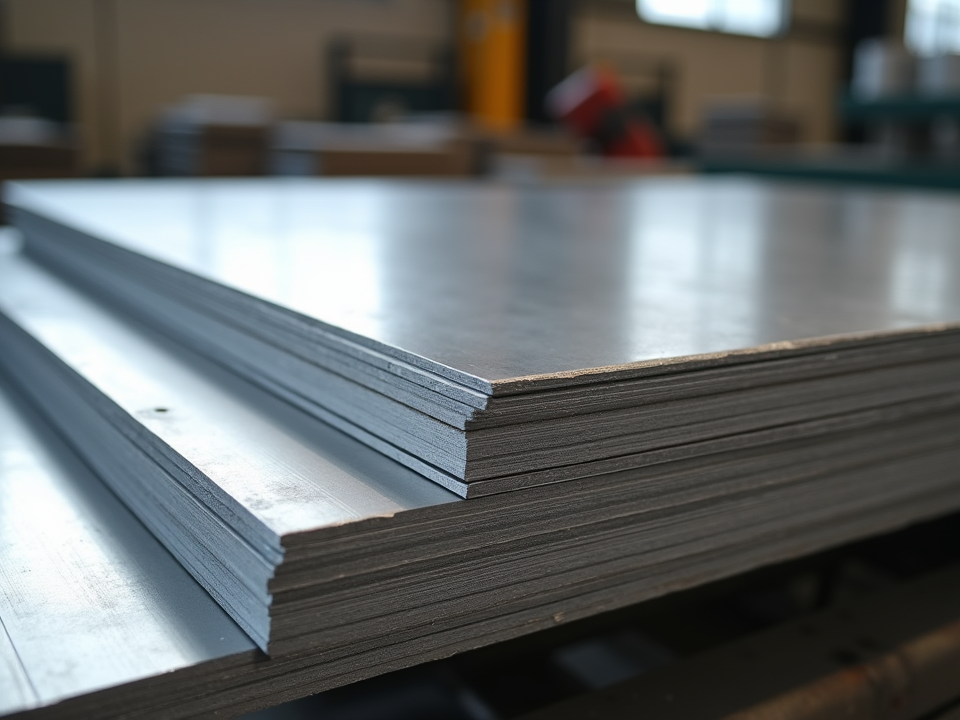
5052 aluminum sheet is a magnesium-containing aluminum alloy valued for strong resistance to saltwater corrosion, excellent formability, and dependable weldability. It is widely selected for marine components that need to withstand humid air, splashing water, salt spray, and repeated vibration without the weight penalty of steel.
For boat builders and fabricators, 5052 is especially suitable for formed and non-critical structural parts. Buyers should match thickness, temper, surface condition, and certification requirements to the actual marine service environment rather than choosing solely by price.
Why 5052 Aluminum Sheet Fits Marine Work
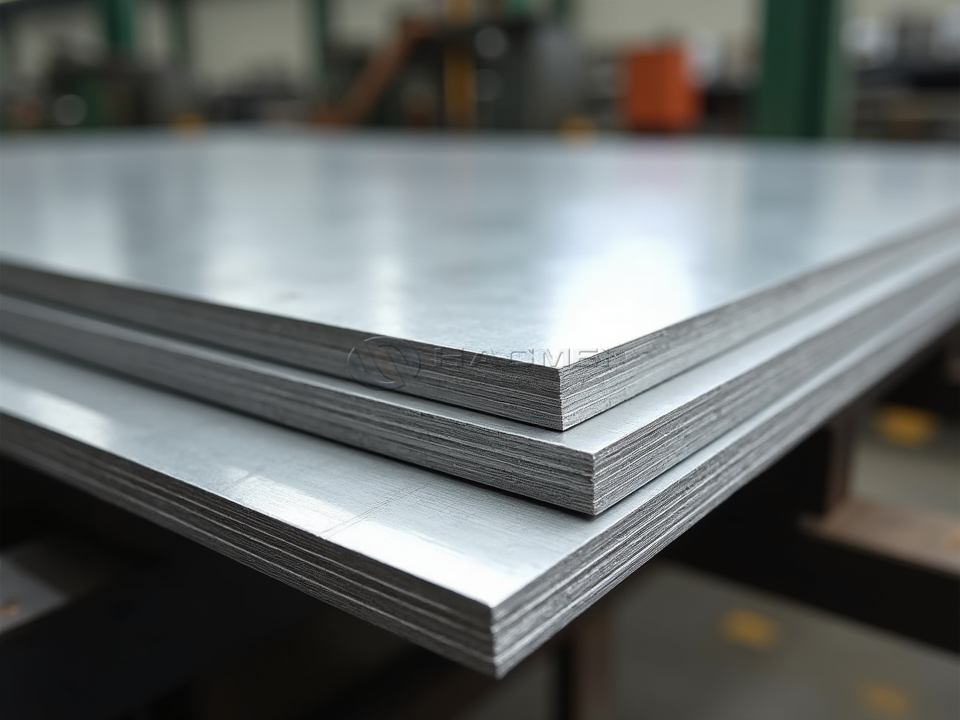
The alloy's magnesium content gives 5052 aluminum sheet much better corrosion resistance than general-purpose commercial aluminum grades. It naturally forms a dense oxide layer that helps protect the metal in wet and saline environments. Unlike heat-treatable grades, 5052 gains strength primarily through cold working, which supports stable mechanical performance in common marine tempers.
Its practical advantages include:
- Excellent resistance to seawater, coastal humidity, and salt spray
- Good bending and deep-drawing behavior, especially in O and H32 tempers
- Reliable MIG and TIG welding performance with suitable filler selection
- Low density of approximately 2.68 g/cm³, reducing vessel weight
- Good fatigue behavior for lightly to moderately loaded fabricated parts
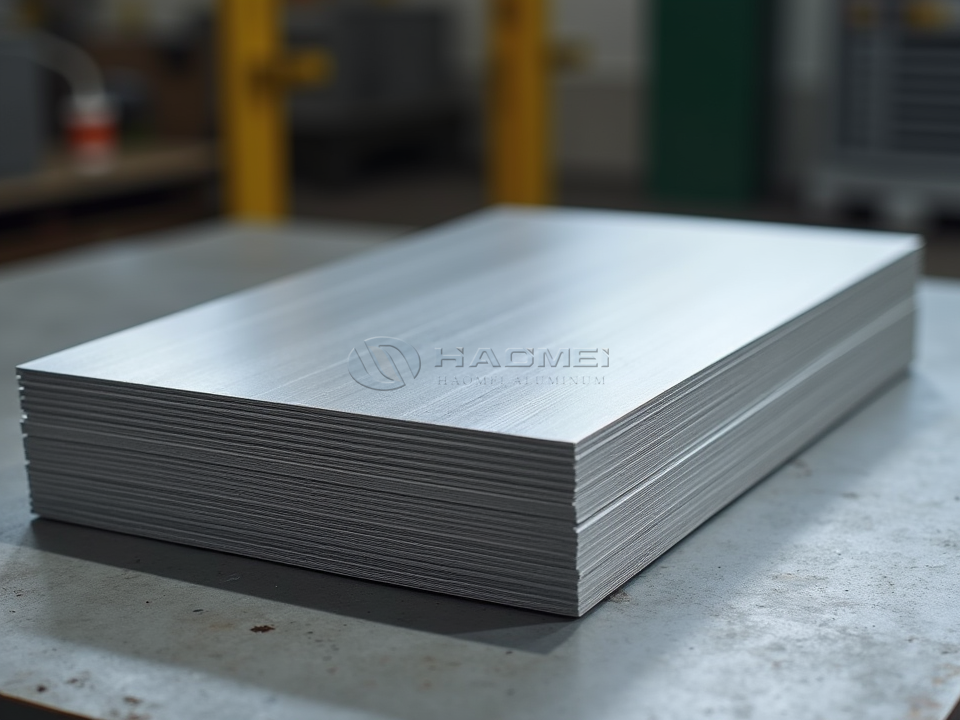
- Attractive mill finish, brushed finish, or coated surface options
For standard purchasing, 5052 Aluminum Sheet is commonly specified in H32 or H34 temper because these conditions offer a workable balance between strength and forming capability.
Typical Marine Applications
5052 sheet is commonly used where corrosion resistance and fabrication efficiency matter more than maximum structural strength. It performs well in both exposed and enclosed marine areas when appropriate design and isolation practices are followed.
| Marine component | Why 5052 is used | Common temper |
|---|---|---|
| Interior cabin panels | Lightweight, clean appearance, easy bending | H32, H34 |
| Deck covers and lockers | Resists moisture and salt-laden air | H32, H34 |
| Console panels and instrument housings | Formable and suitable for finishing | H32 |
| Fuel tanks | Good corrosion resistance and weldability | H32, H34 |
| Walkways and access panels | Durable, light, and easy to fabricate | H32, H34 |
| Small brackets and guards | Can be cut, bent, and welded efficiently | H32, H34 |
| Trailer and dock hardware | Better atmospheric corrosion resistance than carbon steel | H32, H34 |
For heavily welded hull plating, high-load frames, or large commercial vessel structures, buyers often evaluate 5083 or 5086 alloys as well. Those alloys can provide higher strength in marine structural service. 5052 remains a sensible choice for many formed panels, tanks, covers, and auxiliary fabricated assemblies.
Chemical Composition
5052 belongs to the 5xxx aluminum-magnesium alloy family. Magnesium is the primary alloying element, while chromium supports corrosion resistance and grain structure control.
| Element | Composition, % by weight |
|---|---|
| Magnesium, Mg | 2.2-2.8 |
| Chromium, Cr | 0.15-0.35 |
| Iron, Fe | 0.40 max |
| Silicon, Si | 0.25 max |
| Copper, Cu | 0.10 max |
| Manganese, Mn | 0.10 max |
| Zinc, Zn | 0.10 max |
| Other elements, each | 0.05 max |
| Other elements, total | 0.15 max |
| Aluminum, Al | Balance |
Mechanical and Physical Specifications
Mechanical values vary with temper, thickness, and applicable product standard. The figures shown are typical reference ranges for sheet and should be confirmed on the material test certificate for a purchase order.
| Property | 5052-O | 5052-H32 | 5052-H34 |
|---|---|---|---|
| Tensile strength, MPa | 170-215 | 210-260 | 230-280 |
| Yield strength, MPa | 65 min | 130 min | 160 min |
| Elongation, % | 12-25 | 8-15 | 6-12 |
| Formability | Excellent | Good | Moderate |
| Relative hardness | Soft | Medium | Medium-high |
| Weldability | Excellent | Excellent | Excellent |
| Physical property | Typical value |
|---|---|
| Density | 2.68 g/cm³ |
| Melting range | 605-650°C |
| Thermal conductivity | Approximately 138 W/m·K |
| Electrical conductivity | Approximately 35% IACS |
| Modulus of elasticity | Approximately 70 GPa |
| Poisson's ratio | Approximately 0.33 |
Temper Selection for Marine Fabrication
Temper should be selected according to how much bending, forming, welding, and in-service loading the part will receive.
| Temper | Condition | Best suited to |
|---|---|---|
| O | Annealed, soft | Deep drawing, tight radii, complex formed parts |
| H32 | Strain hardened and stabilized, quarter-hard | General marine sheet fabrication, tanks, panels, covers |
| H34 | Strain hardened and stabilized, half-hard | Stiffer panels, flooring, moderate forming work |
| H36 | Strain hardened and stabilized, three-quarter-hard | Applications needing higher surface hardness and stiffness |
| H38 | Strain hardened and stabilized, full-hard | Flat parts with limited forming requirements |
H32 is often the preferred marine fabrication temper because it bends well while offering noticeably greater strength than annealed material. If the part requires sharp forming, O temper may reduce the risk of cracking. If panel stiffness is more important than forming latitude, H34 can be a better fit.
Dimensions, Tolerances, and Surface Options
Marine fabrication shops should specify finished dimensions carefully, especially where sheets will be CNC cut, brake formed, or welded into tank assemblies. Standard stock sizes can reduce lead time and nesting waste, while cut-to-length material can improve handling for larger parts.
| Purchase parameter | Common range or option |
|---|---|
| Thickness | 0.5-6.0 mm for common sheet applications |
| Wider plate range | Available by agreement for heavier sections |
| Standard widths | 1,000 mm, 1,220 mm, 1,500 mm, and custom widths |
| Standard lengths | 2,000 mm, 2,440 mm, 3,000 mm, and custom lengths |
| Surface | Mill finish, PVC-protected, brushed, coated, or tread pattern where available |
| Edge condition | Mill edge, slit edge, trimmed edge, or deburred edge |
| Standards often requested | ASTM B209, EN 485, EN 573, or customer drawings |
PVC film can be useful for visible cabin panels and decorative fabricated pieces, but it should be removed promptly after installation to avoid adhesive residue or moisture trapping during storage.
Welding and Corrosion Considerations
5052 can be welded effectively by MIG or TIG processes. ER5356 is frequently used where higher strength and marine compatibility are desired, while ER5183 may also be considered for certain fabrication requirements. Welding reduces the cold-worked strength in the heat-affected zone, so joint design should account for local softening.
Avoid direct contact between 5052 sheet and more noble metals such as copper, brass, or stainless steel in permanently wet locations unless suitable insulating barriers, sealants, or coatings are used. Galvanic corrosion is usually a design issue rather than an alloy failure. Drainage, crevice avoidance, clean welds, and electrical isolation extend service life significantly.
Buying Checks That Prevent Costly Problems
Request a material test certificate that confirms alloy, temper, thickness, mechanical properties, and chemical composition. For critical marine contracts, also confirm the governing standard, lot traceability, flatness requirement, surface protection, and dimensional tolerance before production begins.
Inspect sheets for deep scratches, roll marks, oil staining, edge damage, and trapped moisture under protective film. If sheets will be bent, verify the recommended inside bend radius for the selected thickness and temper. If they will be used for fuel tanks or watertight assemblies, establish weld procedures and leak-test requirements before cutting material.
Final Buying Perspective
5052 aluminum sheet offers an effective balance of corrosion resistance, weldability, formability, and low weight for many marine fabrication projects. H32 is a dependable all-purpose choice for tanks, panels, covers, and formed hardware, while O temper supports demanding shapes and H34 adds stiffness for flatter parts. Careful temper selection, certified chemistry, sound welding practice, and galvanic isolation will help the material deliver long-term value in a marine environment.