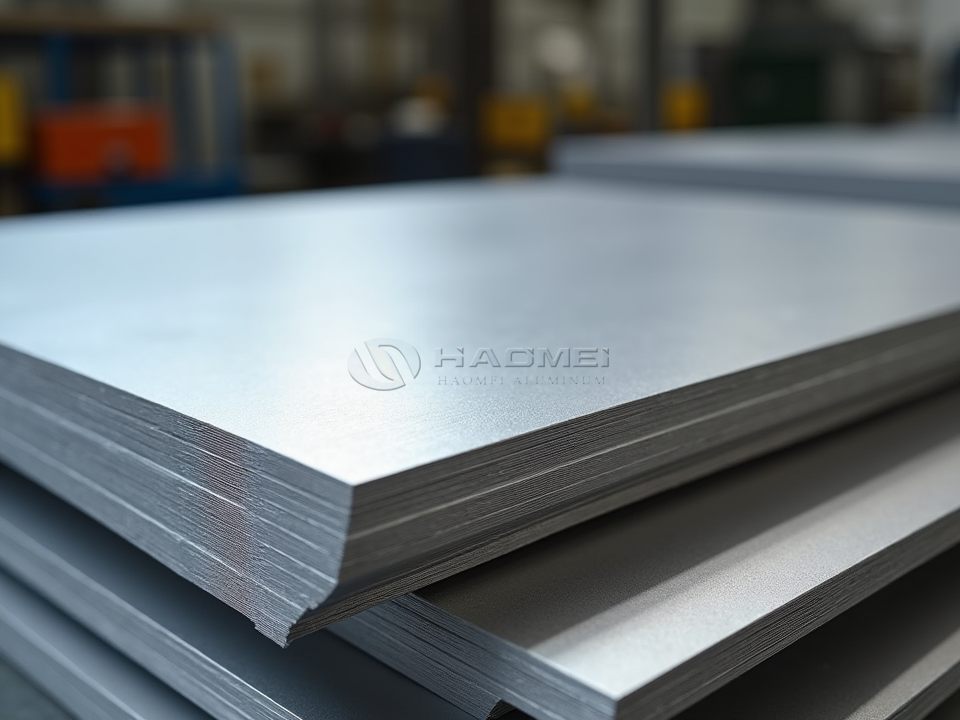
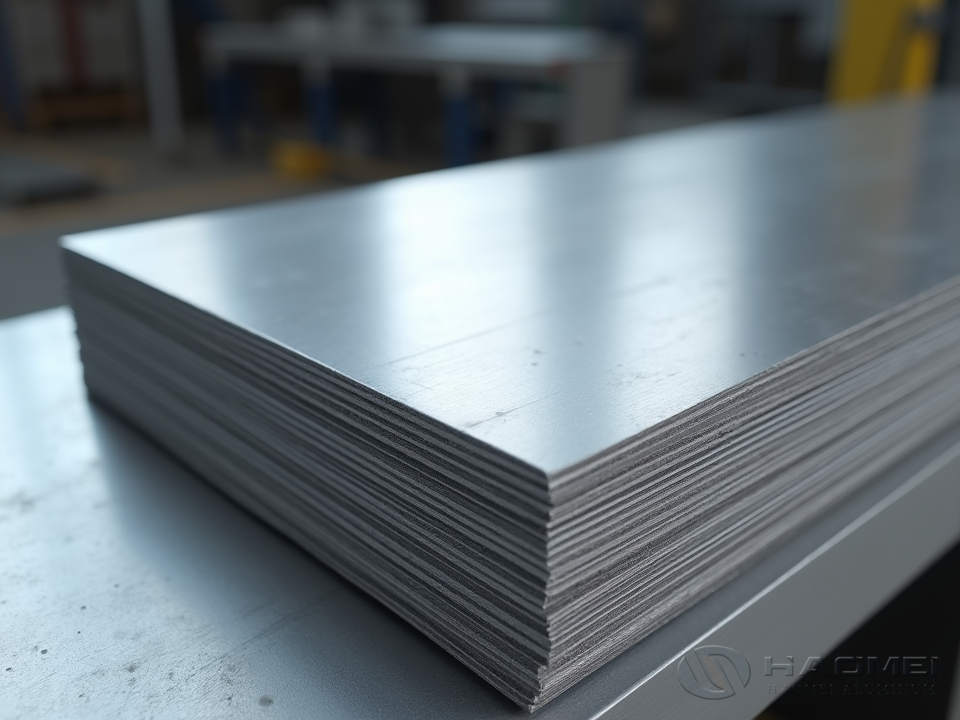
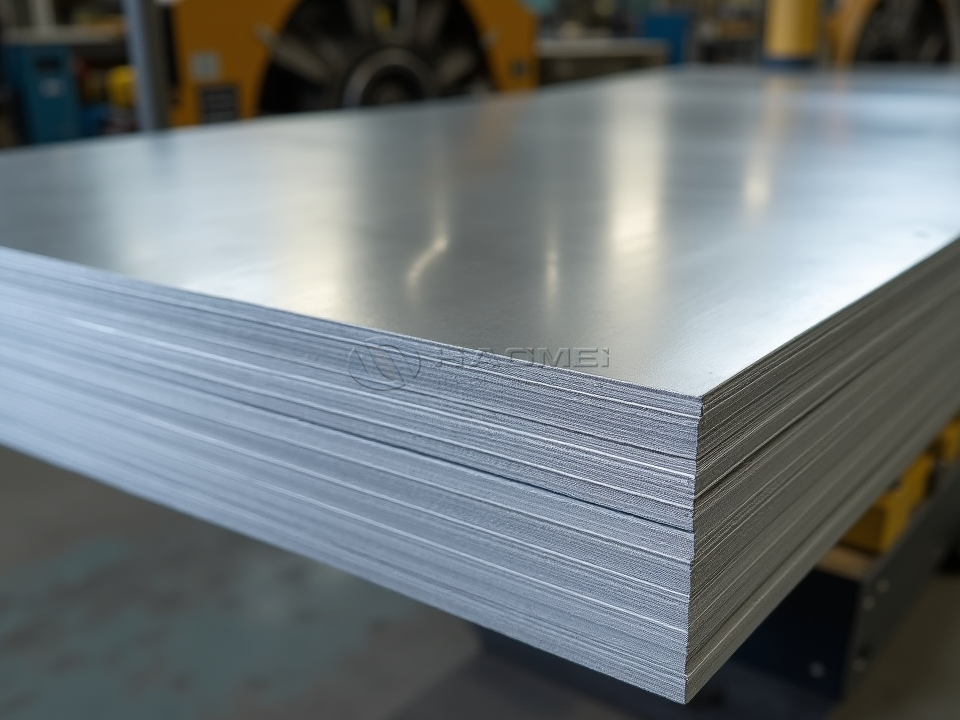
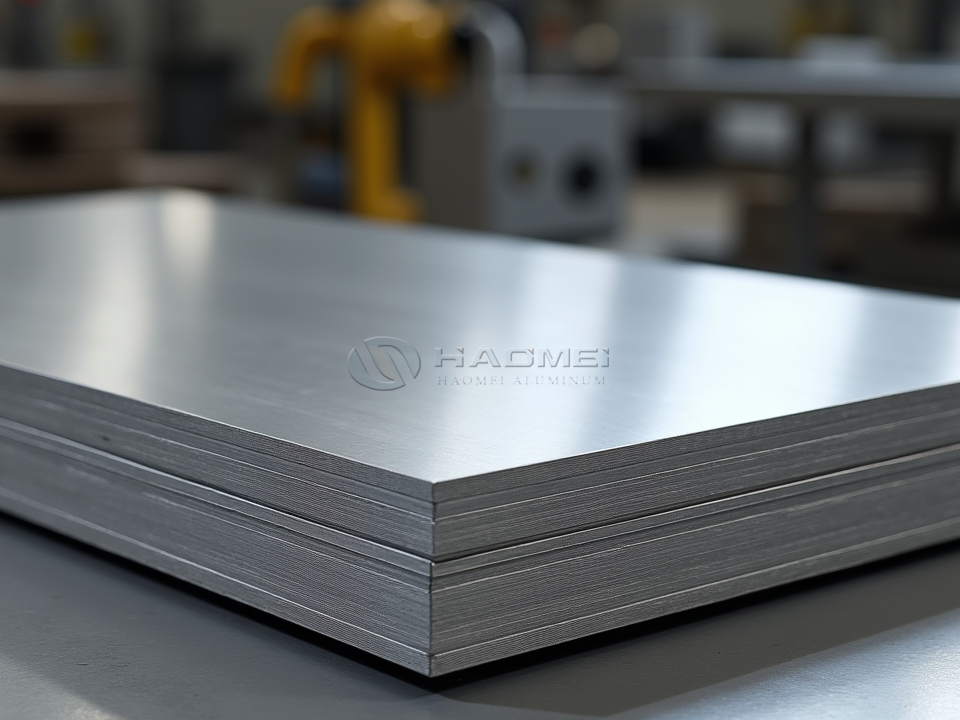
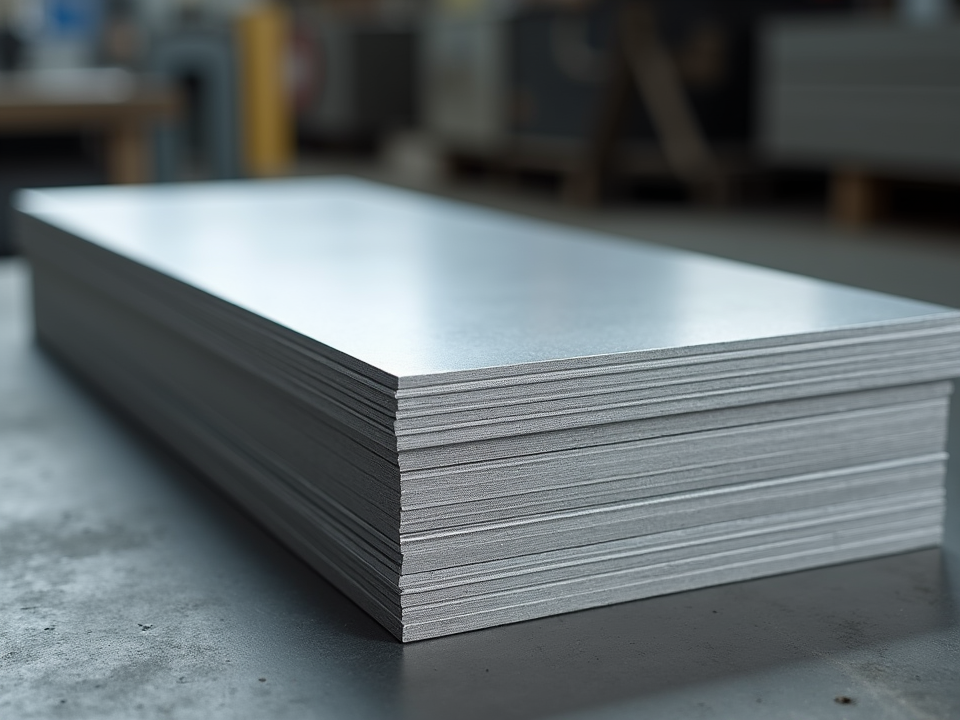
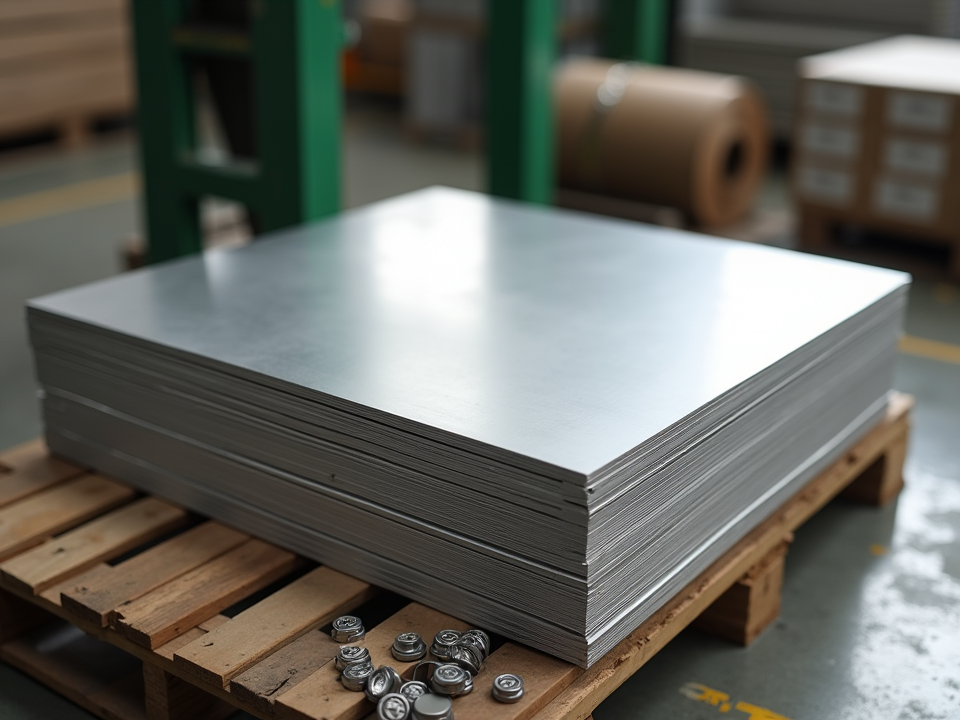
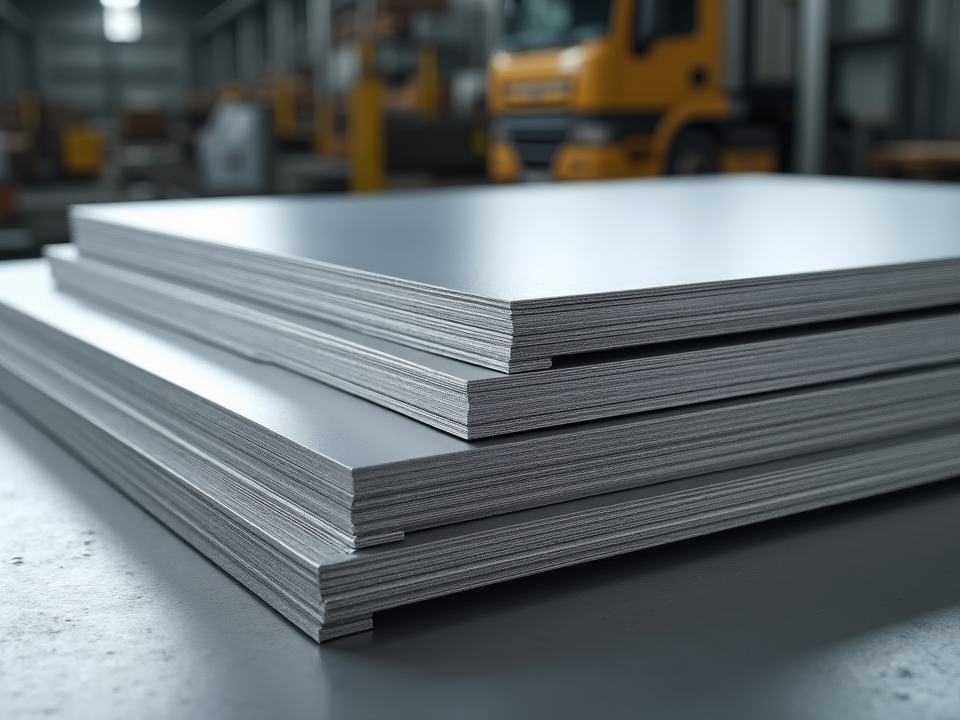
5052 Aluminum Sheet for Marine Fabrication for Industrial and Commercial Manufacturing
5052 aluminum sheet is a non-heat-treatable aluminum-magnesium alloy engineered for environments where moisture, salt spray, vibration, and repeated forming are part of daily service. Its balance of corrosion resistance, moderate strength, weldability, and low weight makes it a dependable material for marine fabrication as well as industrial and commercial equipment production.
For boatbuilders, dock equipment producers, tank fabricators, transport manufacturers, and architectural contractors, 5052 offers a practical route to durable structures without the mass and maintenance burden associated with carbon steel. It performs especially well where a clean surface, formed profile, and long exposure to wet or mildly corrosive conditions are required.
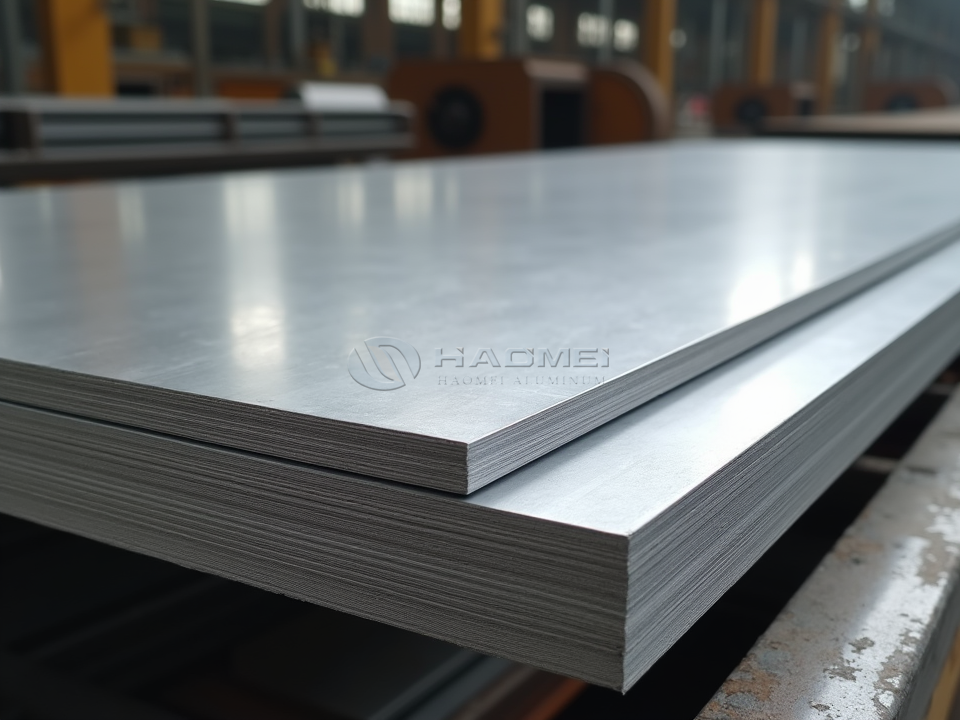
Material Characteristics
The alloy receives its marine suitability primarily from magnesium. This element improves strength while helping the sheet retain strong resistance to atmospheric, freshwater, and seawater corrosion. Unlike heat-treatable alloys, 5052 gains strength through cold working, making temper selection important for forming and service performance.
| Property | 5052 Aluminum Sheet Performance | Manufacturing Value |
|---|---|---|
| Alloy family | Aluminum-magnesium | Strong corrosion performance in wet environments |
| Density | 2.68 g/cm³ | Approximately one-third the weight of steel |
| Melting range | 605-650°C | Suitable for conventional aluminum welding processes |
| Electrical conductivity | Approx. 35% IACS | Suitable for general fabricated components |
| Thermal conductivity | Approx. 138 W/m·K | Helps dissipate heat in housings and panels |
| Corrosion resistance | Excellent | Reliable in marine atmosphere and industrial humidity |
| Weldability | Excellent | Supports MIG and TIG fabrication |
| Formability | Excellent in O temper, good in H32 | Efficient bending, stamping, rolling, and shaping |
5052 sheet naturally forms a tightly adherent oxide film when exposed to air. This protective layer slows further oxidation and provides a substantial advantage in marine atmospheres. For exposed fabrication, surface preparation, drainage design, and avoidance of stagnant saltwater remain important. No aluminum alloy is completely immune to poor structural design or galvanic interaction with dissimilar metals.
Chemical Composition
5052 is controlled to deliver the corrosion resistance and fabrication response expected from a marine-capable sheet alloy. Magnesium is the principal alloying addition, while chromium supports corrosion resistance and microstructural stability.
| Element | Composition, % by Weight |
|---|---|
| Aluminum | Balance |
| Magnesium | 2.2-2.8 |
| Chromium | 0.15-0.35 |
| Iron | 0.40 max |
| Silicon | 0.25 max |
| Copper | 0.10 max |
| Manganese | 0.10 max |
| Zinc | 0.10 max |
| Other elements, each | 0.05 max |
| Other elements, total | 0.15 max |
Mechanical Properties by Temper
Temper should be selected according to the required balance between bending radius, dent resistance, and structural stiffness. O temper is preferred for deep drawing and complex shapes. H32 is a widely used semi-hard temper for marine panels, covers, truck bodies, enclosures, and formed industrial parts.
| Temper | Tensile Strength, MPa | Yield Strength, MPa | Elongation, Typical | Recommended Fabrication Role |
|---|---|---|---|---|
| O | 170-215 | 65 min | 12-25% | Deep drawing, curved panels, complex formed parts |
| H32 | 210-260 | 160 min | 10-16% | General marine sheet fabrication and formed panels |
| H34 | 230-280 | 180 min | 8-14% | Higher dent resistance and stiffer flat components |
| H36 | 250-290 | 210 min | 6-12% | Applications requiring increased hardness |
| H38 | 270-310 | 240 min | 5-10% | High-strength sheet where limited forming is needed |
Values are typical guidance and can vary with sheet thickness, governing specification, and mill production tolerances.
Available Product Range
5052 aluminum sheet can be supplied in standard mill sizes or cut formats that reduce scrap and simplify downstream production. Surface requirements may include mill finish, protective film, brushed finish, polished finish, painted coil coating, or anodizing-ready material depending on the end use.
| Parameter | Common Supply Capability |
|---|---|
| Thickness | 0.5-6.0 mm for sheet applications |
| Width | 1,000-2,000 mm, subject to thickness and mill capability |
| Length | Standard sheets or custom cut lengths |
| Tempers | O, H32, H34, H36, H38 |
| Surface | Mill finish, PVC film, brushed, polished, coated |
| Standards | ASTM B209, EN 485, EN 573, or customer-specific requirements |
| Flatness options | Standard commercial flatness or controlled flatness by agreement |
For broader alloy comparisons and stock selection, Alloy Aluminum Sheet options can help match material behavior to forming, structural, and environmental demands.
Marine Fabrication Advantages
In marine construction, material failure is often driven by corrosion, excessive weight, poor weld response, or deformation under repeated loading. 5052 aluminum sheet addresses these concerns with a practical combination of properties.
- Saltwater resistance: Performs well in coastal air, splash zones, and many seawater-adjacent applications when sound fabrication practice is used.
- Weight reduction: Helps reduce vessel mass, improving payload capacity, fuel economy, handling, and installation efficiency.
- Reliable welding: Compatible with common aluminum joining methods, including MIG and TIG welding using suitable filler metals such as 5356 or 5183 where appropriate.
- Forming flexibility: Supports rolled edges, curved skins, folded trays, channel sections, access panels, and fabricated housings.
- Low maintenance: Does not require the same rust-control program as painted carbon steel in many damp-service applications.
- Attractive finish: Can be left with a clean mill finish, coated, painted, or finished for visible commercial installations.
Welded zones in strain-hardened tempers experience local softening from heat input. Designers should account for this reduction when calculating the load capacity of highly stressed structures. Proper joint design, controlled heat input, qualified welding procedures, and compatible filler selection contribute to long-term service reliability.
Industrial and Commercial Applications
5052 aluminum sheet serves far beyond recreational boats. Its corrosion resistance and formability make it valuable in many sectors where equipment must remain presentable and functional in humid, outdoor, washdown, or transport environments.
| Sector | Typical 5052 Aluminum Sheet Uses |
|---|---|
| Marine fabrication | Cabin panels, deck components, console panels, lockers, hatches, trim, fish boxes, interior liners |
| Port and dock equipment | Gangway panels, dock accessories, marine storage units, service enclosures |
| Commercial transport | Truck side panels, trailer linings, tank covers, toolboxes, refrigerated equipment components |
| Industrial equipment | Machine guards, process covers, control enclosures, washdown-area panels, fabricated housings |
| Construction and architecture | Fascia, soffits, wall panels, flashing, signage, decorative cladding |
| Food and service equipment | Storage cabinets, carts, counter panels, utility trays, non-contact equipment covers |
| Energy and utilities | Instrument boxes, protective panels, ventilation covers, outdoor cabinets |
For applications requiring a stronger heat-treatable alloy, especially machined brackets and structural components, 6061 Aluminum Sheet may be considered alongside 5052 during design selection. In contrast, 5052 remains the preferred choice when corrosion performance and smooth forming are more important than maximum structural strength.
Fabrication and Handling Guidance
5052 aluminum sheet can be sheared, laser cut, waterjet cut, punched, bent, rolled, and welded using standard aluminum fabrication equipment. Clean tools and controlled handling help preserve the surface and prevent embedded iron particles that may stain or promote localized corrosion.
| Fabrication Topic | Recommended Practice |
|---|---|
| Cutting | Use sharp tools and appropriate cutting fluids to reduce burrs and edge distortion |
| Bending | Use larger bend radii for harder tempers; O temper provides the greatest forming latitude |
| Welding | Remove oil, oxide, and contaminants before welding; use qualified filler and shielding gas procedures |
| Fastening | Isolate dissimilar metals where moisture can create galvanic corrosion |
| Surface protection | Apply protective film during fabrication when visible surfaces require cosmetic control |
| Storage | Keep sheet dry, ventilated, and separated to avoid water entrapment between stacked sheets |
Value for Long-Service Manufacturing
5052 aluminum sheet provides a cost-effective foundation for fabricated products exposed to moisture, salt-laden air, chemicals, vibration, and regular handling. Its light weight can lower installation labor, reduce transport costs, and improve the efficiency of mobile equipment. Its formability also enables manufacturers to create cleaner designs with fewer welded seams and fewer assembled components.
For marine and commercial fabrication programs, 5052 is a proven material choice when the project needs corrosion resistance, attractive finished surfaces, efficient processing, and dependable field life.