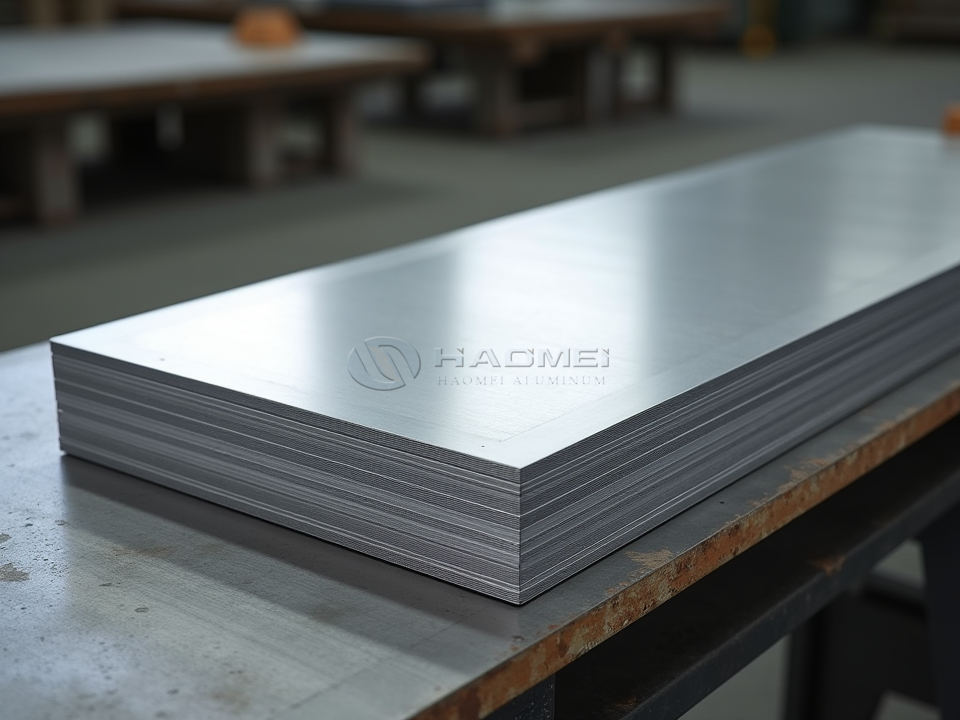
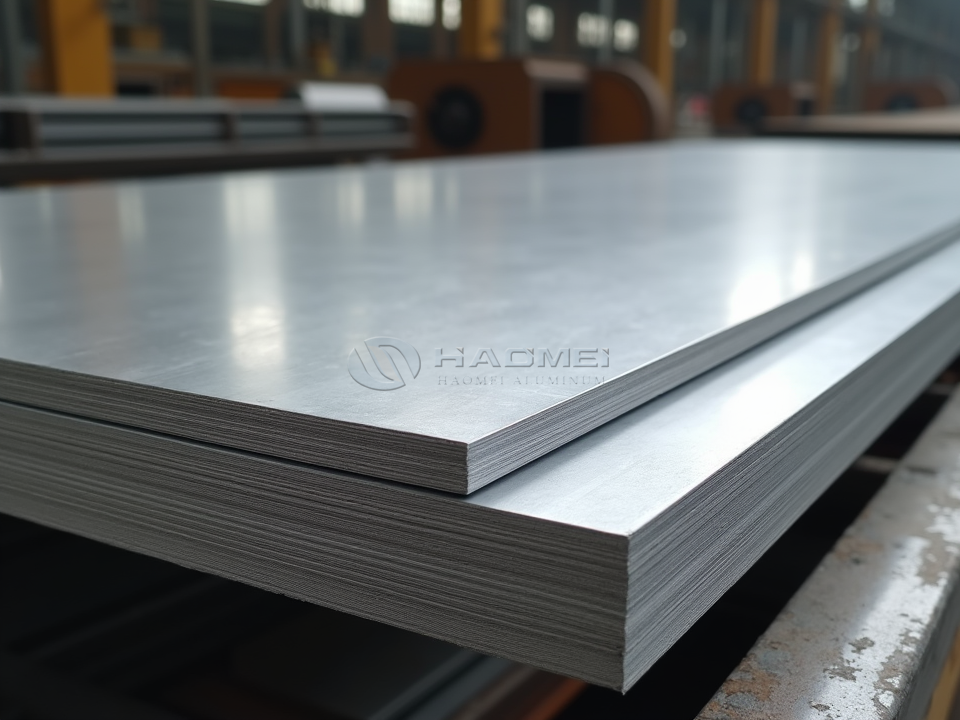
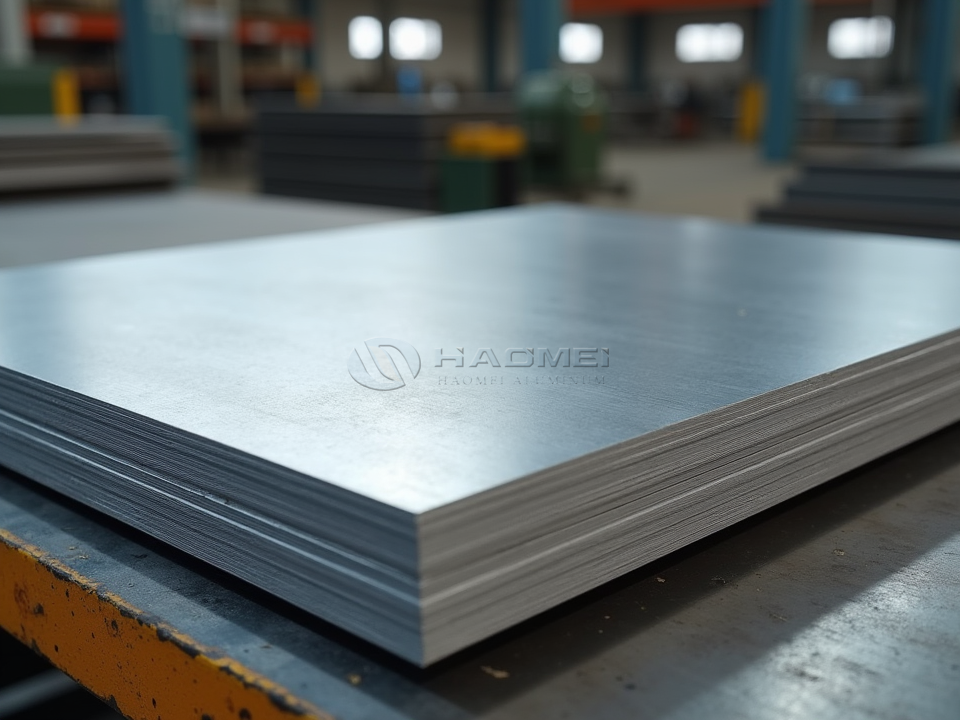
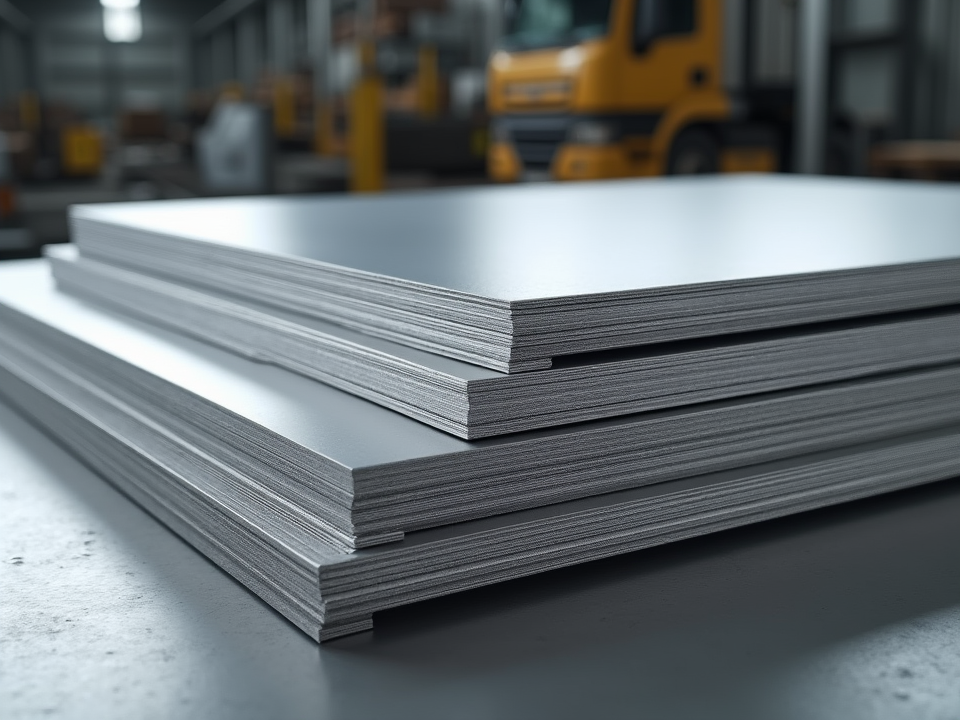
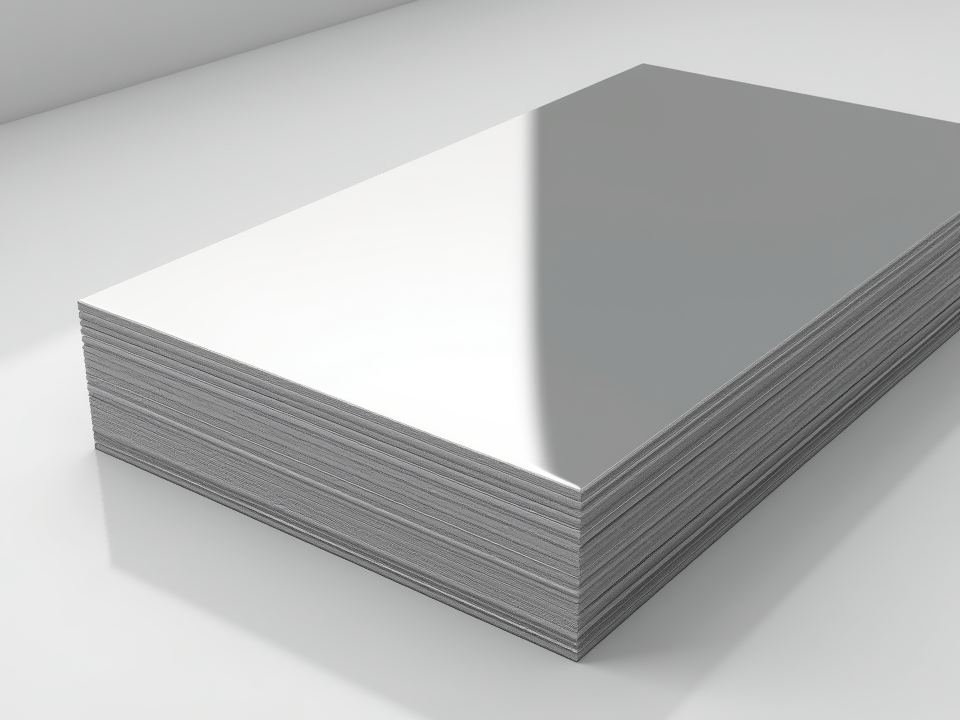
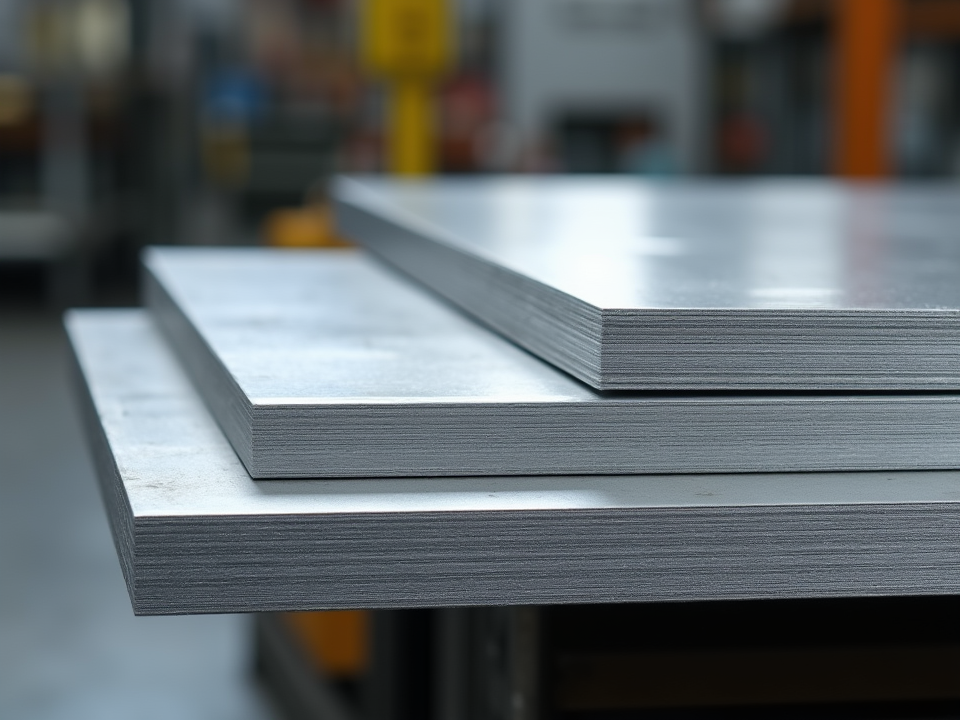
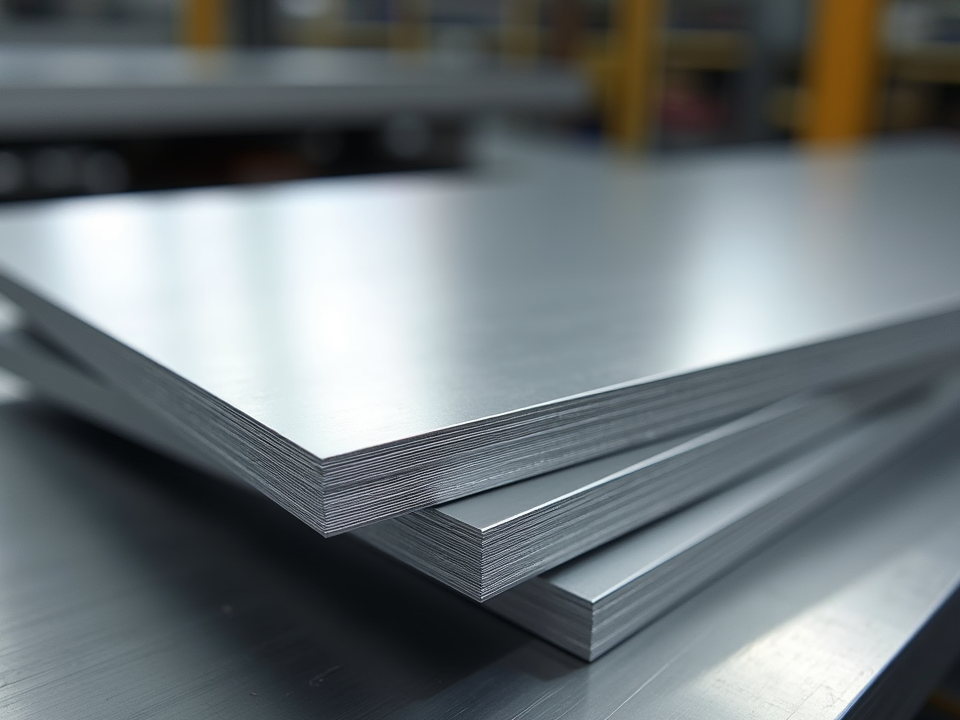
6061 T6 Aluminum Plate Wholesale
Buying 6061 T6 aluminum plate wholesale is not only a purchasing decision; it is a way to control how a product behaves under force, heat, vibration, machining, welding, and long-term outdoor service. For many fabricators, 6061 T6 plate is the practical middle ground between strength, weight, corrosion resistance, and cost. It is strong enough for structural work, clean enough for precision machining, and available enough for consistent batch supply.
At Haomei Aluminum CO., LTD., Inc., 6061 T6 aluminum plate is commonly supplied for customers who need repeatable flatness, reliable mechanical performance, and flexible processing options. Compared with softer commercial grades, 6061 T6 offers a firmer response under drilling, milling, tapping, bending with proper radius, and bolted assembly. Compared with high-strength aerospace alloys, it is easier to source, easier to weld, and more economical for industrial volume use.
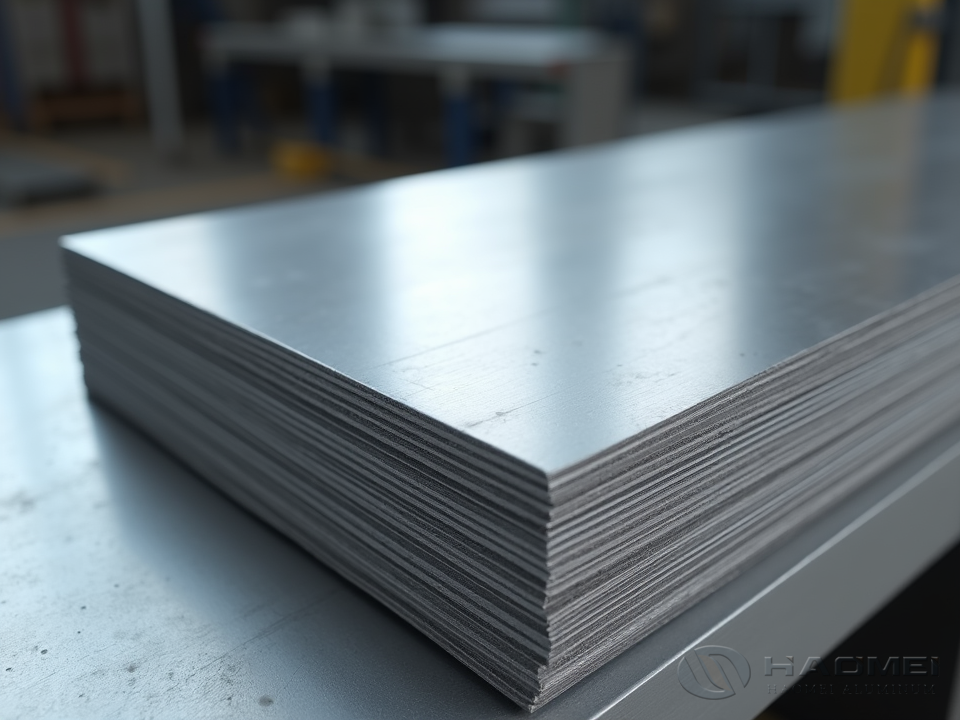
Why 6061 T6 Works Like a Structural Platform
The value of 6061 T6 begins with its alloy system. Magnesium and silicon combine to form Mg2Si, the hardening phase that gives this alloy its strength after solution heat treatment and artificial aging. In simple terms, T6 is not just a hardness label. It describes a controlled thermal history that turns a balanced aluminum alloy into a stable engineering material.
In wholesale purchasing, this matters because every plate may become a fixture, machine base, frame rail, bracket, mold backing plate, transport panel, or automation component. Customers are not only buying metal thickness; they are buying predictable behavior. A plate that machines consistently reduces tool chatter. A plate with stable temper reduces deformation during cutting. A corrosion-resistant surface reduces painting or coating pressure in many environments.
For customers comparing aluminum grades, 6061 Aluminum Sheet and plate are often selected when mechanical strength is more important than deep drawing performance, while still retaining good weldability and anodizing response.
Typical Wholesale Parameters
| Item | Common Supply Range |
|---|---|
| Alloy | 6061 |
| Temper | T6, T651 available for plate applications |
| Thickness | 6 mm to 300 mm, custom thickness by order |
| Width | 1000 mm, 1220 mm, 1500 mm, 2000 mm, or customized |
| Length | 2000 mm, 2440 mm, 3000 mm, 6000 mm, or cut to size |
| Surface | Mill finish, brushed, coated, anodizing-ready by request |
| Processing | Saw cutting, shearing, CNC cutting, film protection, packing |
| Form | Plate, sheet, block, cut blank |
| Density | About 2.70 g/cm³ |
| Melting Range | About 582-652°C |
| Electrical Conductivity | Around 40% IACS, depending on temper and condition |
The word plate usually refers to thicker flat aluminum products, often 6 mm and above, while sheet is thinner. In actual procurement, the distinction may vary by market and standard, so it is better to specify thickness, tolerance, surface, temper, and intended processing method rather than relying on naming alone.
Chemical Composition of 6061 Aluminum
| Element | Typical Content, % |
|---|---|
| Silicon, Si | 0.40-0.80 |
| Iron, Fe | 0.70 max |
| Copper, Cu | 0.15-0.40 |
| Manganese, Mn | 0.15 max |
| Magnesium, Mg | 0.80-1.20 |
| Chromium, Cr | 0.04-0.35 |
| Zinc, Zn | 0.25 max |
| Titanium, Ti | 0.15 max |
| Other each | 0.05 max |
| Other total | 0.15 max |
| Aluminum, Al | Balance |
This chemistry explains the personality of 6061 T6 plate. Magnesium and silicon provide heat-treatable strength. Chromium helps grain structure and corrosion behavior. Copper improves strength but remains controlled so the alloy does not lose its practical corrosion resistance. The result is a plate that is strong, workable, and suitable for both indoor machinery and outdoor structures.
Standards and Delivery Conditions
6061 T6 aluminum plate wholesale orders are commonly referenced to internationally recognized standards, helping buyers maintain stable quality across repeated shipments.
| Standard | Relevance |
|---|---|
| ASTM B209 | Aluminum and aluminum-alloy sheet and plate requirements |
| AMS QQ-A-250/11 | 6061 aluminum alloy plate and sheet for higher-spec applications |
| EN 485 | Aluminum sheet, strip, and plate requirements in European markets |
| GB/T 3880 | Chinese standard for aluminum and aluminum alloy plates and sheets |
| JIS H4000 | Japanese standard for aluminum sheets and plates |
T6 means the material has been solution heat treated and artificially aged. T651 is closely related but includes stress relief by stretching, making it especially helpful for thicker plates that will be heavily machined. If a customer plans to remove large amounts of material from one side, T651 may offer better dimensional stability than standard T6.
Mechanical Performance in Practical Terms
| Property | Typical Value for 6061 T6 Plate |
|---|---|
| Ultimate tensile strength | About 290 MPa or higher |
| Yield strength | About 240 MPa or higher |
| Elongation | About 8-12%, depending on thickness |
| Brinell hardness | About 95 HB |
| Elastic modulus | About 68.9 GPa |
| Shear strength | About 205 MPa |
| Fatigue strength | About 95 MPa |
These numbers become meaningful when translated into shop-floor decisions. For bolted frames, yield strength helps resist permanent deformation. For machined fixtures, hardness helps protect threaded holes and clamping surfaces. For transportation parts, the strength-to-weight ratio allows designers to reduce weight without losing necessary rigidity.
6061 T6 is not the best alloy for severe forming after aging. If bending is required, larger bend radii and correct grain direction should be considered. For extensive forming, a softer temper may be formed first and then heat treated if the production route allows it.
Functions Across Real Applications
In automation equipment, 6061 T6 plate is used for base plates, side frames, connector blocks, motor mounting plates, sensor brackets, and guide components. Its machinability allows clean pockets, accurate holes, and stable edges. For designers, it offers enough stiffness for moving systems without the mass penalty of steel.
In transportation, 6061 T6 aluminum plate appears in truck bodies, trailer structures, rail vehicle parts, marine fittings, ramps, floors, and access platforms. It resists corrosion better than plain carbon steel and can be welded when correct filler metals and procedures are used. After welding, the heat-affected zone will lose part of its T6 strength, so joint design should allow for local softening.
In marine and outdoor equipment, 6061 T6 performs well in many atmospheric and freshwater conditions. For strong saltwater exposure, alloy selection should be reviewed carefully, and protective coatings or anodizing may be recommended. Where higher marine corrosion resistance is the main need, some customers also evaluate 5052 Aluminum Sheet for non-heat-treated formed parts.
In electronics and energy equipment, 6061 T6 is used for heat sinks, battery trays, mounting boards, solar panel frames, control cabinets, and structural housings. Its thermal conductivity, machinability, and surface finish options make it useful where function and appearance meet.
Machining, Welding, and Surface Treatment
6061 T6 plate machines well with carbide tooling, proper chip evacuation, and stable clamping. Because aluminum expands more than steel under heat, cooling and tool path strategy are important when tight tolerances are required. For thick plate machining, roughing both sides gradually can reduce the risk of movement after stress release.
Welding can be performed by TIG or MIG methods, often using 4043 or 5356 filler depending on strength, color match, anodizing requirements, and service conditions. The welded zone should be evaluated according to the final load requirement because post-weld strength differs from the base T6 condition.
Surface treatments include anodizing, hard anodizing, powder coating, polishing, brushing, and chemical conversion coating. Anodizing can improve wear and corrosion resistance while giving a clean technical appearance. For visible parts, buyers should define surface expectations early because mill finish, handling marks, and plate flatness requirements influence production and packing choices.
How to Specify a Wholesale Order Clearly
A good purchase request for 6061 T6 aluminum plate should state alloy, temper, thickness, width, length, applicable standard, quantity, tolerance, surface condition, packing method, and whether cutting or film protection is needed. If the plate will be CNC machined, mention the final part use, machining depth, and flatness requirement. If the plate will be welded, mention whether strength after welding is critical. If the plate will be anodized, surface quality and alloy batch consistency become more important.
Wholesale customers often save time by ordering standard sizes for stock and cut-to-size blanks for production. This reduces scrap, shortens lead time, and improves material traceability. Haomei Aluminum CO., LTD., Inc. can support batch supply planning for distributors, machining shops, equipment builders, transport fabricators, and project contractors seeking stable 6061 T6 aluminum plate wholesale availability.
A Material Chosen for Balanced Performance
6061 T6 aluminum plate is popular because it does many demanding jobs well. It carries load, machines cleanly, accepts finishing, resists corrosion in common environments, and remains widely available for wholesale projects. When thickness, temper, standard, tolerance, and processing needs are clearly defined, it becomes a dependable material platform for efficient manufacturing.