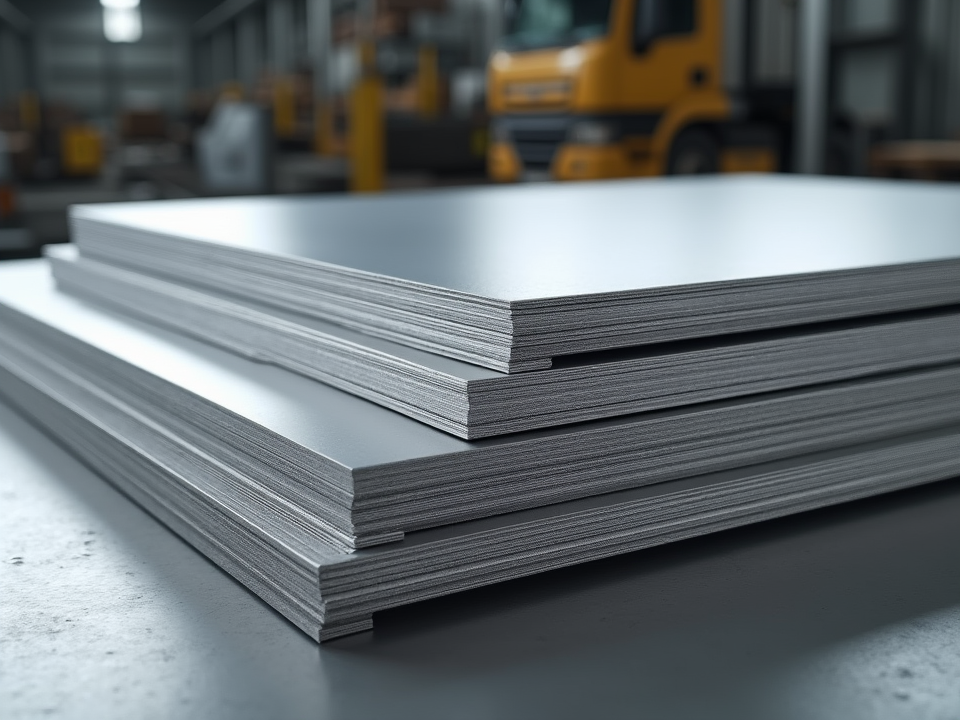
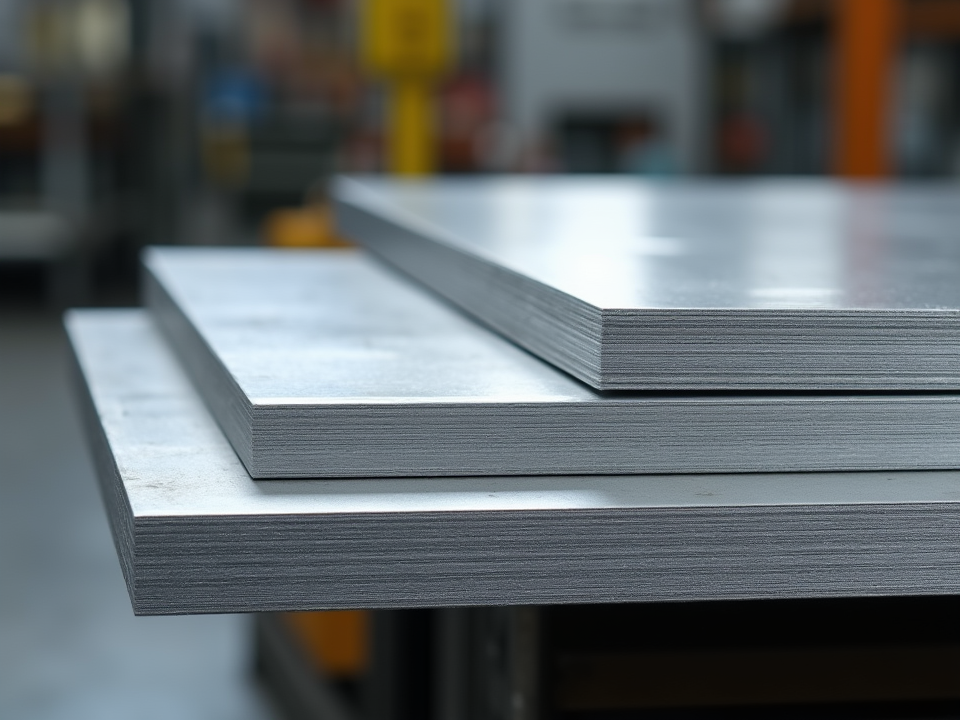
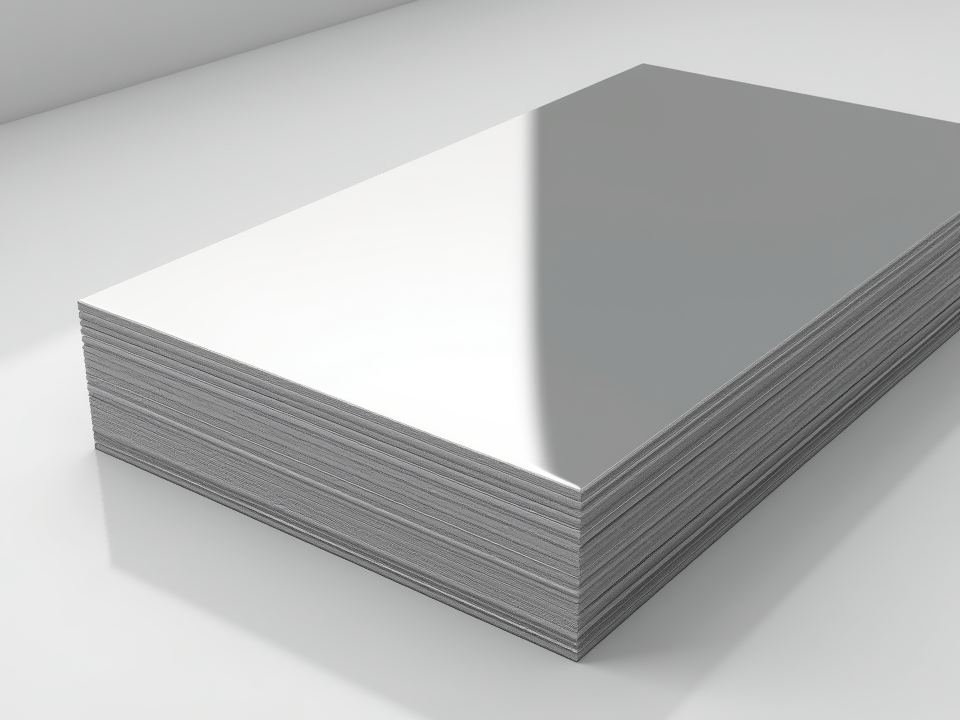
Stamping Grade Aluminum Alloy Sheet
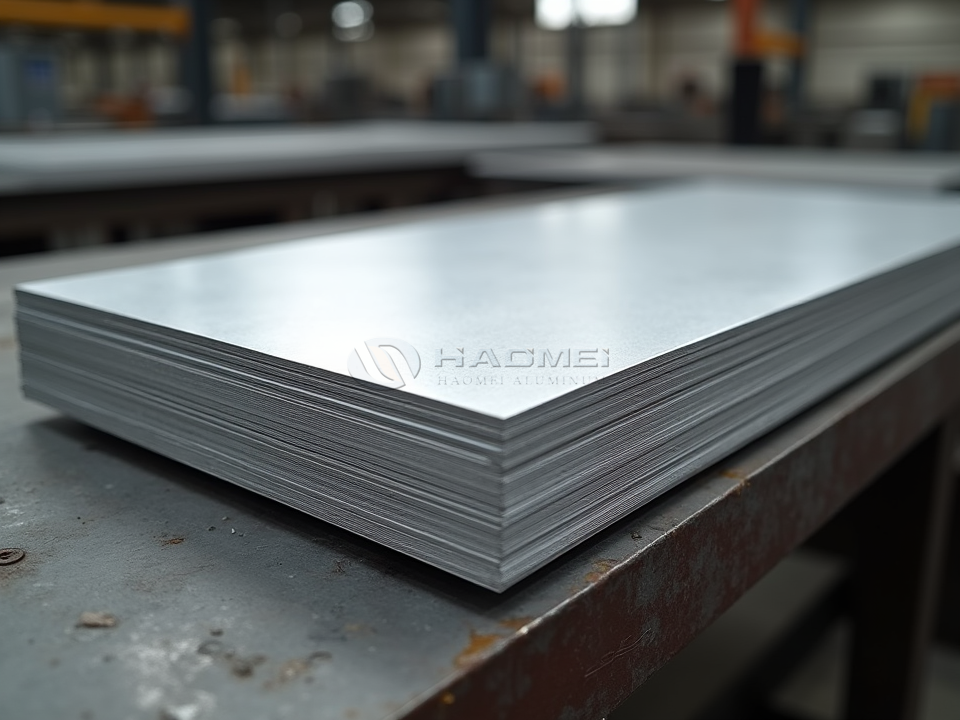
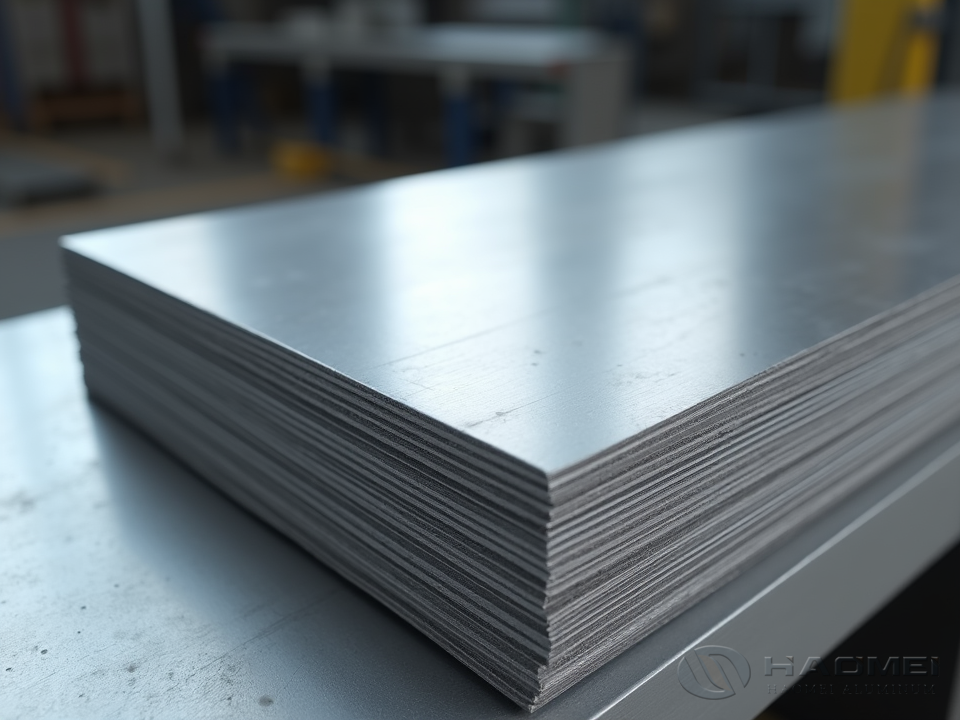
Stamping grade aluminum alloy sheet is engineered for clean deformation under press, punch, die, and deep drawing operations. It combines low density, stable surface quality, controlled mechanical properties, and excellent formability, making it suitable for parts that need smooth curves, tight dimensional control, and reliable repeat production.
In stamping production, the sheet must flow without tearing, wrinkling, orange peel, or excessive springback. For this reason, alloy selection, temper condition, grain control, lubrication compatibility, flatness, and surface cleanliness are just as important as thickness and width.
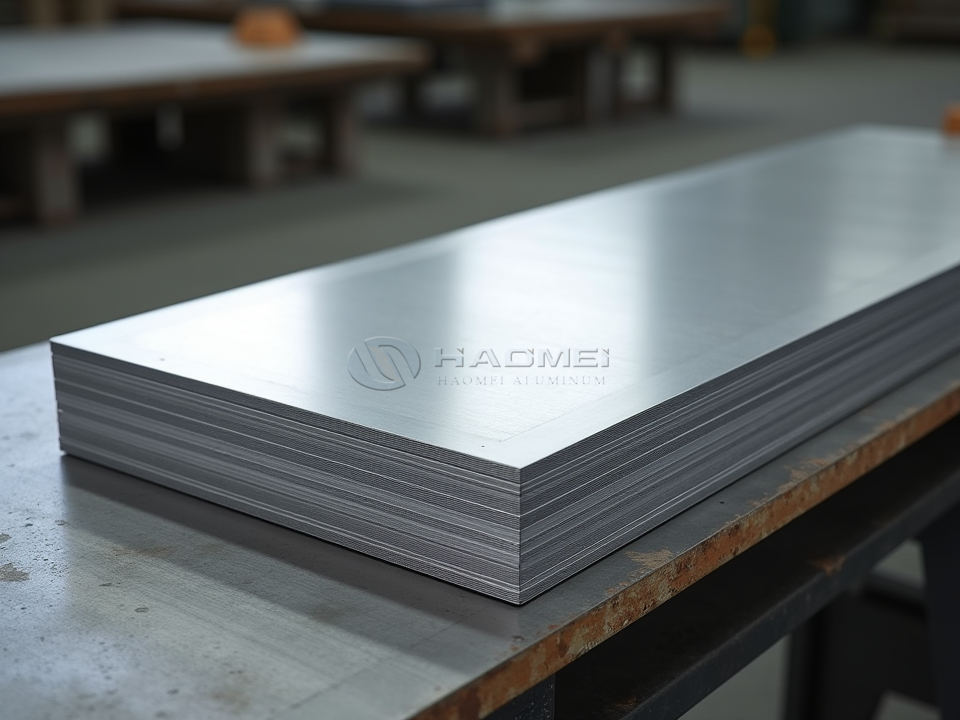
Main Features of Stamping Grade Aluminum Alloy Sheet
| Feature | Customer Benefit |
|---|---|
| High formability | Supports bending, drawing, spinning, embossing, and punching |
| Low weight | Reduces final part weight compared with steel and copper alloys |
| Good surface finish | Suitable for anodizing, painting, brushing, polishing, and coating |
| Consistent temper | Helps maintain stable forming behavior across production batches |
| Corrosion resistance | Performs well in indoor, outdoor, marine, and humid environments depending on alloy |
| Excellent thermal conductivity | Useful for cookware, lamp reflectors, radiator parts, and heat shields |
| Non-magnetic performance | Suitable for electronic housings, shielding parts, and precision instruments |
For very soft forming requirements, commercially pure grades such as 1050 Aluminum Sheet in O temper are widely used because they offer excellent elongation, smooth plastic flow, and good surface response after forming.
Common Alloys and Forming Behavior
Different stamping products require different balances between softness, strength, corrosion resistance, and surface appearance. Pure aluminum grades are preferred for deep drawing and decorative work, while 3xxx and 5xxx alloys are selected when higher strength is required.
| Alloy | Typical Temper | Formability | Strength Level | Typical Stamping Use |
|---|---|---|---|---|
| 1050 | O, H12, H14 | Excellent | Low | Lamp shades, reflectors, nameplates, soft deep drawn parts |
| 1060 | O, H14, H24 | Excellent | Low | Cookware, battery cases, electronic parts, chemical containers |
| 1070 | O, H12, H14 | Excellent | Low | Electrical parts, decorative stamping, capacitor shells |
| 1100 | O, H14 | Very good | Low to medium | Utensils, closures, spun parts, HVAC components |
| 3003 | O, H14, H24 | Good | Medium | Heat exchangers, panels, storage tanks, cookware bodies |
| 5052 | O, H32, H34 | Moderate to good | Medium to high | Appliance panels, marine hardware, automotive interior parts |
Chemical Composition Reference
Composition control affects forming response, corrosion resistance, strength, and surface finish. The values shown are typical reference ranges based on commonly used international specifications. Final supply can be matched to ASTM, EN, GB/T, or JIS requirements.
| Alloy | Si | Fe | Cu | Mn | Mg | Cr | Zn | Ti | Al |
|---|---|---|---|---|---|---|---|---|---|
| 1050 | ≤0.25 | ≤0.40 | ≤0.05 | ≤0.05 | ≤0.05 | - | ≤0.05 | ≤0.03 | ≥99.50 |
| 1060 | ≤0.25 | ≤0.35 | ≤0.05 | ≤0.03 | ≤0.03 | - | ≤0.05 | ≤0.03 | ≥99.60 |
| 1070 | ≤0.20 | ≤0.25 | ≤0.04 | ≤0.03 | ≤0.03 | - | ≤0.04 | ≤0.03 | ≥99.70 |
| 1100 | Si+Fe ≤0.95 | - | 0.05-0.20 | ≤0.05 | - | - | ≤0.10 | - | ≥99.00 |
| 3003 | ≤0.60 | ≤0.70 | 0.05-0.20 | 1.00-1.50 | - | - | ≤0.10 | - | Balance |
| 5052 | ≤0.25 | ≤0.40 | ≤0.10 | ≤0.10 | 2.20-2.80 | 0.15-0.35 | ≤0.10 | - | Balance |
Mechanical Properties by Temper
Mechanical properties vary with thickness, processing route, and specification standard. For stamping, elongation and yield strength are especially important because they influence draw depth, edge cracking, and springback after forming.
| Alloy Temper | Tensile Strength MPa | Yield Strength MPa | Elongation % | Forming Character |
|---|---|---|---|---|
| 1050 O | 60-100 | 20-40 | 25-40 | Maximum softness for deep drawing |
| 1050 H14 | 95-125 | 75-105 | 3-10 | Semi-hard for shallow stamping and panels |
| 1060 O | 60-95 | 20-35 | 25-40 | Excellent ductility and smooth forming |
| 1100 O | 75-110 | 25-45 | 25-35 | Balanced softness and purity |
| 3003 O | 95-130 | 35-55 | 20-30 | Better strength with good drawability |
| 3003 H14 | 130-165 | 115-145 | 3-12 | Suitable for formed covers and housings |
| 5052 O | 170-215 | 70-95 | 18-28 | Higher strength with good bending performance |
| 5052 H32 | 210-260 | 160-200 | 8-15 | Stronger formed parts with corrosion resistance |
Technical Specifications
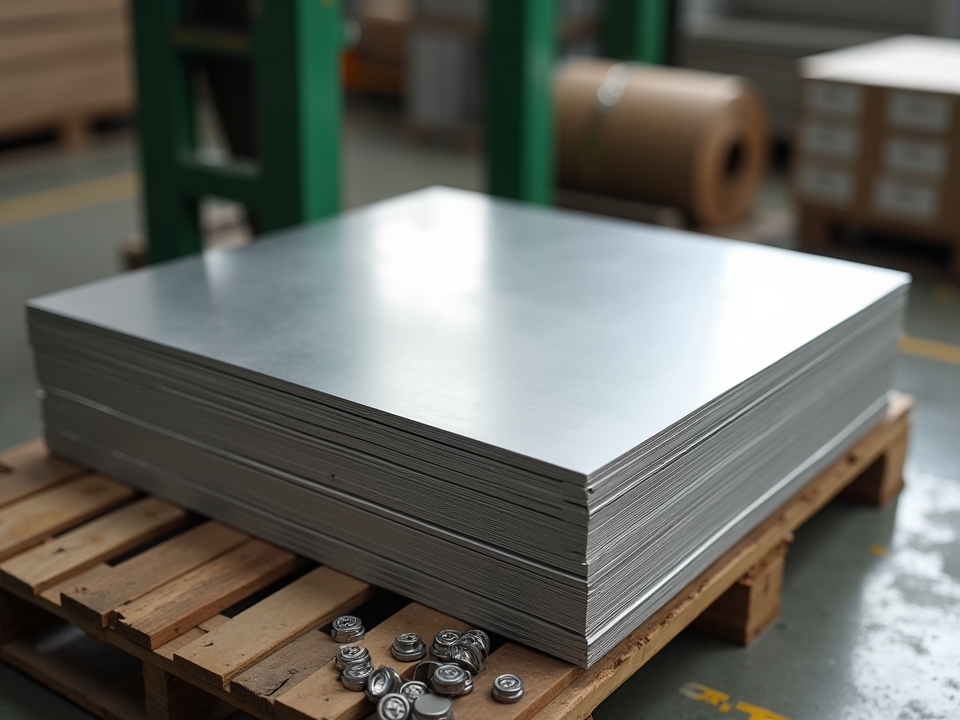
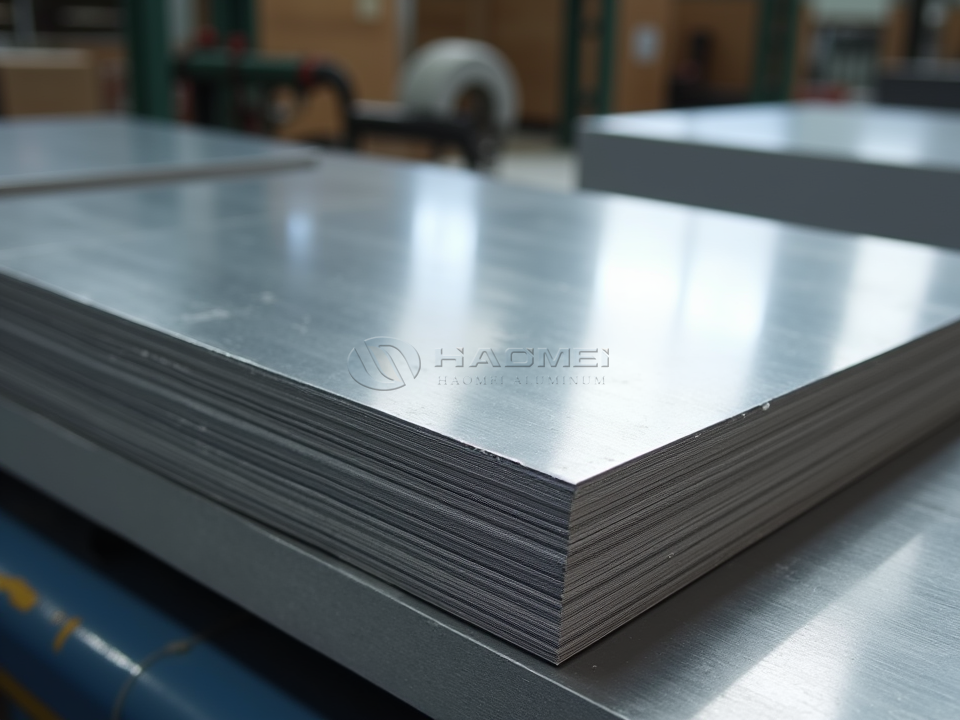
Stamping grade sheet can be supplied in coil, sheet, strip, or cut-to-length blanks. For automated feeding lines, coil quality, edge trimming, and surface oil control are critical to stable press performance.
| Parameter | Typical Supply Range |
|---|---|
| Thickness | 0.20-6.00 mm |
| Width | 100-2600 mm |
| Length | 500-12000 mm, or customized cut length |
| Coil inner diameter | 405 mm, 505 mm, 508 mm, or as requested |
| Surface | Mill finish, degreased, brushed, anodized-ready, coated-ready |
| Edge condition | Slit edge, trimmed edge, deburred edge |
| Flatness | Controlled for stamping and automatic feeding |
| Protective options | Paper interleaving, PE film, anti-scratch film, light oil |
| Standards | ASTM B209, EN 485, GB/T 3880, JIS H4000 |
| Inspection items | Thickness, width, diagonal, flatness, surface, mechanical test, composition |
Important Stamping Performance Factors
| Factor | Why It Matters |
|---|---|
| Temper selection | O temper improves deep drawability, while H tempers improve stiffness |
| Grain size | Fine and even grain reduces orange peel and surface roughening |
| Lubrication | Reduces friction, galling, die marks, and tearing during drawing |
| Directionality | Rolling direction can affect bending radius and ear formation |
| Surface cleanliness | Helps avoid coating defects, black spots, adhesive failure, and die contamination |
| Thickness tolerance | Improves blanking accuracy and consistent draw depth |
| Burr control | Protects dies and improves assembly fit after stamping |
For deep drawing, low yield strength and high elongation are preferred. For shallow stamped covers or decorative panels, H12, H14, and H24 tempers may provide better shape retention. For parts exposed to salt spray, humidity, or outdoor use, 5052 is often selected because of its magnesium-rich corrosion resistance.
Applications
Stamping grade aluminum alloy sheet is used across light industry, transportation, electrical, home appliance, and packaging sectors. Its ability to combine weight reduction with attractive appearance makes it suitable for visible parts as well as functional components.
| Industry | Common Parts |
|---|---|
| Cookware | Pot bodies, pan lids, kettle shells, baking trays |
| Lighting | Reflectors, lamp shades, LED housings, decorative covers |
| Electronics | Battery shells, capacitor cases, shielding covers, control panels |
| Automotive | Heat shields, interior trim, brackets, acoustic panels |
| Appliances | Refrigerator panels, washing machine covers, air conditioner parts |
| Packaging | Bottle caps, cosmetic cases, closures, shallow containers |
| Construction | Decorative ceiling panels, punched panels, ventilation covers |
| HVAC | Fins, ducts, insulation jackets, evaporator components |
Surface Quality Requirements
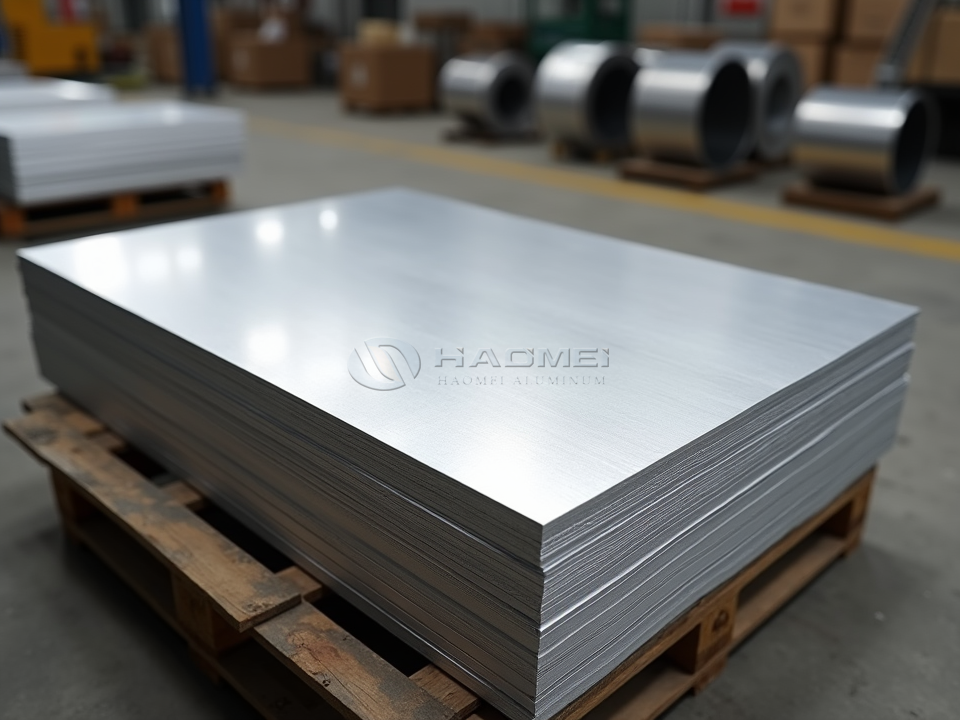
For stamped visible parts, surface condition has direct impact on customer acceptance. A good stamping sheet should be free from cracks, corrosion marks, heavy roll lines, oil stains, pressure marks, scratches, and embedded particles. For anodized or polished products, surface inspection must be stricter because minor defects become more visible after finishing.
| Surface Requirement | Recommended Control |
|---|---|
| Decorative stamping | Use clean mill finish or film-protected sheet |
| Deep drawing | Apply compatible forming lubricant or pre-lubricated surface |
| Anodizing | Select high-purity 1xxx alloy with uniform surface texture |
| Painting or coating | Use degreased sheet with good surface energy |
| Laser cutting before stamping | Control burr and oxide residue before forming |
Selection Guide
| Forming Need | Recommended Choice |
|---|---|
| Very deep draw | 1050 O, 1060 O, 1100 O |
| Shallow stamping with better stiffness | 1050 H14, 1060 H24, 3003 H14 |
| Better corrosion resistance | 5052 O, 5052 H32 |
| Decorative bright finish | 1050, 1070, 1100 |
| Higher strength formed part | 3003 or 5052 |
| Cost-sensitive general stamping | 1050, 1060, 1100 |
Procurement Notes
When purchasing stamping grade aluminum alloy sheet, customers should specify alloy, temper, thickness, width, length or coil weight, surface requirement, edge condition, testing standard, and packing method. For demanding deep drawing jobs, it is helpful to provide part drawings, draw depth, bending radius, die type, lubricant type, and annual consumption.
A reliable stamping grade sheet should deliver stable press performance, clean surface quality, accurate dimensions, and repeatable mechanical properties. With the right alloy and temper, aluminum sheet can improve forming efficiency, reduce part weight, enhance corrosion resistance, and support attractive finished products across many manufacturing fields.