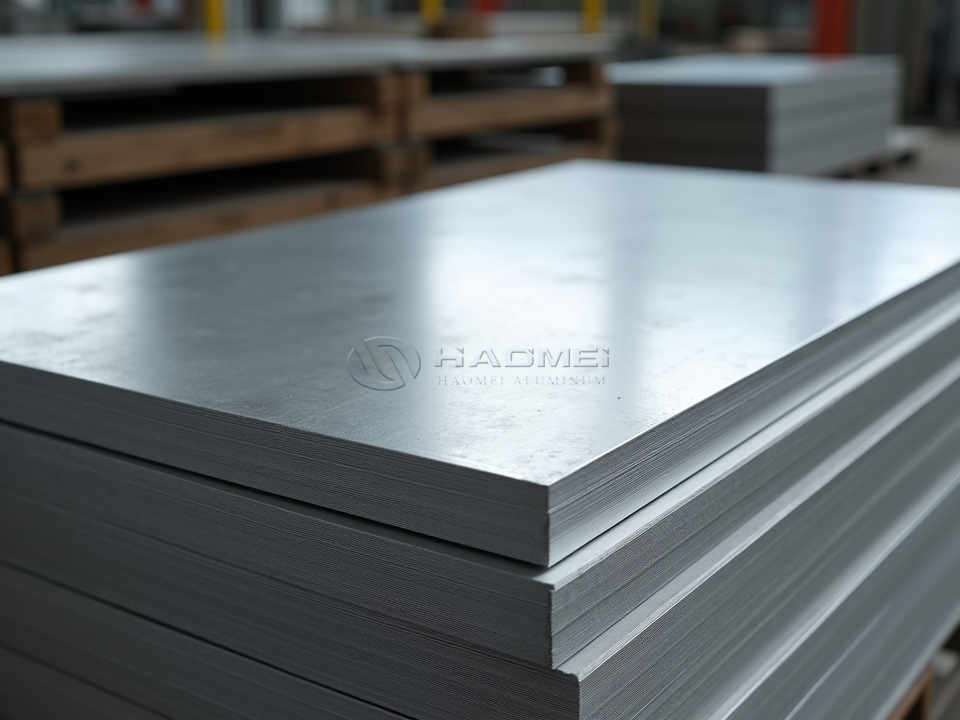
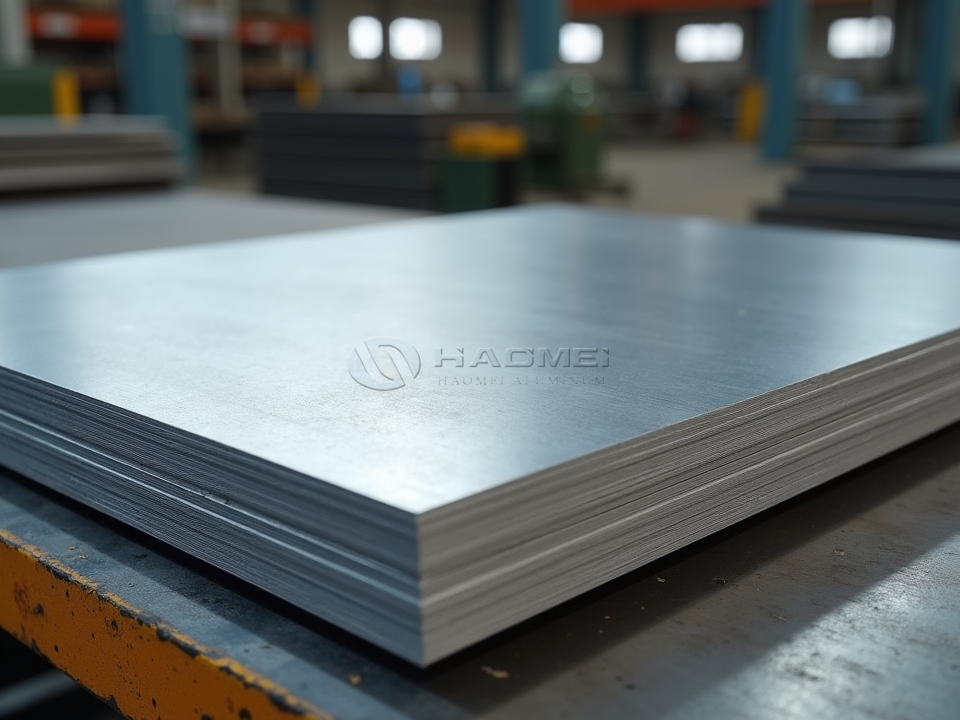
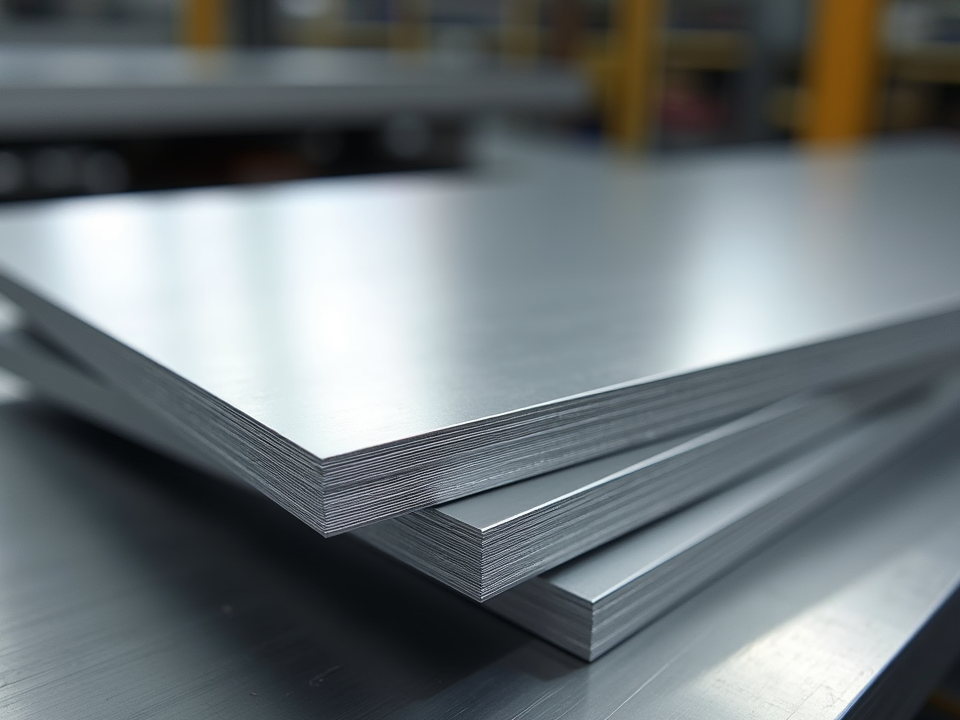
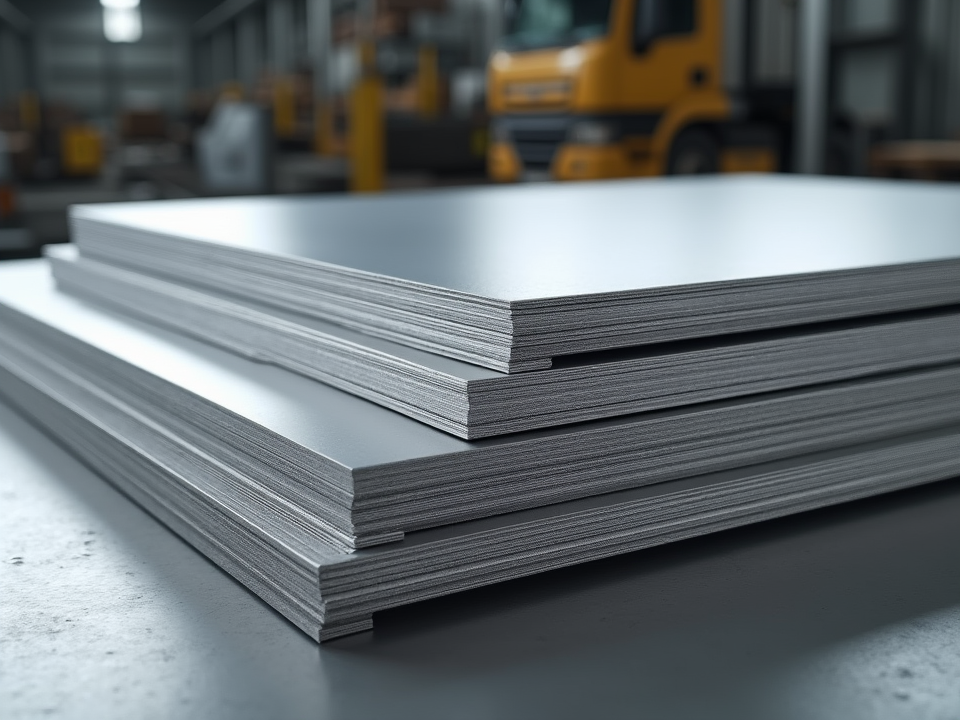
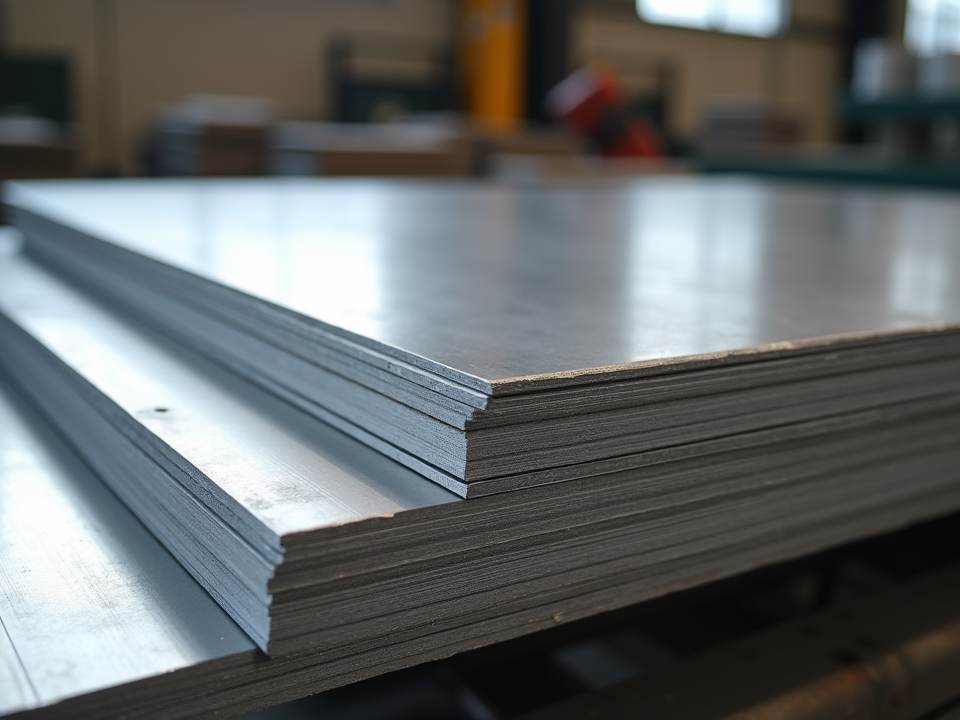
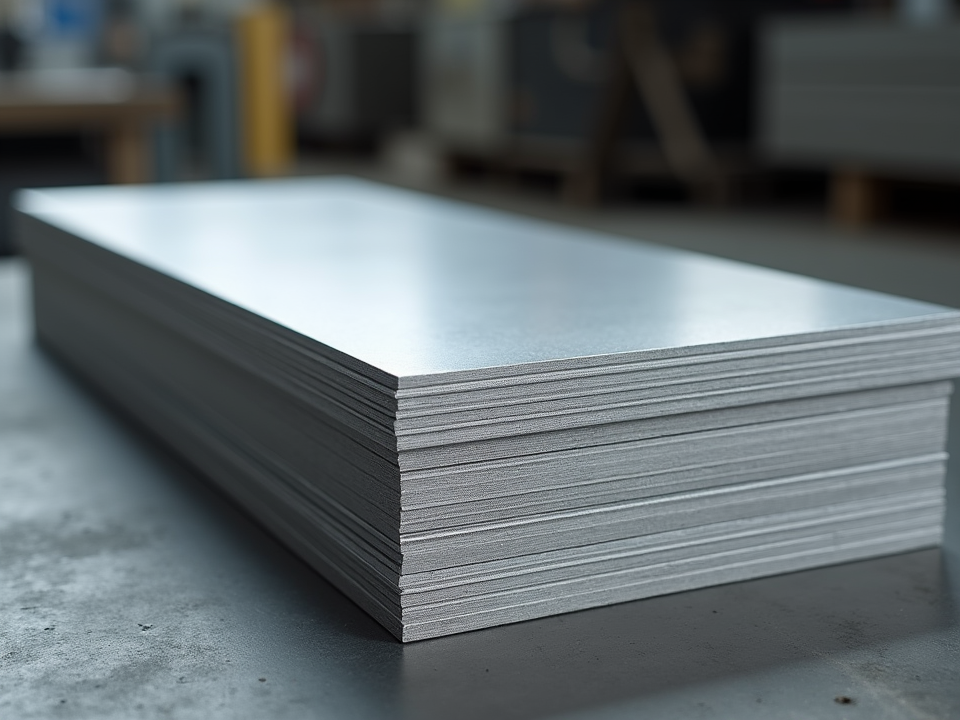
Bendable Alloy Aluminum Panel
A bendable alloy aluminum panel is best understood as a sheet that accepts persuasion. It does not fight the press brake, the roller, or the hand-forming tool when the alloy, temper, thickness, and bend radius are chosen correctly. For architects, sign makers, vehicle builders, HVAC producers, and enclosure fabricators, the value is not only that aluminum is light. The real value is that it can become a corner, a curve, a folded edge, a wrapped surface, or a shaped cover without losing its clean metallic character.
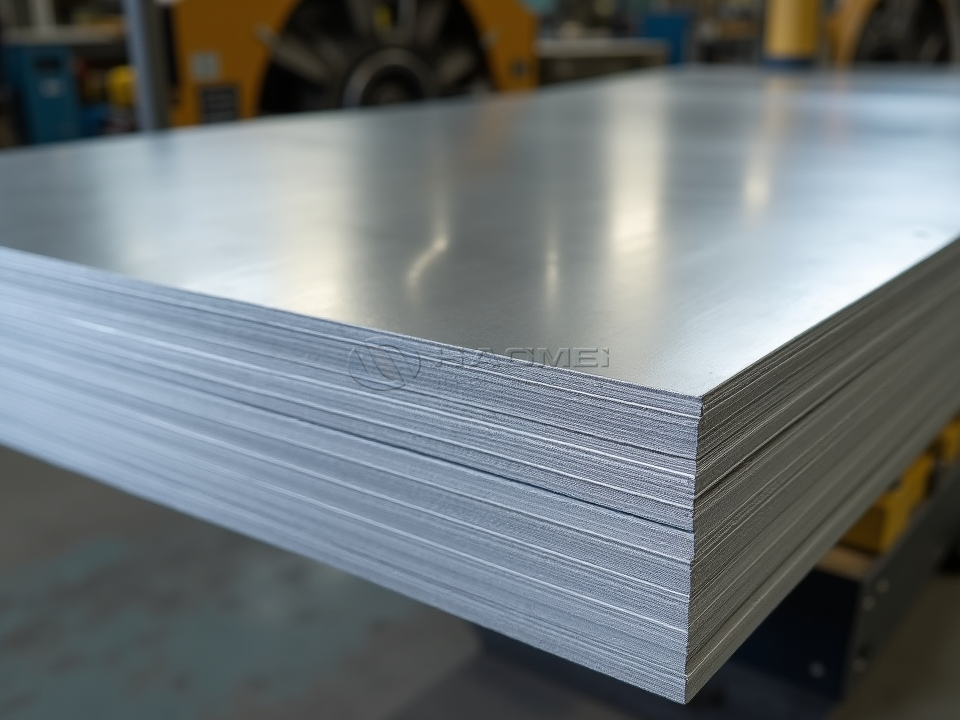
Bendability begins inside the metal. Aluminum panels are made of crystals, and those crystals move more freely when the material is soft or partially softened. This is why the same alloy can behave very differently in O temper, H14 temper, H24 temper, or T6 temper. A soft 1050 O panel may bend like paperboard compared with a 6061 T6 panel, which is stronger but less forgiving. The right choice depends on whether the finished part needs a tight fold, a smooth radius, higher strength, better corrosion resistance, or decorative surface quality.
For general forming work, pure aluminum grades such as 1050, 1060, 1070, 1100, and 1200 are favored for excellent ductility. They are common in lighting parts, reflectors, insulation jacketing, stamping pieces, and decorative panels. When extra strength is needed without sacrificing too much formability, 3003 is often selected because manganese improves mechanical performance while keeping the sheet friendly to bending. For marine panels, vehicle panels, and outdoor components, 5052 offers better corrosion resistance and good bending behavior, especially in H32 or H34 tempers. Buyers comparing grades can start from a broad Alloy Aluminum Sheet range, then narrow the choice by bending radius, strength, and surface demand.
How Temper Changes the Way the Panel Bends
Temper is the hidden instruction written into the aluminum. O temper is annealed, soft, and highly formable. H12 and H14 are strain-hardened to moderate strength, suitable for shallow bending and general fabrication. H24 is strain-hardened and partially annealed, giving a stable balance of formability and strength. H32 and H34 are common for 5052, where corrosion resistance and moderate forming are required. T4 and T6 tempers belong to heat-treatable alloys such as 6061; T4 can be formed more easily, while T6 is strong but requires a larger bend radius.
A practical way to judge bendability is to compare the inside bend radius with the panel thickness. Soft pure aluminum may accept an inside radius close to zero to one time the thickness, depending on surface condition and tooling. 3003 H14 often bends well at one to two times the thickness. 5052 H32 may need one and a half to three times the thickness for cleaner results. 6061 T6 may require much larger radii and careful grain direction control.
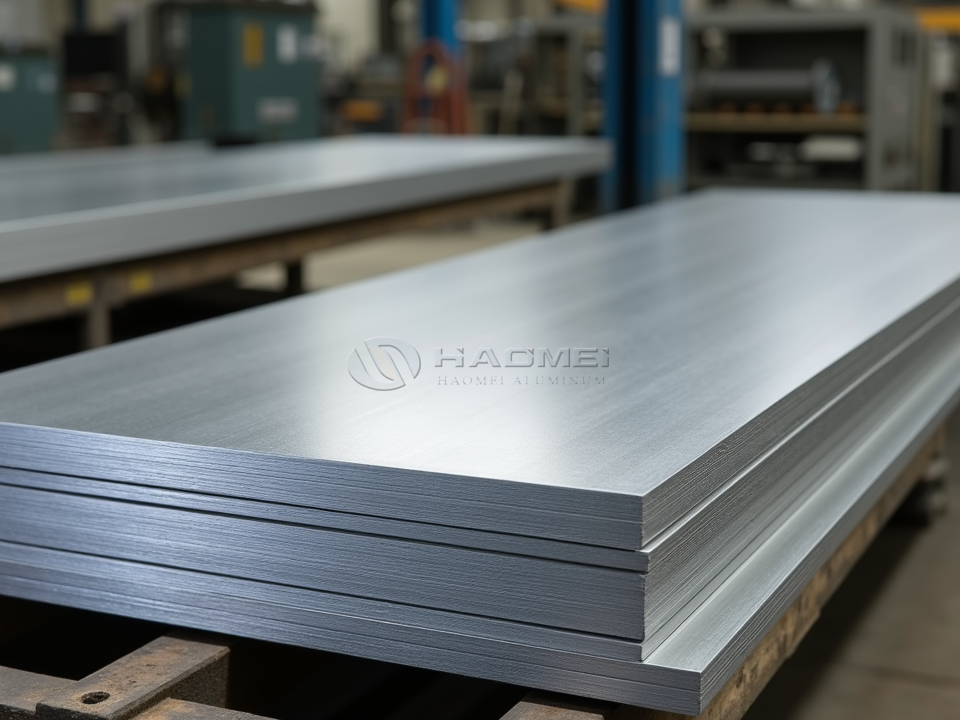
Common Product Parameters
| Item | Typical Range or Condition |
|---|---|
| Alloy grades | 1050, 1060, 1070, 1100, 1200, 3003, 5052, 6061 |
| Temper | O, H12, H14, H16, H18, H22, H24, H32, H34, T4, T6 |
| Thickness | 0.2 mm to 6.0 mm for common bendable panels |
| Width | 500 mm to 2000 mm, custom width available by production route |
| Length | Coil cut-to-length or sheet length commonly up to 6000 mm |
| Surface | Mill finish, brushed, anodized, coated, embossed, mirror finish |
| Processing | Bending, rolling, stamping, punching, cutting, CNC routing, welding |
| Protective film | Optional PVC or PE film for decorative surfaces |
| Typical tolerance references | ASTM B209, EN 485, GB/T 3880, JIS H4000 |
Standards matter because a bendable panel is not judged only by appearance. ASTM B209 is widely used for aluminum and aluminum-alloy sheet and plate. EN 485 defines mechanical properties, tolerances, and technical delivery requirements in many European projects. EN 573 covers alloy designation and chemical composition. GB/T 3880 is common for wrought aluminum plates, sheets, and strips in Chinese production. JIS H4000 is used in Japanese industrial specifications. When a project involves repeated bending, the purchase order should state alloy, temper, thickness, surface, tolerance, test standard, and whether bending performance must be verified before shipment.
Chemical Composition and Material Behavior
The chemistry of aluminum controls its strength, corrosion response, weldability, and forming character. Pure aluminum grades contain very high aluminum content and small amounts of iron and silicon. 3003 contains manganese, improving strength and stability. 5052 contains magnesium and chromium, giving strong corrosion resistance, especially in humid or salt-influenced environments. 6061 contains magnesium and silicon for heat treatment, making it stronger but less flexible in hard temper.
| Alloy | Al Minimum or Balance | Si | Fe | Cu | Mn | Mg | Cr | Zn | Bending Character |
|---|---|---|---|---|---|---|---|---|---|
| 1050 | 99.50 min | 0.25 max | 0.40 max | 0.05 max | 0.05 max | 0.05 max | - | 0.05 max | Very soft in O temper, excellent for tight forming |
| 1060 | 99.60 min | 0.25 max | 0.35 max | 0.05 max | 0.03 max | 0.03 max | - | 0.05 max | High ductility, good for deep drawing and rolling |
| 1100 | 99.00 min | Si+Fe 0.95 max | Si+Fe 0.95 max | 0.05-0.20 | 0.05 max | - | - | 0.10 max | Stronger than 1050, still very formable |
| 3003 | Balance | 0.60 max | 0.70 max | 0.05-0.20 | 1.00-1.50 | - | - | 0.10 max | Good bendability with better strength |
| 5052 | Balance | 0.25 max | 0.40 max | 0.10 max | 0.10 max | 2.20-2.80 | 0.15-0.35 | 0.10 max | Good forming, excellent corrosion resistance |
| 6061 | Balance | 0.40-0.80 | 0.70 max | 0.15-0.40 | 0.15 max | 0.80-1.20 | 0.04-0.35 | 0.25 max | Best formed in softer temper, larger radius in T6 |
For many customers, 3003 Aluminum Sheet is the practical middle ground. It bends better than many high-strength alloys and offers more rigidity than commercially pure aluminum. It is widely used for roofing panels, cabinet skins, duct panels, decorative covers, tanks, and lightweight formed parts.
Reading the Surface Before Bending
A bendable aluminum panel should be read like fabric before tailoring. Grain direction matters. Bending across the rolling direction usually gives better results than bending parallel to it, especially for harder tempers. Surface finish also matters. A brushed or anodized sheet may show fine cracks if bent too tightly. Painted or coated panels need a bend radius that protects the coating from whitening or peeling. If the panel has a mirror finish, protective film should stay in place during forming when possible.
Tooling is just as important as alloy choice. A sharp punch can concentrate stress and cause cracking. A wider V-die and polished tooling reduce marking. For decorative panels, fabricators often use soft pads, protective film, or urethane tooling to reduce scratches. Lubrication may help in deep forming, but it must be compatible with later painting, bonding, or anodizing.
Where Bendable Aluminum Panels Perform Well
In building decoration, bendable aluminum panels create column covers, ceiling details, wall cladding edges, fascia panels, and curved accents. In transportation, they help reduce weight in trailers, buses, rail interiors, and vehicle body parts. In electronics, they form housings and shields where thermal conductivity matters. In signage, they provide a flat printable surface that can be folded into boxes, returns, and frames. In industrial equipment, they become guards, cabinets, ducts, and covers that are easy to cut and assemble.
The best purchasing decision is made before the panel reaches the machine. If the part has a tight radius, choose O temper or a softer H temper. If the part must resist dents, move toward H14, H24, or suitable 3003/5052 tempers. If outdoor corrosion is a concern, consider 5052 or coated pure aluminum. If high strength is required, 6061 may be suitable, but bending should be planned with generous radii and, in some cases, forming before final heat treatment.
A bendable alloy aluminum panel is not simply a soft metal sheet. It is a controlled balance of chemistry, temper, thickness, surface, and fabrication method. When these details are matched to the final shape, the panel bends cleanly, holds its form, and keeps the finished product light, durable, and visually precise.