Black Matte Coated Aluminum Plate
Black Matte Coated Aluminum Plate: The Quiet Surface That Controls Light
Black matte coated aluminum plate is often chosen for how it looks, but its real value appears when light hits it. A glossy black surface reflects the room, the sky, and every fingerprint. A black matte surface absorbs attention instead of bouncing it back. For designers, builders, sign makers, equipment producers, and transport manufacturers, this is not just a color choice. It is a way to make a product feel calmer, cleaner, and more controlled.
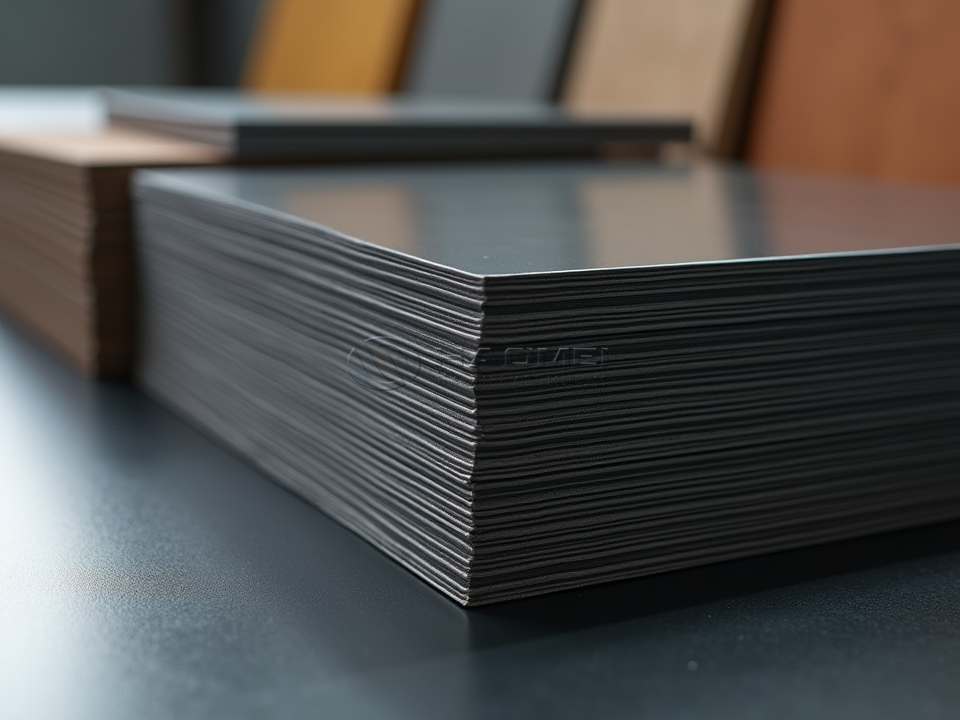
Think of black matte coated aluminum plate as a working surface, not a decorative afterthought. It hides small visual distractions, reduces glare, gives sharper contrast to nearby colors, and makes edges appear more refined. That is why it is seen in facade panels, appliance skins, exhibition systems, elevator interiors, ceiling panels, display fixtures, acoustic panels, machine covers, and modern signage.
What Makes Matte Black Different
The difference between black gloss and black matte is not simply shine. It comes from surface texture, pigment selection, coating thickness, curing control, and film uniformity. A quality matte finish should look deep and stable from different angles. Poor matte coating may appear cloudy, streaky, or uneven under side light.
For customers, the most useful way to judge matte black is to view it under the actual lighting of the project. A sample that looks perfect in an office may look warmer, cooler, flatter, or more reflective outdoors. If the plate will be used on a building facade, check it in sunlight. If it will be used in a retail store, check it under LED lighting. If it will be used near screens or lighting strips, check it for unwanted reflection.
A matte surface is usually described by gloss level, often measured at 60 degrees. Lower gloss gives a softer, more light-absorbing appearance. However, extremely low gloss may show rubbing marks more easily, so the best choice is not always the darkest-looking sample. The right balance depends on use.
Aluminum Under the Coating Matters
The coating gets most of the attention, but the aluminum base decides how the plate performs during cutting, bending, punching, and installation. Common base alloys for coated aluminum include 1100, 3003, 3004, 3105, 5005, and 5052, depending on strength, formability, corrosion resistance, and surface demand.
For flat decorative panels, 3003 and 3004 are frequently used because they combine good workability with reliable strength. For higher corrosion resistance or more demanding forming, 5052 may be preferred. For architectural panels where surface flatness and appearance matter, the base material should have consistent thickness, smooth surface quality, and stable mechanical properties.
When customers ask for black matte coated aluminum plate, they often mean sheet, coil-cut plate, or panel-ready material. In trade language, thickness and format matter more than the name. Thin gauges may be called sheet, while thicker flat material may be called plate. For purchasing, it is better to specify thickness, width, length, alloy, temper, coating type, color standard, gloss range, protective film, and tolerance.
Coating Systems: PE, PVDF, and Powder
Black matte coated aluminum plate can be produced with different coating systems. Each has its place.
PE coating is often selected for indoor panels, advertising boards, ceiling systems, and short-to-medium term decorative use. It offers good color options, smooth processing, and cost efficiency. For interior applications where weathering is not severe, PE matte black can be a practical choice.
PVDF coating is more suitable for exterior walls, roofing details, curtain wall panels, and projects exposed to sun, rain, heat, pollution, or coastal air. Outdoor black surfaces face a harder life than lighter colors because they absorb more heat. A durable resin system helps protect color, film integrity, and long-term appearance. For this reason, exterior buyers often compare matte black options with PVDF Coated Aluminum Sheet when service life is a major concern.
Powder coating can create a rich matte texture and strong film build, especially for fabricated parts. It is common for equipment shells, profiles, panels, and furniture parts. However, coil-coated aluminum offers excellent consistency and efficiency for large-area flat products.
A reliable Coated Aluminum Sheet selection should always match the coating system to the environment, not just to the color swatch.

Why Customers Choose Black Matte
Black matte coated aluminum plate works well because it supports other materials without competing with them. Beside glass, it looks precise. Beside wood, it looks modern. Beside stainless steel, it reduces visual noise. Beside stone, it adds contrast without feeling heavy.
In signage, matte black makes white letters, metallic logos, and illuminated edges appear sharper. In building interiors, it gives ceilings and wall panels a quiet technical character. In appliances and electronics, it suggests durability and restraint. In transport and machinery, it hides minor surface reflections and gives covers a cleaner industrial look.
There is also a practical benefit: matte black can reduce glare in areas where bright reflection is uncomfortable. This matters in retail displays, control rooms, vehicle interiors, stage structures, lighting housings, and exhibition booths.
The Honest Side of Matte Surfaces
Matte black is elegant, but it should be handled with care. Compared with lighter colors, it may reveal dust, chalk marks, hand oils, and abrasion more clearly. Compared with glossy finishes, it may be less forgiving when rubbed with rough cloth or dragged across hard surfaces.
This does not mean it is fragile. It means the surface should be treated as a finished product from the moment it leaves production. Protective film is recommended for fabrication and transport. Plates should be stored dry, clean, and separated from sharp particles. During processing, operators should avoid sliding sheets directly against each other. After installation, cleaning should use mild detergent, soft cloth, and clean water. Strong solvents, abrasive pads, and alkaline cleaners can damage the coating or change the gloss.
For projects requiring bending, the bend direction, inner radius, coating flexibility, alloy temper, and film thickness should be confirmed before mass production. A sample bending test is a simple step that prevents costly surprises.
Color Consistency Is a Purchasing Detail
Black sounds simple until multiple batches are installed side by side. Matte black can vary in undertone, with some batches looking slightly blue, brown, or charcoal under certain light. For large projects, batch control is important. Customers should request color matching by standard code or approved sample, define gloss range, and keep enough material from the same batch for visible areas.
If panels will be replaced later, keeping a signed sample and coating record helps. For facade work, viewing angle and installation direction also matter. Even when the color is correct, inconsistent panel orientation may create a visual difference because matte coatings scatter light in a controlled way.
Where It Performs Best
Black matte coated aluminum plate is especially suitable for aluminum composite panel skins, facade cassettes, curtain wall panels, suspended ceilings, decorative partitions, lighting reflectors with controlled reflection, shopfront panels, display shelves, appliance panels, vehicle interiors, elevator cabins, and machine enclosure panels.
It is not only for luxury design. It is useful wherever a dark, low-glare, lightweight, corrosion-resistant, and formable surface is needed. Aluminum keeps weight low, while the coating provides the visual and protective layer. This combination is why it often replaces painted steel, plastic sheet, and heavier decorative boards.
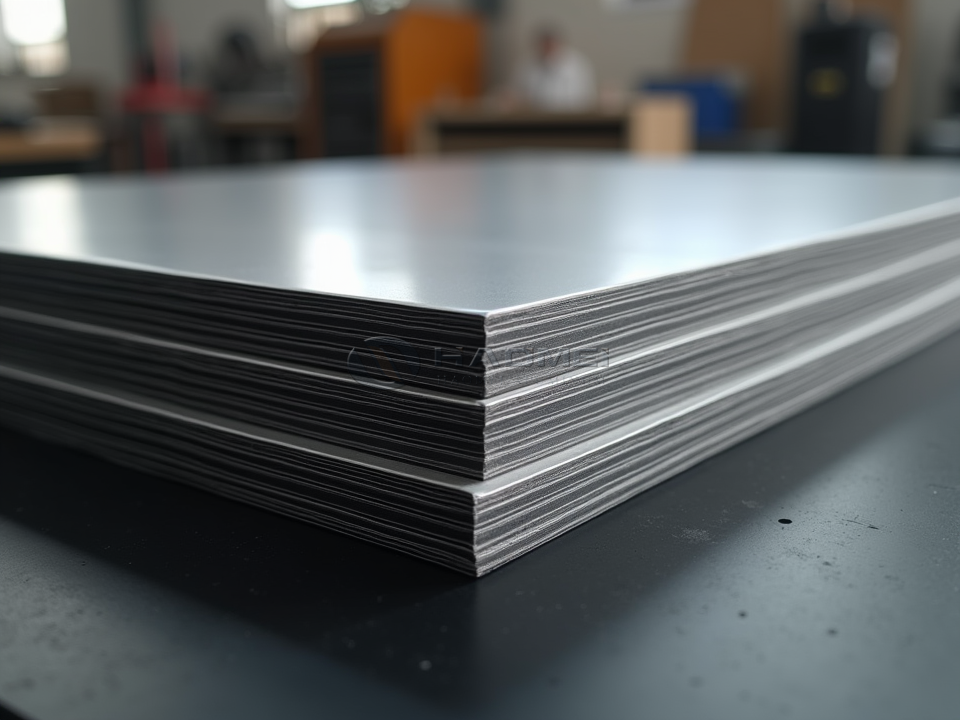
How to Specify It Clearly
A clear inquiry saves time and reduces risk. Instead of asking only for black matte coated aluminum plate, describe the real working conditions. Indoor or outdoor use should be stated. Required alloy and temper should be included if known. Thickness, width, length, coating type, gloss level, color reference, single-side or double-side coating, protective film, bending requirement, and packing method should be confirmed.
For outdoor architectural use, ask about coating warranty conditions, salt spray expectations, UV resistance, and project location. For indoor fabrication, ask about scratch resistance, forming ability, and surface cleaning. For signage, ask whether the surface will be printed, laminated, bonded, or routed.
A Surface That Changes the Mood of Metal
Aluminum is naturally light, workable, and resistant to rust. Matte black coating changes its emotional language. It makes aluminum feel quieter, more architectural, and more finished. The best black matte coated aluminum plate is not the one that looks darkest in a photo. It is the one that keeps its color, gloss, flatness, and surface quality through fabrication, installation, and daily use.
For customers, the smart decision begins with the setting: light, weather, touch, bending, cleaning, and service life. Once those details are clear, black matte coated aluminum plate becomes more than a beautiful material. It becomes a dependable surface that helps the whole project look intentional.