Durable Exterior Coated Aluminum Panel
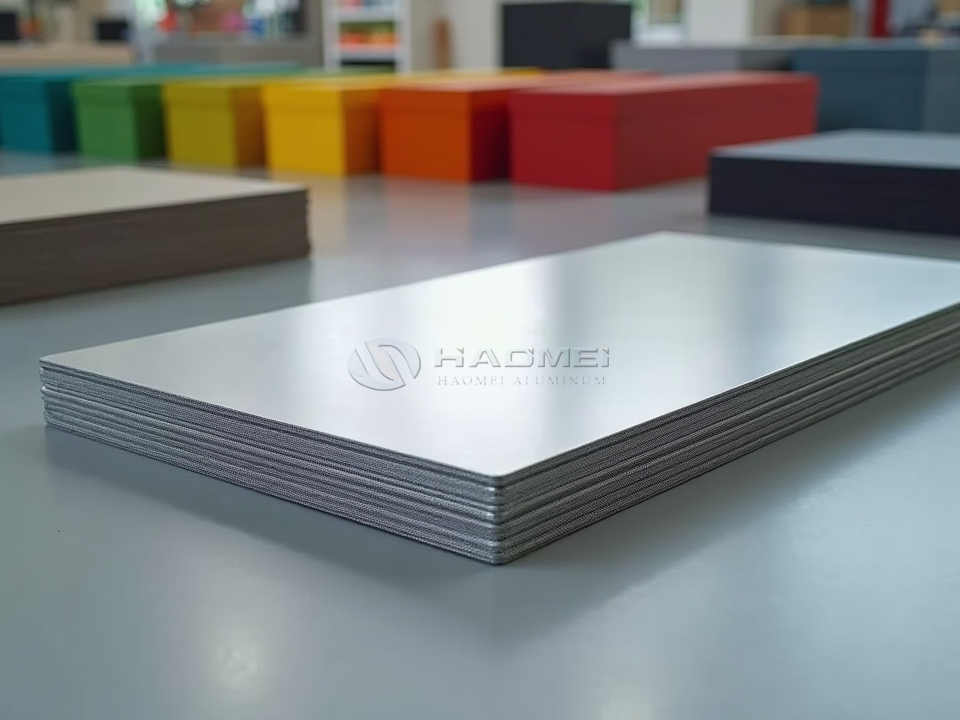
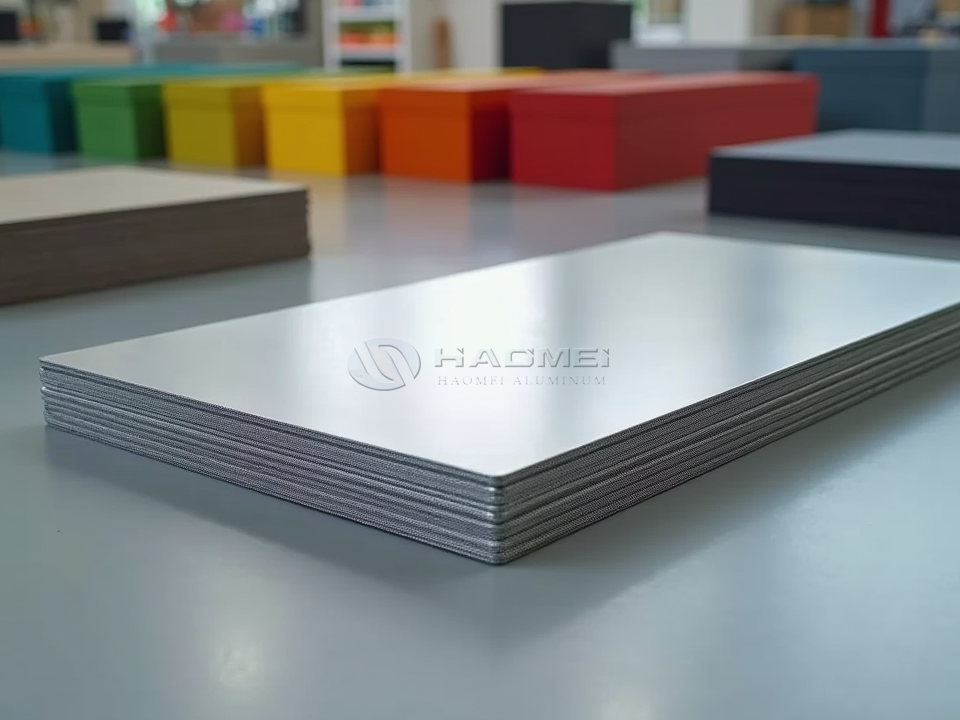
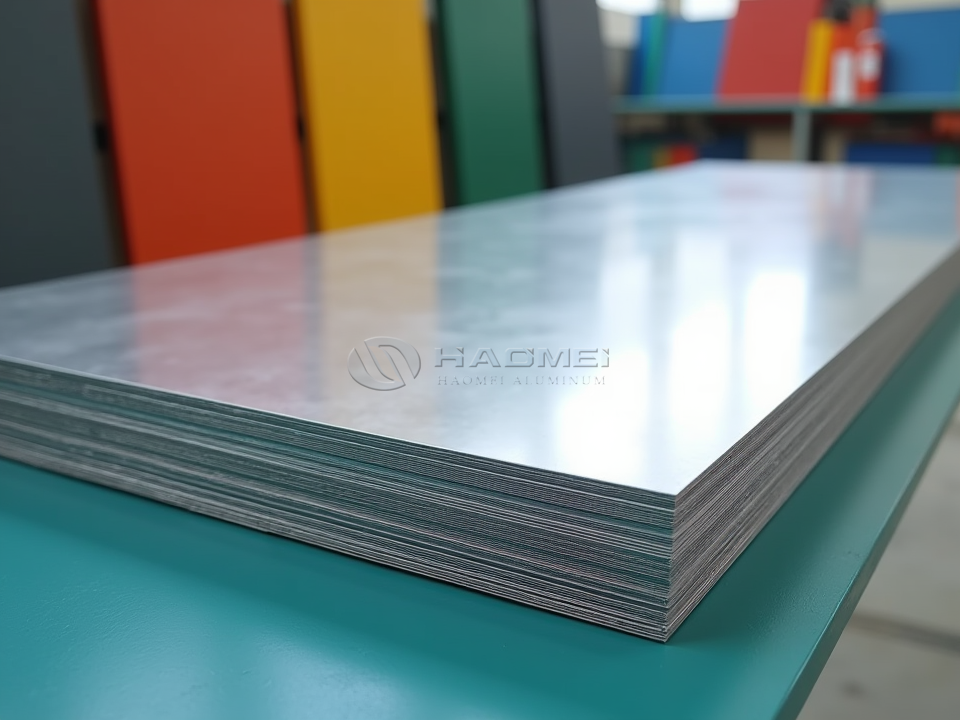
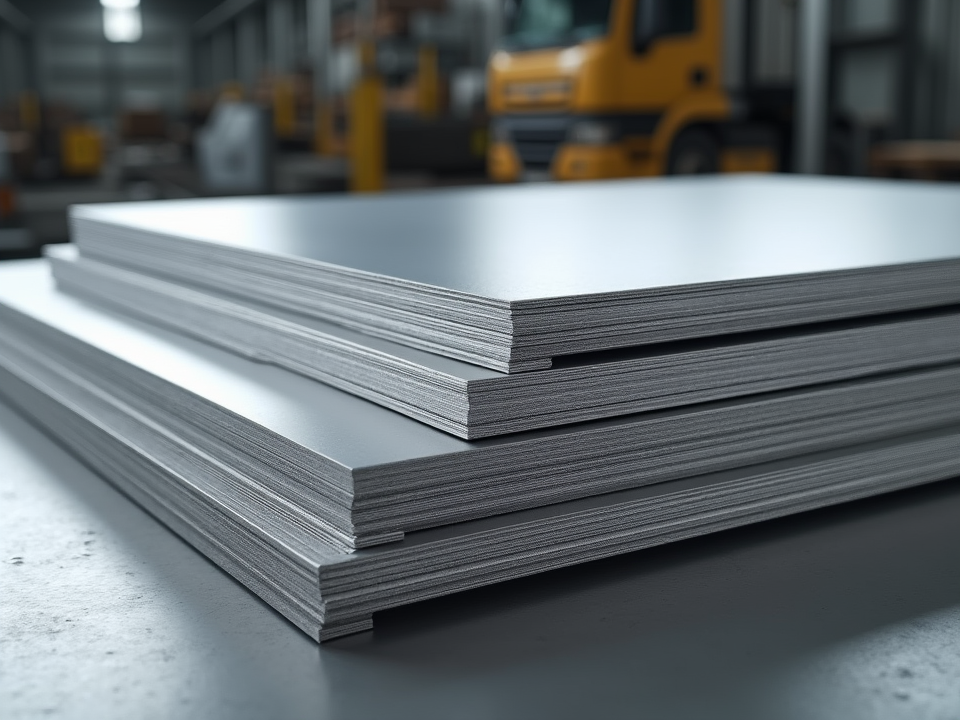
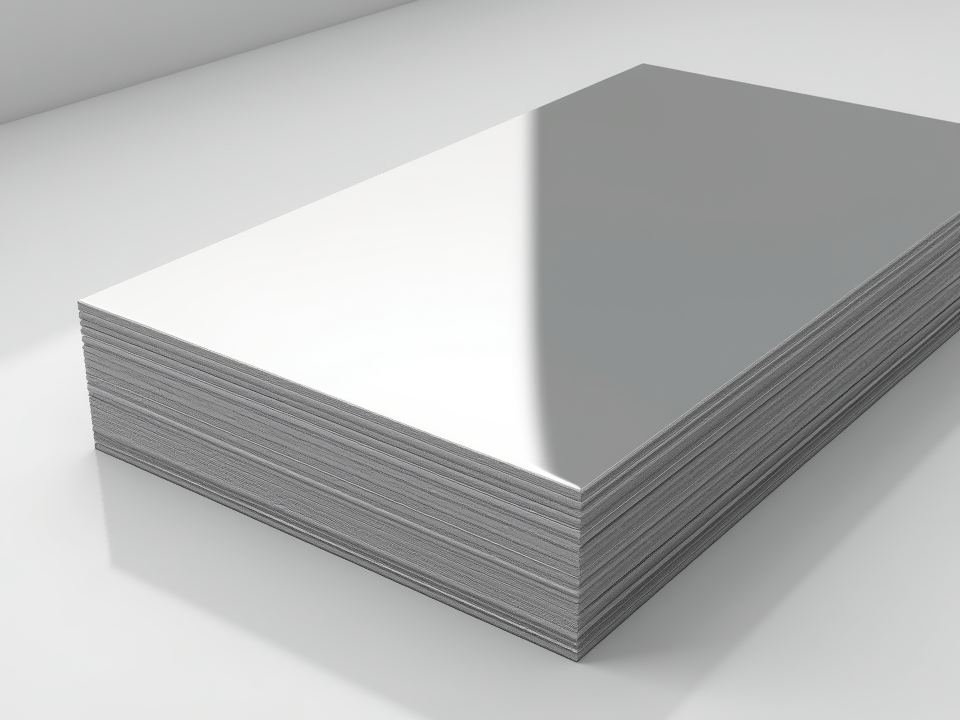
A durable exterior coated aluminum panel is engineered for architectural surfaces that must remain attractive and stable through sun, rain, wind, pollution, and temperature cycling. Combining a corrosion-resistant aluminum substrate with a factory-applied decorative coating, this material delivers a clean finished appearance while reducing maintenance demands for exterior building systems.
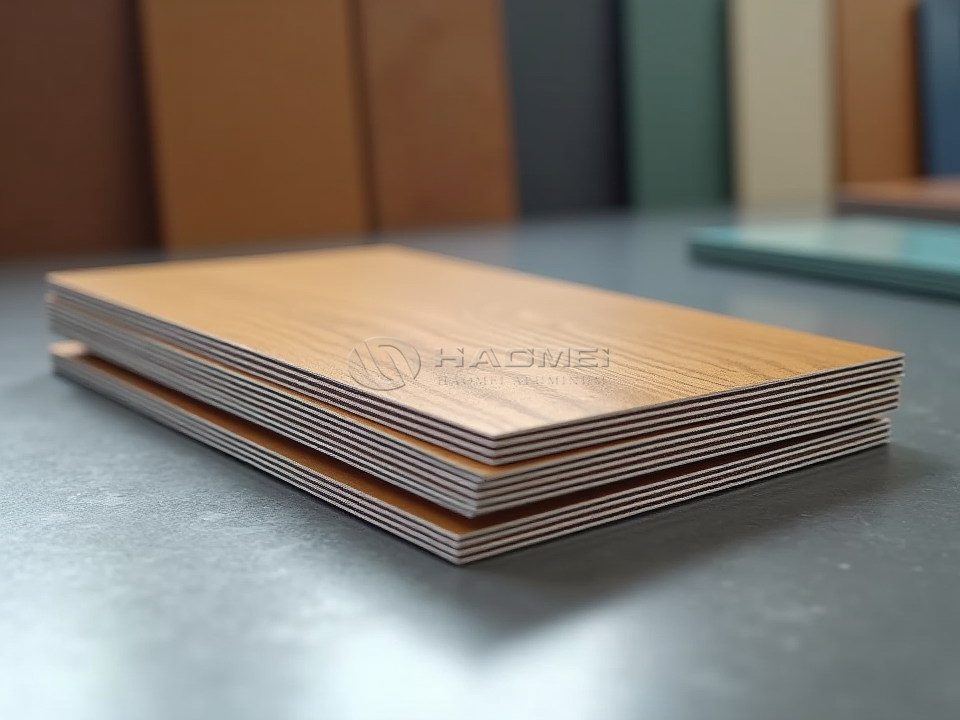
It is widely used for curtain walls, soffits, fascia boards, column covers, canopies, roofing edges, wall cladding, signage, transport equipment, and commercial storefronts. Panels can be supplied in solid colors, metallic finishes, matte surfaces, stone patterns, marble designs, wood grain effects, or customized color systems.
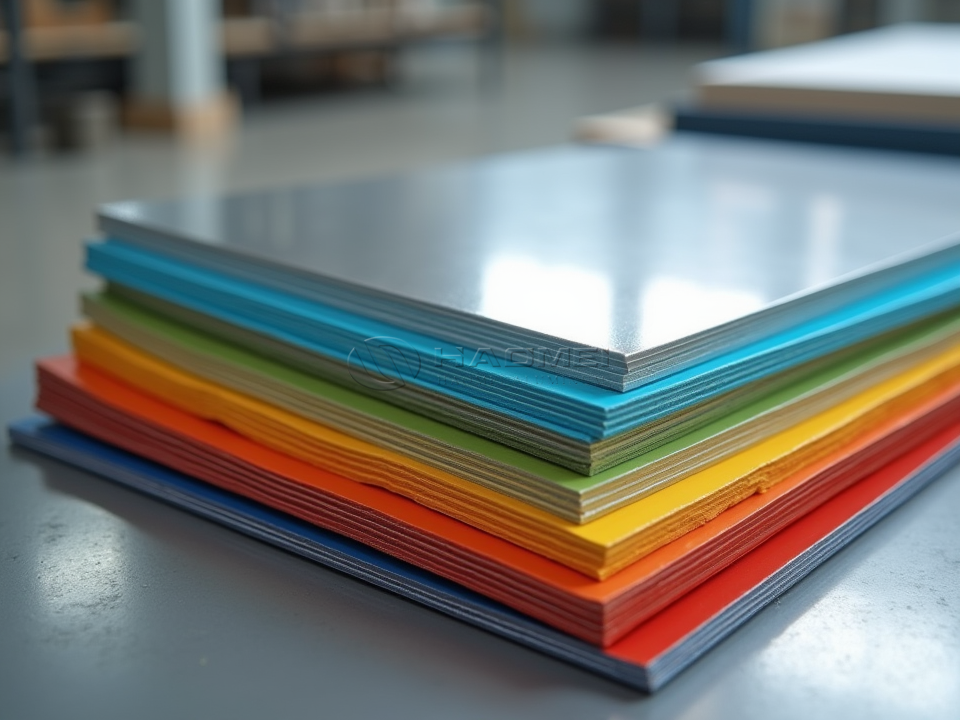
Built for Exterior Exposure
The aluminum substrate naturally forms a dense oxide film that helps resist corrosion. A coil-coated surface adds another protective barrier, shielding the metal from UV radiation, moisture, airborne salts, industrial pollutants, and daily abrasion during handling and installation.
For demanding facades, fluorocarbon coating systems provide strong color retention and gloss stability. Polyester and modified polyester systems offer an economical choice for less severe exterior conditions, protected areas, and projects where a broad color range is required.
| Performance Feature | Exterior Value | Customer Benefit |
|---|---|---|
| Low density | Approximately one-third the weight of steel | Easier transport, lifting, and support-frame design |
| Corrosion resistance | Aluminum oxide layer plus organic coating | Dependable use in wet, urban, and many coastal environments |
| UV resistance | Available with high-weatherability PVDF finish | Reduced fading, chalking, and surface aging |
| Formability | Suitable for bending, roll forming, stamping, and profiling | Supports customized architectural shapes |
| Decorative flexibility | Solid, metallic, textured, wood, stone, and marble patterns | Matches modern and traditional design concepts |
| Recyclability | Aluminum can be repeatedly recycled | Supports resource-efficient construction |
Aluminum Alloy and Chemical Composition
Exterior coated aluminum panels are commonly produced from 3003, 3105, or similar aluminum-manganese alloy sheet. These grades balance strength, formability, coating adhesion, and corrosion resistance. Exact composition can be adjusted according to applicable standards, thickness, temper, panel design, and fabrication requirements.
| Element | Typical 3105 Alloy Range, % by Weight | Function in the Panel |
|---|---|---|
| Aluminum, Al | Balance | Provides light weight and inherent corrosion resistance |
| Manganese, Mn | 0.30-0.80 | Improves strength and durability |
| Magnesium, Mg | 0.20-0.80 | Supports mechanical performance and corrosion behavior |
| Iron, Fe | Max. 0.70 | Controlled residual element |
| Silicon, Si | Max. 0.60 | Controlled residual element |
| Copper, Cu | Max. 0.30 | Limited to maintain corrosion resistance |
| Zinc, Zn | Max. 0.40 | Controlled residual element |
| Other elements | Max. 0.05 each | Maintained within alloy specifications |
Technical Specifications
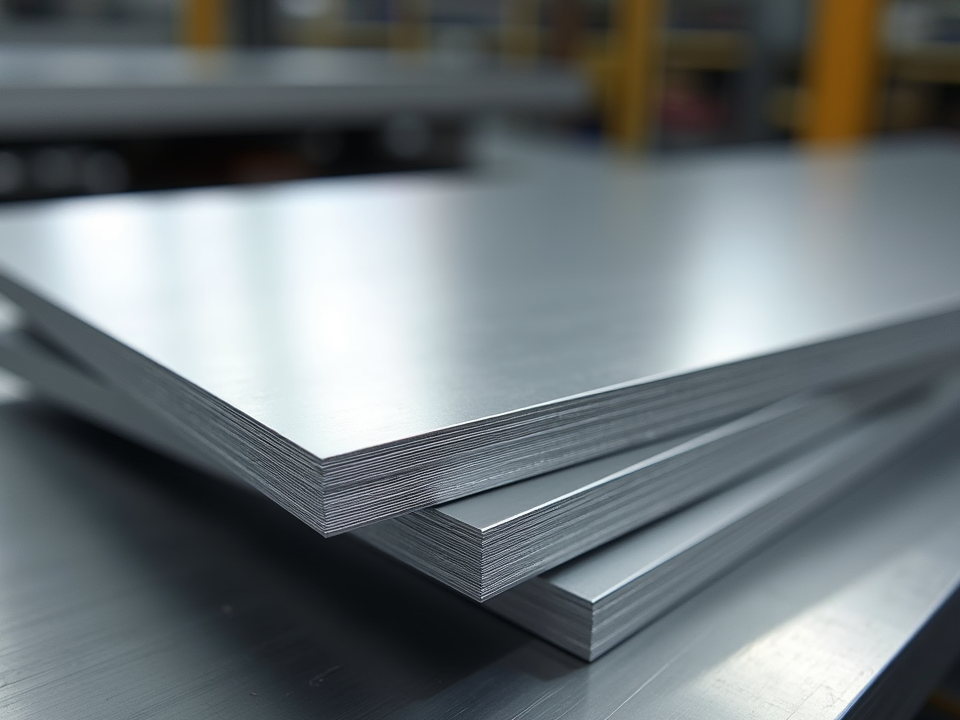
The panel can be produced as painted coil, flat sheet, slit strip, embossed sheet, corrugated profile, or fabricated cladding component. A protective film may be applied to the visible face to help prevent scratches during fabrication and installation.
| Parameter | Standard Supply Range | Custom Possibilities |
|---|---|---|
| Base alloy | 3003, 3105, 3004 | Selected according to design and forming demand |
| Temper | H14, H16, H18, H24, H26 | Matched to bending radius and required rigidity |
| Thickness | 0.30-3.00 mm | Heavier gauges available for specialized panels |
| Width | 600-1,650 mm | Slitting and cut-to-width service available |
| Length | Coil or cut sheet | Project-specific sheet lengths |
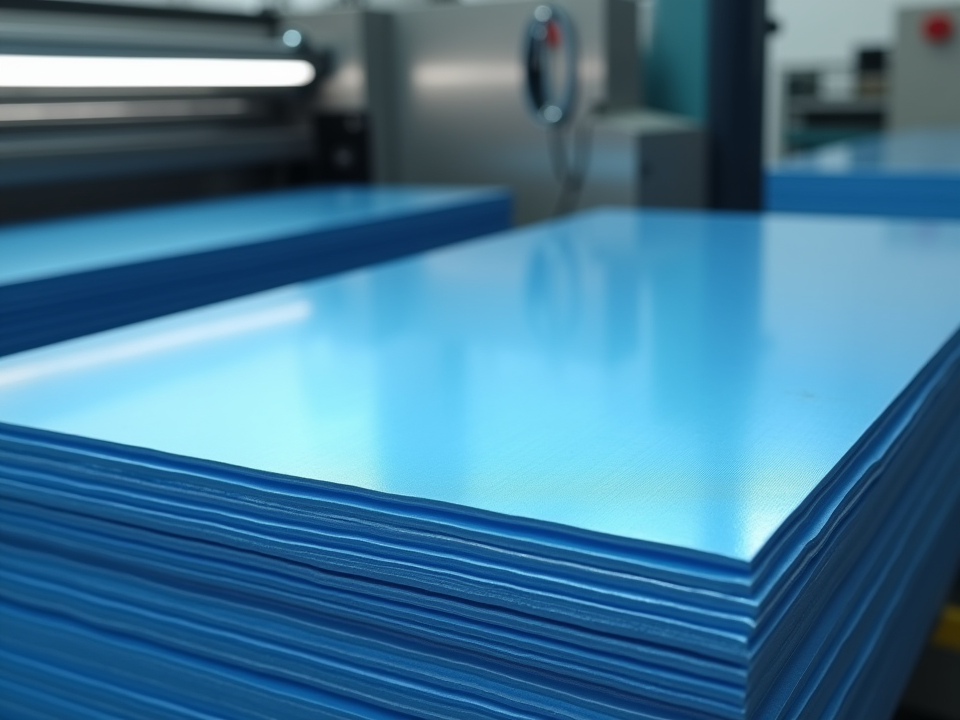
| Front coating | PE, HDP, SMP, PVDF, powder coating | Color, gloss, texture, and weatherability options |
| Coating thickness | 18-35 μm typical | Multi-layer systems for severe exposure |
| Back coating | 5-10 μm typical | Enhanced back-side protection available |
| Surface finish | Gloss, matte, brushed, embossed, printed | Wood, stone, marble, and custom patterns |
| Protective film | Optional | Laser-cutting, bending, and installation protection |
For facade projects requiring long service life, a PVDF Coated Aluminum Sheet is often selected because its fluoropolymer finish performs well under prolonged UV exposure and fluctuating weather conditions.
Mechanical Properties and Fabrication Behavior
Mechanical values depend on alloy, temper, thickness, and production standard. The figures shown are common reference values for 3105-H24 sheet used in coated architectural applications.
| Mechanical Property | Typical Value | Practical Meaning |
|---|---|---|
| Tensile strength | 150-200 MPa | Resists pulling loads during handling and service |
| Yield strength | 110-170 MPa | Helps maintain panel shape after forming |
| Elongation | 3-10% | Allows controlled bending and profiling |
| Density | 2.73 g/cm³ | Reduces dead load on building structures |
| Elastic modulus | Approximately 69 GPa | Provides predictable stiffness in panel design |
| Melting range | Approximately 630-655°C | Suitable for normal architectural temperature conditions |
The material can be sheared, punched, folded, routed, riveted, bonded, and roll formed. To protect the coating during fabrication, use clean tools, suitable bending radii, non-marking support surfaces, and compatible sealants. Avoid direct contact with wet cement, strong alkalis, copper, untreated steel filings, or dissimilar metals that may create galvanic corrosion in damp conditions.
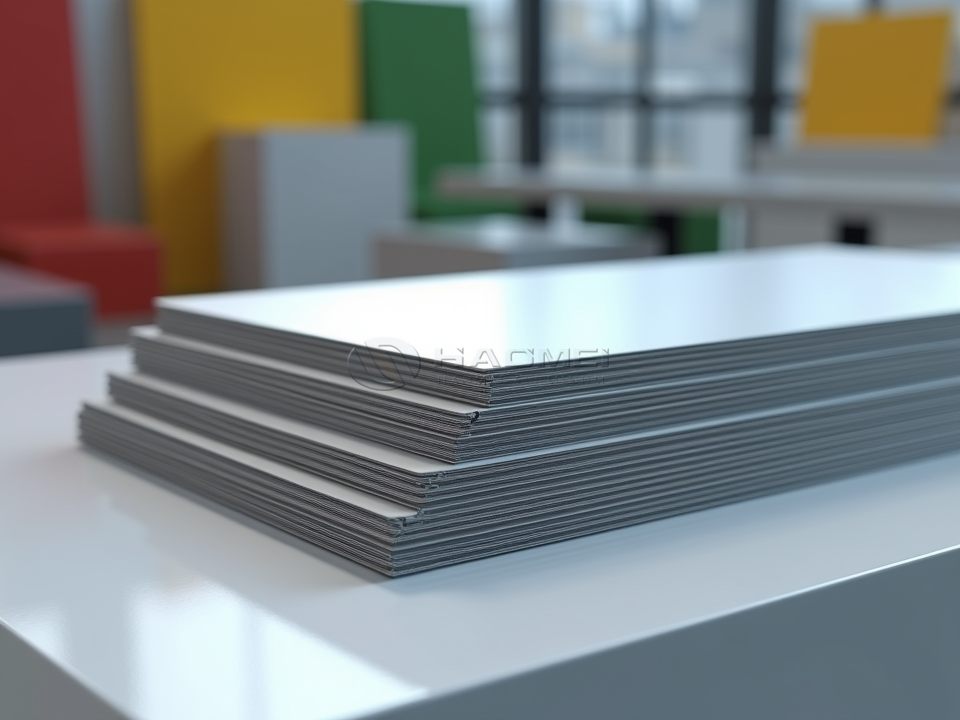
Coating Systems for Different Environments
| Coating Type | Typical Exterior Suitability | Recommended Applications |
|---|---|---|
| PE polyester | Moderate weather exposure | Shop fronts, soffits, sheltered cladding, interior-exterior transition areas |
| HDP polyester | Improved UV and color durability | Residential facades, retail buildings, standard wall panels |
| SMP silicon-modified polyester | Strong hardness and weather resistance | Roofing trims, industrial envelopes, exterior profiles |
| PVDF fluorocarbon | High weatherability and chemical resistance | Curtain walls, airports, towers, coastal and high-UV locations |
| Powder coating | Durable textured or smooth finish | Fabricated panels, frames, trims, and architectural components |
Color and gloss should be selected with the building orientation in mind. Dark shades absorb more heat and may show greater thermal movement, while light shades can support cooler facade surfaces and often reduce visible dust accumulation. Metallic finishes require consistent batch control and installation direction to maintain a uniform visual effect.
Application Possibilities
Durable exterior coated aluminum panels give architects and fabricators a versatile skin for building envelopes. Common use cases include:
- Ventilated rainscreen cladding for offices, hotels, schools, and public buildings
- Curtain wall spandrels, infill panels, and decorative facade bands
- Roof edge flashings, gutter systems, fascia, and canopy surfaces
- Balconies, parapet covers, sunshades, louvers, and privacy screens
- Exterior doors, garage panels, storefront signs, and display structures
- Lightweight wall systems for modular buildings and prefabricated units
- Decorative panels using wood grain, stone grain, marble, or matte black finishes
For roof-adjacent details and weather-exposed profile systems, Coated Aluminum Sheet for Roofing provides a compatible material option for trims, flashing, and formed roofing components.
Long-Term Value for Building Projects
A durable exterior coated aluminum panel reduces structural weight while providing a stable, refined, and weather-resistant exterior finish. Its prefinished surface eliminates much of the on-site painting work, supports faster fabrication, and gives designers broad control over color, texture, and panel geometry.
With the right alloy, coating grade, thickness, and installation detailing, coated aluminum can provide dependable facade performance for many years. Proper drainage, ventilation gaps, compatible fasteners, sealed cut edges where needed, and periodic cleaning will help preserve appearance and extend service life in challenging exterior environments.