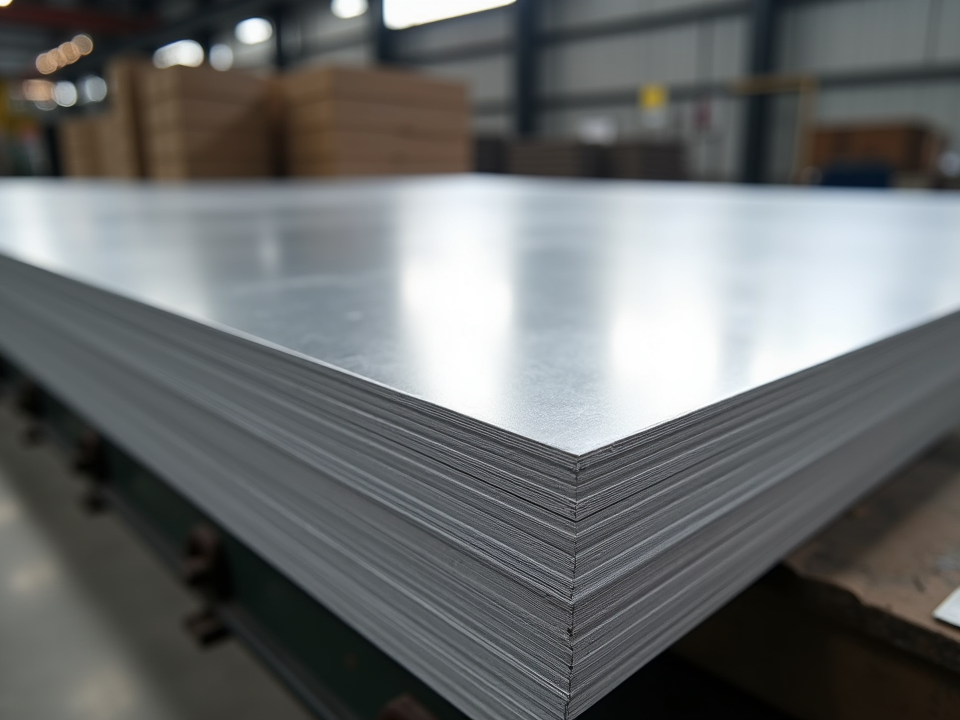
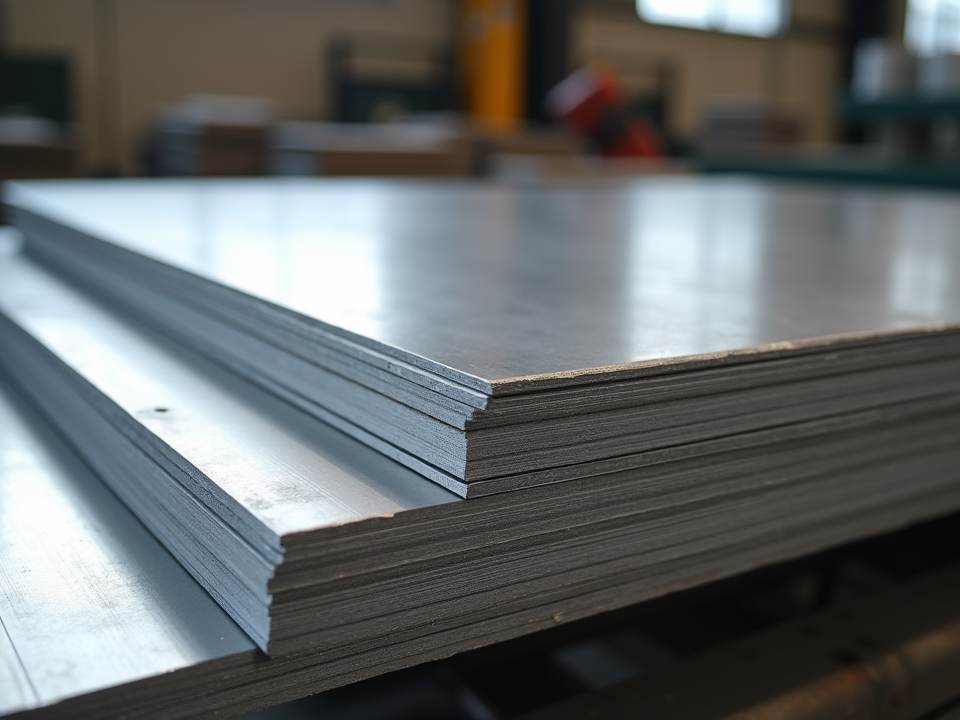
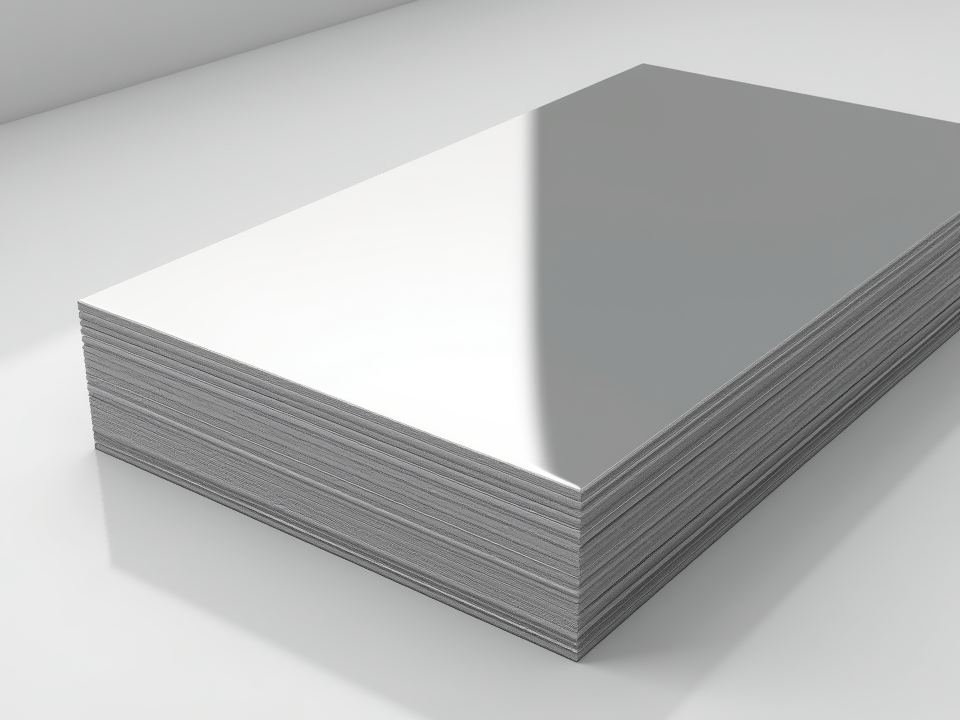
Metallic Paint Coated Aluminum Sheet
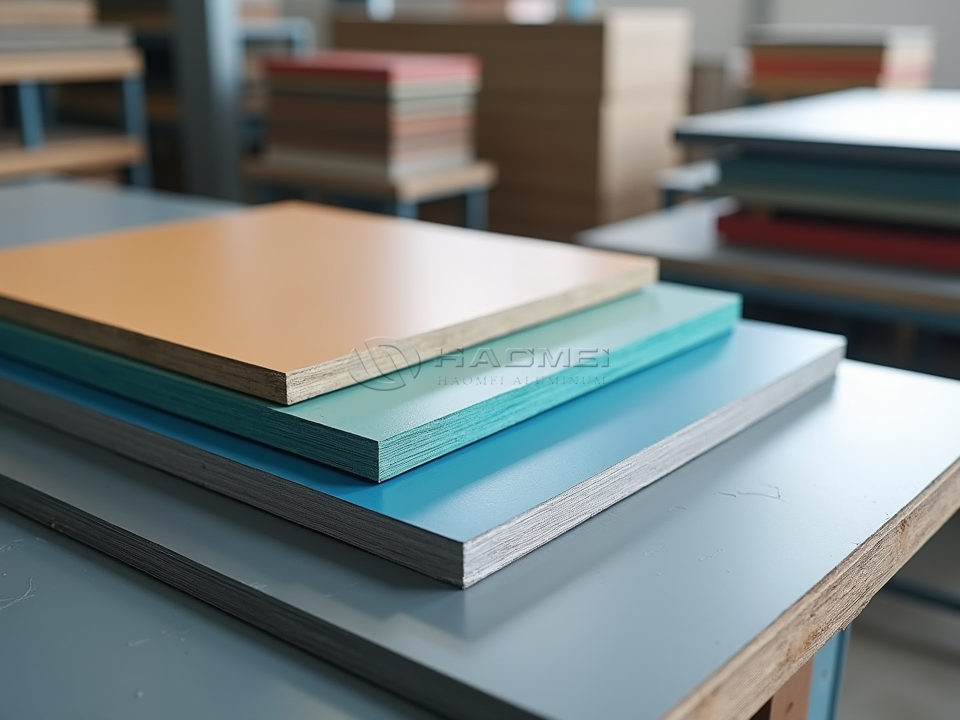
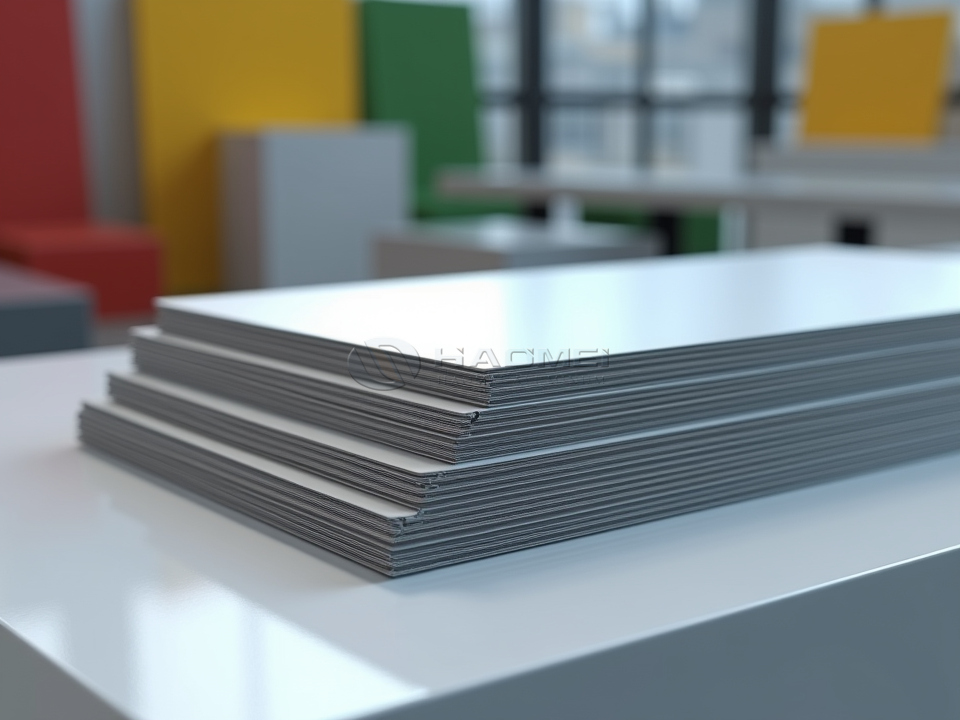
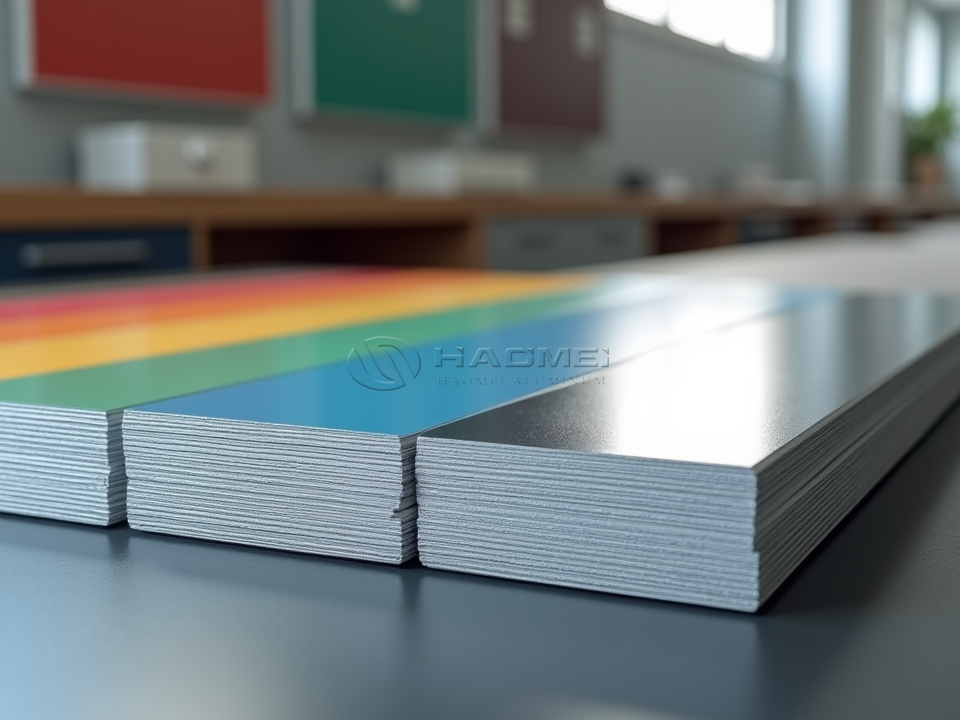
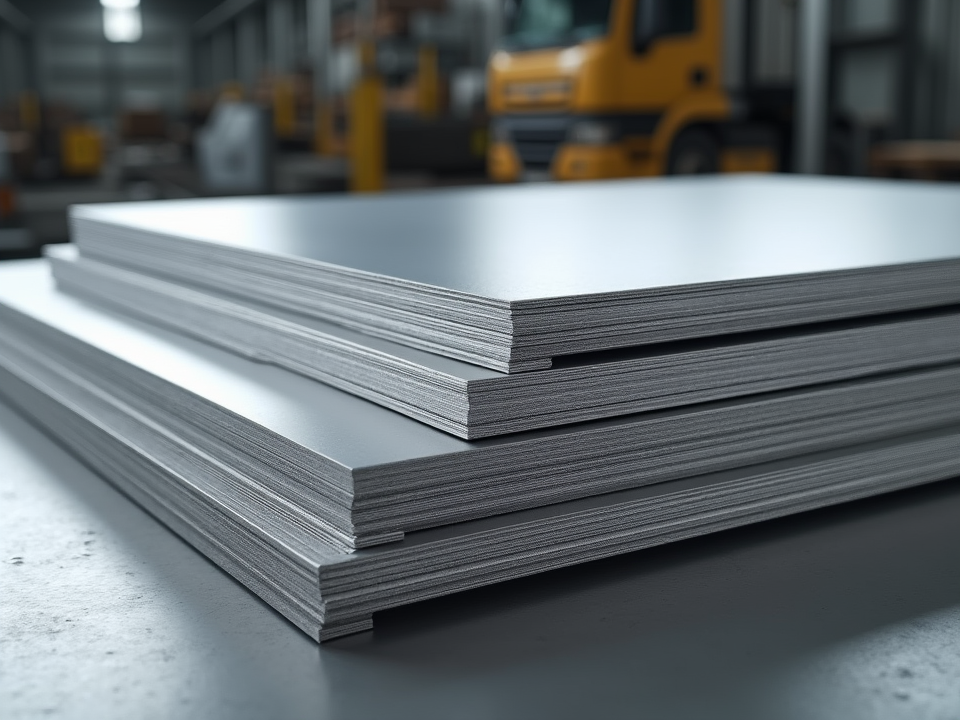
Metallic paint coated aluminum sheet is a pre-finished aluminum product designed to deliver the visual depth of metal flake paint with the light weight, corrosion resistance, and workability of aluminum sheet. It is produced by applying a controlled primer, metallic color coat, and protective clear coat onto cleaned and chemically pretreated aluminum coil or sheet. The result is a smooth, reflective, color-stable surface suitable for modern architecture, interior decoration, transport panels, ceiling systems, signage, and appliance panels.
Unlike ordinary solid-color coating, metallic paint contains fine aluminum or mica-effect pigments that reflect light from different angles. This creates a lively surface with subtle brightness, depth, and premium appearance. For outdoor projects exposed to rain, ultraviolet light, salt air, and temperature cycling, PVDF metallic coating is commonly preferred. For interior and general decorative use, PE metallic coating offers an economical and attractive option.
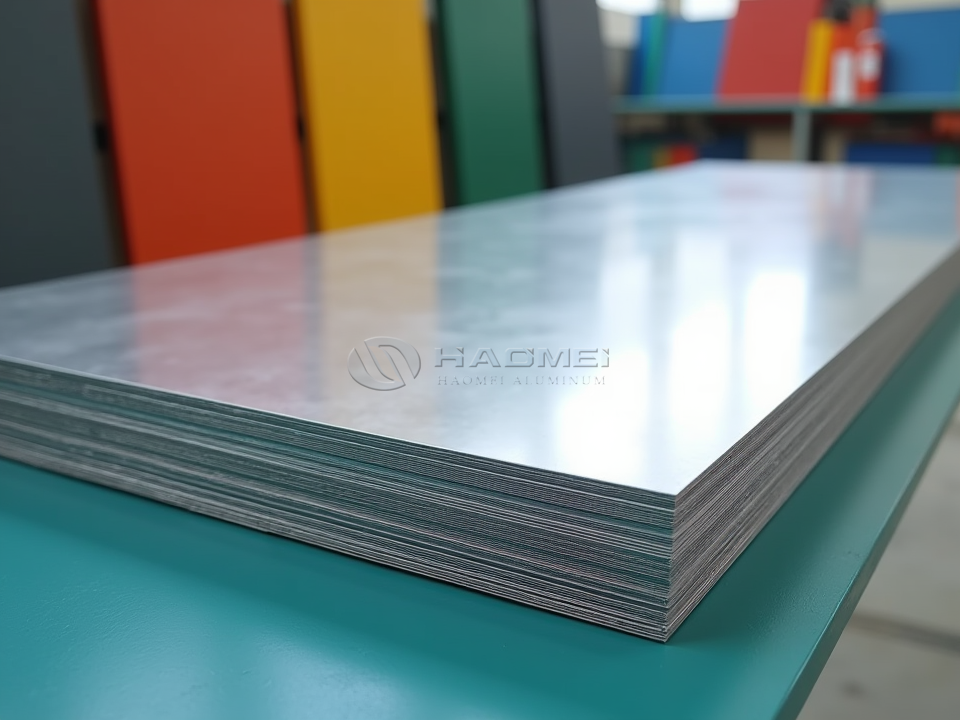
Product Character
Metallic paint coated aluminum sheet combines decorative value with industrial practicality. It can be cut, slit, bent, stamped, roll-formed, laminated, and fabricated into flat or shaped panels without needing post-painting. This reduces processing time, improves color consistency, and helps keep production areas cleaner.
| Feature | Customer Benefit |
|---|---|
| Metallic visual effect | Bright, premium appearance with angle-dependent reflection |
| Lightweight aluminum base | Easier handling and lower structural load than steel |
| PVDF or PE coating options | Suitable for exterior durability or interior economy |
| Smooth coated surface | Ready for panel forming, signage, ceiling, and cladding use |
| Good corrosion resistance | Performs well in humid, urban, and mild industrial environments |
| Stable batch color | Supports continuous facade and panel production |
| Recyclable metal base | Lower material waste and better end-of-life recovery |
For projects needing long-term weathering performance, a metallic PVDF Coated Aluminum Sheet is often selected because the fluorocarbon resin provides stronger resistance to UV degradation and chalking.
Common Alloy and Temper Selection
The substrate must balance strength, flatness, formability, and corrosion behavior. Aluminum 3003 and 3105 are widely used for general coated sheet applications. Aluminum 5005 is preferred when better anodizing-like appearance, surface quality, and architectural stability are required. Aluminum 5052 provides higher strength and improved marine corrosion resistance.
| Alloy | Typical Temper | Main Use | Strength Level | Formability |
|---|---|---|---|---|
| 3003 | H14, H24 | Ceiling, signage, decoration | Medium | Excellent |
| 3004 | H24, H26 | Roofing, wall panels, formed parts | Medium-high | Good |
| 3105 | H24, H26 | Building panels, gutters, rolling shutter | Medium | Good |
| 5005 | H34, H44 | Facade, curtain wall, premium panels | Medium | Good |
| 5052 | H32, H34 | Transport, marine-related panels, stronger parts | High | Moderate-good |
Typical Chemical Composition
Values vary by aluminum standard and purchase specification. The table gives common reference ranges for frequently used alloys in coated aluminum sheet production.
| Alloy | Si % | Fe % | Cu % | Mn % | Mg % | Zn % | Al % |
|---|---|---|---|---|---|---|---|
| 3003 | 0.60 max | 0.70 max | 0.05-0.20 | 1.00-1.50 | - | 0.10 max | Balance |
| 3004 | 0.30 max | 0.70 max | 0.25 max | 1.00-1.50 | 0.80-1.30 | 0.25 max | Balance |
| 3105 | 0.60 max | 0.70 max | 0.30 max | 0.30-0.80 | 0.20-0.80 | 0.40 max | Balance |
| 5005 | 0.30 max | 0.70 max | 0.20 max | 0.20 max | 0.50-1.10 | 0.25 max | Balance |
| 5052 | 0.25 max | 0.40 max | 0.10 max | 0.10 max | 2.20-2.80 | 0.10 max | Balance |
Technical Specifications
Metallic coated aluminum can be supplied as sheet, coil, strip, or cut-to-length blanks. Exact tolerances depend on alloy, thickness, width, and order quantity.
| Parameter | Typical Range |
|---|---|
| Thickness | 0.20-3.00 mm |
| Width | 600-1600 mm, wider widths by project review |
| Length | 1000-6000 mm for sheets, coil form available |
| Coating type | PE, HDPE, SMP, PVDF, FEVE by request |
| Top coating thickness | 18-35 microns typical |
| Back coating thickness | 5-15 microns typical |
| Gloss | 10-80 GU, depending on finish design |
| Color | Silver, champagne, bronze, gold, grey, copper, custom metallic tones |
| Surface finish | Smooth, matte metallic, high-gloss metallic, fine texture |
| Protective film | Optional, 40-80 microns typical |
| Coil ID | 405 mm, 505 mm, 508 mm |
| Standard packaging | Wooden pallet, eye-to-wall or eye-to-sky coil packing |
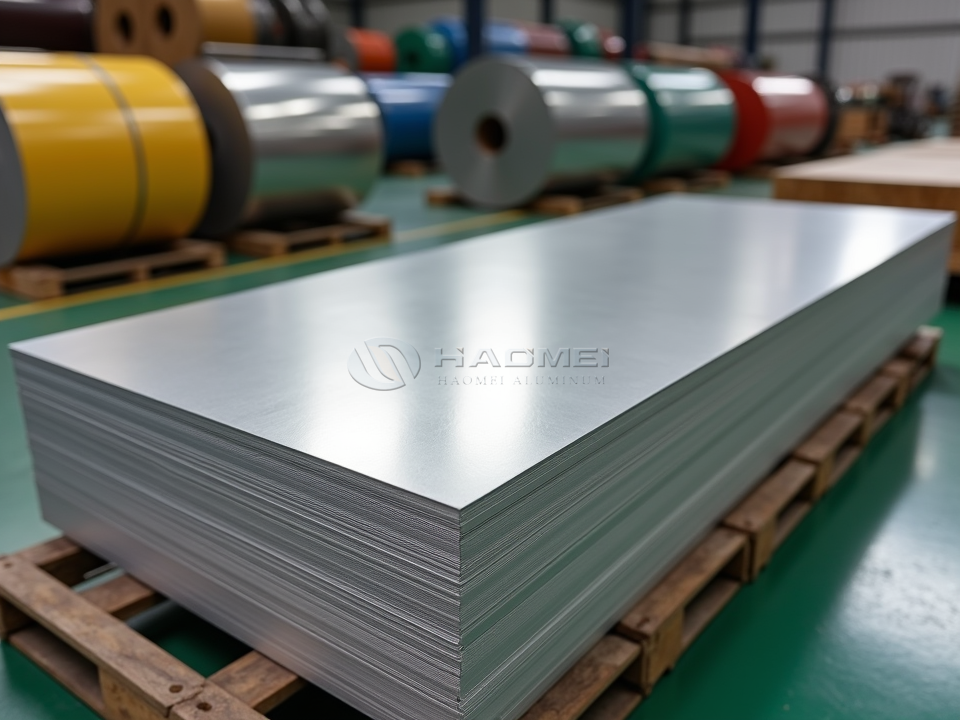
Coating System and Performance
A stable metallic finish depends on coating formulation, pigment orientation, curing temperature, and line speed. During production, metallic pigments must lie evenly inside the paint film; otherwise, the surface may show shade drift, clouding, or inconsistent sparkle. High-quality coil coating lines control film thickness, oven temperature, tension, and leveling to keep the metallic effect uniform across the sheet.
| Coating Layer | Function | Typical Thickness |
|---|---|---|
| Pretreatment film | Improves paint adhesion and corrosion resistance | Nano-level chemical layer |
| Primer | Bonds coating to aluminum and enhances durability | 5-8 microns |
| Metallic color coat | Provides color, reflection, and weather protection | 15-25 microns |
| Clear coat, optional | Improves depth, stain resistance, and metallic pigment protection | 5-12 microns |
| Back coat | Protects reverse side and supports bonding or forming | 5-15 microns |
| Test Item | PE Metallic Coating | PVDF Metallic Coating |
|---|---|---|
| Pencil hardness | HB-2H | HB-2H |
| T-bend performance | 1T-3T typical | 1T-3T typical |
| Adhesion | Grade 0-1 | Grade 0-1 |
| Salt spray resistance | 500-1000 hours | 1000-2000 hours |
| UV resistance | Good for indoor and mild outdoor use | Excellent for exterior use |
| Expected service life | 5-10 years typical | 15-25 years typical |
Applications
Metallic paint coated aluminum sheet is used where design impact and reliable processing are both important. The material is common in architectural envelopes because it gives large panel areas a refined metallic tone without the weight and cost of solid metal plates.
| Application | Recommended Alloy | Recommended Coating | Reason |
|---|---|---|---|
| Curtain wall panel | 5005, 3004 | PVDF metallic | Weatherability and stable appearance |
| Aluminum composite panel skin | 3003, 3105 | PVDF or PE | Flatness, bonding, consistent color |
| Interior ceiling | 3003, 3105 | PE metallic | Good decoration at controlled cost |
| Signage and display board | 3003, 5005 | PE or PVDF | Clean color, easy fabrication |
| Roofing and wall cladding | 3004, 3105 | PVDF metallic | Outdoor durability and corrosion resistance |
| Elevator and appliance panel | 5005, 5052 | PE, FEVE, clear-coated metallic | Scratch resistance and premium visual effect |
| Transport body panel | 5052, 3004 | PVDF or high-durability polyester | Strength and lightweight performance |
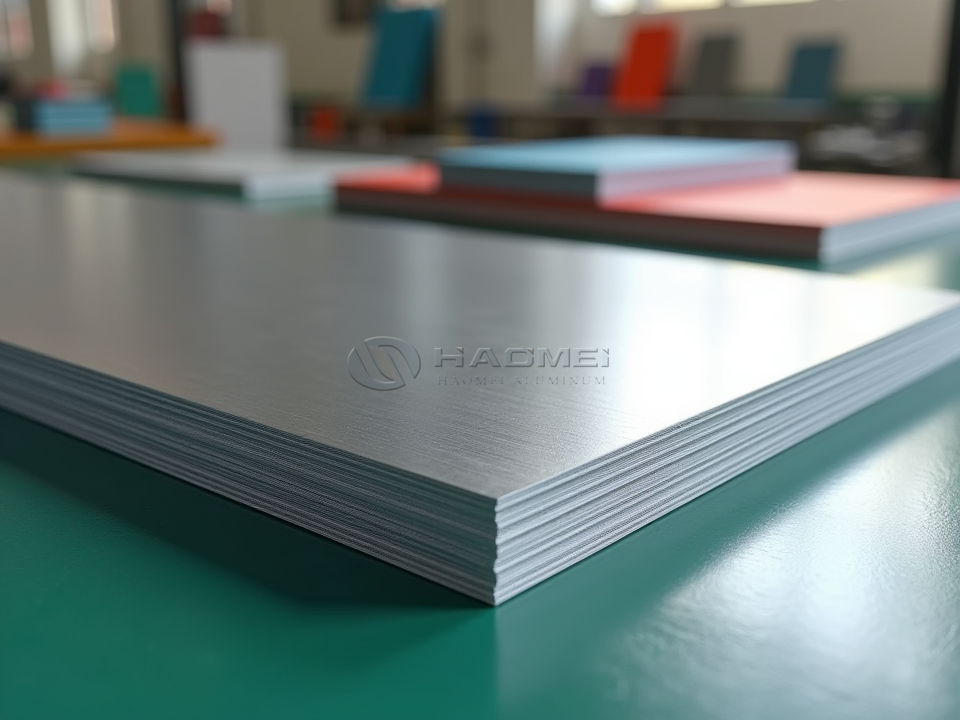
Fabrication Notes
Metallic coated aluminum sheet should be processed with clean tools, correct bending radius, and controlled forming direction. When panels are installed side by side, sheets from the same production batch should be used on the same visible elevation to reduce natural shade variation. The arrow mark on protective film or coil label should be followed because metallic pigments reflect light directionally.
| Fabrication Item | Practical Recommendation |
|---|---|
| Cutting | Use sharp blades and avoid dragging chips across the coated face |
| Bending | Keep coating outside when possible and follow minimum T-bend guidance |
| Drilling | Remove burrs to prevent coating damage around holes |
| Film removal | Remove soon after installation, especially under sunlight exposure |
| Storage | Keep dry, ventilated, and away from acidic or alkaline materials |
| Installation direction | Maintain same coating direction for all visible panels |
Quality Control Points
Reliable metallic coated aluminum depends on both the aluminum substrate and coating process. Buyers should confirm surface flatness, coating thickness, adhesion, color difference, gloss, mechanical properties, and packaging protection before shipment.
| Inspection Item | Typical Control Method |
|---|---|
| Color difference | Spectrophotometer, visual check under standard light |
| Coating thickness | Eddy current thickness gauge |
| Gloss | 60 degree gloss meter |
| Adhesion | Cross-cut test with tape pull |
| Flexibility | T-bend or impact test |
| Surface defects | Visual inspection for scratches, pinholes, bubbles, and streaks |
| Dimensional tolerance | Micrometer, tape measure, width and length gauges |
Ordering Information
To receive a precise quotation, customers should provide alloy, temper, thickness, width, length or coil weight, coating type, color sample or RAL number, gloss level, protective film requirement, application environment, and annual demand. For facade projects, sample approval under natural daylight is strongly recommended because metallic color changes with viewing angle and light condition.
Metallic paint coated aluminum sheet offers a strong combination of design appeal, light weight, corrosion resistance, and efficient fabrication. With the right alloy, coating resin, and quality control standard, it becomes a dependable material for architectural panels, decorative systems, signage, ceilings, roofing, and high-value industrial surfaces.