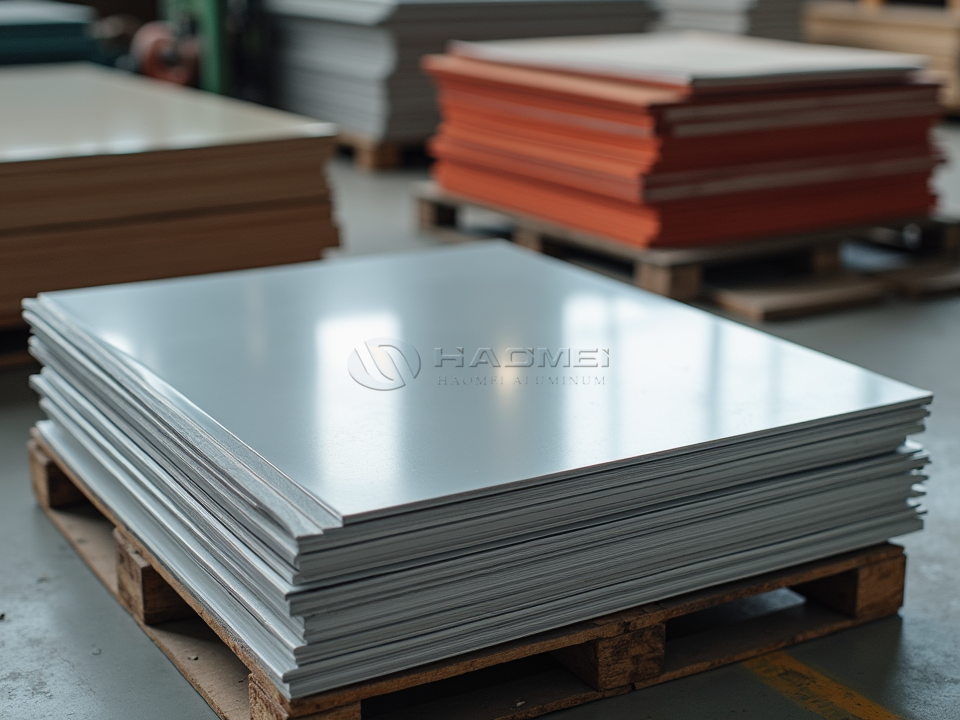
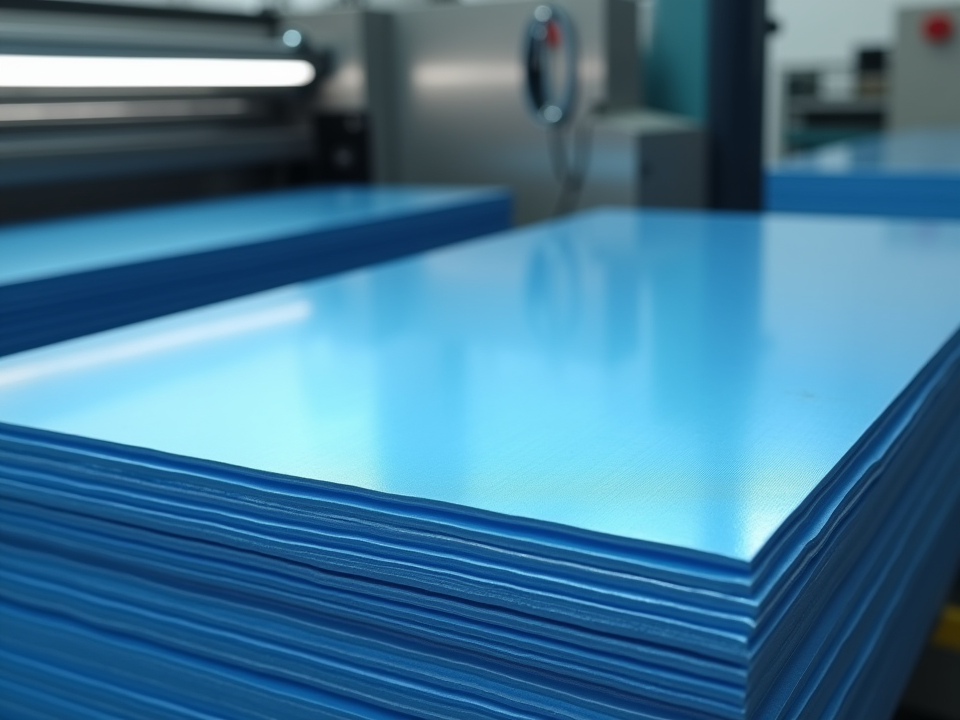
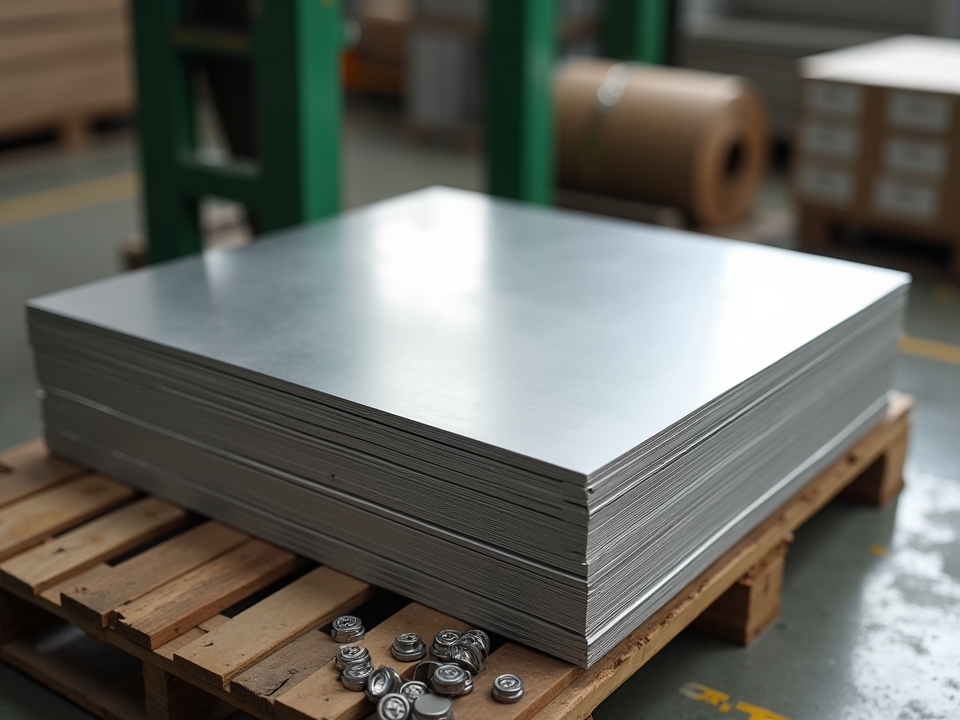
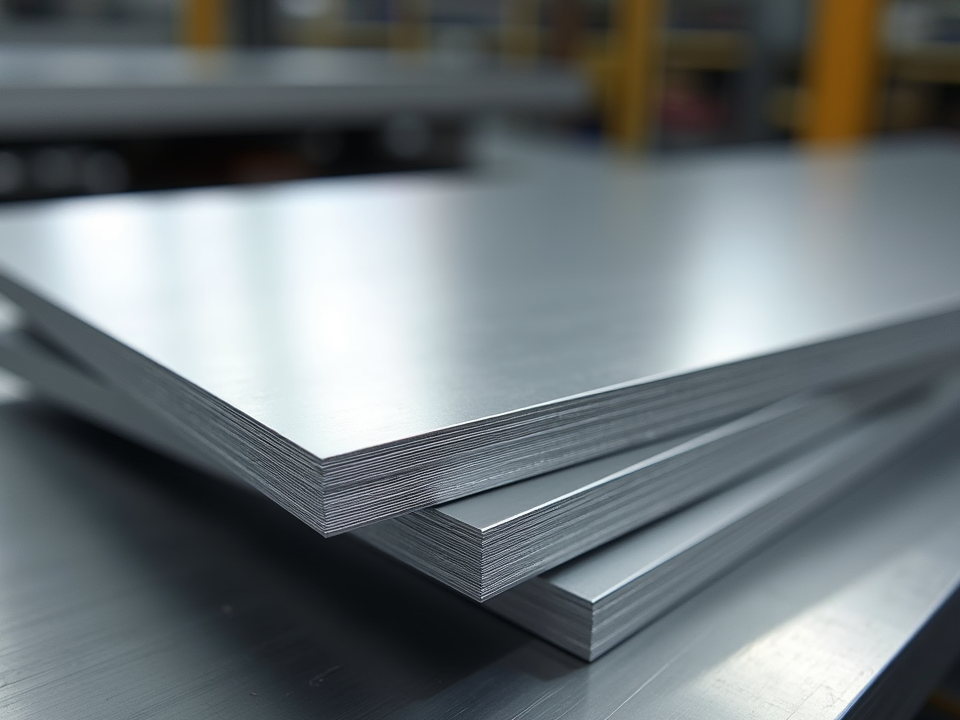
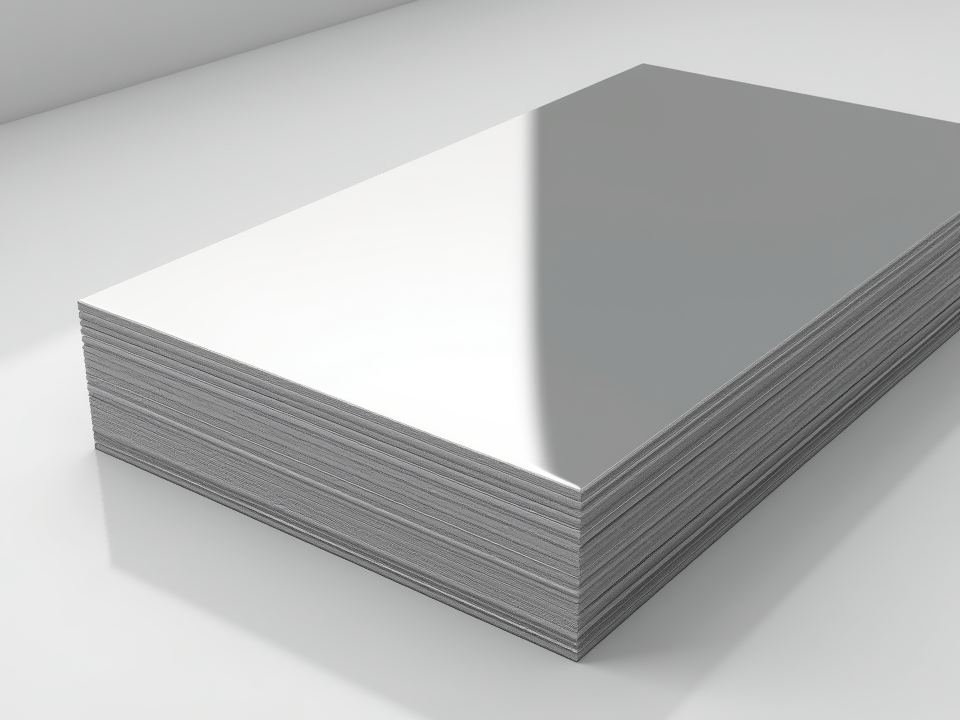
Double Side Painted Aluminum Sheet
Most buyers judge painted aluminum from the front. They compare color, gloss, surface smoothness, and whether the finish matches the sample board. That is natural, but it misses a quiet detail that often decides how the material performs after cutting, bending, riveting, laminating, and years of service: the back face.
A double side painted aluminum sheet is not simply a sheet with color on both sides. It is a more balanced material system. The top coating carries the visible design, while the reverse coating protects the metal, supports fabrication, and reduces many small failures that usually appear later at edges, seams, and hidden contact surfaces.
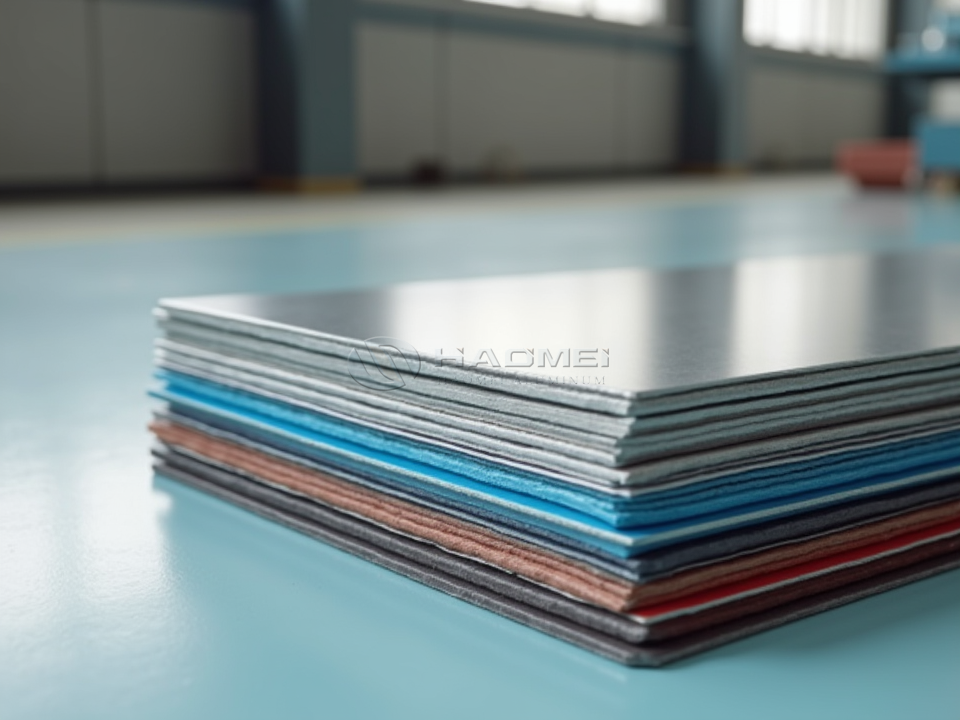
The Hidden Side Is Often the Working Side
In many projects, the back face does more work than the customer first expects. During fabrication, it touches rollers, cutting tables, press brake tooling, adhesives, sealants, insulation boards, and supporting frames. After installation, it may face trapped humidity, alkaline dust, condensation, cleaning chemicals, or galvanic contact with other metals.
If the reverse side is bare aluminum, these conditions may not cause immediate failure, but they can leave stains, white oxidation, poor bonding, or uneven stress during forming. A painted back face acts like a controlled interface. It gives the sheet a predictable surface on both sides, which helps fabricators maintain stable quality across repeated production.
This is especially helpful for parts with exposed returns, folded edges, perforations, louvers, ceiling tiles, cabinet panels, signage, lighting reflectors, transport interiors, and composite panel skins. In these applications, the material is not viewed from one flat angle only. It is cut, folded, shaped, and seen from the side. A double side finish makes those transitions cleaner.
Two Sides Do Not Always Mean Two Identical Coatings
One common misunderstanding is that double side painted aluminum sheet must have the same paint color and coating thickness on both faces. In practice, there are several choices.
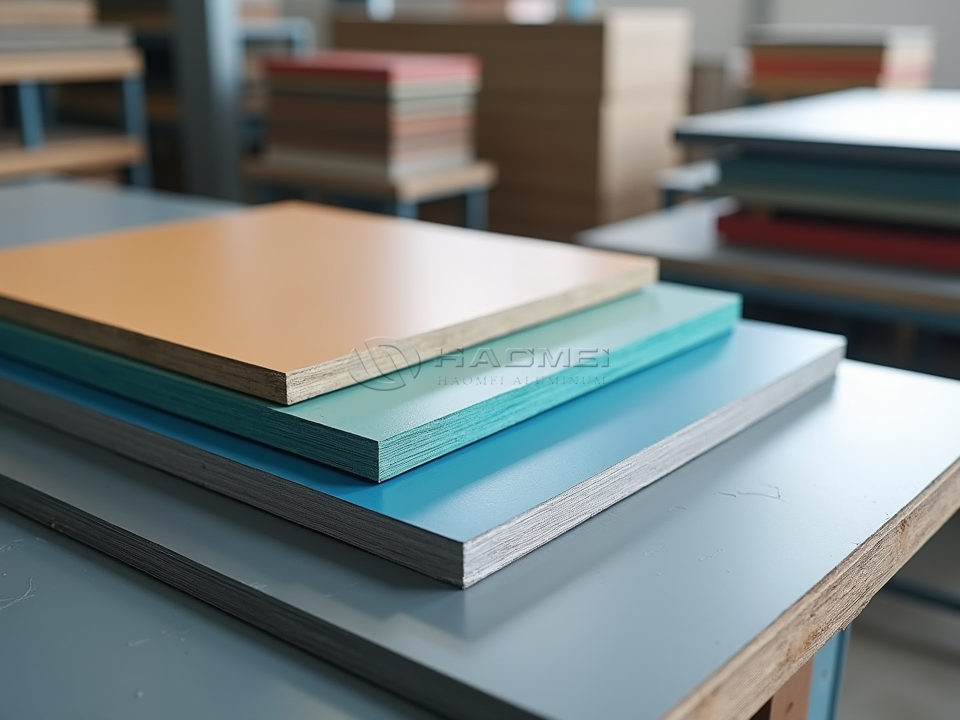
The front face may use a decorative color, metallic finish, matte texture, wood grain, marble pattern, or high weathering coating. The back face may use the same color, a service color, a primer, or a lighter protective coating. The correct structure depends on where the sheet will be used and what the reverse side must do.
For outdoor curtain wall panels, balcony cladding, roofing trim, and coastal building parts, the visible side may need a premium fluorocarbon coating, while the back side needs reliable corrosion resistance. In this case, PVDF Coated Aluminum Sheet is often selected for long color retention and better resistance to ultraviolet exposure.
For indoor panels, advertising boards, appliance parts, furniture panels, and general decoration, PE coating is often enough. A PE Color Coated Aluminum Sheet can provide good appearance, practical cost, and easy processing when the environment is less aggressive.
Balance During Bending and Forming
Painted aluminum sheet often fails at the details, not across the center of the panel. A bend line, punched hole, routed groove, or folded return is where coating adhesion and flexibility are tested.
When both sides are coated with a suitable system, the sheet behaves more evenly during forming. The reverse paint layer helps reduce direct tool contact with bare metal, and it can lower the risk of surface marking during handling. For parts made with tight radii, this matters. A clean back face also helps operators inspect cracks, pressure marks, and coating damage more easily.
However, double side painting is not a magic fix for poor bending design. Alloy temper, sheet thickness, coating type, paint film thickness, and bending radius must match. For example, softer tempers such as H24 or H44 may form more easily than harder tempers. A thicker coating may improve protection but may also require more careful bending control. Good results come from matching the coating system with the actual forming route.
Edges Tell the Truth
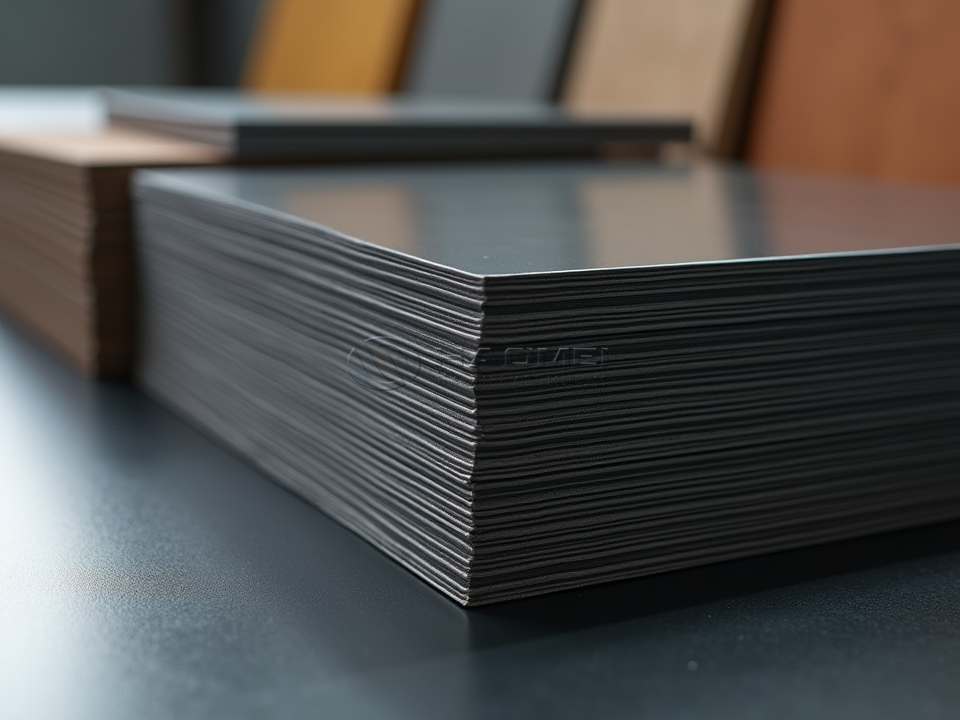
If you want to understand the value of double side painted aluminum sheet, look at the edges after processing. A single side coated sheet may look perfect on the face, but after shearing or bending, the reverse side can become a weak area. Moisture can creep into seams. Dust can stick to oxidation. Adhesive layers may bond unevenly. Folded returns may show a raw metallic line when viewed from an angle.
With paint on both sides, the edge area still needs proper protection, but the transition is more controlled. The result is a part that feels more complete, especially in premium interiors, store displays, transport compartments, elevator panels, and architectural details where customers notice workmanship at close range.
What Buyers Should Specify Clearly
A smooth purchase starts with precise coating language. Instead of asking only for double side painted aluminum sheet, buyers should define the visible side and the reverse side separately.
Useful details include alloy, temper, thickness, width, length, front color, back color, coating type, gloss range, coating thickness, protective film requirement, surface pattern, allowable color tolerance, and intended use. If the sheet will be bent, punched, laminated, printed, or exposed outdoors, that should be stated before production.
Color samples are also important. The front face may be controlled by RAL, Pantone, wood grain reference, or a physical sample. The back face may look less important, but it should still be approved if it will be visible after forming. In many projects, a slightly different back color is acceptable, but it should be a planned choice rather than a surprise.
Same Color Both Sides or Functional Back Coat
For signage, ceiling panels, partitions, and decorative folded components, using the same color on both sides gives a clean finished look. This is useful when the part may be viewed from different directions or installed in an open structure.
For composite panels, insulation panels, roofing accessories, and industrial covers, the back side may not need the same appearance. In those cases, a functional back coat can reduce cost while still protecting the aluminum. The back paint may be gray, white, clear, or primer-like, depending on bonding and corrosion requirements.
The main question is not whether both sides look identical. The better question is whether each side has the right duty. The front side answers the eye. The back side answers the workshop, the structure, and the environment.
Storage and Handling Still Matter
Double side coating improves protection, but storage conditions remain important. Sheets should be kept dry, ventilated, and away from chemical vapors. If water enters between stacked sheets, staining or pressure marks may occur, especially during long storage. Protective film should be chosen according to forming and installation needs, and it should not remain on the surface beyond the recommended period.
During cutting and bending, clean equipment reduces scratches. Operators should check both faces before production, because a back side scratch may become visible after folding. This is one of the practical advantages of double side painted material: it encourages quality control on the whole sheet, not only on the decorative surface.
When Double Side Painting Is Worth the Cost
Double side painted aluminum sheet usually costs more than single side material, but it can save money when the total process is considered. It may reduce secondary painting, improve appearance at folded parts, support bonding, lower rework, and extend service life in damp or corrosive spaces.
It is worth considering when the reverse side may be exposed, when parts require frequent bending, when the sheet contacts other materials, when condensation is possible, or when a cleaner finished edge is expected. It is also helpful for export projects where panels may face long transport, changing climates, and strict inspection after arrival.
For buyers, the best choice is not always the thickest paint or the most expensive coating. The best choice is the coating structure that matches the real job of each side. A double side painted aluminum sheet works well because it respects the whole material, not only the face that appears in the brochure.
When selected carefully, it becomes a quiet upgrade: easier to fabricate, cleaner to finish, safer to install, and more reliable in use. The front side sells the design. The back side protects the promise.