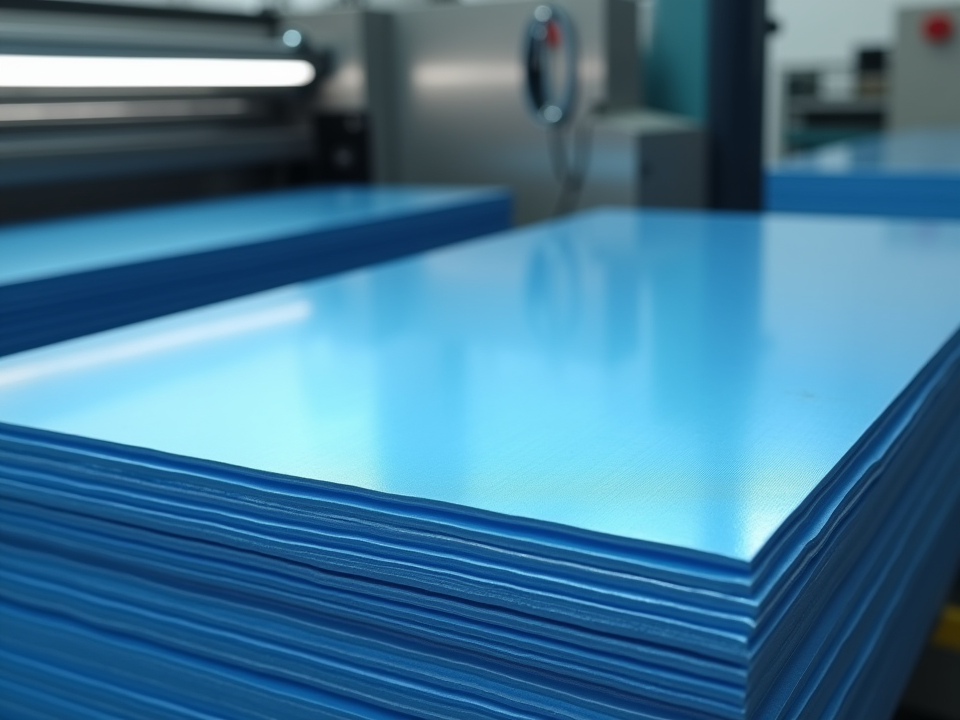
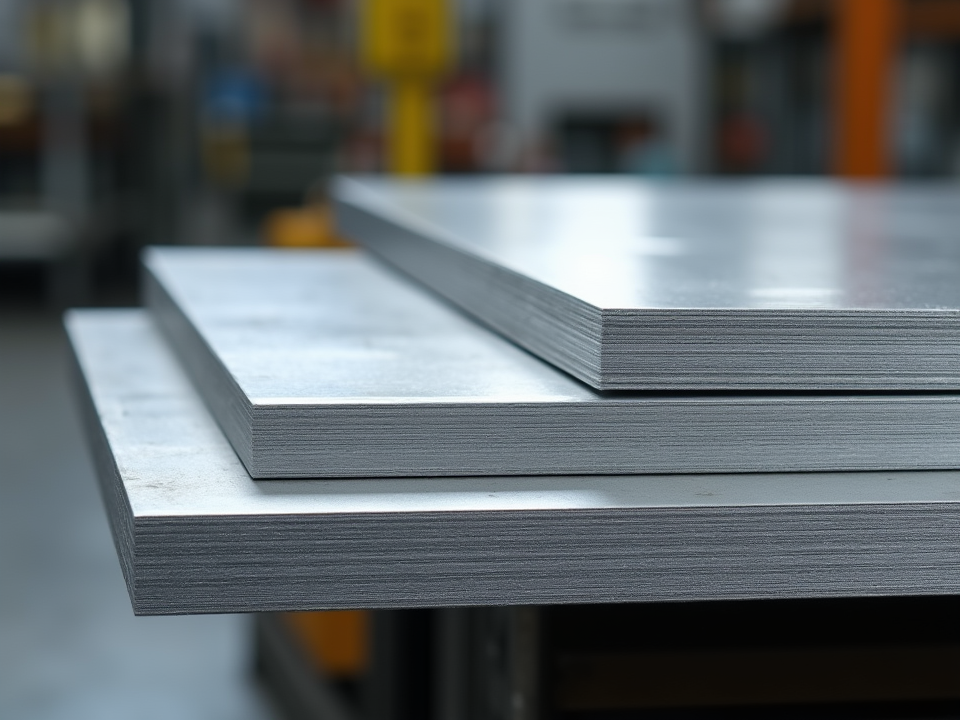
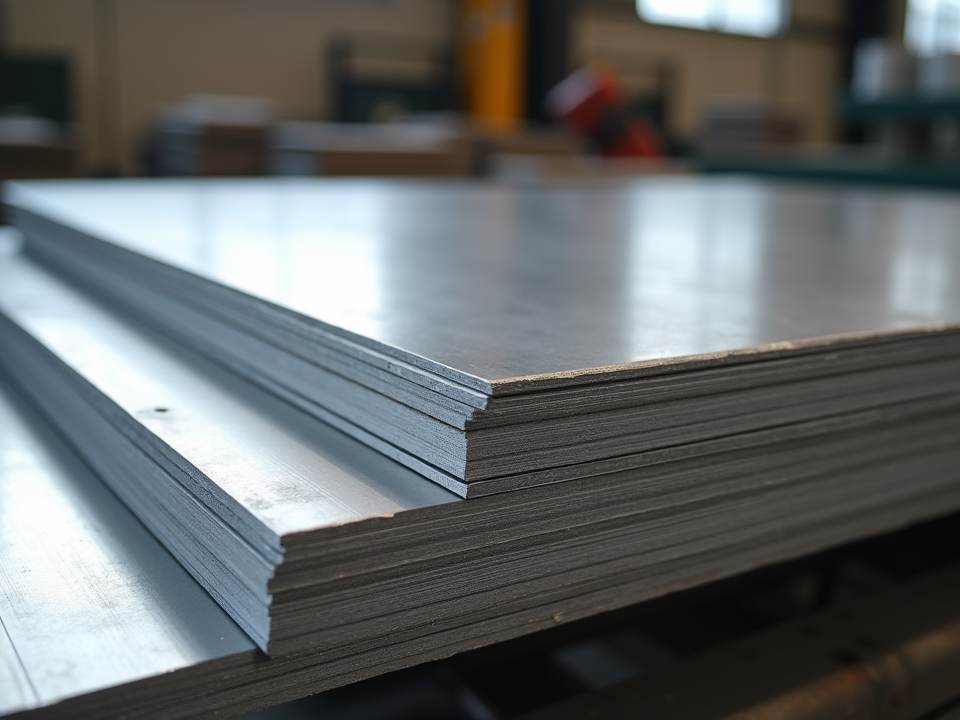
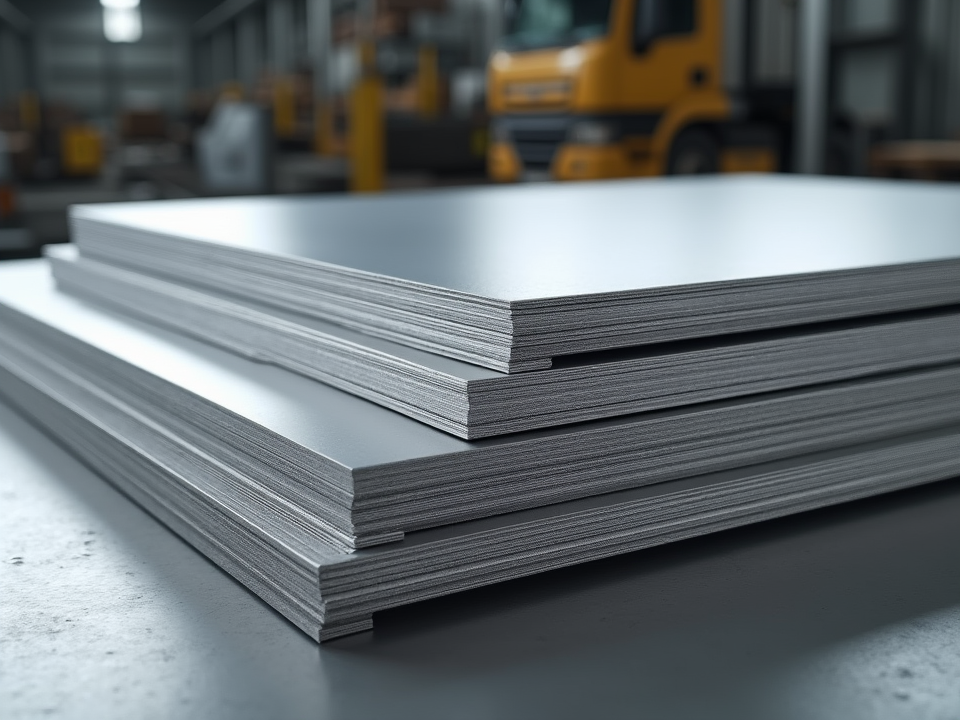
Building Facade Coated Aluminum Plate
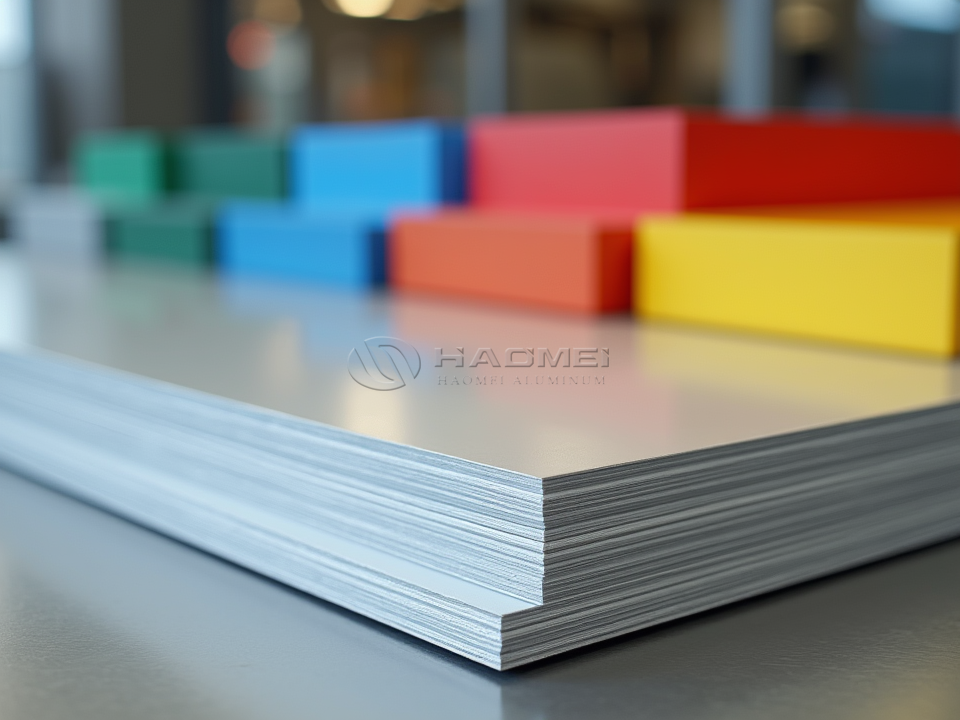
A building facade coated aluminum plate is more than a flat metal panel fixed to a wall. It is the outer skin of a structure, exposed to sunlight, rain, wind pressure, dust, temperature swing, and human touch every day. Good facade material must stay light, remain stable, keep its color, and allow architects to create sharp folds, soft curves, perforated screens, deep reveals, and large clean surfaces.
Aluminum is well suited for this role because it combines low density with natural corrosion resistance. When a controlled coating system is added, the plate becomes a long-life architectural surface rather than a simple metal substrate. For customers choosing facade cladding, the practical question is not only what color looks good, but which alloy, temper, coating, thickness, and standard will fit the building environment.
Why coated aluminum plate fits the facade environment
Facade panels live in a demanding zone. They are outside the waterproofing layer, yet they help protect the wall assembly from direct impact, solar heat, and visual aging. Aluminum plate offers a high strength-to-weight ratio, which reduces load on the support frame and makes installation easier on high-rise buildings. Compared with steel, it is easier to cut, bend, groove, roll, and form into complex shapes. Compared with stone, it is lighter and less fragile. Compared with many plastics, it offers better dimensional stability and fire behavior.
The coating is the visible and defensive layer. A high-performance coated surface resists ultraviolet radiation, acid rain, salt mist, staining, and color chalking. For coastal towers, transport hubs, commercial centers, hospitals, schools, and public buildings, PVDF coating is often selected because it retains gloss and color for long service periods. For interior walls, soffits, signage, and low-exposure exterior zones, PE coating can be an economical choice.
For buyers comparing material families, Coated Aluminum Sheet is often the starting point, while facade projects with strong weathering requirements usually move toward PVDF Coated Aluminum Sheet for improved outdoor durability.
Common product parameters for facade use
The right specification depends on panel size, wind load, fixing method, local code, and visual flatness requirements. The following ranges are commonly used in architectural facade fabrication.
| Item | Common range or condition |
|---|---|
| Base alloy | 1100, 3003, 3004, 3105, 5005, 5052 |
| Temper | O, H14, H24, H32, H34 |
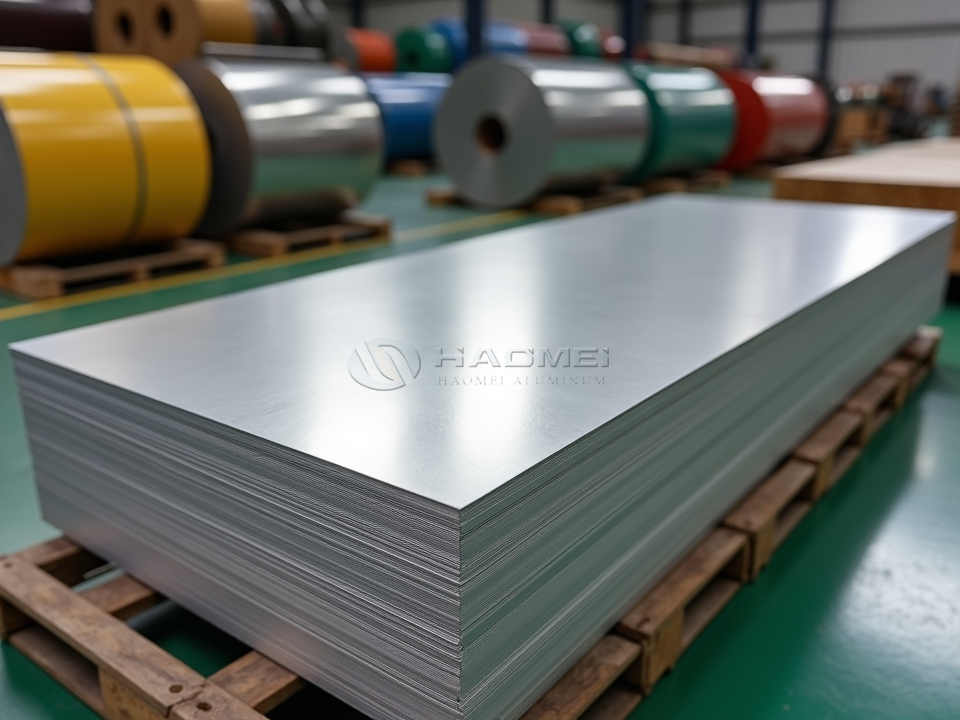
| Plate thickness | 1.5 mm to 4.0 mm for solid facade panels |
| Coil or sheet thickness | 0.7 mm to 1.5 mm for composite panel skins or formed parts |
| Width | 1000 mm to 2000 mm, project-dependent |
| Length | Cut-to-size sheets or customized panel blanks |
| Coating type | PVDF, FEVE, PE, powder coating, anodized-look coating |
| PVDF coating thickness | Usually 25 microns to 35 microns total dry film |
| PE coating thickness | Usually 18 microns to 25 microns total dry film |
| Back coating | Primer or service coating, commonly 5 microns to 10 microns |
| Gloss | Low, matte, satin, or high gloss by design request |
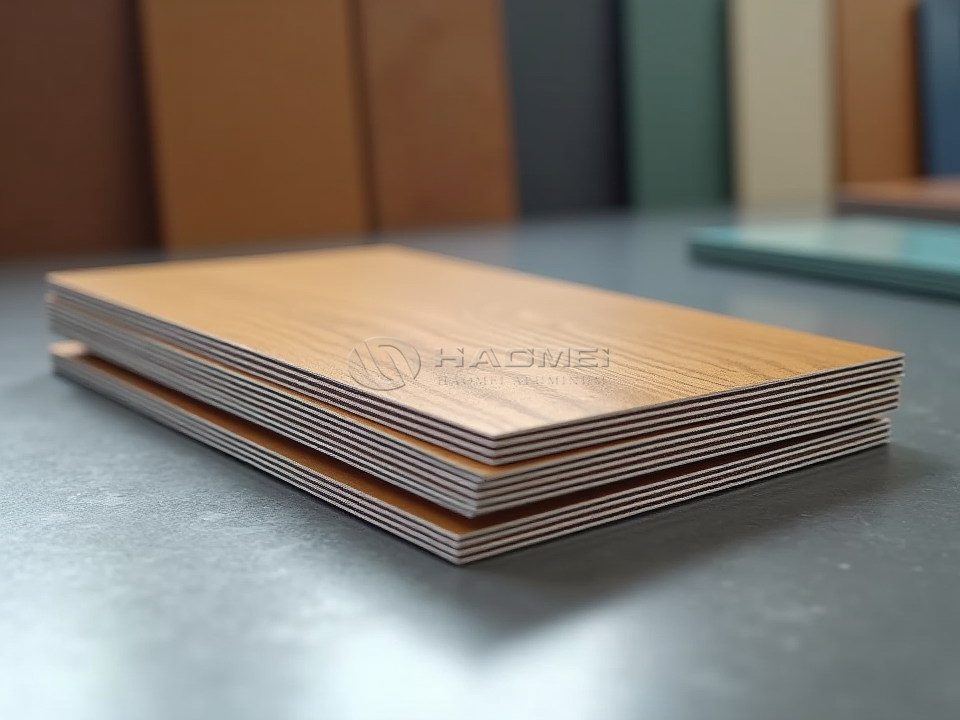
| Surface style | Solid color, metallic, wood grain, stone texture, brushed effect |
Alloy and temper selection as a design decision
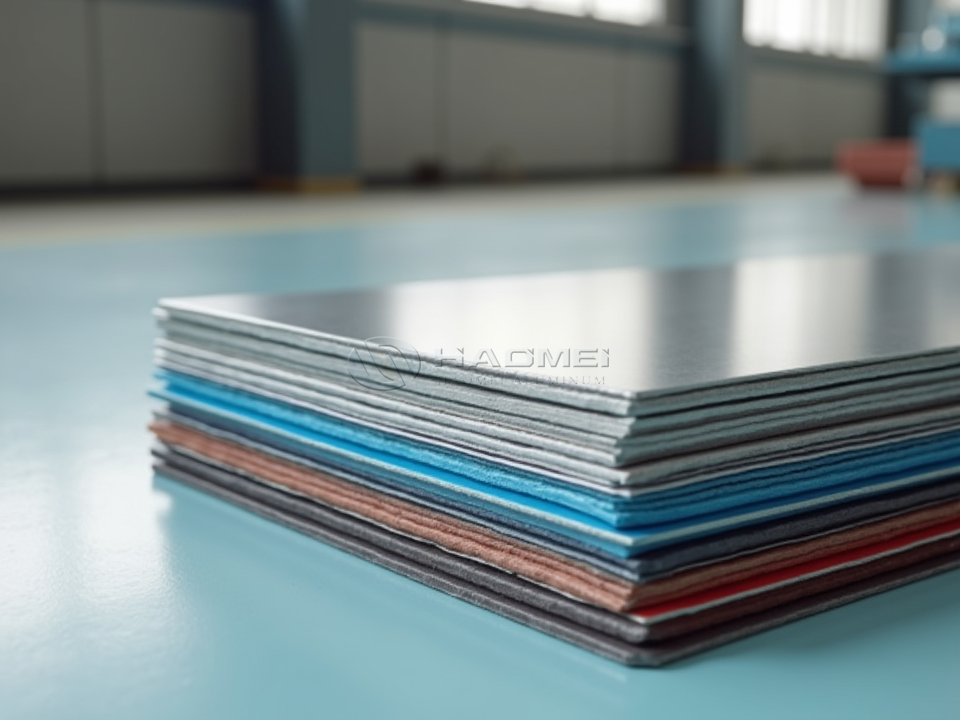
Alloy is the hidden character of the facade plate. It influences formability, flatness, corrosion resistance, weldability, and panel strength. Pure aluminum alloy 1100 is easy to form and has good corrosion resistance, but it has lower strength. It is suitable for decorative elements with moderate structural demand.
The 3000 series, especially 3003 and 3004, is widely used in coated facade plate because manganese improves strength while keeping excellent formability. These alloys are friendly to bending, punching, grooving, and roll forming. Temper H24 is often chosen when a balance between strength and workable ductility is needed.
The 5000 series, such as 5005 and 5052, contains magnesium and offers stronger corrosion resistance, especially in humid or marine atmospheres. 5005 is popular for architectural sheet because it gives a clean surface and accepts coating well. 5052 has higher strength and is useful where panels face stronger wind pressure, impact, or larger spans.
Temper describes the condition of the metal after mechanical or thermal treatment. O temper is soft and very formable. H14 and H24 are partially hardened and common for general cladding. H32 and H34 are often used for magnesium-containing alloys where better strength is needed while retaining forming ability. The best choice is not the hardest material, but the temper that can be formed without cracking and remain flat after fabrication.
Chemical composition reference
Actual chemical composition must follow the relevant alloy standard and mill certificate. The table shows typical composition limits by weight percent for common facade aluminum alloys.
| Alloy | Si | Fe | Cu | Mn | Mg | Cr | Zn | Ti | Al |
|---|---|---|---|---|---|---|---|---|---|
| 1100 | Si + Fe max 0.95 | Si + Fe max 0.95 | 0.05-0.20 | max 0.05 | max 0.05 | - | max 0.10 | - | min 99.00 |
| 3003 | max 0.60 | max 0.70 | 0.05-0.20 | 1.00-1.50 | - | - | max 0.10 | - | remainder |
| 3004 | max 0.30 | max 0.70 | max 0.25 | 1.00-1.50 | 0.80-1.30 | - | max 0.25 | - | remainder |
| 3105 | max 0.60 | max 0.70 | max 0.30 | 0.30-0.80 | 0.20-0.80 | max 0.20 | max 0.40 | max 0.10 | remainder |
| 5005 | max 0.30 | max 0.70 | max 0.20 | max 0.20 | 0.50-1.10 | max 0.10 | max 0.25 | - | remainder |
| 5052 | max 0.25 | max 0.40 | max 0.10 | max 0.10 | 2.20-2.80 | 0.15-0.35 | max 0.10 | - | remainder |
These elements explain the behavior of the plate. Manganese supports strength in 3000 series alloys. Magnesium improves corrosion resistance and strength in 5000 series alloys. Copper is kept low in most facade grades because excessive copper may reduce corrosion resistance in outdoor exposure.
Coating systems and surface performance
PVDF coatings normally use fluorocarbon resin with excellent UV resistance. A typical architectural system includes pretreatment, primer, color coat, and sometimes a clear coat. Metallic colors often need a clear protective layer to stabilize appearance and improve weathering. PVDF is preferred for curtain wall panels, airport terminals, shopping malls, exhibition centers, and coastal buildings.
PE coatings use polyester resin and provide good color variety at a lower cost. They are suitable for interior decoration, ceilings, partitions, signs, and mild exterior environments. Powder coating can provide thicker film and good mechanical resistance, while special transfer or printing technology creates wood grain and stone patterns for decorative facades.
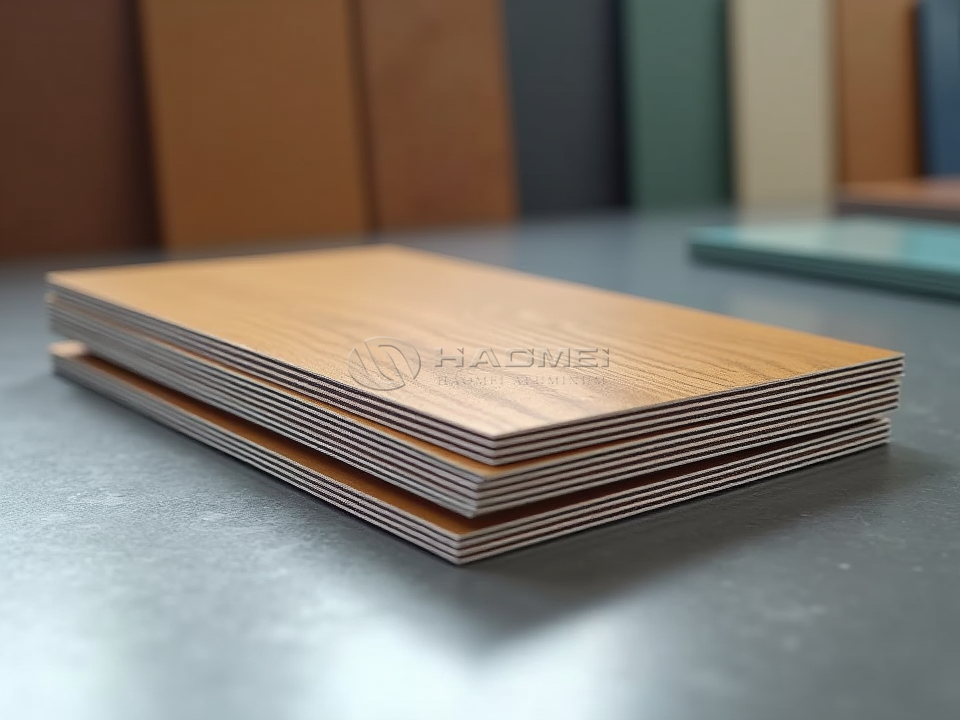
Performance is usually checked through adhesion, hardness, impact resistance, T-bend, color difference, gloss retention, salt spray, humidity, and artificial weathering tests. For color-sensitive projects, it is wise to approve production samples under natural daylight because metallic and textured coatings can change appearance with viewing angle.
Implementation standards and inspection references
Facade coated aluminum plate is often produced and inspected according to internationally recognized standards and project specifications. Common references include ASTM B209 for aluminum and aluminum-alloy sheet and plate, EN 485 for aluminum sheet, strip, and plate, EN 573 for chemical composition, EN 515 for temper designation, and GB/T 3880 for Chinese aluminum plate and strip requirements.
For coating performance, AAMA 2603, AAMA 2604, and AAMA 2605 are widely used in architectural aluminum finishes. AAMA 2605 is the more demanding level for high-performance exterior fluoropolymer coatings. Other common tests include ASTM D3359 or ISO 2409 for coating adhesion, ASTM B117 for salt spray resistance, ASTM D2247 for humidity resistance, ASTM D3363 for pencil hardness, and ASTM D2794 for impact resistance.
Project inspection may also include thickness tolerance, diagonal tolerance, bow, twist, coating color difference, gloss tolerance, film thickness, edge quality, and protective film condition. For fabricated facade panels, stiffener bonding quality, corner sealing, hanger position, and panel flatness should be checked before shipment.
Fabrication and installation notes
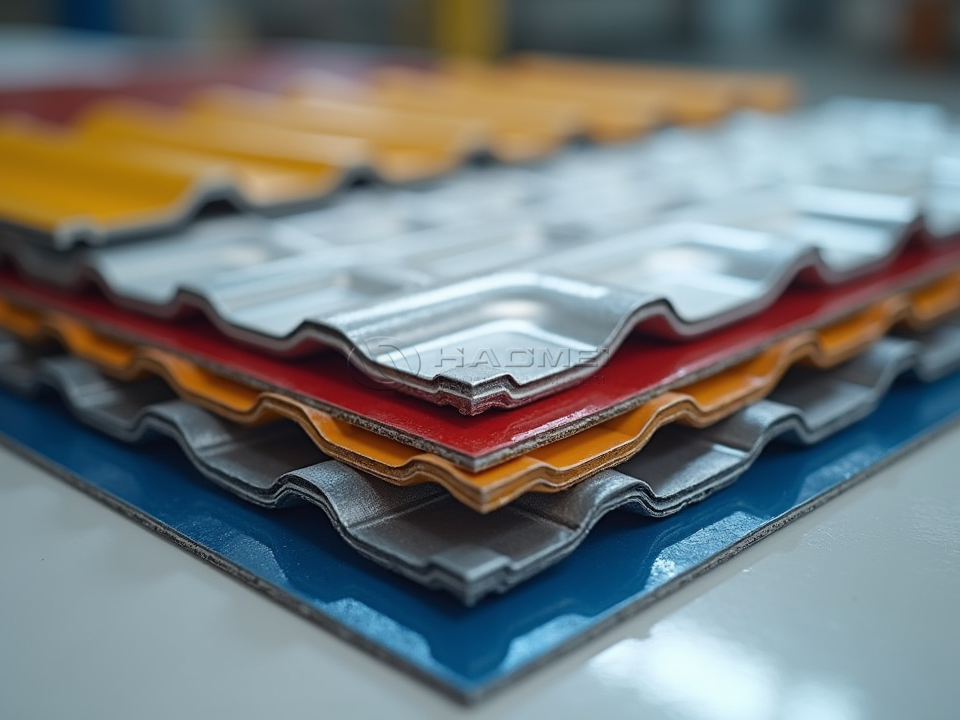
Coated aluminum plate can be cut, routed, folded, bent, punched, perforated, rolled, and assembled into cassette panels. During fabrication, the bending radius must match alloy and temper. Too small a radius may create micro-cracks in the coating or base metal. Protective film should remain on the visible surface during processing, but it should not stay outdoors for too long after installation because sunlight can make removal difficult.
A ventilated cavity behind the facade helps manage moisture and heat. Fasteners, brackets, and sealants should be compatible with aluminum to reduce galvanic corrosion. In marine or industrial areas, extra attention should be given to alloy choice, coating grade, edge protection, and drainage design.
Choosing with confidence
A good building facade coated aluminum plate is selected through a chain of decisions: environment, alloy, temper, coating resin, film thickness, panel size, fabrication method, and inspection standard. When these factors work together, the facade does not merely cover the wall. It gives the building a lasting surface, a stable color identity, and a lighter, cleaner way to face decades of weather.