ACP Face Coated Aluminum Sheet
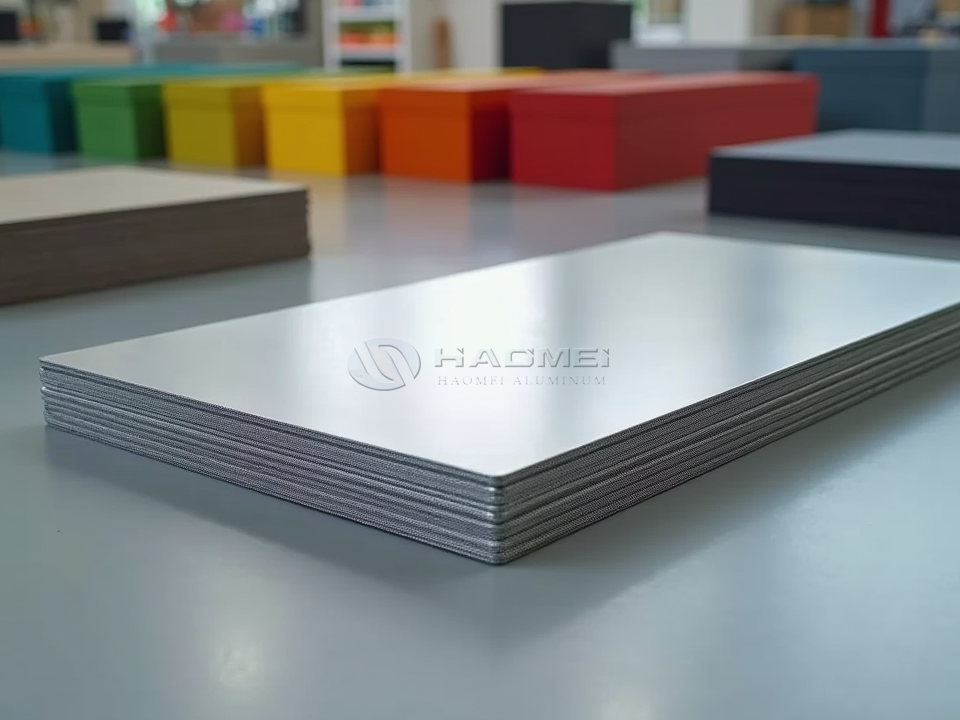
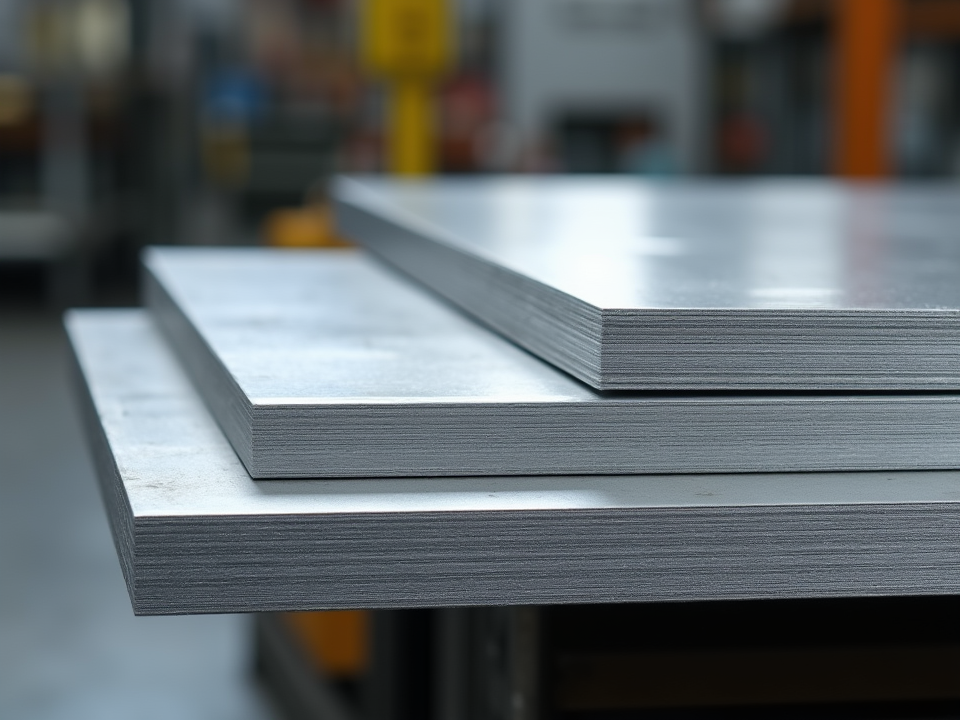
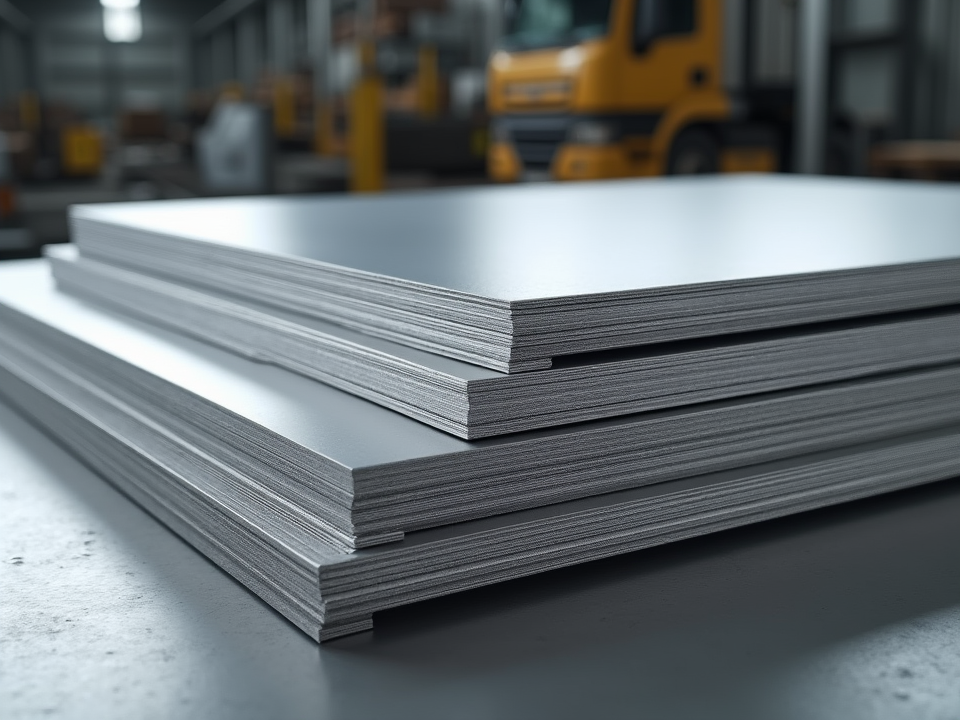
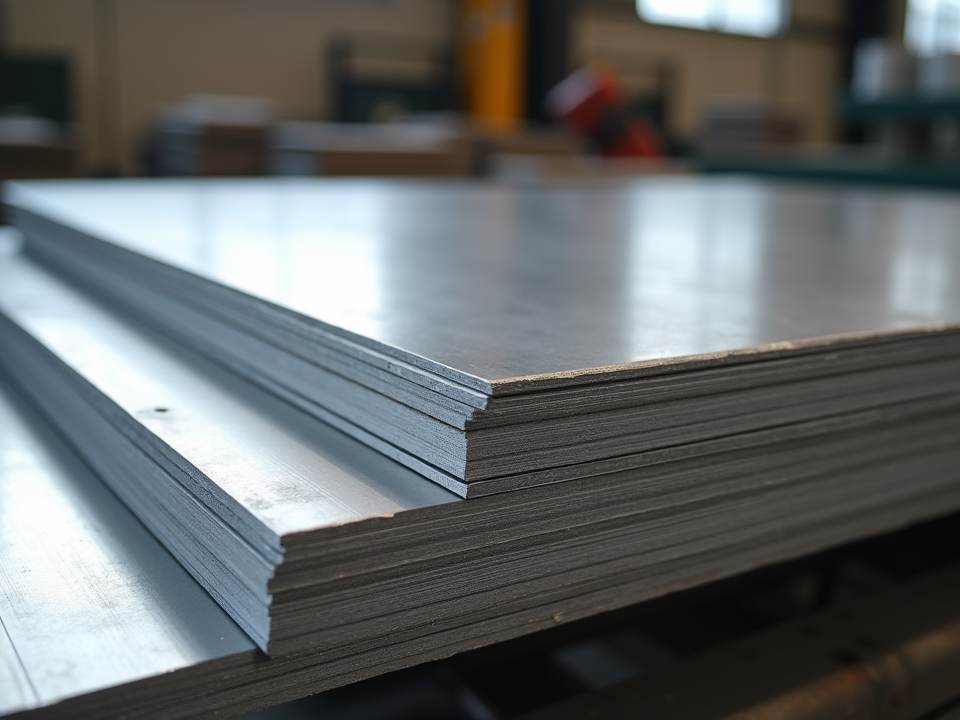
An ACP face coated aluminum sheet is more than a decorative outer layer. It is the visible skin of an aluminum composite panel, but it also influences flatness, bending behavior, color retention, bonding quality, weather resistance, and the final character of a facade. A panel core may provide thickness and rigidity, yet the coated aluminum face determines what architects, installers, and building owners actually experience every day.
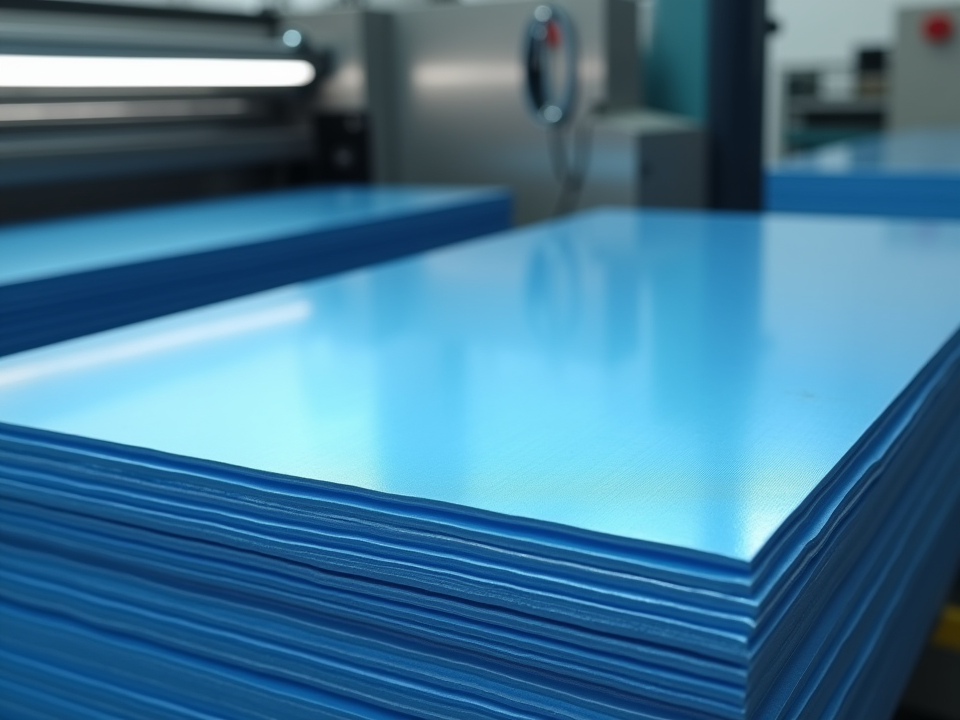
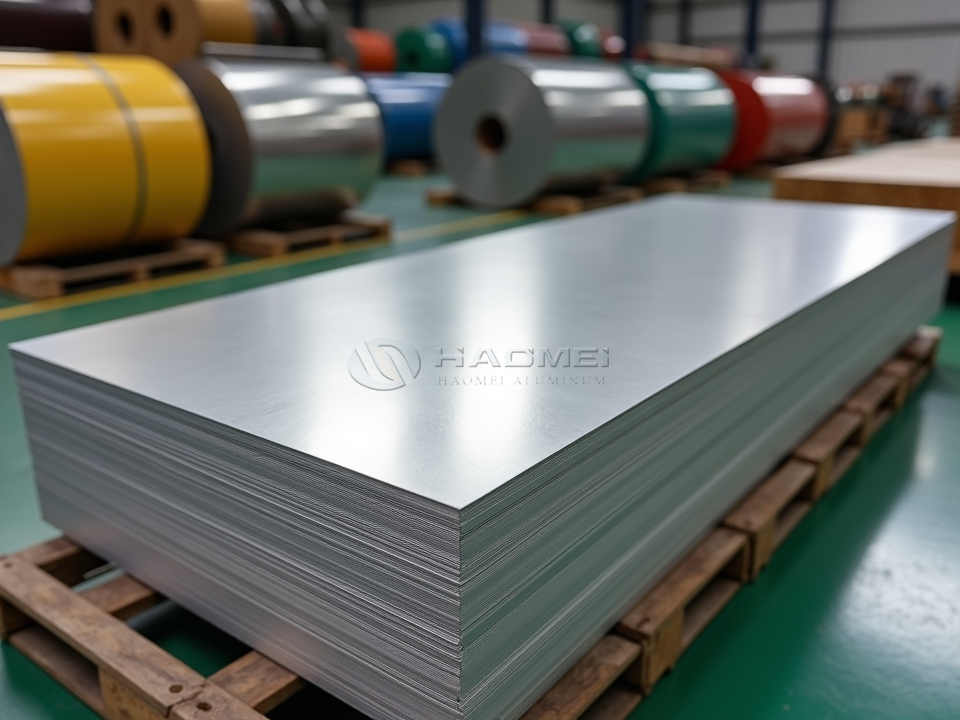
For ACP production, the aluminum sheet is normally supplied as a prepainted coil. It is cleaned, chemically pretreated, primed, and coated in a continuous coil-coating line before lamination to the mineral-filled or polymer core. This factory-controlled process creates a more even appearance than post-painting and gives panel fabricators a ready-to-laminate surface.
Why the Face Sheet Matters in ACP Fabrication
The face sheet works like the outer membrane of the panel. It must remain smooth while the ACP passes through laminating, cutting, routing, folding, drilling, and installation. A sheet that is too soft can mark easily or develop waviness. A sheet that is too hard may crack at folded cassette edges. The best choice is therefore not simply the thickest aluminum or the hardest temper. It is a balanced material design.
For exterior curtain walls, a PVDF coating is often selected because it provides stronger resistance to ultraviolet exposure, humidity, pollutants, and color fading. For interior wall cladding, signage, shopfitting, and short-service-life applications, PE coatings can provide an economical and attractive option. The coating system should be selected according to exposure conditions rather than color alone.
For demanding outdoor projects, PVDF Coated Aluminum Sheet is widely used where gloss stability and long-term color performance are important. For ACP lamination lines, a dedicated Coated Aluminum Sheet for ACP can be specified with suitable alloy, temper, coating thickness, and bonding-side treatment.
Common Product Parameters
Typical ACP face coated aluminum sheet specifications are shown in the table. Actual tolerances should be confirmed in the purchase agreement because panel design, coil width, and coating system can affect the final range.
| Parameter | Common Range or Option |
|---|---|
| Aluminum alloy | AA 1100, AA 3003, AA 3105, AA 5005 |
| Temper | H14, H16, H18, H24, H26, H32 |
| Aluminum thickness | 0.10 mm to 0.50 mm |
| Common ACP skin thickness | 0.18 mm, 0.21 mm, 0.30 mm, 0.40 mm, 0.50 mm |
| Coil width | 1,000 mm to 1,600 mm, customized widths available |
| Coil inner diameter | 405 mm or 505 mm, subject to production equipment |
| Surface finish | Solid color, metallic, matte, high gloss, wood grain, marble, brushed |
| Top coating | PE, HDPE, PVDF, FEVE, polyester, special functional coatings |
| Top-coat thickness | PE commonly 16-25 μm; PVDF commonly 25-35 μm or as specified |
| Back coating | Primer, wash coat, or bonding-compatible coating |
| Protective film | Optional, normally removed after installation |
The most common alloy for general ACP faces is 3003 or 3105 aluminum. These manganese-containing alloys offer better strength than commercial-purity aluminum while retaining good formability. Alloy 5005 is often chosen for premium architectural panels because it provides a clean anodizing-quality base and good surface consistency, although project requirements and cost may guide the final decision.
Alloy Temper and Forming Behavior
Temper describes the work-hardening condition of the aluminum sheet. It has a direct effect on the panel fabricator's processing window.
H14 and H24 tempers are relatively moderate conditions. They offer useful flexibility for routing and folding, making them suitable for cassette panels and shapes with tighter bends. H16 and H26 provide greater hardness and dent resistance while still supporting many standard ACP fabrication processes. H18 may be used where improved stiffness is needed, but it requires more careful bending control.
A practical selection depends on panel thickness and fabrication method. Thin aluminum skins used on signage may prioritize easy shaping. Thicker facade skins may require higher hardness to preserve flatness across wide panels. During sampling, manufacturers should test paint cracking, fold edges, adhesive bonding, and surface marks after routing rather than evaluating the coil only in its original state.
Chemical Composition of Common Aluminum Alloys
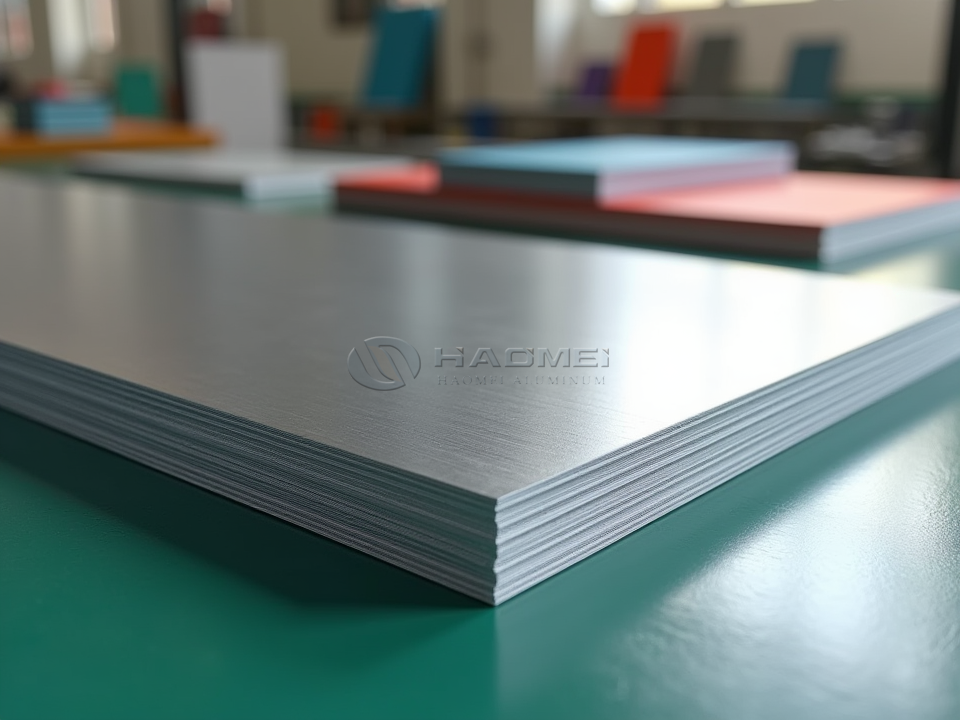
The chemistry of the aluminum substrate affects strength, corrosion behavior, and coil processing. The values in this table are typical compositional limits in percent by weight and should be verified against the applicable alloy specification.
| Alloy | Si | Fe | Cu | Mn | Mg | Other Elements | Aluminum |
|---|---|---|---|---|---|---|---|
| AA 1100 | Si + Fe max. 0.95 | Included with Si | 0.05-0.20 | Max. 0.05 | - | Zn max. 0.10 | Min. 99.00 |
| AA 3003 | Max. 0.60 | Max. 0.70 | 0.05-0.20 | 1.00-1.50 | - | Zn max. 0.10 | Balance |
| AA 3105 | Max. 0.60 | Max. 0.70 | Max. 0.30 | 0.30-0.80 | 0.20-0.80 | Zn max. 0.40 | Balance |
| AA 5005 | Max. 0.30 | Max. 0.70 | Max. 0.20 | Max. 0.20 | 0.50-1.10 | Cr max. 0.10, Zn max. 0.25 | Balance |
Aluminum naturally develops a thin oxide film, which contributes to corrosion resistance. However, the coil coating system remains essential because ACP facades face acid rain, airborne salts, cleaning chemicals, moisture, and sustained UV radiation. Pretreatment improves the bond between aluminum and primer, while the primer supports coating adhesion and corrosion resistance at cut edges.
Coating Structure and Performance Checks
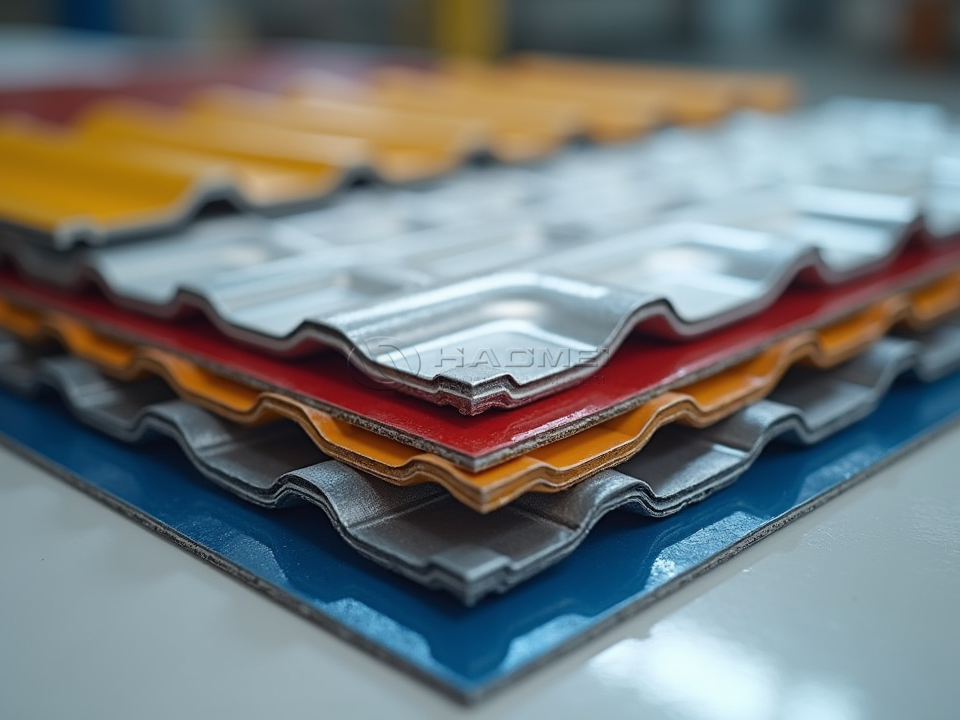
A high-quality ACP face typically includes aluminum substrate, chemical pretreatment, primer, finish coat, and protective film. The reverse side may receive a service coating or bonding treatment compatible with the ACP core adhesive. The backside should not be treated as an afterthought: poor compatibility can lead to uneven lamination or delamination risk.
Useful inspection items include coating thickness, color difference, gloss level, pencil hardness, T-bend performance, impact resistance, adhesion, solvent resistance, and surface cleanliness. Color consistency should be controlled between coils and production batches, especially for metallic, brushed, wood-grain, and marble finishes. For facade projects, panels should be installed in the same directional sequence to maintain visual uniformity.
Relevant Implementation Standards
Specifications for ACP face coated aluminum sheet commonly reference aluminum material, coating quality, and fire-performance standards. ASTM B209 is frequently used for aluminum and aluminum-alloy sheet and coil requirements. EN 485-2 addresses mechanical properties of aluminum sheet, strip, and plate, while EN 573-3 covers chemical composition and alloy designation.
For coil-coated material, EN 1396 is often referenced for coated aluminum sheet and strip used in general applications. Coating durability may be evaluated against AAMA 2605 for high-performance organic finishes, particularly architectural PVDF systems. Tests such as ISO 2409 for cross-cut adhesion, ISO 15184 for pencil hardness, and ISO 1520 for cupping resistance can also support quality control.
It is important to distinguish face-sheet standards from ACP fire classification. Fire performance applies to the completed composite panel, including its core and full construction. Depending on the market, final ACP systems may be evaluated using EN 13501-1, ASTM E84, or other regional building-code methods.
Selecting the Right Material for the Project
A well-specified ACP face coated aluminum sheet begins with the service environment. Coastal buildings need stronger corrosion and weathering protection than indoor retail displays. Deep colors and high-gloss finishes require careful control of coating quality. Complex folded panels benefit from a temper that can bend cleanly without paint fracture. Large facade panels may need thicker skins and better flatness control.
The strongest result comes from matching alloy, temper, coating chemistry, coating thickness, color tolerance, and bonding-side preparation as one coordinated package. When those elements work together, the ACP surface remains smooth, durable, and visually stable from fabrication through years of service.