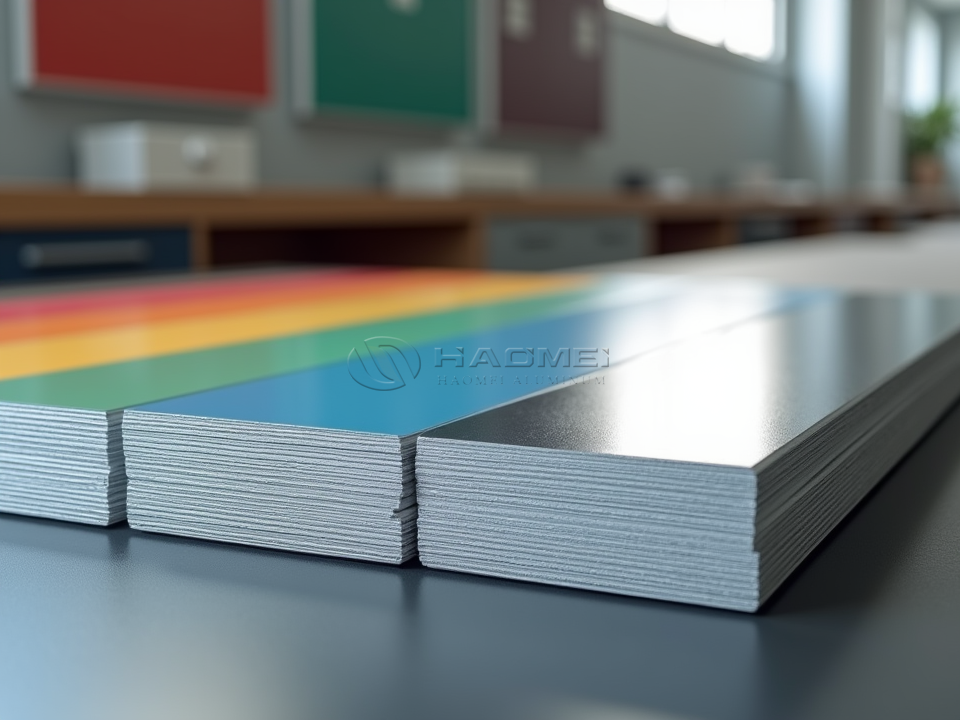
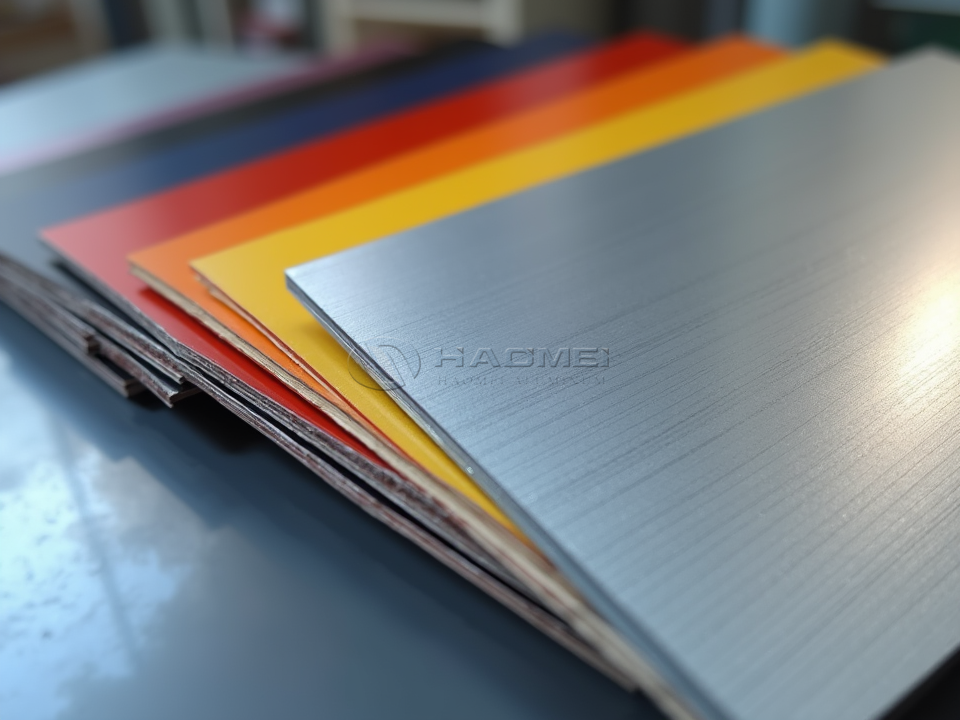
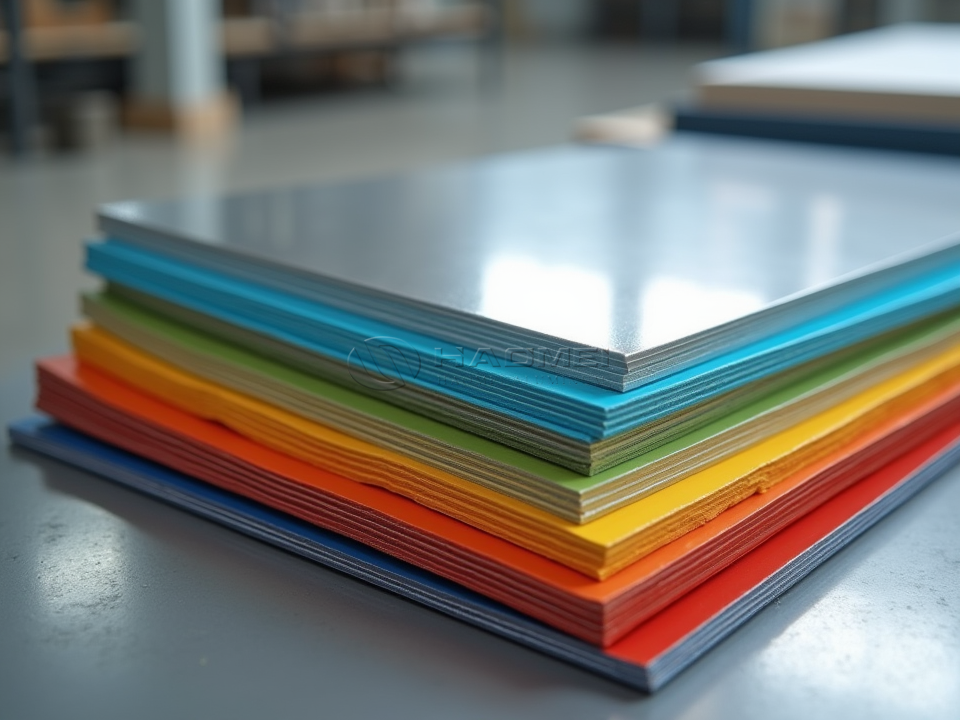
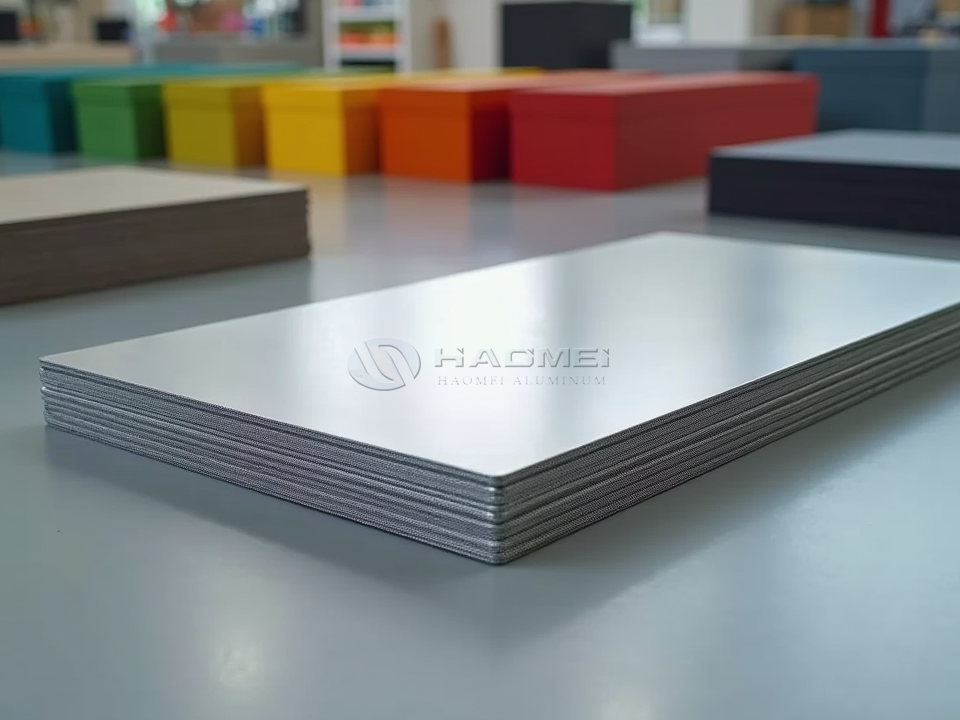
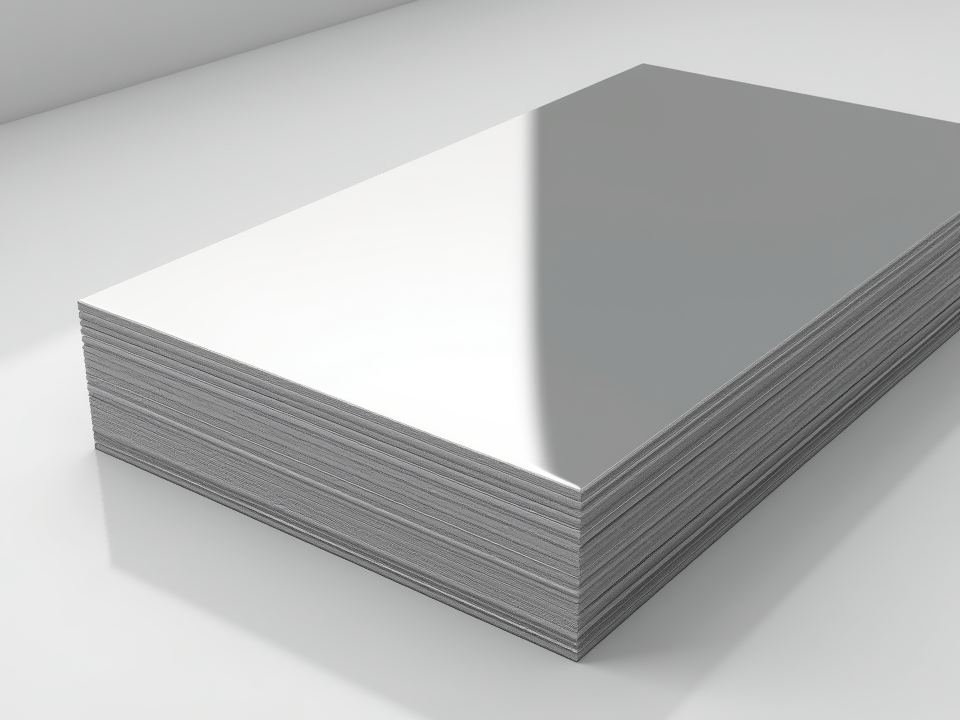
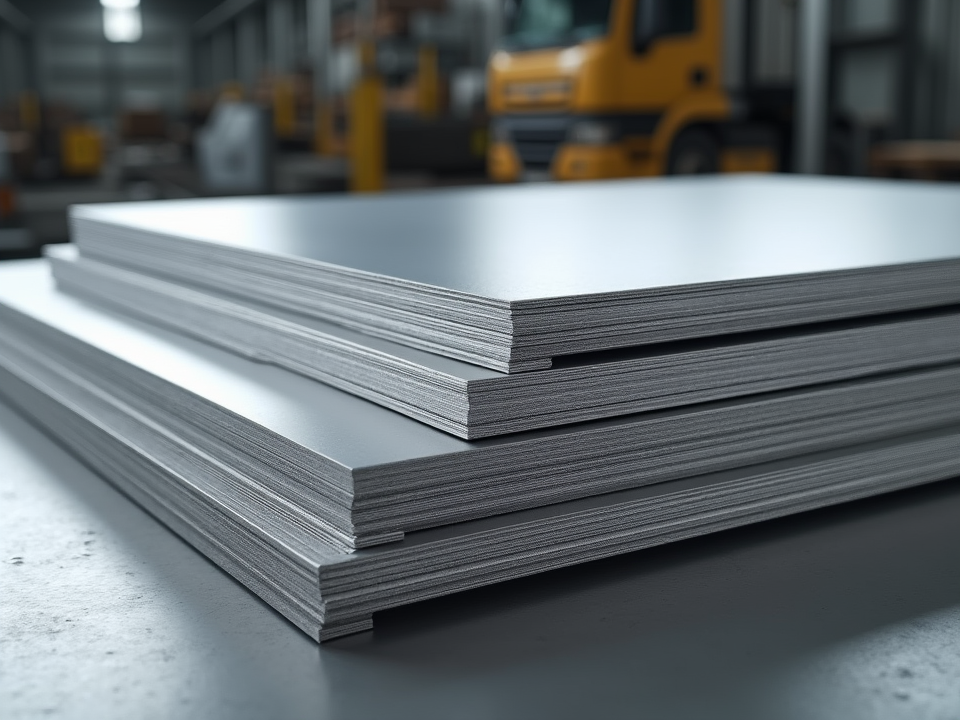
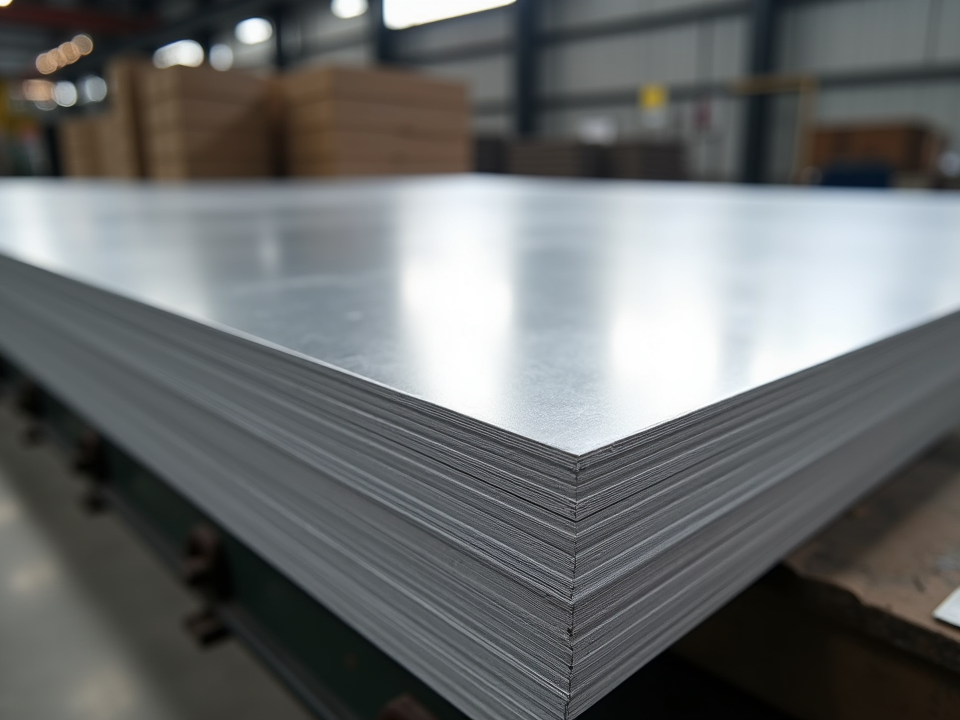
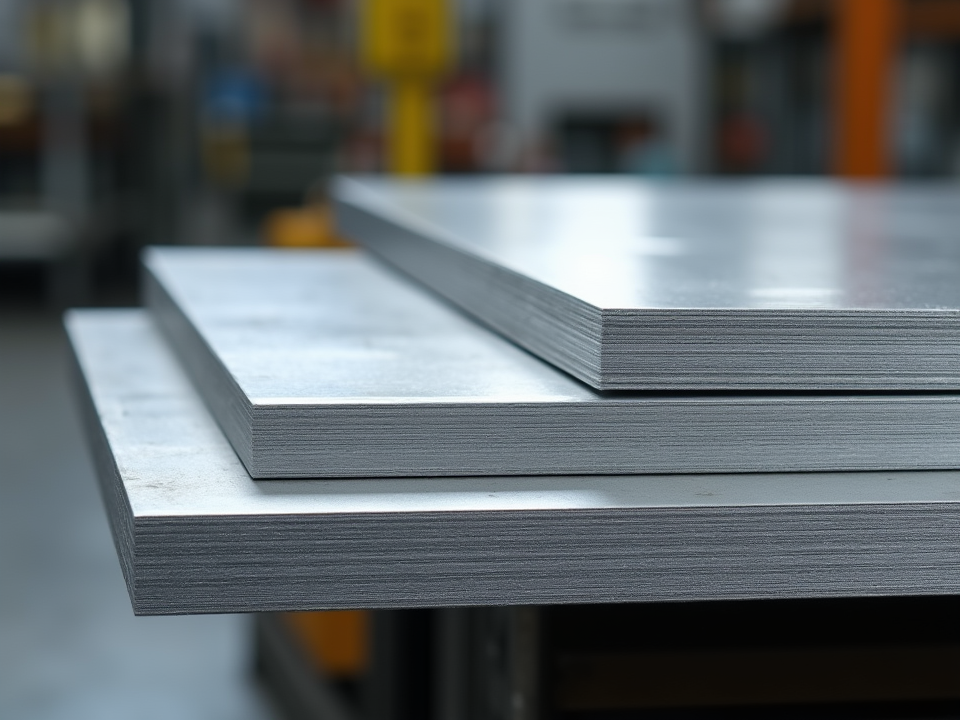
Decorative Color Aluminum Sheet
Decorative color aluminum sheet is often judged first by appearance, but its real value lies in how the surface performs after installation. Color, gloss, texture, alloy, temper, pretreatment, and coating chemistry work together like a protective system. For architects, fabricators, sign makers, and appliance producers, this material is not simply a colored panel. It is a lightweight metal skin designed to resist weather, improve formability, reduce maintenance, and carry a consistent visual identity across large surfaces.
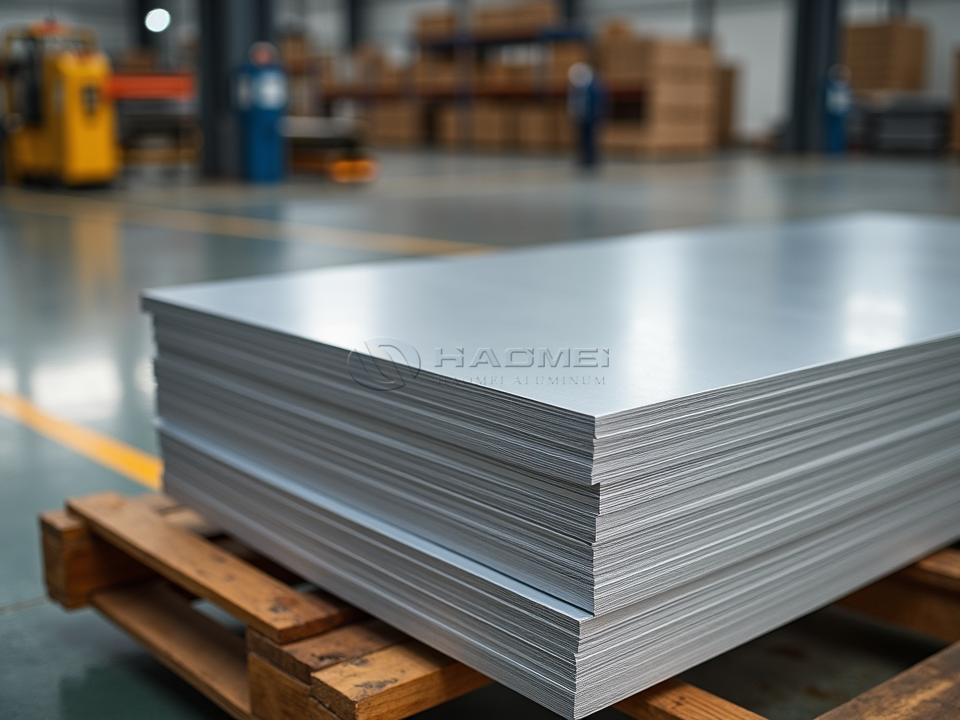
The base metal is usually aluminum sheet from 1xxx, 3xxx, or 5xxx series alloys. Each alloy brings a different balance of corrosion resistance, strength, bending behavior, and cost. The decorative layer may be PE, PVDF, powder coating, wood grain transfer, marble finish, brushed finish, or anodized-style coating. The choice depends on whether the sheet will face indoor humidity, sunlight, coastal air, mechanical forming, or frequent cleaning.
A Functional Surface, Not Just a Colored Face
The coating on decorative color aluminum sheet has several jobs. It blocks oxygen and moisture, stabilizes color under UV exposure, reduces dirt adhesion, and protects the aluminum substrate from staining or pitting. In building applications, this helps facades, ceilings, curtain wall panels, and roofing accessories keep their appearance for many years.
For exterior projects, PVDF Coated Aluminum Sheet is often selected because fluorocarbon resin has excellent weather resistance, chalking resistance, and color retention. For indoor ceilings, advertising panels, appliance shells, and general decoration, PE coating can provide a smooth finish, rich color options, and practical processing performance.
The sheet can also act as a design control layer. A matte white ceiling reduces glare. A dark metallic facade absorbs visual depth. Wood grain coated aluminum gives warm natural styling without the swelling, splitting, or insect damage associated with timber. Marble finish coated aluminum provides a stone-like visual effect while remaining light enough for wall cladding and elevator interiors.
Typical Parameters Customers Compare
| Item | Common Range or Option | Practical Meaning |
|---|---|---|
| Thickness | 0.20-3.00 mm | Thin sheets suit ceilings and signs; thicker sheets suit panels and forming |
| Width | 600-1600 mm, custom available | Affects cutting layout and panel yield |
| Length | Coil cut-to-length or customized sheet | Supports batch fabrication and repeat orders |
| Alloy | 1050, 1060, 1100, 3003, 3004, 3105, 5005, 5052 | Determines strength, corrosion resistance, and bending response |
| Temper | O, H12, H14, H16, H18, H22, H24, H26, H32 | Controls hardness, springback, and formability |
| Coating type | PE, PVDF, powder, wood grain, marble finish | Selected by exposure environment and design effect |
| Coating thickness | PE 15-25 microns; PVDF 25-35 microns; powder 60-100 microns | Higher coating build improves protection and texture depth |
| Gloss | 10-90 percent | Matte, satin, semi-gloss, or high-gloss visual effect |
| Color system | RAL, Pantone, custom color matching | Allows project-wide consistency |
| Protective film | 50-100 microns optional | Prevents scratches during cutting, bending, and transport |
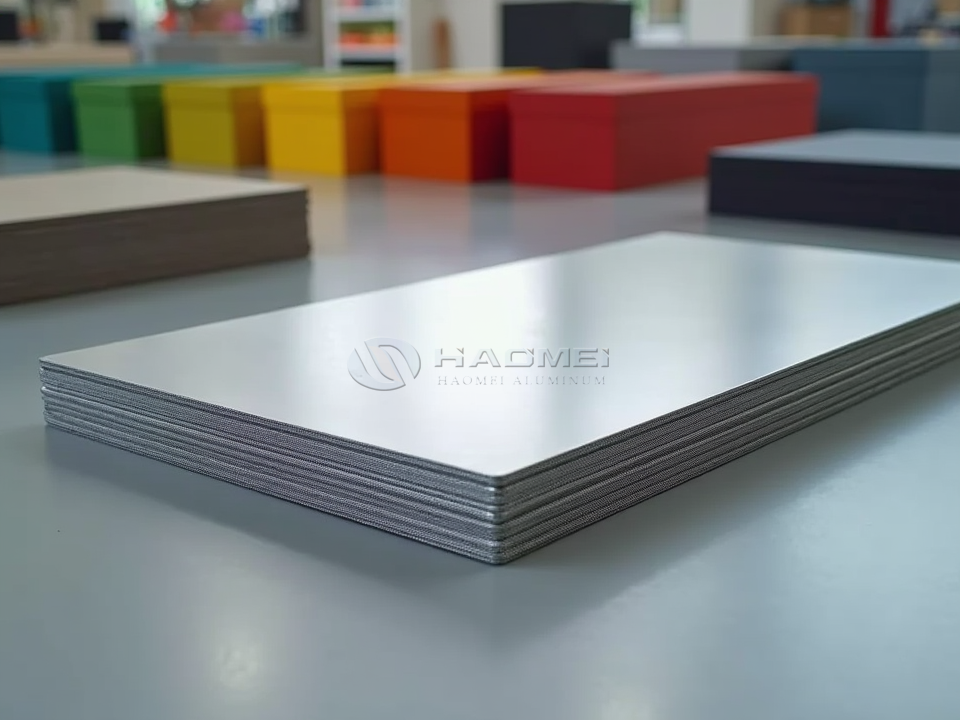
Alloy and Temper Selection in Real Fabrication
For flat decorative panels, 3003 H14 and 3105 H24 are widely used because they offer reliable strength and good corrosion resistance. When deep drawing or complex bending is required, softer tempers such as O or H22 reduce cracking risk. For marine, humid, or chemically challenging environments, 5052 H32 is valued for its magnesium content and stronger resistance to corrosion.
The temper should match the production process. A sheet that looks perfect in the warehouse can fail during tight-radius bending if it is too hard. For example, H18 offers higher strength but lower formability. H24 and H32 often provide a more forgiving balance for panels, trims, and decorative structures. If the sheet will be roll-formed into roofing or cladding profiles, the coating must also withstand bending without peeling or micro-cracking.
For roofing-related applications, Coated Aluminum Sheet for Roofing commonly uses alloys such as 3004 or 3105 with durable outdoor coatings, because the surface must handle thermal cycling, rainwater, and long-term UV exposure.
Chemical Composition Reference
The chemical composition of aluminum sheet influences corrosion behavior, strength, weldability, and surface finish. Actual production should follow the applicable standard and mill certificate.
| Alloy | Si | Fe | Cu | Mn | Mg | Zn | Al |
|---|---|---|---|---|---|---|---|
| 1050 | 0.25 max | 0.40 max | 0.05 max | 0.05 max | 0.05 max | 0.05 max | 99.50 min |
| 1060 | 0.25 max | 0.35 max | 0.05 max | 0.03 max | 0.03 max | 0.05 max | 99.60 min |
| 1100 | Si+Fe 0.95 max | Included | 0.05-0.20 | 0.05 max | - | 0.10 max | 99.00 min |
| 3003 | 0.60 max | 0.70 max | 0.05-0.20 | 1.00-1.50 | - | 0.10 max | Balance |
| 3004 | 0.30 max | 0.70 max | 0.25 max | 1.00-1.50 | 0.80-1.30 | 0.25 max | Balance |
| 3105 | 0.60 max | 0.70 max | 0.30 max | 0.30-0.80 | 0.20-0.80 | 0.40 max | Balance |
| 5052 | 0.25 max | 0.40 max | 0.10 max | 0.10 max | 2.20-2.80 | 0.10 max | Balance |
Standards That Shape Reliable Supply
Decorative color aluminum sheet is commonly produced and inspected according to ASTM B209, EN 485, GB/T 3880, and JIS H4000 for aluminum sheet substrate requirements. Coating performance may be evaluated using AAMA 2603, AAMA 2604, and AAMA 2605 depending on resin type and outdoor durability grade. Paint adhesion is often checked by ASTM D3359, gloss by ASTM D523, color difference by ASTM D2244, impact resistance by ASTM D2794, and salt spray resistance by ASTM B117.
For export and public projects, RoHS and REACH compliance may also be required. These conditions help buyers confirm that the sheet is not only attractive on arrival but also stable after fabrication and installation.
Application Scenes Where It Performs Best
Decorative color aluminum sheet is widely used in building facades, aluminum composite panel production, ceilings, wall cladding, roofing trim, garage doors, signage, transportation interiors, refrigerator panels, lighting housings, and elevator decoration. Its low density helps reduce structural load, while the coated surface lowers maintenance needs compared with painted steel or untreated boards.
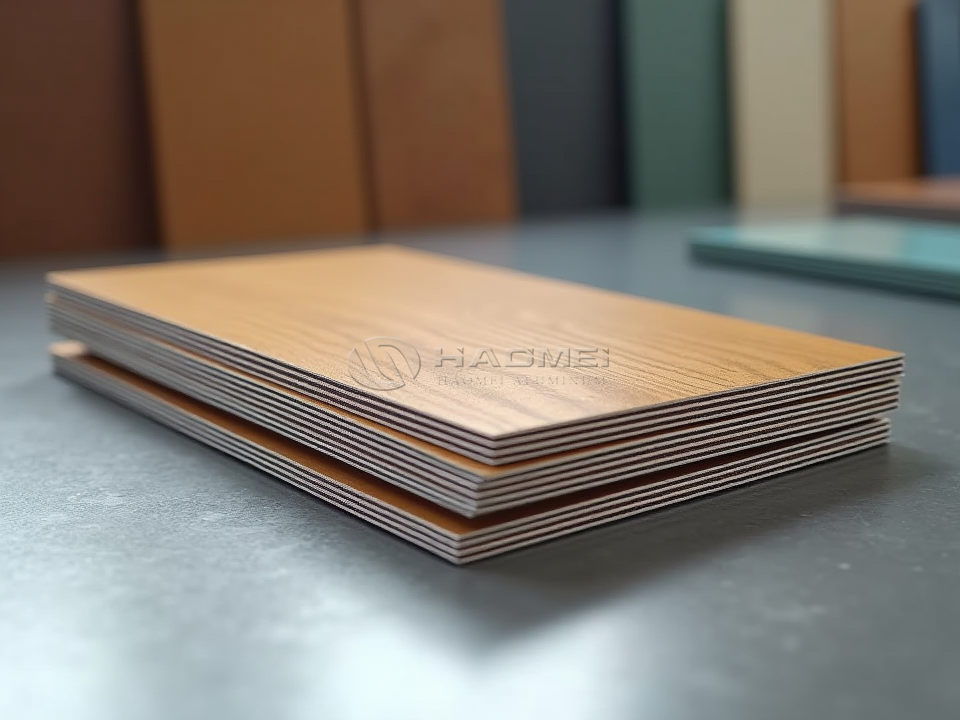
In retail interiors, color aluminum sheet helps create brand-specific atmospheres with repeatable color batches. In public transport stations, it offers cleanability and fire-conscious metal construction. In residential and commercial exteriors, PVDF and powder coated finishes can deliver long service life while preserving design intent.
Practical Buying Notes
Before ordering, customers should confirm exposure environment, alloy, temper, coating type, color code, gloss level, thickness tolerance, bending direction, protective film requirement, and packaging method. Samples should be tested under real fabrication conditions, especially if the sheet will be grooved, punched, roll-formed, or bent with a small radius.
Decorative color aluminum sheet succeeds when beauty and engineering are specified together. The right alloy gives the body strength, the right temper gives workable shape, and the right coating gives the surface its lasting voice.