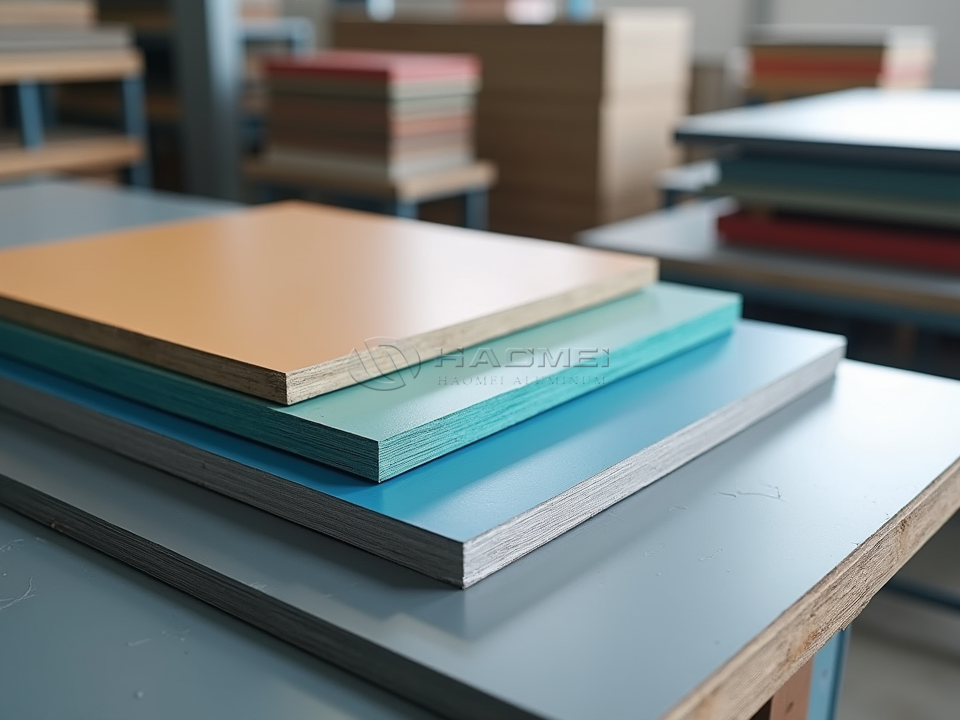
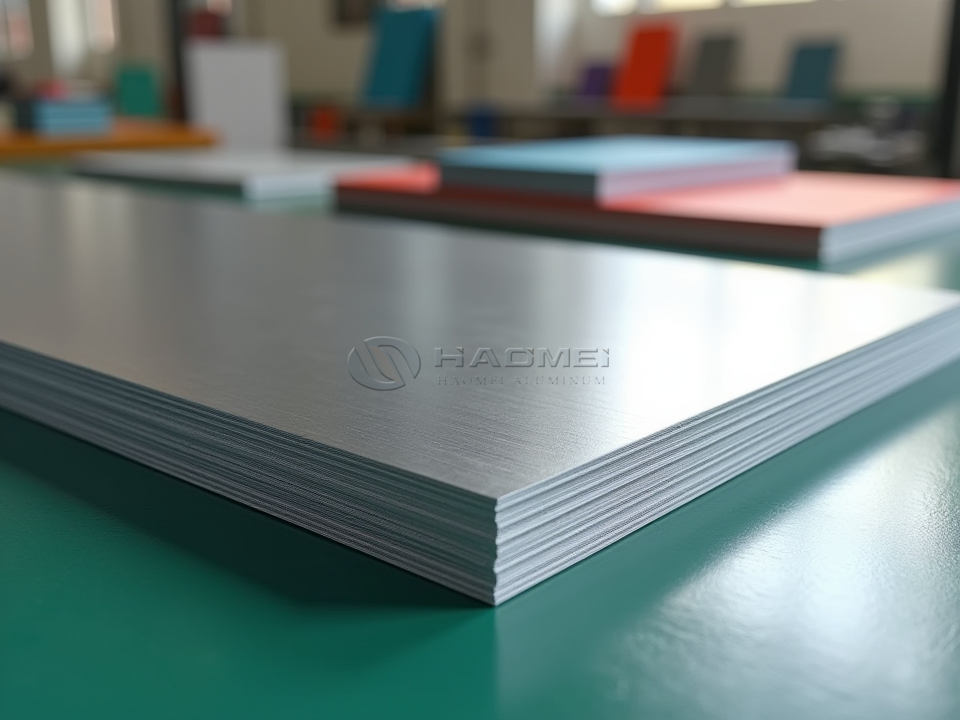
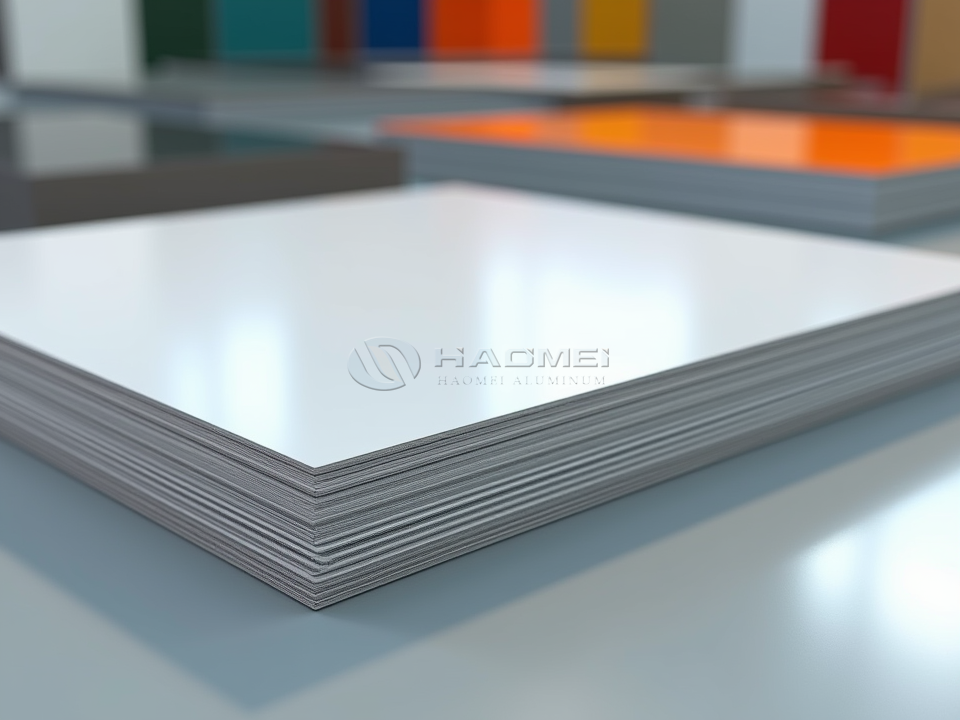
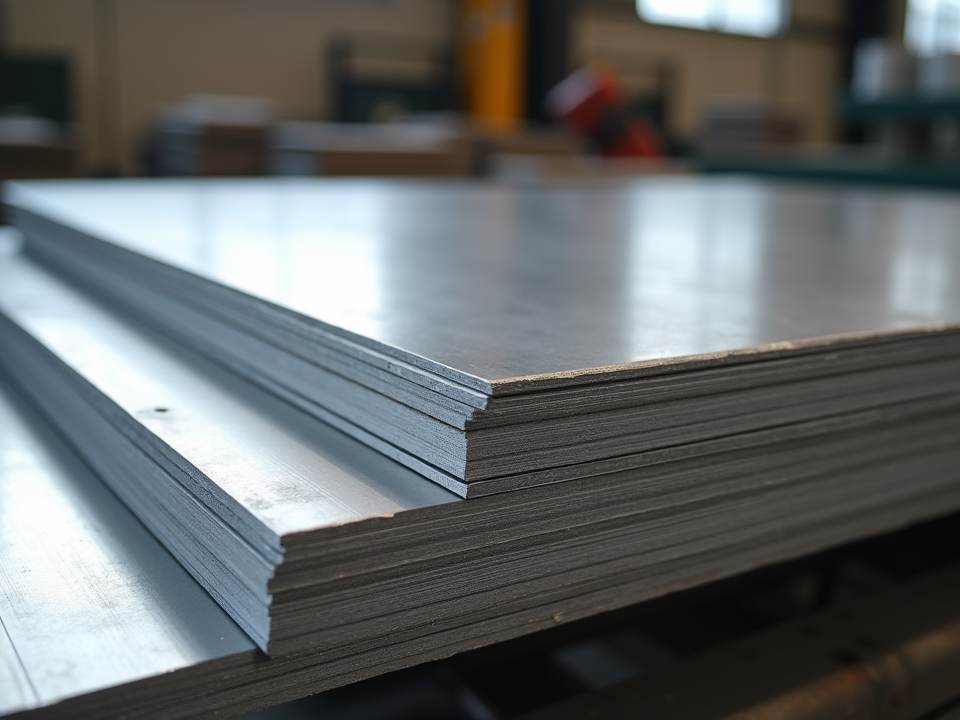
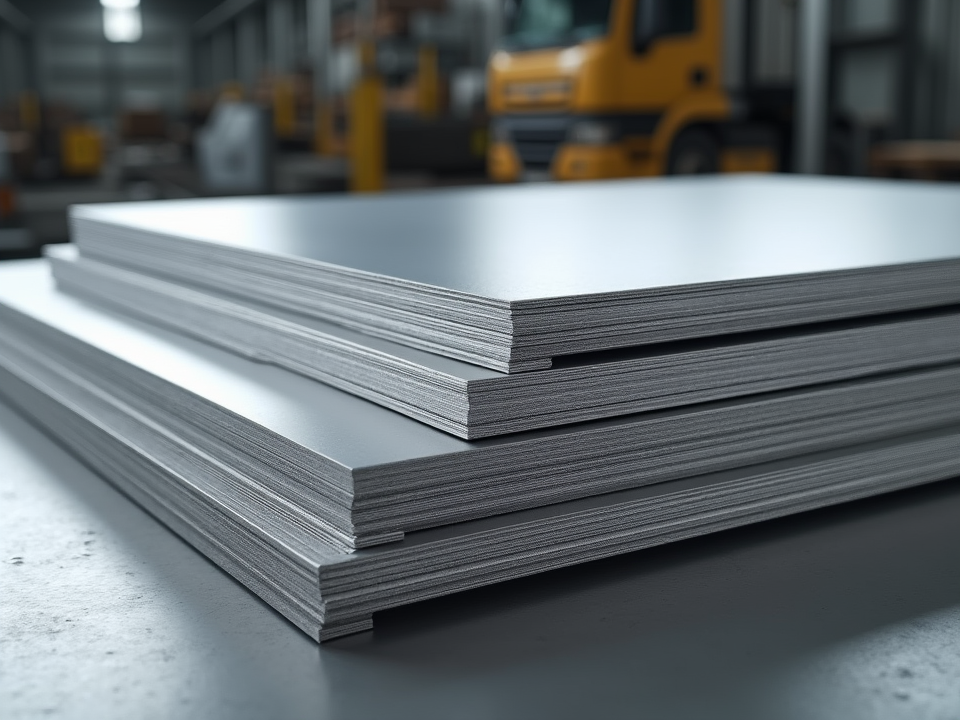
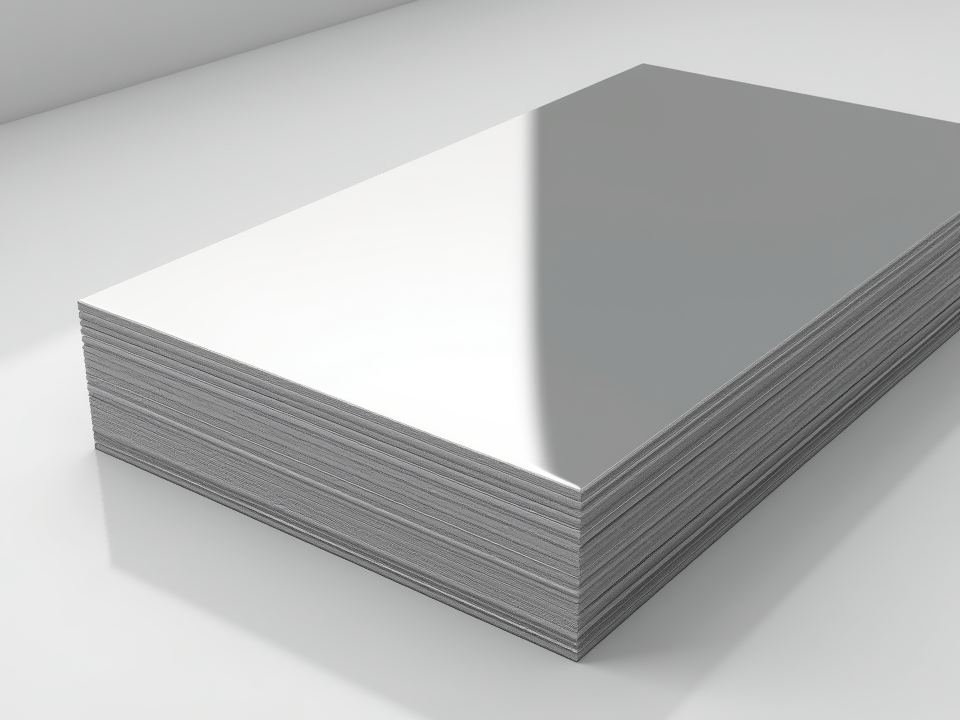
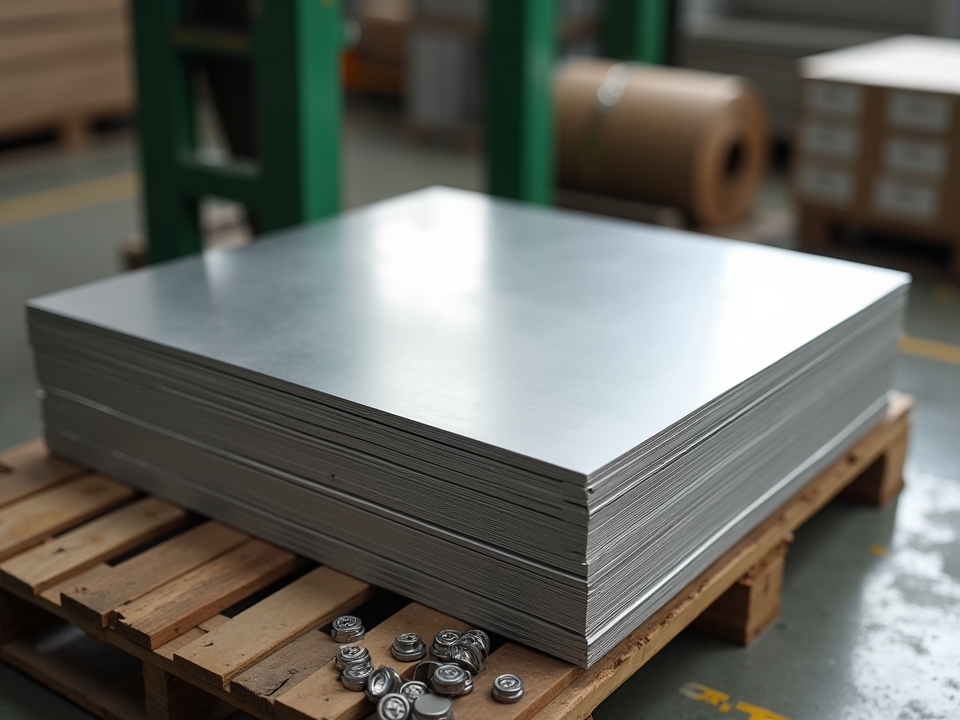
Anti-Scratch Coated Aluminum Panel
An anti-scratch coated aluminum panel is designed for projects where the surface must stay clean, attractive, and resistant to daily contact. Compared with ordinary painted metal, it uses a tougher top coating system that helps reduce visible marks caused by handling, installation, cleaning, light abrasion, and routine use. The result is a panel that keeps its color and finish longer while still offering the light weight, corrosion resistance, and workability of aluminum.
This panel is widely used in commercial interiors, building decoration, signage, elevator cabins, transportation interiors, furniture panels, and public facilities. It is especially valuable in areas touched often by hands, tools, bags, carts, or cleaning equipment.
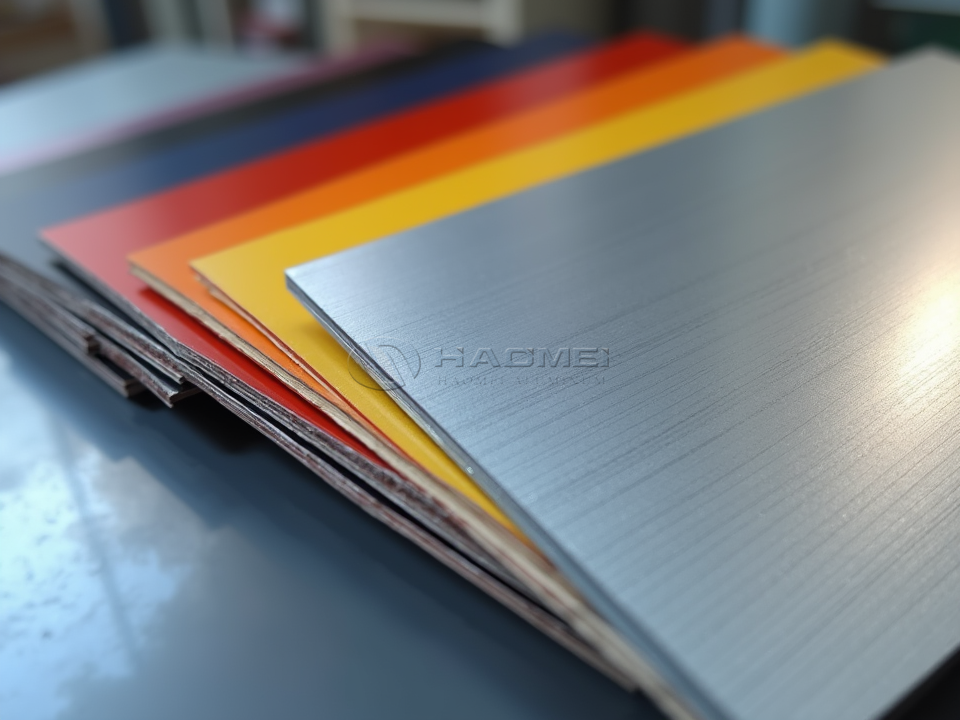
What Makes the Surface Different
The anti-scratch performance comes from the coating structure. A typical system includes chemical pretreatment, primer, color coating, and a high-hardness protective top layer. This top layer may be based on modified polyester, PVDF, polyurethane, or powder coating technology, depending on the required outdoor life, gloss, color stability, and forming grade.
The surface is not simply hard; it is balanced. If a coating is too brittle, it may crack during bending. If it is too soft, it may mark easily. A well-made anti-scratch coated aluminum panel keeps enough flexibility for fabrication while improving resistance to scuffing and surface wear.
For architectural applications, many customers choose products from the broader Coated Aluminum Sheet range, then specify a scratch-resistant finish when higher surface durability is needed.
Main Performance Features
| Property | Typical Performance | Customer Benefit |
|---|---|---|
| Scratch resistance | Improved surface hardness and abrasion resistance | Fewer visible marks during handling and use |
| Panel weight | About one-third the density of steel | Easier installation and lower structural load |
| Corrosion resistance | Strong performance after pretreatment and coating | Suitable for humid, urban, and indoor service areas |
| Formability | Can be cut, bent, punched, grooved, and laminated | Fits many fabrication methods |
| Color options | Solid color, metallic, matte, gloss, texture, wood grain | Flexible design appearance |
| Cleanability | Smooth, stain-resistant surface | Lower maintenance effort |
| Fire behavior | Depends on core and system design | Can support safer wall and ceiling assemblies |
| Recyclability | Aluminum substrate is recyclable | Supports material recovery after service life |
Common Alloy and Temper Choices
The substrate is usually selected according to strength, formability, flatness, and final use. For interior panels, 3003 and 3004 are common because they provide good forming behavior and stable surface quality. For higher strength or transport applications, 5052 may be selected.
| Alloy | Main Character | Typical Use |
|---|---|---|
| 1100 | High purity, excellent workability | Decorative panels, signs, light-duty cladding |
| 3003 | Good corrosion resistance and moderate strength | Wall panels, ceilings, cabinets, partitions |
| 3004 | Better strength than 3003 with good coating quality | Interior decoration, exterior decorative sheets |
| 5052 | Higher strength and excellent corrosion resistance | Transport interiors, marine-adjacent decoration, equipment panels |
| Temper | Description | Fabrication Suitability |
|---|---|---|
| H14 | Half hard, balanced strength and forming | General bending and panel work |
| H24 | Stabilized half hard | Better dimensional stability after coating |
| H32 | Strain hardened and stabilized | Higher strength applications |
| O | Soft annealed | Deep forming and complex shapes |
Typical Chemical Composition
Chemical composition varies by alloy standard and mill certificate. The table shows typical reference ranges often used for coated aluminum panel substrates.
| Alloy | Al | Mn | Mg | Fe | Si | Cu | Zn |
|---|---|---|---|---|---|---|---|
| 1100 | 99.00 min | 0.05 max | 0.05 max | Si + Fe 0.95 max | Si + Fe 0.95 max | 0.05-0.20 | 0.10 max |
| 3003 | Balance | 1.00-1.50 | 0.05 max | 0.70 max | 0.60 max | 0.05-0.20 | 0.10 max |
| 3004 | Balance | 1.00-1.50 | 0.80-1.30 | 0.70 max | 0.30 max | 0.25 max | 0.25 max |
| 5052 | Balance | 0.10 max | 2.20-2.80 | 0.40 max | 0.25 max | 0.10 max | 0.10 max |
Coating Systems and Finish Choices
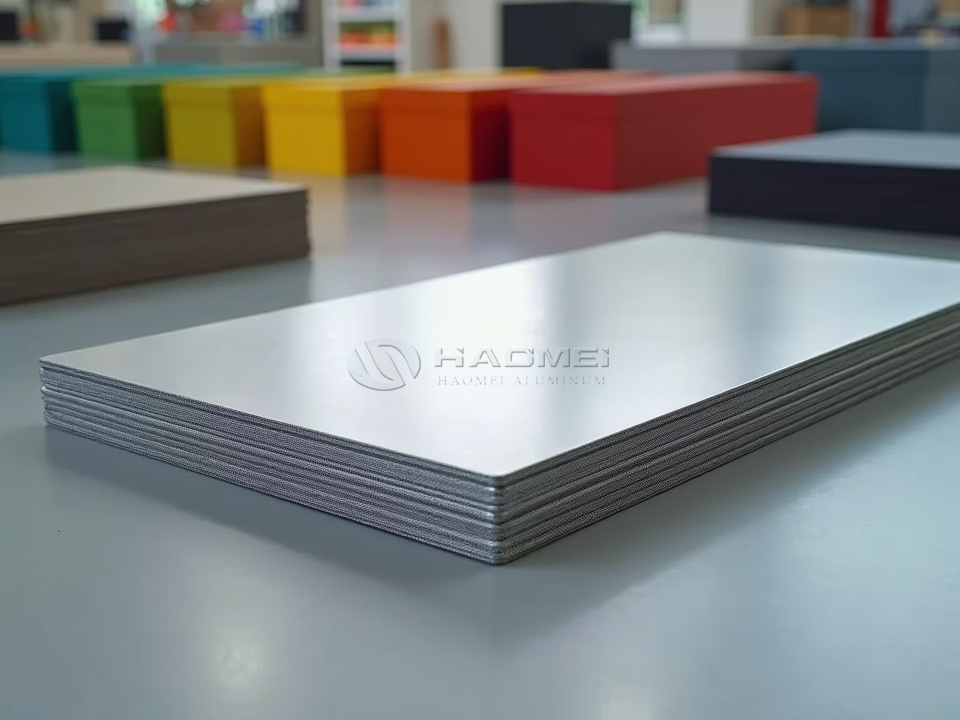
For indoor use, PE and modified polyester coatings often provide good color, practical cost, and easy processing. For outdoor facades or harsh sunlight, fluorocarbon systems offer better weathering resistance. When long-term color retention is a priority, PVDF Coated Aluminum Sheet is often selected as the base coating technology, with an enhanced scratch-resistant top finish added when required.
| Coating Type | Typical Film Thickness | Strengths | Suitable Areas |
|---|---|---|---|
| PE coating | 16-25 microns | Good color range, economical, easy forming | Indoor walls, ceilings, signs |
| Modified polyester | 18-28 microns | Better hardness and wear resistance | Commercial interiors, furniture panels |
| PVDF coating | 25-35 microns | Excellent weather resistance and color stability | Facades, exterior decoration, premium signage |
| Powder coating | 60-100 microns | Thick film, strong mechanical resistance | Doors, equipment shells, high-contact panels |
The finish can be smooth, matte, satin, brushed, metallic, textured, or patterned. Matte and fine-texture finishes are popular because small marks are less noticeable than on high-gloss surfaces.
Practical Applications
Anti-scratch coated aluminum panels are ideal for busy interiors where appearance matters. Shopping malls, airports, hotels, hospitals, schools, and office buildings often use them for wall cladding, column covers, ceiling strips, service counters, and elevator panels. The material helps reduce the tired look that can appear quickly on ordinary decorative surfaces.
In signage and display systems, the panel provides a clean printing or lettering base. It can be cut into precise shapes, folded into box signs, or bonded to composite structures. The scratch-resistant finish protects the color during production, transport, and installation.
For furniture and cabinetry, it offers a modern metal appearance without the heavy weight of stainless steel. It is used for cabinet doors, drawer fronts, reception desks, retail display shelves, and laboratory furniture. Because the surface is easy to wipe, it works well in places that require frequent cleaning.
Transport interiors also benefit from the material. Train cabins, bus panels, marine interiors, camper vans, and elevator cars require lightweight panels with good wear resistance. Aluminum helps reduce vehicle weight, while the coating improves the life of visible surfaces.
Fabrication and Installation Notes
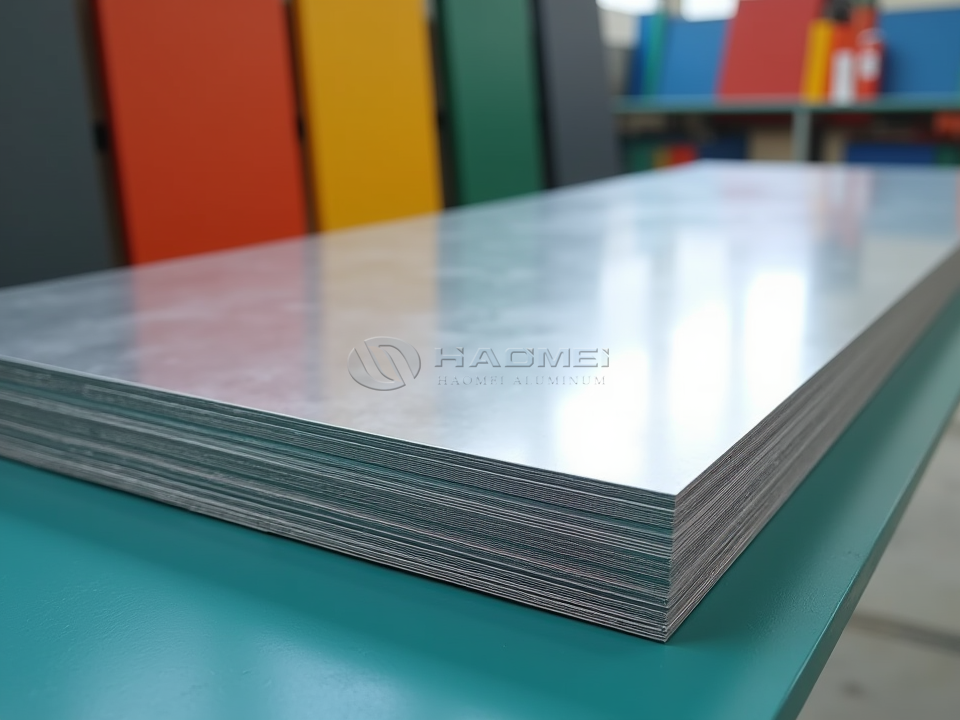
The panel can be processed with common sheet metal equipment. Cutting, shearing, CNC routing, bending, punching, roll forming, and adhesive bonding are all possible when the alloy, temper, coating, and thickness are correctly matched. For tight bends, the coating flexibility and bend radius should be confirmed before mass production.
Protective film is often applied during handling and installation. It should be removed within the recommended time, especially after outdoor exposure, to prevent adhesive residue. During fabrication, clean gloves, smooth worktables, and proper stacking pads help maintain the finished surface.
For exterior projects, drainage, thermal expansion, fastener spacing, and edge sealing should be considered. Although the surface has improved scratch resistance, it should not be treated as a cutting board or abrasive working surface. Correct use gives the best long-term appearance.
Selection Guide
| Project Need | Suggested Choice |
|---|---|
| High traffic interior walls | 3003 or 3004 substrate with modified polyester anti-scratch coating |
| Exterior facade panels | 3004 or 5052 substrate with PVDF anti-scratch coating |
| Furniture and cabinet panels | 3003 H14 or H24 with matte or fine-texture finish |
| Elevator and transport interiors | 5052 or strengthened 3003 with high-hardness top coat |
| Signage and retail display | PE or PVDF coating depending on indoor or outdoor exposure |
An anti-scratch coated aluminum panel gives designers and fabricators a practical way to combine beauty, durability, and lightweight construction. With the right alloy, temper, coating chemistry, and finish, it can serve as a long-lasting surface for demanding decorative and functional environments.