Sublimated Aluminum Sheet Blank
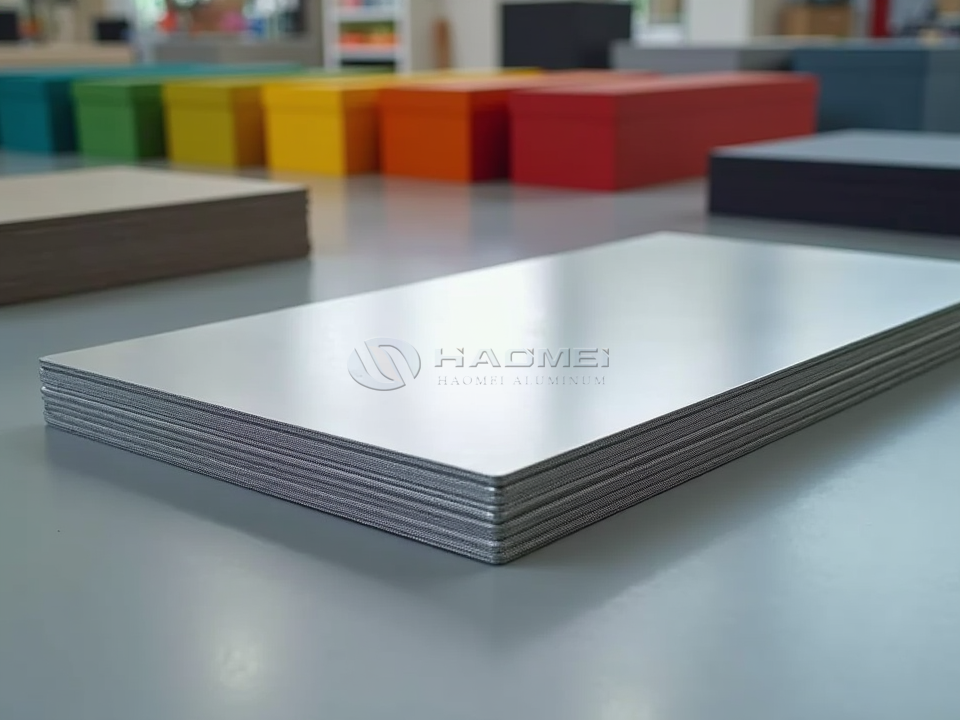
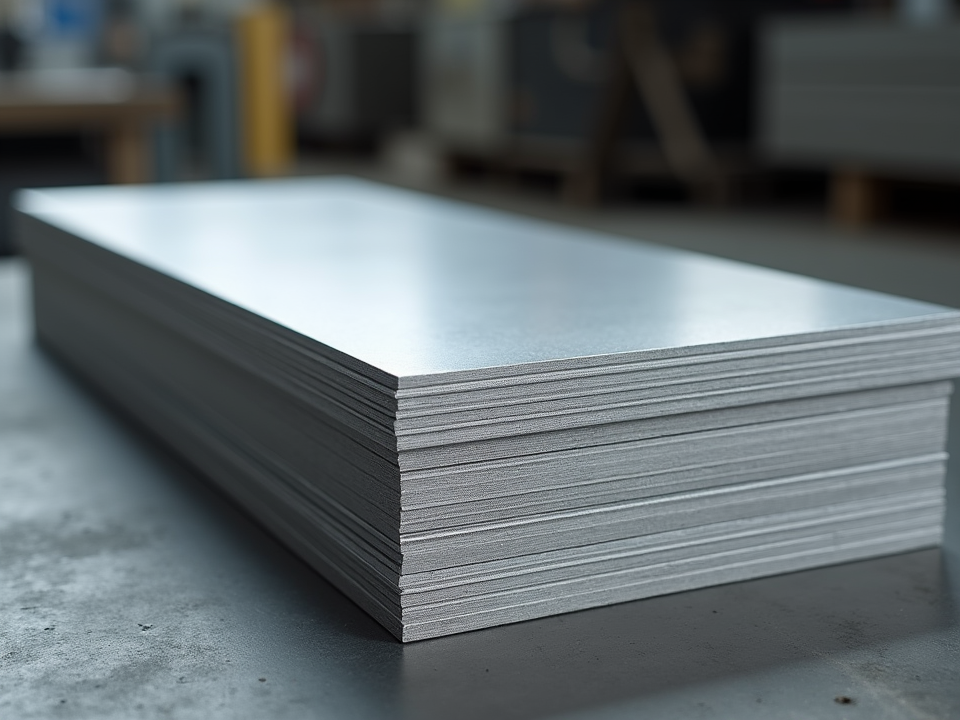
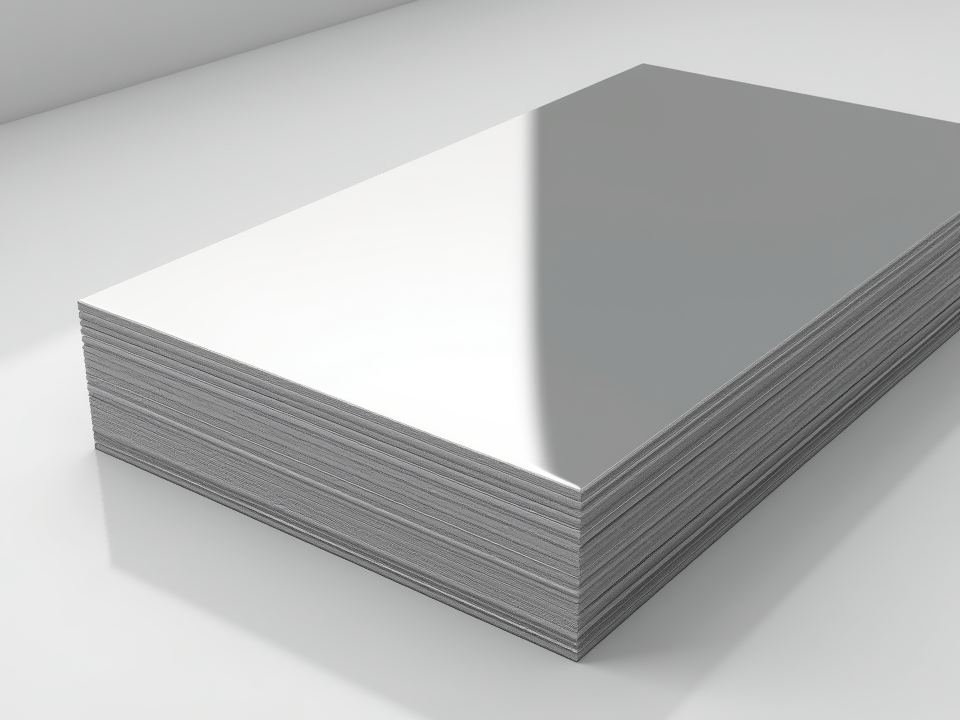
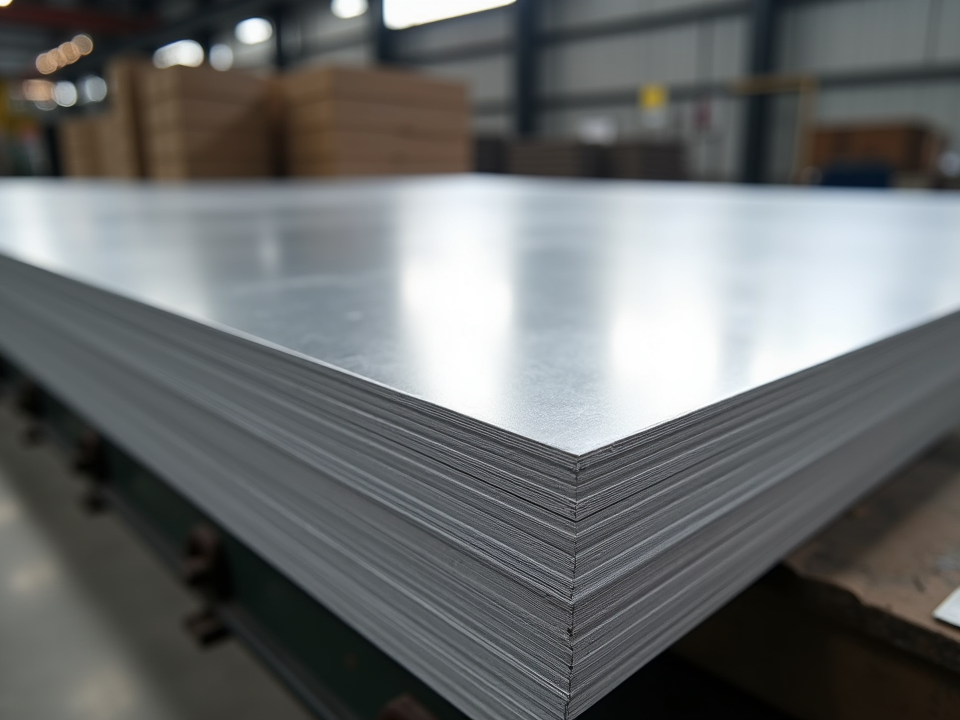
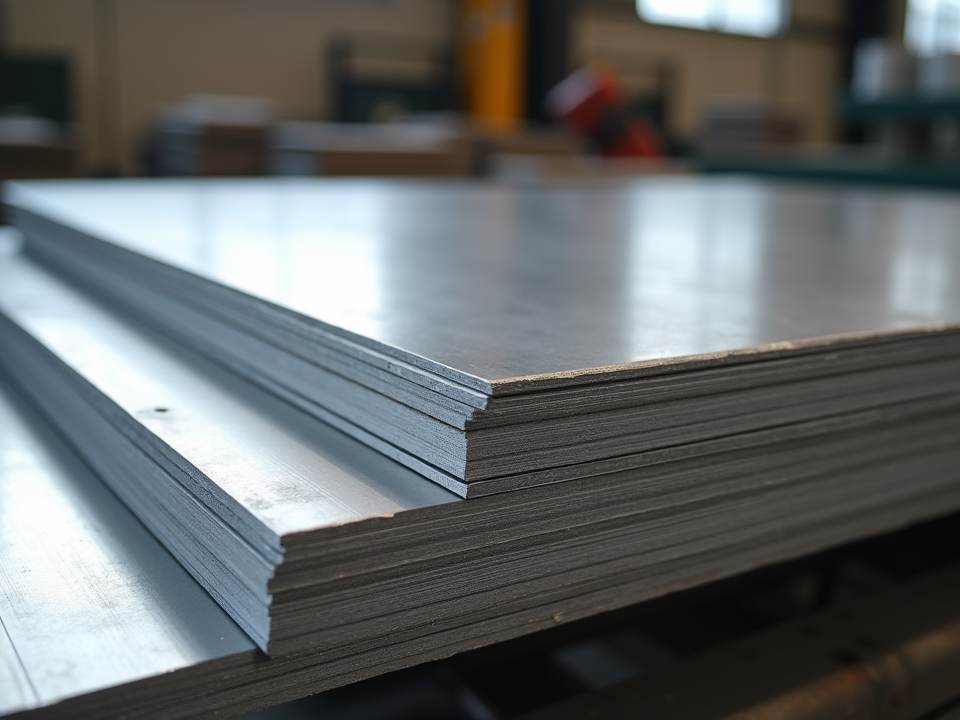
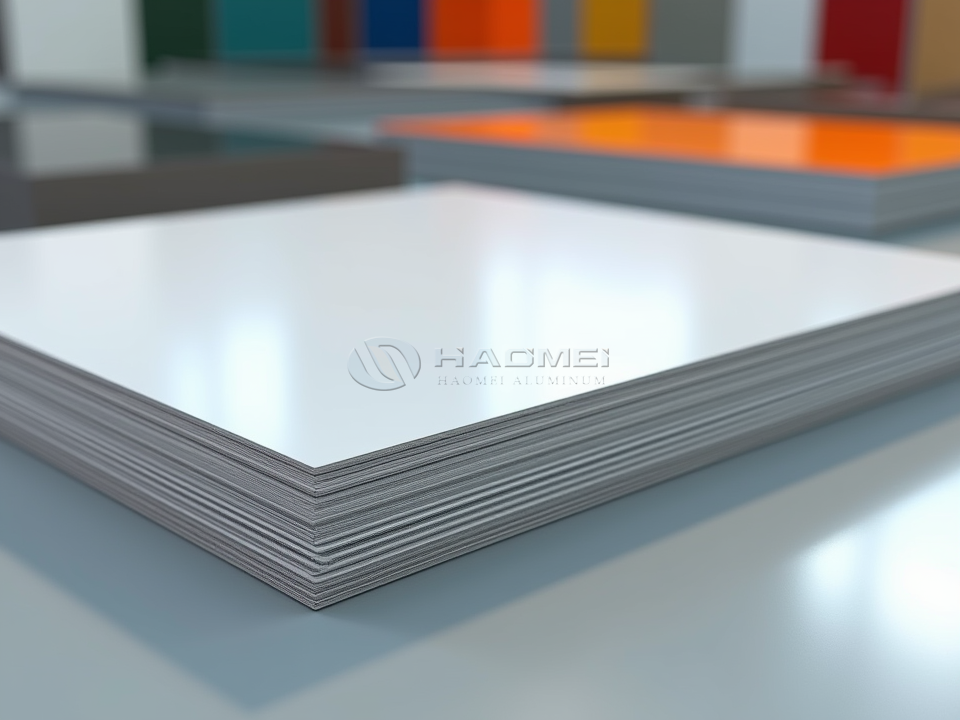
A sublimated aluminum sheet blank may look simple before printing: a flat white, silver, or brushed metal panel with a protective film. Yet from the viewpoint of a heat press, it is a carefully prepared surface waiting for color to become part of its coating. Unlike paper or vinyl, the image does not merely sit on top. Sublimation dye turns into gas under heat, enters the polymer coating, then cools into a sharp, washable, fade-resistant graphic.
That is why the blank is not just an aluminum sheet. It is an aluminum substrate, a conversion layer, a sublimation-ready polyester coating, and a removable protection film working as one system. If one layer is poorly controlled, the final print may show blur, orange peel, color shift, dents, or weak adhesion.
What Makes the Blank Suitable for Sublimation
The core requirement is a clean, flat aluminum base with a high-quality polymer coating. The aluminum gives stiffness, light weight, corrosion resistance, and easy fabrication. The coating gives ink receptivity and color brightness.
Common base alloys include 1100, 3003, 3105, and 5052. For photo panels, awards, nameplates, signage, ornaments, and personalized gifts, 1100 and 3003 are widely used because they offer good flatness, surface quality, and easy cutting. For parts needing better strength or outdoor resistance, 5052 is often preferred.
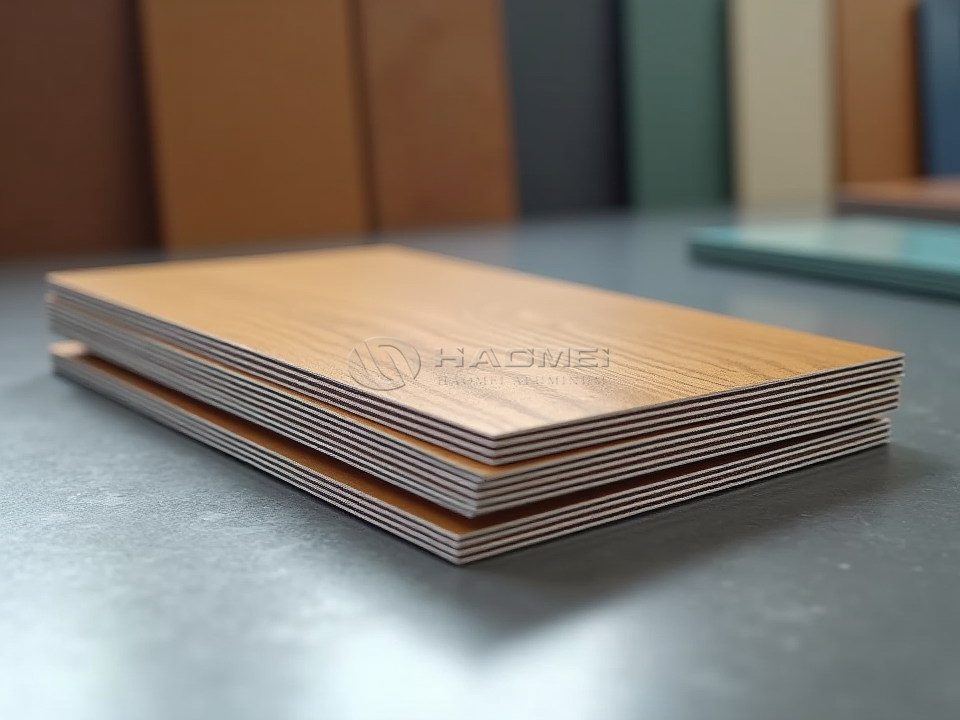
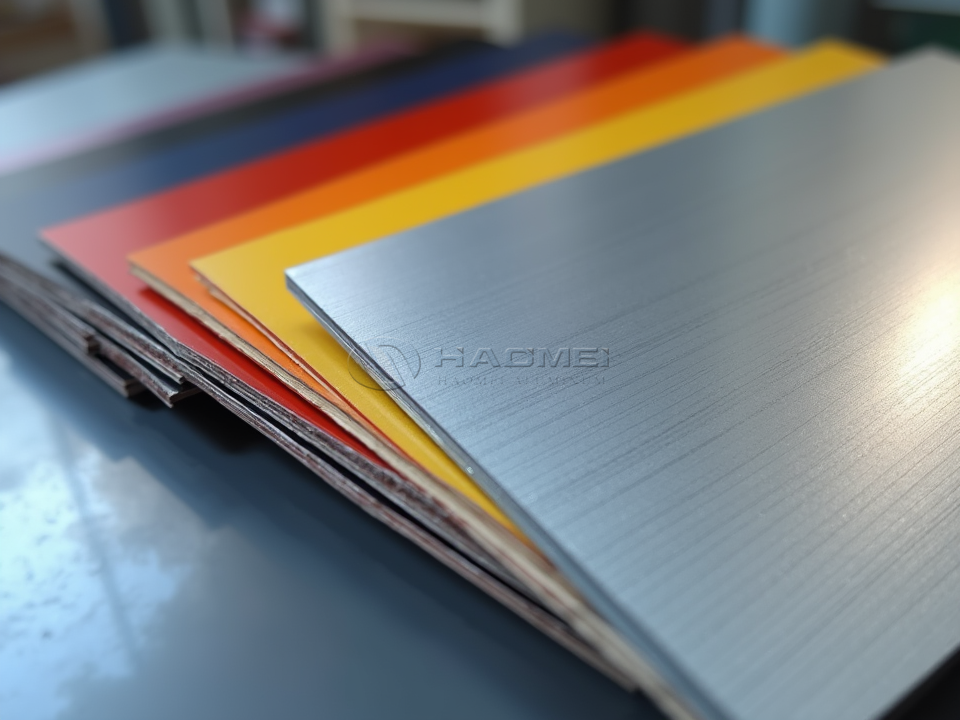
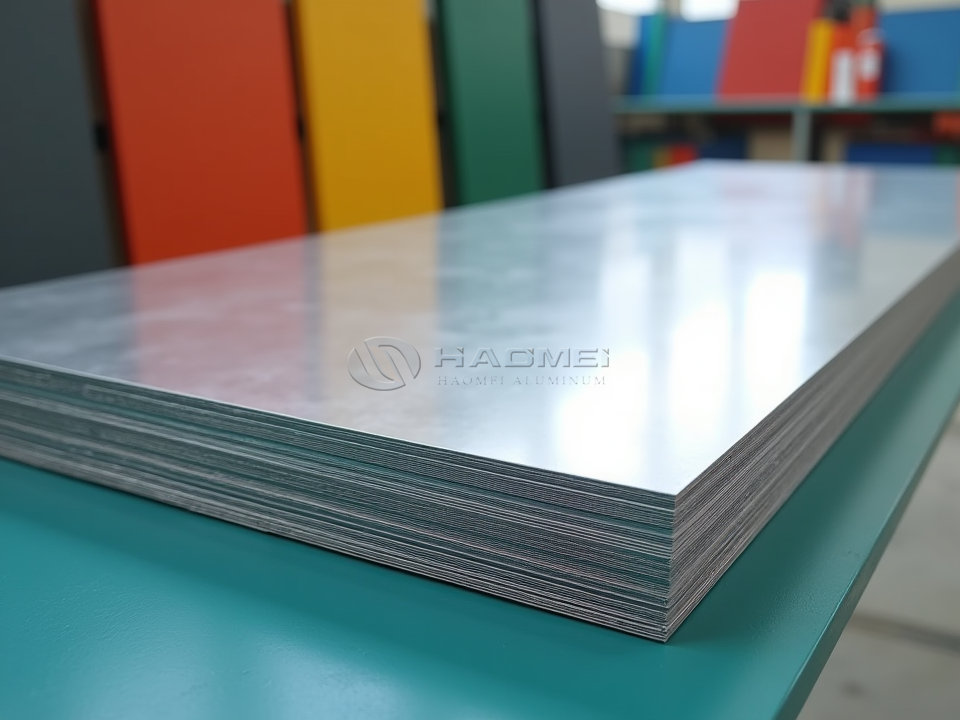
A sublimation coating is usually a polyester-based clear or pigmented layer. White coating gives strong color contrast and photographic brightness. Clear coating allows metallic effects, especially on brushed silver or gold finishes. Some customers also choose matte, glossy, semi-gloss, or textured surfaces depending on glare control and touch feel.
When comparing this product with general Coated Aluminum Sheet, the difference is the ink-receptive polymer layer. Decorative coating may focus on weathering or color protection, while sublimation coating must accept dye migration cleanly during heat pressing.
Typical Product Parameters
The most common thickness range for sublimated aluminum sheet blank products is 0.3 mm to 1.2 mm. Thin sheets are suitable for inserts, plaques, labels, and crafts. Medium thickness sheets around 0.5 mm to 0.8 mm are popular for photo panels and signs. Thicker gauges are used when rigidity is needed.
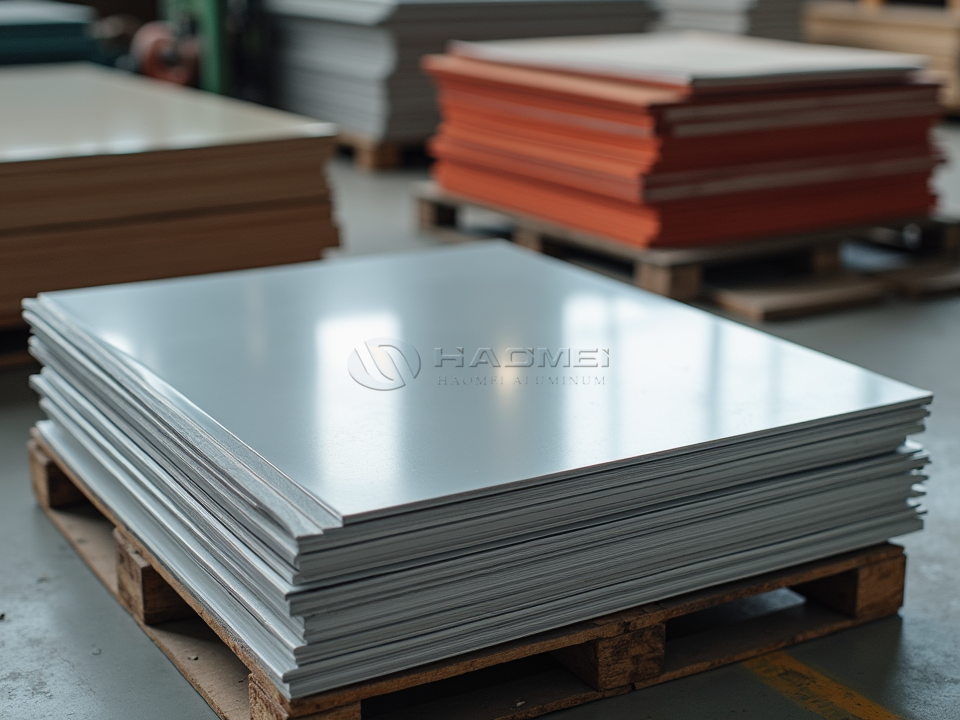
Typical width and length can be supplied as large sheets, cut panels, or custom blanks. Standard sizes often include 610 x 305 mm, 600 x 1200 mm, 1220 x 2440 mm, and customer-specified formats. Cutting tolerance is commonly controlled within +/-0.2 mm to +/-0.5 mm depending on size and process.
Surface coating thickness is often 18 to 30 microns. A coating that is too thin may reduce ink depth and durability. A coating that is too thick may crack during bending or show uneven curing. Gloss level may range from matte 10 to 30 GU, satin 30 to 60 GU, and gloss above 70 GU, measured at 60 degrees.
Heat press conditions normally fall within 180 C to 200 C, with pressing time from 45 to 90 seconds. The exact recipe depends on coating type, sheet thickness, paper, ink, pressure, and image area. A good blank should allow stable transfer without yellowing, ghosting, or coating softening.
Alloy Tempering and Forming Behavior
Temper selection decides how the sheet behaves during cutting, bending, punching, and mounting. Soft temper such as O is easy to form but may dent more easily. H14 and H24 give a balanced mix of flatness and stiffness. H32 or H34 in 5052 improves strength for demanding applications.
For flat photo printing, H14 or H24 is often preferred because it keeps the panel stable during handling and pressing. For curved signs or formed tags, softer tempers may be chosen. For outdoor nameplates or machine labels, 5052-H32 provides better mechanical strength and corrosion resistance.
The blank should remain flat after heat exposure. Poor stress control in rolling or coating can cause curling after pressing. For this reason, reliable producers monitor leveling, coil tension, coating cure temperature, and cooling rate.
Chemical Composition Reference
The aluminum alloy chemistry affects corrosion resistance, formability, strength, and surface behavior. The following values are typical reference ranges based on common international aluminum alloy designations. Final purchase specifications should follow the agreed mill certificate.
| Alloy | Si | Fe | Cu | Mn | Mg | Cr | Zn | Ti | Al |
|---|---|---|---|---|---|---|---|---|---|
| 1100 | Si+Fe <= 0.95 | Si+Fe <= 0.95 | 0.05-0.20 | <= 0.05 | <= 0.05 | - | <= 0.10 | - | >= 99.00 |
| 3003 | <= 0.60 | <= 0.70 | 0.05-0.20 | 1.00-1.50 | - | - | <= 0.10 | - | Balance |
| 3105 | <= 0.60 | <= 0.70 | <= 0.30 | 0.30-0.80 | 0.20-0.80 | <= 0.20 | <= 0.40 | <= 0.10 | Balance |
| 5052 | <= 0.25 | <= 0.40 | <= 0.10 | <= 0.10 | 2.20-2.80 | 0.15-0.35 | <= 0.10 | - | Balance |
For sublimation use, coating chemistry is just as important as metal chemistry. The surface layer normally contains polyester resin, curing agent, pigment for white grades, leveling additives, and adhesion promoters. It should be free from silicone contamination, unstable plasticizers, and impurities that block dye penetration.
Implementation Standards and Test Conditions
Sublimated aluminum sheet blank production commonly references ASTM B209 for aluminum sheet and plate, EN 485 for aluminum sheet tolerances and mechanical properties, EN 573 for alloy composition, and GB/T 3880 for aluminum and aluminum alloy sheets. Coating performance may be evaluated through ISO 2409 cross-cut adhesion, ASTM D3359 tape adhesion, ASTM D523 gloss measurement, ASTM D3363 pencil hardness, and salt spray testing when corrosion resistance is required.
For food-contact decorative use, indoor display, or consumer gift applications, customers may request RoHS, REACH, or heavy metal control reports. For outdoor printed panels, UV resistance and humidity aging become more important. A plain indoor photo panel and an outdoor memorial marker should not be specified with the same performance target.
A practical inspection plan includes coating thickness, color uniformity, surface cleanliness, flatness, diagonal tolerance, burr control, protective film adhesion, and trial transfer. The trial transfer is especially valuable because it shows real behavior under heat, pressure, and dye load.
Coating Finish Choices
White glossy blanks are the most common option for bright images, portraits, awards, and commercial signs. White matte blanks reduce glare and fingerprints, making them suitable for wall art and office signage. Brushed silver with clear sublimation coating creates a metallic image effect, often used for premium plaques and decorative panels.
For architectural or exterior decorative work, customers sometimes compare sublimation-ready sheets with PVDF Coated Aluminum Sheet. PVDF systems offer excellent weather resistance, but they are not automatically suitable for dye sublimation unless the surface is specially designed for heat transfer. The intended printing process should always be confirmed before ordering.
Handling, Storage, and Printing Notes
The protective film should stay on until cutting or printing preparation, but it must be removed before heat pressing unless the film is certified for press exposure. Sheets should be stored flat in a dry, clean area away from acid, alkali, moisture, and abrasive dust. Fingerprints on the coating can cause uneven transfer, so gloves are recommended during handling.
Before mass production, test one panel using the intended paper, ink, temperature, pressure, and time. If the color is dull, the temperature may be low, the time too short, or the coating not optimized. If the image turns brown or the surface becomes wavy, heat may be excessive. If the image is doubled, the transfer paper may have shifted during opening.
How to Select the Right Blank
Selection should begin with the final use. A refrigerator magnet insert, a photo plaque, a warning label, and an outdoor sign all ask different things from the same-looking sheet. Indoor gift panels need image clarity and attractive finish. Industrial labels need abrasion resistance and dimensional accuracy. Outdoor panels need stronger corrosion protection, stable coating, and suitable alloy choice.
For most buyers, the safest specification includes alloy 1100-H14 or 3003-H24 for general printing panels, thickness from 0.45 mm to 0.8 mm, white polyester sublimation coating, removable protective film, and confirmed transfer performance at 190 C for about 60 seconds. For stronger parts, 5052-H32 can be selected with a suitable coating system.
A well-made sublimated aluminum sheet blank is more than a printable surface. It is a controlled material platform where metal stability, coating chemistry, heat response, and image quality meet. When the alloy, temper, coating, and press conditions are matched correctly, the result is a clean, vivid, long-lasting print that feels as solid as the metal behind it.