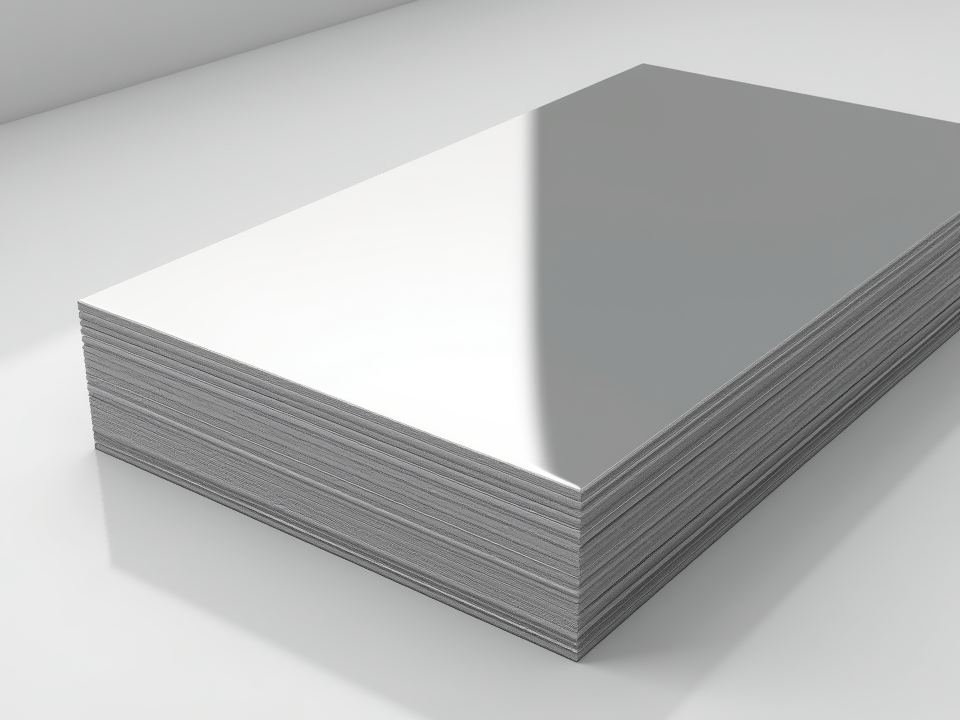
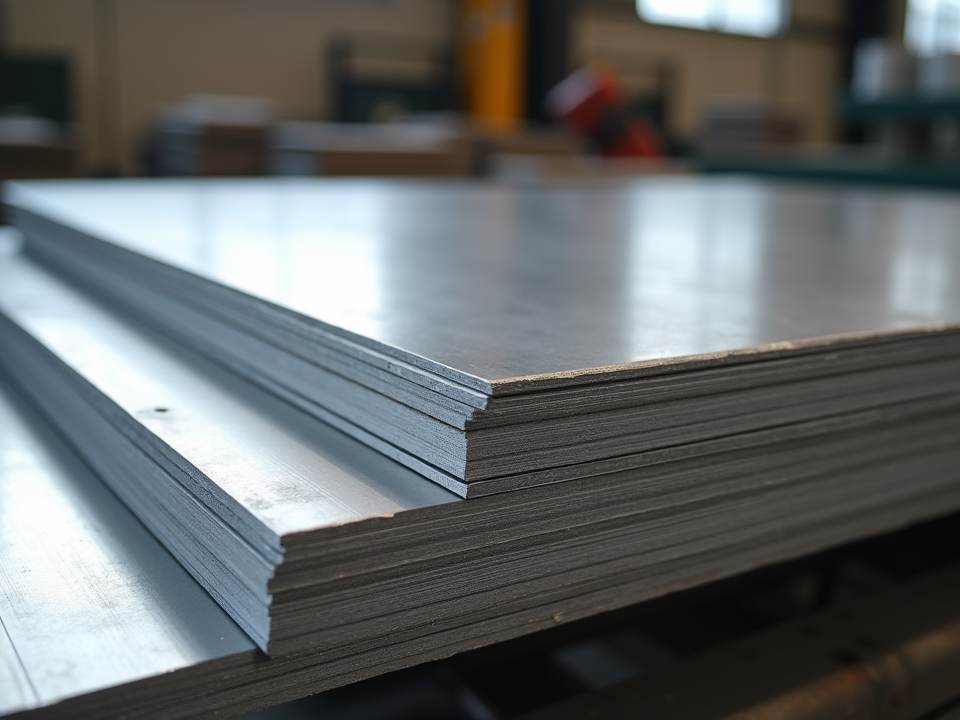
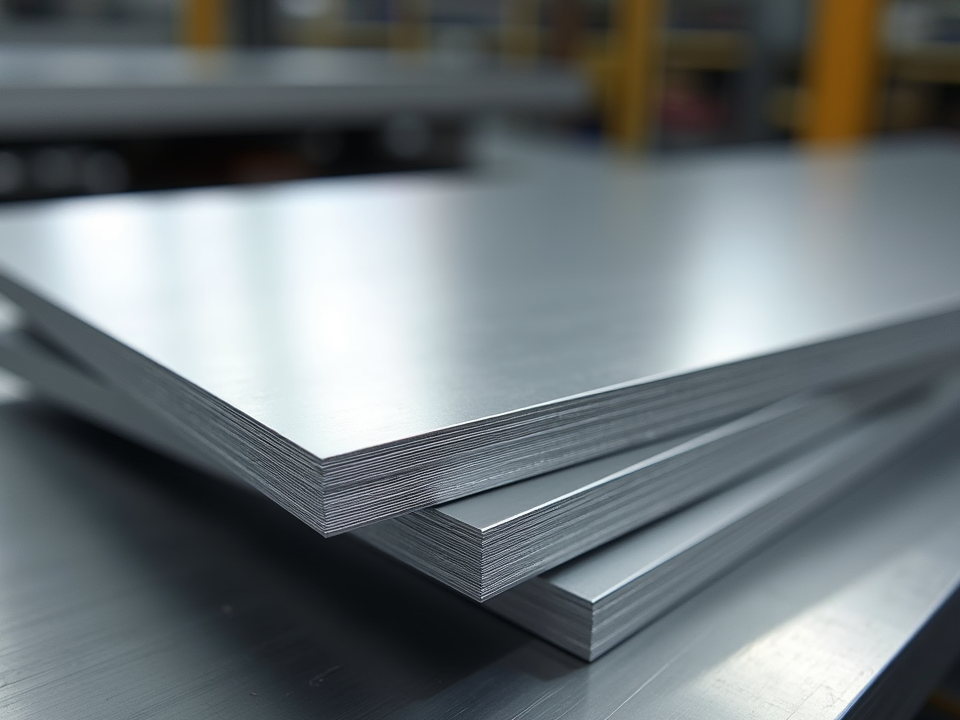
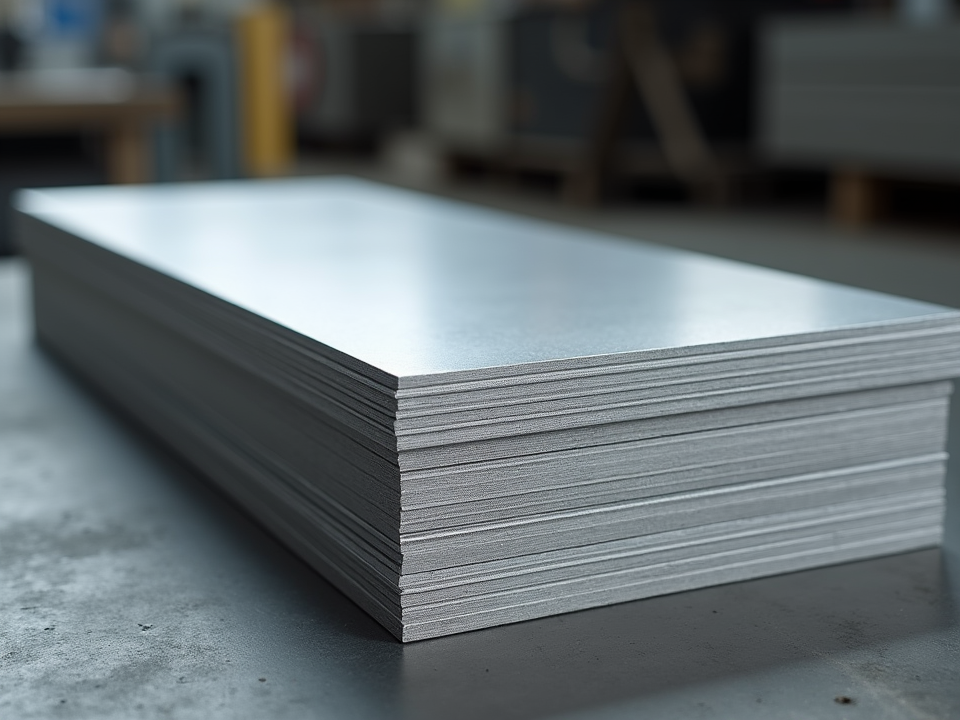
Color Coated Aluminum Roofing Sheet
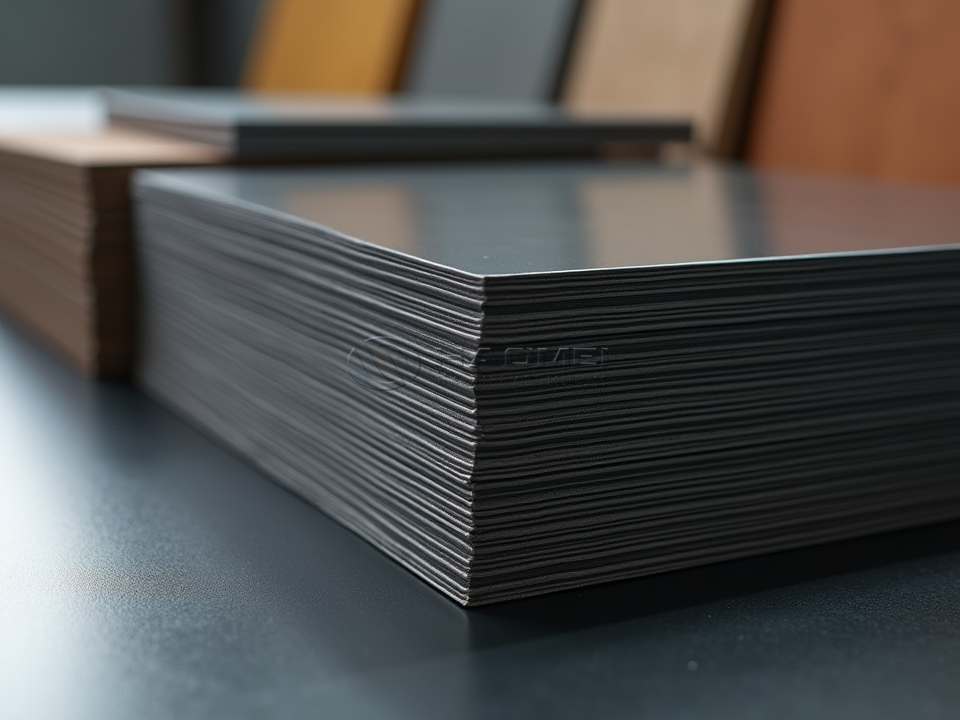
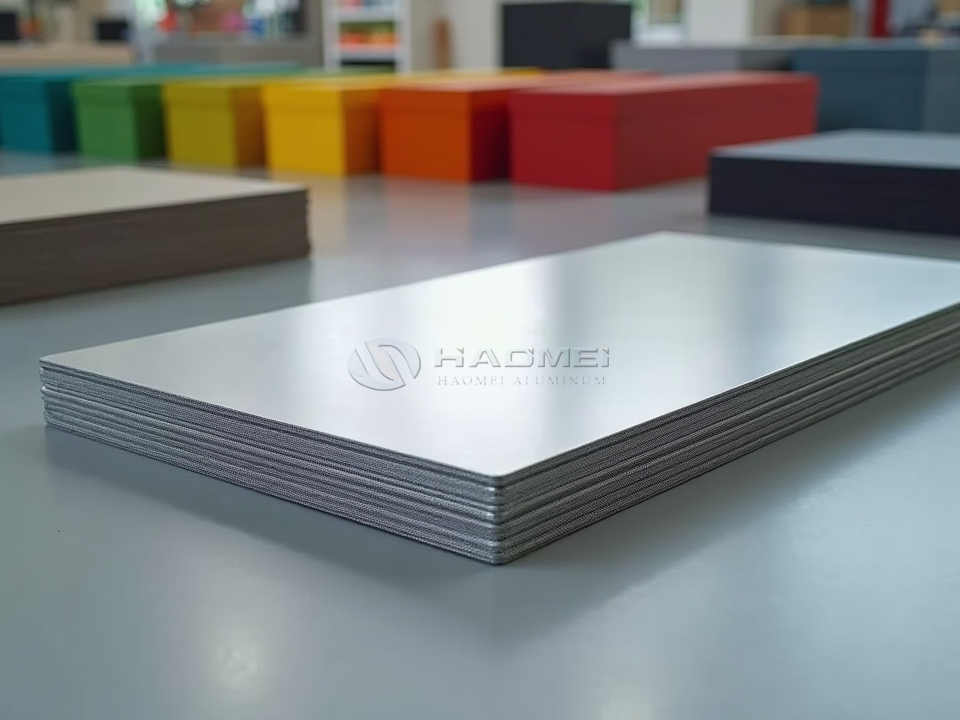
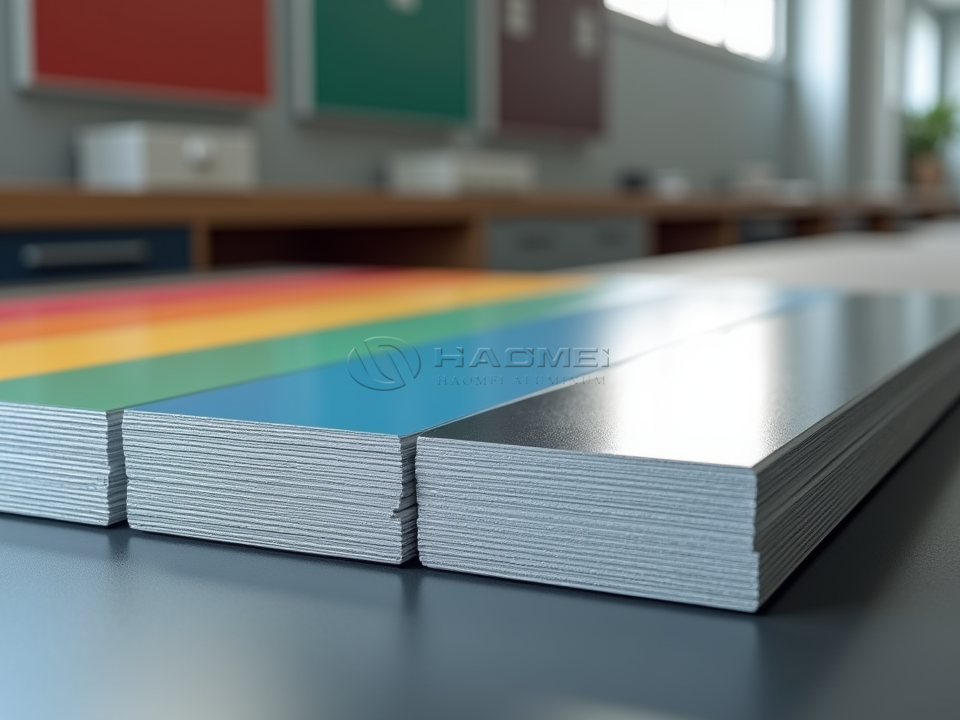
Color coated aluminum roofing sheet is a lightweight metal roofing material made by applying high-performance paint to aluminum coil before roll forming. The result is a roof panel that combines the natural corrosion resistance of aluminum with a decorative, weather-resistant coating. It is used where appearance, service life, easy installation, and reduced structural load all matter.
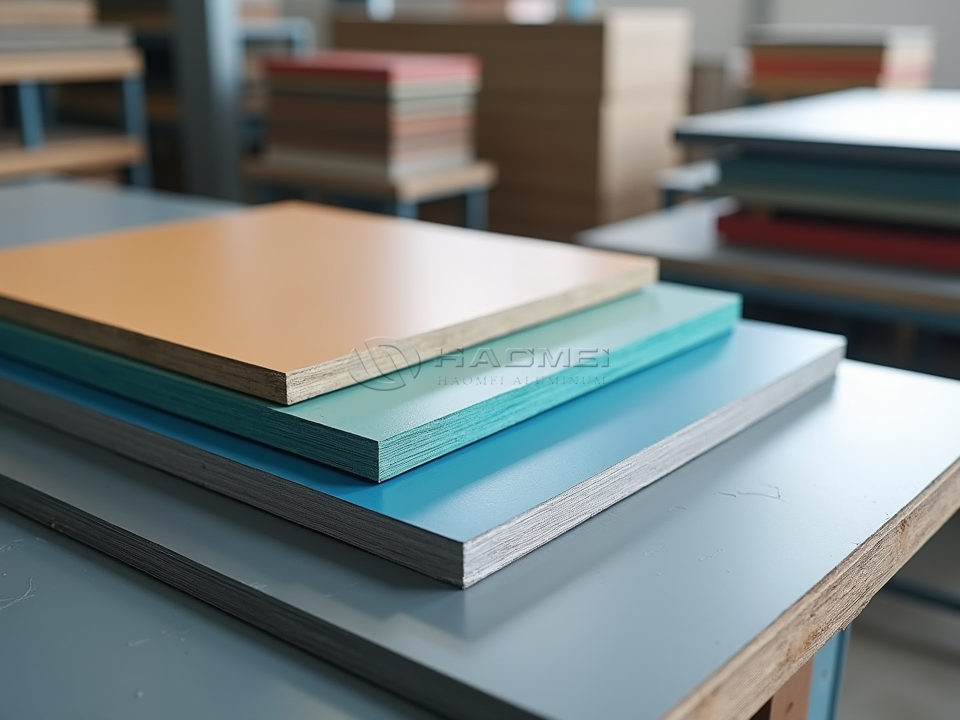
Unlike many heavy roofing materials, aluminum roofing sheet is easy to transport, cut, curve, and install. Its coated surface can be supplied in solid colors, metallic finishes, matte textures, or wood grain effects, giving architects and builders more freedom while keeping roof maintenance low.
Main Features Customers Care About
Color coated aluminum roofing sheet is valued for its balance of strength, formability, and outdoor durability. Aluminum does not red-rust like carbon steel, so it performs well in humid, rainy, coastal, and industrial environments. The coating system adds another protective layer, helping the sheet resist ultraviolet exposure, acid rain, chalking, and color fading.
The light weight is one of its strongest advantages. A typical aluminum roofing sheet weighs roughly one-third of a steel sheet of similar thickness. This can reduce roof framing cost, simplify installation, and make it suitable for renovation projects where the existing structure cannot support heavy roofing.
The coated surface is also designed for fast manufacturing. Roofing sheet can be processed into corrugated panels, trapezoidal profiles, standing seam panels, curved roof panels, and ceiling or wall cladding. During forming, a proper paint film maintains adhesion and flexibility, reducing cracking at bends and ribs.
| Property | Typical Range | Benefit for Roofing |
|---|---|---|
| Alloy | 3003, 3004, 3105, 5052 | Good formability, strength, and corrosion resistance |
| Temper | H14, H24, H26, H34 | Stable shape during roll forming and installation |
| Thickness | 0.40-1.20 mm | Suitable for residential, commercial, and industrial roofs |
| Width | 600-1600 mm | Adaptable to different panel machines |
| Coating type | PE, HDP, SMP, PVDF | Options for economy, color retention, and harsh weather |
| Paint thickness | 18-35 μm, or project specified | Protection against UV, rain, and abrasion |
| Common finish | Glossy, matte, embossed, metallic | Matches modern and traditional building styles |
For demanding outdoor exposure, many projects select PVDF Coated Aluminum Sheet because it offers excellent UV resistance and long-term color stability. For roof panel producers, dedicated Coated Aluminum Sheet for Roofing helps achieve consistent forming quality and stable coating performance.
Aluminum Base Metal and Chemical Properties
The base alloy affects strength, bending behavior, and long-term roof performance. Manganese-containing alloys such as 3003, 3004, and 3105 are widely used for roofing because they combine good roll-forming performance with better mechanical strength than pure aluminum.
| Element | 3003 Typical % | 3004 Typical % | 3105 Typical % | Function in Roof Sheet |
|---|---|---|---|---|
| Al | Balance | Balance | Balance | Provides low density and natural oxide protection |
| Mn | 1.0-1.5 | 1.0-1.5 | 0.3-0.8 | Improves strength and formability |
| Mg | - | 0.8-1.3 | 0.2-0.8 | Raises strength and weathering performance |
| Fe | ≤0.70 | ≤0.70 | ≤0.70 | Controlled for surface quality and workability |
| Si | ≤0.60 | ≤0.30 | ≤0.60 | Influences casting and rolling behavior |
| Cu | 0.05-0.20 | ≤0.25 | ≤0.30 | Controlled to maintain corrosion resistance |
| Zn | ≤0.10 | ≤0.25 | ≤0.40 | Limited for stable outdoor durability |
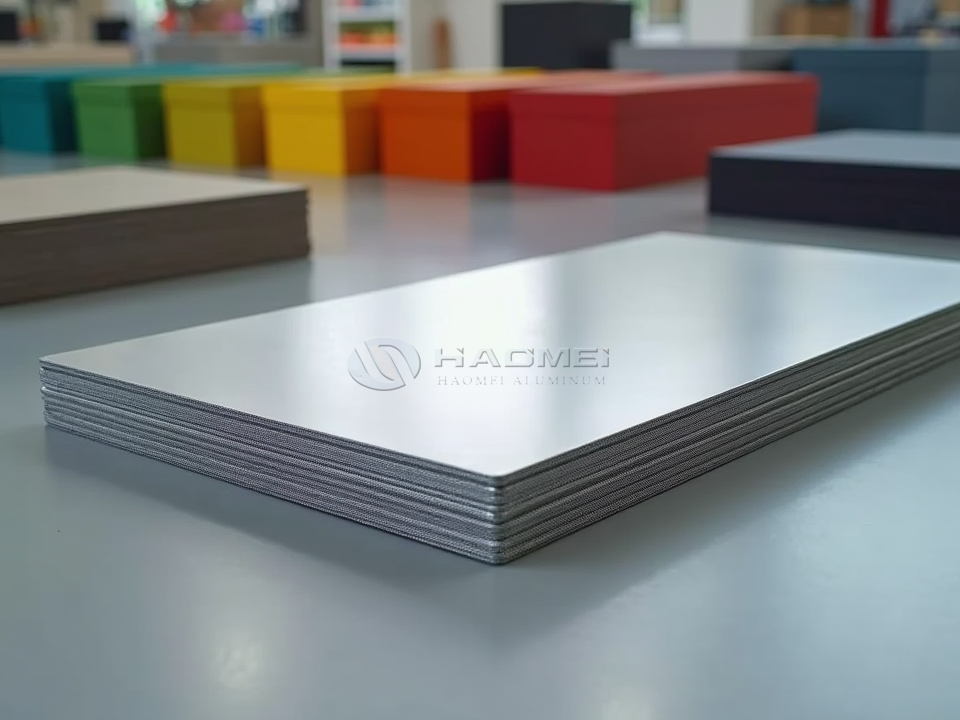
The surface is normally pretreated before coating. This conversion layer improves paint adhesion and increases resistance to under-film corrosion. A primer then bonds the topcoat to the aluminum substrate, while the topcoat supplies color, gloss, and weather protection.
Coating Choices for Different Environments
Coating selection should match the building location and service life target. PE coating is cost-effective and suitable for general roofing in mild environments. SMP and HDP coatings provide improved weather resistance. PVDF coating is often selected for airports, stadiums, coastal buildings, shopping centers, and high-end public projects where color retention is important.
| Coating System | Main Strength | Typical Use |
|---|---|---|
| PE polyester | Economical, good color range, easy processing | Residential roofing, temporary structures, interior ceilings |
| SMP silicone modified polyester | Better gloss and weathering than standard PE | Industrial buildings, warehouses, rural buildings |
| HDP high durable polyester | Strong UV and chalking resistance | Commercial roofs and long-span panels |
| PVDF fluorocarbon | Excellent color stability, chemical resistance, outdoor life | Coastal roofs, public buildings, premium facade-roof systems |
Color options can follow RAL, Pantone, or project samples. Lighter colors improve heat reflection and can help reduce roof temperature under strong sunlight. Dark colors create a bold appearance but may absorb more heat, so thermal expansion design becomes more important.
Roofing Applications
Color coated aluminum roofing sheet works across many building types because it is easy to shape and has a clean finished surface from the start. It is especially useful for projects that need both practical performance and strong visual appeal.
- Residential villas, townhouses, garden houses, and lightweight home extensions
- Industrial workshops, logistics warehouses, production buildings, and storage sheds
- Commercial centers, exhibition halls, office buildings, schools, and hospitals
- Coastal buildings, tourist facilities, and transport terminals exposed to salt air
- Agricultural roofing for farms, poultry houses, greenhouses, and equipment shelters
- Renovation roofs where low dead load helps protect the existing structure
- Canopies, awnings, carports, walkways, and exterior decorative panels
For curved roofs or complex architectural forms, aluminum is easier to process than many other roofing metals. It can be roll formed, pressed, punched, bent, and cut with standard equipment. This makes it practical for custom roof profiles and decorative building envelopes.
Installation and Performance Notes
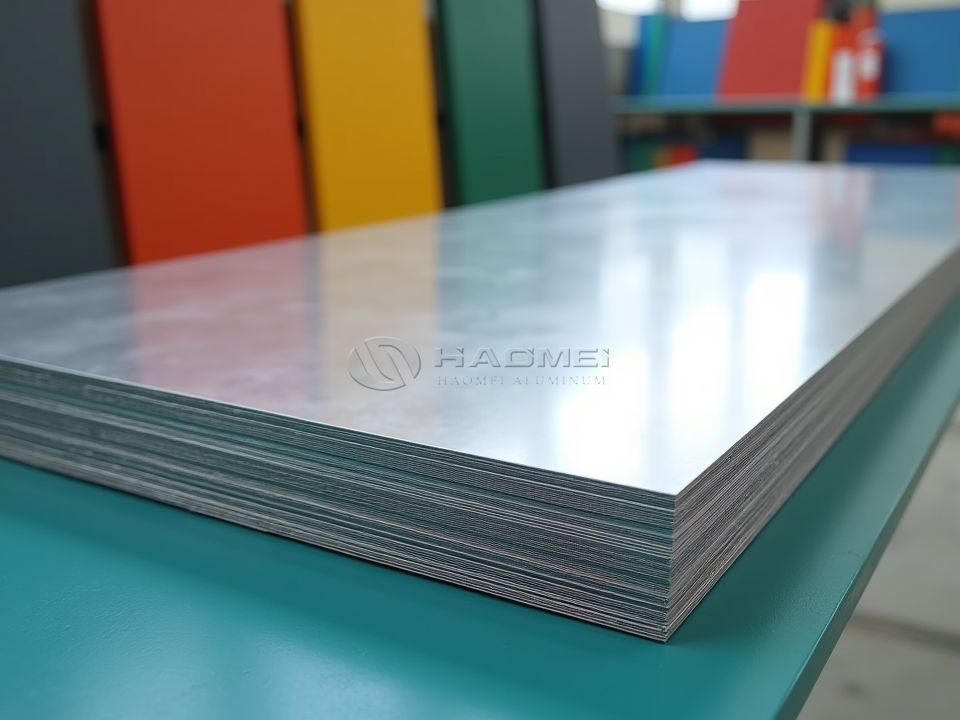
Good installation protects the full value of the material. Fasteners should be compatible with aluminum to avoid galvanic corrosion, especially in wet or coastal areas. Sealants, washers, and flashing should be chosen for outdoor aging resistance. Cutting edges should be clean, and metal chips should be removed after drilling or sawing to prevent stains on the coated surface.
Thermal movement also needs attention. Aluminum expands and contracts with temperature changes, so long panels should allow controlled movement through suitable fastening patterns, sliding clips, or standing seam systems. Proper roof slope, overlap design, and drainage help prevent water accumulation and improve service life.
Routine care is simple. In many climates, rainwater naturally cleans the roof surface. In dusty, coastal, or industrial areas, periodic washing with clean water and mild detergent can help maintain color and gloss. Strong alkaline cleaners, abrasive brushes, and aggressive solvents should be avoided.
Why It Is a Smart Roofing Choice
Color coated aluminum roofing sheet offers a rare combination of low weight, corrosion resistance, design flexibility, and long-lasting appearance. It supports fast construction, reduces load on the building frame, and provides dependable protection against rain, sunlight, and changing weather.
For customers choosing roofing material, it is suitable when the project requires attractive color, stable outdoor performance, easy forming, and reduced maintenance. Whether used on a private house, warehouse, coastal resort, public facility, or modern commercial roof, color coated aluminum roofing sheet delivers a practical and visually refined solution for durable roof construction.