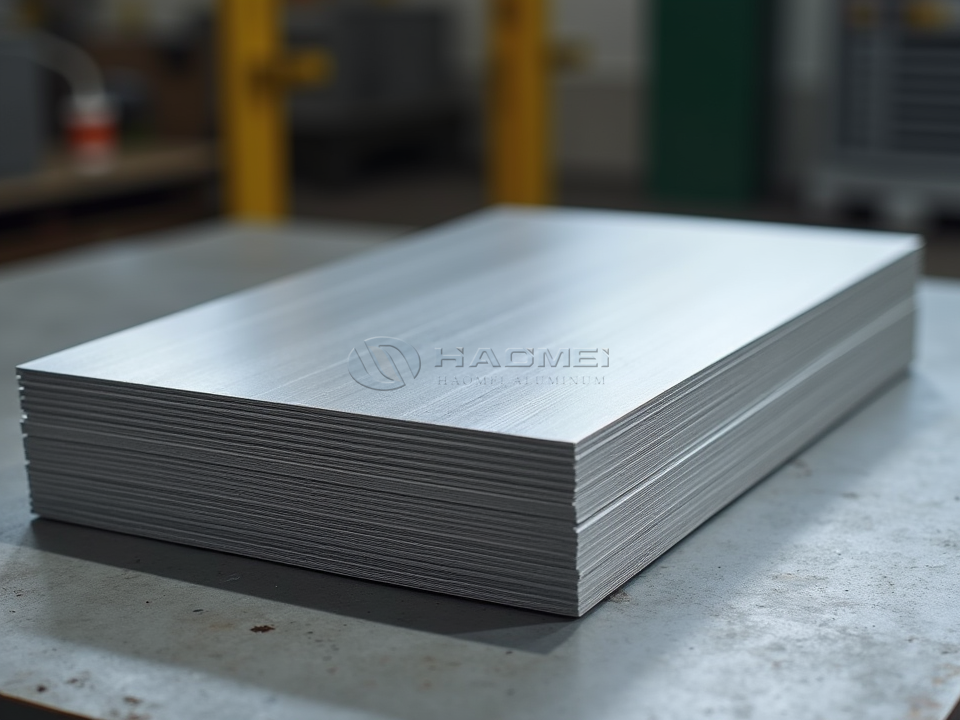
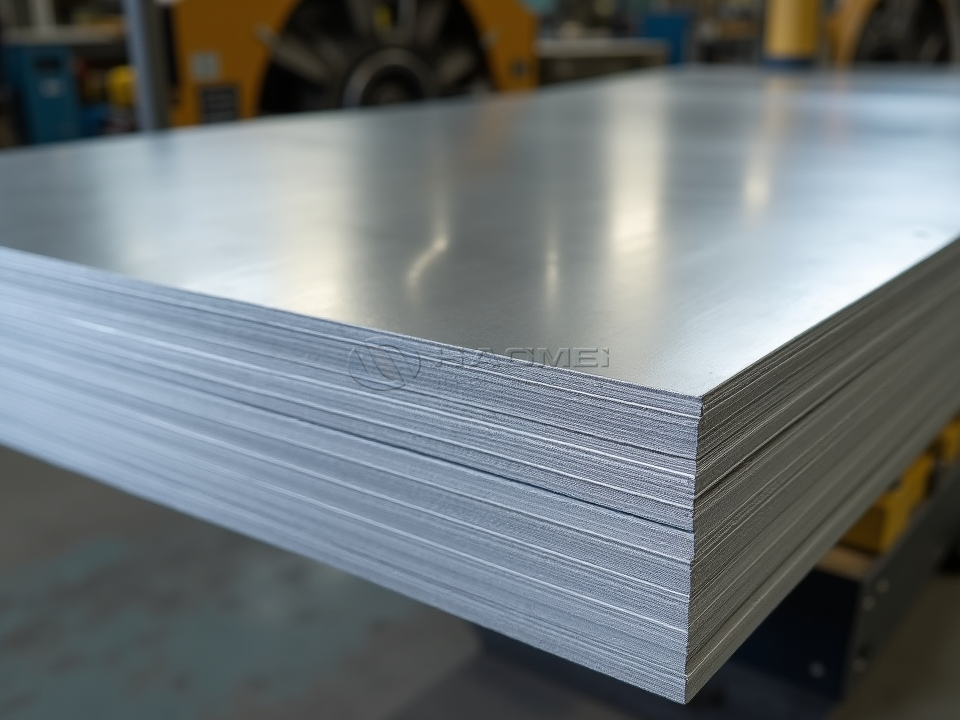
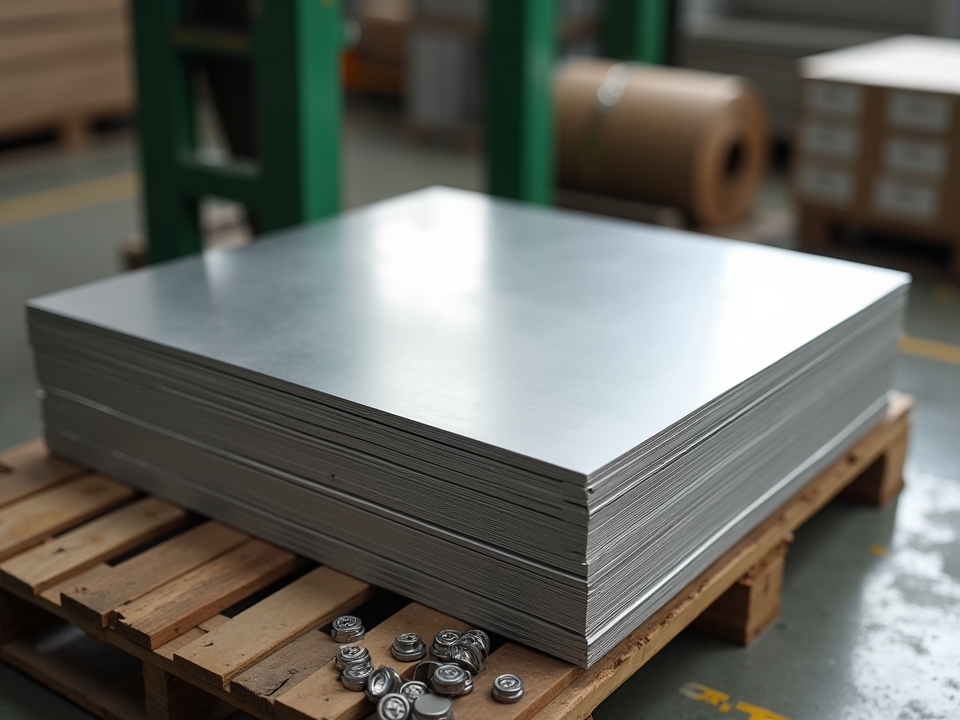
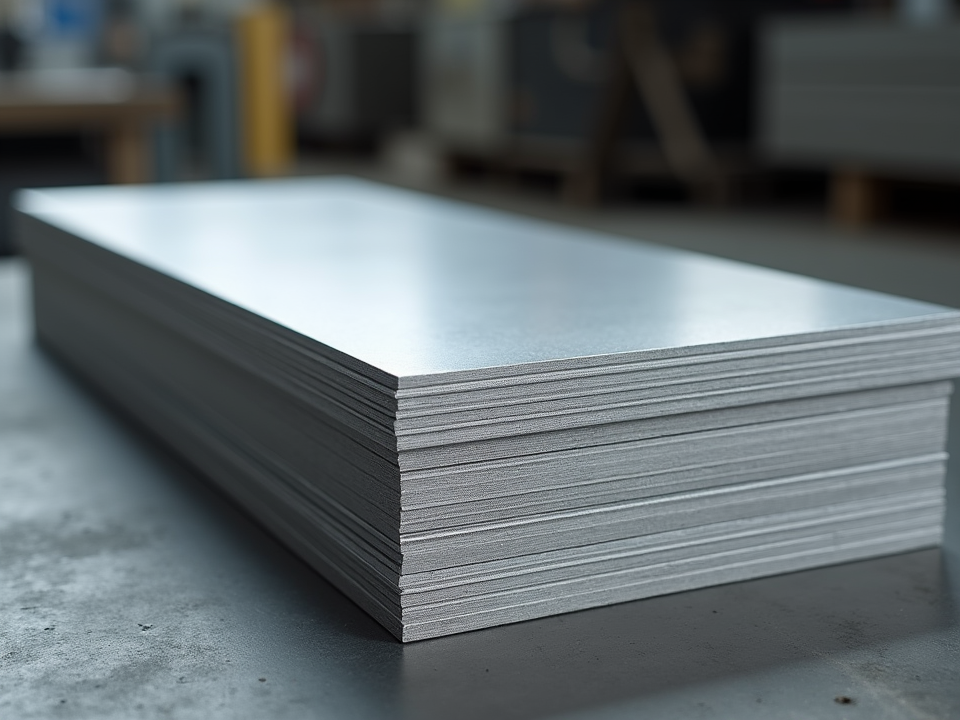
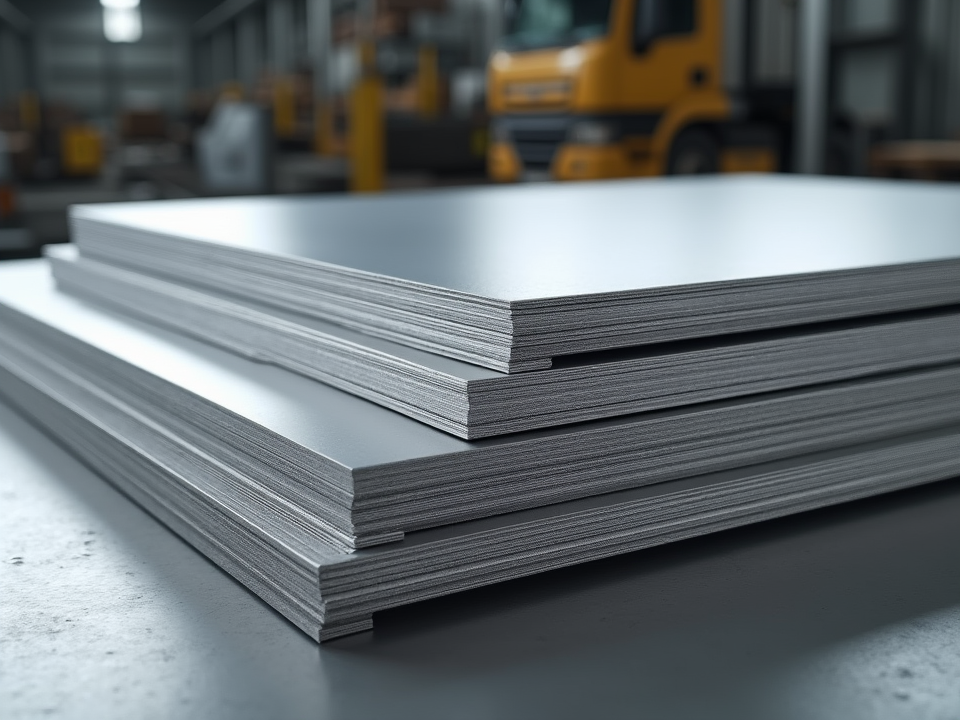
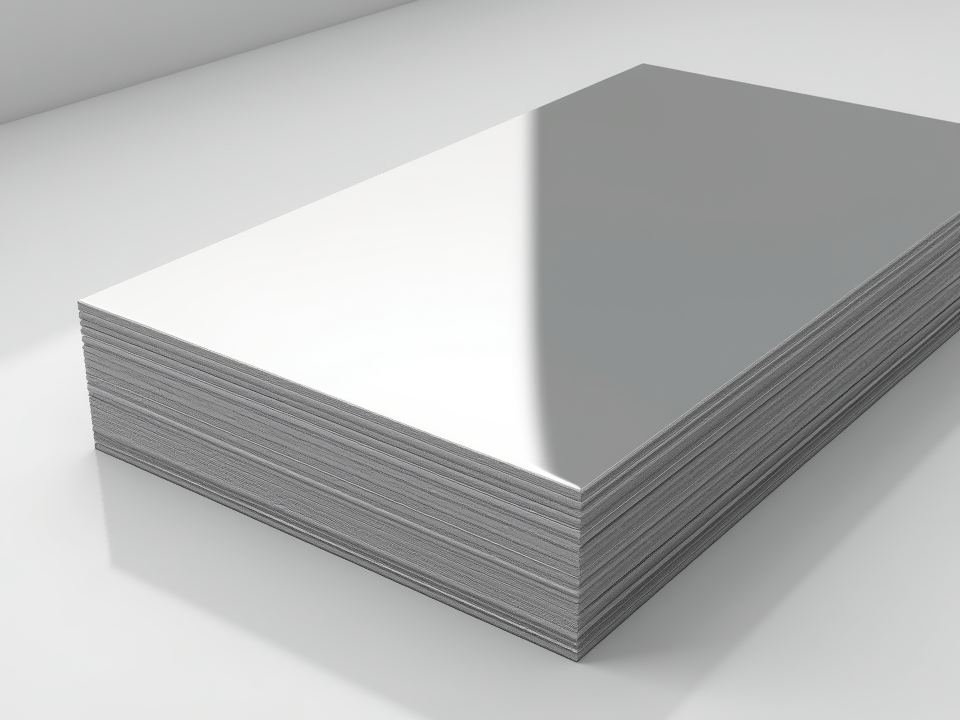
Custom Cut Alloy Aluminum Sheet
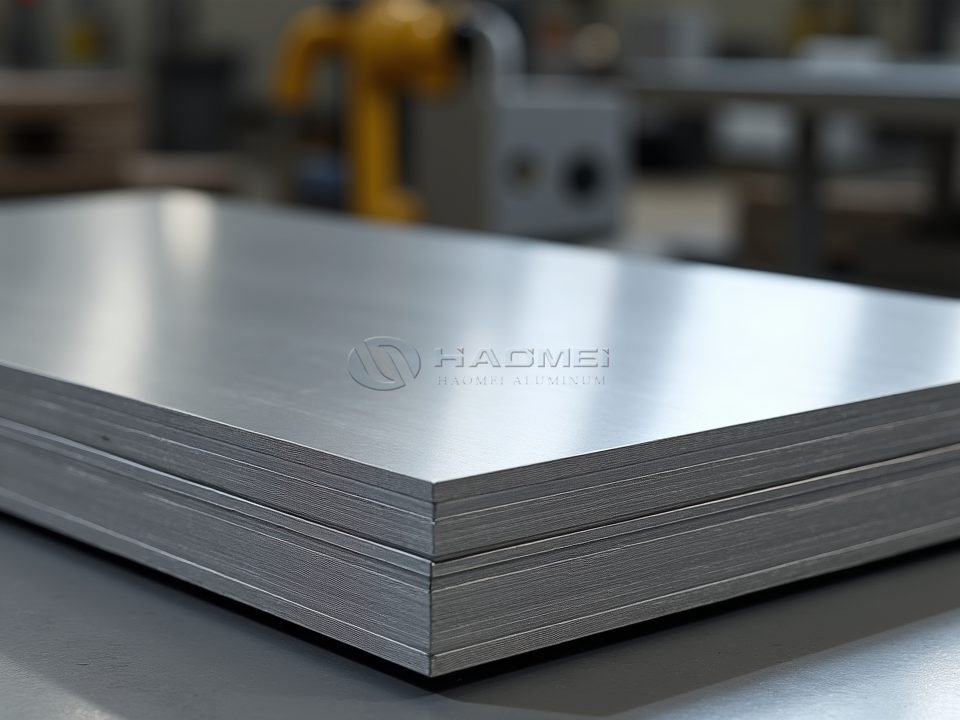
Custom cut alloy aluminum sheet is designed for buyers who need aluminum delivered in ready-to-use dimensions rather than oversized stock. By cutting the sheet to the required length, width, and thickness tolerance before shipment, customers reduce handling time, minimize scrap, and improve production flow. This product is widely used in sheet metal fabrication, transportation equipment, electrical housings, signage, marine parts, architectural panels, and general industrial components.
Unlike standard mill-size sheet, custom cut material is prepared around the final part requirement. The result is a cleaner workflow: fewer secondary cutting operations, lower labor input, and better material control at the workshop. For projects involving repeated panel sizes, nested parts, or tight dimensional control, custom cutting can be as important as alloy selection.
Product Character
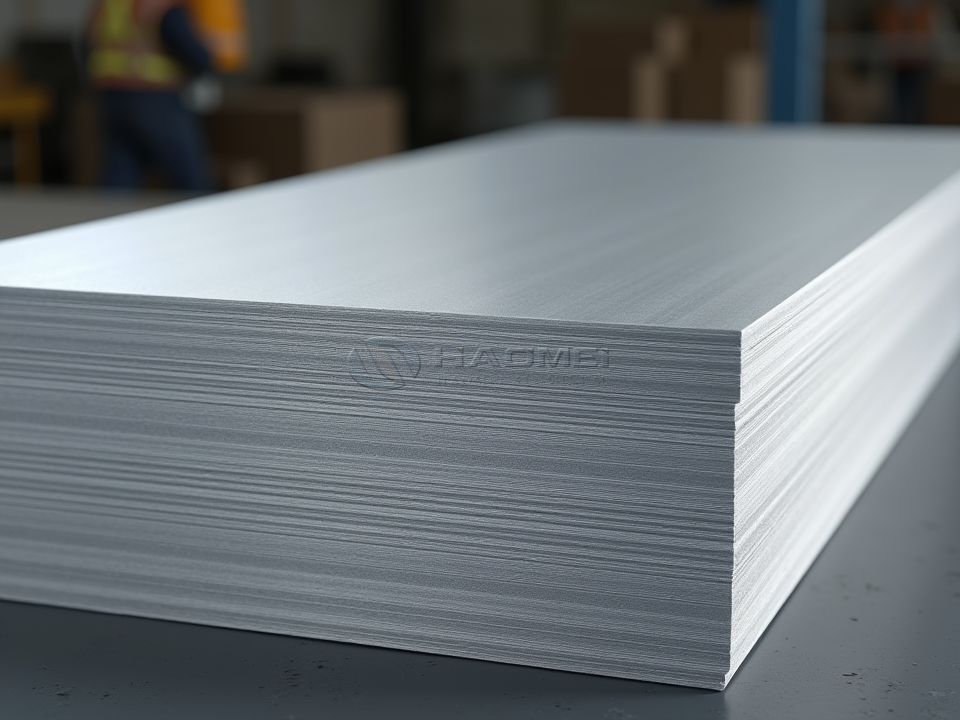
Custom cut alloy aluminum sheet combines low weight, corrosion resistance, formability, and machinability. Depending on the selected alloy, the sheet may be soft and easy to bend, medium-strength and weldable, or heat-treatable for structural use. Our Alloy Aluminum Sheet range supports different production routes, from deep drawing and stamping to CNC machining and enclosure fabrication.
| Feature | Customer Value |
|---|---|
| Cut-to-size supply | Reduces trimming, waste, and shop-floor preparation |
| Wide alloy selection | Matches forming, strength, corrosion, and welding needs |
| Clean sheared or sawn edges | Supports safer handling and faster assembly |
| Optional film protection | Helps prevent scratches during transport and processing |
| Stable flatness | Improves fit-up in panels, covers, cabinets, and fixtures |
| Multiple tempers | Balances softness, rigidity, and forming performance |
Common Alloy Choices
Selecting the right alloy is the foundation of reliable performance. Pure aluminum grades provide excellent formability and conductivity, while manganese, magnesium, and silicon-magnesium alloys offer higher strength for demanding applications.
| Alloy | Typical Temper | Main Strength | Common Use |
|---|---|---|---|
| 1050 | O, H14, H24 | High purity, excellent conductivity | Reflectors, nameplates, electrical parts |
| 1060 | O, H18, H24 | Very good forming and corrosion resistance | Chemical equipment, lamps, busbars |
| 1100 | O, H14 | Soft, weldable, highly workable | Spun parts, panels, kitchenware |
| 3003 | H14, H24 | Better strength than pure aluminum | Roofing, tanks, ducting, general sheet metal |
| 5052 | H32, H34 | Strong corrosion resistance, marine suitability | Boat panels, vehicle parts, enclosures |
| 6061 | T6, T651 | Heat-treatable strength and machinability | Fixtures, frames, brackets, structural plates |
For applications exposed to moisture, salt spray, or outdoor service, 5052 Aluminum Sheet is often selected due to its magnesium-based corrosion resistance and good fatigue behavior.
Chemical Composition Reference
The chemical composition determines how a sheet behaves during forming, welding, machining, and service. Values may vary slightly by standard and mill practice, so final supply should follow the purchase specification.
| Alloy | Al | Si | Fe | Cu | Mn | Mg | Cr | Zn |
|---|---|---|---|---|---|---|---|---|
| 1050 | 99.50 min | 0.25 max | 0.40 max | 0.05 max | 0.05 max | 0.05 max | - | 0.05 max |
| 1060 | 99.60 min | 0.25 max | 0.35 max | 0.05 max | 0.03 max | 0.03 max | - | 0.05 max |
| 3003 | Balance | 0.60 max | 0.70 max | 0.05-0.20 | 1.00-1.50 | - | - | 0.10 max |
| 5052 | Balance | 0.25 max | 0.40 max | 0.10 max | 0.10 max | 2.20-2.80 | 0.15-0.35 | 0.10 max |
| 6061 | Balance | 0.40-0.80 | 0.70 max | 0.15-0.40 | 0.15 max | 0.80-1.20 | 0.04-0.35 | 0.25 max |
Technical Specifications
Custom cut sheets can be prepared for prototypes, small batches, or continuous production. Cutting methods are chosen according to thickness, surface requirement, tolerance, and edge quality.
| Parameter | Typical Range or Option |
|---|---|
| Thickness | 0.2 mm-200 mm, depending on alloy and cutting method |
| Width | Custom width, commonly 20 mm-2000 mm |
| Length | Custom length, commonly 50 mm-6000 mm |
| Cutting method | Shearing, sawing, laser cutting, CNC routing, waterjet cutting |
| Surface finish | Mill finish, brushed, anodized-ready, coated, film-protected |
| Thickness tolerance | According to EN, ASTM, GB, or customer drawing |
| Edge condition | Deburred, burr-minimized, sawn edge, protective edge packing |
| Packaging | Wooden pallet, paper interleaving, moisture barrier, corner protection |
Mechanical Performance
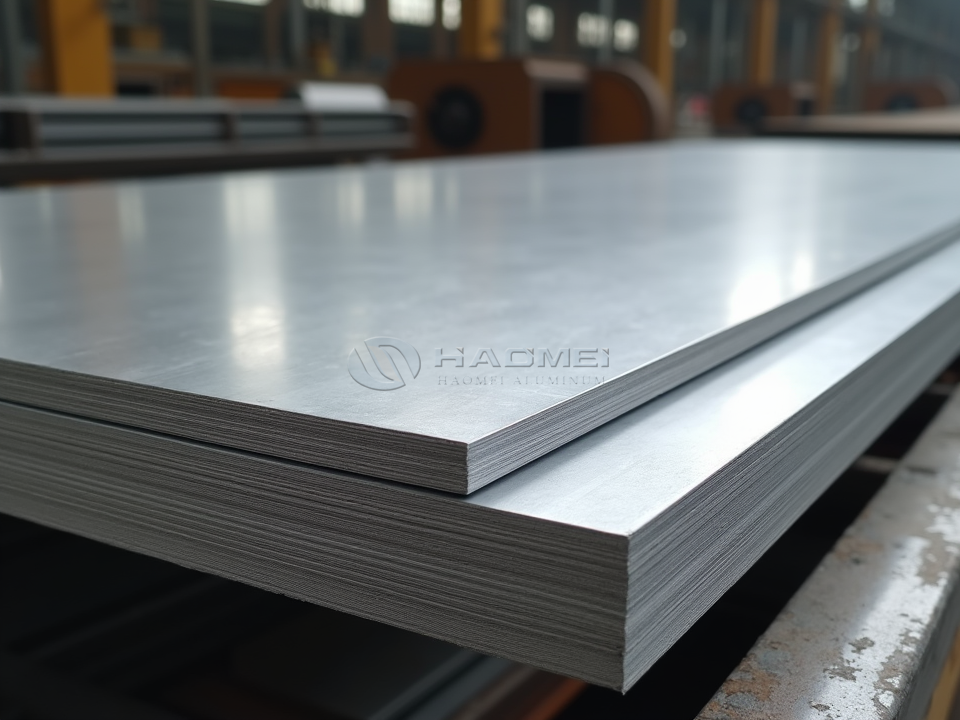
Mechanical properties vary by alloy, temper, thickness, and production standard. The table provides common reference values for sheet selection.
| Alloy and Temper | Tensile Strength MPa | Yield Strength MPa | Elongation % | Performance Character |
|---|---|---|---|---|
| 1050 O | 60-100 | 20-40 | 25-40 | Very soft, excellent bending and drawing |
| 1050 H14 | 95-145 | 75-125 | 4-10 | Semi-hard, good stiffness for panels |
| 3003 H14 | 140-180 | 115-165 | 3-8 | Good balance of strength and formability |
| 5052 H32 | 210-260 | 160-215 | 6-12 | Strong, corrosion resistant, weldable |
| 6061 T6 | 290-330 | 240-275 | 8-12 | High strength, good machining performance |
For bending operations, a softer temper such as O or H14 generally reduces cracking risk. For load-bearing brackets and machined parts, 6061 T6 may be more suitable. For formed marine or outdoor panels, 5052 H32 is often preferred.
Surface and Edge Quality
The surface of aluminum sheet directly affects appearance, coating adhesion, and assembly fit. Mill finish is suitable for many industrial parts, while brushed or anodized-ready surfaces serve decorative and architectural applications. Protective film can be applied when the sheet will be punched, bent, or transported through multiple workshops.
Edge quality also matters. Shearing is efficient for thin and medium gauges, while sawing is preferred for thicker plates or tighter squareness requirements. Laser and waterjet cutting support complex outlines, slots, holes, and irregular shapes. When customers provide CAD drawings, parts can be cut closer to final geometry, reducing the need for downstream machining.
Application Areas
Custom cut alloy aluminum sheet is suitable for both visible surfaces and functional components. Its light weight helps reduce total assembly mass, while its natural oxide layer provides dependable corrosion resistance in many environments.
| Industry | Typical Components | Suggested Alloy |
|---|---|---|
| Transportation | Floor panels, side covers, trailer panels, bus parts | 3003, 5052, 6061 |
| Electrical | Busbar blanks, control cabinet panels, heat shields | 1050, 1060, 1100 |
| Marine | Hull interior panels, covers, hatches, deck fittings | 5052, 5083 where required |
| Construction | Facade panels, roofing sheets, ceiling panels, trim | 3003, 5052 |
| Machinery | Guards, brackets, mounting plates, fixtures | 5052, 6061 |
| Signage | Display boards, engraved plates, channel letters | 1050, 3003, 5052 |
Purchasing Benefits
The biggest commercial advantage of custom cut supply is process simplification. Buyers receive material closer to the final part size, which lowers offcut volume and makes inventory easier to manage. Smaller blanks can be stored by job, project, or assembly line, helping production teams locate the correct material quickly.
Custom cutting also improves cost visibility. Instead of paying for full sheet stock and absorbing internal cutting losses, customers can order material based on real usable dimensions. For repeat orders, cutting plans can be standardized to keep part size, grain direction, edge condition, and packaging consistent across batches.
Ordering Guidance
To specify custom cut alloy aluminum sheet accurately, provide alloy, temper, thickness, width, length, quantity, tolerance, surface protection, edge requirement, and applicable standard. If the part will be bent, welded, anodized, or exposed outdoors, include that information during inquiry. These details help match the sheet grade and cutting process to the final service condition.
Final Thought
Custom cut alloy aluminum sheet gives fabricators a practical way to improve accuracy, reduce waste, and speed up production. With the right alloy, temper, surface finish, and cutting method, it becomes more than raw material; it becomes a production-ready input for dependable aluminum components.