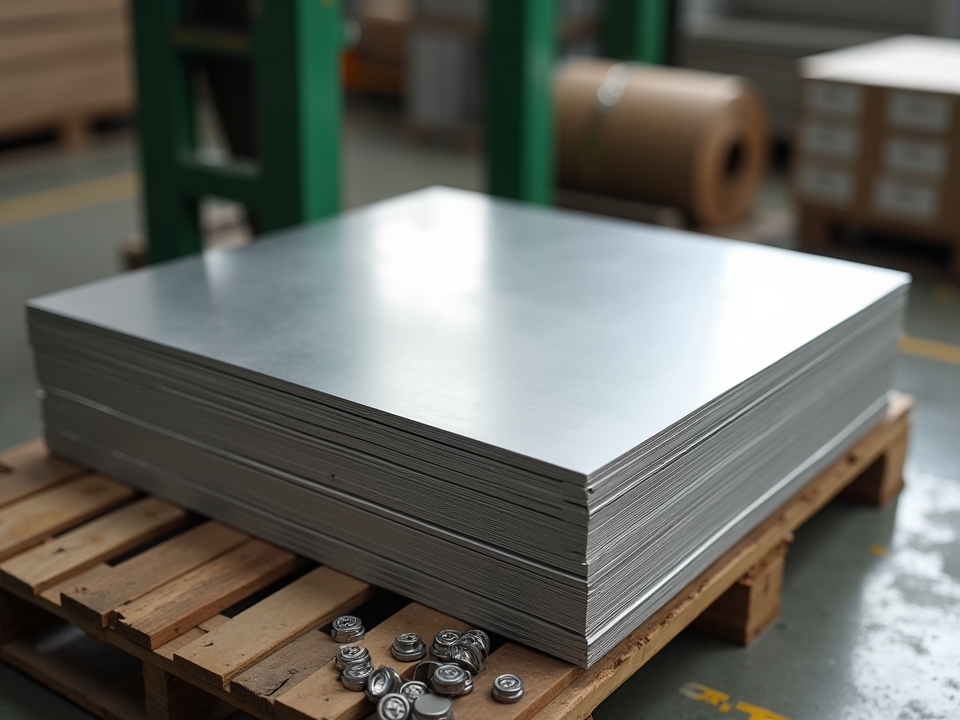
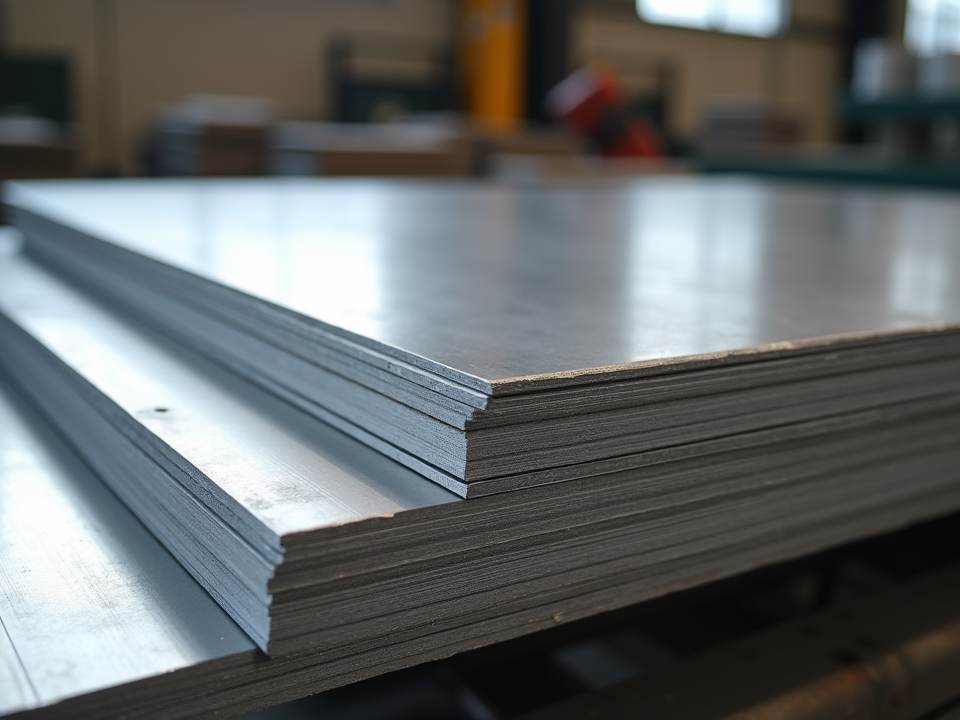
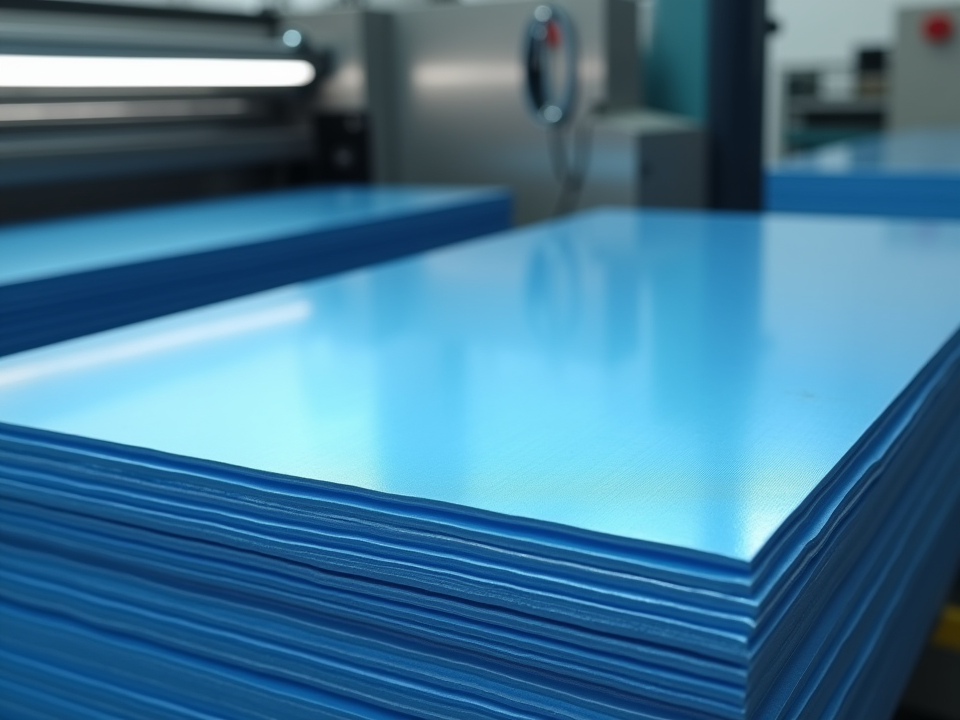
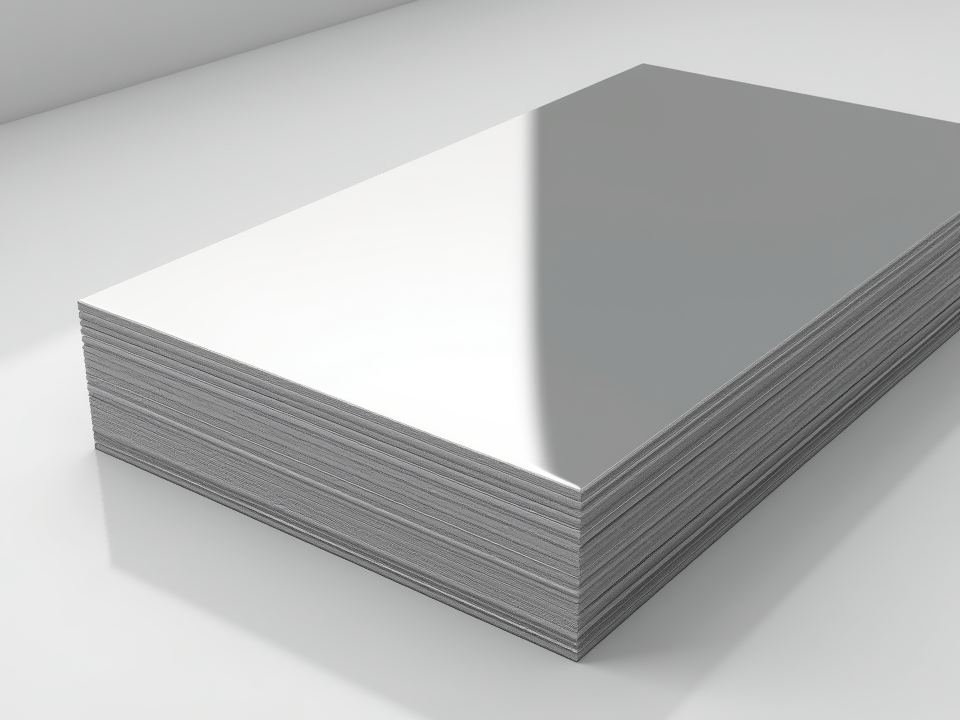
Fluorocarbon Coated Aluminum Sheet
A fluorocarbon coated aluminum sheet can be understood as a building surface with a long memory. It faces sunlight, rain, salt, dust, temperature swings, and urban pollution every day, yet it is expected to keep its color, gloss, and flat appearance for years. For architects, contractors, and purchasing teams, the real value is not only in how it looks on delivery, but in how it behaves after many seasons outdoors.
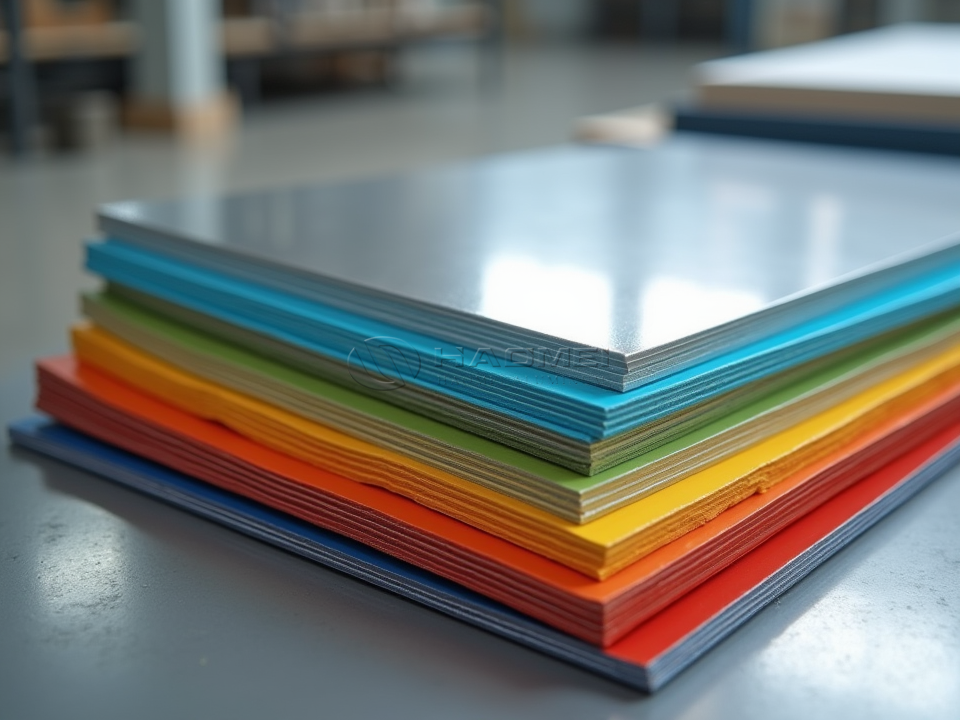
This is why fluorocarbon coating is often selected for curtain walls, roofing panels, aluminum composite panels, canopies, ceilings, and exterior decoration. It is not a simple painted metal sheet. It is an aluminum substrate protected by a high-performance PVDF resin coating system, designed for long-term resistance to UV radiation, chalking, fading, and corrosion.
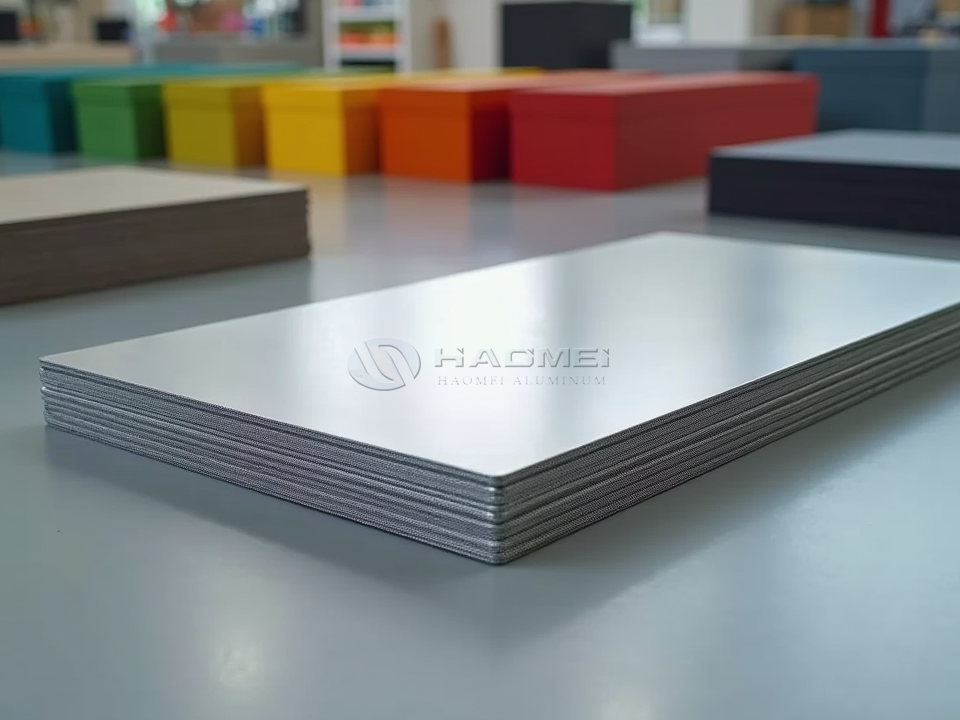
A surface designed for outdoor time
The main difference between fluorocarbon coated aluminum sheet and ordinary color coated sheet lies in the resin chemistry. PVDF, often called polyvinylidene fluoride, contains strong carbon-fluorine bonds. These bonds help the coating resist degradation from ultraviolet light and harsh weather. In practical terms, the color stays more stable, the surface is less likely to powder, and the sheet keeps a cleaner appearance for a longer service period.
For exterior projects, this matters more than many buyers first realize. A low-cost coating may look acceptable during installation, but after several summers the difference becomes visible. Deep colors may fade, metallic finishes may lose depth, and uneven weathering may appear across elevations. Fluorocarbon coating is chosen to reduce that risk.
A good PVDF Coated Aluminum Sheet is usually produced with carefully controlled coating thickness, curing temperature, color tolerance, and surface inspection. These process details are not decorative language; they directly affect adhesion, flexibility, gloss retention, and weather resistance.
Think of the coating as a three-layer shield
Although customers often describe the product by color, the coating structure is more important than the shade name. A fluorocarbon coated aluminum sheet commonly includes pretreatment, primer, color coat, and sometimes a clear topcoat, especially for metallic or special-effect finishes.
Pretreatment prepares the aluminum surface and improves bonding. Primer helps corrosion resistance and adhesion. The color coat provides appearance and weatherability. A clear coat can add extra protection and visual depth. When these layers work together, the sheet gains both beauty and durability.
This is also why two sheets with the same color code may perform differently if the coating system is not the same. Customers comparing prices should ask about resin type, coating thickness, aluminum alloy, temper, gloss level, and warranty expectations rather than judging by color alone.
The aluminum underneath still matters
The coating attracts attention, but the aluminum base decides how the sheet will cut, bend, punch, roll, and install. Common alloys include 3003, 3004, 3105, and 5052, depending on the application. For general architectural panels, 3003 and 3004 are often used because they balance formability, strength, and cost. For more demanding environments or higher strength needs, 5052 may be considered.
Temper also matters. A sheet that is too hard may crack during bending. A sheet that is too soft may dent easily during handling. For roofing, ceiling, and facade work, the correct alloy and temper should match the forming method, panel size, wind load, and installation structure.
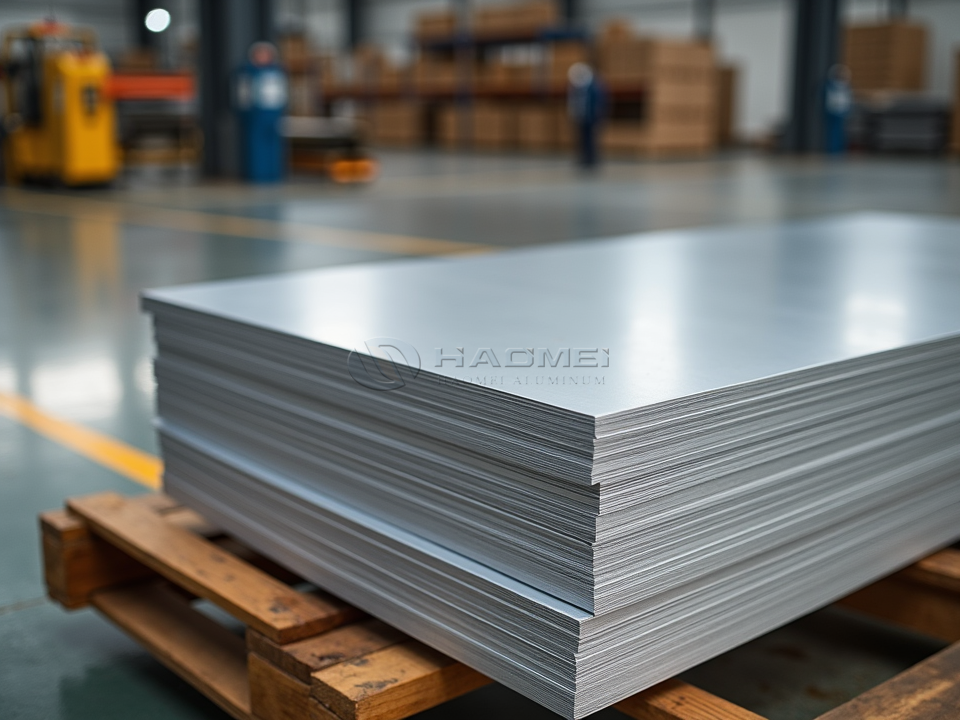
Where fluorocarbon coating earns its cost
Fluorocarbon coated aluminum sheet is not always the cheapest option, and it does not need to be used everywhere. Its strength appears most clearly in outdoor and high-visibility areas where color stability and surface life affect the value of the whole project.
It is especially suitable for commercial facades, airport terminals, railway stations, shopping centers, high-rise buildings, coastal buildings, aluminum roofing, wall cladding, column covers, balcony panels, and exterior signage. In these uses, maintenance access may be difficult and replacement costs can be much higher than the initial sheet price difference.
For roof systems exposed to intense sunlight and rain, Coated Aluminum Sheet for Roofing with fluorocarbon performance can help maintain a clean, stable finish while supporting lightweight construction. The low density of aluminum also reduces structural load, which is useful for large-span buildings and renovation projects.
Color is technical, not only aesthetic
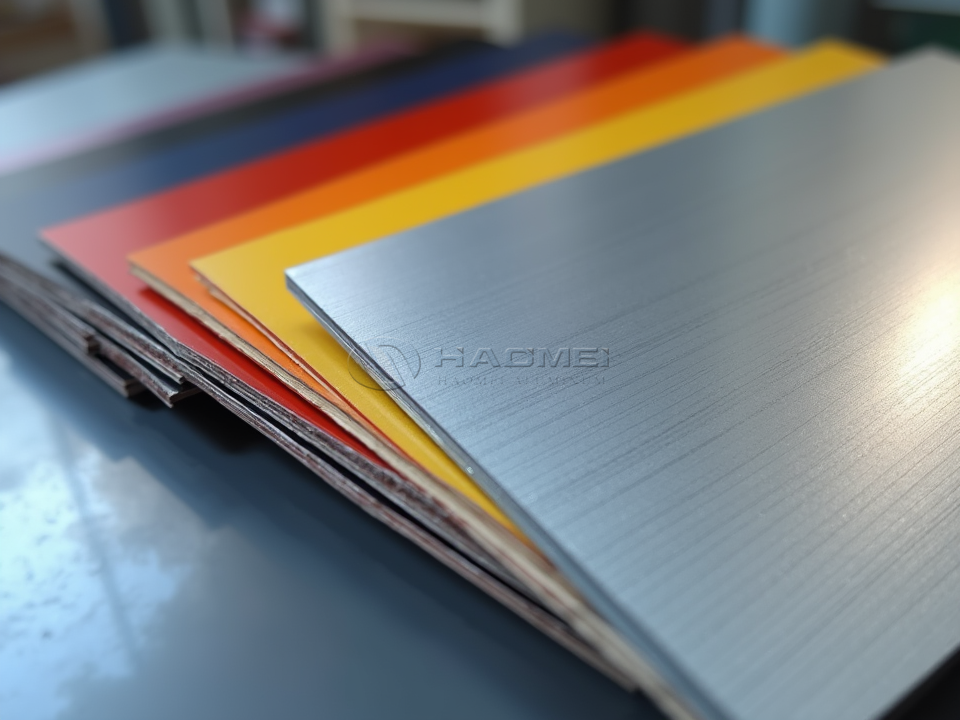
Choosing a color for fluorocarbon coated aluminum sheet is partly a design decision and partly a performance decision. Light colors generally reflect more heat and show fading less obviously. Dark colors create strong visual contrast but absorb more heat, so coating quality and color stability become more important. Metallic finishes need careful production control because aluminum flakes in the paint must align evenly to avoid color variation.
For large projects, customers should confirm color under natural daylight, not only under indoor lamps. It is also wise to approve a physical sample and keep a signed reference sample for future production comparison. If panels will be installed across different building elevations, the viewing angle and batch consistency should be discussed before mass production.
Small differences that look minor on a sample may become noticeable across thousands of square meters. Professional color control helps prevent this problem.
Processing rules that protect the finish
A premium coating can still be damaged by poor processing. During cutting, bending, punching, and installation, the surface should be protected from scratches, metal chips, and friction marks. Protective film is often applied, but it should be removed within the recommended time after installation, especially under strong sunlight. If film remains too long, adhesive residue may become difficult to clean.
Bending radius should match sheet thickness and coating flexibility. Sharp bends may stress the coating and cause micro-cracks, particularly in colder conditions. For fabricated panels, trial bending is recommended before full production. Tools should be clean, and workers should avoid dragging sheets across rough surfaces.
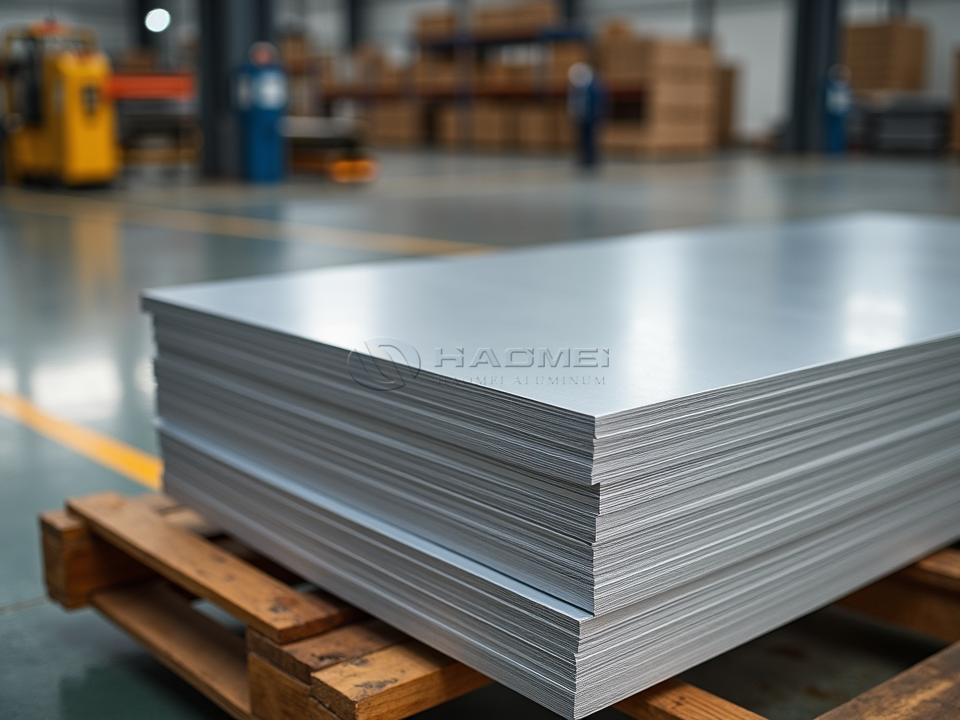
Storage is another simple but important point. Sheets should be kept in a dry, ventilated place, away from corrosive chemicals and standing water. If moisture is trapped between stacked sheets, staining or surface marks may occur even before installation.
How to judge quality before buying
A reliable fluorocarbon coated aluminum sheet should have a smooth surface, consistent color, good adhesion, suitable hardness, and stable gloss. However, visual inspection alone is not enough. Customers can ask for test information such as coating thickness, pencil hardness, T-bend performance, impact resistance, solvent resistance, salt spray performance, and artificial weathering results.
The coating thickness should suit the project environment. Exterior PVDF systems often use a thicker and more durable coating than interior PE systems. Coastal, industrial, or high-UV regions may require stricter specifications. If the project is near the sea, extra attention should be given to alloy choice, back coating, edge protection, and maintenance planning.
A practical purchase conversation should include sheet thickness tolerance, width, length, coating type, color code, gloss range, protective film type, packing method, delivery schedule, and whether the material will be used flat, bent, or laminated into composite panels.
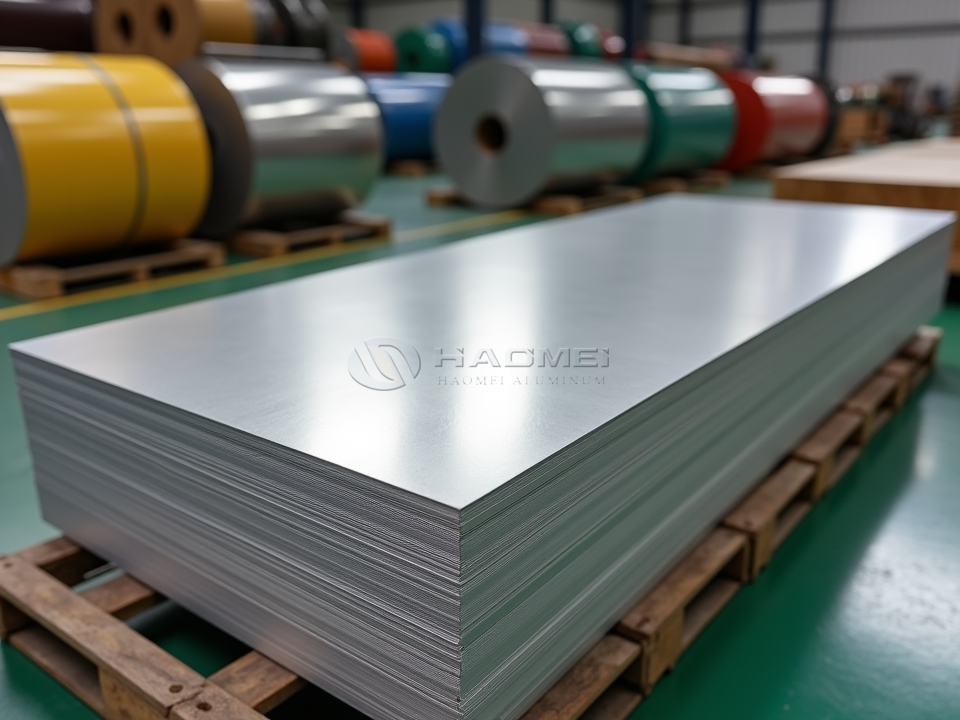
The value is measured after installation
The best reason to choose fluorocarbon coated aluminum sheet is not the first-day shine. It is the ability to keep a building looking intentional after years of exposure. A facade that remains clean and color-stable supports the reputation of the project. A roof that resists chalking and corrosion reduces maintenance pressure. A panel system that bends correctly and installs smoothly saves labor and avoids rework.
For customers, the smartest choice is to match the coating to the environment, the aluminum alloy to the fabrication method, and the color system to the design life of the building. When these three parts fit together, fluorocarbon coated aluminum sheet becomes more than a decorative material. It becomes a durable outer skin for architecture, carrying color, protection, and confidence through changing weather.