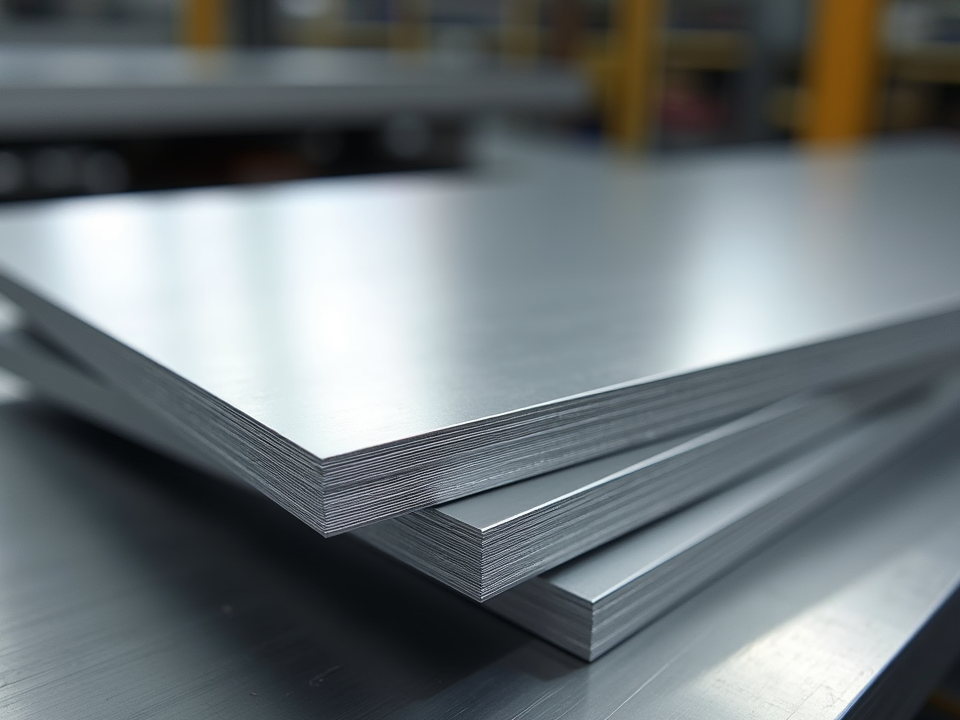
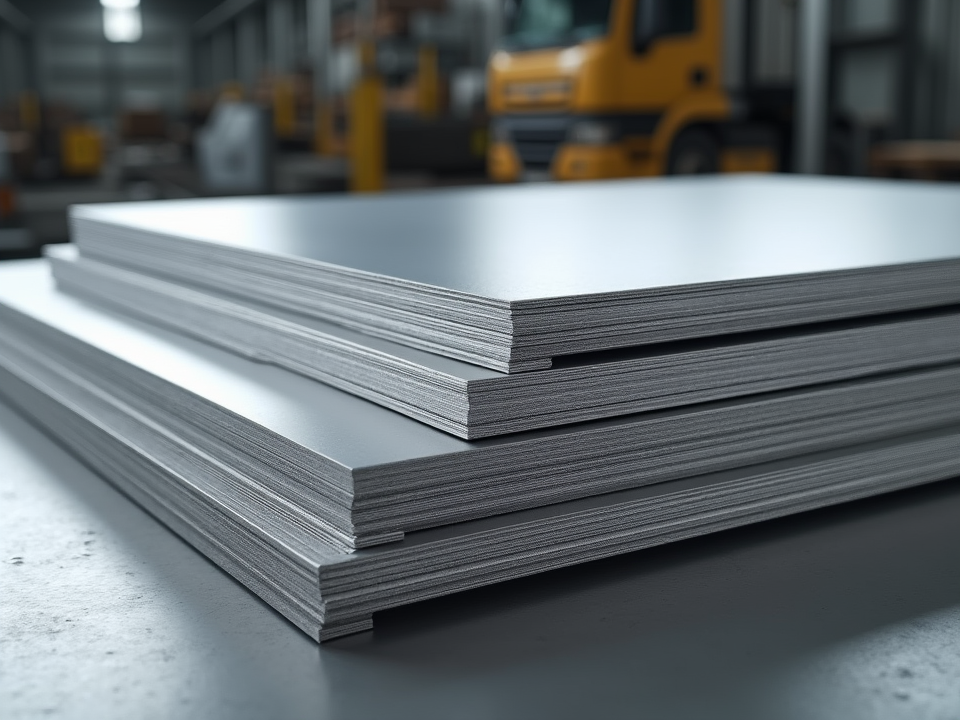
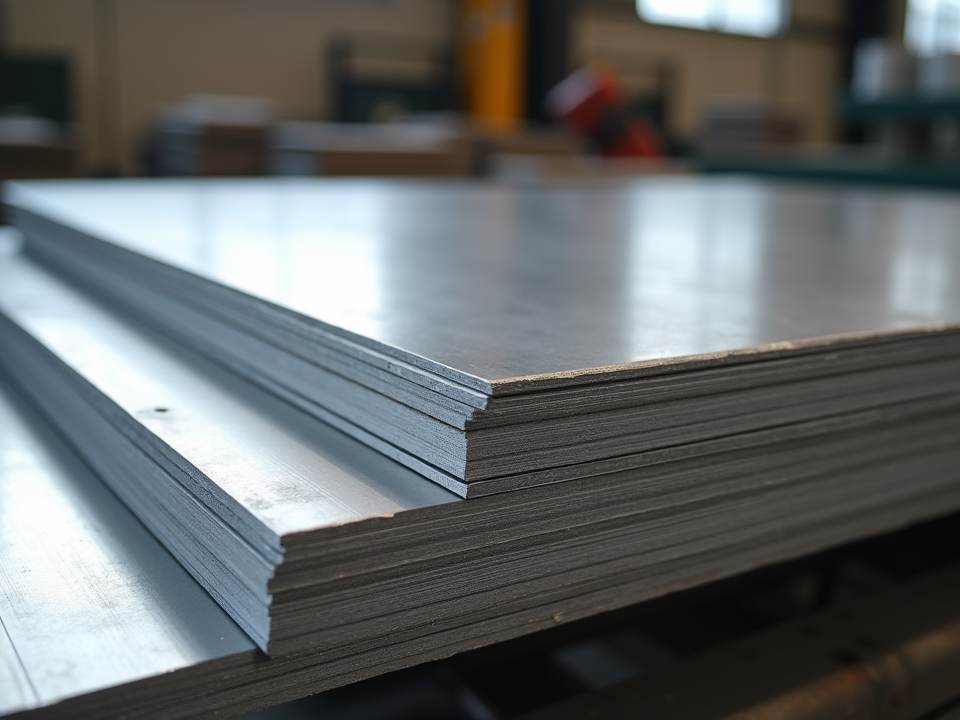
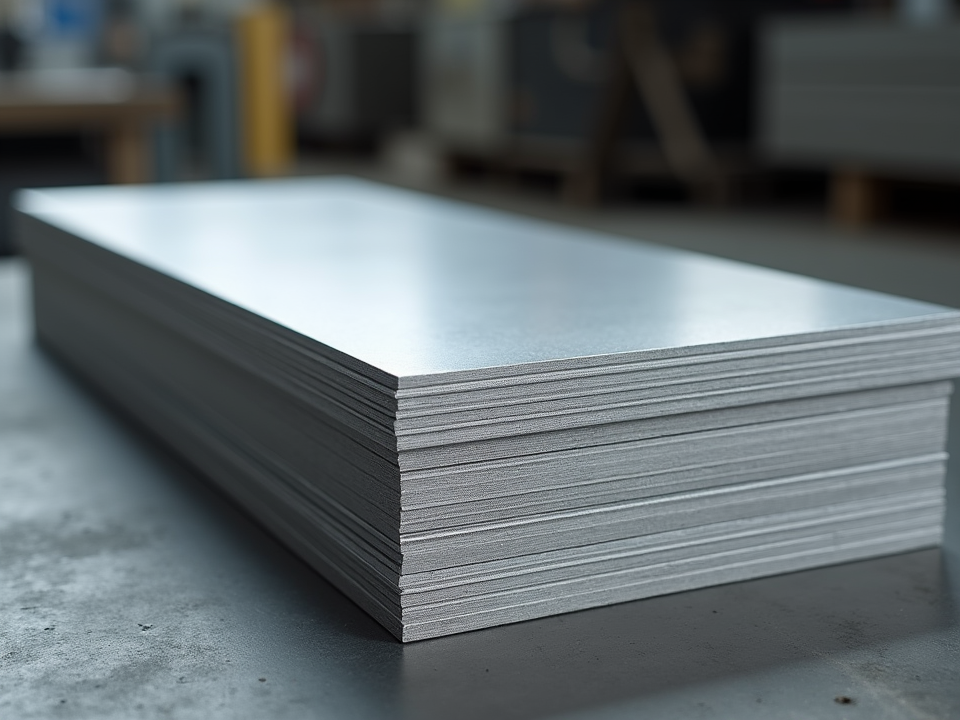
HDG Coated Aluminum Sheet Metal
The phrase HDG coated aluminum sheet metal is frequently used in building, roofing, fabrication, and procurement discussions. Yet it can describe different materials, and the distinction matters. HDG normally means hot-dip galvanized, a process in which steel is immersed in molten zinc to create a corrosion-resistant zinc coating. Conventional hot-dip galvanizing is designed for steel, not standard aluminum sheet.
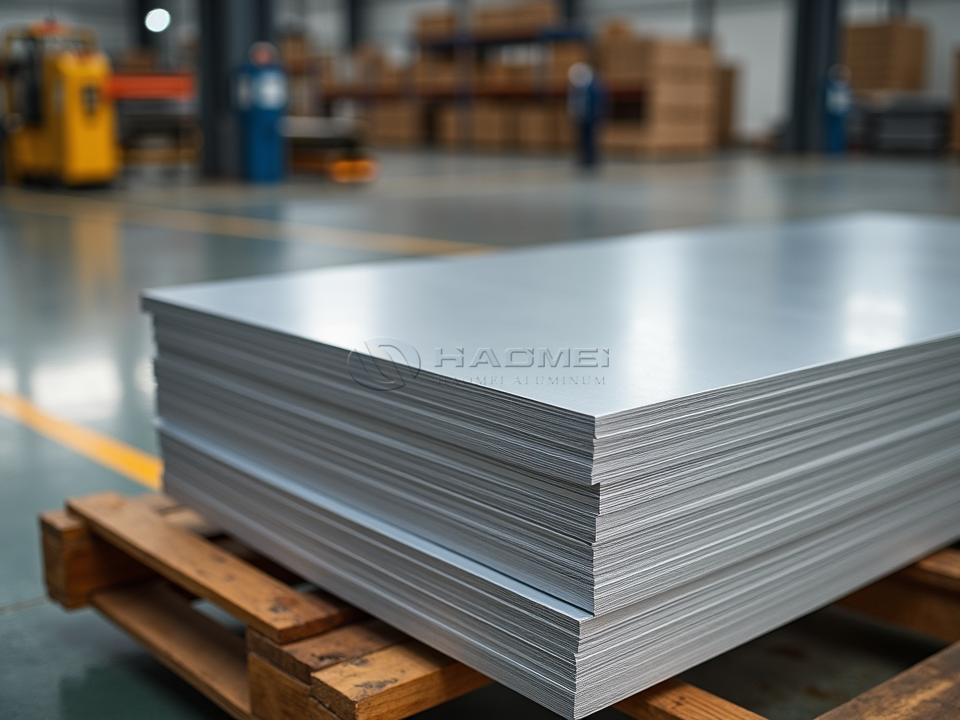
When a request mentions HDG coated aluminum sheet metal, it may refer to aluminum sheet installed with galvanized steel components, aluminum-zinc coated steel, or painted aluminum selected to perform in a similar outdoor environment. Before ordering, the base metal and coating system should be stated separately. This simple step avoids receiving galvanized steel when lightweight, nonmagnetic aluminum is required.
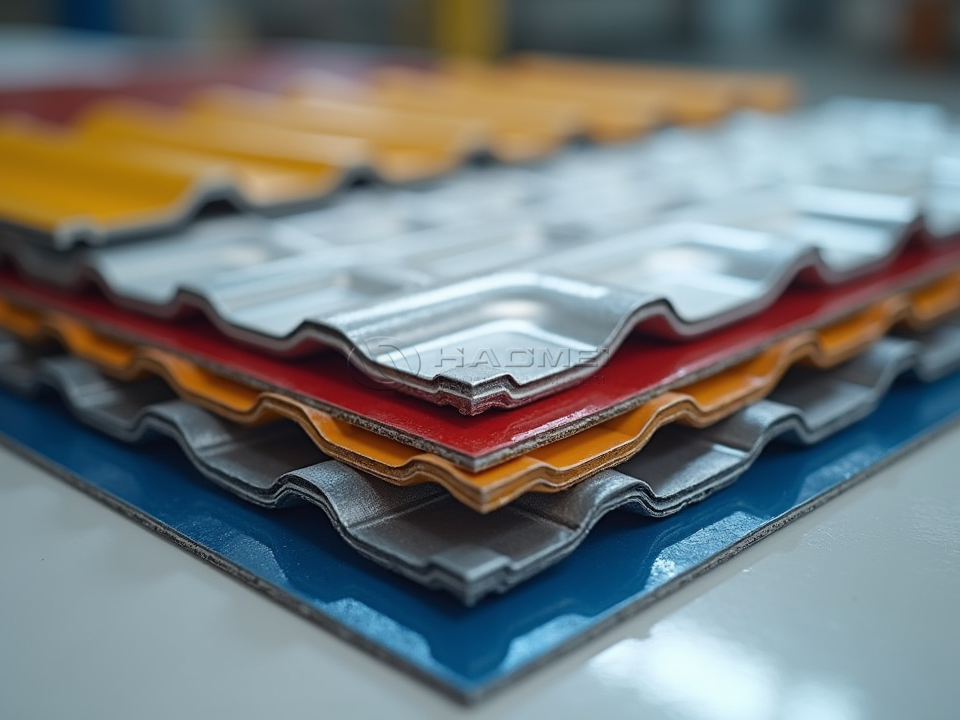
Aluminum Does Not Need Zinc in the Same Way as Steel
Steel relies on zinc because bare steel rusts rapidly once moisture and oxygen reach its surface. Aluminum behaves differently. It immediately forms a thin, stable aluminum-oxide film that slows further oxidation. This natural protection is one reason aluminum sheet is widely chosen for façades, drainage, transport panels, insulation cladding, roofing, and sign systems.
A zinc layer can be applied to aluminum by specialized methods such as electroplating, thermal spraying, or metallized coating processes. However, this is not the usual hot-dip galvanized route used for steel. Molten-zinc processing of aluminum demands strict control of surface chemistry and intermetallic reactions. It is not a standard replacement for purchasing coated aluminum coil or sheet.
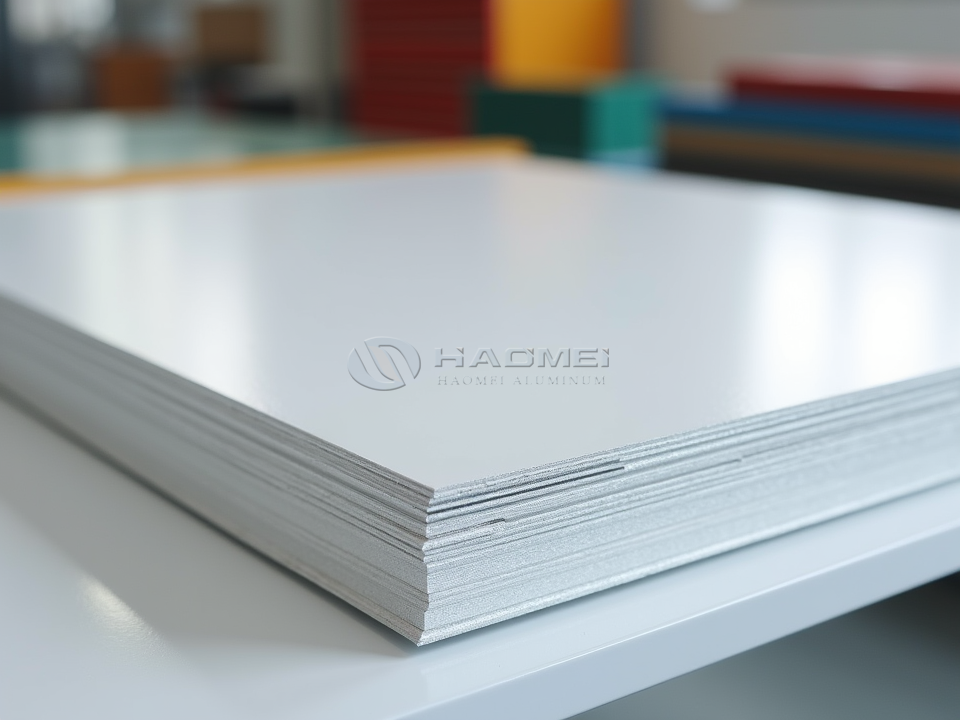
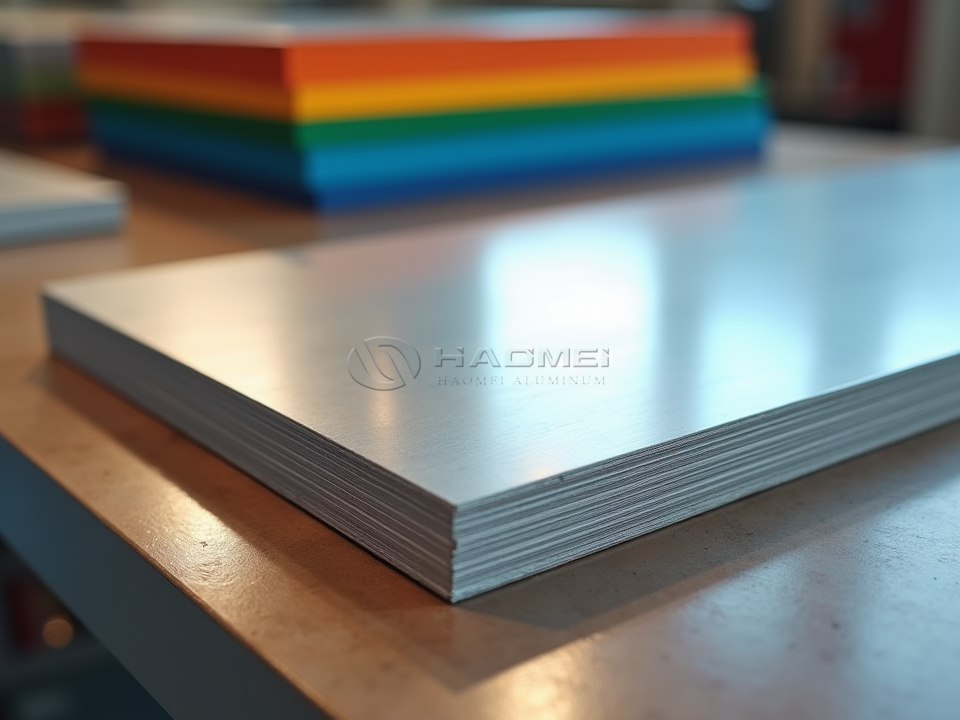
For most architectural uses, a Coated Aluminum Sheet with a PE, HDPE, polyester, SMP, or PVDF finish provides a more practical protection system. The coating improves color retention, surface cleanliness, chemical resistance, and visual consistency while the aluminum substrate contributes low weight and corrosion resistance.
Reading the Material as a Layered System
A reliable coated aluminum specification should be read from the inside outward. The aluminum alloy controls strength, forming behavior, and corrosion response. The temper controls how hard or workable the sheet is. Surface pretreatment improves paint adhesion. The primer supports the finish coat, while the topcoat provides weather resistance and appearance.
This layered viewpoint is more useful than treating HDG as a general label. A decorative wall panel, for example, needs stable paint adhesion and color durability. A bent flashing needs a softer temper to avoid cracking at the fold. A marine-side roof needs an alloy and finish that tolerate salt-laden moisture. Each function comes from the complete system rather than a coating name alone.
Common Parameters for Coated Aluminum Sheet Metal
Typical commercial parameters can be adjusted to project drawings, coil-processing limits, and appearance requirements.
| Parameter | Common Range or Option | Practical Meaning |
|---|---|---|
| Base alloy | 1050, 1060, 1100, 3003, 3004, 3105, 5052 | Determines formability, strength, and corrosion behavior |
| Thickness | 0.20-6.00 mm | Thin gauges suit cladding and flashing; thicker gauges support fabricated panels |
| Width | 20-2,000 mm | Coil width is selected for cutting efficiency and roll-forming equipment |
| Length | Cut-to-length or coil | Sheet suits fabrication; coil suits continuous production |
| Temper | O, H14, H16, H18, H24, H26, H32, H34 | Balances bendability and surface hardness |
| Paint thickness | 15-35 μm, or project specified | Higher film build generally improves durability |
| Surface finish | PE, polyester, SMP, HDPE, PVDF, powder coating | Chosen by weather exposure, color, and service life needs |
| Color | RAL, custom color, wood grain, stone effect | Supports architectural design requirements |
Temper selection is especially important. O temper aluminum is soft and suitable for deep drawing or tight forming. H14 and H24 are common choices for general panels and flashing because they combine workable bending performance with adequate stiffness. H18 offers a harder surface and greater strength but should be evaluated carefully for sharp bends. For higher-strength 5xxx alloys, H32 and H34 tempers are often considered when durability and moderate forming ability are both needed.
Chemical Composition of Frequently Used Aluminum Alloys
The following table shows typical composition limits in percent by weight. Values should always be confirmed against the required purchase standard and mill certificate.
| Alloy | Si | Fe | Cu | Mn | Mg | Zn | Al |
|---|---|---|---|---|---|---|---|
| 1050 | ≤0.25 | ≤0.40 | ≤0.05 | ≤0.05 | ≤0.05 | ≤0.07 | Balance |
| 1060 | ≤0.25 | ≤0.35 | ≤0.05 | ≤0.03 | ≤0.03 | ≤0.05 | ≥99.60 |
| 1100 | Si+Fe ≤0.95 | Included | 0.05-0.20 | ≤0.05 | - | ≤0.10 | ≥99.00 |
| 3003 | ≤0.60 | ≤0.70 | 0.05-0.20 | 1.0-1.5 | - | ≤0.10 | Balance |
| 3105 | ≤0.60 | ≤0.70 | ≤0.30 | 0.30-0.80 | 0.20-0.80 | ≤0.40 | Balance |
| 5052 | ≤0.25 | ≤0.40 | ≤0.10 | ≤0.10 | 2.2-2.8 | ≤0.10 | Balance |
Alloy 3003 is widely used where moderate strength and good forming are needed. Alloy 3105 is popular in painted building sheet because it handles roll forming well and offers dependable corrosion resistance. Alloy 5052 provides higher magnesium-based strength and is often selected for demanding moisture exposure, equipment panels, and marine-adjacent applications.
Standards That Help Define the Product Correctly
For aluminum sheet and coil, commonly referenced standards include ASTM B209 for aluminum and aluminum-alloy sheet and plate, EN 485 for tolerances and mechanical properties of wrought aluminum products, and EN 573 for aluminum alloy chemical composition. Coating quality may be evaluated through standards such as ASTM D3359 for adhesion, ASTM D2794 for impact resistance, ASTM D523 for gloss, and ASTM G154 for accelerated UV exposure.
If the project truly requires hot-dip galvanized steel, ASTM A653/A653M or EN 10346 may apply instead. These are galvanized steel standards, not aluminum sheet standards. Keeping these standards separate is essential for accurate technical submittals.
Functions in Roofing, Walls, and Fabricated Components
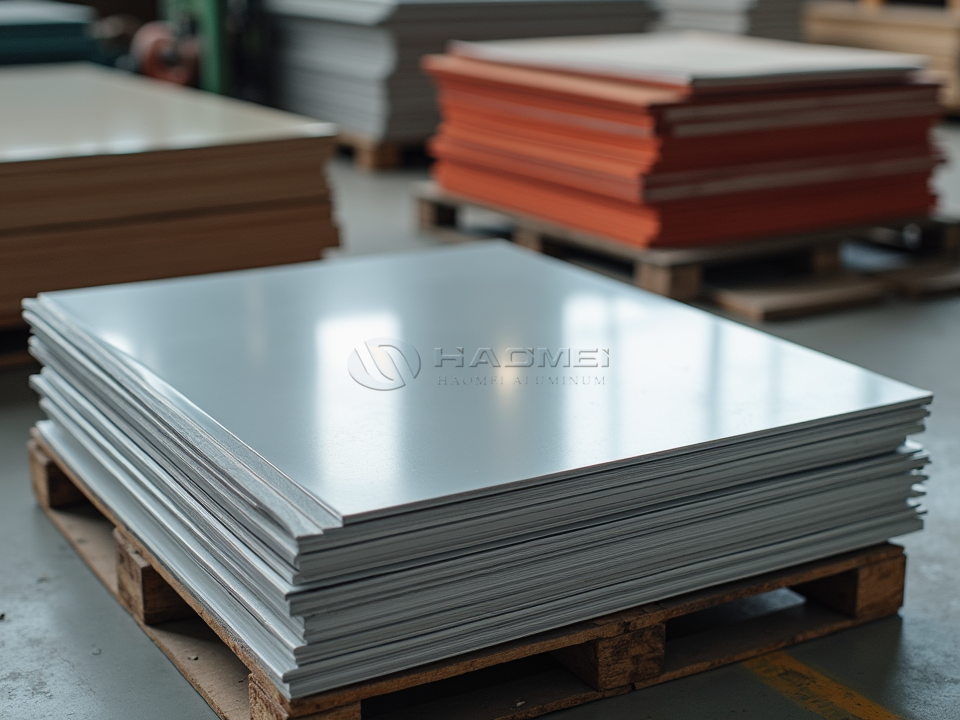
In roofing, coated aluminum serves as a weather skin with low structural weight. Its reflective surface can help manage solar gain, while painted finishes protect the substrate and support long-term color performance. For exposed roofs, PVDF Coated Aluminum Sheet is often preferred where strong UV resistance, chalk resistance, and color stability are necessary.
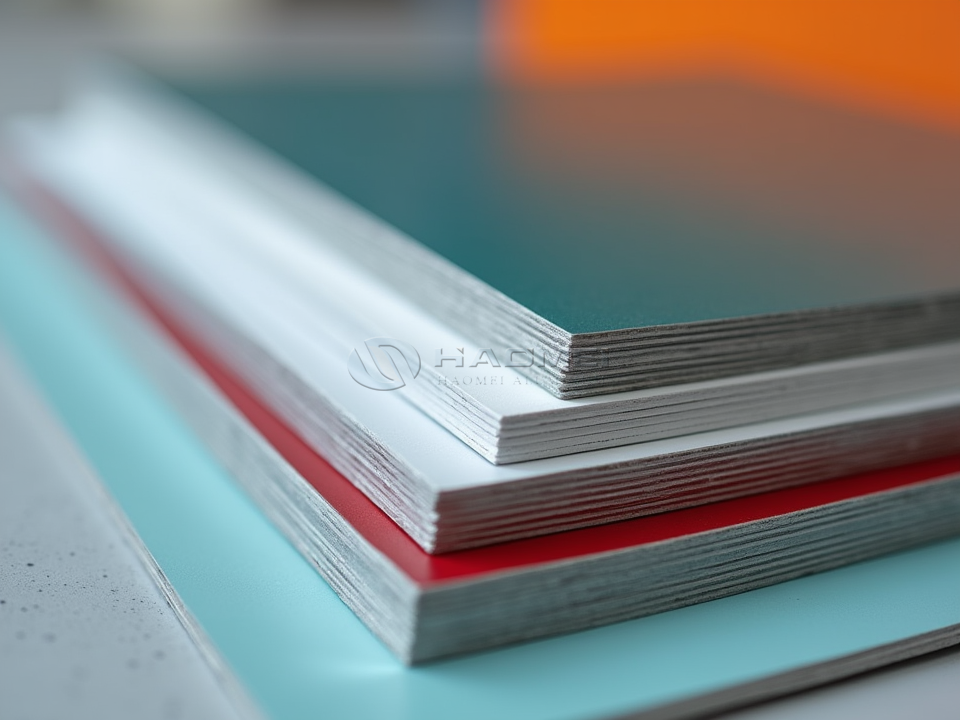
In curtain walls and soffits, the metal performs a different role. It becomes a visible architectural surface, so flatness, coating uniformity, gloss level, and scratch resistance become as important as corrosion performance. Aluminum also works well for fascia, rainwater goods, shutter slats, interior ceiling systems, appliance panels, signage, and transportation trims.
When aluminum sheet contacts HDG steel brackets, fasteners, or framing, moisture management must be considered. Direct wet contact between dissimilar metals can encourage galvanic corrosion. Isolation tapes, washers, sealants, drainage paths, and dry joint design help protect the assembly. The best result comes from designing the aluminum sheet, coating, fasteners, and installation environment as one connected system.
HDG coated aluminum sheet metal is therefore best specified with precision: name the aluminum alloy, temper, thickness, coating type, paint film thickness, color, standard, and intended exposure. A clear specification turns an ambiguous market term into a dependable material solution.