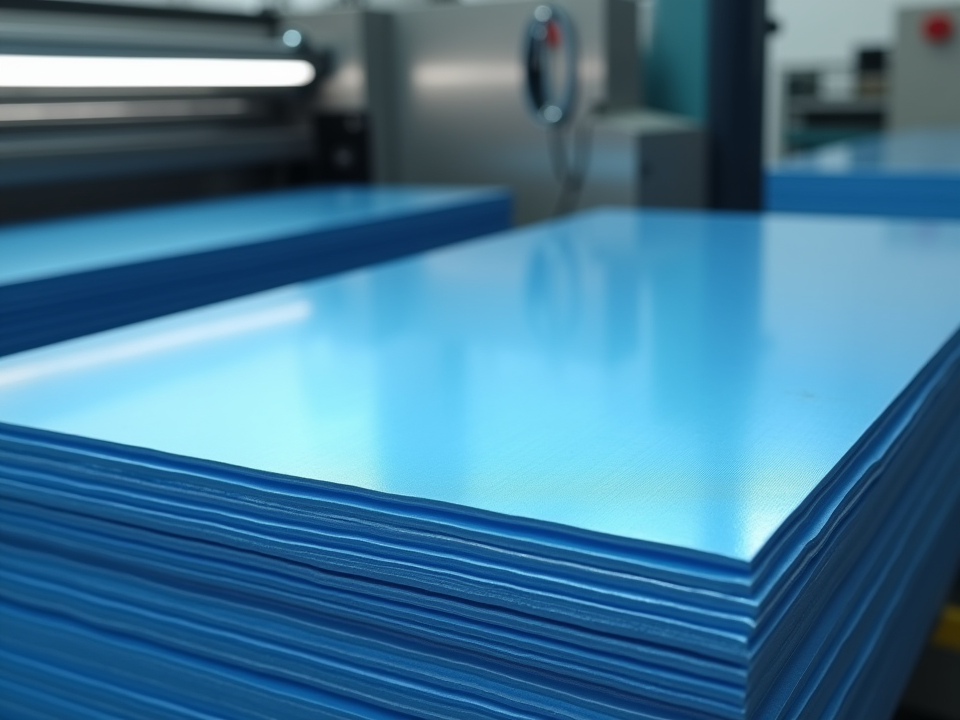
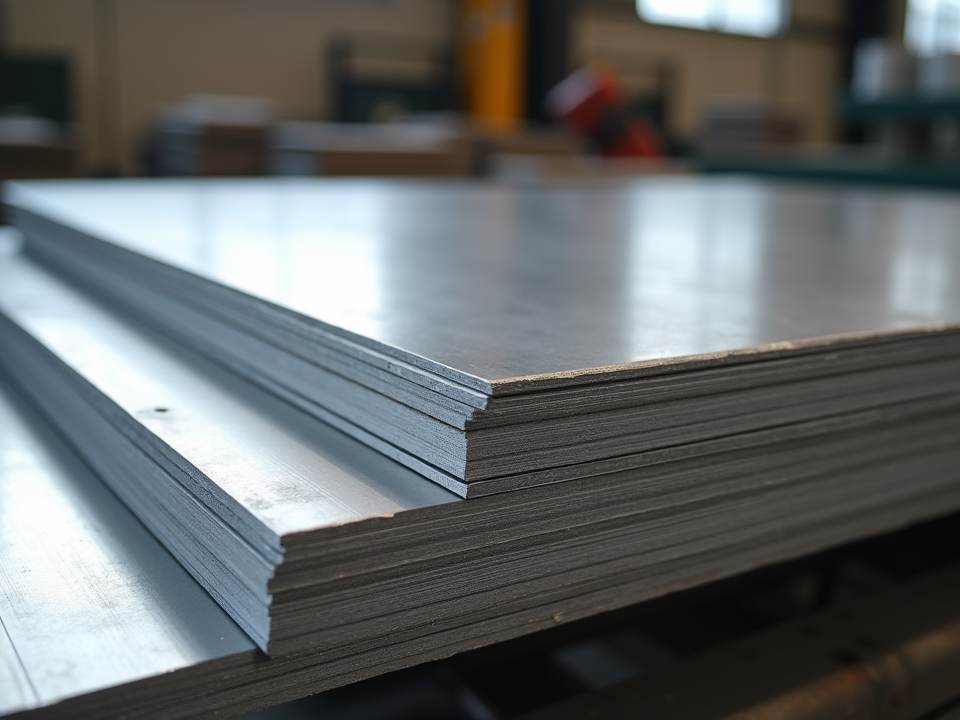
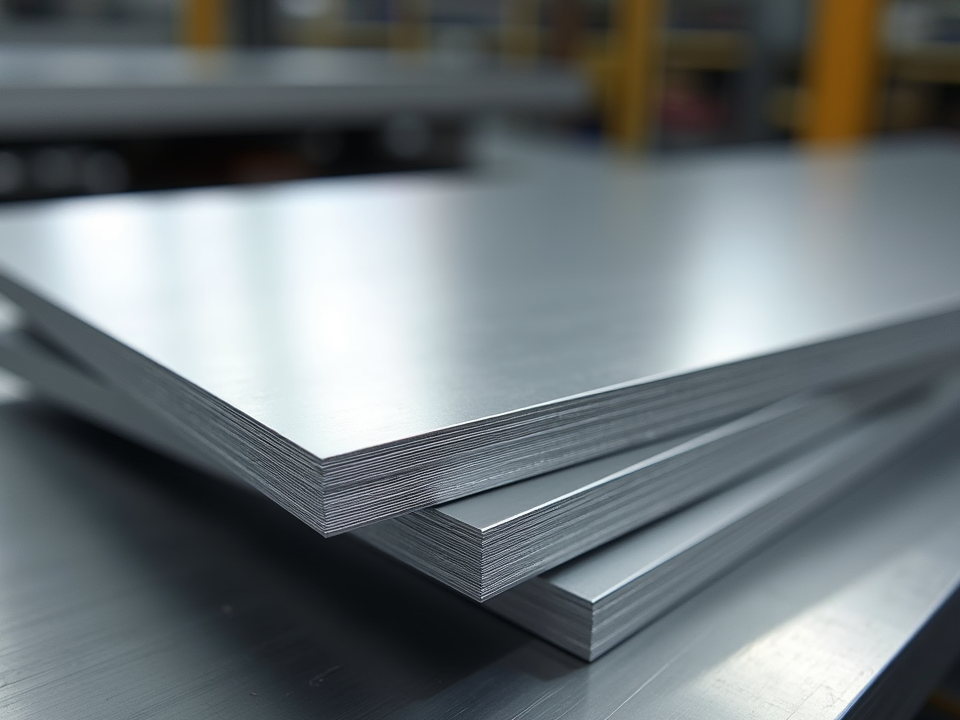
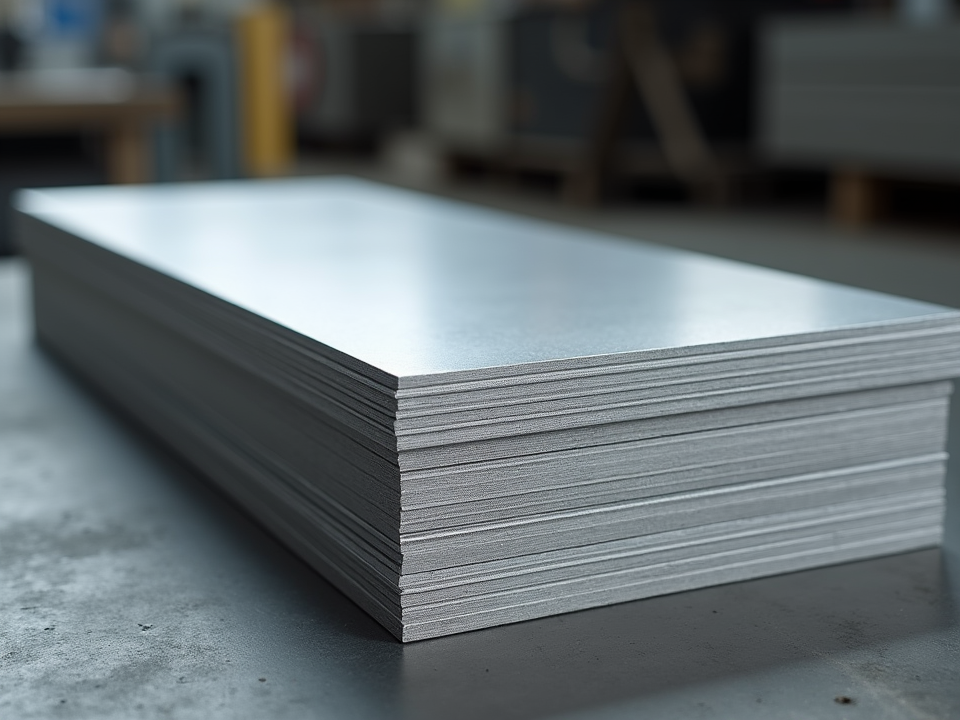
Clear Coated Aluminum Sheet
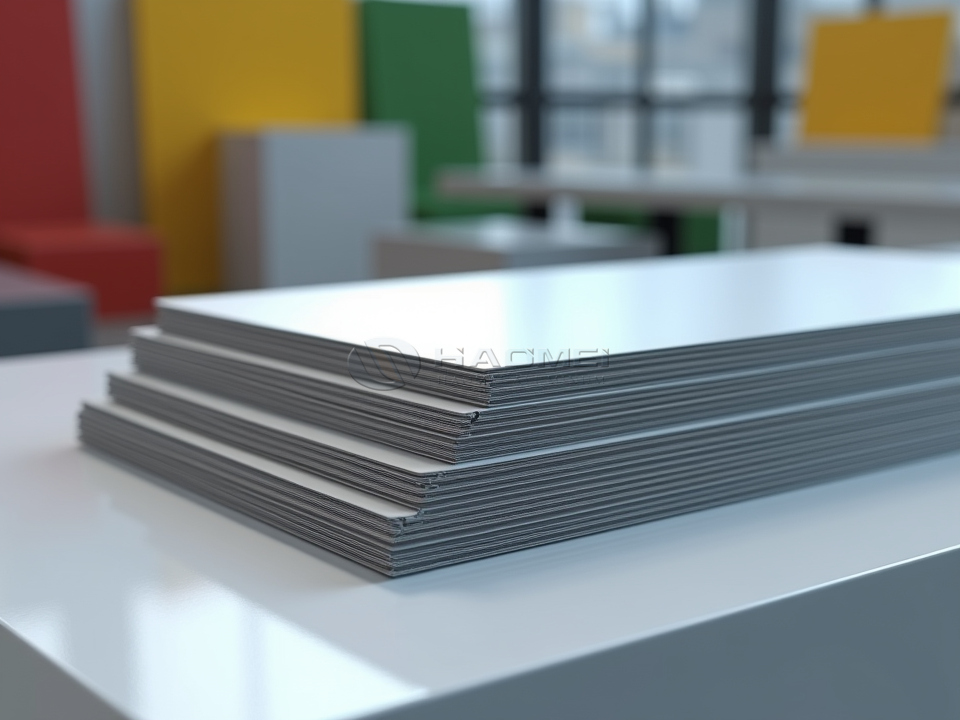
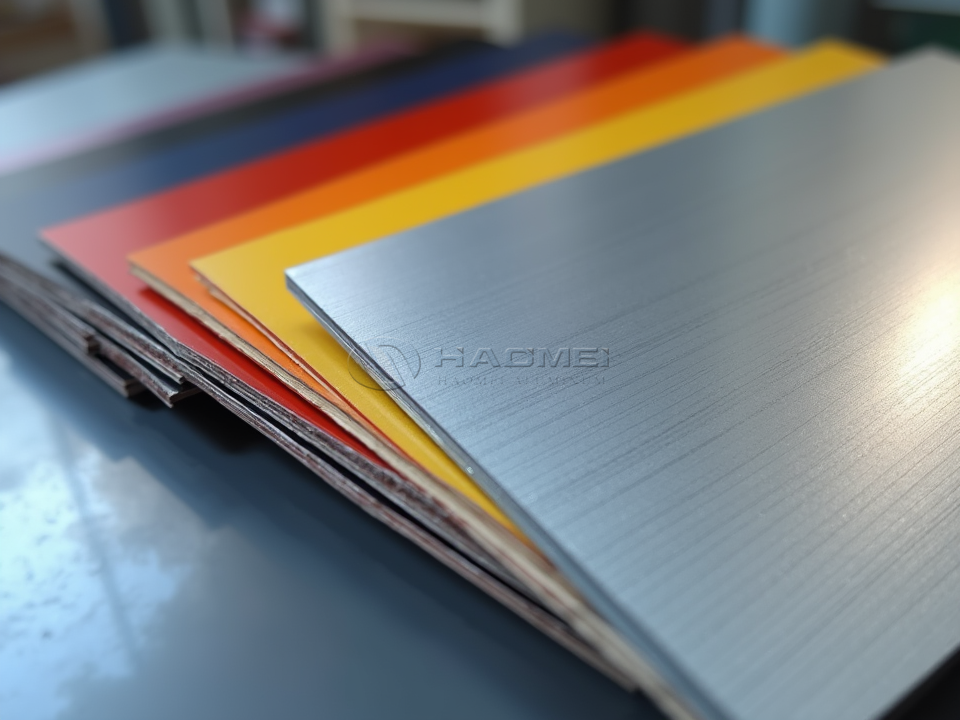
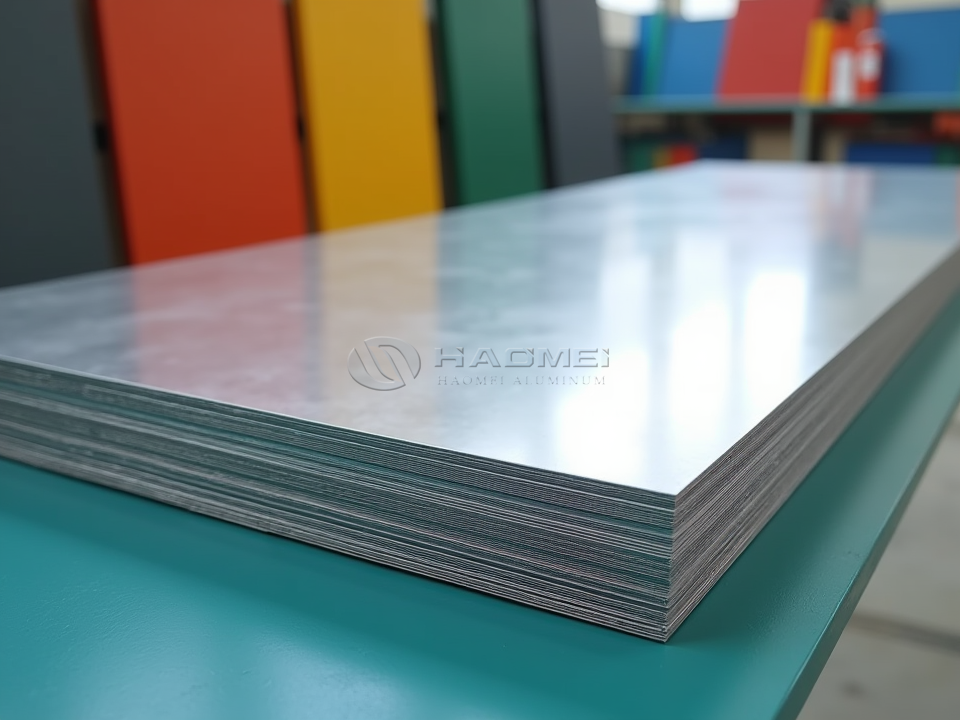
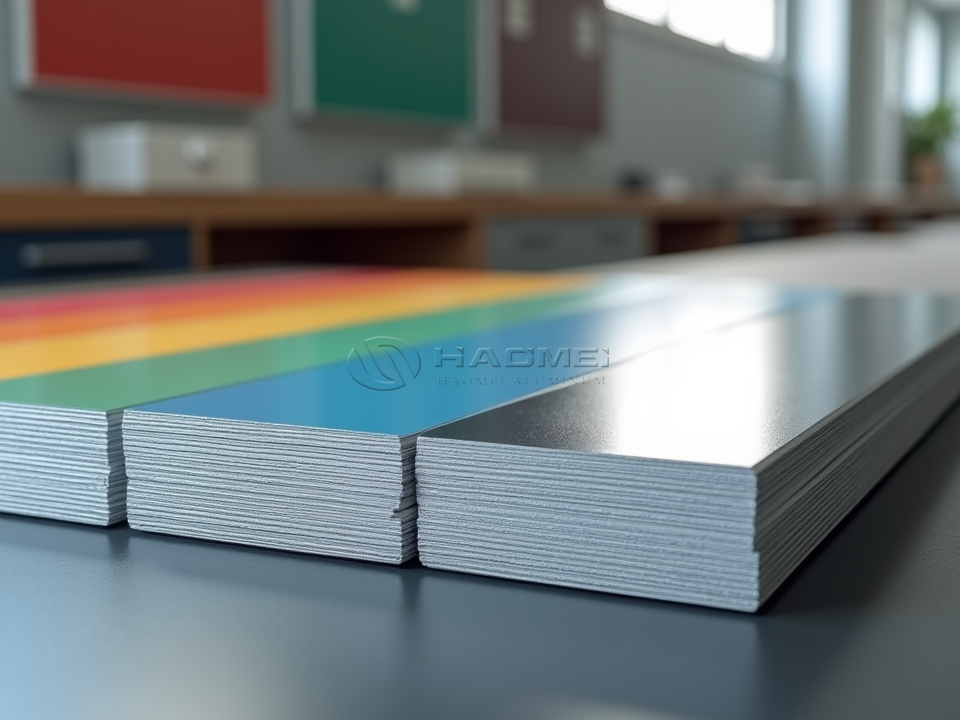
Clear coated aluminum sheet combines the clean, metallic appearance of aluminum with a transparent protective film. Instead of covering the substrate with an opaque color, the coating preserves the natural mill finish, brushed grain, polished surface, or textured pattern while improving resistance to moisture, fingerprints, staining, abrasion, and weathering.
This material is commonly supplied as coil or cut sheet for fabrication into panels, trims, enclosures, ceilings, signs, appliance parts, transportation components, and decorative building elements. The final appearance can range from bright and reflective to satin, matte, brushed, or lightly textured, depending on the aluminum surface preparation and clear-coat gloss level.
What Is Clear Coated Aluminum Sheet?
A clear coated aluminum sheet is an aluminum alloy sheet that receives a transparent organic coating after cleaning and chemical pretreatment. The coating is usually applied by roller coating, spray coating, or powder coating, then cured at controlled temperature to form a continuous protective layer.
Clear coating should not be confused with clear anodizing. Anodizing creates an aluminum oxide layer by an electrochemical process, while clear lacquer or transparent fluorocarbon coating is an added polymer film. Both methods retain the metallic look, but they differ in film structure, hardness, repairability, color stability, and processing requirements.
| Surface treatment | Protective layer | Typical dry film thickness | Visual effect | Common use |
|---|---|---|---|---|
| Clear polyester coating | Organic polyester resin | 15-25 μm | Gloss, satin, or matte | Indoor panels, appliances, signage |
| Clear PVDF coating | Fluorocarbon resin system | 20-30 μm | Stable metallic appearance | Exterior facades and durable cladding |
| Clear polyurethane coating | Polyurethane resin | 20-40 μm | Smooth, abrasion-resistant finish | Transport and premium decorative parts |
| Clear anodizing | Aluminum oxide conversion layer | 5-25 μm | Natural silver, matte, or brushed | Architectural trim, electronics, interiors |
| Clear powder coating | Thermoset polymer powder | 40-80 μm | Fuller film build and texture options | Furniture, equipment, fabricated parts |
Functions That Add Value to Aluminum
The principal role of a transparent coating is to protect the aluminum surface without hiding its character. Bare aluminum naturally forms a thin oxide film, but that film can still be affected by fingerprints, alkaline cleaners, salt deposits, water marks, cement dust, and galvanic contact with dissimilar metals. A properly selected clear coating adds a controlled barrier between the aluminum and the environment.
| Function | How the clear coating performs | Customer benefit |
|---|---|---|
| Corrosion resistance | Limits contact with moisture, salt, airborne pollutants, and mild chemicals | Longer service life in humid or urban environments |
| Appearance retention | Reduces oxidation marks, smudging, and inconsistent surface aging | Cleaner metallic finish over time |
| Scratch and wear resistance | Adds a protective polymer film over the sheet | Better handling and fabrication performance |
| Fingerprint control | Matte and anti-fingerprint systems reduce visible touch marks | Suitable for appliances, elevators, and interior panels |
| Easy cleaning | Smooth cured films resist ordinary dirt and permit mild-detergent cleaning | Lower maintenance demand |
| Decorative flexibility | Maintains brushed, embossed, mirror, or mill-finish aluminum | Metal aesthetic without sacrificing protection |
For exterior projects, coating selection matters more than film thickness alone. Clear polyester is often economical for sheltered or indoor exposure, while clear PVDF systems are preferred where ultraviolet light, humidity, industrial pollution, or coastal conditions are significant. A PVDF Coated Aluminum Sheet is especially suitable when long-term outdoor color and gloss retention are required.
Common Alloys and Temper Conditions
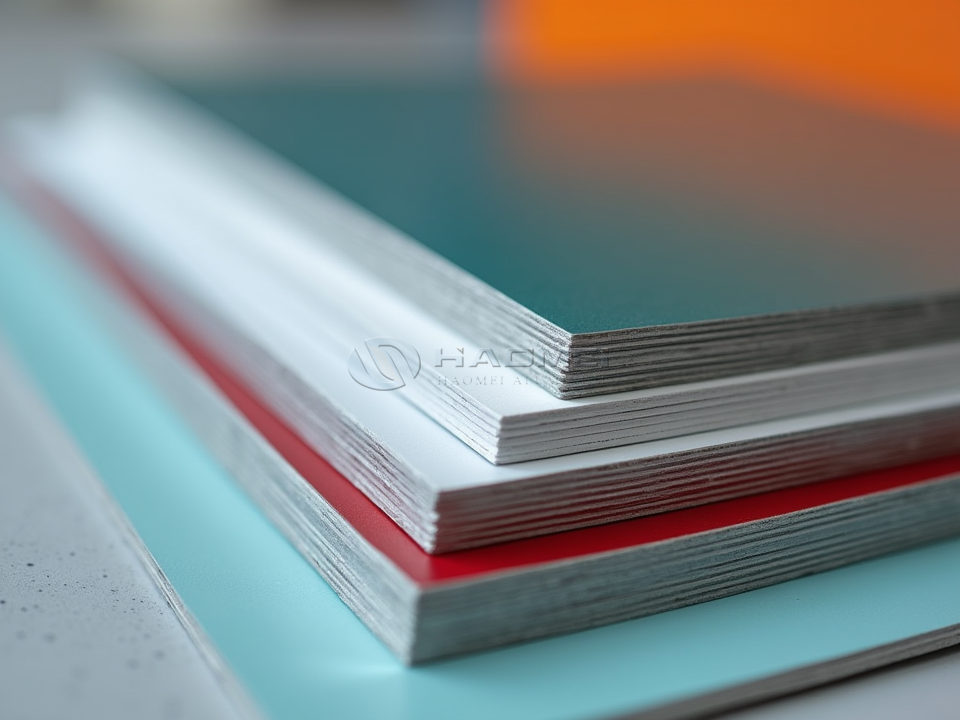
The alloy determines formability, strength, corrosion performance, and surface quality. Series 1xxx aluminum provides excellent reflectivity and corrosion resistance. Series 3xxx alloys are widely used in roofing, cladding, and general sheet fabrication. Series 5xxx grades offer stronger marine and industrial corrosion performance, although alloy and temper selection should be evaluated carefully for severe formed or stressed components.
| Alloy | Typical temper conditions | Main characteristics | Typical clear-coated applications |
|---|---|---|---|
| 1050 | O, H14, H24 | High purity, excellent forming and conductivity | Reflectors, decorative sheet, lighting |
| 1060 | O, H14, H24 | Soft, economical, good corrosion resistance | Signage, insulation cladding, interior trim |
| 1100 | O, H14, H24 | Strong workability and attractive finish | Nameplates, appliance parts, chemical equipment trim |
| 3003 | H14, H16, H24 | Good strength and formability with manganese addition | Roofing, ceiling panels, gutters, facades |
| 3105 | H14, H16, H24 | Good coated-sheet performance and moderate strength | Siding, soffits, building panels |
| 5052 | H32, H34 | Higher strength and excellent corrosion resistance | Marine-adjacent panels, transport, equipment covers |
| 5083 | H111, H116 | High strength and marine-grade corrosion resistance | Specialized marine and industrial fabrications |
Temper designations indicate the condition of the metal. O means annealed and highly formable. H14 and H24 indicate strain-hardened conditions with moderate strength. H32 and H34 are commonly selected for 5052 where increased strength is needed while retaining workable bend performance. Tight bend radii, deep drawing, embossing, and roll forming should be matched with alloy thickness and temper before production.
Typical Technical Specifications
Clear coated aluminum can be customized according to fabrication method, exposure level, and appearance target. Coil-coated material is efficient for continuous production and consistent film control, while post-coated sheet may suit formed parts with complex geometry.
| Parameter | Typical range or option | Notes |
|---|---|---|
| Base metal thickness | 0.20-6.00 mm | Thicker gauges available by agreement |
| Standard coil width | 600-1,600 mm | Slitting available for narrow strips |
| Sheet length | 500-6,000 mm | Custom cut lengths possible |
| Clear-coat thickness | 15-30 μm for liquid coatings | Depends on resin system and intended exposure |
| Powder-coat thickness | 40-80 μm | Suitable for high-build decorative surfaces |
| Gloss level | 5-90 GU at 60° | Matte, satin, semi-gloss, and high gloss options |
| Surface finish | Mill, brushed, stucco, embossed, polished | Finish is visible through transparent coating |
| Back coating | 5-10 μm wash coat or protective coating | Often selected for coil stock and building panels |
| Protective film | PE or laser-compatible film | Helps prevent handling scratches during fabrication |
| Mechanical property, typical | 1050 H14 | 3003 H24 | 5052 H32 |
|---|---|---|---|
| Tensile strength | 85-115 MPa | 130-170 MPa | 210-260 MPa |
| Yield strength | 65 MPa minimum | 115 MPa minimum | 160 MPa minimum |
| Elongation | 3-8% | 4-10% | 7-12% |
| Density | 2.71 g/cm³ | 2.73 g/cm³ | 2.68 g/cm³ |
| Melting range | 646-657°C | 643-654°C | 607-649°C |
Values are representative and vary with thickness, temper, production route, and applicable specification.
Chemical Composition of Common Substrates
Chemical composition is controlled to recognized alloy limits. The following table presents commonly referenced maximum or nominal values in weight percent.
| Alloy | Si | Fe | Cu | Mn | Mg | Cr | Zn | Al |
|---|---|---|---|---|---|---|---|---|
| 1050 | 0.25 | 0.40 | 0.05 | 0.05 | 0.05 | - | 0.05 | 99.50 minimum |
| 1060 | 0.25 | 0.35 | 0.05 | 0.03 | 0.03 | - | 0.05 | 99.60 minimum |
| 1100 | Si + Fe 0.95 maximum | - | 0.05-0.20 | 0.05 | - | - | 0.10 | 99.00 minimum |
| 3003 | 0.60 maximum | 0.70 maximum | 0.05-0.20 | 1.0-1.5 | - | - | 0.10 | Balance |
| 3105 | 0.60 maximum | 0.70 maximum | 0.30 maximum | 0.30-0.80 | 0.20-0.80 | 0.20 maximum | 0.40 maximum | Balance |
| 5052 | 0.25 maximum | 0.40 maximum | 0.10 maximum | 0.10 maximum | 2.2-2.8 | 0.15-0.35 | 0.10 maximum | Balance |
Standards and Quality Controls
Clear coated aluminum sheet can be produced to international material and coating standards. The most suitable standard depends on project location, end use, and customer drawings.
| Standard | Scope |
|---|---|
| ASTM B209 | Aluminum and aluminum-alloy sheet and plate requirements |
| EN 485 | Tolerances, mechanical properties, and technical delivery conditions for aluminum sheet |
| EN 573 | Chemical composition and alloy designation system |
| EN 1396 | Coil-coated aluminum sheet for general applications |
| AAMA 2604 | High-performance organic coatings for architectural aluminum |
| AAMA 2605 | Superior-performance fluoropolymer coatings for architectural aluminum |
| GB/T 3880 | Aluminum and aluminum-alloy sheet and strip requirements |
| ISO 2409 | Cross-cut test for coating adhesion |
| ASTM D3359 | Tape test method for coating adhesion |
| ASTM B117 | Salt spray exposure testing |
Quality inspection commonly includes thickness measurement, width and flatness checks, gloss measurement, color and visual inspection, coating film thickness, pencil hardness, T-bend flexibility, impact resistance, adhesion, and solvent resistance. For protective architectural finishes, accelerated weathering and salt spray testing may also be specified.
Applications and Fabrication Guidance
Clear coated sheet is well suited to curtain-wall trims, canopies, ceiling systems, roofing accessories, shop fittings, elevator interiors, appliance panels, display fixtures, lighting reflectors, road and transport equipment, and decorative metalwork. Brushed clear-coated aluminum gives a refined industrial appearance, while gloss clear finishes enhance the depth of polished or embossed surfaces.
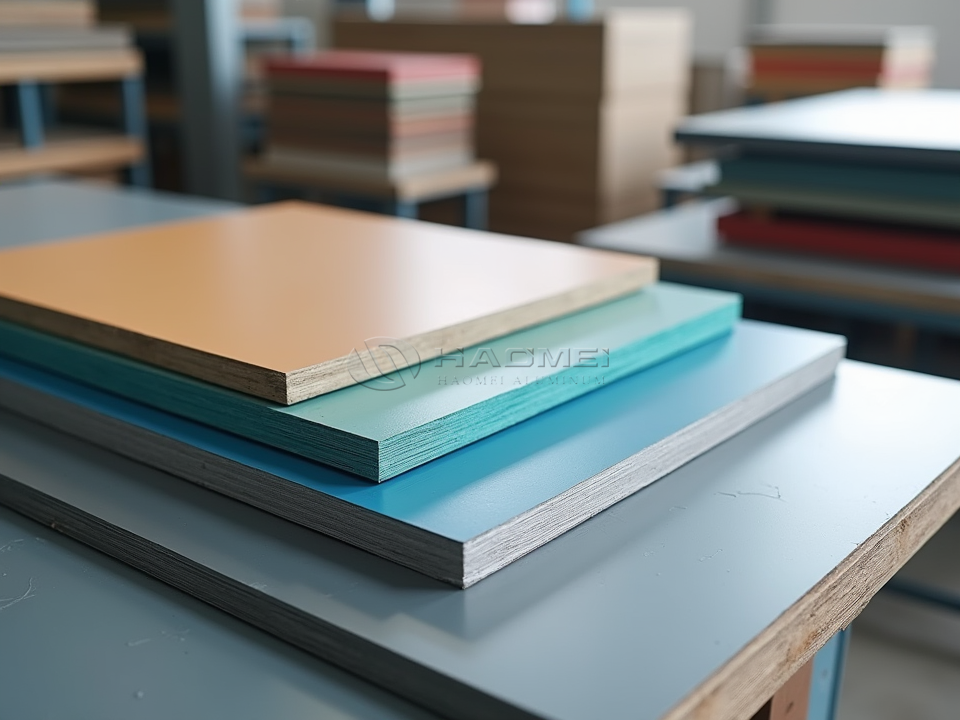
During fabrication, use clean tools, non-marking rollers, and protective interleaving where needed. Avoid contact with wet concrete, aggressive alkaline materials, copper-bearing runoff, and trapped moisture. Film should be removed promptly after installation, particularly under strong sunlight, because extended exposure can make removal more difficult.
Clear coated aluminum sheet offers an effective balance of visual authenticity, low weight, formability, and surface protection. With the right alloy, temper, clear resin, film thickness, and testing standard, it becomes a durable material for projects that need aluminum to remain visibly aluminum.