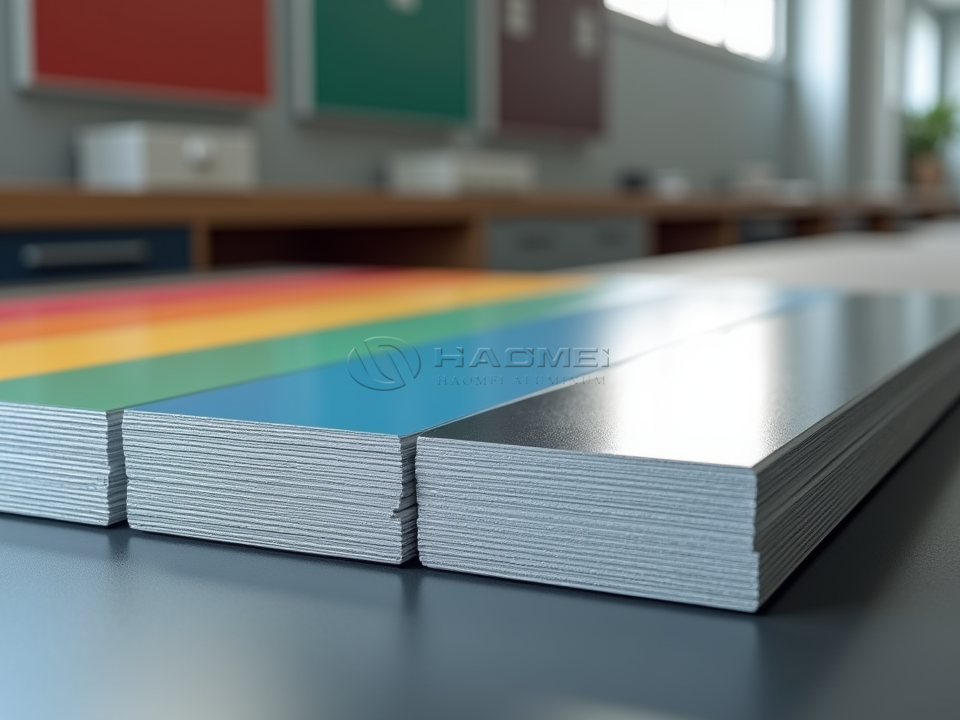
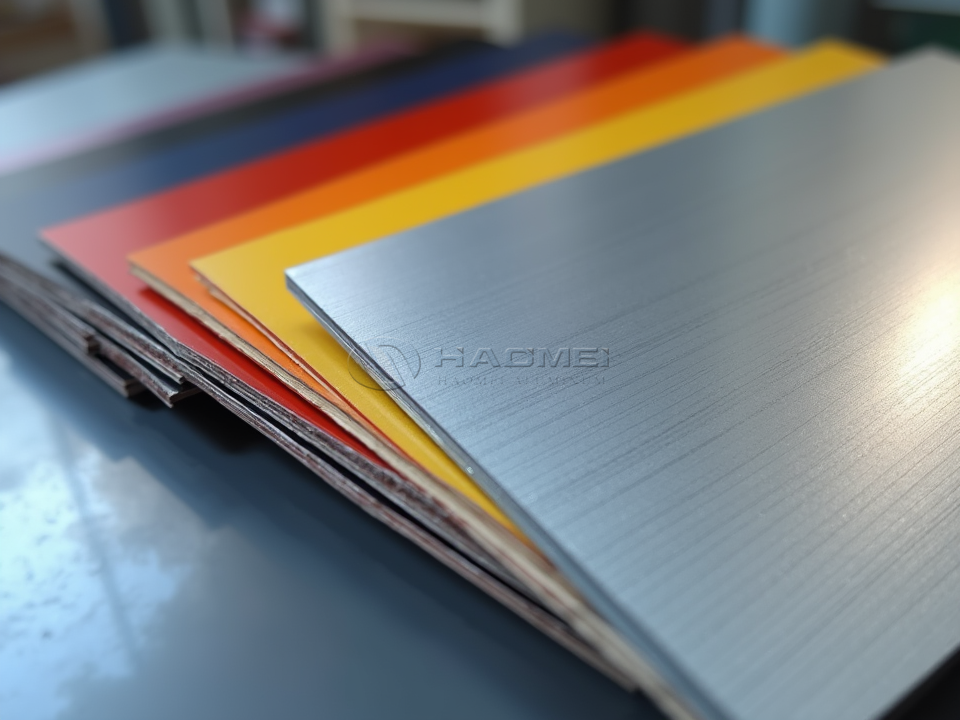
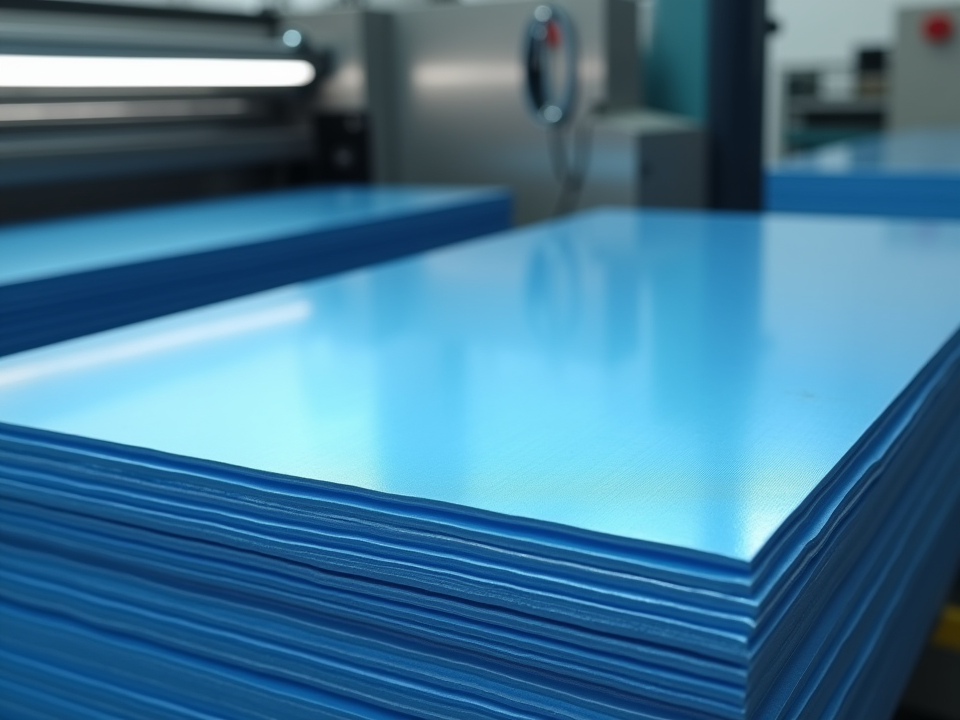
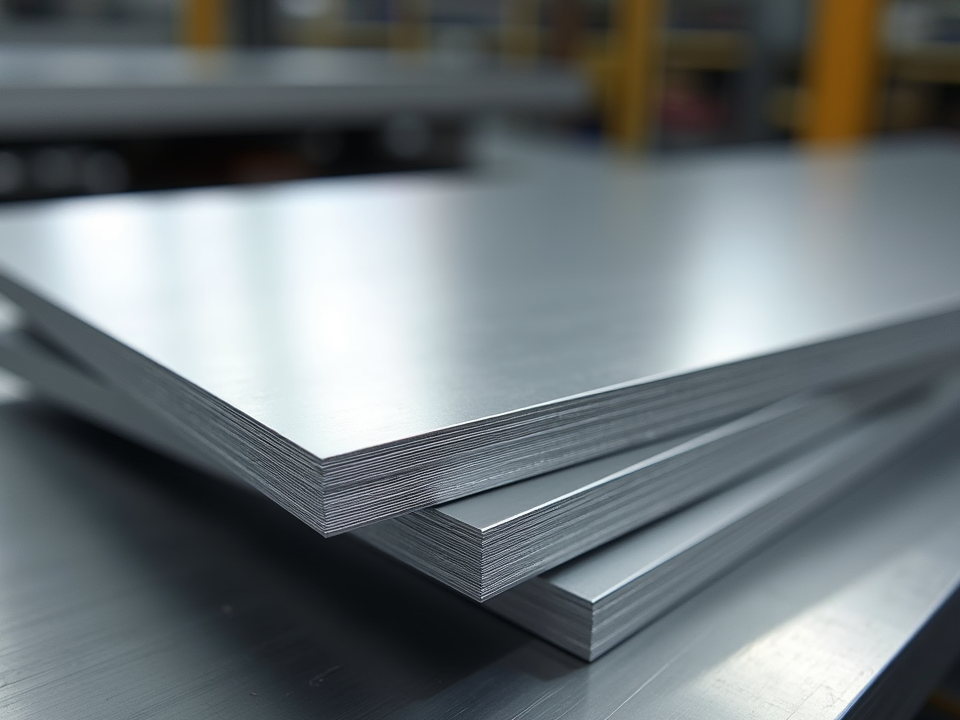
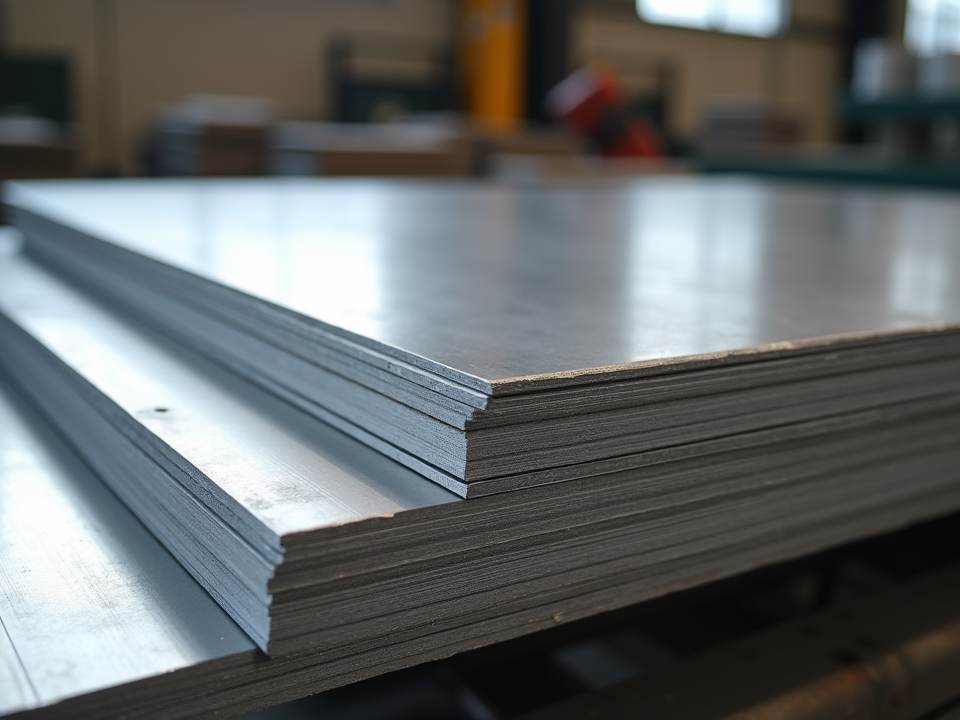
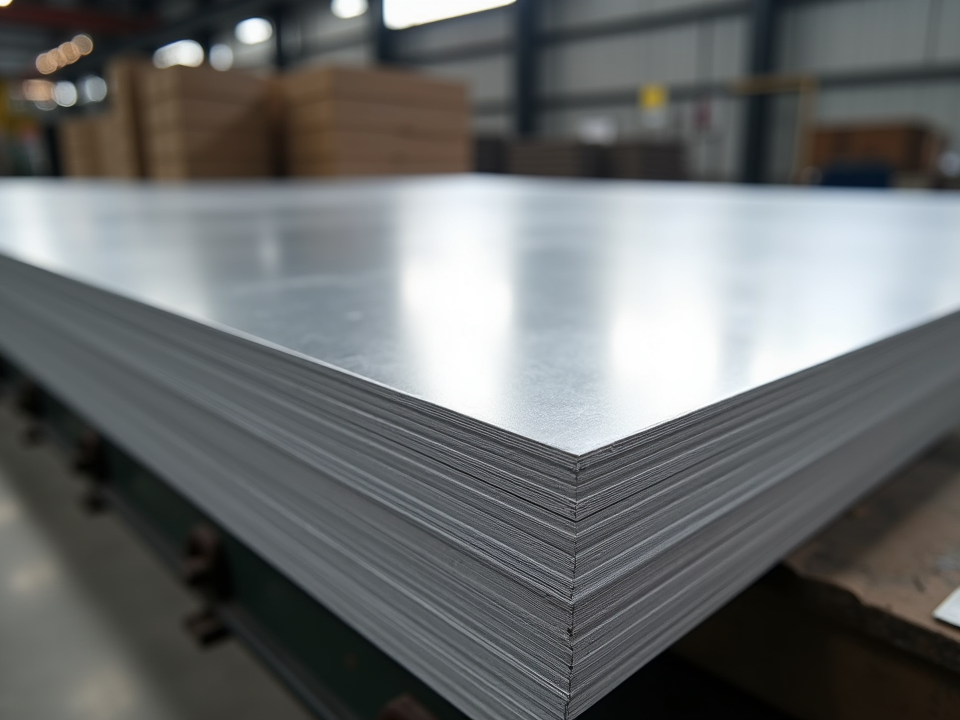
Painted Aluminum Sheet for Signage
A sign is rarely viewed under perfect conditions. It is seen from a moving car, through rain on a windshield, beneath harsh noon sun, or under a parking-lot lamp after dark. This is why selecting a painted aluminum sheet for signage should begin with a practical question: what will the surface look like after months or years of real exposure, not just when it leaves the workshop?
Painted aluminum gives sign makers a lightweight, corrosion-resistant substrate with a ready-made colored finish. It can serve as the face of a storefront panel, a directional sign, a branded pylon skin, a menu board backing, or a folded sign tray. Yet its true value is not simply that it arrives painted. Its value lies in how the metal, coating, color, gloss, and fabrication method work together to protect visual clarity.
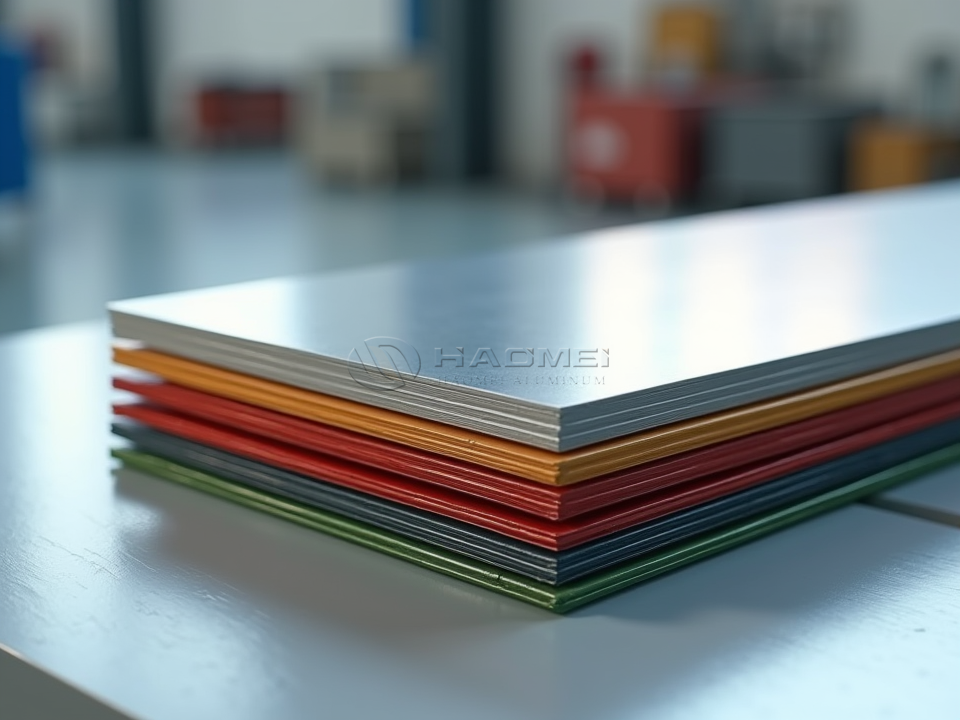
Think of the Sign Face as a Long-Term Visual Surface
A painted sheet is not only a structural component. It is the visual field around letters, graphics, logos, and printed messages. A deep black background can make illuminated white lettering appear sharper. A low-gloss white panel can reduce glare around wayfinding graphics. A metallic gray finish can support an architectural brand image, but it may show uneven reflection if the panel is formed or installed carelessly.
For this reason, color selection should be evaluated outdoors as well as indoors. A sample viewed under warehouse lighting may look quite different in direct sun. Strong gloss can make colors appear richer, but it can also create reflections that reduce legibility at certain viewing angles. Matte and satin finishes often provide a calmer reading surface for informational signage, particularly around entrances, hospitals, schools, and transport areas.
A good painted aluminum sign panel helps the message remain visible while allowing the design to do its job. The best finish is not always the most dramatic finish. It is the one that supports the intended viewing distance and environment.
Coating Choice Should Follow the Sign's Exposure
Indoor signs, temporary promotions, and protected retail displays may perform well with PE-coated aluminum. PE coatings offer broad color choices, smooth appearance, and an economical route for signs with moderate weather exposure. For projects such as interior wall branding, exhibition panels, and short-cycle commercial displays, PE Color Coated Aluminum Sheet can be a practical material choice.
Outdoor signs face more demanding conditions. Ultraviolet radiation, salt air, industrial pollutants, repeated wet-dry cycles, and high heat can gradually weaken a lesser coating. In these applications, PVDF coating is often preferred for its strong weatherability, color retention, and resistance to chalking. It is especially suitable for high-value exterior branding, coastal projects, large fascia signs, and panels installed where replacement is difficult or expensive.
The coating system should also be discussed in terms of both sides of the sheet. The front side normally carries the decorative finish, while the reverse side needs suitable protective treatment as well. This matters when the panel is folded into a tray, used in a damp location, or mounted where the rear can be exposed to condensation.
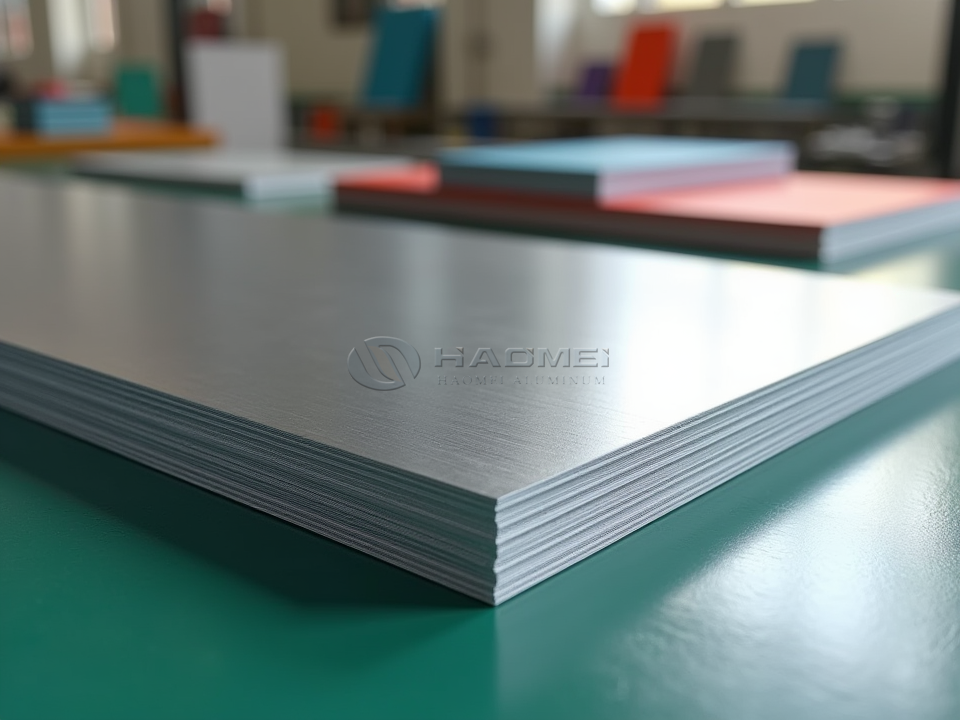
Thickness Is About Flatness as Much as Strength
Customers often focus first on alloy and coating color, but thickness has a major effect on how professional a finished sign looks. A thin sheet may be easy to fold and economical to buy, yet it can oil-can, ripple, or show distortion across a broad flat face. This becomes more noticeable with dark colors, glossy finishes, and reflected light.
For small panels mounted on a continuous backing, a lighter gauge may be adequate. Larger sign faces, folded trays, freestanding structures, and areas exposed to wind generally need more stiffness. The right answer depends on panel dimensions, support spacing, fixing method, forming depth, and local wind load. A large dark panel with minimal framing should not be specified in the same way as a small white wall sign.
Aluminum alloy selection also affects forming behavior. Sign fabricators commonly need sheets that can be cut, routed, bent, riveted, bonded, or formed without damaging the painted surface. Confirm the required bend radius before production, particularly for sharp folded edges. A coating that looks excellent on a flat sheet may crack at a tight bend if the material and process are not matched.
Fabrication Details Decide Whether the Finish Stays Beautiful
Painted aluminum is forgiving in many operations, but it is not indestructible. Protective film should remain in place during handling, routing, and bending whenever possible. It should then be removed soon after installation rather than left exposed for extended periods, since aged film can become difficult to peel away.
Use clean tools and worktables. Fine metal chips trapped beneath a sheet can scratch the coating during movement. Avoid dragging panels face-down. When cutting, use methods that produce clean edges without overheating the paint. After fabrication, inspect folded corners, drilled holes, and routed edges, as these are common areas for accidental damage.
Fasteners deserve attention too. Incompatible metals can contribute to galvanic corrosion when moisture is present. Suitable isolation washers, compatible fasteners, and well-designed drainage all help preserve the sign assembly. Where a painted aluminum panel meets steel framing, the connection detail should prevent standing water and direct metal-to-metal contact where possible.
Color Consistency Is a Project-Control Issue
For a single small sign, color matching may seem straightforward. For a chain of stores or a multi-panel facade, color consistency becomes a logistical matter. Coating batches can vary slightly, and metallic colors are particularly sensitive to orientation and viewing angle. Panels from different production lots may appear different when placed side by side under sunlight.
Specify the color standard early, approve a physical sample, and order enough material for the full visible elevation when possible. Keep the rolling direction consistent for metallic, brushed, or directional finishes. During installation, maintain panel orientation from one section to the next. These small controls can prevent a costly visual mismatch.
For sign programs that demand long service life, PVDF Coated Aluminum Sheet provides a dependable foundation for stable exterior color and finish performance. It is particularly valuable where brand colors must remain credible across years of weather exposure.
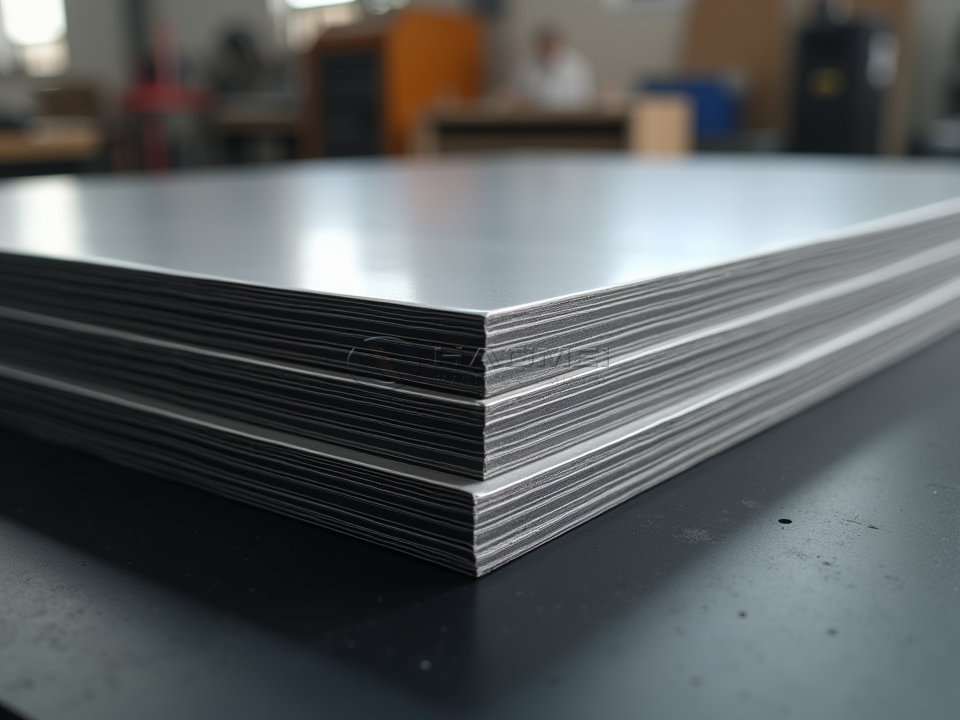
Choose the Finish That Supports the Message
White painted aluminum is a highly flexible sign background because it works with printed graphics, vinyl lettering, direct digital printing, and dimensional letters. Black sheets create high contrast and a premium appearance, though they absorb more heat and can reveal surface waviness more readily. Bright colors can improve visibility for safety signs, retail promotions, and directional markers.
Wood grain, stone grain, and other decorative finishes offer another route. They can bring warmth or architectural character to hospitality, retail, and property-development signage without the maintenance demands of natural timber or stone. However, printed patterns should be aligned carefully across adjoining panels so that the finished sign appears intentional rather than fragmented.
Specify the Complete Sign Environment
The most reliable painted aluminum sheet for signage is selected by considering the complete environment: location, size, support system, coating type, desired gloss, fabrication method, color tolerance, and cleaning plan. A sign near the sea needs a different specification from an indoor directory. A long horizontal fascia has different flatness demands from a compact hanging panel.
Routine maintenance is simple but worthwhile. Wash exterior panels periodically with clean water and a mild, non-abrasive detergent. Avoid aggressive solvents, abrasive pads, and harsh alkaline cleaners that can dull or damage the finish. Removing dirt and pollution films helps the sign retain its intended color and professional appearance.
When painted aluminum is specified as a visual surface rather than merely a sheet material, it delivers more than a colored panel. It becomes a durable backdrop for communication: clear in daylight, composed under artificial light, and prepared to keep representing the brand through changing weather.