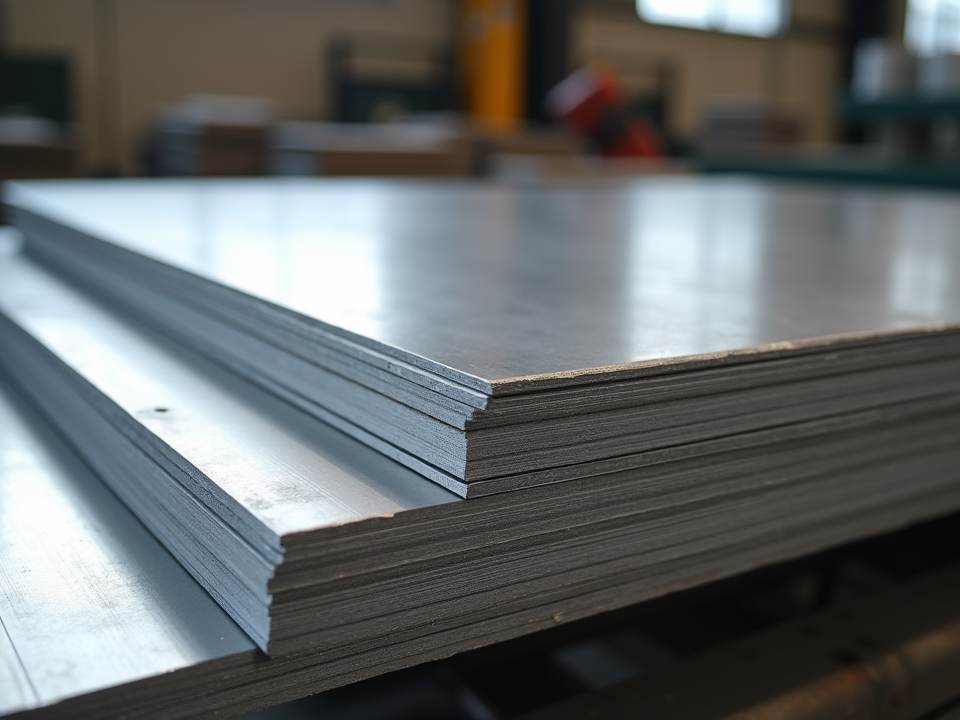
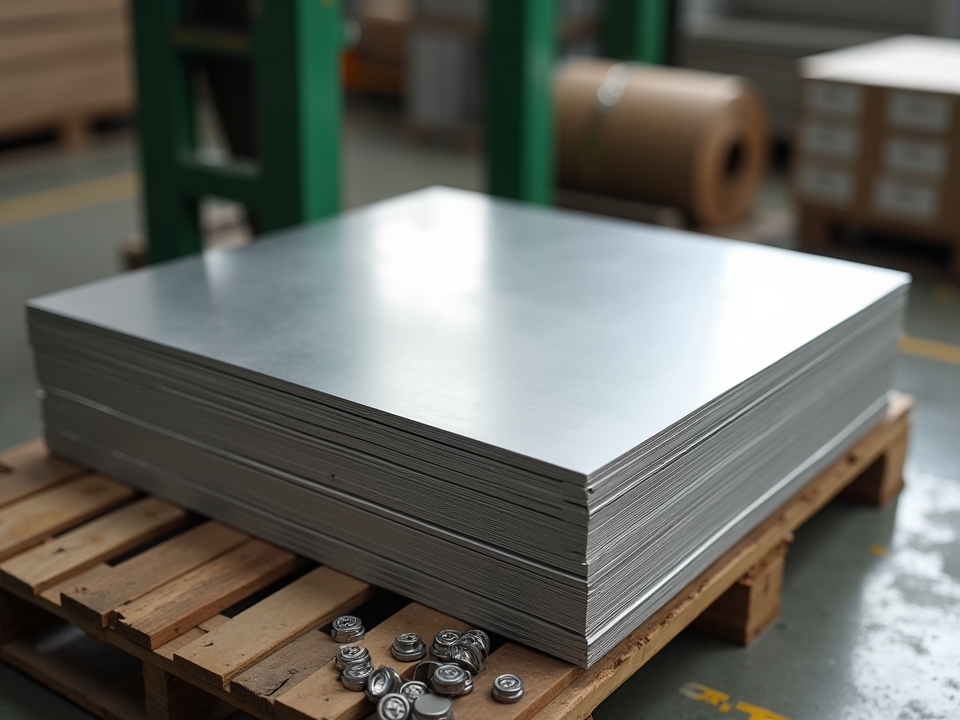
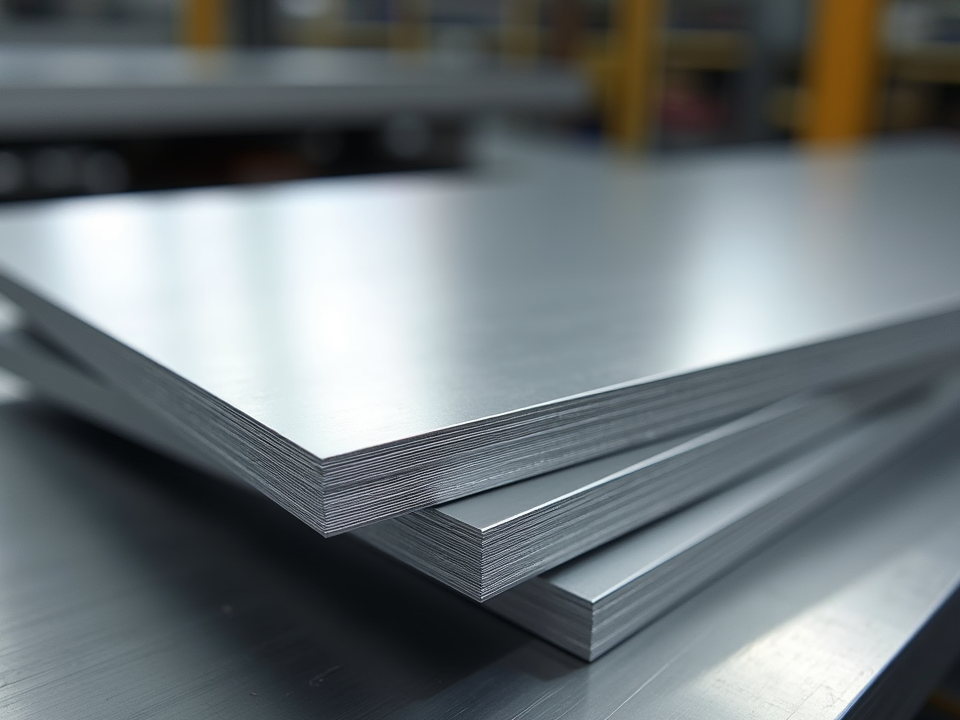
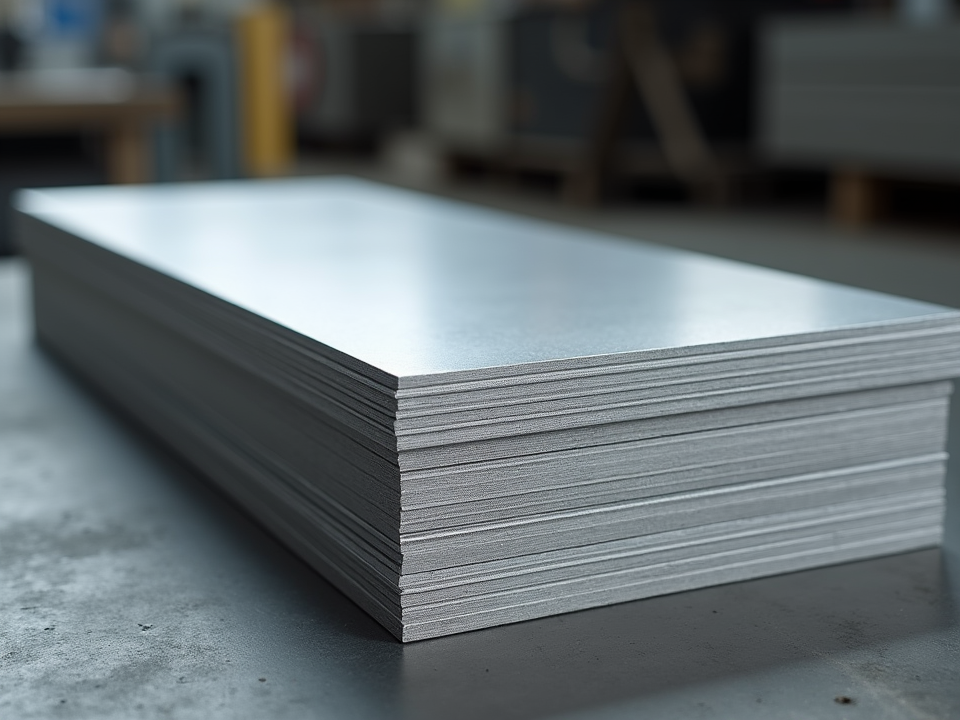
Pre-Anodized Coated Aluminum Sheet
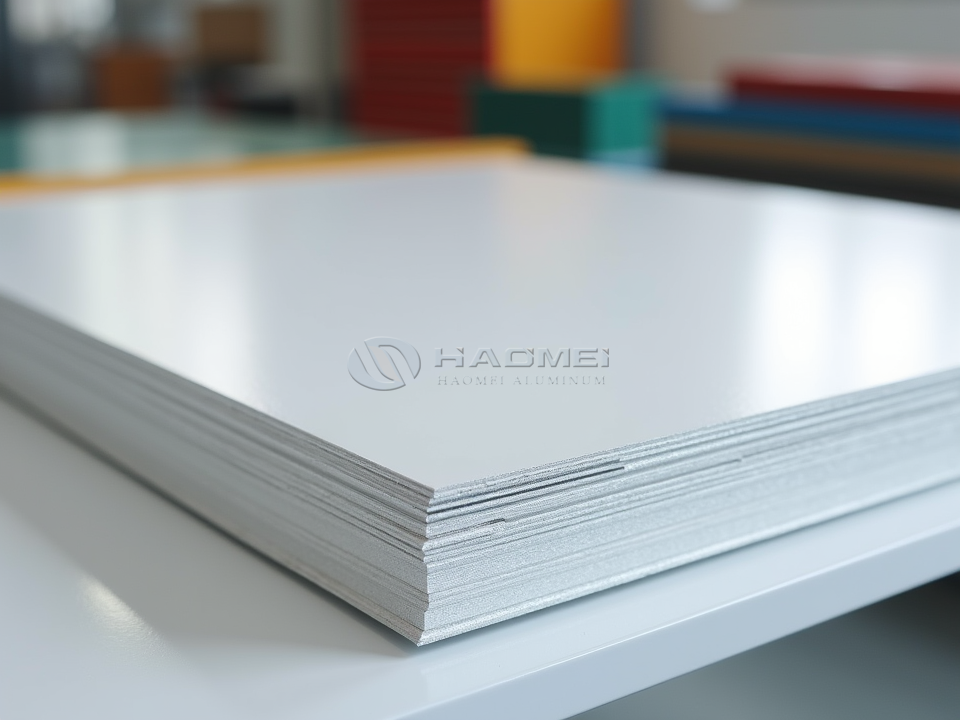
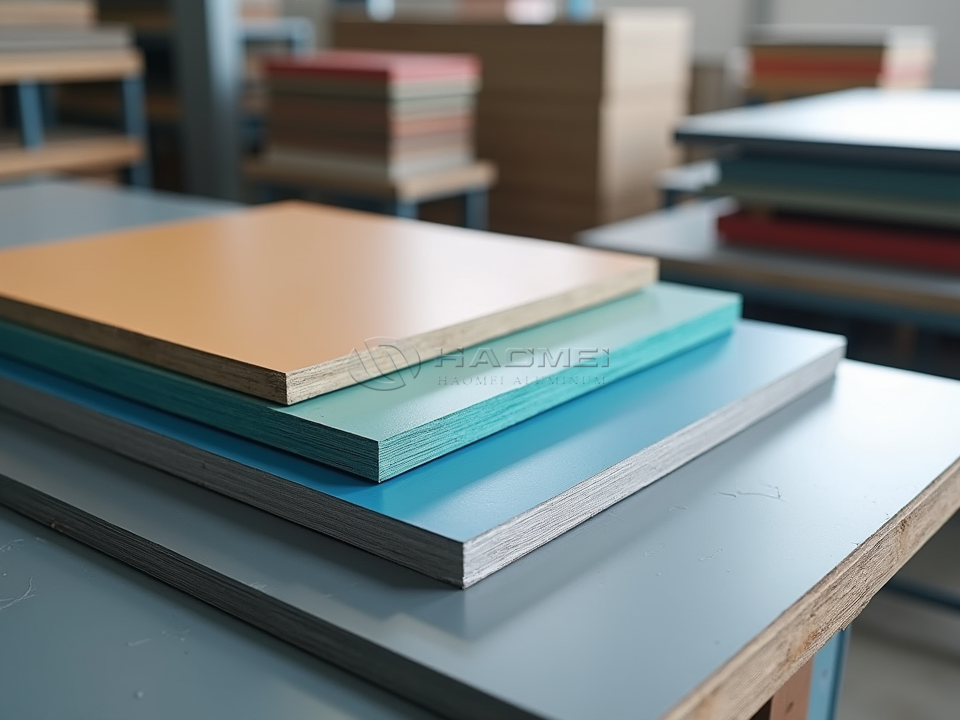
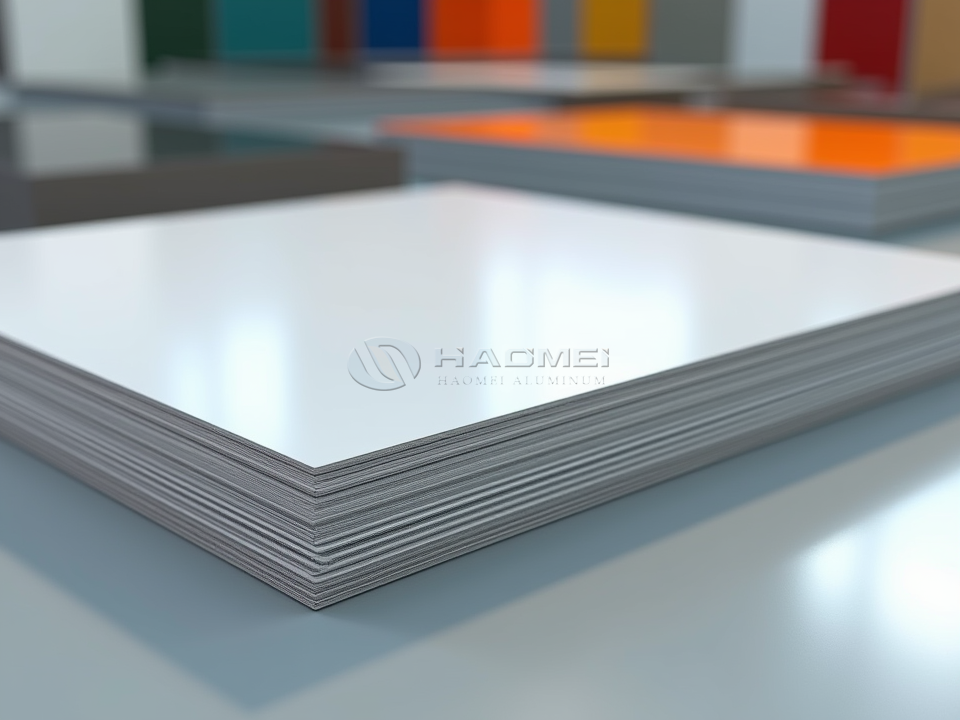
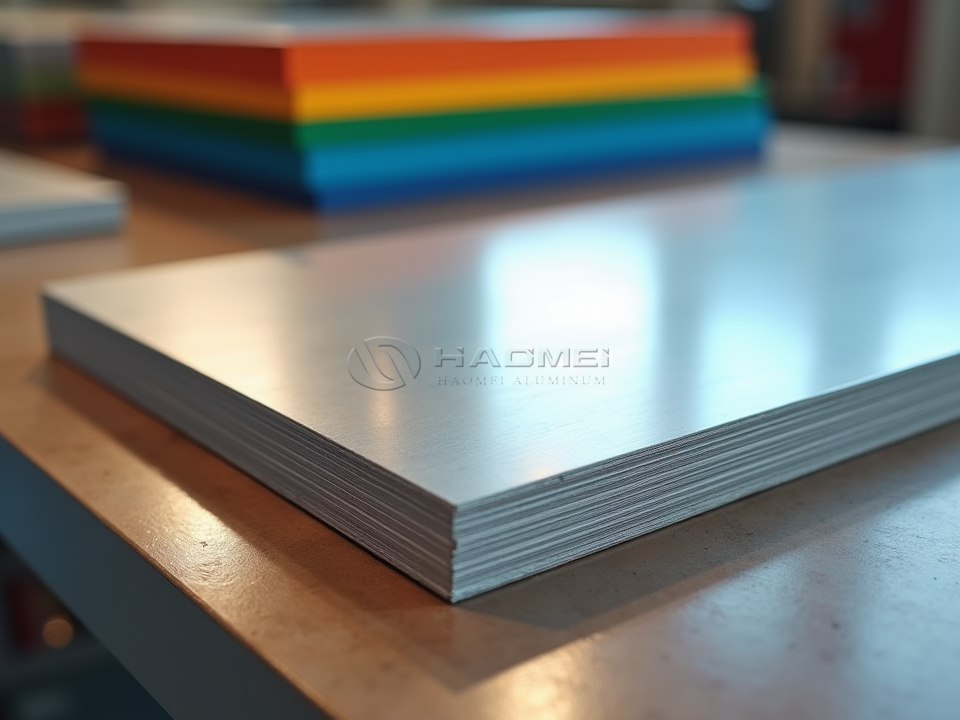
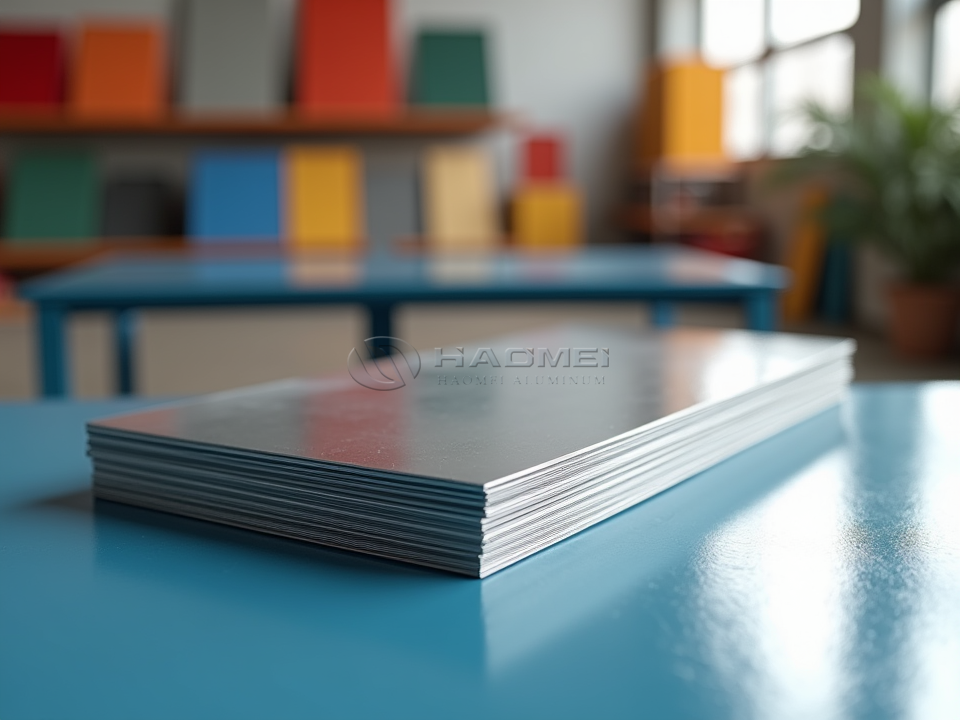
Pre-anodized coated aluminum sheet is not simply aluminum with a decorative finish. It is a factory-prepared surface system, made before cutting, bending, stamping, laminating, or installation. The idea is practical: move the most sensitive surface process to a controlled production line, then deliver a sheet that already carries corrosion resistance, stable color, improved hardness, and clean handling behavior.
In many projects, the surface is where performance is won or lost. Base aluminum provides low weight and formability, while the anodized layer builds an aluminum oxide barrier directly from the metal itself. A coating or sealing system then improves resistance to staining, fingerprints, chemicals, UV exposure, or abrasion. Compared with post-anodizing finished parts, pre-anodized coated aluminum sheet gives tighter batch consistency, faster fabrication, and less wastewater at the user side.
How the Material Functions in Real Use
The working logic of pre-anodized coated aluminum sheet can be viewed as three layers acting together. The aluminum substrate carries strength, shape, and thermal conductivity. The anodic oxide layer gives hardness, dielectric behavior, and corrosion protection. The final seal or coating controls appearance, cleanability, and environmental durability.
The anodized film is not painted onto the surface. It grows from the aluminum in an electrolyte bath, creating a dense oxide structure with fine pores. These pores can be sealed with hot water, nickel acetate, organic sealants, or coated with transparent or colored systems. This makes the surface more integrated than a conventional coating, because the protective layer is partly converted metal rather than only an added film.
For customers comparing it with Coated Aluminum Sheet, the main difference is the surface mechanism. Color-coated aluminum usually depends on PE, HDPE, or PVDF resin layers. Pre-anodized coated aluminum relies first on anodic aluminum oxide, then adds sealing or coating for extra service behavior. For harsh outdoor exposure where resin weatherability is the main concern, PVDF Coated Aluminum Sheet may be preferred. For metallic appearance, scratch resistance, and dimensional stability after fabrication, pre-anodized coated sheet is often the more refined choice.
Typical Parameters for Procurement
The following data are common commercial ranges. Final values should be confirmed according to alloy, order size, finish, and end-use environment.
| Item | Common Range or Option |
|---|---|
| Thickness | 0.3 mm to 3.0 mm, with 0.5 mm to 1.5 mm common for panels and interiors |
| Width | 800 mm to 1600 mm, wider sizes available by mill capability |
| Length | Coil, cut-to-length sheet, or custom blanks |
| Alloy series | 1xxx, 3xxx, 5xxx, selected 6xxx for special use |
| Temper | O, H12, H14, H16, H18, H24, H32, H34, T4 or T6 where applicable |
| Anodic film thickness | 3 µm to 25 µm depending on indoor or outdoor use |
| Coating or seal type | Clear seal, color seal, organic topcoat, anti-fingerprint, matte or brushed finish |
| Gloss | Matte, satin, semi-gloss, metallic natural finish |
| Color | Natural silver, champagne, bronze, black, gold, custom tones subject to batch control |
| Protective film | PE film, laser film, paper interleaving, or no film |
| Flatness tolerance | Usually aligned with EN 485, ASTM B209, or agreed mill tolerance |
A thicker anodic layer is not always the best answer. Deep drawing, tight radius bending, and stamping may require a thinner or more flexible surface system. Architectural exterior panels may need a thicker oxide layer and stronger sealing. The correct choice comes from balancing forming severity, exposure, desired appearance, and budget.
Alloy Tempering and Forming Behavior
Alloy selection decides how the sheet behaves under tools. 1050 and 1100 offer excellent formability and bright appearance, making them suitable for reflectors, nameplates, appliance trim, and decorative interiors. 3003 is stronger than pure aluminum and widely used for ceiling panels, signage, composite panel skins, and general fabrication. 5005 is a preferred anodizing alloy because it provides attractive color uniformity and better surface quality than many structural grades. 5052 adds strength and marine corrosion resistance, useful for transport, enclosure, and outdoor equipment parts.
Temper must match the forming route. O temper is soft and suitable for severe forming. H14 and H24 give balanced stiffness and bendability. H18 offers higher strength but lower ductility. H32 and H34 tempers in 5xxx alloys provide useful strength while keeping workable elongation. If the sheet will be bent after anodizing, bend radius should be tested before mass production, because the anodic layer is harder and less elastic than the aluminum beneath it.
Chemical Composition and Surface Chemistry
Chemical composition influences anodizing color, corrosion resistance, and surface uniformity. Iron and silicon can slightly darken or reduce brightness. Magnesium improves strength and can perform well in anodizing when controlled. Copper should be limited for many anodized architectural applications because it may reduce corrosion performance.
| Alloy | Si | Fe | Cu | Mn | Mg | Cr | Zn | Al |
|---|---|---|---|---|---|---|---|---|
| 1050 | 0.25 max | 0.40 max | 0.05 max | 0.05 max | 0.05 max | 0.05 max | 0.05 max | 99.50 min |
| 1100 | Si + Fe 0.95 max | Si + Fe 0.95 max | 0.05-0.20 | 0.05 max | 0.05 max | - | 0.10 max | 99.00 min |
| 3003 | 0.60 max | 0.70 max | 0.05-0.20 | 1.00-1.50 | - | - | 0.10 max | Balance |
| 5005 | 0.30 max | 0.70 max | 0.20 max | 0.20 max | 0.50-1.10 | 0.10 max | 0.25 max | Balance |
| 5052 | 0.25 max | 0.40 max | 0.10 max | 0.10 max | 2.20-2.80 | 0.15-0.35 | 0.10 max | Balance |
| Surface Chemical Property | Typical Performance Meaning |
|---|---|
| Aluminum oxide layer | Stable Al2O3 barrier formed from the substrate |
| pH resistance | Best in neutral environments; strong acid or alkali may attack the oxide |
| Salt spray resistance | Often tested from 500 to 1000 hours depending on film thickness and seal quality |
| Electrical behavior | Oxide layer is insulating, useful for electronic panels and housings |
| Stain resistance | Improved by sealing, anti-fingerprint treatment, or organic topcoat |
| UV stability | Natural anodized finishes are highly stable; dyed colors depend on dye and sealing grade |
Implementation Standards and Test References
Pre-anodized coated aluminum sheet can be supplied under multiple standards, depending on market and application. ASTM B209 and EN 485 are commonly used for aluminum sheet dimensions and mechanical properties. GB/T 3880 is widely used for aluminum plate, sheet, and strip in China. ISO 7599 relates to sulfuric acid anodizing for aluminum and aluminum alloys. AAMA 611 is frequently referenced for anodized architectural aluminum. EN 12373 and EN 13523 series may also appear in coating and anodizing evaluation. ASTM B117 is used for salt spray testing, ASTM D3359 for adhesion, and ASTM D523 for gloss measurement.
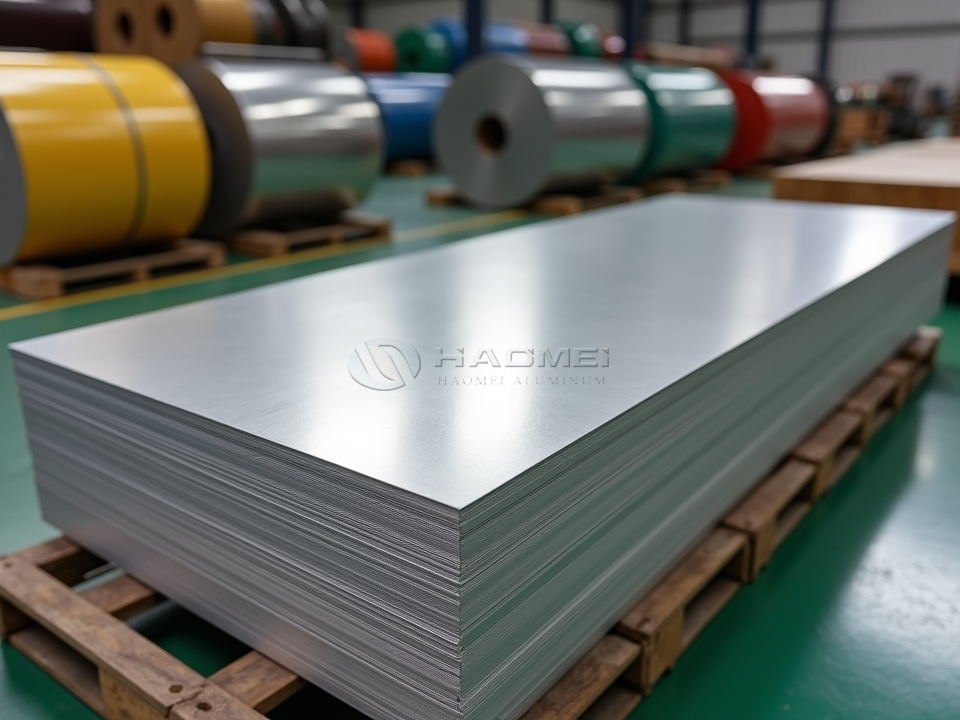
Quality control should not focus only on color. A good order specification also states alloy, temper, thickness tolerance, oxide thickness, gloss range, color tolerance, sealing grade, bend test requirement, adhesive film type, and packaging method. For visible panels, batch-to-batch color control should be confirmed under the same light source and viewing angle.
Applications Where Pre-Anodized Coated Sheet Saves Time
Architectural decoration is one of the largest fields. The material is used for wall panels, ceiling systems, elevator interiors, column covers, partition panels, door skins, sunshade elements, and signage. Its metallic texture feels more natural than paint and resists fingerprints better when properly sealed.
In electronics, pre-anodized coated sheet is used for control panels, instrument covers, computer housings, audio panels, LED lighting parts, and nameplates. The oxide layer helps resist scratches during assembly, while the aluminum substrate dissipates heat. In home appliances, it appears in refrigerator trims, range hood panels, washing machine decoration, kitchen cabinet fronts, and small appliance shells.
Transport and industrial equipment also benefit. Lightweight panels for rail interiors, vehicle trim, marine cabin fittings, enclosure covers, tool cases, and machine guards can be fabricated quickly because the sheet arrives with its surface already completed. This reduces finishing steps, shortens delivery time, and helps avoid color mismatch among outsourced parts.
For roofing accessories and exterior cladding details, pre-anodized coated aluminum sheet may be selected when the design calls for a clean metallic look rather than a solid paint color. In high UV or coastal environments, the film thickness, sealing quality, and alloy selection become more important than appearance alone.
Practical Fabrication Notes
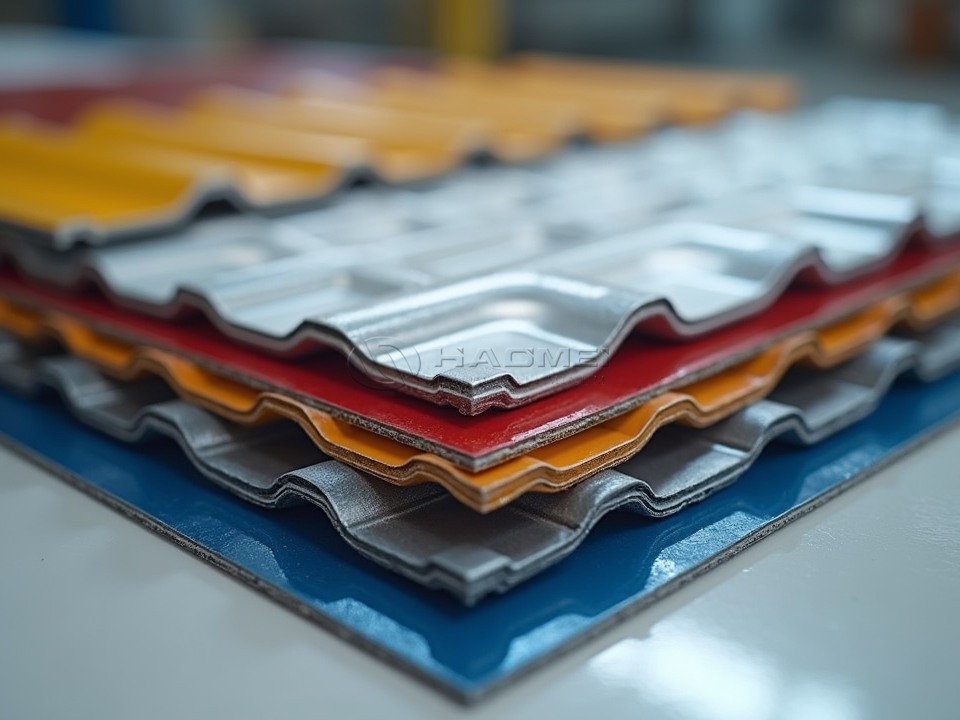
Tools should be clean, smooth, and free from steel particles. Sliding friction can mark the surface, so protective film is usually kept on during cutting and forming. Laser cutting may leave heat marks on some finishes, while CNC punching and shearing are often safer for appearance-critical parts. If bending is required, the anodized face is usually placed on the outside only after confirming the minimum bend radius.
Adhesive bonding, riveting, and mechanical fastening are all possible. Welding is generally not recommended on finished surfaces because heat damages the anodized and coated layers. For panels that need welding, fabricate first and finish later, or design hidden fastened joints.
Pre-anodized coated aluminum sheet works best when surface engineering is planned at the drawing stage. When alloy, temper, oxide thickness, coating type, and forming path are selected together, the result is a light, durable, and visually consistent material that reaches the job site ready to perform.