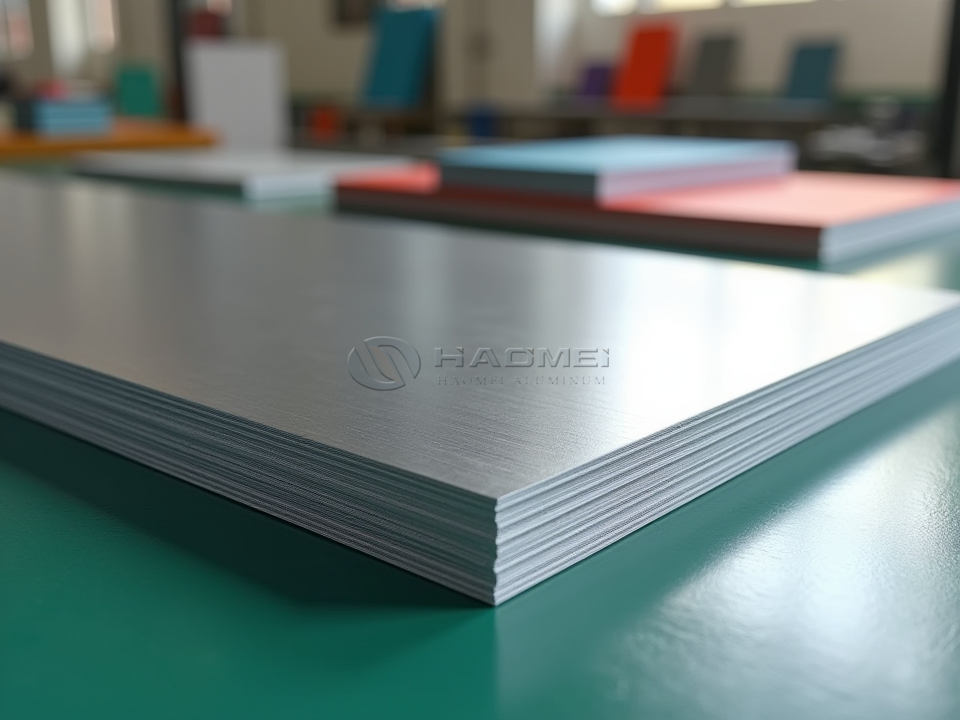
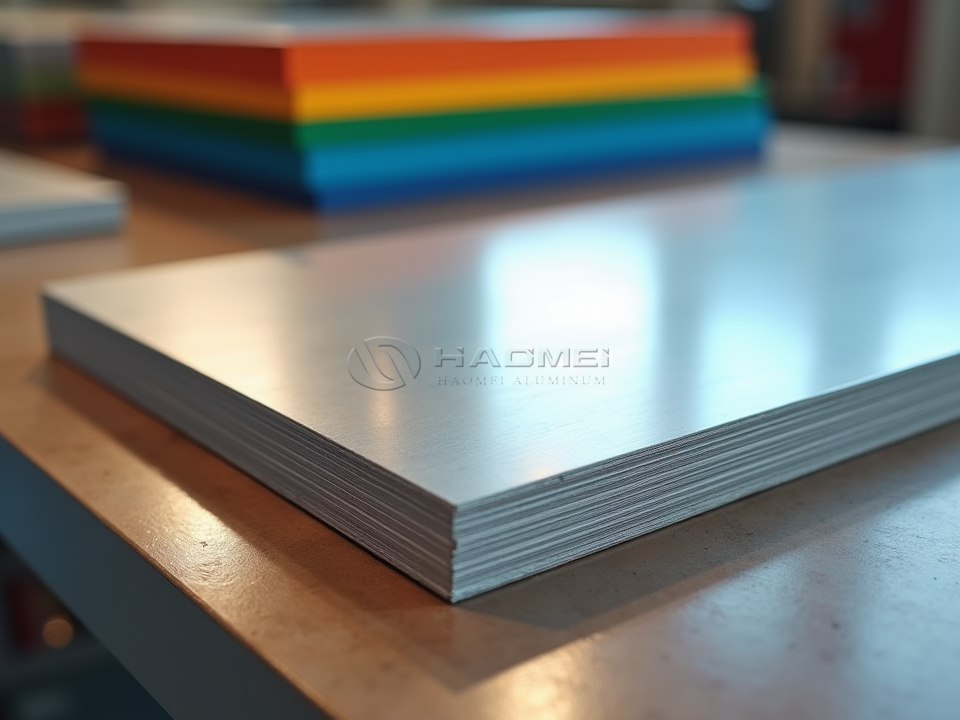
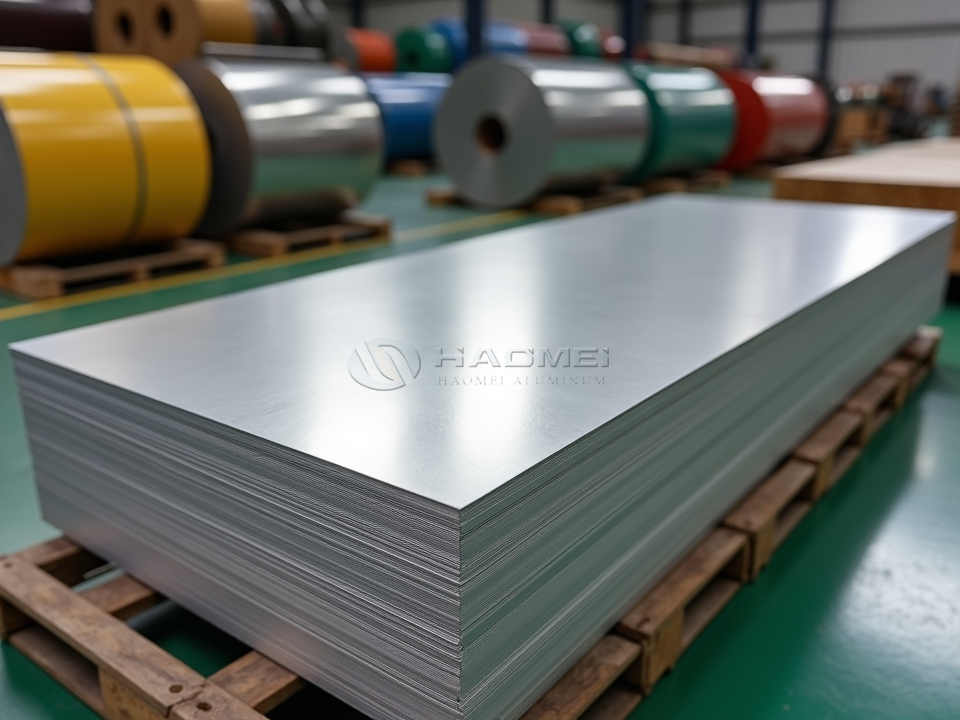
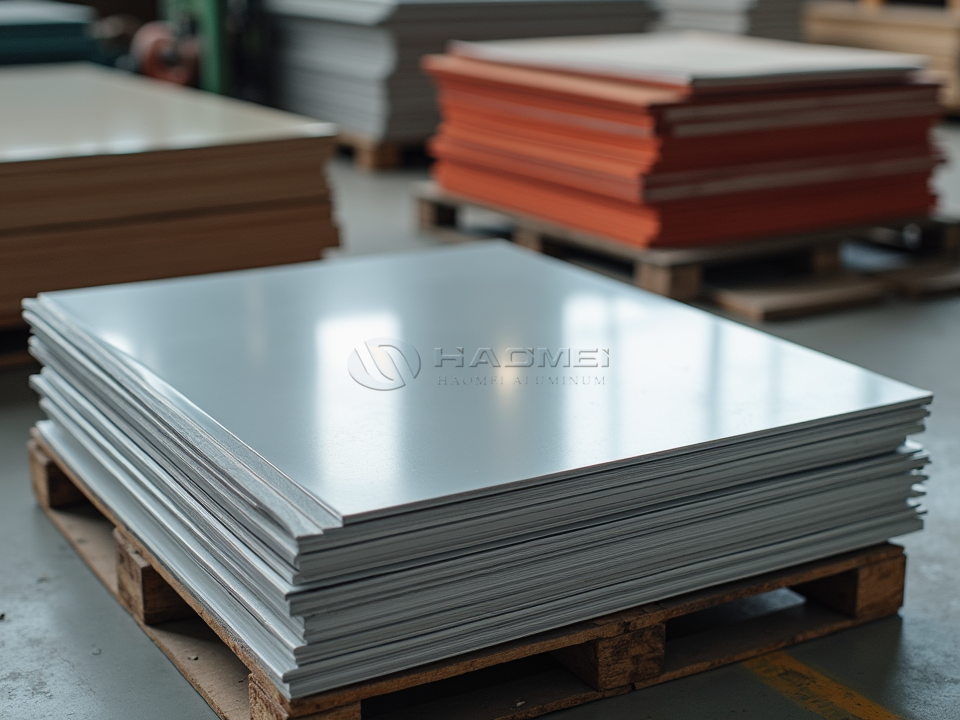
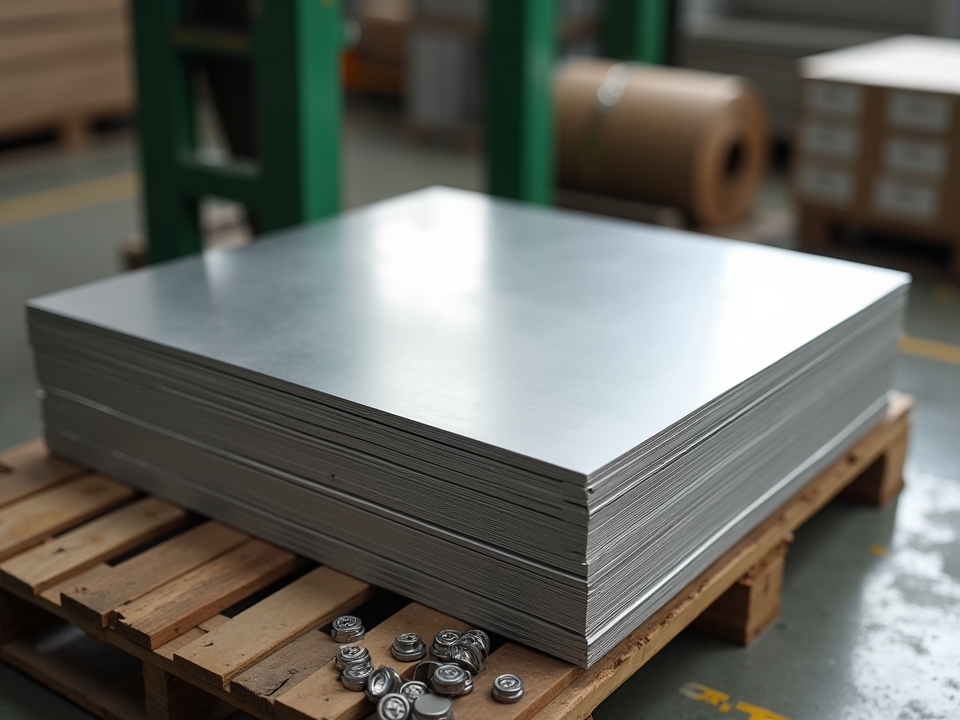
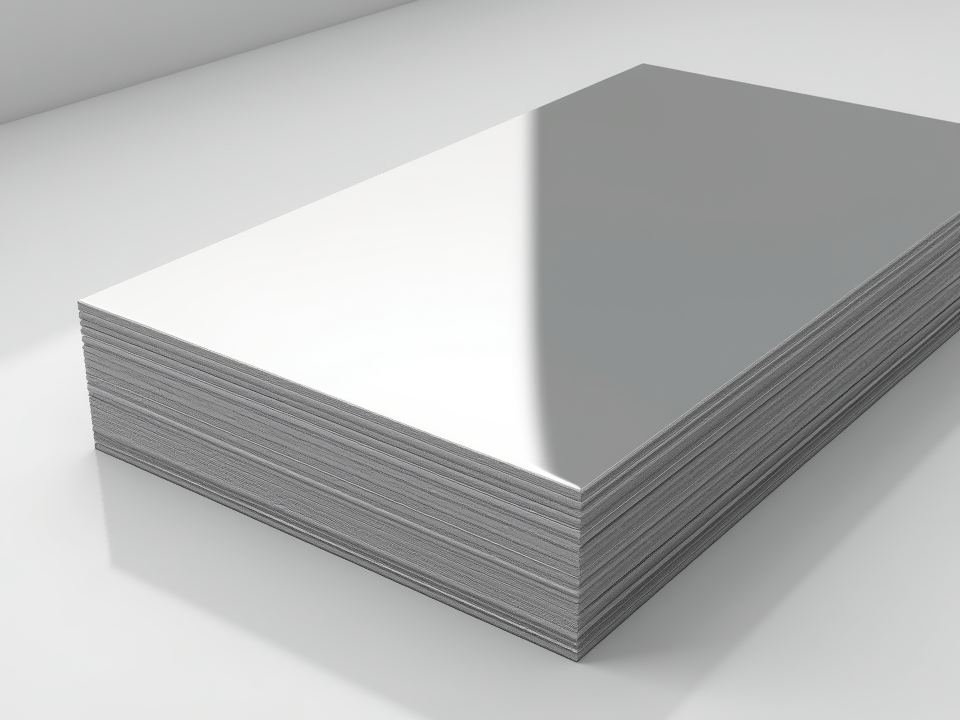
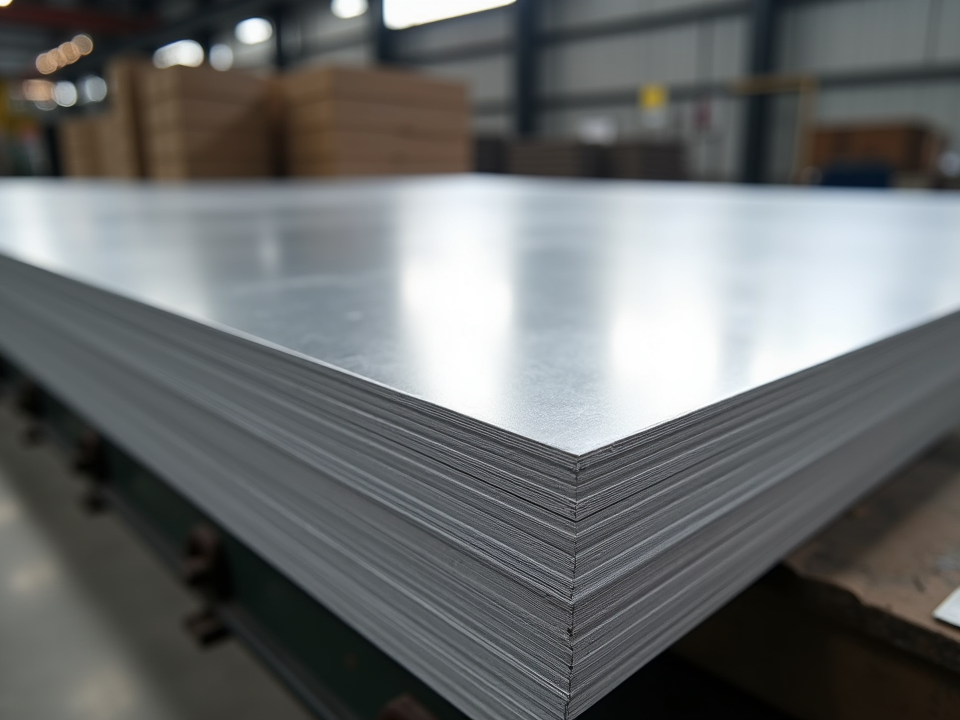
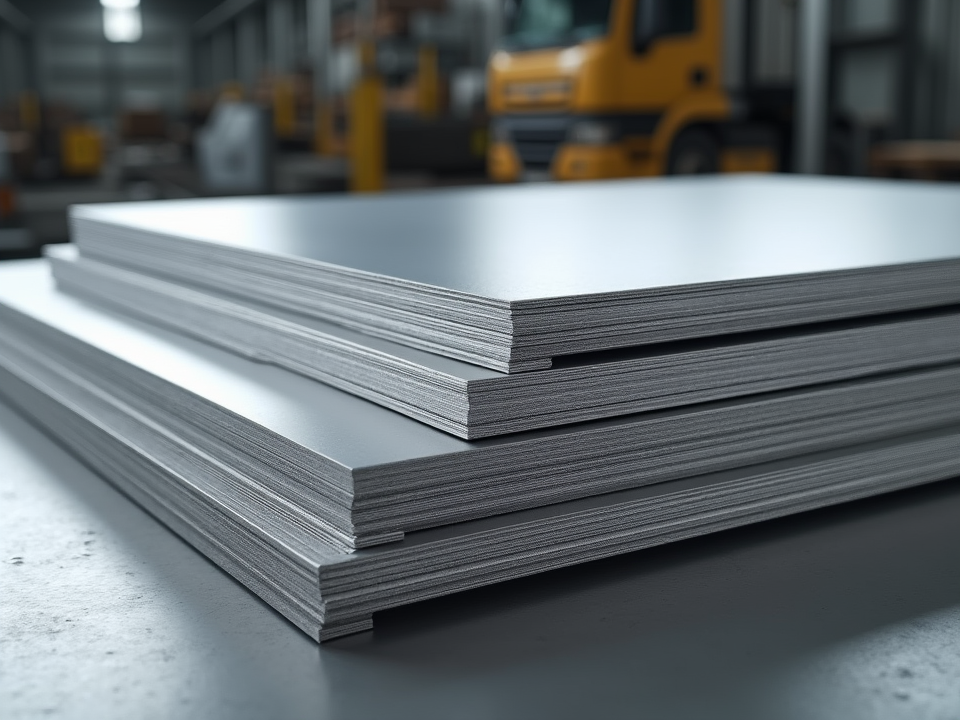
UV Printed Coated Aluminum Plate
UV printed coated aluminum plate combines the light weight and corrosion resistance of aluminum with high-resolution digital printing. A UV-curable ink is deposited directly onto a prepared coated surface and instantly hardened by ultraviolet light. The result is a durable decorative or graphic panel suitable for indoor and outdoor use.
Unlike paper, PVC, or untreated boards, aluminum provides a rigid, stable substrate that resists moisture, insects, warping, and dimensional change. The printed face can reproduce photographs, branding, wood textures, marble patterns, gradients, and fine text while retaining the clean appearance of a factory-finished panel.
Functions and Performance
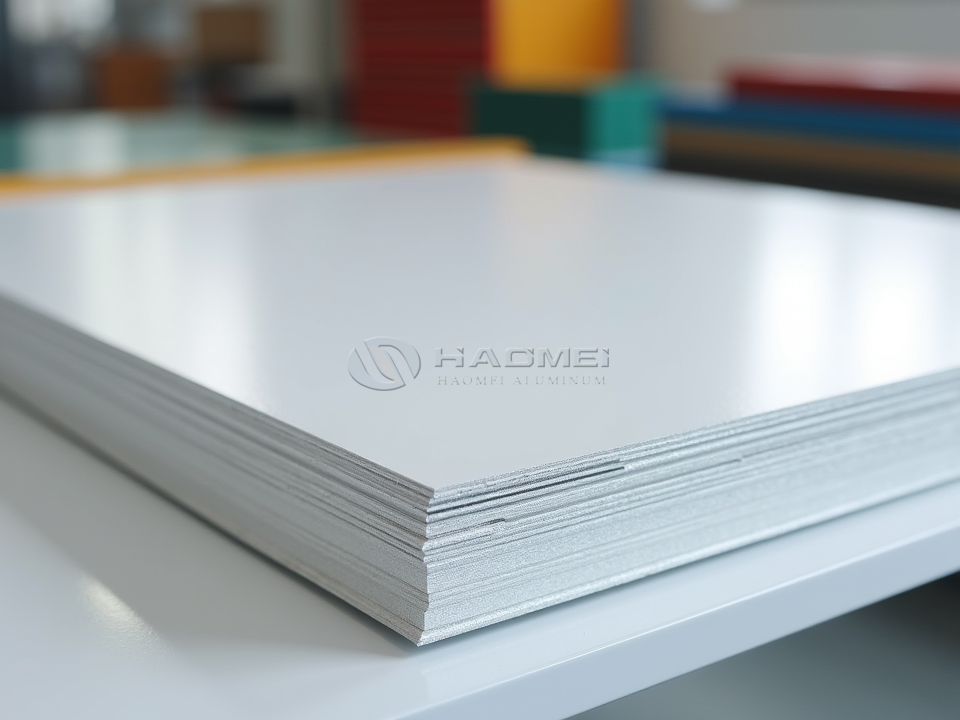
The plate normally consists of an aluminum substrate, pretreatment layer, primer, colored or white base coat, UV ink layer, and optional protective clear coat. Each layer contributes to long-term performance.
| Component | Main function | Typical material or feature |
|---|---|---|
| Aluminum substrate | Provides strength, low weight, and corrosion resistance | 3003, 3105, or 5052 alloy |
| Pretreatment | Improves coating adhesion and corrosion protection | Chromium-free or chromate conversion layer |
| Primer | Bonds the finish to the metal | Polyester, epoxy, or compatible resin |
| Base coating | Creates color uniformity and print contrast | PE, polyester, or PVDF coating |
| UV ink | Produces text, images, and decorative graphics | UV-curable acrylic or polyurethane ink |
| Clear protection | Reduces abrasion, fading, and chemical attack | Transparent UV-resistant varnish |
UV printing supports variable data and short production runs without screens, plates, or transfer films. It is useful when a project requires different images on individual panels, rapid design changes, or exact brand color reproduction. White ink can be used as an underlayer or spot color to improve opacity on dark finishes.
The surface can be supplied in gloss, matte, satin, textured, brushed, wood grain, stone grain, or marble-effect finishes. Depending on the coating system and clear coat, the printed surface may resist common cleaners, mild acids, moisture, and routine handling.
Typical Applications
UV printed coated aluminum plate is widely used for architectural identification, retail presentation, transportation graphics, and industrial communication. Its flatness and print clarity make it suitable for both direct mounting and fabrication into formed components.
Common applications include:
- Building nameplates, address panels, and directional signage
- Retail displays, menu boards, promotional panels, and branded fixtures
- Interior wall decoration, partitions, and elevator graphics
- Exterior facade accents and decorative curtain wall inserts
- Roofing accessories, eaves panels, and architectural trims
- Equipment labels, control-panel graphics, and warning signs
- Vehicle, marine, and recreational equipment decoration
- Exhibition stands, displays, and temporary event structures
- Printed panels for advertising boards and information systems
For facade and long-term outdoor exposure, buyers often select a high-performance PVDF Coated Aluminum Sheet as the printed or decorative base. PE-coated material is generally economical for indoor applications and moderate exterior service, while PVDF is better suited to demanding sunlight and weather conditions.
Technical Specifications
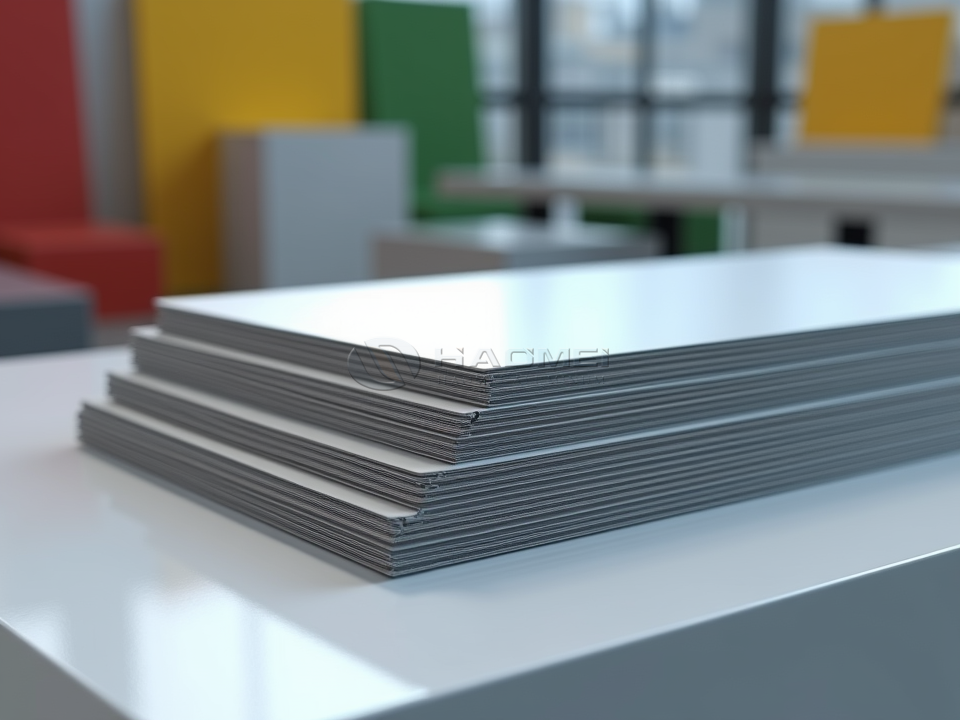
Final values depend on alloy, coating system, printing density, clear coat, and fabrication method. The following ranges are commonly available for commercial production.
| Parameter | Typical range or option |
|---|---|
| Product form | Flat sheet or cut-to-size plate |
| Alloy | 3003, 3105, 5052 |
| Temper | H14, H24, H26, H32, H34 |
| Thickness | 0.50-3.00 mm |
| Width | 500-1,600 mm |
| Length | 500-6,000 mm or custom cut |
| Aluminum surface | Smooth, embossed, brushed, matte, or textured |
| Base coating | PE, polyester, or PVDF |
| UV ink colors | CMYK, white, light colors, spot colors |
| Print resolution | Up to 1,440 dpi, depending on equipment |
| Coating thickness | 15-35 microns, excluding optional clear coat |
| Gloss level | Approximately 10-90 GU at 60 degrees |
| Dimensional tolerance | According to applicable sheet standard and order agreement |
| Service temperature | Commonly -40 to 80 degrees C, system dependent |
| Reflectivity | Controlled through gloss, color, and surface texture |
Alloy, Temper, and Chemical Properties
The alloy should match the forming, strength, and corrosion requirements of the project. 3003 offers good formability and moderate strength. 3105 is frequently selected for coated sheet because it balances formability, strength, and atmospheric corrosion resistance. 5052 provides higher strength and excellent resistance in humid or marine environments, although it may require more forming force.
| Alloy | Aluminum, minimum | Main alloying elements, approximate | Typical use |
|---|---|---|---|
| 3003 | Remainder | Mn 1.0-1.5%, Cu 0.05-0.20% | General panels and formed signage |
| 3105 | Remainder | Mn 0.30-0.80%, Mg 0.20-0.80% | Coated architectural and roofing sheet |
| 5052 | Remainder | Mg 2.2-2.8%, Cr 0.15-0.35% | Higher-strength outdoor and marine panels |
Minor elements such as silicon, iron, zinc, and titanium are controlled according to the selected alloy standard. Aluminum naturally develops a thin oxide film, which helps protect the substrate. Pretreatment and coating prevent moisture and contaminants from reaching the metal during service.
| Temper | Condition | Approximate characteristic |
|---|---|---|
| H14 | Strain hardened, half hard | Good balance of strength and formability |
| H24 | Strain hardened and partially annealed | Improved forming performance |
| H26 | Strain hardened and partially annealed, harder condition | Higher rigidity for flat panels |
| H32 | Stabilized strain-hardened condition | Good strength and resistance to deformation |
| H34 | Stabilized, harder condition | Higher strength for demanding structures |
Mechanical properties vary with thickness and alloy. Typical tensile strength ranges from approximately 145 to 260 MPa, while elongation may range from 3% to 25%. Product data should be confirmed against the mill certificate before production forming.
Manufacturing and Quality Control
Production begins with degreasing, surface cleaning, chemical pretreatment, and primer application. The base-coated sheet is cured under controlled temperature before digital UV printing. Ink adhesion depends on surface energy, cleanliness, curing intensity, ink thickness, and the compatibility of the coating resin.
Quality inspection commonly includes color measurement, coating thickness, gloss, surface cleanliness, print registration, adhesion, bend performance, and visual appearance. Outdoor projects should specify accelerated weathering and corrosion tests rather than relying only on indoor print quality.
| Test item | Common reference method | Purpose |
|---|---|---|
| Coating adhesion | ASTM D3359 or ISO 2409 | Measures resistance to peeling |
| Pencil hardness | ASTM D3363 | Evaluates surface scratch resistance |
| Color difference | CIE Lab*, Delta E | Controls color consistency |
| Gloss | ASTM D523 or ISO 2813 | Measures surface reflectance |
| Accelerated weathering | ASTM G154, ASTM G155, or ISO 4892 | Evaluates fading and coating durability |
| Salt spray | ASTM B117 or ISO 9227 | Assesses corrosion resistance |
| Cross-cut adhesion | ISO 2409 | Checks coating and ink bonding |
| Bend testing | ASTM D522 or project specification | Confirms flexibility during fabrication |
Implementation Standards and Selection Guidance
Aluminum sheet dimensions and mechanical requirements are commonly specified under ASTM B209, EN 485, EN 573, or GB/T 3880, depending on the destination market. Coating and facade projects may also reference AAMA 2603, AAMA 2604, or AAMA 2605. The selected standard should be stated on the purchase specification together with alloy, temper, thickness, color tolerance, gloss, print durability, and warranty expectations.
For a reliable result, confirm whether the plate will be routed, drilled, folded, riveted, bonded, or installed with a frame. Use a compatible sealant and avoid cutting tools that generate excessive heat on the printed face. Store sheets horizontally in a dry, ventilated area, keeping protective film intact until installation. Do not place wet sheets directly against one another, as trapped moisture can create staining.
UV printed coated aluminum plate is an efficient choice when graphics, structural stability, and weather resistance must coexist. Proper alloy selection, coating design, ink curing, and testing allow the material to perform as a durable visual surface across commercial, architectural, industrial, and promotional projects.