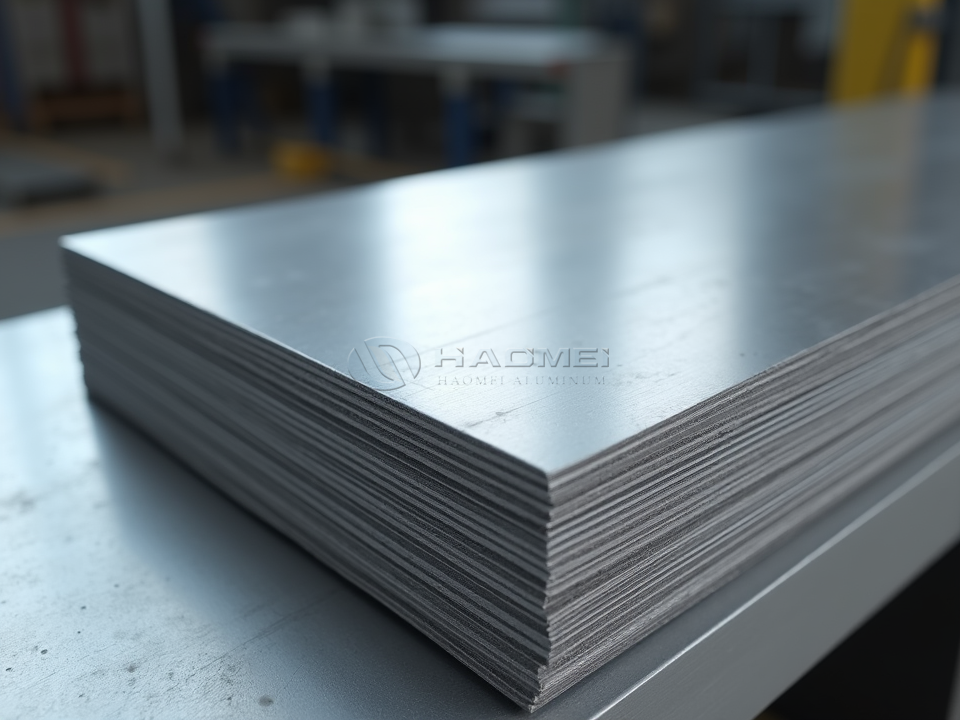
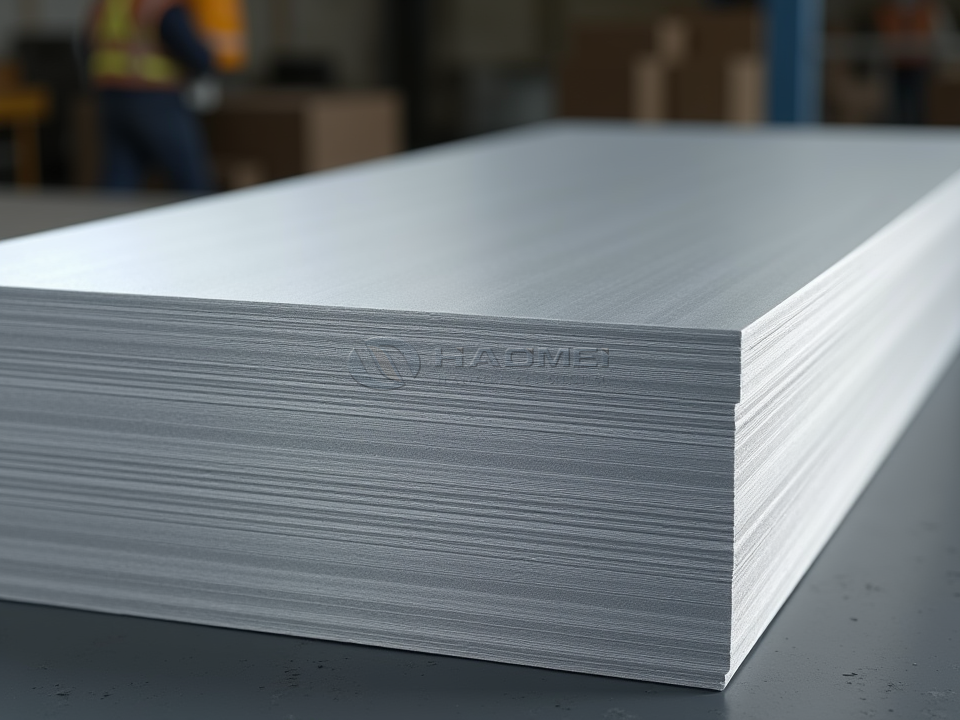
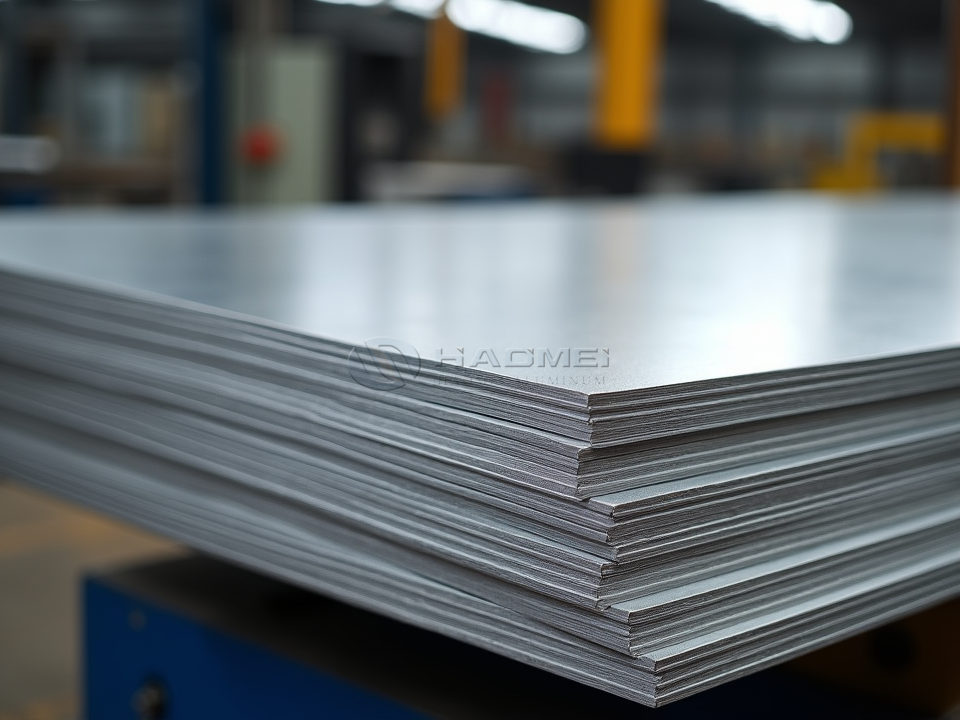
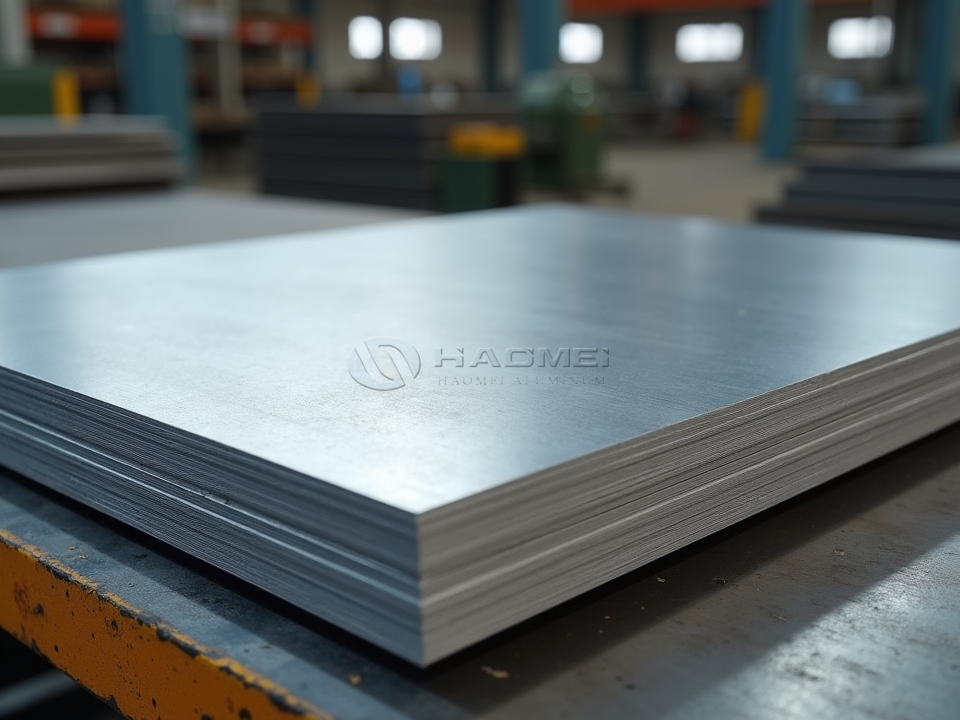
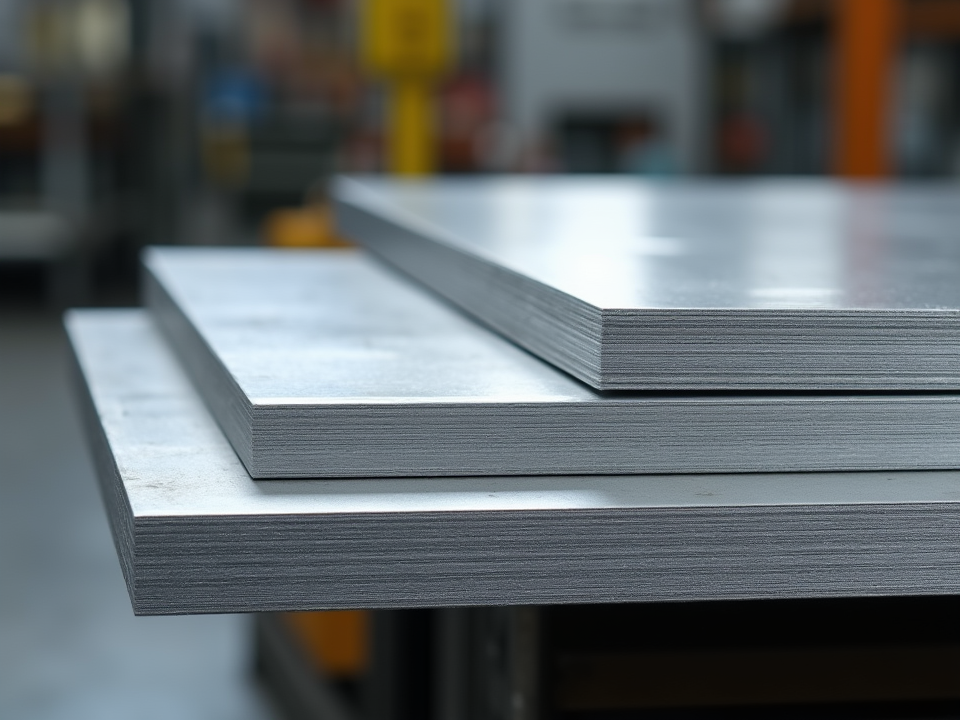
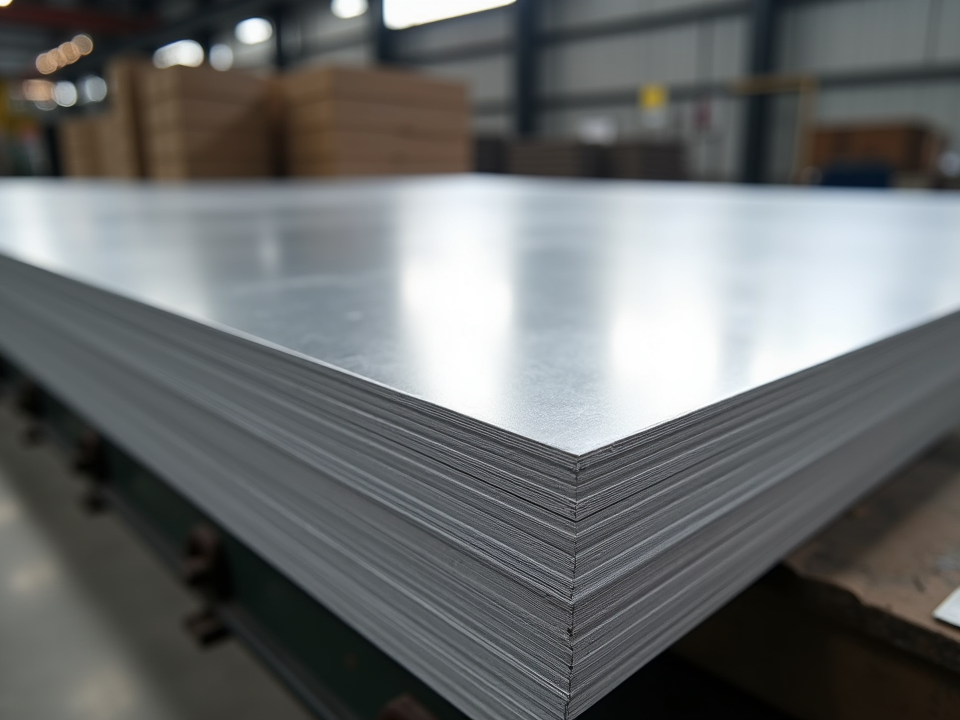
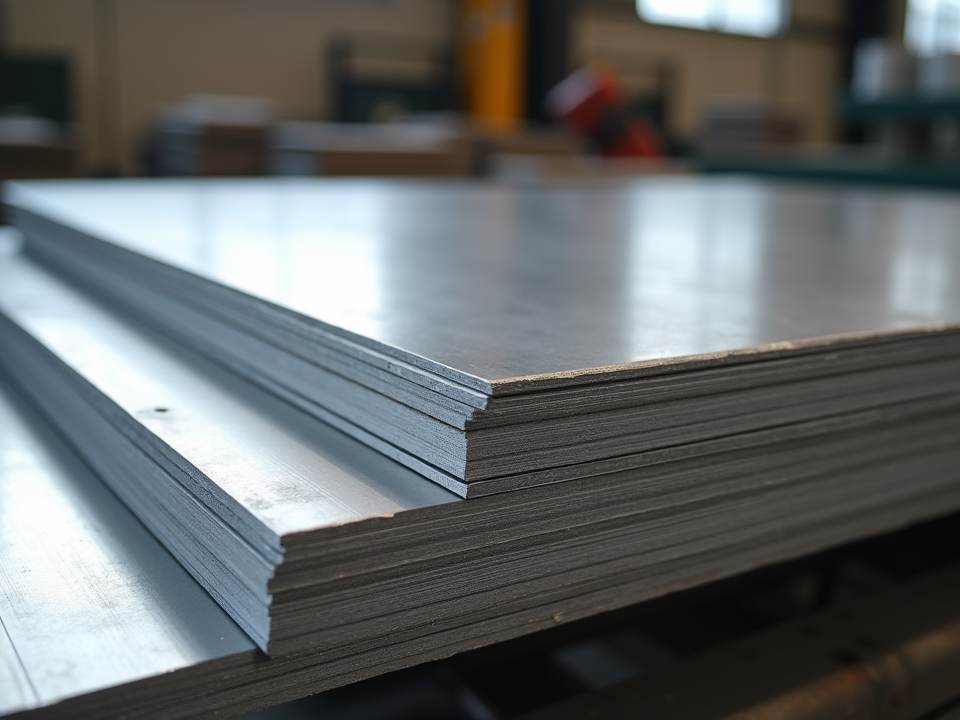
7075 T6 Aerospace Aluminum Sheet
When customers ask about 7075 T6 aerospace aluminum sheet, the first question is often thickness. That makes sense, but thickness alone does not decide whether a part will survive vibration, fastening, machining, or years of service. A better starting point is load behavior. This alloy is chosen when a sheet must carry serious stress while keeping weight under control.
7075 T6 is not a casual general-purpose aluminum. It is an aluminum-zinc-magnesium-copper alloy designed for high strength. In the T6 temper, it has been solution heat treated and artificially aged, giving it much higher strength than many common sheet grades. For aircraft structures, precision fixtures, defense components, racing parts, and high-stress tooling, that strength-to-weight ratio is the reason customers keep returning to it.

The Real Value of 7075 T6 Is Stiff Confidence
A sheet buyer may look at tensile strength, yield strength, hardness, and elongation as separate numbers. In real production, those numbers combine into something more practical: confidence that a thin, light panel or bracket can carry load without becoming bulky.
Typical 7075 T6 aluminum sheet offers yield strength around the level many engineers expect from much heavier materials. It is often used where 2024 is not strong enough, where mild steel adds too much weight, or where standard commercial aluminum feels too soft. Compared with general Alloy Aluminum Sheet grades, 7075 T6 sits near the high-strength end of the aluminum family.
This does not mean it is always the right choice. It means the alloy deserves respect. If a part is decorative, deeply formed, welded, or exposed to harsh corrosion without protection, another grade may be more economical. If the part is loaded, machined, bolted, and weight-sensitive, 7075 T6 becomes very attractive.
T6 Temper: Strong, But Not Very Forgiving
The T6 temper is the personality of the sheet. It gives 7075 its famous strength, but it also reduces formability. Customers planning tight bends should be cautious. Sharp bending across the wrong grain direction can cause cracking, especially in thicker sheet. For complex forming, many producers form the material in a softer temper, then heat treat it afterward.
For flat parts, CNC panels, gussets, brackets, ribs, frames, and machined aerospace components, T6 performs very well. It cuts cleanly, holds detail, and offers good dimensional stability when the machining plan is sensible. If heavy material removal is involved, stress-relieved tempers such as T651 may be worth discussing, especially for plate-like applications.
Grain direction also matters. Aerospace sheet is not just a shiny rectangle. Rolling creates directional properties. Tensile strength, fracture behavior, and bend performance differ between longitudinal and transverse directions. For critical parts, drawings should state grain direction, and cutting plans should respect it.
Where Customers Use 7075 T6 Aerospace Aluminum Sheet
7075 T6 sheet is often selected for aircraft fittings, wing and fuselage structural pieces, support brackets, seat components, precision frames, drone parts, and high-load panels. Outside aviation, it appears in motorsport, robotics, high-end bicycle parts, mold support plates, and test equipment.
Its appeal is simple: it allows the designer to remove weight without feeling underbuilt. A properly selected 7075 T6 sheet can replace thicker lower-strength aluminum in certain designs. That can reduce assembly weight, improve response, and simplify packaging.
Yet aerospace use is not only about strength. It is also about repeatability. Customers should care about mill certificates, chemical composition, mechanical test values, thickness tolerance, surface condition, flatness, and traceability. A sheet that looks fine but lacks documentation may be unsuitable for regulated work.
Corrosion: The Point Buyers Should Not Ignore
7075 T6 is strong, but it is not the most corrosion-resistant aluminum grade. The zinc and copper that help create high strength also make corrosion protection more important. In indoor or controlled environments, it can perform well with proper finishing. In marine, humid, or chemically aggressive conditions, bare 7075 T6 requires careful protection.
Common protective routes include anodizing, chromate conversion coating, primer systems, painting, sealing, and use of clad material where suitable. For aerospace assemblies, fastener compatibility is also important. Galvanic corrosion can occur when aluminum contacts dissimilar metals in the presence of moisture. Isolation washers, sealants, coatings, and correct fastener choice can protect the assembly.
If corrosion resistance is more important than maximum strength, or if welding is required, 6061 Aluminum Sheet may be a calmer and more economical choice. But when strength is the target, 7075 T6 remains a leading option.
Machining and Fabrication Feel
Machine shops usually like 7075 T6 because it cuts crisply and produces good surface quality. It is harder than many aluminum alloys, so tool selection, coolant, and cutting parameters should be planned. Sharp tools help prevent built-up edge. Good workholding matters because thin aerospace sheet can vibrate during routing or milling.
Drilling and countersinking should be controlled carefully. High-strength sheet often ends up in bolted or riveted assemblies, so hole quality affects fatigue life. Burrs, scratches, oversized holes, and poor edge finishing may become stress risers. For flight-related or fatigue-sensitive parts, deburring is not cosmetic; it is part of performance.
Welding is usually not the preferred joining method for 7075 T6. The alloy can lose strength in the heat-affected zone and may be prone to cracking. Mechanical fastening, bonding, riveting, and machining from solid stock are more common choices.
Sheet Selection Is a Conversation Between Drawing and Service
A good purchase decision connects the drawing to the real environment. Thickness, width, length, temper, surface finish, tolerance, and certification should match the part function. For example, a drone frame panel may prioritize weight, stiffness, and CNC edge quality. An aircraft interior support part may focus on traceability and finish compatibility. A motorsport bracket may need fatigue resistance and stable machining.
Customers should also check whether bare or clad sheet is preferred. Bare 7075 T6 gives direct access to the alloy's strength and is common in many machined parts. Clad 7075 uses a corrosion-resistant aluminum layer bonded to the surface, improving protection in certain sheet applications. The tradeoff is that machining through the clad layer exposes the core material, so edge sealing may still be needed.
Surface quality deserves attention too. Aerospace sheet should be free from harmful defects, but expectations must be realistic. Minor handling marks may be acceptable for machined parts, while visible panels or bonded parts may require tighter surface standards. Clear communication before ordering prevents costly rejection later.
A Practical Buying Mindset
Think of 7075 T6 aerospace aluminum sheet as a disciplined material. It rewards accurate design, clean machining, correct finishing, and proper documentation. It punishes casual bending, poor corrosion planning, and vague specifications.
Before ordering, customers should confirm the working load, forming method, cutting direction, finishing route, inspection needs, and required certificate standard. If the part will be bent, ask about minimum bend radius and grain orientation. If the part will be machined heavily, discuss flatness and stress control. If the part will face moisture, plan the coating system before the sheet arrives.
The best reason to choose 7075 T6 is not that it sounds advanced. The best reason is that the part truly needs high strength with low weight. When that condition is real, 7075 T6 aerospace aluminum sheet can turn a demanding design into a lighter, stronger, and more reliable component.