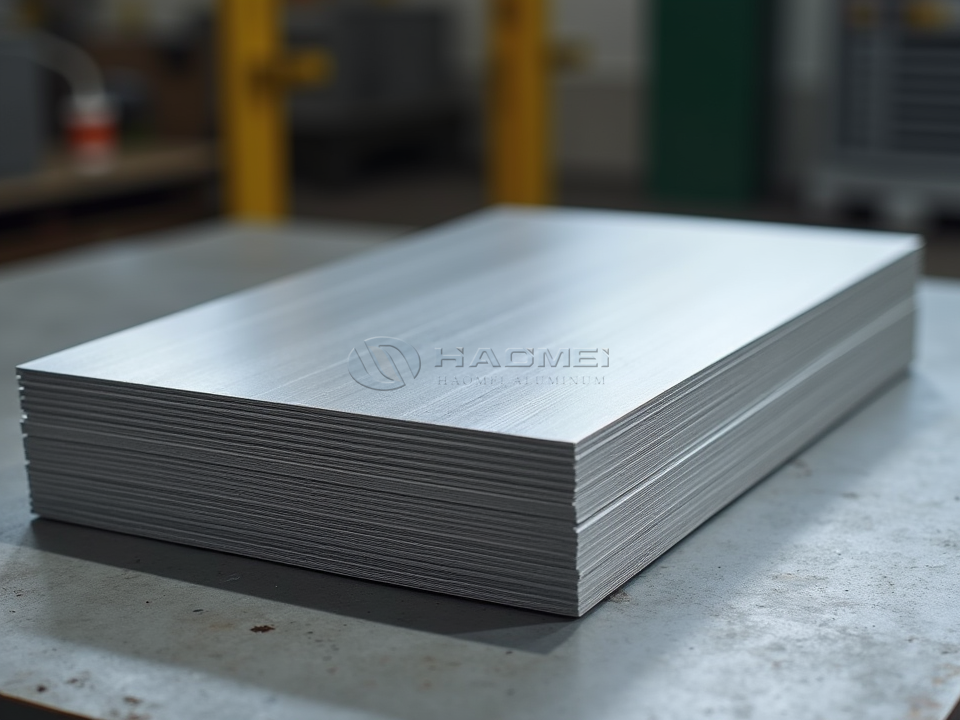
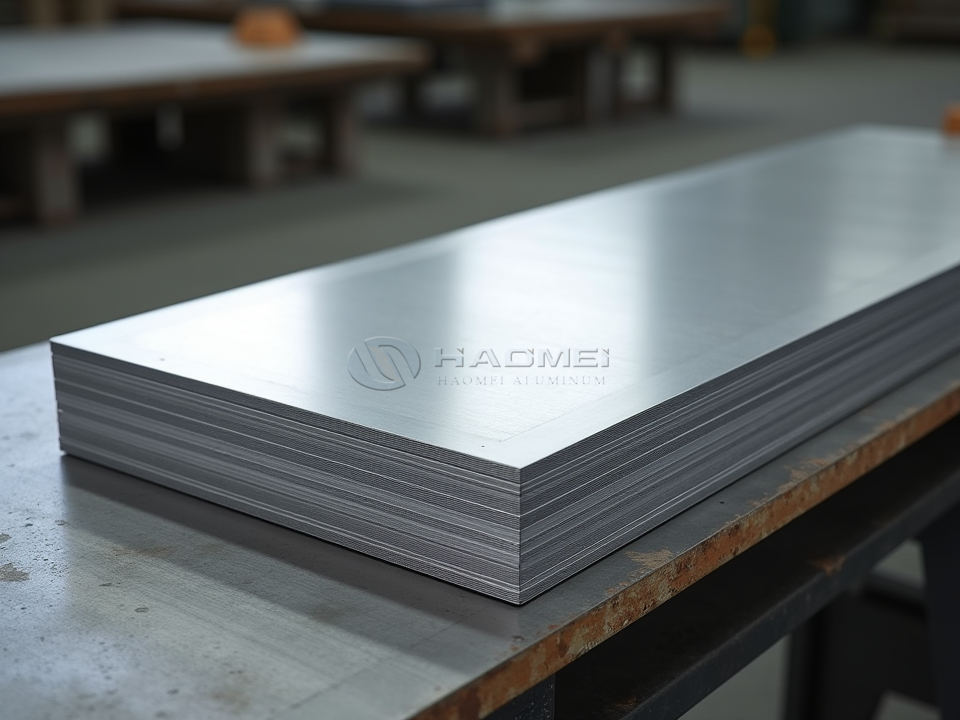
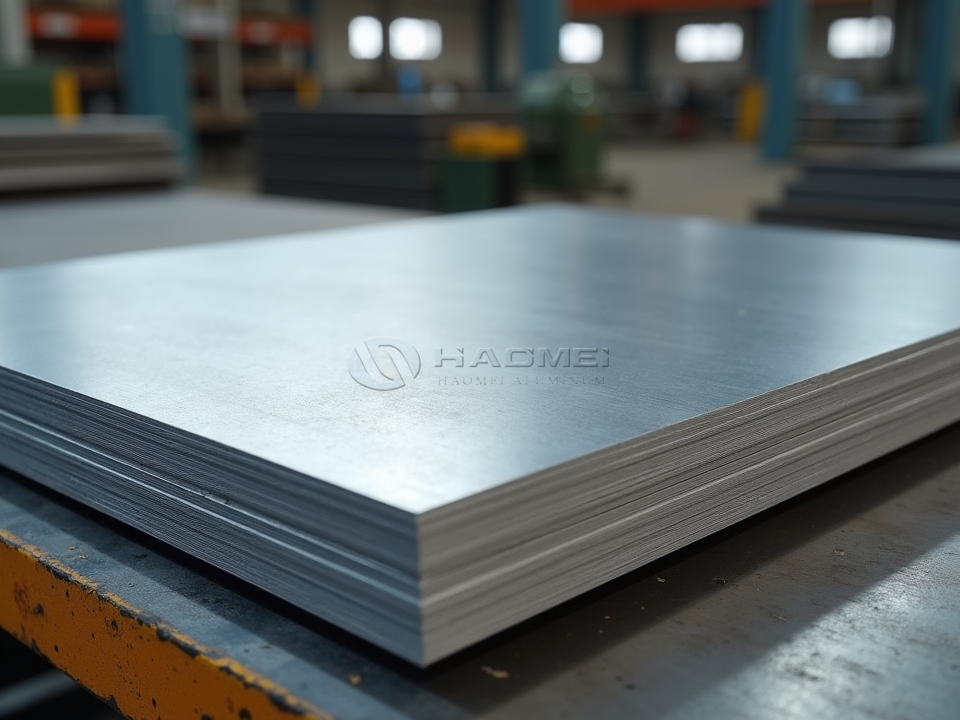
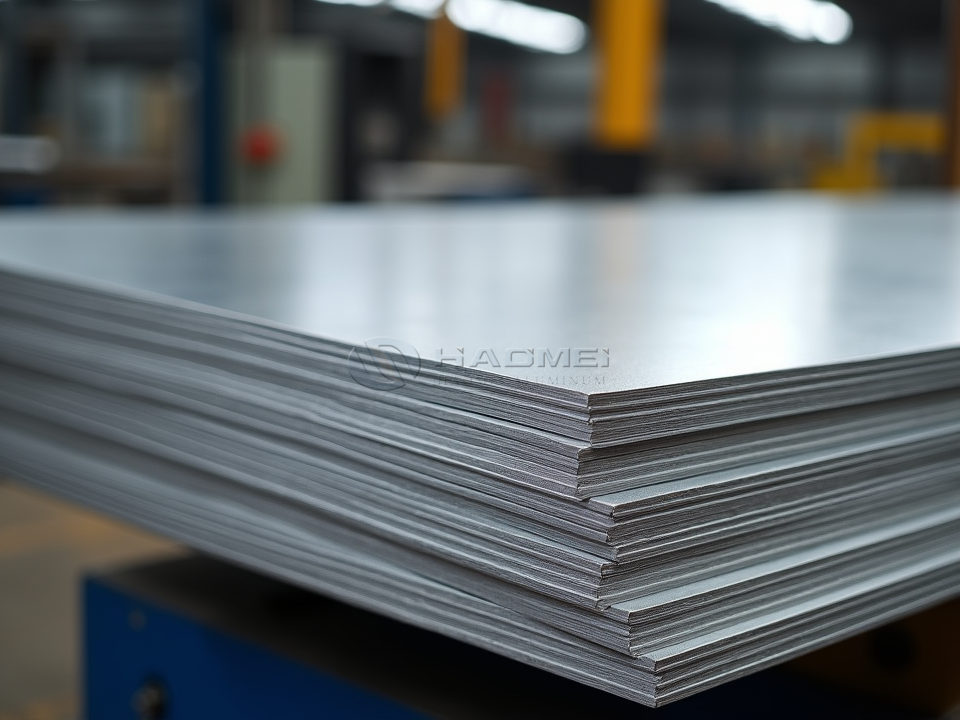
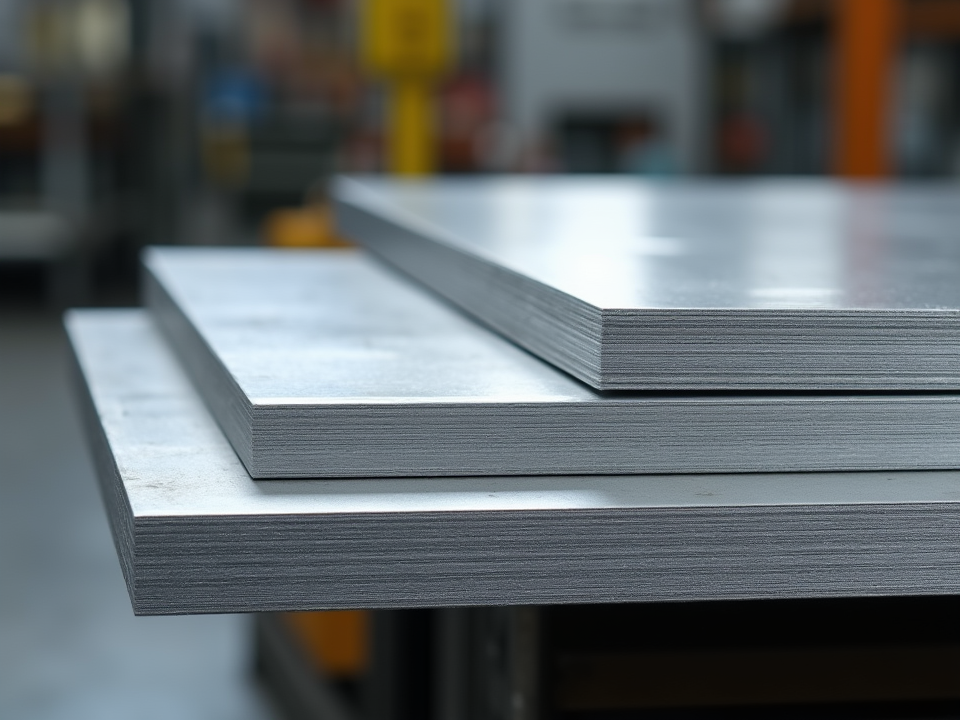
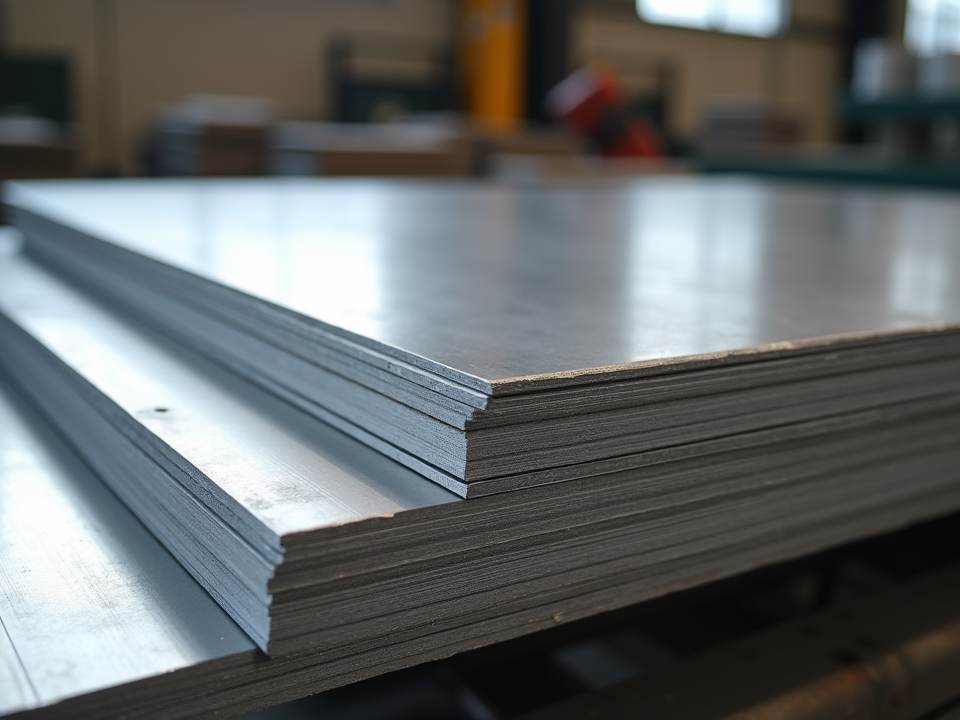
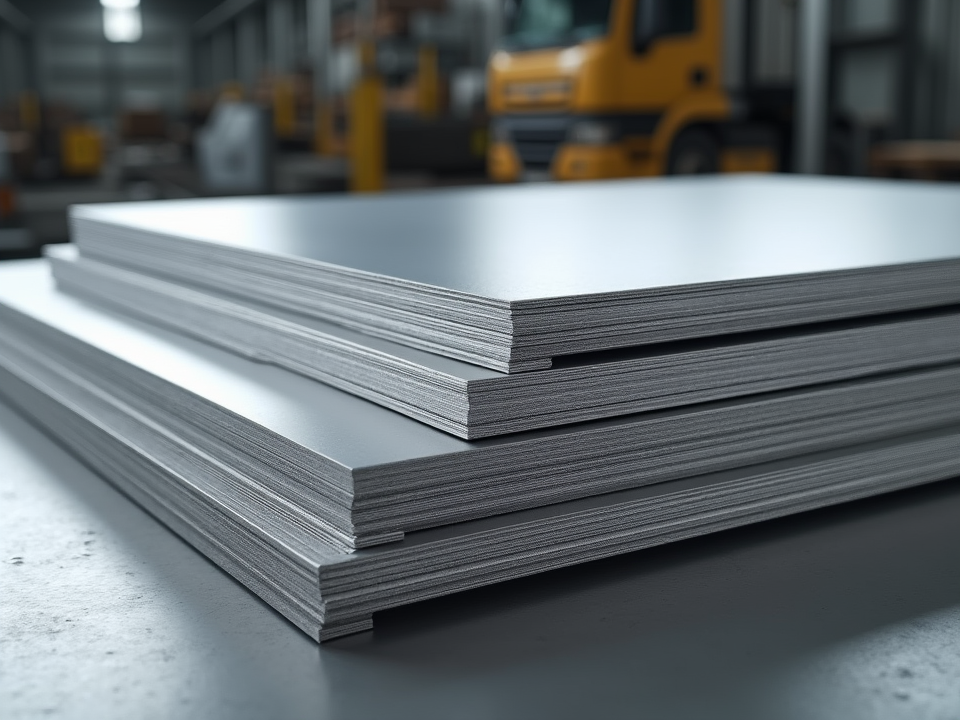
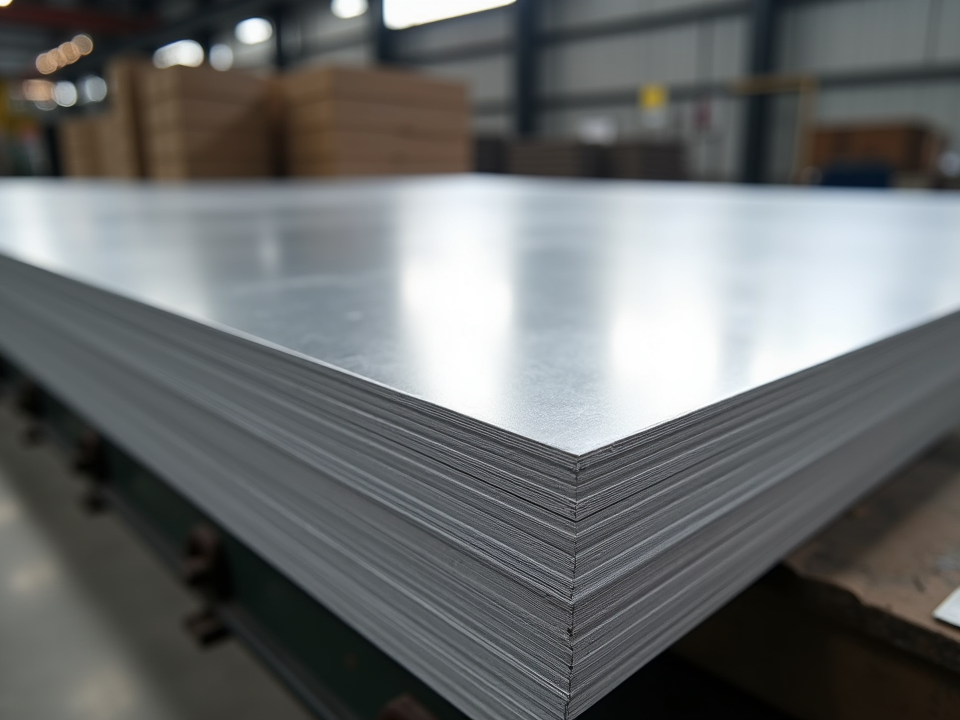
3.0mm Thick 5052 Aluminum Sheet
A 3.0mm thick 5052 aluminum sheet is not chosen only because it is aluminum. It is chosen because it behaves well when a design moves from drawing to cutting, bending, welding, and long-term service. In many projects, this thickness sits in a useful middle zone: stronger and more stable than thin decorative sheet, yet still friendly to forming equipment and manageable for fabrication teams.
5052 belongs to the aluminum-magnesium family. Magnesium gives the sheet its well-known corrosion resistance and good strength without making it heat-treatable. This means the final performance depends mainly on work hardening temper, not artificial aging. For customers comparing Alloy Aluminum Sheet grades, 5052 is often the grade that feels balanced: tough enough for real service, clean enough for visible panels, and reliable enough for marine or outdoor environments.
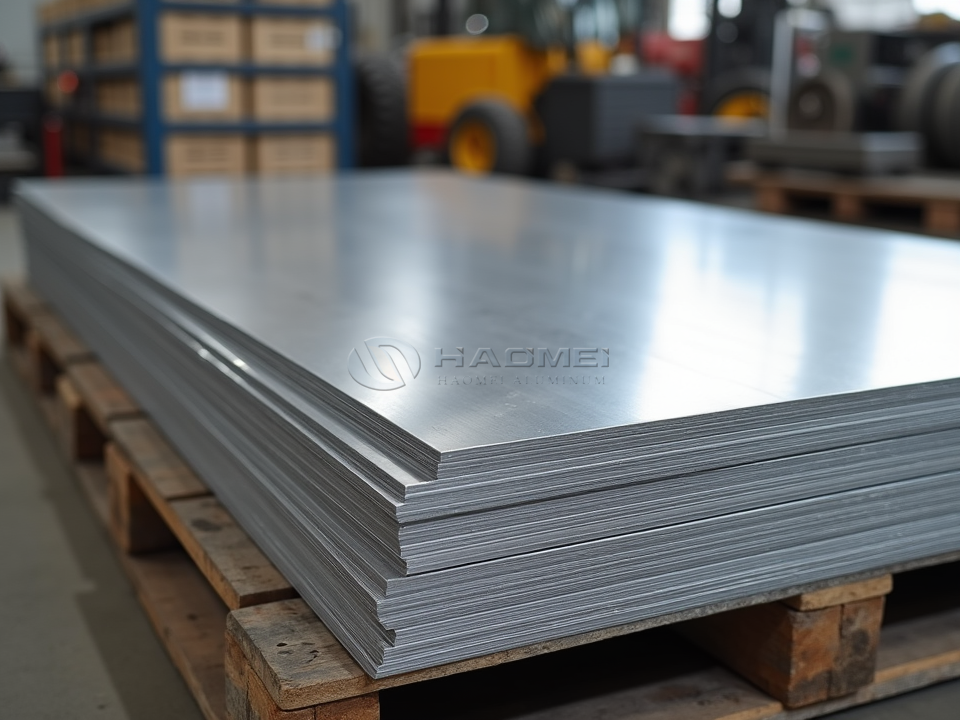
Why 3.0mm Feels Different in Fabrication
At 3.0mm, 5052 sheet has a practical stiffness that many fabricators appreciate. It does not flutter easily during shearing, laser cutting, or CNC routing. It also gives formed parts a solid hand feel, which matters in vehicle panels, equipment covers, toolboxes, enclosure bodies, boat interiors, and anti-slip flooring when tread patterns are added.
The approximate density of 5052 aluminum is 2.68 g/cm³, so a 3.0mm sheet weighs about 8.04 kg per square meter. That weight is light compared with steel, but heavy enough to feel rigid during assembly. For designers, this creates a useful trade-off: reduced structure weight without making the finished part feel fragile.
Common Product Parameters
| Item | Typical Value or Range |
|---|---|
| Product | 3.0mm thick 5052 aluminum sheet |
| Alloy | 5052 aluminum-magnesium alloy |
| Thickness | 3.0mm, tolerance according to order standard |
| Common width | 1000mm, 1220mm, 1250mm, 1500mm, 1525mm, or customized |
| Common length | 2000mm, 2440mm, 2500mm, 3000mm, 6000mm, or cut to size |
| Density | About 2.68 g/cm³ |
| Weight | About 8.04 kg/m² |
| Surface | Mill finish, brushed, anodized-ready, coated, film protected |
| Edge condition | Mill edge, slit edge, sheared edge |
| Processing | Cutting, bending, stamping, drilling, welding, anodizing, painting |
The surface of 5052 sheet is normally smooth, metallic, and suitable for later finishing. If the part will be visible after assembly, protective film can help reduce scratches during handling and bending.
Standards That Keep the Sheet Predictable
A good 3.0mm thick 5052 aluminum sheet should not be judged by appearance alone. Procurement teams usually confirm it through recognized standards and order conditions. Common implementation standards include ASTM B209, EN 485, EN 573, EN 515, JIS H4000, and GB/T 3880. These standards define alloy designation, chemical composition, dimensional tolerance, mechanical properties, and temper condition.
When buying a 5052 Aluminum Sheet, customers should confirm the standard, temper, thickness tolerance, surface requirement, packaging method, and whether a mill test certificate is needed. For export projects, the certificate helps designers and quality inspectors trace the material back to its production batch.
Alloy Tempers and What They Mean in Real Use
5052 is not strengthened by heat treatment. Instead, it gains strength through cold working. The temper mark tells you how much work hardening and stabilization the sheet has received.
| Temper | Fabrication Character | Typical Use Direction |
|---|---|---|
| O | Softest condition, highest formability | Deep bending, spinning, complex shapes |
| H32 | Strain hardened and stabilized, moderate strength | General sheet metal parts, panels, marine components |
| H34 | Higher strength than H32, still formable | Covers, cabinets, vehicle panels, structural skins |
| H36 | More rigid, lower ductility | Parts needing improved dent resistance |
| H38 | High hardness among common 5052 tempers | Flat panels and parts with limited forming |
| H112 | Slightly strain hardened during processing | Thick plate or general engineering use |
For many 3.0mm applications, H32 and H34 are the most frequently requested tempers. H32 bends more comfortably, while H34 offers a firmer surface and better resistance to deformation. If a drawing includes tight bend radii, large flanges, or visible corners, the temper should be selected before production begins, not after cracking appears on the press brake.
Chemical Properties of 5052 Aluminum Sheet
The corrosion behavior of 5052 starts with its chemistry. Magnesium is the main alloying element, while chromium helps improve resistance to stress corrosion and stabilizes the structure. The controlled levels of iron, silicon, copper, manganese, and zinc help maintain predictable fabrication quality.
| Element | Content, % by Weight |
|---|---|
| Aluminum, Al | Balance |
| Magnesium, Mg | 2.2-2.8 |
| Chromium, Cr | 0.15-0.35 |
| Iron, Fe | 0.40 max |
| Silicon, Si | 0.25 max |
| Copper, Cu | 0.10 max |
| Manganese, Mn | 0.10 max |
| Zinc, Zn | 0.10 max |
| Other each | 0.05 max |
| Other total | 0.15 max |
This chemistry explains why 5052 performs well around moisture, salt air, fuel tanks, and outdoor equipment. It is not as strong as 6061-T6, but it is usually easier to form and more resistant to marine atmosphere in sheet fabrication. It also welds well by common MIG and TIG methods, especially with suitable filler alloys such as 5356 depending on the application.
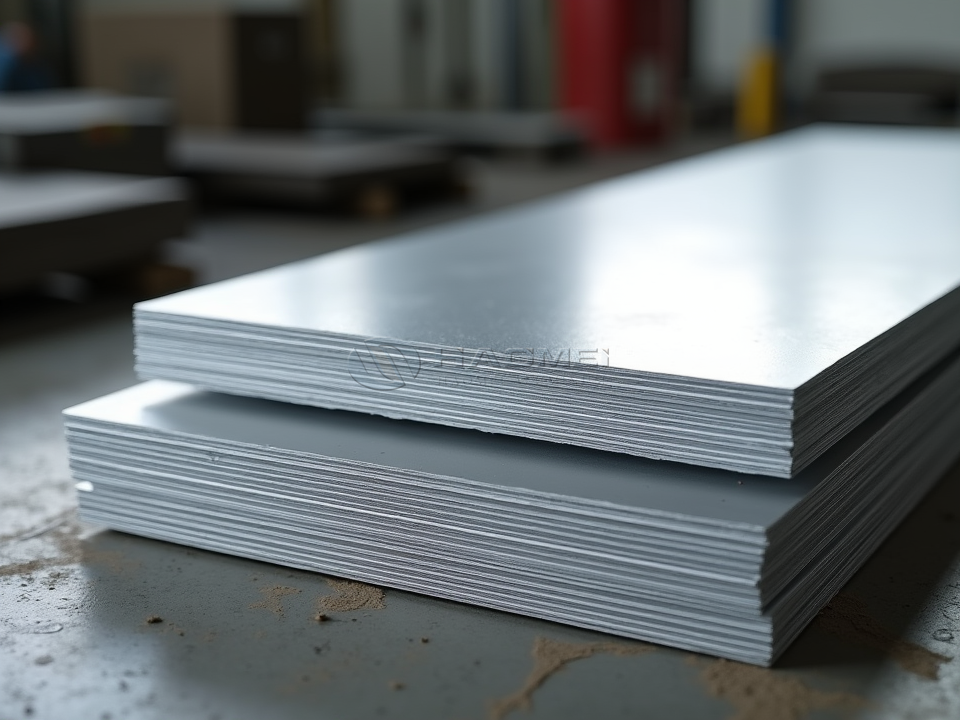
Mechanical Performance at 3.0mm Thickness
Mechanical values vary by temper, standard, and mill practice, but typical reference ranges help customers compare options quickly.
| Temper | Tensile Strength, MPa | Yield Strength, MPa | Elongation, % Approx. | Bend/Forming Note |
|---|---|---|---|---|
| O | 170-215 | 65 min | 16-22 | Excellent formability |
| H32 | 210-260 | 130 min | 10-14 | Good for normal bending |
| H34 | 235-285 | 160 min | 8-12 | Stronger with controlled forming |
| H36 | 255-305 | 180 min | 6-10 | Better stiffness, less ductile |
| H38 | 270-320 | 200 min | 5-8 | Best for flatter parts |
For press brake work, tooling, grain direction, inside radius, and surface condition all affect the final result. A 3.0mm 5052-H32 sheet can usually handle moderate bending more safely than harder tempers. If the bend is close to a cut edge, deburring helps reduce stress concentration and corner cracking.
Where Customers Commonly Use It
The personality of 3.0mm 5052 sheet suits places where corrosion resistance and fabrication quality must appear together. It is widely used for marine panels, boat cabin parts, fuel tanks, trailer panels, truck body components, pressure vessels in suitable designs, electrical cabinets, outdoor signs, architectural panels, kitchen equipment, and industrial covers.
In transportation, it helps reduce weight while keeping impact resistance acceptable. In marine work, it stands up well to humid and salty environments. In enclosure production, it bends neatly and can be welded into clean, durable box structures. For projects needing higher structural strength, designers sometimes compare it with 6061, but for formed sheet components, 5052 often gives fewer manufacturing headaches.
Surface, Flatness, and Packaging Details
Customers often focus on alloy and thickness first, but surface protection may decide whether the sheet arrives ready for production. Mill finish is suitable for many industrial parts. Brushed or anodized-ready surfaces are better when appearance matters. PVC film can be applied to one side or both sides for fabrication protection.
Flatness should be discussed for large panels, especially when the sheet will be laser cut into wide parts. Even minor wave or residual stress can affect assembly. Proper wooden pallet packaging, moisture barrier wrapping, corner protection, and secure strapping help keep 3.0mm sheets clean and flat during long-distance transport.
Buying Notes for Fast Decisions
Before placing an order, confirm the alloy as 5052, the required temper, the exact 3.0mm thickness tolerance, sheet size, surface condition, certificate standard, and whether the sheet will be bent, welded, anodized, or painted. If the part is functional rather than decorative, H32 may be a safe starting point. If higher rigidity is needed and forming is simple, H34 or harder tempers may be more suitable.
A 3.0mm thick 5052 aluminum sheet is a material with a calm working character. It cuts cleanly, bends with planning, resists corrosion without drama, and supports a wide range of fabricated products. That is why it remains a trusted choice for customers who need aluminum sheet that performs not just in specifications, but also on the shop floor and in the field.