Quality Requirements for 5052 Aluminum Sheet for Marine Fabrication in Export Markets
Marine fabrication does not forgive vague material specifications. A sheet may look clean when it leaves the warehouse, yet poor chemistry control, unsuitable temper, unstable thickness, or inadequate export packing can create costly problems after cutting, bending, welding, and exposure to saltwater. For this reason, buyers of 5052 aluminum sheet should evaluate quality as a complete chain rather than a single inspection result.
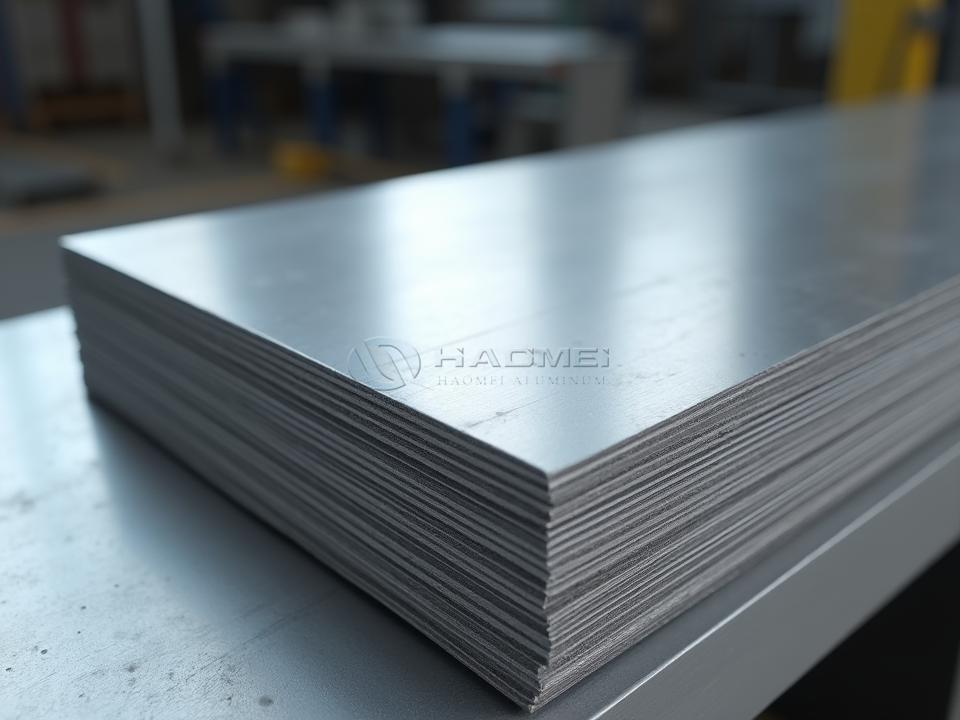
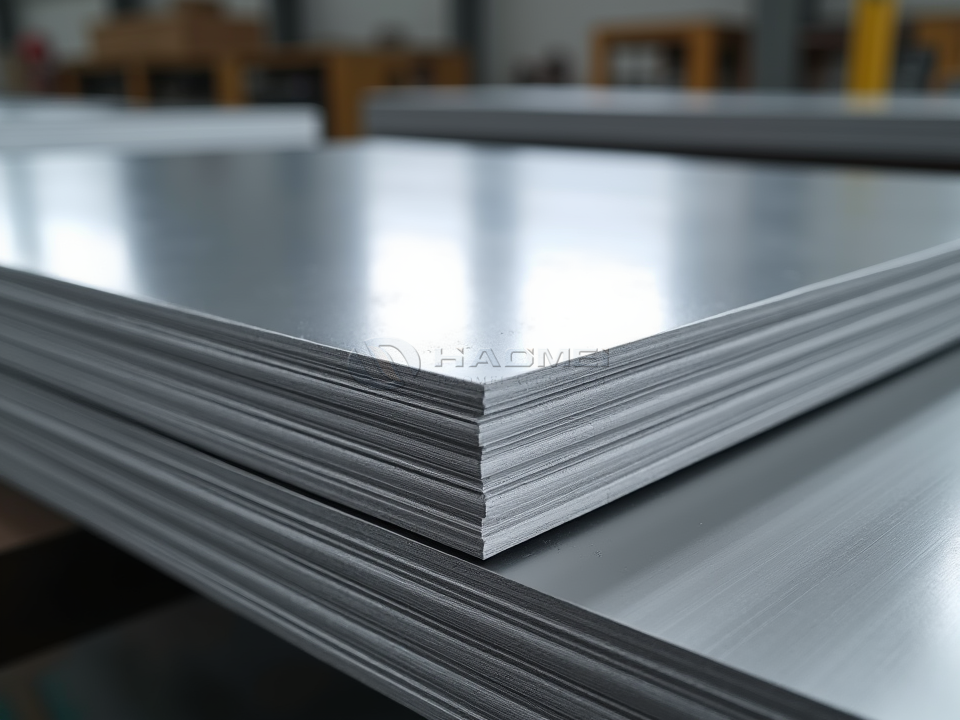
5052 is a non-heat-treatable aluminum-magnesium alloy. It is widely selected for boat interiors, fuel tanks, hull accessories, gangways, marine cabinets, splash guards, deck components, and coastal equipment because it combines formability, moderate strength, weldability, and strong resistance to atmospheric and seawater-related corrosion.
Material Quality Begins With Controlled Chemistry
The corrosion behavior of 5052 aluminum sheet depends heavily on its magnesium content and impurity limits. Magnesium gives the alloy its strength and marine corrosion resistance, while chromium supports resistance to stress corrosion and improves grain structure. Excessive iron, copper, or contamination can reduce surface consistency, corrosion performance, and forming reliability.
Export buyers should request a Mill Test Certificate, often called an MTC or EN 10204 3.1 certificate, for every production lot. The certificate should identify the heat number, alloy designation, temper, dimensions, chemical analysis, mechanical test results, and applicable standard.
| Element | Required Chemical Composition for 5052 Aluminum Sheet, % by Weight |
|---|---|
| Silicon, Si | 0.25 max |
| Iron, Fe | 0.40 max |
| Copper, Cu | 0.10 max |
| Manganese, Mn | 0.10 max |
| Magnesium, Mg | 2.2 - 2.8 |
| Chromium, Cr | 0.15 - 0.35 |
| Zinc, Zn | 0.10 max |
| Titanium, Ti | 0.15 max |
| Other elements, each | 0.05 max |
| Other elements, total | 0.15 max |
| Aluminum, Al | Balance |
The magnesium range is particularly important for marine fabrication. Material with insufficient magnesium may not meet required strength or corrosion expectations. Material outside controlled chemistry limits can also respond unpredictably during forming and welding. For export orders, chemistry verification should be traceable to the actual coil or sheet batch, not a generic certificate.
Temper Selection Must Match the Fabrication Route
A common purchasing mistake is to specify only "5052 aluminum sheet" without confirming temper. Temper describes the work-hardening condition of the material and directly affects bendability, tensile strength, yield strength, and springback.
5052-O is fully annealed and offers the best formability. It is suitable for deeply drawn marine parts, curved covers, formed channels, and complex shapes where cracking must be avoided. Its lower strength makes it less suitable for panels that require greater stiffness.
5052-H32 is strain-hardened and stabilized. It is one of the most widely used tempers for marine fabrication because it offers a practical balance of strength, bendability, and welding performance. Marine tanks, wall panels, access doors, flooring components, and formed structural accessories often use H32.
5052-H34 has greater work hardening than H32. It provides higher strength and better dent resistance, although the minimum bend radius should generally be increased. It is often chosen for relatively flat panels or parts requiring improved rigidity.
Typical mechanical expectations for common tempers are shown here. Exact requirements vary with thickness and governing standard, so the purchase order should state the applicable thickness range and standard edition.
| Temper | Typical Tensile Strength | Typical Yield Strength | Fabrication Character |
|---|---|---|---|
| O | 170 - 215 MPa | 65 MPa minimum | Excellent forming, lower rigidity |
| H32 | 210 - 260 MPa | 130 MPa minimum | Balanced forming and strength |
| H34 | 230 - 280 MPa | 160 MPa minimum | Higher strength, reduced formability |
For many exported marine projects, 5052-H32 is the preferred commercial choice. However, the right answer depends on whether the fabricator will press-form the sheet, weld it into a tank, leave it flat as a panel, or use it in a visible architectural marine finish.
Standards That Support International Acceptance
The standard printed on a certificate tells buyers how the material was produced and tested. It should not be treated as a decorative line on paperwork. Export contracts should identify the material standard, dimensional tolerance standard, temper, and inspection documents before production begins.
Frequently requested standards include:
- ASTM B209 for aluminum and aluminum-alloy sheet and plate
- EN 485-2 for mechanical properties of wrought aluminum sheet, strip, and plate
- EN 485-4 for dimensional tolerances in cold-rolled sheet and plate
- EN 573-3 for chemical composition and alloy designation
- ISO 6361 for wrought aluminum sheets, strips, and plates
Project specifications from shipyards, offshore contractors, or classification bodies may impose additional requirements. These can include third-party inspection, ultrasonic examination for thicker material, corrosion testing, restricted surface defects, or traceability marking. It is wise to confirm these conditions before the rolling schedule is arranged.
Surface Condition Is a Working Requirement, Not Just an Appearance Issue
Marine fabricators often weld, anodize, paint, brush, or polish 5052 aluminum sheet. Surface defects can therefore become production defects. Scratches, roller marks, oil residue, edge damage, oxidation staining, embedded particles, and excessive waviness may interfere with later operations.
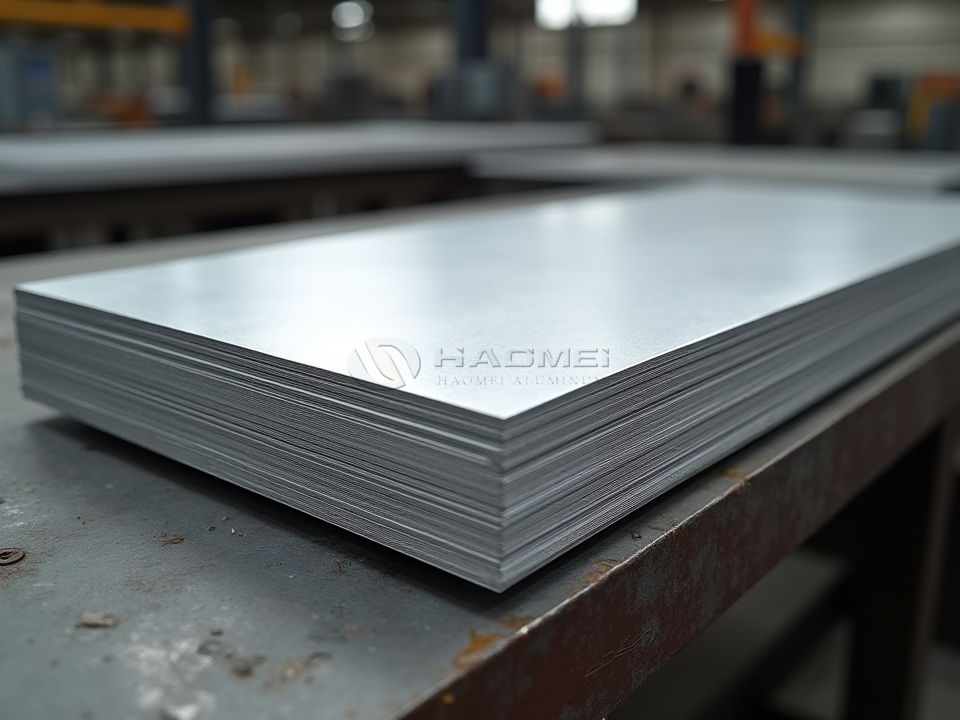
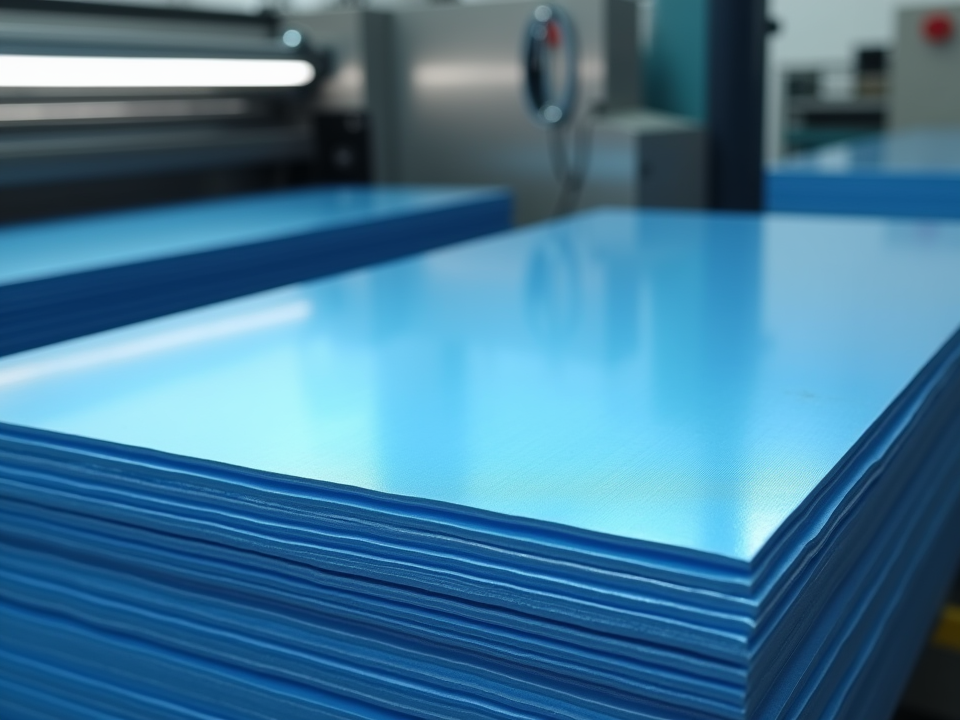
An acceptable commercial surface should be clean, dry, and free from defects that impair use. For decorative or exposed parts, buyers should state the required finish clearly, such as mill finish, PVC-protected surface, brushed finish, or paint-ready surface. A standard mill finish is appropriate for many hidden marine components, but it may not satisfy visual panel applications.
When purchasing 5052 Aluminum Sheet for welding, surface cleanliness matters because oil and moisture can increase porosity risk. Sheets should arrive without heavy lubricants or trapped water between layers.
Dimensional Accuracy Protects Fabrication Efficiency
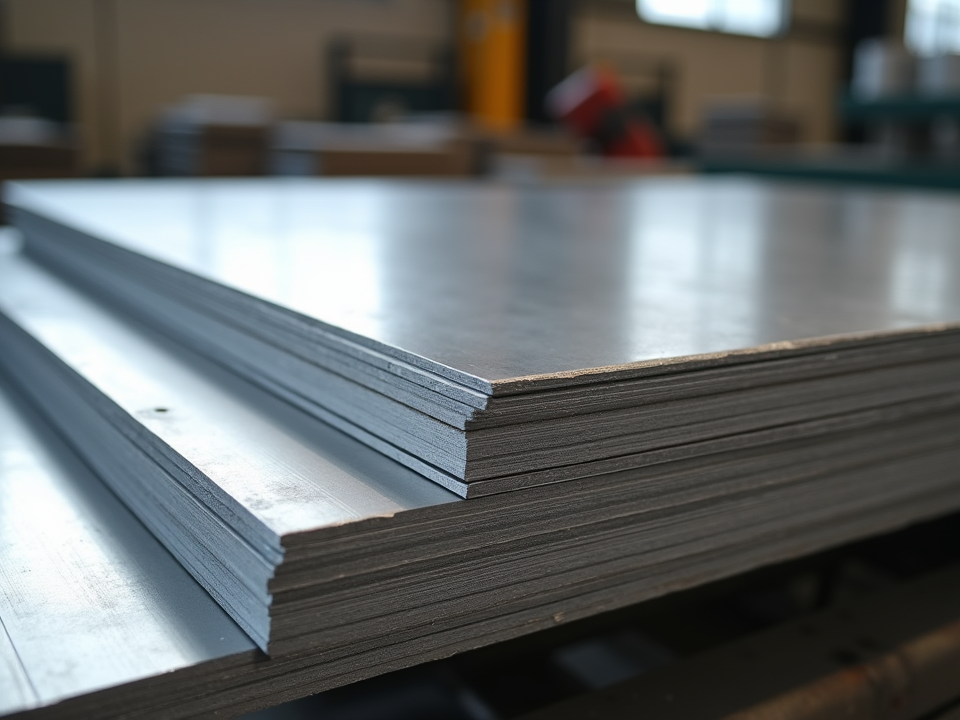
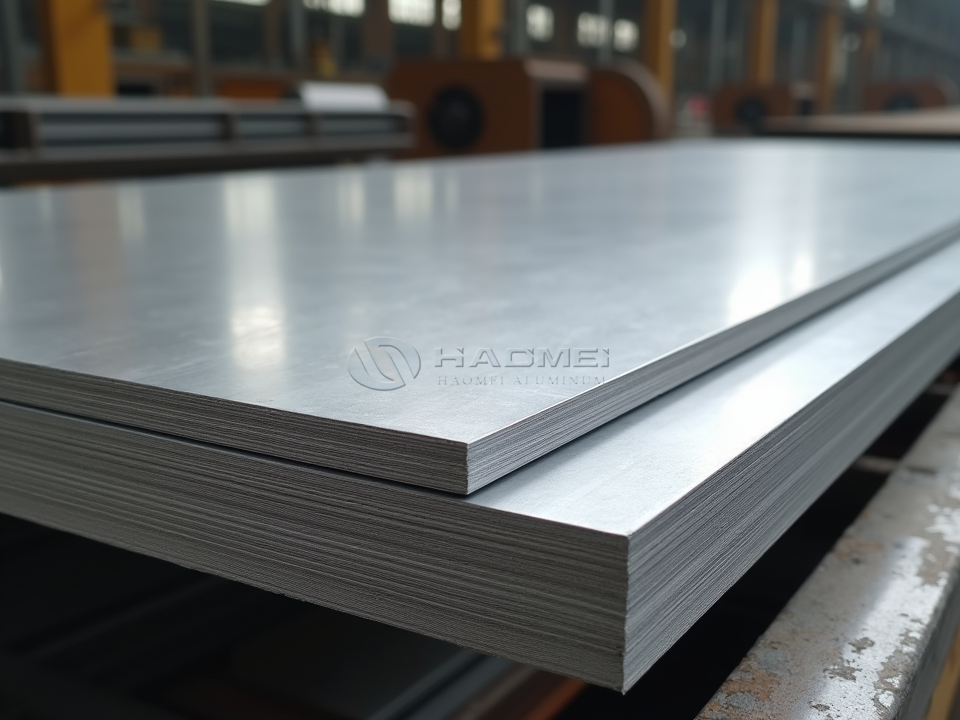
Thickness variation, excessive camber, and poor flatness can waste more money than a small price difference per ton. Marine workshops frequently use CNC cutting, bending brakes, laser cutting, and automated welding fixtures. These processes rely on stable dimensions.
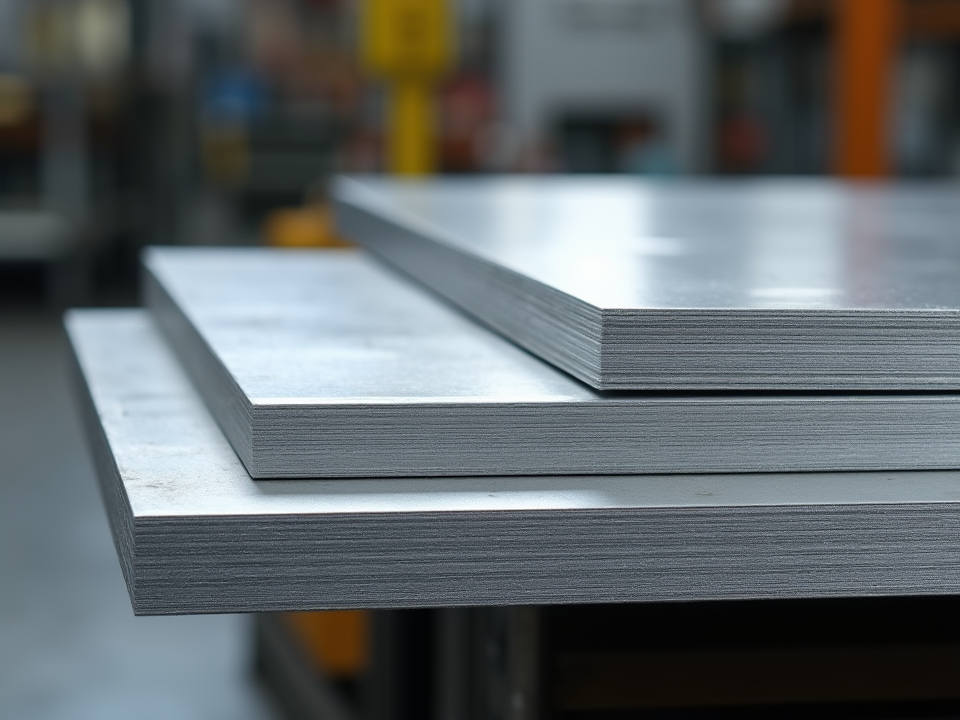
The purchase specification should define thickness, width, length, thickness tolerance, width tolerance, length tolerance, flatness expectation, and edge condition. Common sheet thicknesses for marine applications range from about 1.0 mm to 6.0 mm, though heavier gauges may be ordered for specialized fabricated structures.
For formed components, consistent thickness is especially valuable. Uneven sheet can bend differently across a panel, creating mismatched angles and visible distortion. For welded tanks and enclosures, stable thickness also supports predictable heat input and weld penetration.
Buyers comparing broader Alloy Aluminum Sheet options should remember that a general alloy designation is not enough. The temper, tolerance class, surface requirement, and certification package determine whether the sheet is ready for marine production.
Inspection, Traceability, and Export Packing
Reliable export quality is confirmed through documentation and physical control. Incoming inspection may include thickness measurement, visual surface examination, dimensional checks, tensile testing, chemical analysis by spectrometer, and certificate verification. For large contracts, third-party inspection agencies may witness testing and confirm packing details.
Each bundle should carry clear identification showing alloy, temper, size, batch or coil number, net weight, and production reference. This traceability allows a fabricator to isolate material quickly if a later issue is found.
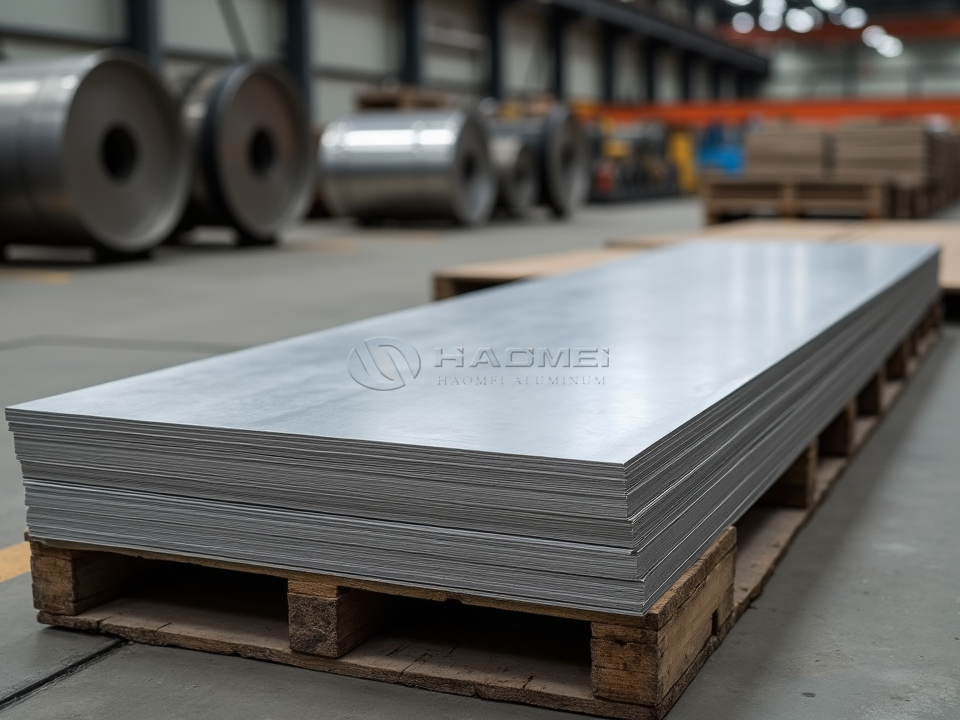
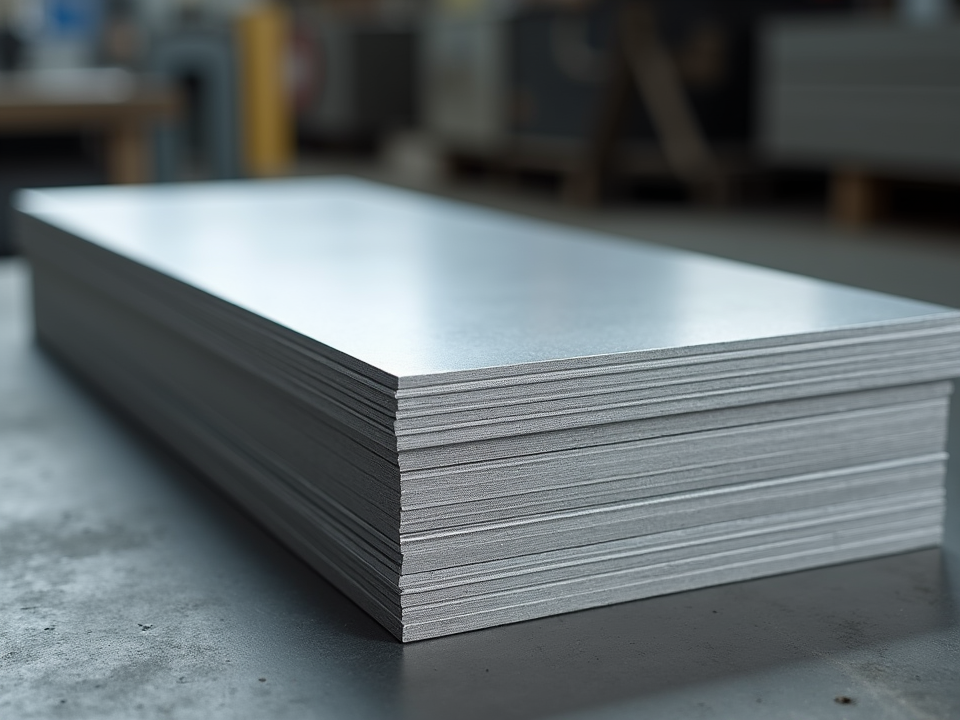
Export packing deserves the same attention as metallurgy. Aluminum sheets should be protected with moisture-resistant paper, plastic film where specified, reinforced edge guards, steel or wooden pallets, and secure strapping. For sea freight, packaging should reduce movement, prevent seawater exposure, and limit condensation inside the container. Desiccant and dry container loading are valuable precautions for long ocean routes.
What Marine Buyers Should State on the Purchase Order
A well-written purchase order removes uncertainty before the material reaches the port. It should state 5052 alloy, required temper, dimensions, tolerance requirements, governing standard, surface finish, protective film requirement if needed, certificate type, inspection method, packaging specification, and destination-port conditions.
The strongest marine-grade transaction is not defined only by alloy name. It is defined by chemistry that supports corrosion resistance, temper that fits fabrication, dimensions that fit equipment, documentation that proves conformity, and packaging that keeps the sheet intact from mill to shipyard.