How to Select 5052 Aluminum Sheet for Marine Fabrication
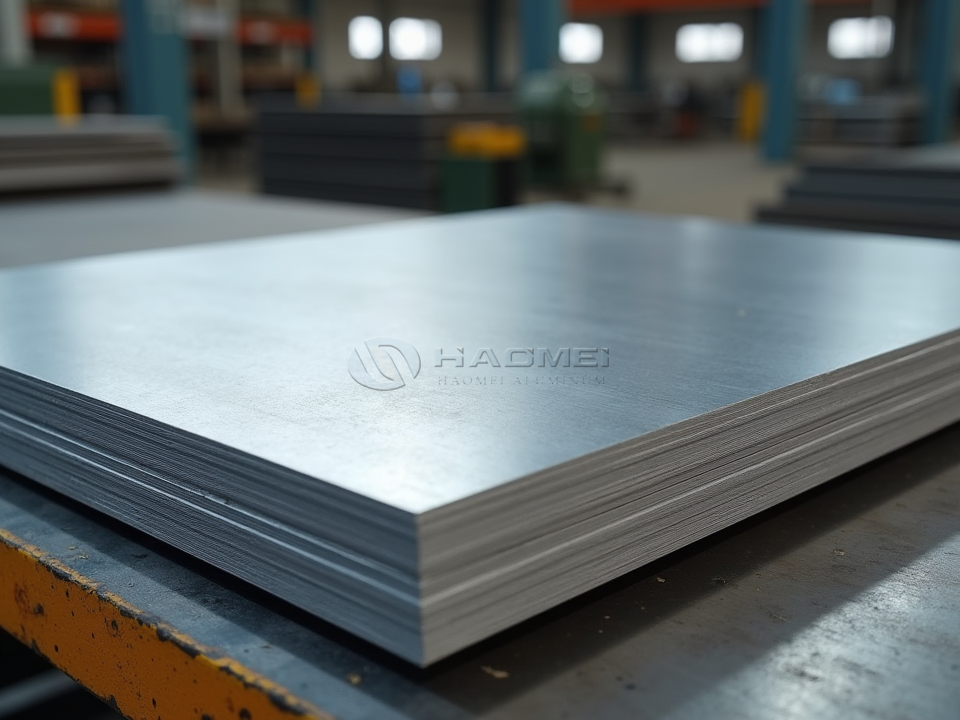
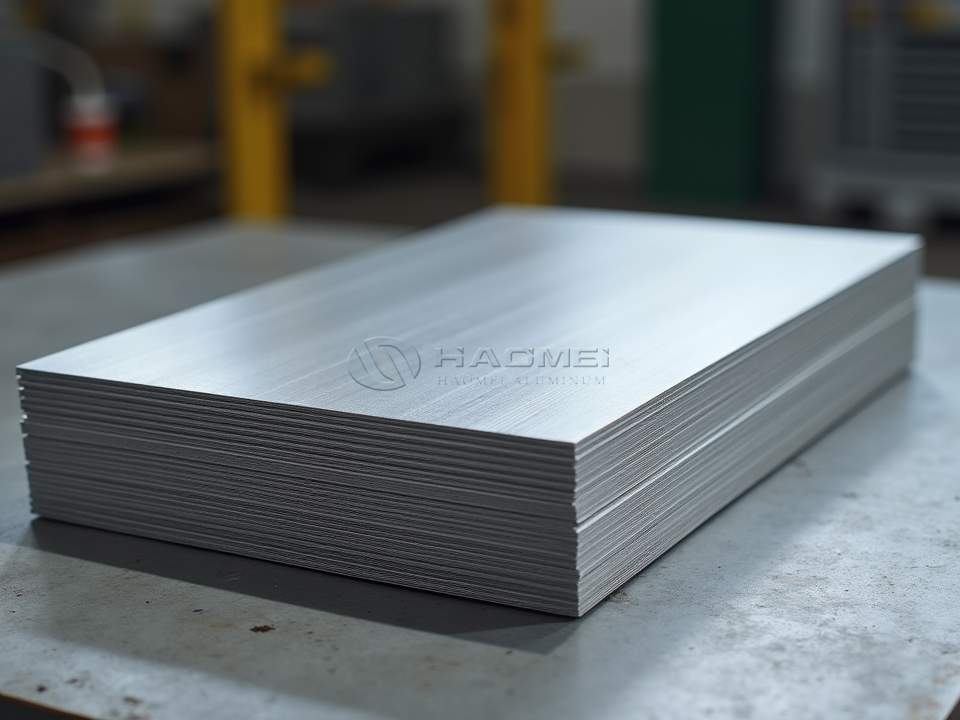
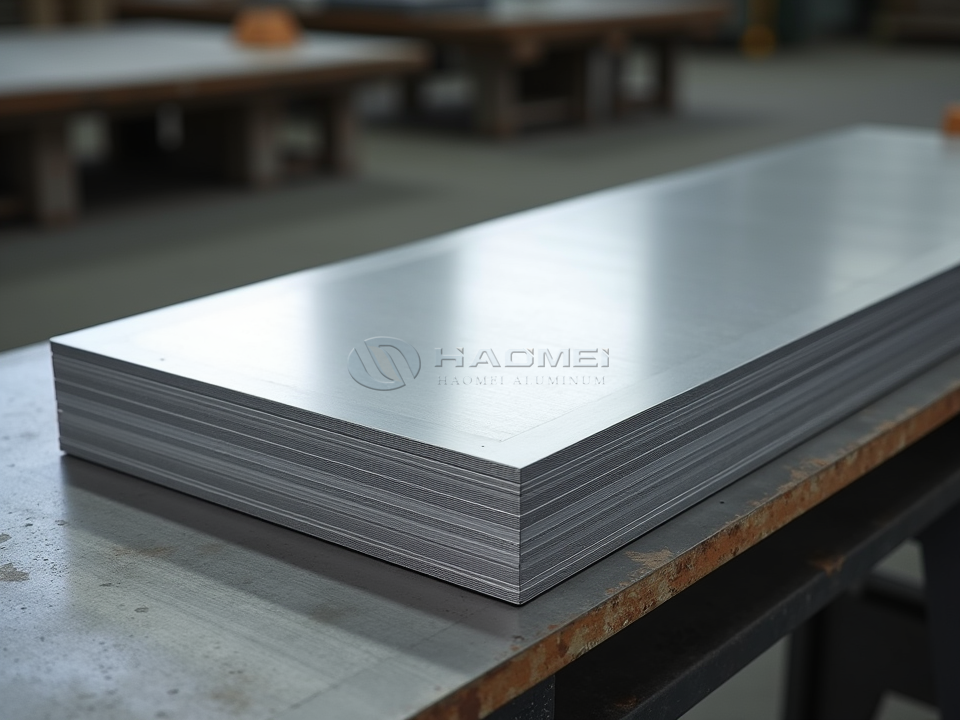
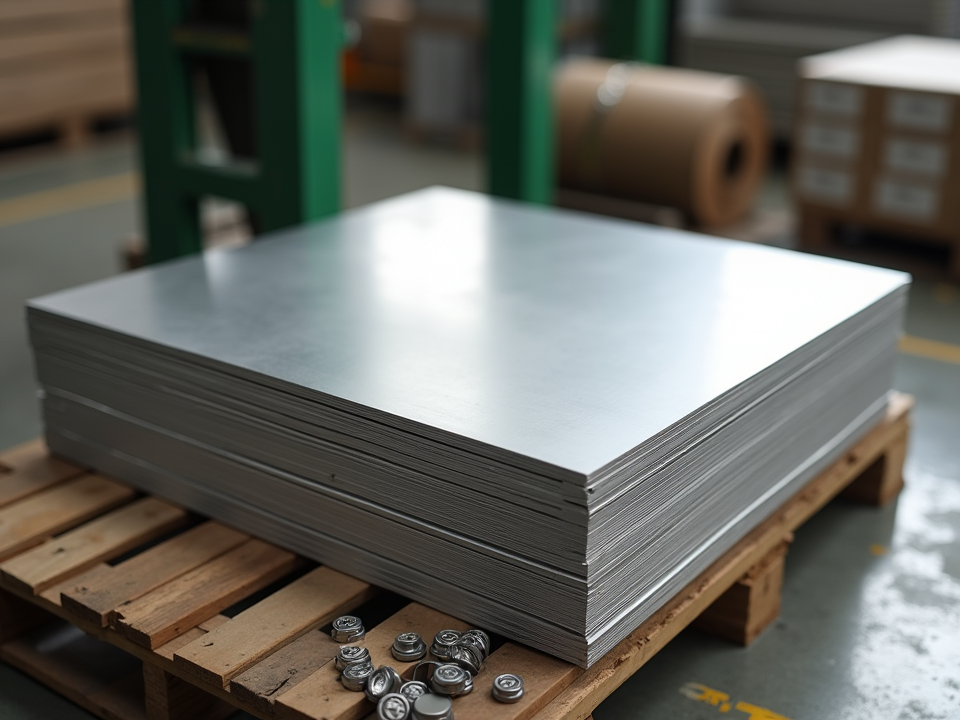
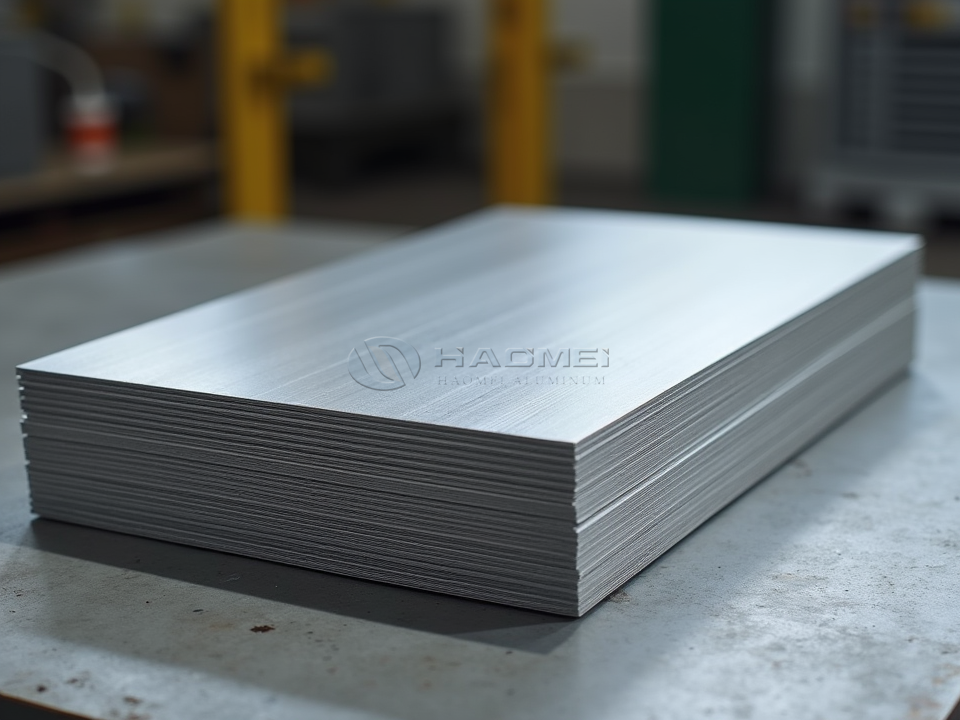
5052 aluminum sheet is a widely specified non-heat-treatable aluminum-magnesium alloy for marine fabrication. It combines dependable saltwater corrosion resistance, moderate strength, smooth forming behavior, and excellent weldability. These properties make it suitable for boat interiors, fuel tanks, consoles, deck hardware, splash guards, cabin panels, lockers, walkways, and light-duty marine structures.
For fabricators, material selection should consider more than alloy designation. Thickness, temper, surface condition, welding method, dimensional tolerance, and compliance documentation all influence service life in a wet and saline environment. Properly selected 5052 aluminum sheet can reduce maintenance demands while providing a clean, durable metal surface for fabricated marine components.
Why 5052 Aluminum Sheet Performs Well in Marine Environments
The magnesium content in 5052 aluminum sheet improves strength and corrosion resistance compared with commercial-purity aluminum grades. A stable oxide film forms naturally on the surface, helping protect the metal from moisture and atmospheric exposure. In marine service, this gives 5052 a useful advantage for parts exposed to spray, humidity, condensation, and intermittent seawater contact.
5052 is not normally selected for heavily loaded hull plating on large vessels, where 5083 or 5086 may be more suitable. However, it is an economical and practical choice for fabricated marine equipment that requires bending, welding, stamping, riveting, or moderate structural support.
| Selection Benefit | Value for Marine Fabrication |
|---|---|
| Saltwater corrosion resistance | Performs well in humid, coastal, and splash-zone conditions when maintained correctly |
| Formability | Supports bending, rolling, shallow drawing, and shaped panel fabrication |
| Weldability | Compatible with common MIG and TIG welding procedures |
| Moderate strength | Suitable for tanks, panels, housings, brackets, and deck-related components |
| Non-heat-treatable alloy | Strength is obtained through strain hardening rather than solution heat treatment |
| Surface quality | Available with mill finish, brushed finish, protective film, or coated surfaces |
Chemical Composition of 5052 Aluminum Sheet
5052 belongs to the 5xxx aluminum-magnesium family. Magnesium is the primary alloying element, while chromium helps support corrosion resistance and structural stability. The controlled chemistry supports reliable performance during fabrication and welding.
| Element | Composition by Weight % |
|---|---|
| Aluminum | Remainder |
| Magnesium, Mg | 2.2 - 2.8 |
| Chromium, Cr | 0.15 - 0.35 |
| Iron, Fe | 0.40 max |
| Silicon, Si | 0.25 max |
| Copper, Cu | 0.10 max |
| Manganese, Mn | 0.10 max |
| Zinc, Zn | 0.10 max |
| Other elements, each | 0.05 max |
| Other elements, total | 0.15 max |
Low copper content is particularly valuable in marine use because excessive copper can reduce corrosion resistance. The alloy chemistry should be verified through a mill test certificate when fabrication specifications require traceability.
Selecting the Right Temper
Temper has a major effect on bendability, strength, and resistance to permanent deformation. For marine fabrication, H32 and H34 are frequently requested because they offer a balanced combination of strength and workable forming characteristics. O temper is better for complex forming, while H116 and H321 are often specified when improved resistance to exfoliation corrosion is required in demanding marine exposure.
| Temper | Condition | Fabrication Behavior | Typical Marine Uses |
|---|---|---|---|
| O | Fully annealed | Maximum ductility and easy forming; lowest strength | Deep-formed covers, curved panels, formed housings |
| H32 | Strain hardened and stabilized, quarter hard | Good balance of forming ability and strength | Fuel tanks, lockers, consoles, trim panels, brackets |
| H34 | Strain hardened and stabilized, half hard | Higher strength with reduced bendability | Deck panels, protective guards, stiffened covers |
| H36 | Strain hardened and stabilized, three-quarter hard | Stronger condition for limited forming work | Flat structural panels and wear-resistant components |
| H116 | Strain hardened with marine corrosion-control requirements | Designed for enhanced corrosion resistance in marine service | Marine plate and sheet exposed to prolonged saltwater conditions |
| H321 | Strain hardened and stabilized by controlled thermal treatment | Stable properties and improved corrosion performance | Specialty marine structures and critical fabricated parts |
| Temper Selection Factor | Recommended Direction |
|---|---|
| Tight bends or complex formed shapes | Choose O or H32 temper |
| General welded fabrication | Choose H32 temper |
| Flat panels requiring higher dent resistance | Choose H34 or H36 temper |
| Extended seawater exposure | Specify H116 or H321 where available and appropriate |
| Components requiring post-weld strength | Consider design thickness because the heat-affected zone softens during welding |
Common Technical Specifications
The final specification should state alloy, temper, thickness, width, length, finish, tolerance, and applicable standard. For marine-related work, material may be purchased as sheet, plate, coil, tread plate, or cut-to-size blanks.
| Parameter | Typical Range or Requirement |
|---|---|
| Alloy | AA 5052 / EN AW-5052 / AlMg2.5 |
| Product forms | Sheet, plate, coil, strip, cut blanks |
| Common thickness range | 0.5 mm - 6.0 mm for sheet; heavier gauges available as plate |
| Common width range | 1,000 mm - 2,000 mm |
| Common length range | 2,000 mm - 6,000 mm or custom cut length |
| Surface finish | Mill finish, brushed, polished, PVC-protected, anodized-ready |
| Density | Approximately 2.68 g/cm³ |
| Melting range | Approximately 607 - 649°C |
| Electrical conductivity | Approximately 35% IACS |
| Thermal conductivity | Approximately 138 W/m·K |
| Modulus of elasticity | Approximately 70 GPa |
For product options and thickness availability, fabricators can review 5052 Aluminum Sheet specifications before preparing purchase requirements.
Mechanical Properties for Fabrication Planning
Mechanical values vary with thickness, temper, production route, and governing standard. The values shown are commonly used planning references and should not replace certified mill data for regulated projects.
| Temper | Tensile Strength, MPa | Yield Strength, MPa | Elongation | Relative Formability |
|---|---|---|---|---|
| O | 170 - 215 | 65 min | 20% or higher | Excellent |
| H32 | 210 - 260 | 130 min | 12% or higher | Good |
| H34 | 230 - 280 | 160 min | 10% or higher | Moderate |
| H36 | 250 - 295 | 180 min | 8% or higher | Limited |
| H116 | 215 - 275 | 145 min | Varies by thickness | Good |
Standards Commonly Used for 5052 Marine Sheet
Standards identify chemical limits, mechanical properties, dimensional tolerances, and inspection practices. The correct standard depends on the customer location, vessel classification requirements, and product form.
| Standard | Scope |
|---|---|
| ASTM B209 | Aluminum and aluminum-alloy sheet and plate |
| ASTM B928/B928M | High-magnesium aluminum-alloy sheet and plate intended for marine service and similar environments |
| EN 485 | Tolerances, mechanical properties, and technical delivery conditions for aluminum sheet and plate |
| EN 573-3 | Chemical composition and alloy designation |
| ISO 6361 | Wrought aluminum and aluminum-alloy sheets, strips, and plates |
| AMS 4015 | Aerospace material specification sometimes referenced for 5052 sheet requirements |
When specifying material for a vessel project, request a mill test certificate showing heat number, alloy chemistry, temper, dimensions, mechanical results, and standard compliance. If a classification society is involved, confirm its requirements before ordering.
Fabrication and Welding Considerations
5052 aluminum sheet is readily cut by shearing, laser cutting, waterjet cutting, routing, and plasma cutting. Use clean tooling to prevent embedded steel particles, which may create localized staining or galvanic corrosion risks. Forming should follow bend-radius guidance suitable for the selected temper; harder tempers require larger inside bend radii.
MIG and TIG welding are widely used. ER5356 and ER5183 filler wires are common choices for many 5xxx marine fabrication applications, subject to welding procedure requirements. Welding softens the heat-affected zone, so designers should avoid assuming parent-metal H32 or H34 strength directly beside welds. Reinforcement, suitable joint geometry, or additional thickness may be needed for loaded components.
| Fabrication Topic | Recommended Practice |
|---|---|
| Cutting | Keep edges clean and remove sharp burrs |
| Bending | Use an adequate inside radius, especially for H34 and H36 |
| Welding | Use qualified procedures and compatible 5xxx filler metal |
| Fasteners | Isolate dissimilar metals where possible to limit galvanic corrosion |
| Surface cleaning | Remove salt deposits, oils, and fabrication residue before coating or service |
| Coating | Consider marine-grade paint or anodizing for appearance and added protection |
Practical Marine Applications
5052 aluminum sheet is well suited to lightweight fabricated parts that benefit from corrosion resistance and a favorable strength-to-weight ratio. Typical uses include marine fuel and water tanks, storage lockers, console panels, seat bases, fish boxes, access doors, engine enclosures, instrument housings, dock accessories, trailer components, and protective splash panels.
For long-term performance, select the temper around the fabrication process rather than strength alone. H32 is often the most practical general-purpose choice for welded and formed marine parts. H116 or H321 can be specified when corrosion exposure is more severe, while O temper is preferred where extensive shaping is required. With documented chemistry, proper isolation from incompatible metals, sound welding practice, and routine cleaning, 5052 aluminum sheet offers a dependable material platform for marine fabrication.