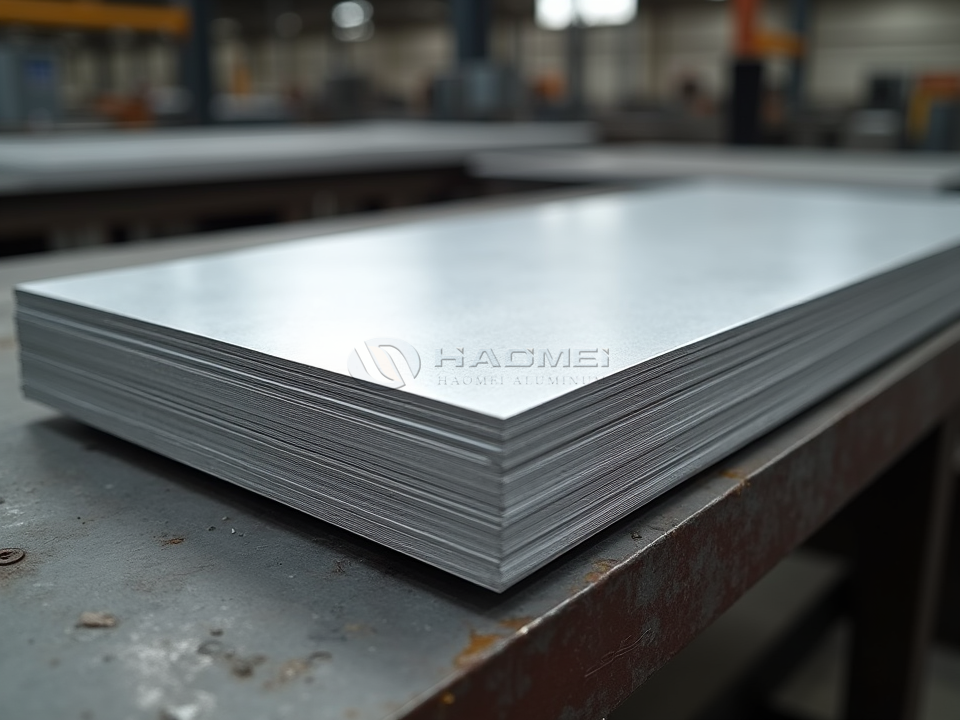
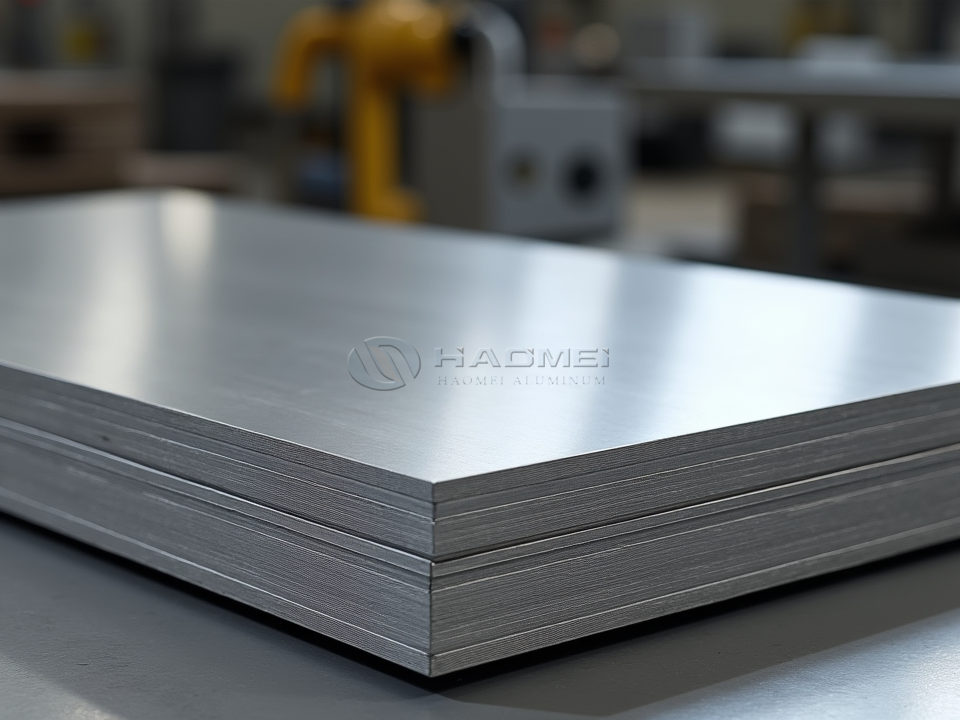
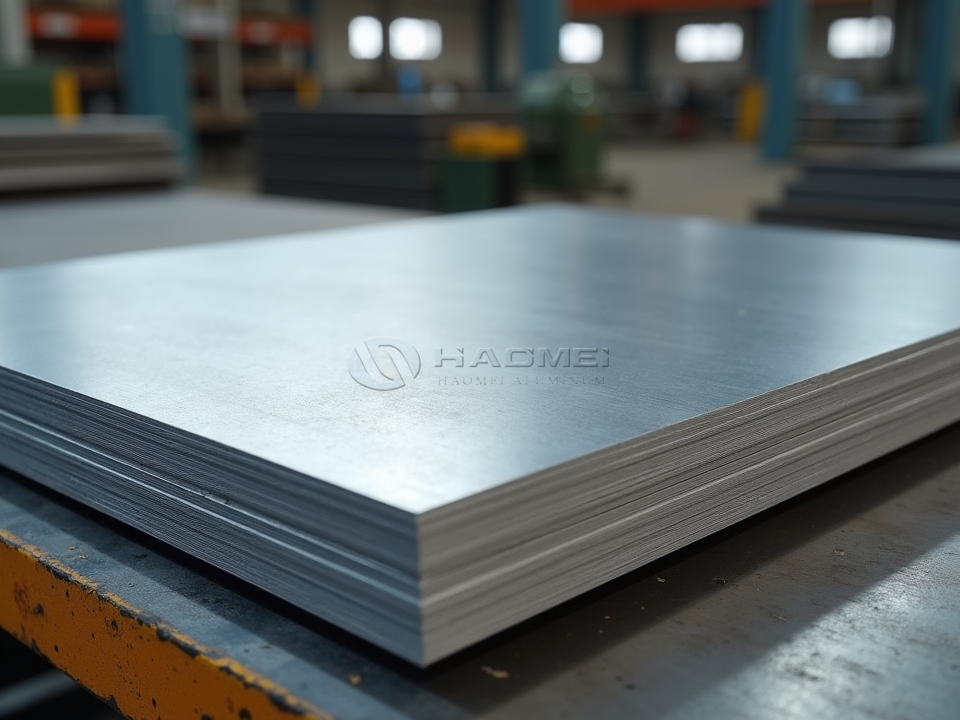
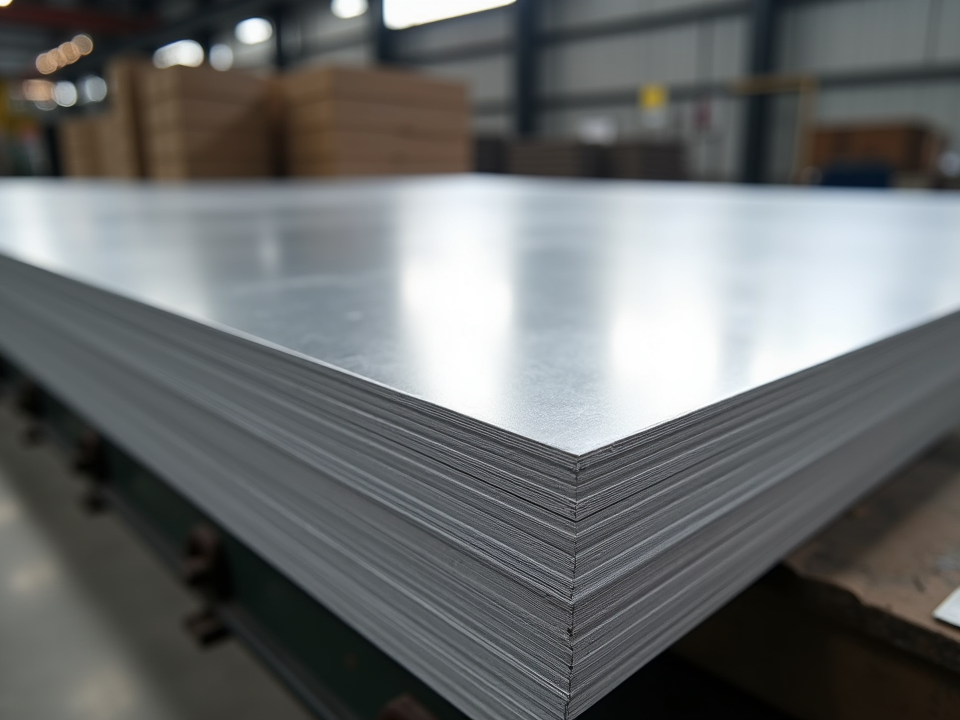
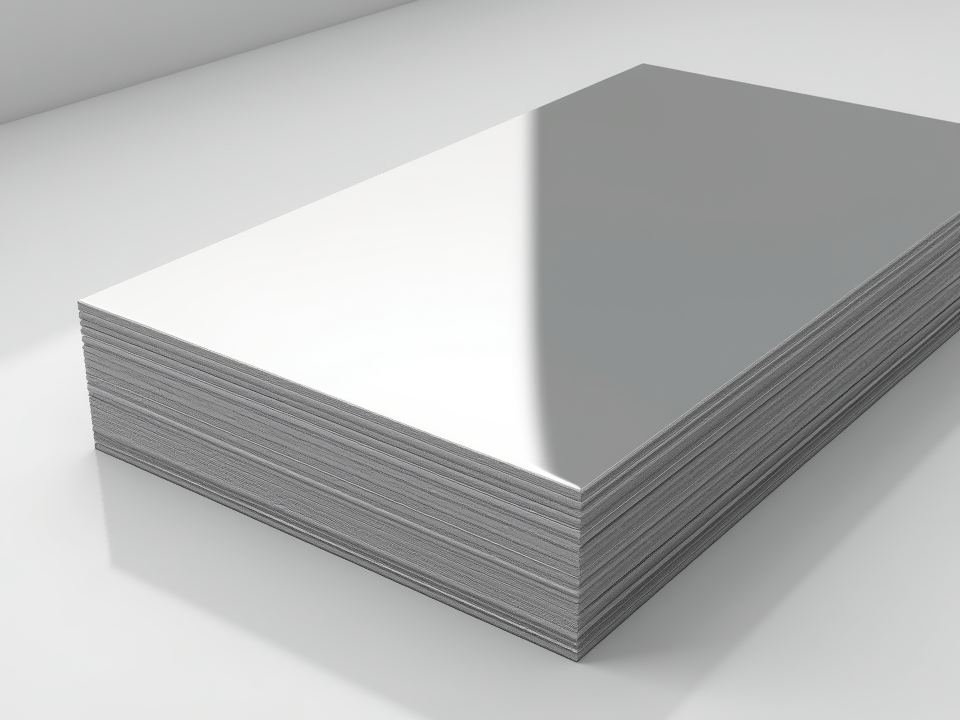
6063 Aluminum Sheet Cut to Size
A 6063 aluminum sheet cut to size is more than a standard sheet trimmed to a requested length and width. It is a way to purchase material that already fits the design, reduces shop handling, and helps fabricators move directly to bending, drilling, welding, assembly, or finishing.
6063 is best known as an architectural aluminum alloy. It is widely valued for its clean anodized appearance, smooth surface, corrosion resistance, and reliable forming behavior. Although it is strongly associated with extruded profiles, 6063 flat material is also selected for panels, covers, trim components, brackets, machine guards, decorative parts, and light structural applications where appearance matters alongside workability.
Why Cut-to-Size Service Matters
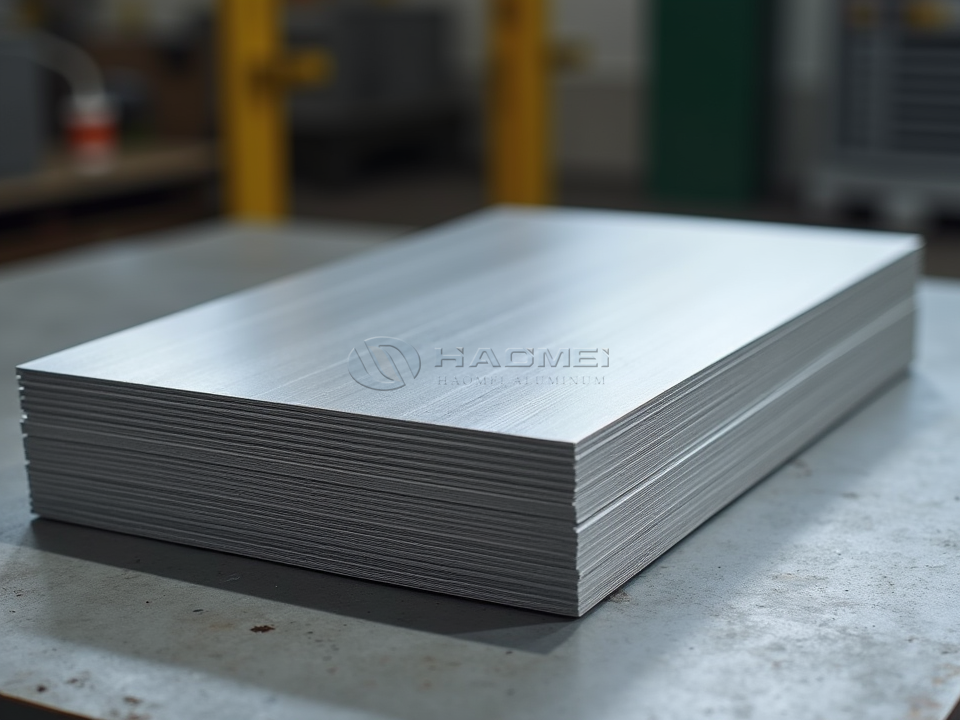
Material waste is often created before fabrication even begins. A large sheet may be inexpensive per kilogram, yet expensive in practice when it produces excess offcuts, requires repeated handling, or occupies valuable floor space. Ordering 6063 aluminum sheet cut to size changes the purchasing logic: the material arrives closer to its finished footprint.
Custom cutting is especially useful for repeated production parts. A fabricator making cabinet doors, electrical enclosures, architectural infill panels, display frames, or decorative covers can receive consistent blank sizes for faster downstream processing. It also supports smaller projects that do not need full-sheet quantities.
The desired cut tolerance should always be stated on the purchase order. General saw-cut or shear-cut tolerances may be suitable for basic fabrication, while tighter tolerances may require precision sawing, CNC machining, laser cutting, or waterjet cutting. Edge condition is equally important. A sheared edge may have a light burr, while a sawn or machined edge is generally cleaner and more suitable for visible assemblies.
The Character of 6063 Aluminum
6063 belongs to the 6xxx aluminum-magnesium-silicon family. Magnesium and silicon combine to form magnesium silicide, allowing the alloy to respond to heat treatment. This gives 6063 a useful balance of moderate strength, corrosion resistance, weldability, and surface finish quality.
Compared with 6061 Aluminum Sheet, 6063 usually has lower strength but offers better extrudability and often a more refined finish after anodizing. For appearance-focused parts, that distinction can be more valuable than a higher tensile number. For applications requiring stronger marine corrosion resistance or higher fatigue performance, 5052 Aluminum Sheet may also be considered, especially where heat treatment is not required.
6063 is a practical choice when the part must look finished rather than merely function. Satin brushing, clear anodizing, color anodizing, powder coating, and painting can all be used with suitable surface preparation.
Common Parameters for 6063 Aluminum Sheet Cut to Size
| Parameter | Typical Supply Condition |
|---|---|
| Alloy | AA 6063, EN AW-6063 / AlMg0.7Si |
| Product form | Sheet, plate, flat bar, precision-cut blank |
| Typical thickness | 0.5 mm to 6.0 mm for sheet; thicker flat material available by agreement |
| Standard widths | 1000 mm, 1220 mm, 1250 mm, 1500 mm, or custom cut width |
| Standard lengths | 2000 mm, 2440 mm, 3000 mm, or custom cut length |
| Common tempers | O, T4, T5, T6, T651 where applicable |
| Surface options | Mill finish, brushed, polished, anodized-ready, PVC protective film |
| Cutting methods | Shearing, sawing, CNC routing, laser cutting, waterjet cutting |
| Density | Approximately 2.70 g/cm³ |
| Thermal conductivity | Approximately 200 W/m·K, depending on temper |
| Electrical conductivity | Approximately 50% IACS, depending on temper |
Thickness range, flatness, and available tempers can vary with mill capability and whether the material is rolled sheet, plate, or cut from larger flat stock. For critical components, confirm the required product form before ordering.
Chemical Composition of 6063 Aluminum
The composition of 6063 is controlled to support a smooth extrusion response, attractive finishing, and heat-treatable performance.
| Element | Composition, % by Weight |
|---|---|
| Silicon, Si | 0.20 - 0.60 |
| Iron, Fe | 0.35 max |
| Copper, Cu | 0.10 max |
| Manganese, Mn | 0.10 max |
| Magnesium, Mg | 0.45 - 0.90 |
| Chromium, Cr | 0.10 max |
| Zinc, Zn | 0.10 max |
| Titanium, Ti | 0.10 max |
| Other elements, each | 0.05 max |
| Other elements, total | 0.15 max |
| Aluminum, Al | Balance |
The magnesium and silicon balance is central to 6063 performance. It permits age hardening after solution heat treatment and aging, creating a stronger temper while preserving the alloy's favorable finishing characteristics.
Temper Choices and What They Mean
Temper selection should follow the job, not habit. The letters and numbers after 6063 identify the thermal and mechanical condition of the metal.
| Temper | Material Condition | Typical Use |
|---|---|---|
| O | Annealed, soft condition | Deep forming, bending, shaping, decorative work |
| T4 | Solution heat-treated and naturally aged | Forming before final aging, moderate strength parts |
| T5 | Cooled from elevated-temperature processing and artificially aged | General architectural and fabricated components |
| T6 | Solution heat-treated and artificially aged | Higher-strength panels, brackets, covers, structural light-duty parts |
| T651 | T6 with stress relief by stretching, where available | Machined components requiring improved stability |
Indicative mechanical values for 6063-T6 are commonly around 205 MPa minimum tensile strength and 170 MPa minimum yield strength, but actual values depend on thickness, product form, and the governing standard. O temper is much softer and easier to form, while T6 offers greater resistance to denting and deformation.
For bending, the bend radius must match the temper. T6 material can crack if bent sharply across an unfavorable grain direction. If tight bends are required, a softer temper or a larger inside bend radius is often the safer choice.
Applicable Standards and Inspection Expectations
6063 aluminum sheet may be ordered to recognized standards such as ASTM B209 for aluminum sheet and plate, EN 485 for sheet, strip, and plate, EN 573 for chemical composition, ISO 6361, or customer-specific drawings and specifications. Extruded 6063 products are commonly controlled under ASTM B221 or EN 755, which is important when flat material is supplied from extrusion-based stock rather than rolled sheet.
A clear order specification should state alloy, temper, thickness, cut dimensions, tolerances, surface finish, protective film requirement, quantity, and applicable standard. For traceable production, request a mill test certificate showing chemical composition, mechanical properties, heat number, and inspection status.
Fabrication Notes for Better Results
6063 aluminum sheet cuts cleanly with carbide tooling and is generally easy to drill, route, punch, and weld. TIG and MIG welding are commonly used, although welding locally softens heat-treated material in the heat-affected zone. If maximum post-weld strength is needed, the joint design and alloy choice should be reviewed carefully.
Protective film is recommended for brushed, polished, and anodized-ready surfaces. It helps prevent scratches during cutting, transport, and assembly. Film should not remain on material through high-temperature processing unless the film is rated for that use.
For anodized components, keep visible parts from the same production batch whenever possible. Small differences in chemistry, grain structure, surface preparation, or finishing parameters can influence the final shade.
Ordering 6063 Aluminum Sheet with Confidence
The best 6063 aluminum sheet cut to size order starts with the finished part rather than the stock sheet. Define the function of the component, identify whether forming or machining comes first, select the temper accordingly, and specify the required edge and surface condition. This approach reduces rework and makes 6063 perform as intended: a clean, corrosion-resistant aluminum material built for precise, attractive fabricated parts.