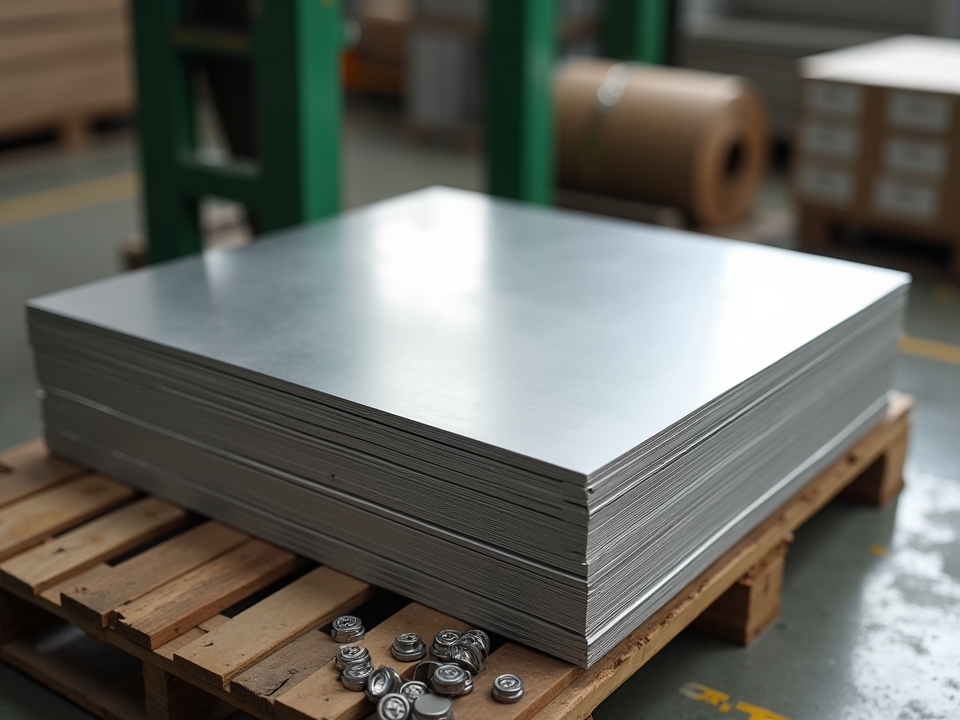
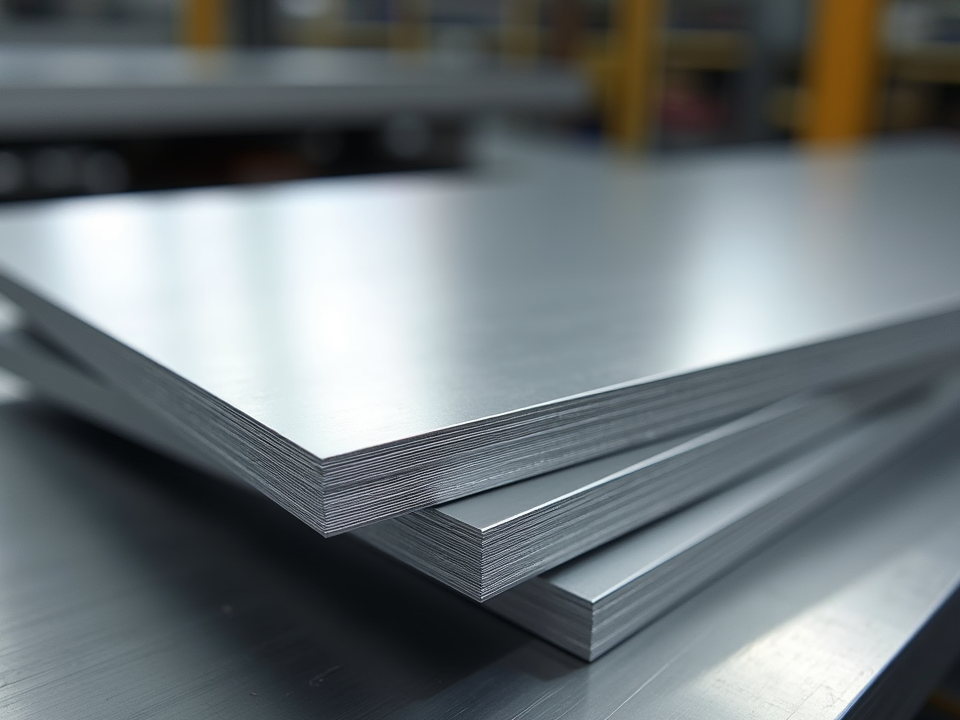
1100 Stucco Embossed Aluminum Roll
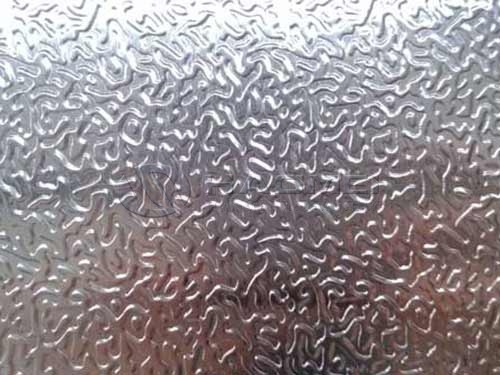
1100 stucco embossed aluminum roll is a commercially pure aluminum coil with a textured, pebble-like surface created through an embossing process. With a minimum aluminum content of 99.00%, alloy 1100 offers excellent corrosion resistance, high thermal conductivity, easy forming, and an attractive industrial finish. The stucco pattern improves surface rigidity while helping conceal handling marks, minor dents, and oil canning commonly visible on smooth aluminum.
This material is widely selected for pipe insulation jackets, HVAC duct covering, refrigerator liners, construction trim, decorative panels, and light-duty industrial cladding. Supplied in coils, it supports continuous processing, slitting, cutting, roll forming, and on-site fabrication with low material waste.
Material Features and Practical Functions
The main function of a 1100 stucco embossed aluminum roll is to provide a lightweight, corrosion-resistant barrier and finish layer. When installed over insulated pipes, tanks, vessels, or ductwork, it protects insulation from moisture, mechanical contact, ultraviolet exposure, and contamination. Its reflective aluminum surface also helps reduce radiant heat absorption in suitable installations.
The embossed face is more than decorative. It distributes minor impact marks across the pattern, creating a cleaner visual appearance than mill-finish sheet. Embossing also adds modest stiffness, helping thin-gauge aluminum retain a flatter appearance during installation. For projects requiring a refined finish with dependable workability, Stucco Embossed Aluminum Sheet can be supplied in coil or cut-sheet forms.
| Feature | Practical Value |
|---|---|
| High aluminum purity | Strong resistance to atmospheric corrosion and good formability |
| Stucco embossed surface | Conceals scratches, improves appearance, and adds surface rigidity |
| Low density | Reduces structural load and handling effort |
| Good thermal conductivity | Suitable for thermal-management and insulation-jacketing systems |
| Excellent workability | Supports bending, trimming, beading, and light roll forming |
| Coil supply | Enables efficient continuous fabrication and customized slitting |
| Non-magnetic material | Suitable for applications where magnetic interference is undesirable |
Chemical Composition of Aluminum Alloy 1100
Alloy 1100 is part of the 1xxx aluminum family. Its high aluminum content provides excellent corrosion behavior and softness compared with stronger aluminum-magnesium or aluminum-manganese alloys. Trace elements are controlled to maintain processing consistency and surface quality.
| Element | Composition, % by Weight |
|---|---|
| Aluminum, Al | 99.00 min |
| Silicon + Iron, Si + Fe | 0.95 max |
| Copper, Cu | 0.05–0.20 |
| Manganese, Mn | 0.05 max |
| Zinc, Zn | 0.10 max |
| Other elements, each | 0.05 max |
| Other elements, total | 0.15 max |
The chemical limits may be adjusted within applicable specification requirements, purchase agreements, and regional standards. For insulation cladding, surface cleanliness and coil flatness are often as important as chemistry because they influence installation quality and finished appearance.
Typical Technical Specifications
1100 stucco embossed aluminum roll is available in a broad range of gauges, widths, and coil sizes. Actual supply dimensions should be matched to the equipment, insulation diameter, forming radius, and transportation limits of the project.
| Parameter | Typical Range or Requirement |
|---|---|
| Alloy | AA 1100 / EN AW-1100 |
| Product form | Stucco embossed aluminum coil or roll |
| Surface pattern | Stucco, hammered, or orange-peel style texture |
| Thickness | 0.20–1.20 mm, customizable for project needs |
| Common thicknesses | 0.30 mm, 0.40 mm, 0.50 mm, 0.60 mm, 0.80 mm, 1.00 mm |
| Width | 500–1,600 mm |
| Common widths | 914 mm, 1,000 mm, 1,200 mm, 1,220 mm |
| Coil inner diameter | 150 mm, 300 mm, 405 mm, 508 mm, or as agreed |
| Coil weight | Commonly 1–5 metric tons, depending on handling capacity |
| Surface options | Mill finish, embossed, PVC film protection, paper interleaving |
| Edge condition | Mill edge, slit edge, deburred edge |
| Flatness | Subject to thickness, width, temper, and embossing depth |
Temper Conditions and Mechanical Performance
Temper selection determines how the coil behaves during fabrication. Soft tempers are preferred for tight bends, deep shaping, and hand installation around insulated piping. Strain-hardened tempers provide greater dent resistance and improved panel stability but require a larger forming radius.
| Temper | Condition | Typical Application Suitability |
|---|---|---|
| O | Fully annealed, soft | Complex forming, tight wrapping, deep drawing |
| H12 | Quarter-hard | Light forming with improved handling strength |
| H14 | Half-hard | General insulation jacketing and decorative cladding |
| H16 | Three-quarter-hard | Panels requiring improved stiffness and dent resistance |
| H18 | Full-hard | Flat or lightly formed applications where maximum hardness is desired |
| H24 | Strain hardened and partially annealed | Balanced forming capability and surface durability |
| Property | Typical Value for 1100-H14 | Typical Value for 1100-O |
|---|---|---|
| Tensile strength | 95–125 MPa | 75–110 MPa |
| Yield strength | 35 MPa min, typical | 20 MPa min, typical |
| Elongation | 5–12% | 15–30% |
| Density | 2.71 g/cm³ | 2.71 g/cm³ |
| Melting range | Approximately 643–657°C | Approximately 643–657°C |
| Thermal conductivity | Approximately 220 W/m·K | Approximately 220 W/m·K |
| Electrical conductivity | Approximately 59% IACS | Approximately 59% IACS |
Mechanical figures are representative values rather than guaranteed limits. Thickness, testing direction, temper, embossing deformation, and governing specification can affect final results.
Applicable Standards and Quality References
Material may be produced and inspected under internationally recognized aluminum sheet and coil standards. The chosen standard should be stated in the purchase order, especially when thickness tolerances, tensile properties, testing methods, or packaging requirements are critical.
| Standard | Scope |
|---|---|
| ASTM B209 | Aluminum and aluminum-alloy sheet and plate requirements |
| EN 485-1 | Technical conditions for inspection and delivery of aluminum sheet, strip, and plate |
| EN 485-2 | Mechanical property requirements for wrought aluminum products |
| EN 485-4 | Tolerances on shape and dimensions for cold-rolled products |
| EN 573-3 | Chemical composition and alloy designation system |
| GB/T 3880 | Chinese standard for aluminum and aluminum-alloy sheets and strips |
| ISO 6361 | Wrought aluminum and aluminum-alloy sheets, strips, and plates |
Common Applications
1100 stucco embossed aluminum roll is particularly effective where appearance, corrosion resistance, and easy fabrication matter more than high structural strength. It is often installed as an outer moisture barrier for mineral wool, fiberglass, foam glass, and other insulation systems. Proper joint sealing and compatible fasteners help preserve long-term weather resistance.
| Application Area | Typical Use |
|---|---|
| Thermal insulation | Pipe jackets, elbows, tanks, boilers, vessels, and duct insulation covers |
| HVAC systems | Duct cladding, equipment housings, condensate-sensitive protection layers |
| Refrigeration | Cold-room panels, refrigerator liners, and insulation facing |
| Construction | Ceiling panels, wall finishes, flashing, trim, and interior decorative surfaces |
| Transportation | Light interior trim and protective panels |
| Appliances | Back panels, heat shields, reflectors, and casing components |
| General fabrication | Roll-formed profiles, signage backing, cabinet panels, and packaging components |
Processing and Installation Notes
For best fabrication results, use clean rollers, protective film where appearance is critical, and tools designed for soft aluminum. Avoid dragging coils or sheets across abrasive surfaces because aluminum can scratch despite the textured pattern. When cutting, use sharp blades or shears to minimize burrs along the edge.
In corrosive industrial or coastal environments, evaluate the full system rather than the aluminum alone. Galvanic corrosion can occur when aluminum contacts dissimilar metals in the presence of moisture. Separation tapes, compatible sealants, coated fasteners, and drainage design can extend service life.
1100 stucco embossed aluminum roll offers an economical combination of formability, corrosion resistance, visual texture, and coil-processing efficiency. By selecting the appropriate thickness, width, temper, and surface protection, buyers can tailor the material to insulation, cladding, decorative, and fabrication requirements with reliable performance.