Non-Skid Aluminum Diamond Plate
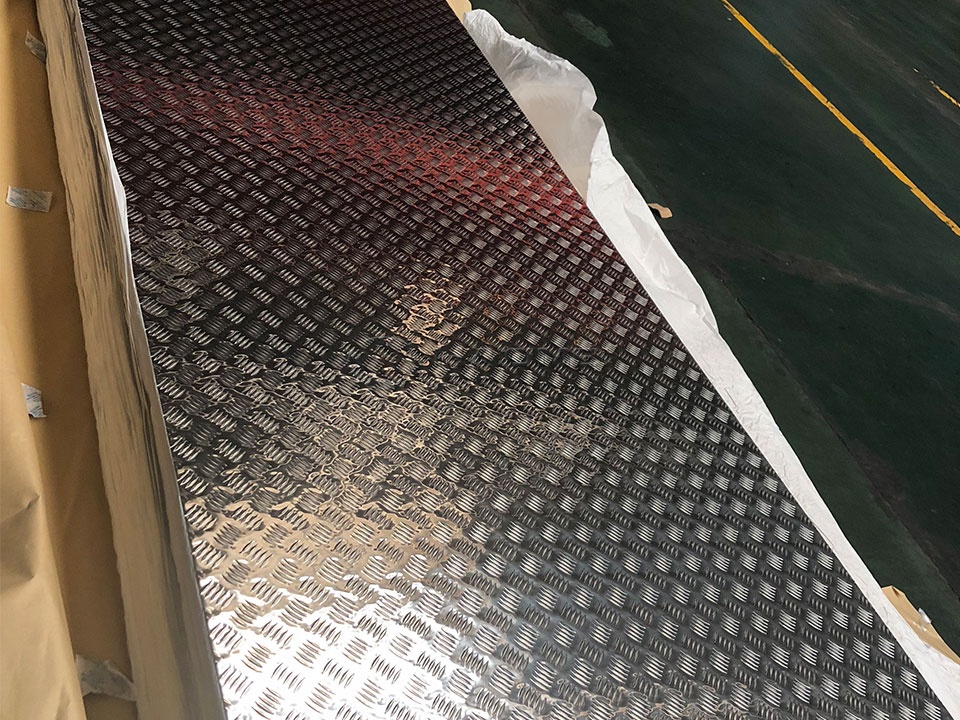
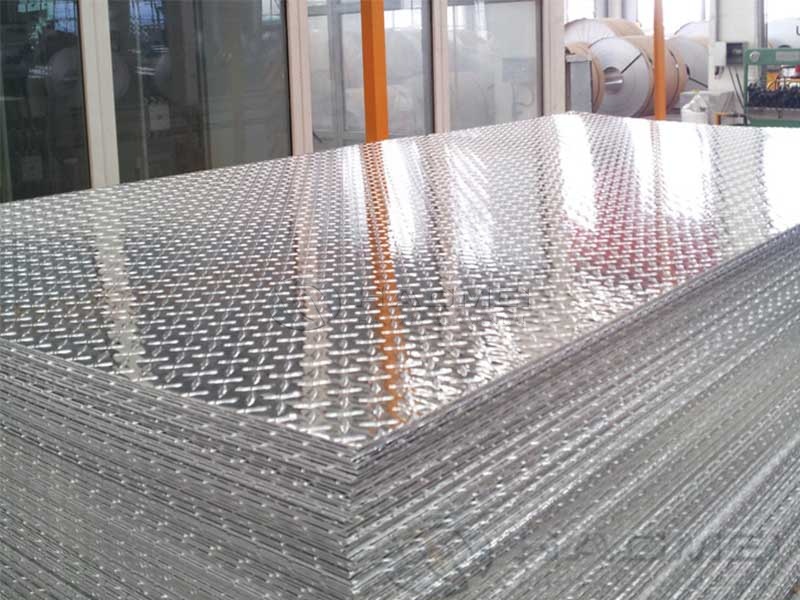
Non-skid aluminum diamond plate is more than a bright metal floor covering. Its raised diamond pattern creates a mechanical grip zone that helps shoes, tires, carts, and equipment maintain contact with the surface. This makes it a practical material wherever smooth aluminum could become slippery because of water, oil, dust, snow, or frequent movement.
The material is also called aluminum checker plate, diamond tread plate, or tread bright aluminum. Its value comes from combining low weight, corrosion resistance, formability, and a visibly raised tread pattern in one sheet. For many projects, it replaces heavier steel tread plate while reducing maintenance demands and improving handling during installation.
The Pattern Works as a Surface Engineering Feature
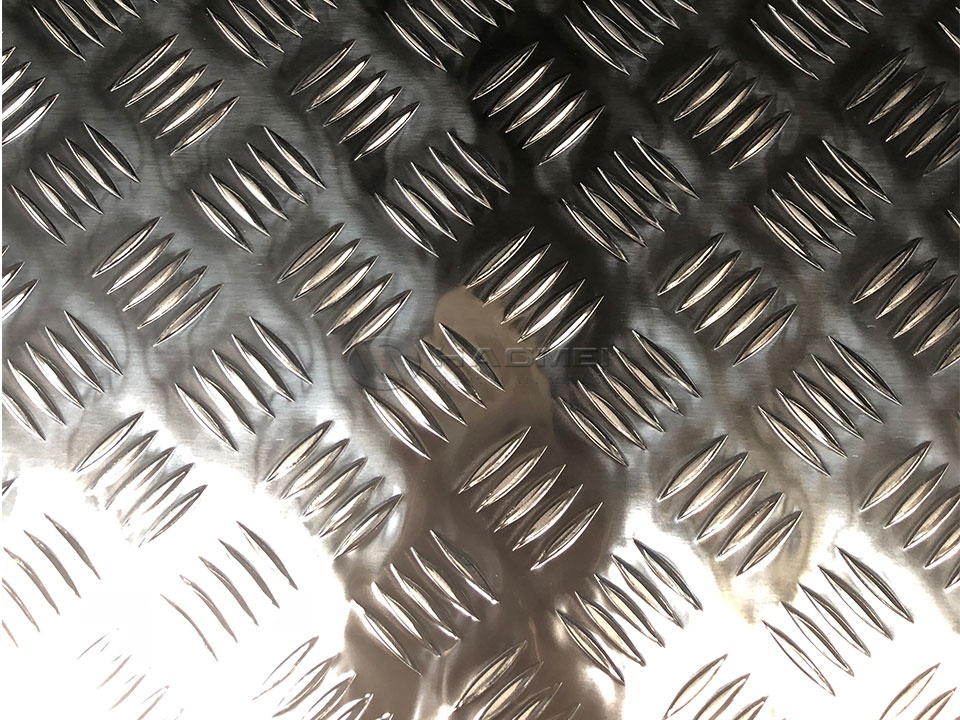
The diamond pattern should not be treated as decoration alone. Each raised bar interrupts the flat contact area under a shoe sole or wheel. This creates additional edges that help displace moisture and resist sliding. In practical terms, the pattern improves traction most effectively when it is clean, correctly oriented, and selected with sufficient base thickness for the load.
A non-skid aluminum diamond plate is especially useful on horizontal or gently inclined surfaces. On ramps, the raised diamonds should generally run across the direction of travel, allowing the tread edges to oppose wheel or foot movement. For stair treads and walkways, good drainage and regular cleaning are still essential. Aluminum tread pattern improves grip, but grease, packed mud, ice, or worn coatings can reduce real-world slip resistance.
Compared with abrasive-coated flooring, diamond plate offers a permanent embossed profile rather than a bonded grit layer. There is no grit coating to peel away, and the surface can be washed, brushed, and maintained easily. It is an excellent choice when a durable metal appearance is required alongside practical anti-slip performance.
Alloys and Tempers That Shape Performance
The most common alloy choices are 3003 and 5052 aluminum. Both are non-heat-treatable alloys, meaning their strength is mainly developed through cold working and temper control rather than solution heat treatment.
3003 aluminum diamond plate is widely used for general flooring, decorative panels, toolboxes, truck linings, and light-duty access covers. Manganese improves strength compared with commercially pure aluminum while preserving good formability and corrosion resistance. It is commonly supplied in H22 or H24 temper.
5052 aluminum diamond plate is preferred where moisture, salt spray, chemicals, vibration, or higher mechanical demand are present. Its magnesium content gives it better strength and stronger corrosion performance, especially for marine decks, dock equipment, utility vehicles, and industrial platforms. H32 and H34 tempers are frequent selections.
For applications requiring a familiar tread profile, Diamond Aluminum Tread Plate can be specified by alloy, temper, thickness, and sheet dimensions to match fabrication requirements.
| Alloy | Typical Temper | Main Strength Character | Suitable Service Environment |
|---|---|---|---|
| 3003 | H22, H24 | Medium strength, excellent forming | Indoor floors, trailers, decorative protection panels |
| 5052 | H32, H34 | Higher strength, strong corrosion resistance | Marine, transport, wet industrial areas |
| 6061 | T6 | High structural strength, lower formability | Specialized structural covers and fabricated parts |
Chemical Composition of Common Tread Plate Alloys
Chemical composition affects corrosion behavior, strength, weldability, and forming response. Values are commonly expressed as weight percent and should be confirmed against the ordered standard and mill test certificate.
| Element | 3003 Aluminum | 5052 Aluminum |
|---|---|---|
| Silicon, Si | 0.60 max | 0.25 max |
| Iron, Fe | 0.70 max | 0.40 max |
| Copper, Cu | 0.05-0.20 | 0.10 max |
| Manganese, Mn | 1.0-1.5 | 0.10 max |
| Magnesium, Mg | 0.05 max | 2.2-2.8 |
| Chromium, Cr | - | 0.15-0.35 |
| Zinc, Zn | 0.10 max | 0.10 max |
| Aluminum, Al | Balance | Balance |
The distinction is important. The manganese-rich 3003 alloy is economical and easy to form. The magnesium-bearing 5052 alloy is a stronger candidate for harsh environments because it forms a stable oxide film and performs well in damp or salty service conditions.
Common Parameters and Supply Conditions
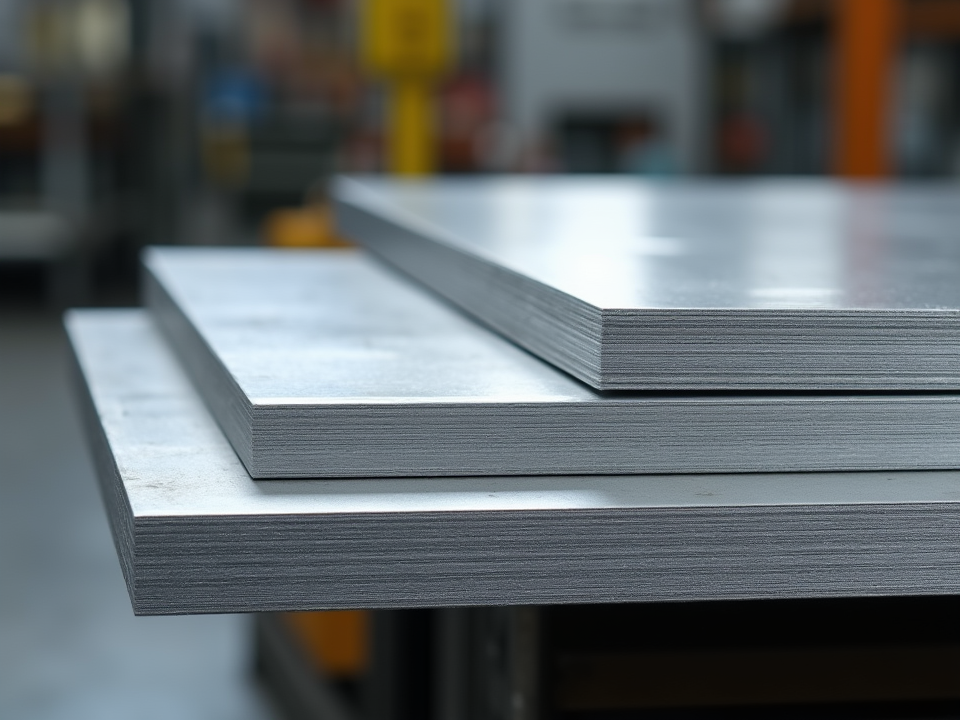
Non-skid aluminum diamond plate is available in sheets, coils, cut-to-size blanks, and fabricated panels. Typical base thicknesses range from 1.0 mm to 6.0 mm, although heavier gauges can be produced for equipment decks and load-bearing covers. Common widths include 1,000 mm, 1,220 mm, 1,250 mm, 1,500 mm, and 1,520 mm. Lengths may be standard stock sizes or cut to project requirements.
The stated thickness normally refers to the base metal thickness, not the total height measured over the raised diamonds. This distinction matters when calculating fit-up, door clearance, edge trims, and load behavior. Customers should specify whether they need base thickness, overall thickness, pattern height, flatness tolerance, protective film, mill finish, or painted finish.
Relevant implementation standards may include ASTM B632/B632M for aluminum-alloy rolled tread plate, ASTM B209 for aluminum sheet and plate requirements, EN 485-2 for mechanical property requirements, EN 573-3 for chemical composition, and JIS H4000 for applicable Japanese material specifications. Material certificates should identify the alloy, temper, dimensions, heat number, and inspection data.
Where Non-Skid Aluminum Diamond Plate Performs Best
Transportation is one of the strongest application areas. Truck beds, trailer floors, bus steps, fire vehicle compartments, loading ramps, and pickup bed liners benefit from a surface that is light, durable, and easy to clean. Aluminum reduces dead weight compared with steel, helping support payload efficiency.
In industrial facilities, diamond plate is used on machine platforms, service walkways, inspection paths, stair landings, mezzanine floors, protective wall panels, and equipment guards. It is also common in food-processing and packaging environments where washability is valuable, provided the selected alloy and cleaning chemicals are compatible.
Marine installations benefit from 5052 tread plate on gangways, boat decks, dock boxes, hatch covers, and access panels. Its corrosion resistance is useful in humid and saline conditions, though stagnant salt deposits should still be rinsed away. For less aggressive indoor applications, Five Bar Aluminum Tread Plate offers another raised-pattern option with broad traction coverage.
Architectural uses include entrance mats, elevator protection, retail fixtures, garage walls, workshop surfaces, and decorative cabinet panels. The reflective mill finish gives spaces an industrial character while hiding minor scratches better than a smooth polished sheet.
Fabrication and Installation Notes
Aluminum diamond plate can be cut with saws, shears, CNC routers, laser systems, or waterjet equipment. Deburring is necessary after cutting because sharp edges can compromise safe handling. It can be drilled, riveted, bolted, bonded, or welded according to alloy and structure design.
When fastening to steel, consider galvanic corrosion in wet conditions. Insulating tapes, coatings, compatible fasteners, and drainage gaps can help separate dissimilar metals. For flooring panels, support spacing must match the actual live load rather than relying on tread pattern alone. The raised diamonds improve traction; the base gauge and support design provide structural capacity.
A well-specified non-skid aluminum diamond plate delivers a surface that is safer to walk on, easier to maintain, resistant to corrosion, and light enough for efficient fabrication. Selecting the correct alloy, temper, thickness, and pattern orientation turns a bright metal sheet into a long-service working surface.