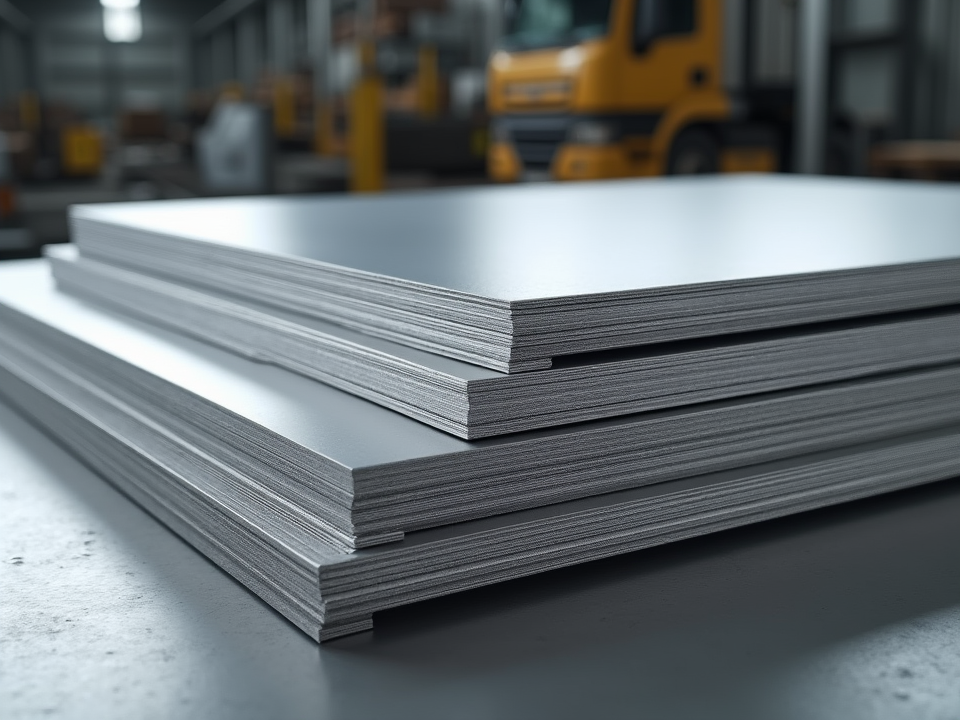
Customized Pattern Embossed Aluminum
Customized pattern embossed aluminum is a versatile sheet and plate material engineered with raised or recessed surface designs. It combines aluminum's low weight, corrosion resistance, and formability with an embossed pattern that improves appearance, traction, rigidity, and surface protection. From industrial walkways to branded wall panels, this material gives designers and fabricators more freedom than plain aluminum sheet.
Embossing is created by passing aluminum coil or sheet through precision rollers carrying the selected pattern. The pressure forms a consistent texture without adding coatings or heavy surface layers. Depending on the project, customers can specify common tread patterns, decorative textures, geometric motifs, or specially developed roller designs.
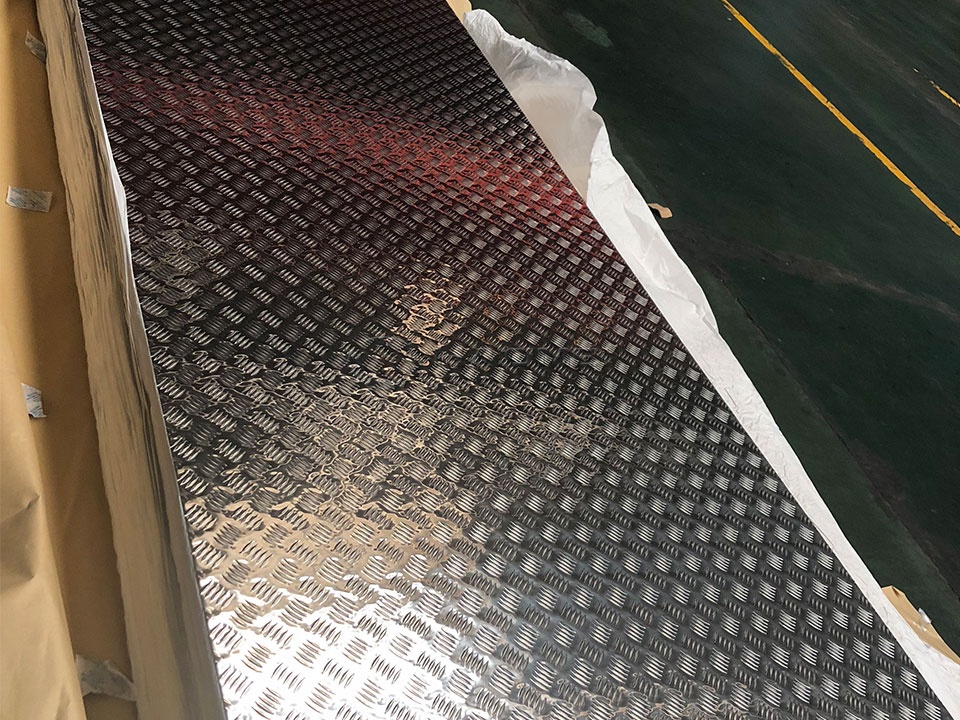
Designed Around Your Surface Requirements
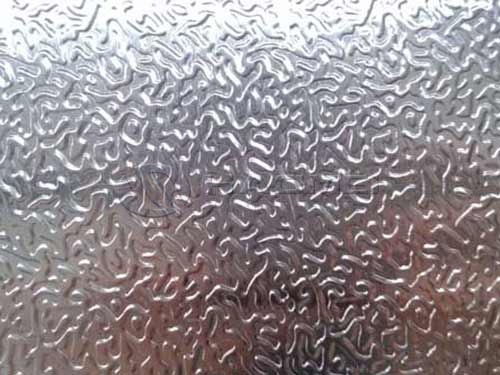
A customized embossed surface can be practical, decorative, or both. Raised ribs and tread patterns create better shoe and tire contact in areas exposed to moisture, oil, dust, or frequent traffic. Fine stucco, orange peel, and hammer-tone textures reduce glare and help conceal handling marks. Deeper patterns add a bold industrial character while also increasing panel stiffness.
Customization can cover pattern geometry, pitch, embossing height, alloy, temper, thickness, width, length, surface finish, protective film, and coil or sheet supply form. For brand-oriented projects, custom motifs can be developed for signage, retail interiors, vehicle trim, appliance panels, and architectural cladding.
Common pattern choices include:
- Five-bar and diamond tread designs for anti-slip flooring and protective panels
- Three-bar patterns for vehicle steps, platforms, and utility applications
- Stucco textures for insulation jacketing, roofing, and decorative skins
- Orange peel finishes for refrigerator liners, heat shields, and glare-controlled panels
- Custom geometric or logo-inspired designs for decorative metalwork
For heavy-duty walking surfaces, Five Bar Aluminum Tread Plate is a widely selected pattern because its raised bars provide dependable grip while allowing water and debris to move away from the contact area.
Material Options and Technical Parameters
The proper aluminum alloy depends on the expected environment, forming method, load condition, and finish requirement. Commercially pure and manganese-bearing grades provide excellent corrosion resistance and workability. Magnesium-bearing grades offer higher strength and are often chosen for transportation floors, marine environments, and durable platform panels.
| Parameter | Typical Custom Range | Project Value |
|---|---|---|
| Alloy | 1050, 1060, 1100, 3003, 3105, 5052, 5083, 6061 | Matches corrosion, strength, and forming needs |
| Temper | O, H14, H16, H18, H22, H24, H32, H34 | Balances ductility and hardness |
| Thickness | 0.30-6.00 mm, heavier gauges on request | Supports cladding, panels, and load-bearing uses |
| Width | 500-2,000 mm | Fits fabrication and nesting plans |
| Length | Cut to customer requirement | Reduces trimming waste |
| Pattern height | Fine texture to raised tread profile | Controls grip, appearance, and rigidity |
| Surface | Mill finish, bright, anodized, painted, coated | Adapts to visual and environmental demands |
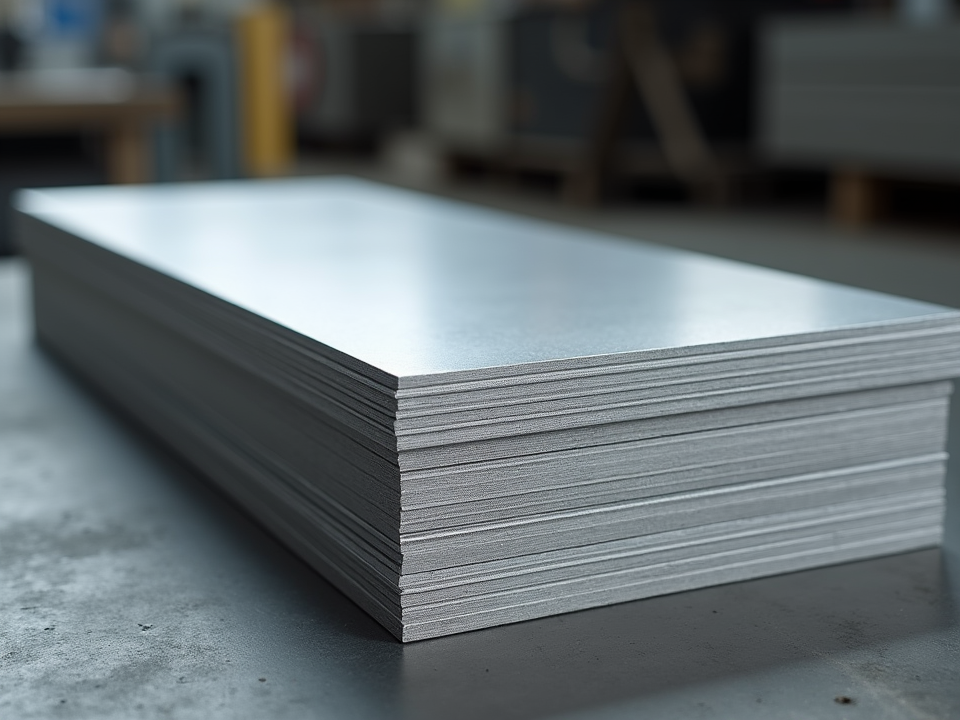
| Delivery form | Coil, sheet, plate, slit strip | Supports efficient downstream processing |
Typical Chemical Composition
The composition varies by alloy. Values shown are typical maximum or nominal limits in percent by weight and should be confirmed against the required standard and mill certificate.
| Alloy | Si | Fe | Cu | Mn | Mg | Zn | Al |
|---|---|---|---|---|---|---|---|
| 1050 | 0.25 | 0.40 | 0.05 | 0.05 | 0.05 | 0.05 | Balance |
| 1060 | 0.25 | 0.35 | 0.05 | 0.03 | 0.03 | 0.05 | Balance |
| 3003 | 0.60 | 0.70 | 0.20 | 1.0-1.5 | 0.05 | 0.10 | Balance |
| 5052 | 0.25 | 0.40 | 0.10 | 0.10 | 2.2-2.8 | 0.10 | Balance |
Performance Benefits in Daily Service
Embossed aluminum does more than change the visual character of a panel. The formed profile gives the sheet greater moment of inertia than a flat sheet of equal thickness, helping resist minor denting and oil-canning. This can be valuable for wide wall panels, truck box linings, cabinet doors, and machine guards.
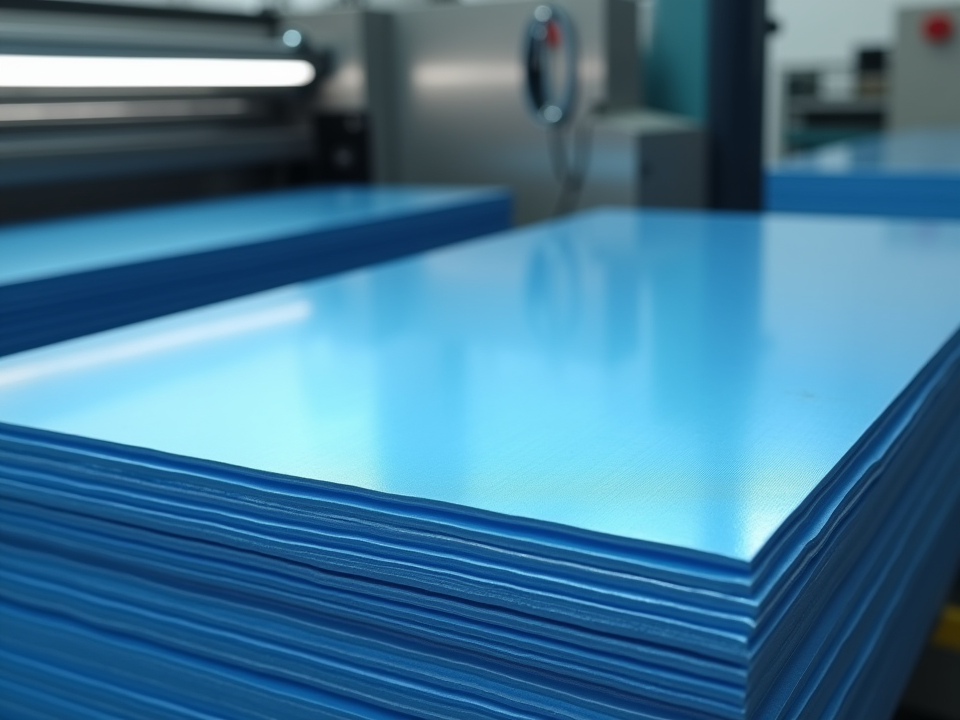
Aluminum naturally forms a thin oxide layer that protects the surface from atmospheric corrosion. Alloys such as 3003 and 5052 perform well in humid conditions, while magnesium-containing grades are particularly suitable for coastal and marine environments. Anodizing, powder coating, PVDF coating, or laminated film can provide added color, wear resistance, and design flexibility.
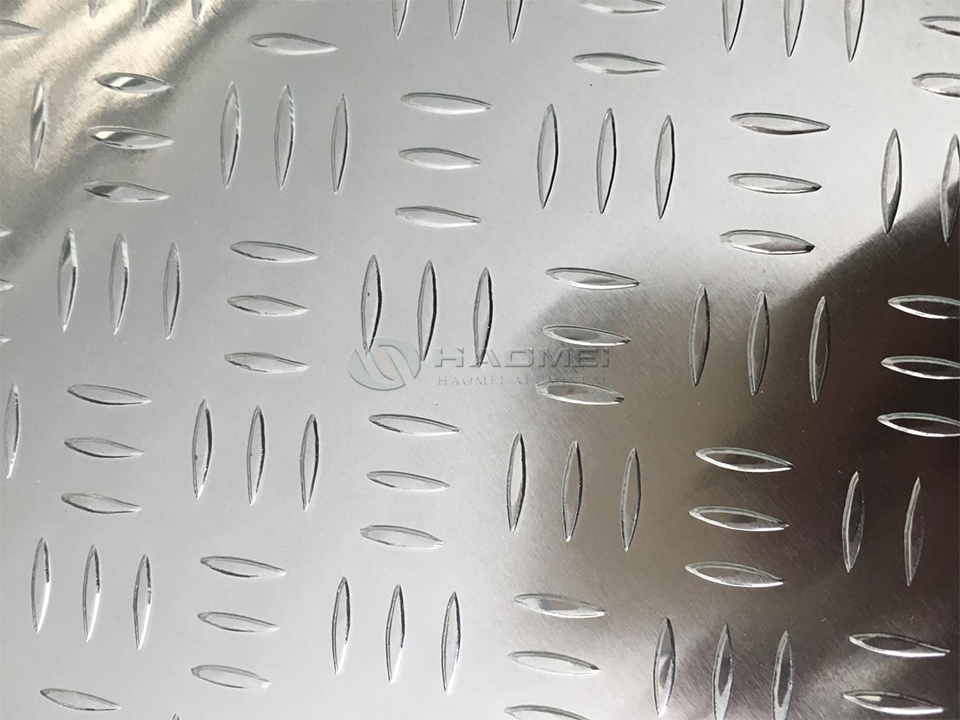
Other practical advantages include low density, easy cutting, bending, drilling, riveting, and welding. Compared with steel tread products, aluminum can significantly reduce component weight. This supports fuel efficiency in vehicles, eases installation in construction projects, and reduces handling effort in portable equipment.
Applications Across Industrial and Decorative Markets
Customized pattern embossed aluminum is used wherever a surface must look intentional and perform reliably. Its broad application range makes it suitable for both high-volume fabrication and specialized architectural work.
| Application Area | Typical Use | Preferred Characteristics |
|---|---|---|
| Transportation | Truck floors, trailer walls, bus steps, van linings | Anti-slip texture, impact resistance, low weight |
| Construction | Stair treads, platforms, wall cladding, elevator panels | Durability, corrosion resistance, clean appearance |
| Marine | Deck panels, gangways, storage covers, cabin interiors | Moisture resistance and reliable traction |
| Industrial equipment | Machine covers, access doors, workstations, guards | Dent resistance and easy cleaning |
| Refrigeration and HVAC | Insulation jacketing, evaporator skins, appliance liners | Stucco texture, formability, reflective surface |
| Interior design | Ceiling panels, feature walls, furniture, retail displays | Decorative pattern and optional color finishes |
| Packaging and protection | Toolboxes, equipment cases, protective facings | Lightweight, rigid, wear-resistant surface |
For applications needing subtle texture rather than pronounced tread, Stucco Embossed Aluminum Sheet provides a refined finish that can mask small scratches and reduce reflective glare on exposed panels.
Selecting the Right Customized Specification
A successful specification starts with the end use. For pedestrian flooring, consider the tread height, panel support spacing, expected load, contamination risk, and cleaning method. For decorative facades, focus on pattern scale, light reflection, color consistency, flatness, and how seams will align across adjacent panels. For formed parts, select a temper with sufficient ductility so the embossed profile remains attractive after bending or stamping.
Thickness should be selected according to structural support and service load rather than appearance alone. A thin embossed sheet may be ideal for cabinet skins or insulation cladding, while truck decks, ramps, and industrial platforms normally require heavier gauges and stronger alloys. Samples are valuable when confirming texture depth, color, gloss, and the visual effect under actual site lighting.
Processing, Protection, and Quality Control
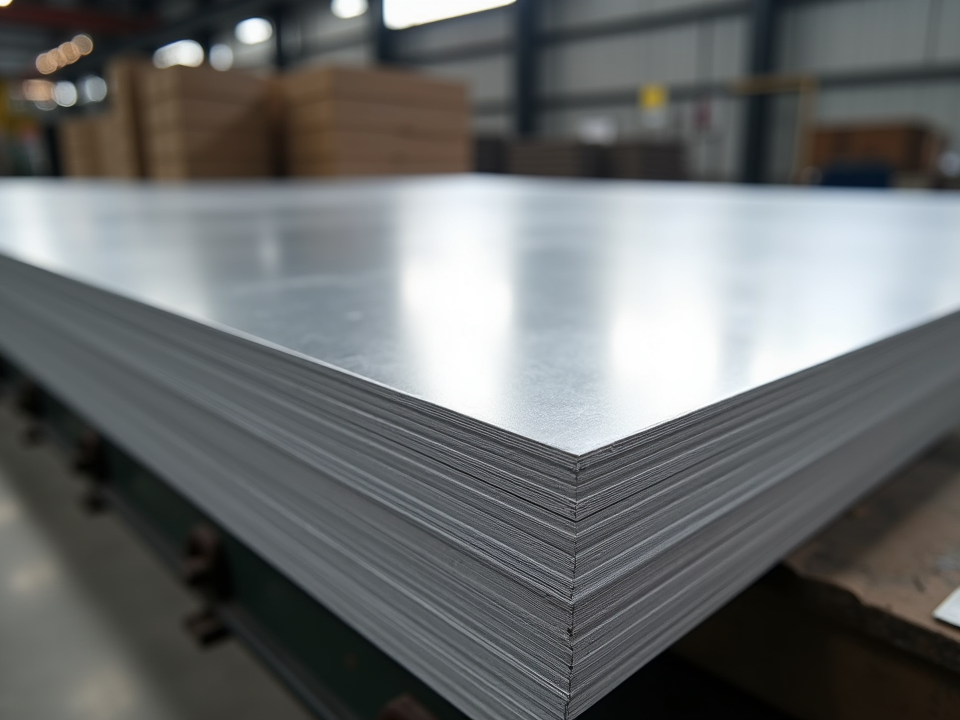
Customized pattern embossed aluminum can be sheared, sawn, laser cut, punched, bent, roll formed, riveted, bonded, or welded using practices appropriate for the selected alloy. Protective PVC film is often applied to decorative faces before fabrication to minimize scratches. Film type should match the intended storage period, forming operation, and removal temperature.
Quality inspection commonly addresses thickness tolerance, width, length, pattern definition, surface cleanliness, flatness, coil set, color consistency, and protective-film adhesion. For structural or regulated applications, material test certificates, chemical composition records, and mechanical property reports can be supplied to support purchasing and fabrication control.
Customized pattern embossed aluminum turns a functional metal sheet into a tailored surface solution. Whether the goal is safer footing, stronger panels, reduced glare, or a distinctive architectural finish, the right alloy, pattern, and surface treatment can deliver dependable long-term value.