Heavy Duty Aluminum Tread Plate
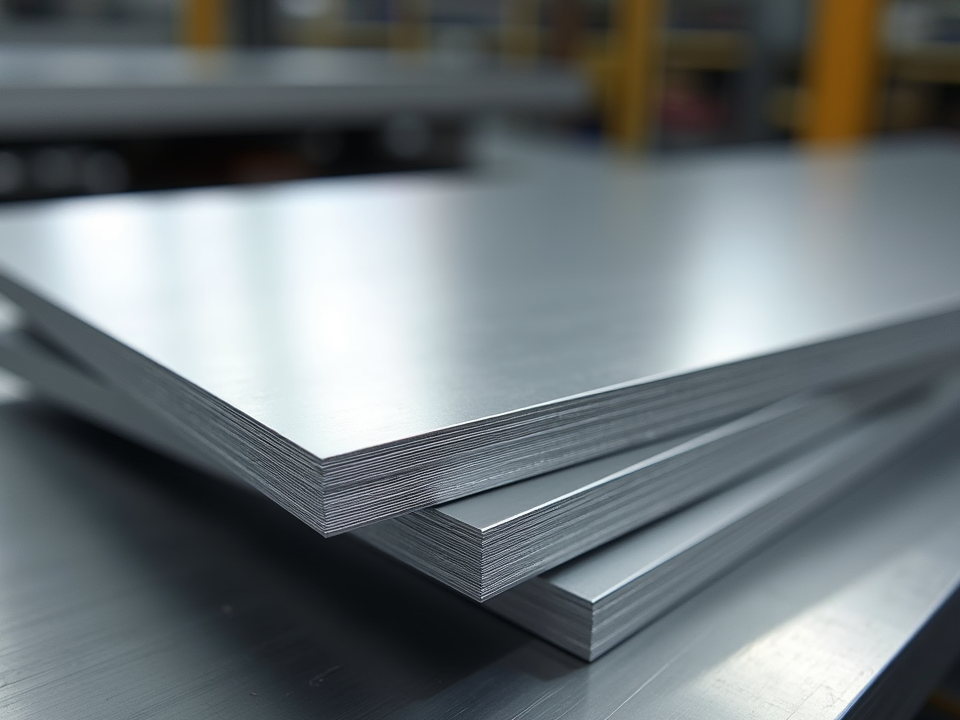
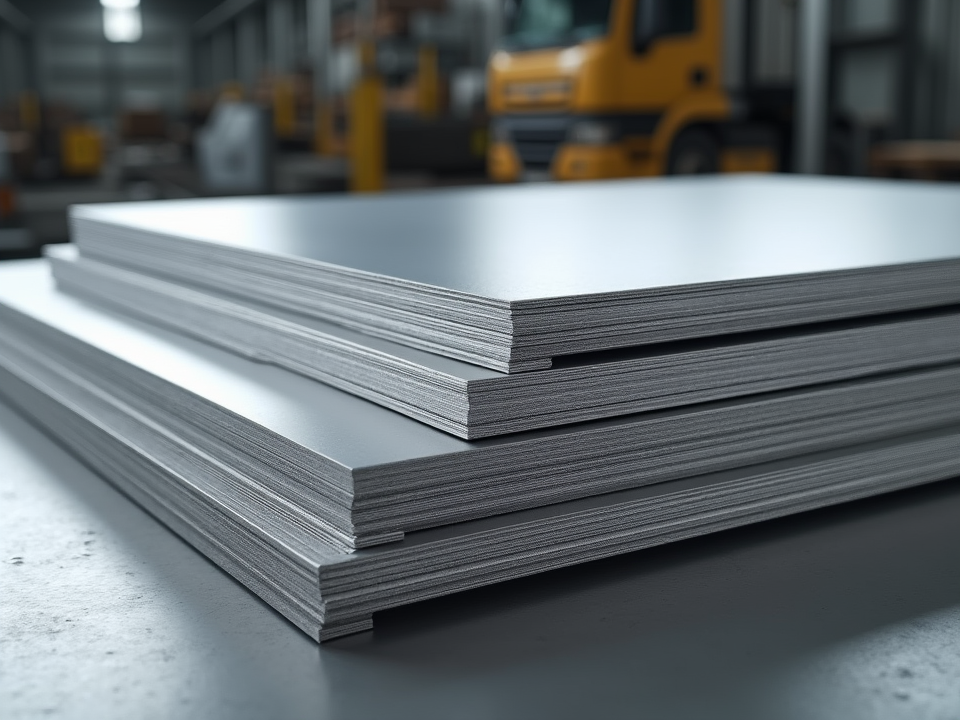
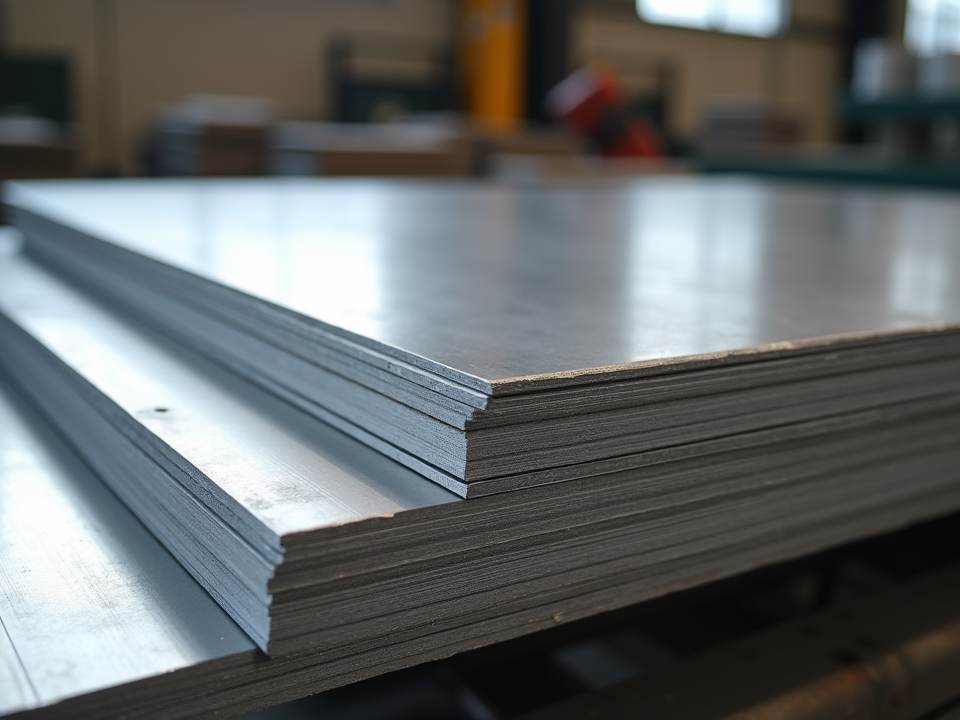
Heavy duty aluminum tread plate is a raised-pattern aluminum sheet engineered for demanding walking surfaces, equipment protection, vehicle floors, and industrial access areas. Its embossed surface provides reliable traction while the aluminum base delivers low weight, corrosion resistance, and straightforward fabrication. Compared with plain steel floor plate, aluminum tread plate can reduce structural mass substantially without sacrificing practical durability in correctly designed installations.
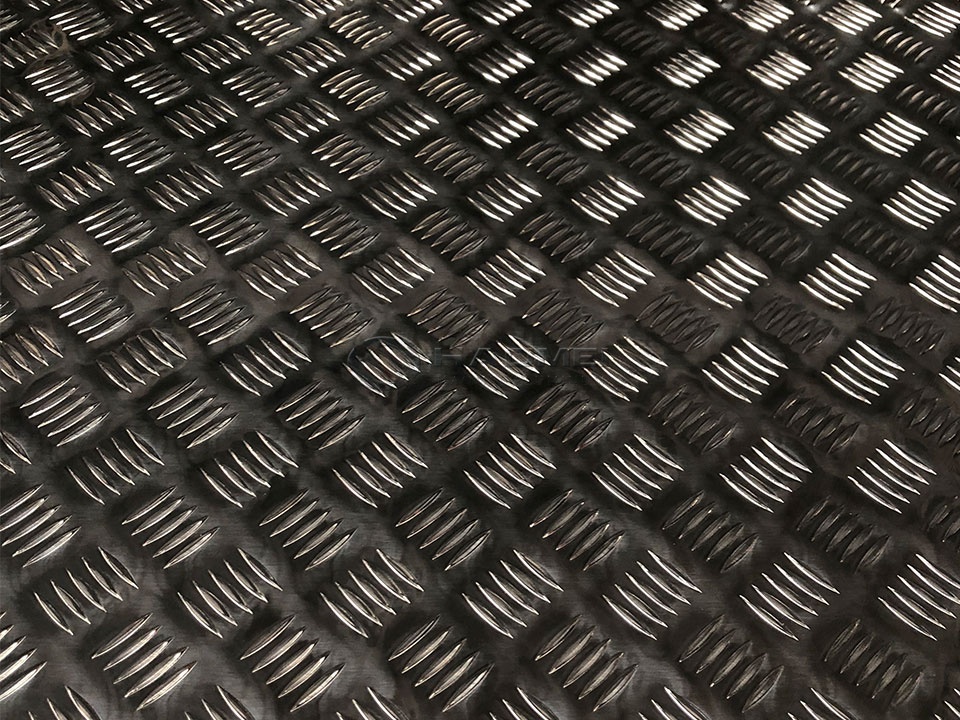
The material is commonly supplied with five-bar, diamond, or other raised tread patterns. These projections improve grip under footwear, tires, carts, and light material-handling equipment while also giving the surface a robust industrial appearance. For areas exposed to rain, salt spray, oil, or routine washing, aluminum is particularly attractive because it naturally forms a protective oxide film.
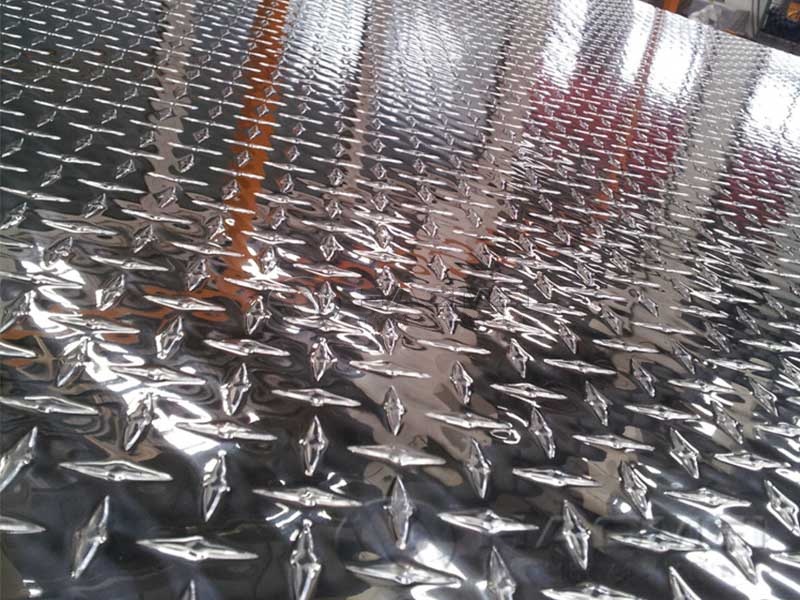
Built for Traction, Strength, and Long Service Life
Heavy duty aluminum tread plate combines the structural behavior of an aluminum sheet or plate with the practical grip of an embossed surface. The raised ribs help channel away water and minor debris, reducing slip risk in service areas. Pattern height and geometry vary by mill and product type, so surface selection should match traffic conditions and cleaning requirements.
For high-load flooring, 5000-series aluminum alloys are frequently selected. Alloy 5052 offers excellent corrosion resistance and good formability, while 5083 and 5086 provide higher strength for marine, transport, and heavy industrial environments. Alloy 6061 may be selected where greater strength and heat-treatable performance are required, although its tread-pattern availability may differ from 5000-series products.
| Performance Characteristic | Customer Value |
|---|---|
| Raised anti-slip pattern | Improves grip for pedestrians, wheeled carts, and equipment access |
| Lightweight construction | Reduces dead load, fuel use, and handling effort |
| Natural corrosion resistance | Performs well in wet, outdoor, coastal, and washdown environments |
| Good fabrication behavior | Can be cut, drilled, bent, riveted, bolted, or welded using suitable procedures |
| Reflective metallic finish | Supports brighter work areas and a clean industrial visual effect |
| Recyclable aluminum content | Helps support material recovery at end of service life |
Common Alloys and Chemical Composition
Chemical composition has a direct effect on strength, weldability, formability, and resistance to corrosive environments. The following values are typical maximum or nominal limits, expressed as weight percentage. Exact certification requirements should be stated at the time of purchase.
| Alloy | Mg | Mn | Cr | Si | Fe | Cu | Zn | Al |
|---|---|---|---|---|---|---|---|---|
| 5052 | 2.2-2.8 | 0.10 max | 0.15-0.35 | 0.25 max | 0.40 max | 0.10 max | 0.10 max | Balance |
| 5083 | 4.0-4.9 | 0.4-1.0 | 0.05-0.25 | 0.40 max | 0.40 max | 0.10 max | 0.25 max | Balance |
| 5086 | 3.5-4.5 | 0.2-0.7 | 0.05-0.25 | 0.40 max | 0.50 max | 0.10 max | 0.25 max | Balance |
| 6061 | 0.8-1.2 | 0.15 max | 0.04-0.35 | 0.4-0.8 | 0.70 max | 0.15-0.40 | 0.25 max | Balance |
The magnesium-rich 5000 series is a proven choice for tread plate subjected to moisture, industrial chemicals, and marine air. When an installation requires welding, these alloys also offer dependable joining performance with appropriate filler metal and procedure control.
Technical Specifications
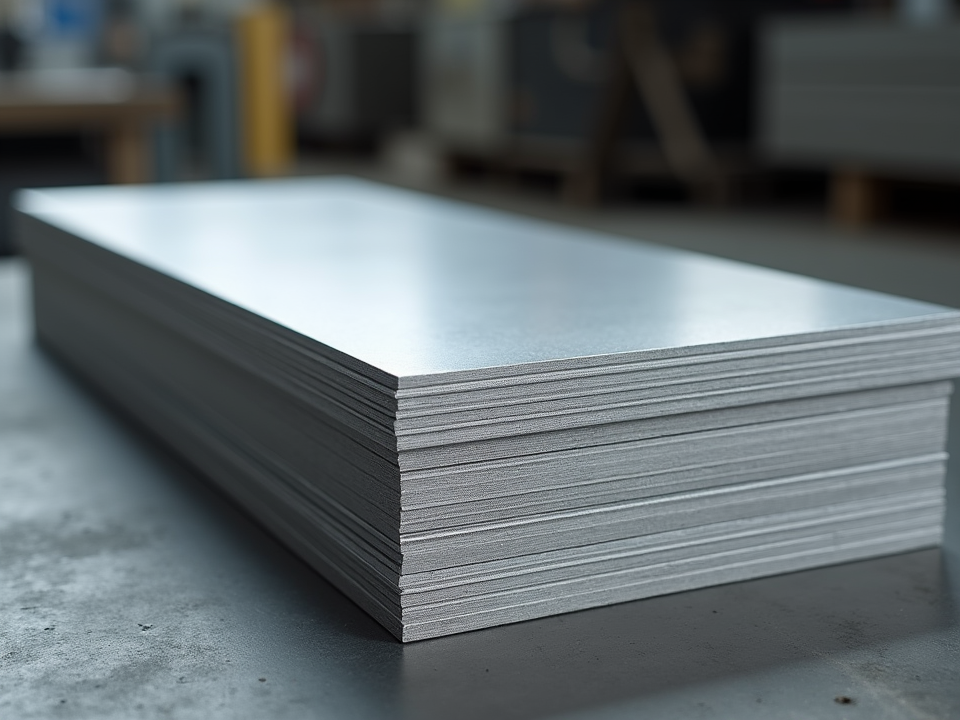
Heavy duty aluminum tread plate can be produced in mill finish, bright finish, or coated conditions. Protective film may be applied where appearance retention during fabrication is important. Sheet dimensions can be cut to project length to reduce offcut waste and installation time.
| Specification | Typical Range or Option |
|---|---|
| Material forms | Sheet, plate, coil, cut-to-length blanks |
| Common alloys | 5052, 5083, 5086, 6061 |
| Typical tempers | H32, H34, H111, H116, H321, T6 |
| Base thickness | 1.5-6.0 mm commonly available |
| Heavy-duty thickness | 4.0-10.0 mm or heavier by agreement |
| Standard widths | 1,000 mm, 1,250 mm, 1,500 mm, custom slit widths |
| Standard lengths | 2,000 mm, 2,500 mm, 3,000 mm, custom cut lengths |
| Surface patterns | Five bar, diamond, lentil, pointer, customized embossing |
| Finish options | Mill finish, bright finish, anodized, painted, protective film |
| Density | Approximately 2.68 g/cm³ for 5000-series alloys |
| Melting range | Approximately 570-650°C, alloy dependent |
A Five Bar Aluminum Tread Plate is widely used where directional ribs and dependable foot traction are preferred. For truck decks, toolboxes, and decorative protective surfaces, a Diamond Aluminum Tread Plate provides a familiar raised pattern with strong visual definition.
Typical Mechanical Properties
Mechanical values vary with alloy, temper, thickness, tread geometry, and testing direction. The table offers representative guidance rather than design-certified values. Structural load calculations must consider unsupported span, support spacing, fastener layout, panel orientation, concentrated wheel loads, and local deflection limits.
| Alloy and Temper | Tensile Strength | Yield Strength | Elongation | Typical Service Focus |
|---|---|---|---|---|
| 5052-H32 | 210-260 MPa | 130 MPa minimum | 10-12% | General industrial flooring and vehicle interiors |
| 5052-H34 | 230-280 MPa | 160 MPa minimum | 7-10% | Higher-strength walkways and protective panels |
| 5083-H116 | 275-350 MPa | 215 MPa minimum | 10% minimum | Marine decks, platforms, and high-corrosion areas |
| 5086-H116 | 275-350 MPa | 205 MPa minimum | 10% minimum | Transport bodies and marine structures |
| 6061-T6 | 290-310 MPa | 240 MPa minimum | 8-10% | Framed panels and strength-focused fabricated components |
Where Heavy Duty Tread Plate Performs Best
This material is suitable for locations where workers need stable footing and owners need a surface that tolerates repeated use with limited maintenance. It is commonly installed in truck and trailer floors, service vehicle steps, loading bays, stair treads, work platforms, catwalks, generator housings, ship decks, dock equipment, warehouse protection panels, and machine guards.
In commercial vehicles, aluminum tread plate lowers payload penalty compared with heavier steel alternatives. In marine installations, 5083 or 5086 grades resist saltwater exposure effectively when proper drainage, isolation from dissimilar metals, and routine cleaning are maintained. In food, beverage, and processing facilities, the non-rusting aluminum surface can support hygienic washdown zones when the tread pattern is selected to permit practical cleaning.
| Application | Recommended Material Direction | Practical Benefit |
|---|---|---|
| Truck beds and trailer decks | 5052-H34 or 5086 tread plate | Durable floor with reduced vehicle weight |
| Marine walkways and docks | 5083-H116 or 5086-H116 | Strong corrosion resistance in salt-laden air |
| Industrial stairs and platforms | 5052-H32, H34, or 6061-T6 | Secure footing and easy fabrication |
| Equipment covers and guards | 5052 patterned sheet | Impact protection with an attractive finish |
| Warehouse ramps and access covers | Thick 5000-series plate | Wear resistance and practical slip control |
| Utility boxes and vehicle interiors | 5052 diamond pattern | Lightweight protection against abrasion |
Installation and Maintenance Considerations
The best tread plate selection is not based on thickness alone. A thinner high-strength plate over closely spaced supports may outperform a thicker panel installed across an excessive span. For vehicle or platform flooring, verify the actual loading condition, including point loads from wheels, pallet jacks, support legs, and dropped tools.
Use compatible aluminum or stainless fasteners where possible, and isolate aluminum from carbon steel in wet or salt-exposed environments to reduce galvanic corrosion risk. Drainage paths should remain open, especially on exterior decks. Clean the surface with water and a mild neutral detergent; avoid aggressive alkaline cleaners, chloride residues, and abrasive methods that can damage the finish.
Material Value for Demanding Projects
Heavy duty aluminum tread plate offers an effective balance of traction, corrosion resistance, manageable weight, and fabrication flexibility. By selecting the appropriate alloy, temper, thickness, tread pattern, and support design, customers can build safer floors and protective surfaces that remain dependable through years of industrial, transport, or marine service. It is a practical material choice where every kilogram, every maintenance hour, and every secure step matters.