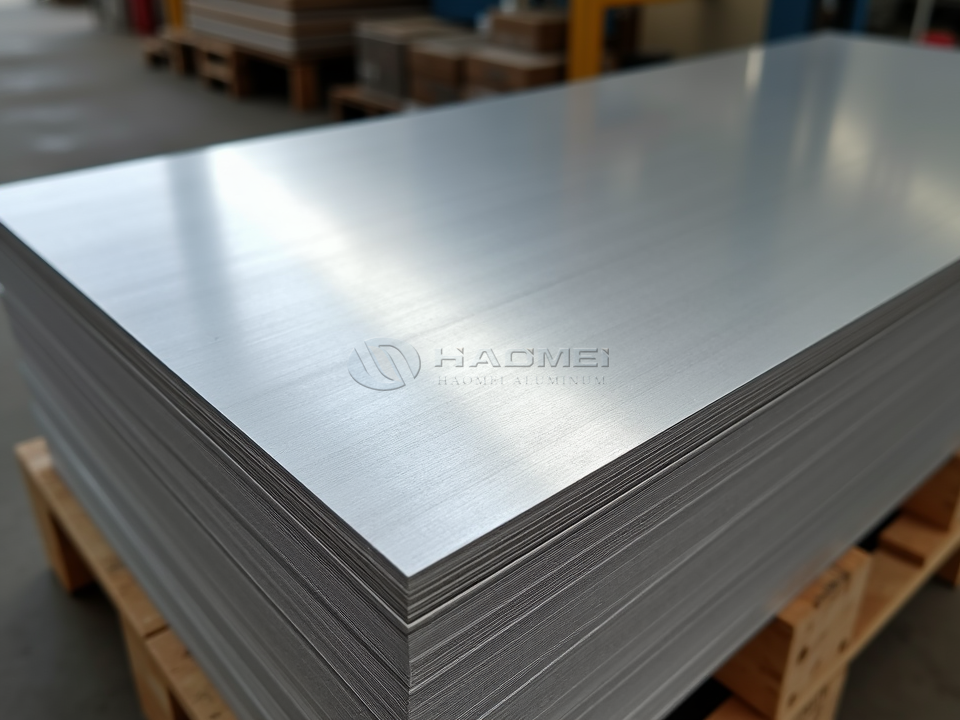
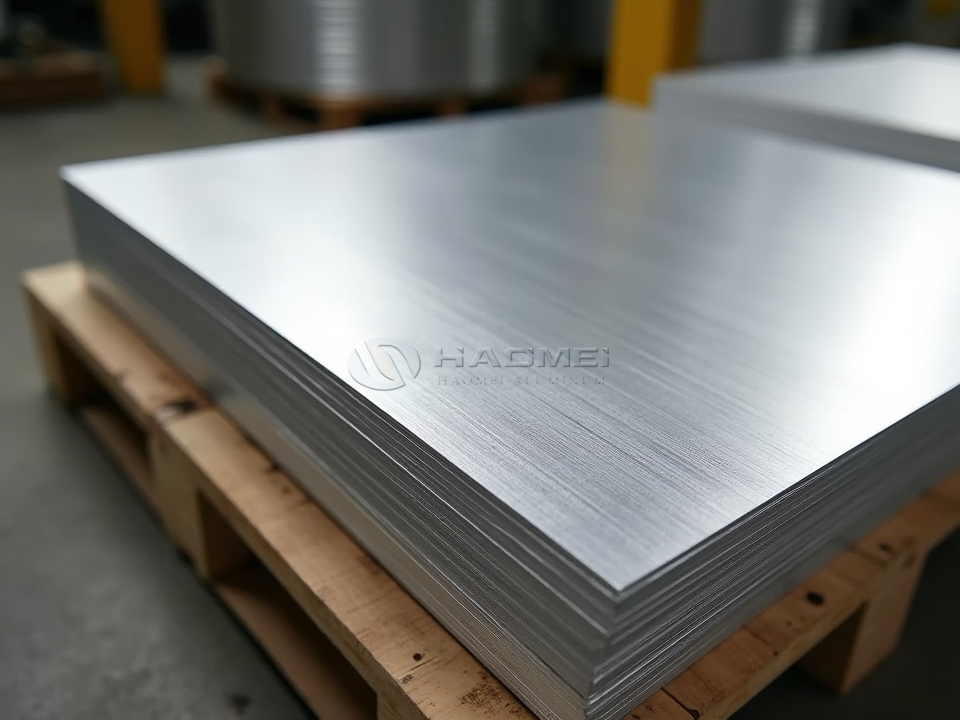
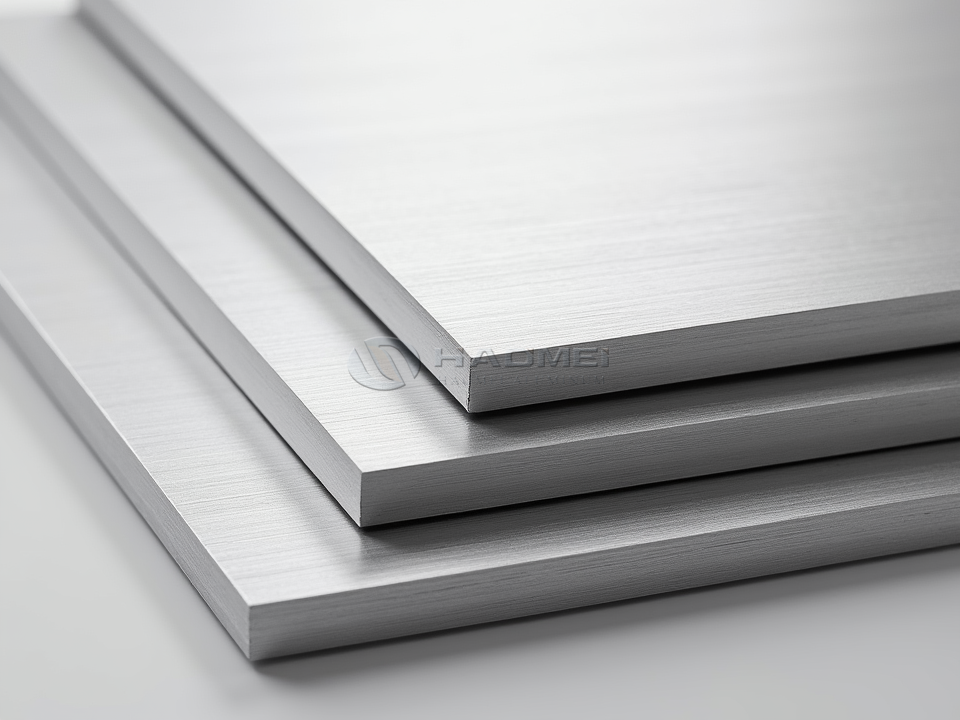
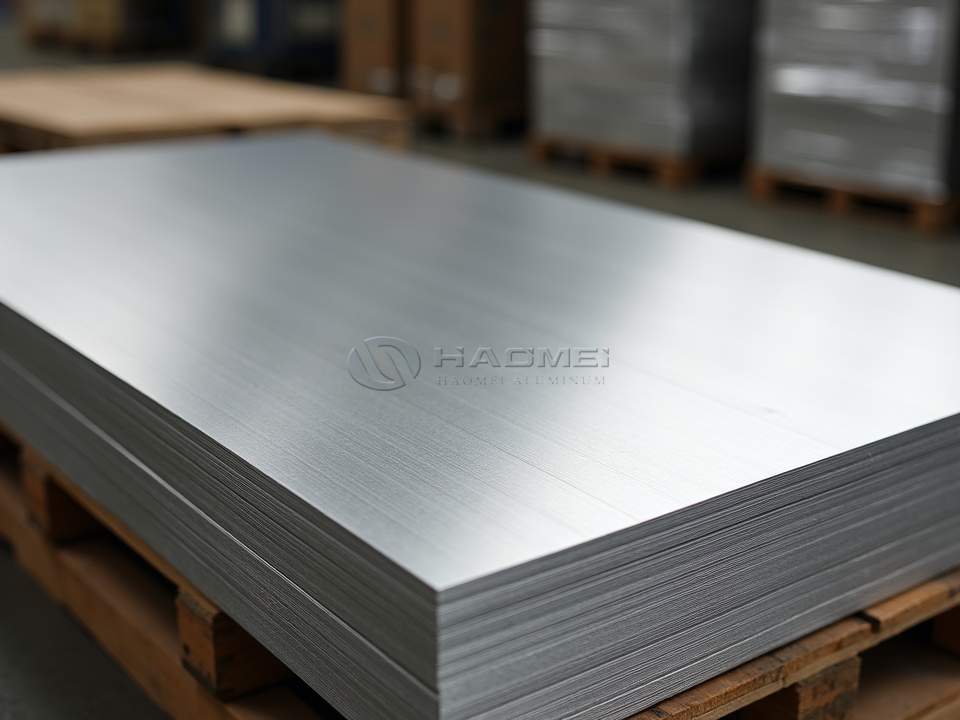
Short Cross Brushed Aluminum Sheet
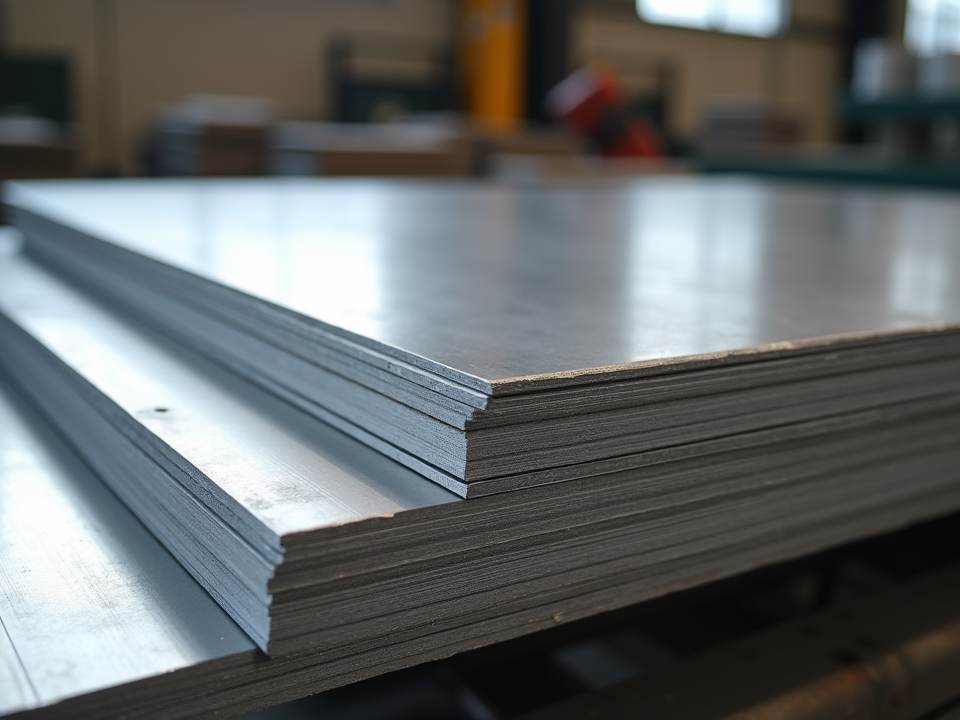
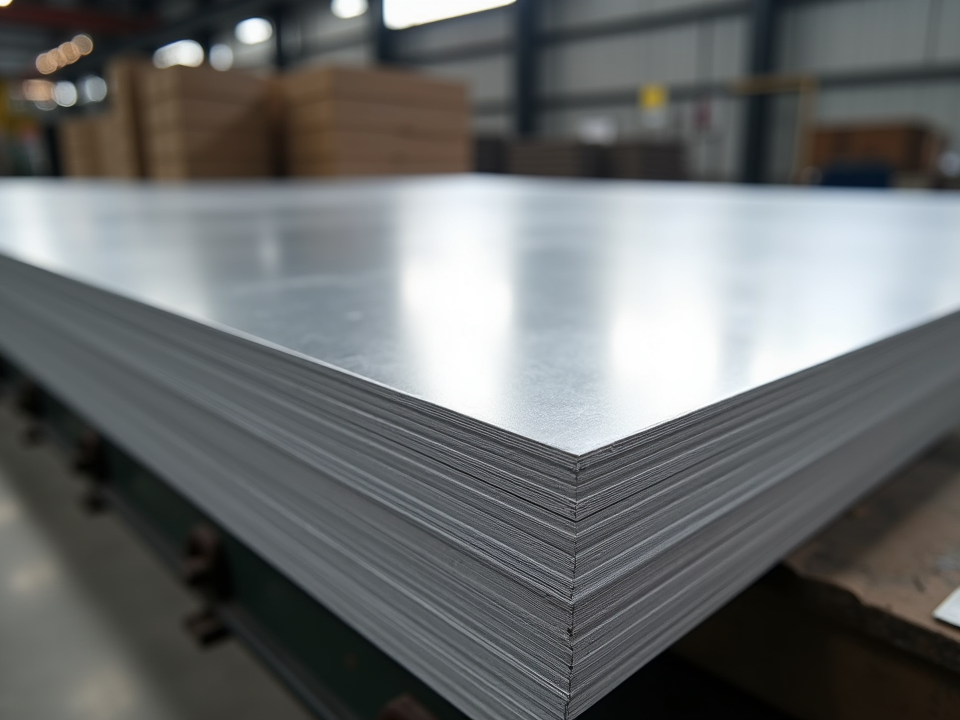
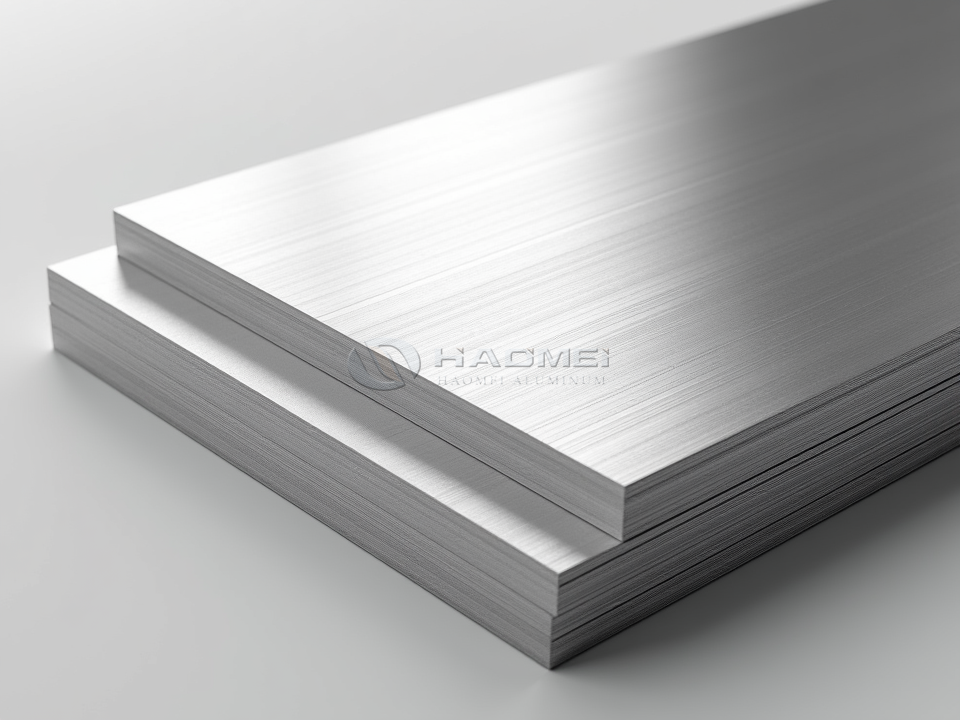
Short cross brushed aluminum sheet is a decorative metal material featuring compact, intersecting brush marks across the surface. Unlike long straight hairline finishes, the short cross pattern creates a soft, textured visual effect that diffuses reflections and gives panels a modern, tactile character. It is widely selected for architectural cladding, elevator interiors, appliance facings, furniture trim, display equipment, and premium interior decoration.
The surface is produced by controlled mechanical brushing with abrasive belts or non-woven wheels. Short directional strokes overlap in varied angles, forming an even cross-grain appearance. This finish helps conceal light handling marks while retaining the clean metallic appeal of aluminum.
Surface Character and Product Advantages
Short cross brushing combines decorative depth with the practical benefits of aluminum. The pattern is less linear than conventional hairline brushing, making it suitable for surfaces viewed from different directions. Its subtle grain can reduce glare from direct lighting and provides a more forgiving appearance in frequently touched environments.
| Feature | Performance Benefit |
|---|---|
| Short cross-grain texture | Produces a refined, non-directional visual effect |
| Matte metallic appearance | Reduces harsh reflections and visual glare |
| Lightweight substrate | Simplifies handling, installation, and transport |
| Good corrosion resistance | Supports indoor use and protected exterior applications |
| Formable material | Suitable for bending, folding, stamping, and panel fabrication |
| Consistent brushed face | Supports coordinated decorative assemblies |
| Optional anodizing or coating | Adds color, wear resistance, and surface protection |
| Recyclable aluminum base | Supports material recovery at end of service life |
The sheet can be supplied in natural silver, champagne, gold, black, bronze, or other custom colors. Clear anodizing preserves the metallic appearance while improving surface hardness and oxidation resistance. PVDF, polyester, and powder-coated versions are also available when color retention or project-specific appearance is required.
For applications requiring a directional metallic texture, a standard Brushed Aluminum Sheet may be suitable. Short cross brushing is preferred when a more scattered, decorative grain is desired.
Available Alloys and Tempers
Alloy selection affects formability, strength, corrosion behavior, and final appearance. Pure aluminum grades are commonly used for light decorative panels, while 3003 and 5052 alloys provide increased strength for fabricated components and more demanding environments.
| Alloy | Principal Character | Common Tempers | Typical Decorative Uses |
|---|---|---|---|
| 1060 | High aluminum content, excellent formability | O, H14, H18 | Signage, trim, light interior panels |
| 1100 | Soft, workable commercial-purity aluminum | O, H14, H24 | Lighting reflectors, decorative skins, nameplates |
| 3003 | Manganese-alloyed, moderate strength | H14, H24, H32 | Wall panels, appliance housings, cabinet surfaces |
| 5052 | Magnesium-alloyed, strong corrosion resistance | H32, H34 | Elevator panels, transport interiors, humid-area fittings |
Temper should be matched to the fabrication route. O temper offers the greatest bending freedom but is more prone to denting. H14 and H24 provide a balanced combination of stiffness and workability. H32 and H34 are often selected where panel rigidity and dent resistance are more important.
Chemical Composition
The values shown are typical maximum or specified ranges in percent by mass. Exact chemistry should be confirmed against the applicable standard, mill certificate, and purchase requirement.
| Alloy | Si | Fe | Cu | Mn | Mg | Zn | Ti | Al |
|---|---|---|---|---|---|---|---|---|
| 1060 | 0.25 max | 0.35 max | 0.05 max | 0.03 max | 0.03 max | 0.05 max | 0.03 max | 99.60 min |
| 1100 | Si + Fe 0.95 max | Included | 0.05-0.20 | 0.05 max | - | 0.10 max | - | 99.00 min |
| 3003 | 0.60 max | 0.70 max | 0.05-0.20 | 1.00-1.50 | - | 0.10 max | - | Balance |
| 5052 | 0.25 max | 0.40 max | 0.10 max | 0.10 max | 2.20-2.80 | 0.10 max | - | Balance |
Technical Specifications
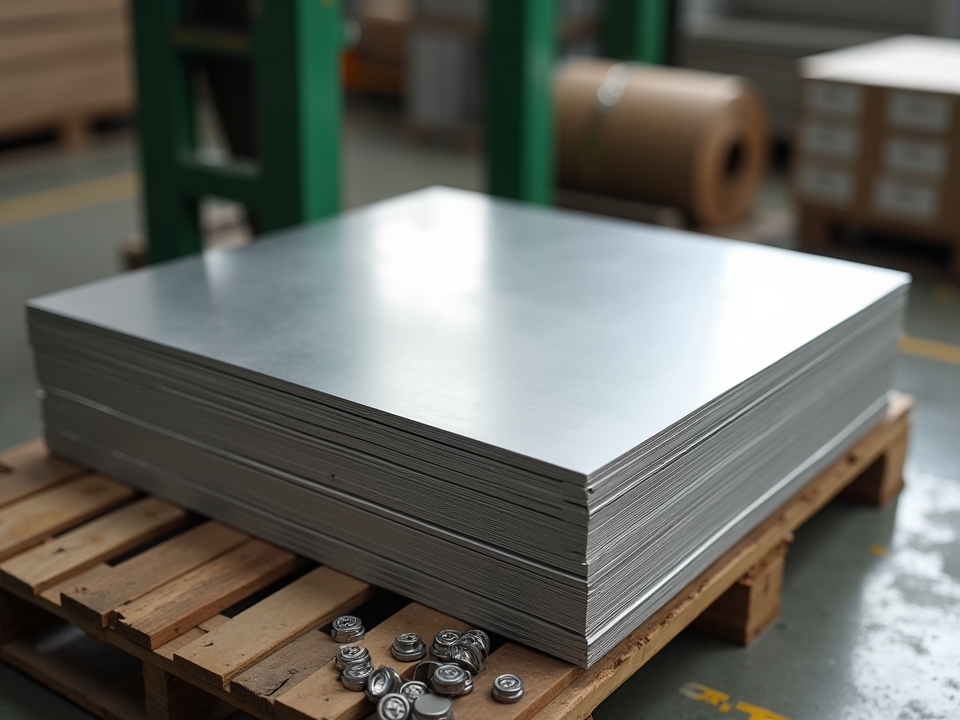
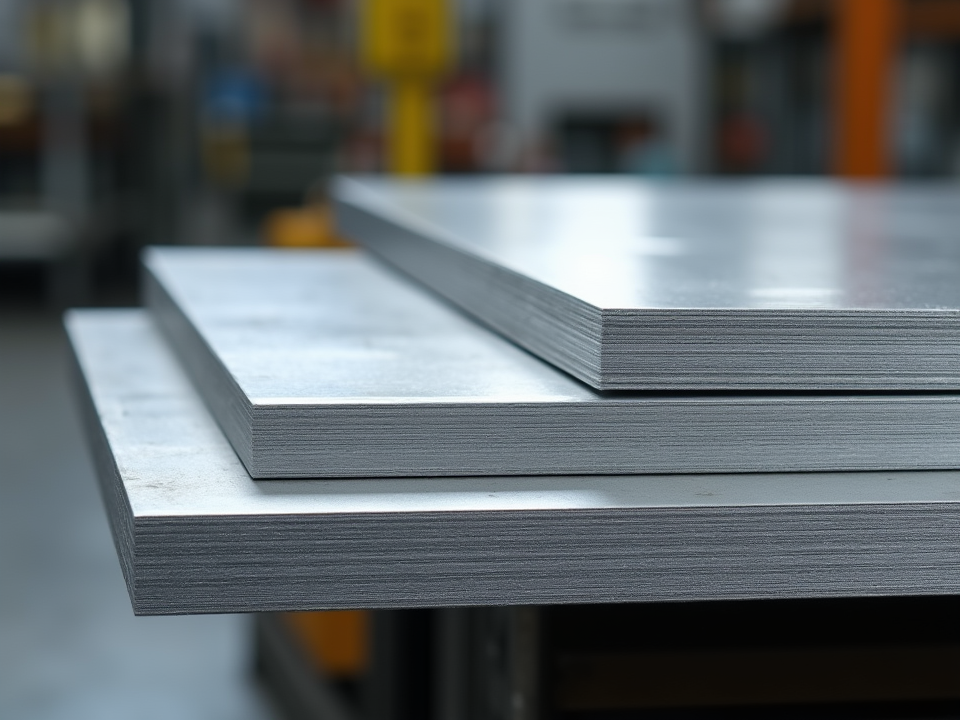
Short cross brushed aluminum sheet may be produced in coils, cut sheets, slit strips, and fabricated blanks. Custom widths, lengths, thicknesses, and protective-film options can be arranged according to processing needs.
| Parameter | Standard Offering | Custom Capability |
|---|---|---|
| Thickness | 0.30-3.00 mm | Up to 6.00 mm subject to alloy and finish |
| Width | 500-1,500 mm | Up to 2,000 mm subject to equipment capacity |
| Sheet length | 1,000-6,000 mm | Cut to project requirement |
| Coil inner diameter | 405 mm or 505 mm | Other sizes by agreement |
| Coil weight | 1-5 metric tons | According to loading and handling limits |
| Surface finish | Short cross brushed, satin | Fine, medium, coarse, or sample-matched grain |
| Protective film | PE, laser PVC, PVC | Transparent, blue, black-and-white, low-tack |
| Surface treatment | Mill finish, anodized, painted | Clear, champagne, gold, black, bronze, custom color |
| Flatness | Suitable for decorative fabrication | Controlled tolerance available on request |
| Physical Property | Typical Value |
|---|---|
| Density | 2.70 g/cm³ |
| Melting range | Approximately 600-660°C, depending on alloy |
| Thermal conductivity | Approximately 120-235 W/m·K, depending on alloy |
| Electrical conductivity | Approximately 35-62% IACS, depending on alloy |
| Elastic modulus | Approximately 69 GPa |
| Thermal expansion coefficient | Approximately 23.0 × 10⁻⁶ /°C |
Fabrication and Handling Guidance
The brushed face should remain protected during cutting, bending, punching, routing, and installation. A protective film minimizes scratches, but it should be removed promptly after installation to avoid adhesive residue, particularly in hot or sunlit conditions.
When bending short cross brushed aluminum sheet, use clean tooling and appropriate bend radii for the selected alloy and temper. Decorative surfaces should be oriented consistently across adjacent panels. Although the texture is less directional than hairline brushing, matching the brushing density and panel orientation improves the visual continuity of larger installations.
For adhesive bonding, clean the reverse side with a compatible solvent or alkaline cleaner. For mechanical fastening, use washers, gaskets, or concealed fixing methods where the finished face must remain uninterrupted. Avoid direct contact with copper, untreated steel, or strongly alkaline materials in wet conditions to reduce galvanic or chemical staining risks.
Applications
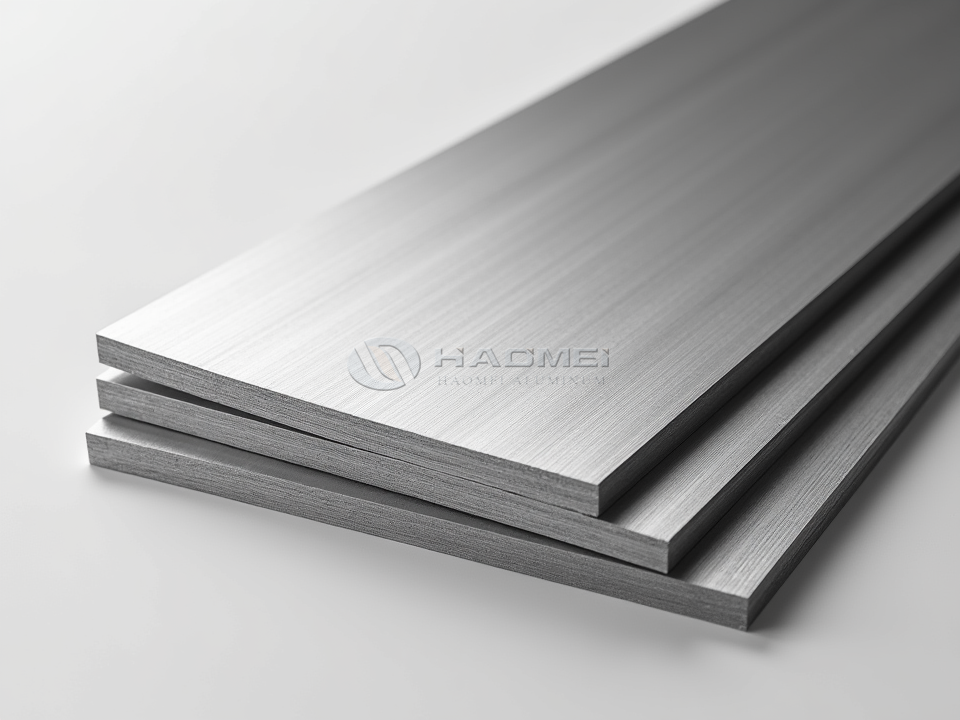
The finish offers a balanced combination of modern aesthetics, durability, and fabrication flexibility. It is especially effective where a smooth mirror finish would show fingerprints too easily or create excessive glare.
| Application Area | Typical Use |
|---|---|
| Elevators and escalators | Cabin walls, doors, control surrounds, ceiling panels |
| Interior architecture | Wall cladding, columns, partitions, reception features |
| Retail and hospitality | Display fixtures, counters, menu boards, decorative trims |
| Kitchen and furniture | Cabinet faces, appliance trims, table bases, shelving |
| Transportation | Rail interiors, bus fittings, marine cabin panels |
| Electronics and equipment | Enclosures, control panels, instrument covers |
| Signage | Brand panels, directory boards, wayfinding elements |
| Building components | Door skins, ceiling tiles, protective wall panels |
Quality Considerations
Decorative aluminum should be evaluated under consistent lighting and viewing conditions. Surface acceptance normally considers brush uniformity, color consistency, freedom from deep scratches, film adhesion, dimensional tolerance, and edge quality. Minor visual variation can occur between production batches because brushing is a mechanical process; retaining material from the same batch is advisable for continuous visible installations.
Short cross brushed aluminum sheet delivers a sophisticated metallic finish with practical resistance to everyday handling. With the appropriate alloy, temper, surface protection, and fabrication method, it provides durable decorative performance for commercial, residential, transportation, and industrial panel applications.