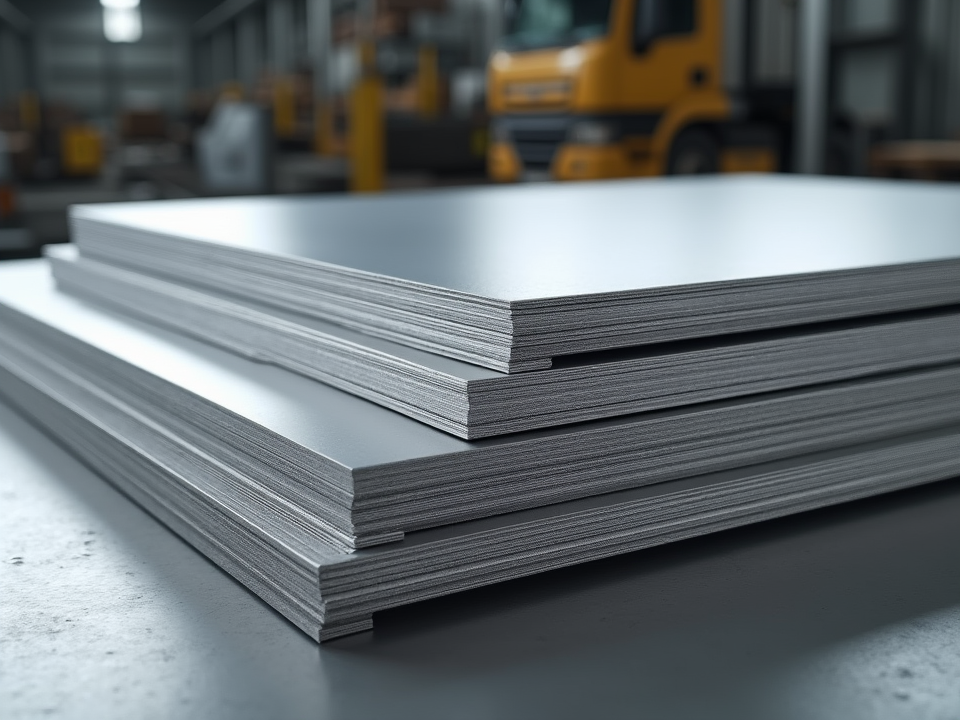
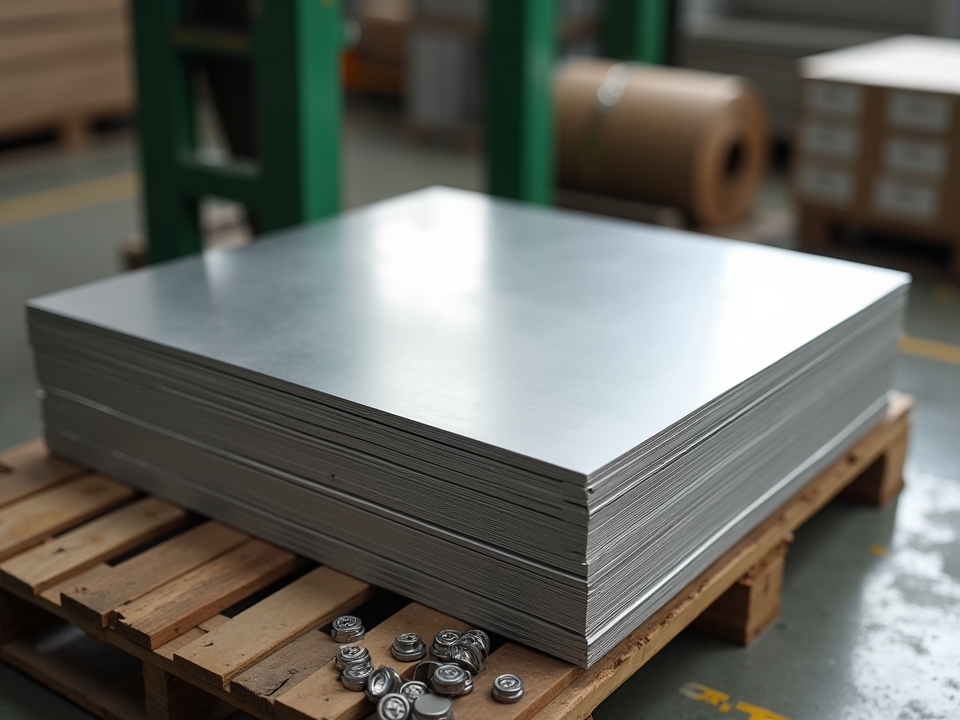
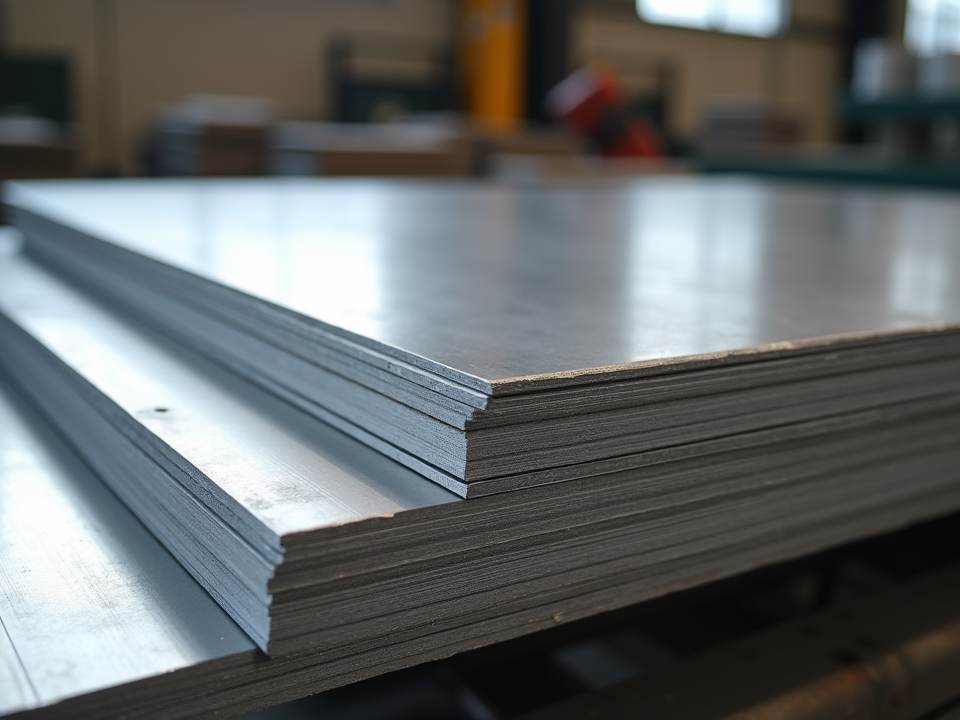
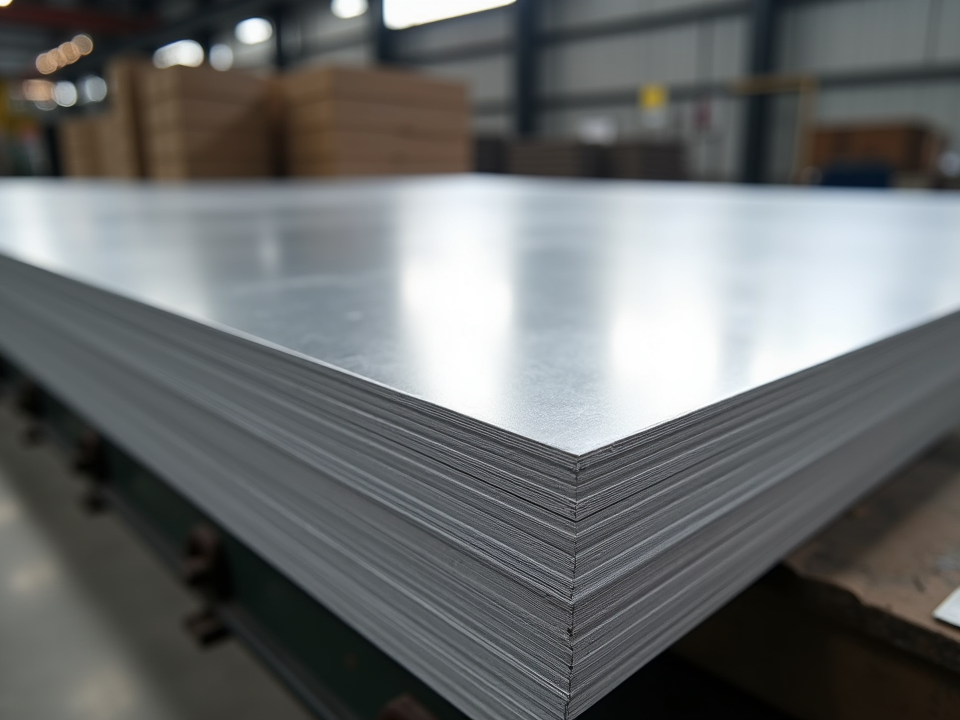
Brushed Aluminum Sheet for Appliances
An appliance front panel is not simply a metal cover. It is the surface people see first in the morning, touch while cooking, and clean repeatedly over years of use. Refrigerators, ovens, dishwashers, range hoods, coffee machines, and control panels all face the same challenge: they must look refined without becoming difficult to live with.
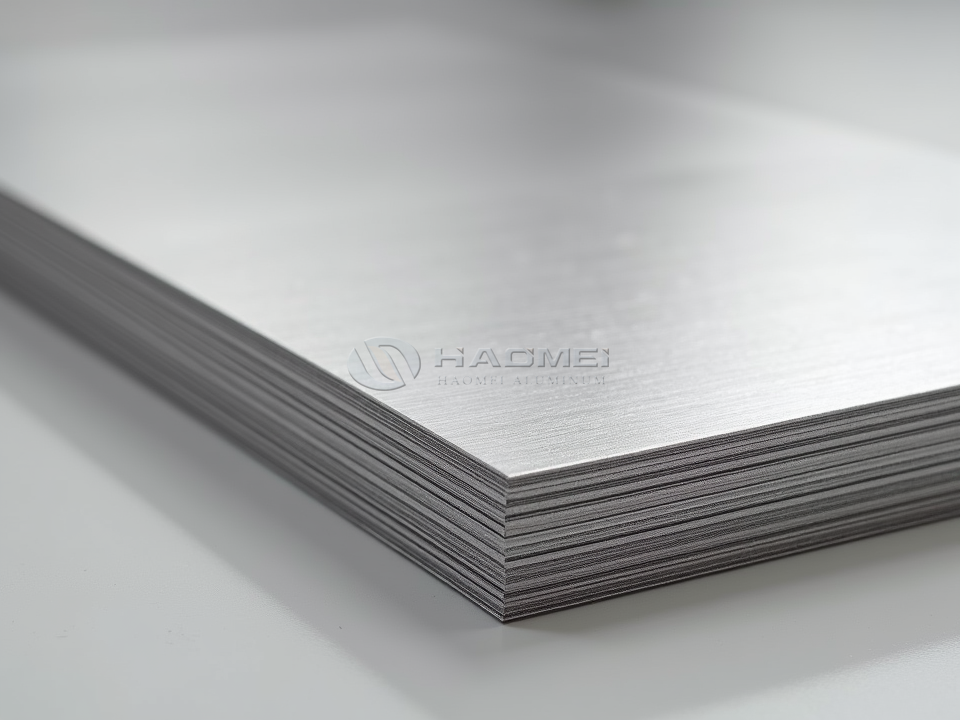
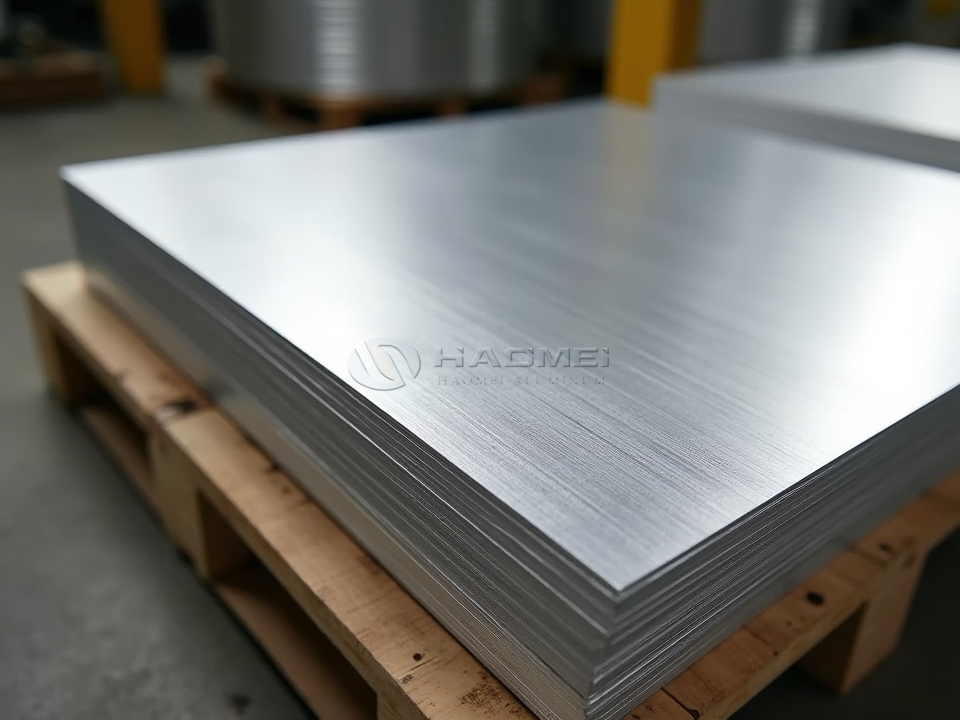
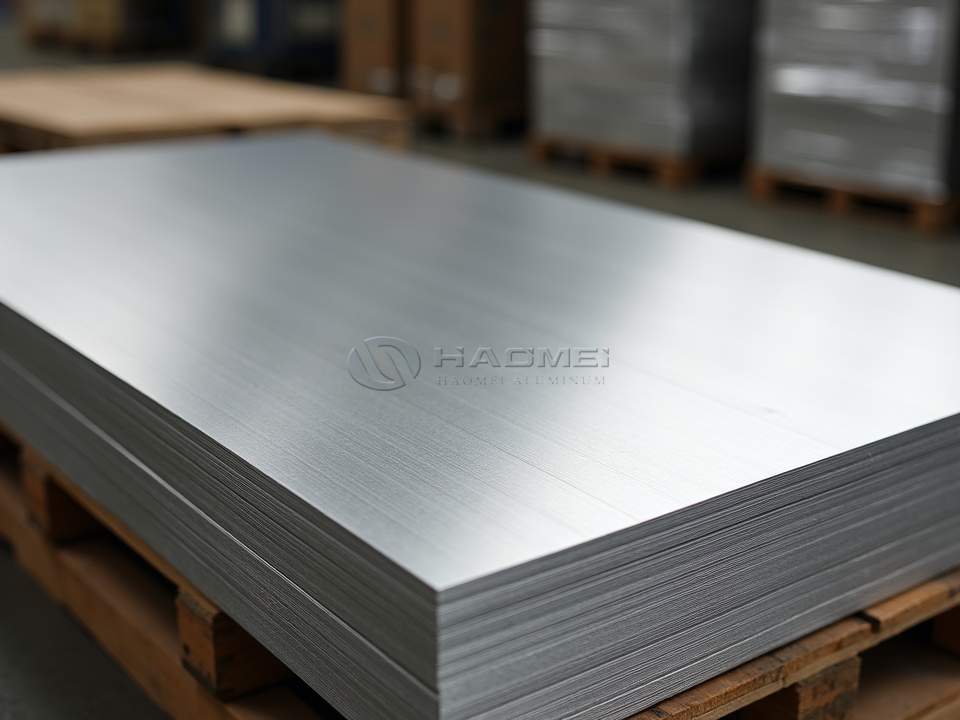
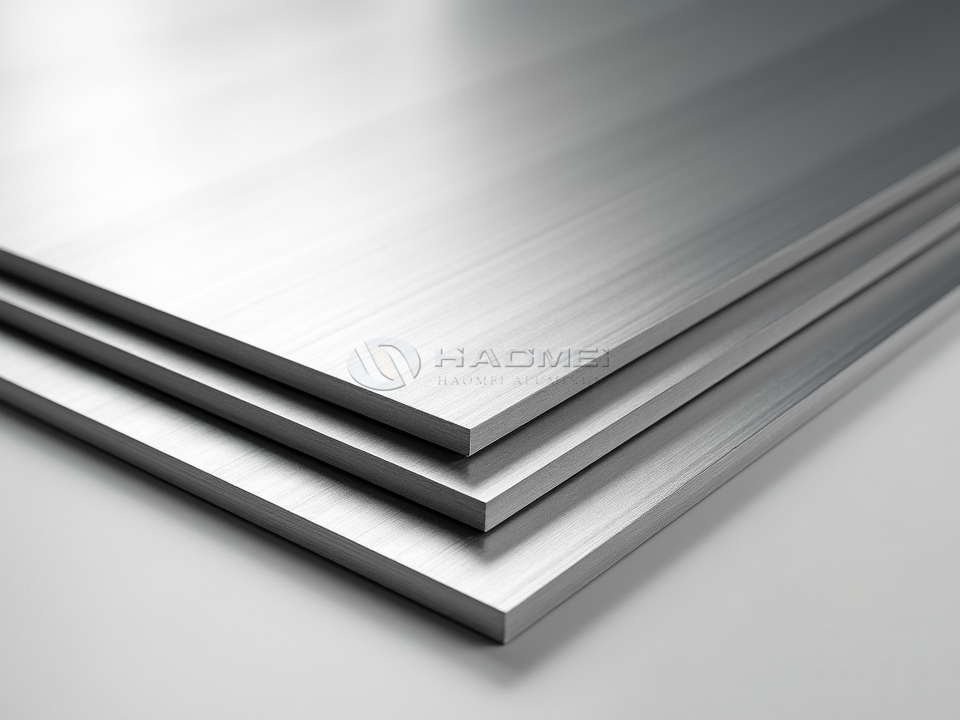
That is where brushed aluminum sheet for appliances earns its place. Its linear grain gives aluminum a controlled, architectural appearance while making daily marks less visually distracting than a bright mirror finish. More importantly, the material can be selected and processed to support stamping, bending, bonding, coating, and long-term service in a busy home environment.
The best way to choose it is not to begin with color alone. Start with the journey of a hand across the appliance surface.
A finish built around real contact
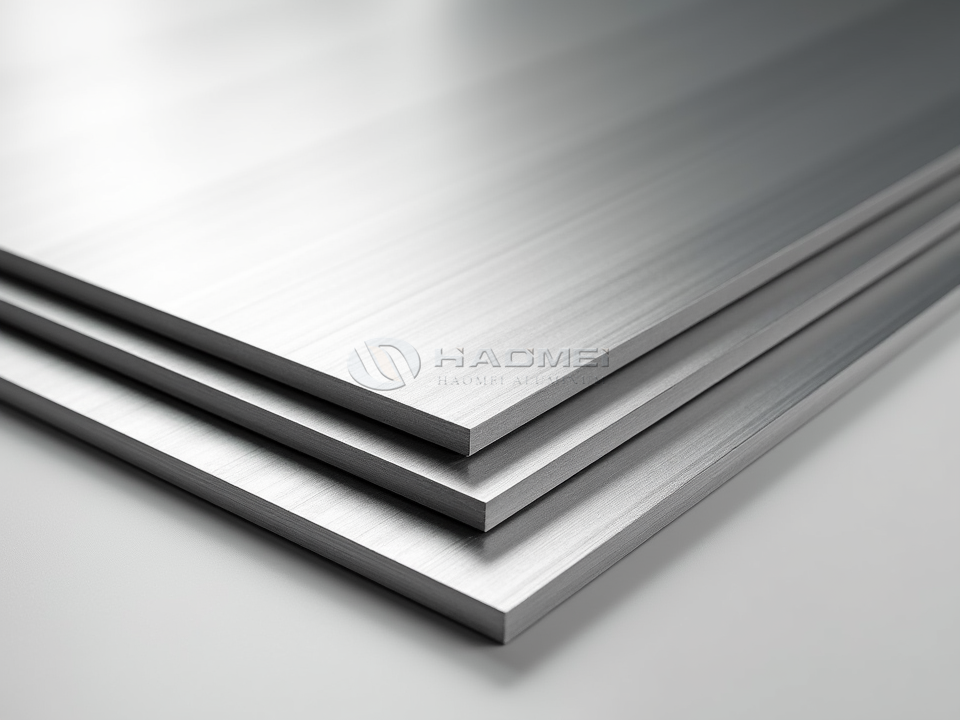
Appliance surfaces receive fingerprints, cooking vapor, detergent splashes, accidental knocks, and repeated wiping. A brushed finish changes how these everyday events are perceived. The fine directional lines scatter light rather than reflecting it sharply, so light smudges and tiny handling marks tend to blend into the grain more naturally.
This does not mean brushed aluminum is fingerprint-proof. Bare brushed aluminum can still show oils and can stain if aggressive chemicals are left on the surface. The practical advantage is visual tolerance. A shallow mark is less likely to appear as a glaring defect than it would on polished metal. For a refrigerator door or dishwasher fascia, that difference can strongly affect how customers judge product quality after months of use.
Grain direction matters more than many buyers expect. Vertical brushing can make a tall refrigerator look slimmer and cleaner. Horizontal brushing may visually widen an oven door or range hood. The grain should also follow the panel layout consistently. When separate panels meet at a seam, mismatched brushing directions are immediately noticeable under kitchen lighting.
The substrate decides whether the panel behaves well in production
The visible brush pattern is only the outer layer of the decision. Alloy, temper, thickness, flatness, and surface protection determine whether the sheet performs smoothly during fabrication.
For deeply formed or gently curved decorative parts, softer grades such as 1060 or 1100 can offer excellent workability. They are suitable when appearance and easy forming are the primary priorities. For appliance skins that need improved strength, dent resistance, and corrosion performance, 5052 is often a stronger choice. A 5052 Brushed Aluminum Sheet is particularly useful for panels exposed to humid kitchens, laundry rooms, or frequent handling.
Thickness should be matched to the panel structure rather than chosen by appearance alone. Thin sheet reduces material weight and cost, but it can oil-can, vibrate, or dent more easily on large unsupported areas. A thicker sheet improves rigidity and gives a more substantial feel, yet it may require adjusted press settings and larger bend radii. Appliance makers commonly use backing plates, foam insulation, frames, or adhesive bonding to support broad face panels. The finished assembly, not only the aluminum gauge, determines final stiffness.
Brushing is a visual specification, not just a texture
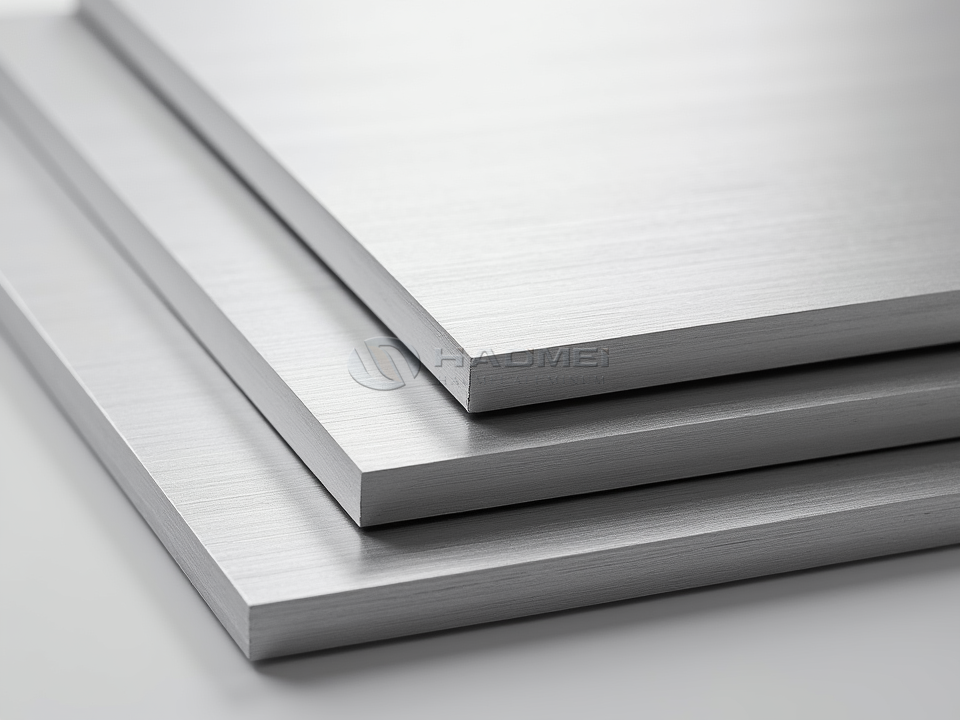
Hairline, satin, and coarser brushed patterns create different impressions. A very fine hairline finish supports contemporary premium appliances because it looks calm at close range and uniform from a distance. A broader grain can create a more industrial character, but it may reveal variation if coil direction, lighting, or fabrication marks are not carefully controlled.
When requesting material, it is wise to define the brushing direction, grain fineness, acceptable color range, protective film type, and viewing conditions. A sample judged under warehouse lighting may look different beneath warm kitchen LEDs or cool retail illumination. Large panels should be evaluated at realistic viewing distance, not only at a laboratory table.
For silver-toned appliance fronts, a Silver Brushed Aluminum Sheet provides the familiar clean-metal character many consumers associate with durable kitchen equipment. It can work especially well with black glass displays, dark handles, and stainless-look surrounding fixtures.
Protection has to survive the factory, not only the showroom
An appliance panel can look excellent when it leaves the slitting line and still fail visually after stamping, folding, transport, and assembly. This is why temporary protective film is part of the material specification. The film must protect against scratches and light abrasion, yet release cleanly without adhesive residue after processing.
Film adhesion should match the manufacturing route. Too little adhesion can allow the film to lift during bending or handling. Too much adhesion can make removal slow and may leave marks, especially after prolonged storage under heat. Buyers should also confirm the recommended storage period and temperature range. Protective film is not intended to remain on a panel indefinitely.
For demanding appliance environments, anodizing or a clear protective coating may be considered. Anodized brushed aluminum provides a harder, more corrosion-resistant surface while retaining the directional metal appearance. It is a practical option for control trims, handles, vent panels, and premium exterior components. However, anodized surfaces need careful batch control because slight shade differences can become visible when panels are assembled side by side.
Designing for cleaning avoids future complaints
A beautiful surface can become a source of complaints if its care requirements are unrealistic. Brushed aluminum appliance panels should generally be cleaned with a soft cloth, mild soap, and clean water, followed by drying in the direction of the grain. Abrasive pads, strongly alkaline cleaners, chlorine-containing products, and harsh solvents can damage the finish or leave permanent discoloration.
Panel design can make cleaning easier. Avoid sharp exposed edges where grease can collect. Keep decorative seams aligned with natural cleaning paths. Where possible, place labels and printed markings on protected or coated zones so repeated wiping does not wear away the decoration. For control panels, consider whether the brushed grain competes with icons, display windows, or touch controls. The finish should frame the interface rather than make it harder to read.
Consistency is the premium detail customers notice without naming
Consumers may not ask which alloy is used or how the brushing belt was set, but they notice when one door looks darker than another, when a grain line changes direction near a handle, or when a panel feels thin and easily dented. The most successful brushed aluminum appliance programs manage those details before mass production.
Material should be ordered with clear requirements for alloy, temper, thickness tolerance, width, brush direction, surface finish, coating or anodizing, protective film, and inspection standard. For projects using several parts on one appliance, it is sensible to purchase from the same controlled production lot whenever appearance matching is important.
Brushed aluminum sheet gives appliances more than a metallic look. It creates a surface that can age gracefully, guide the eye across a product, and make frequent everyday contact feel intentional. When the material is selected from the perspective of touch, cleaning, fabrication, and visual continuity, it becomes a dependable part of the appliance experience rather than merely a decorative skin.