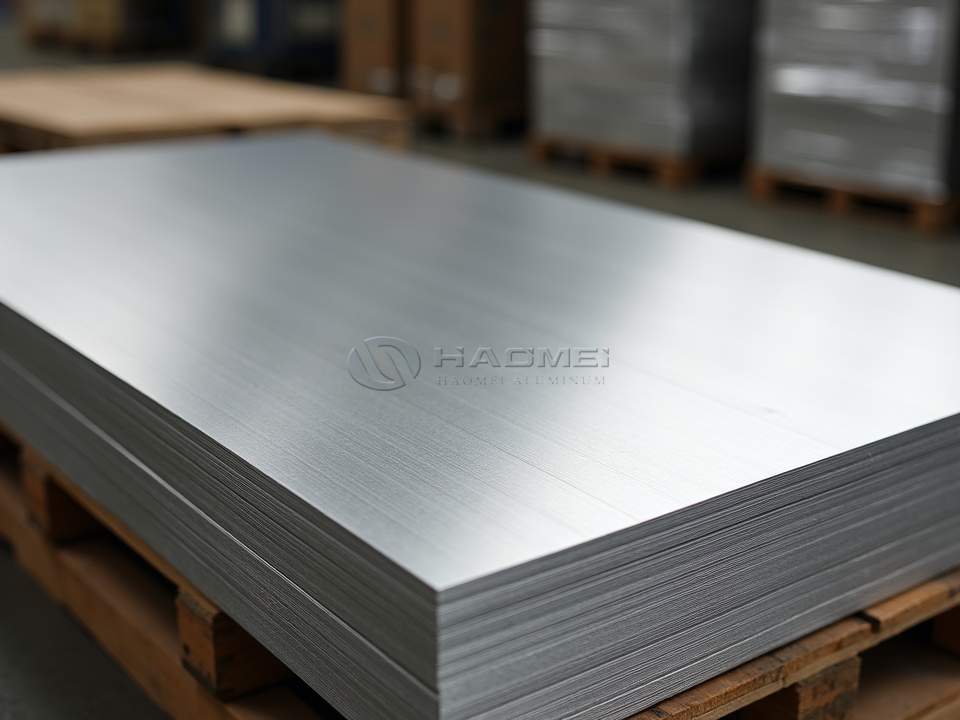
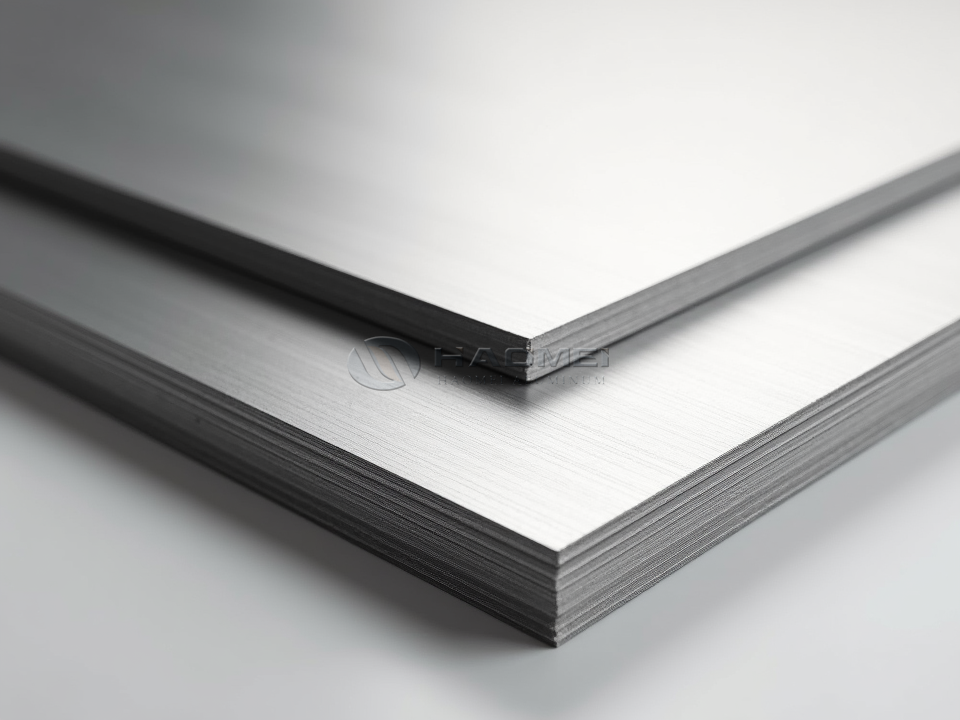
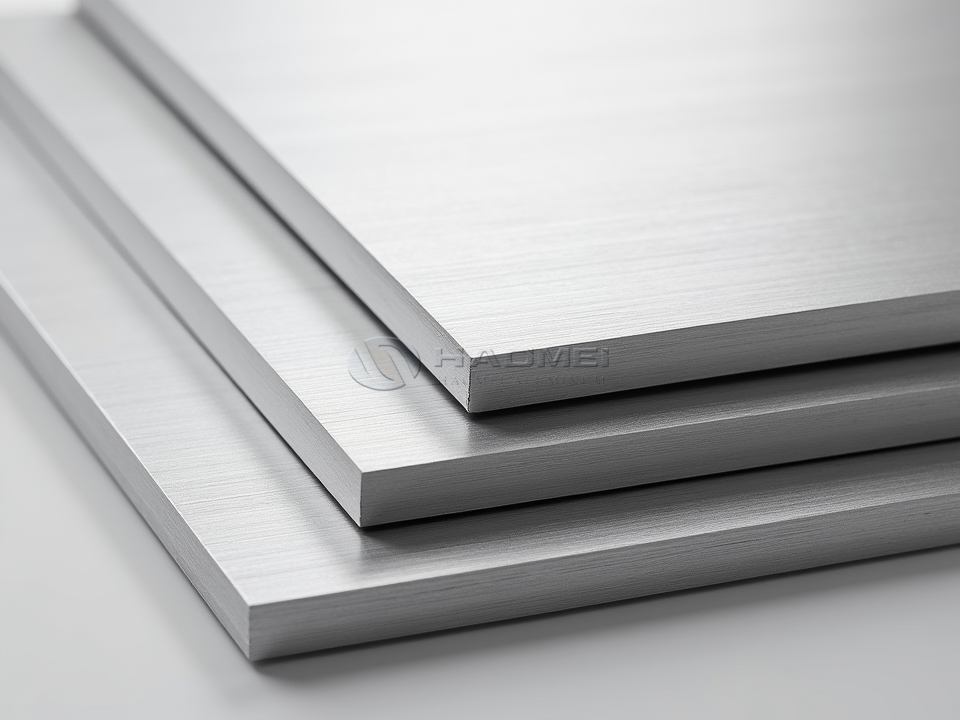
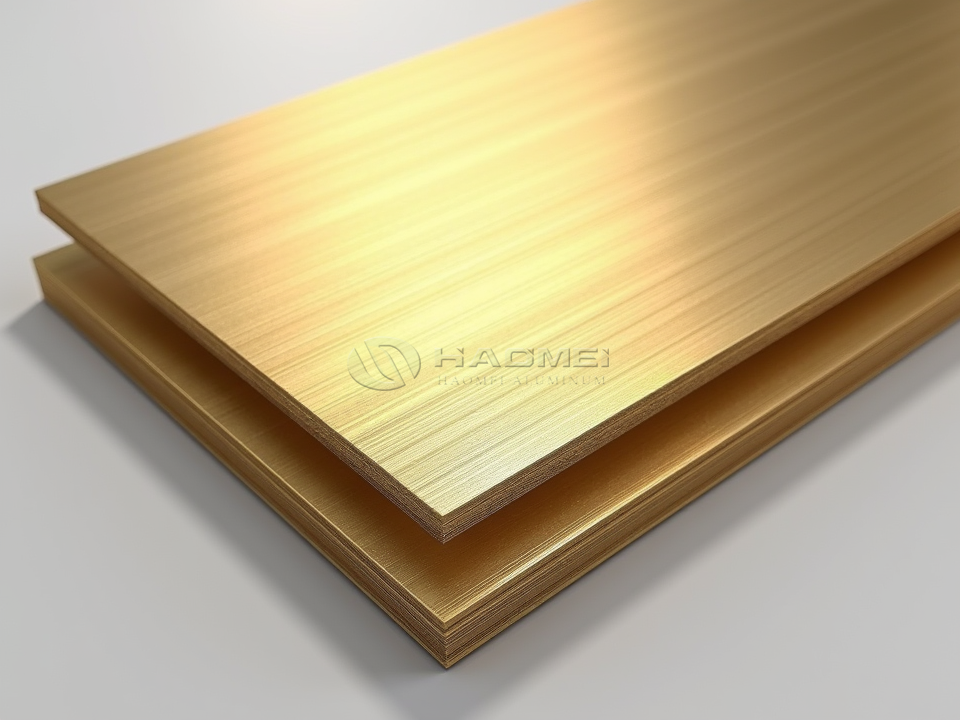
Anti-Fingerprint Brushed Aluminum
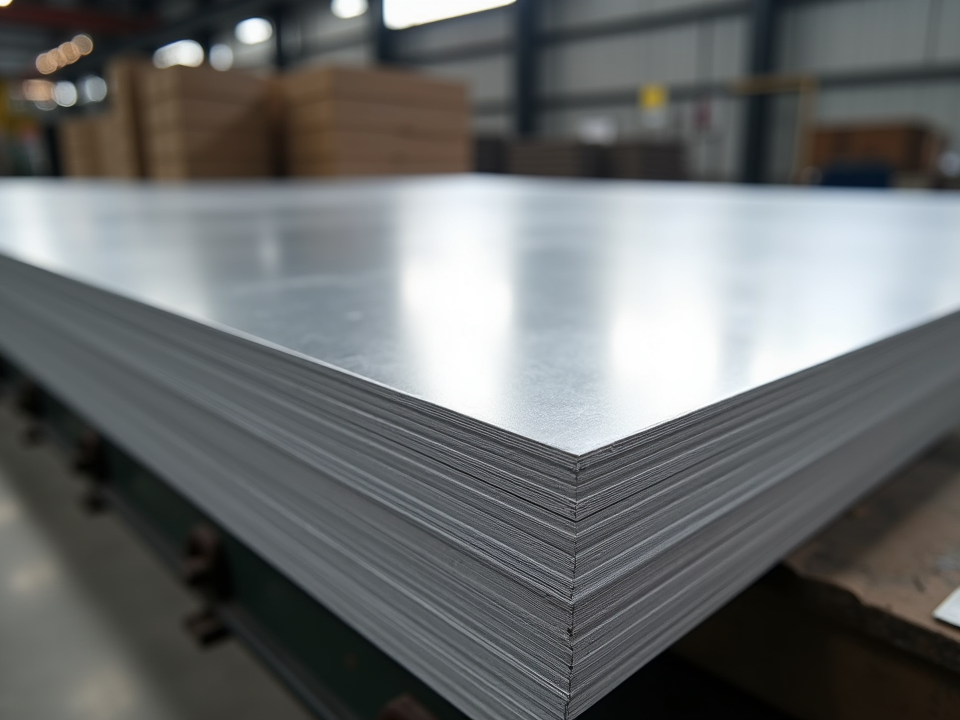
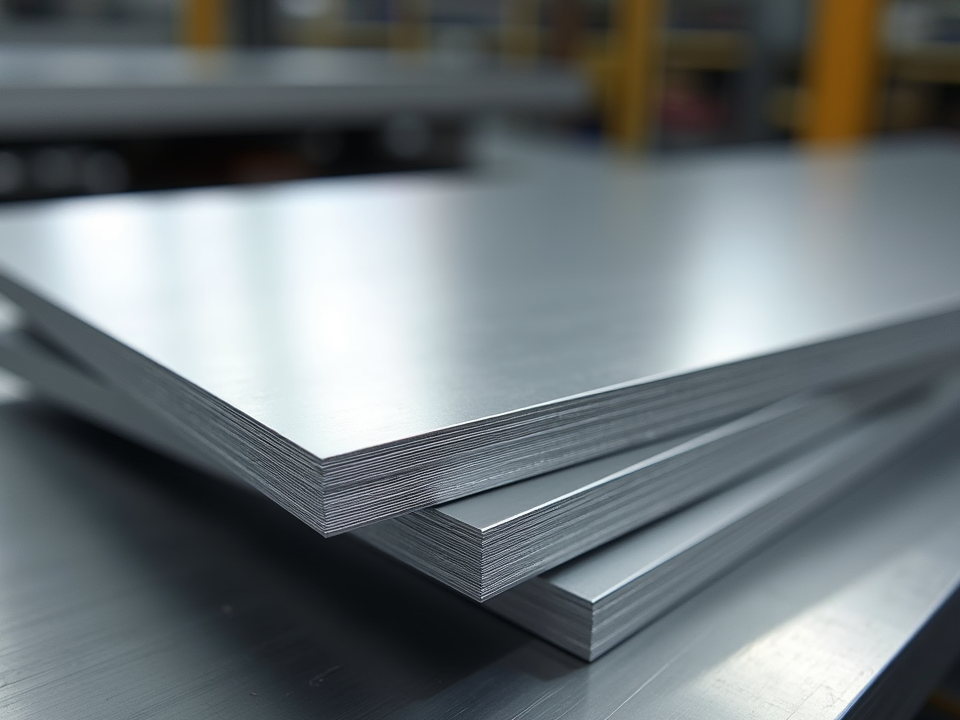
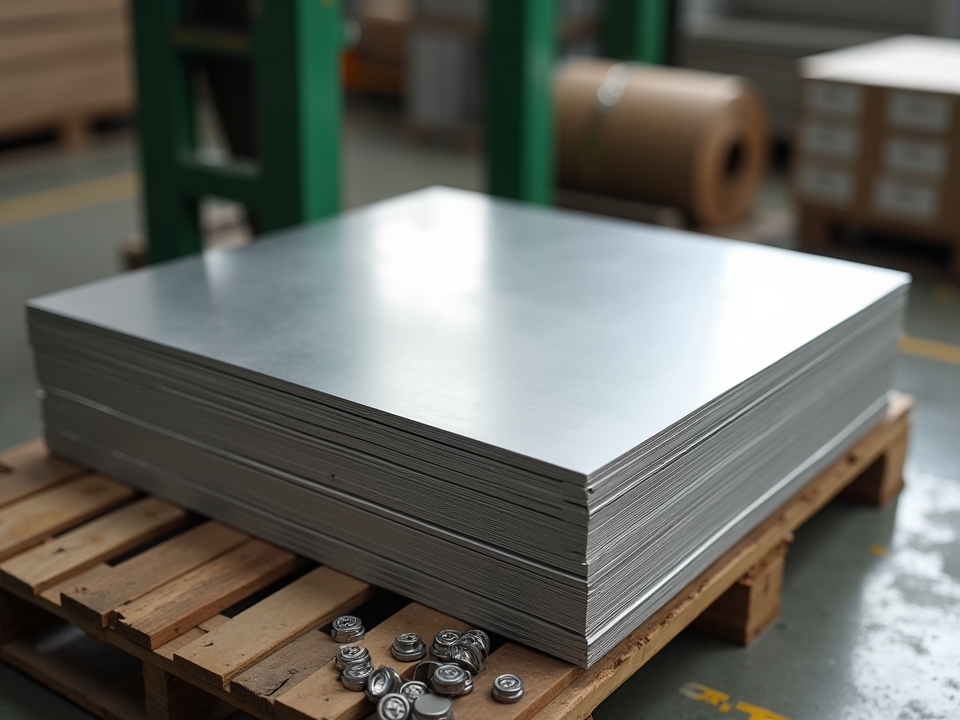
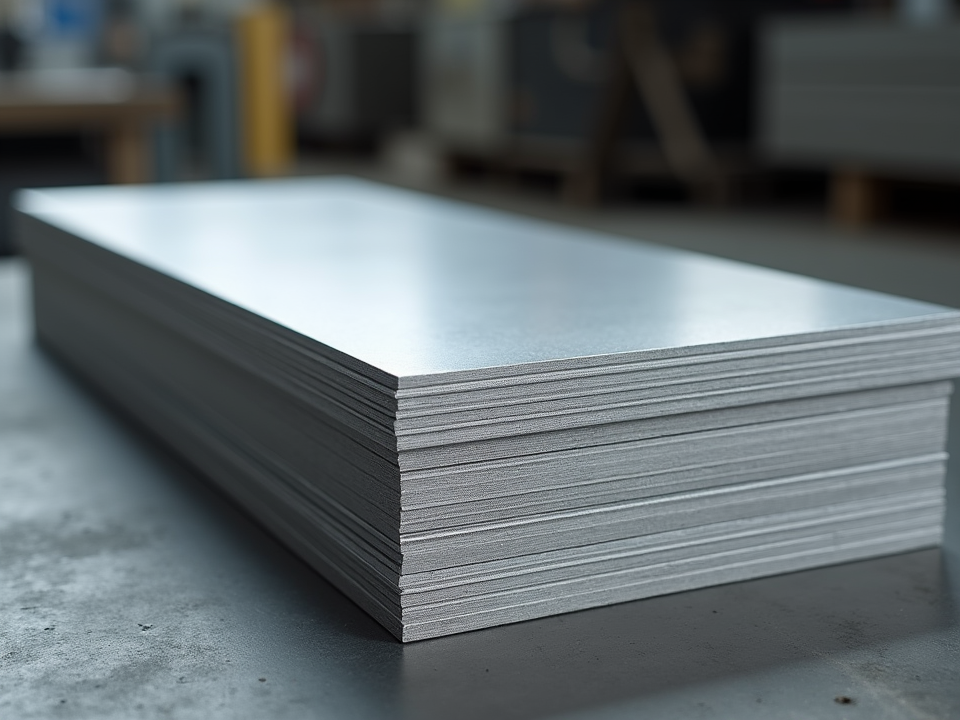
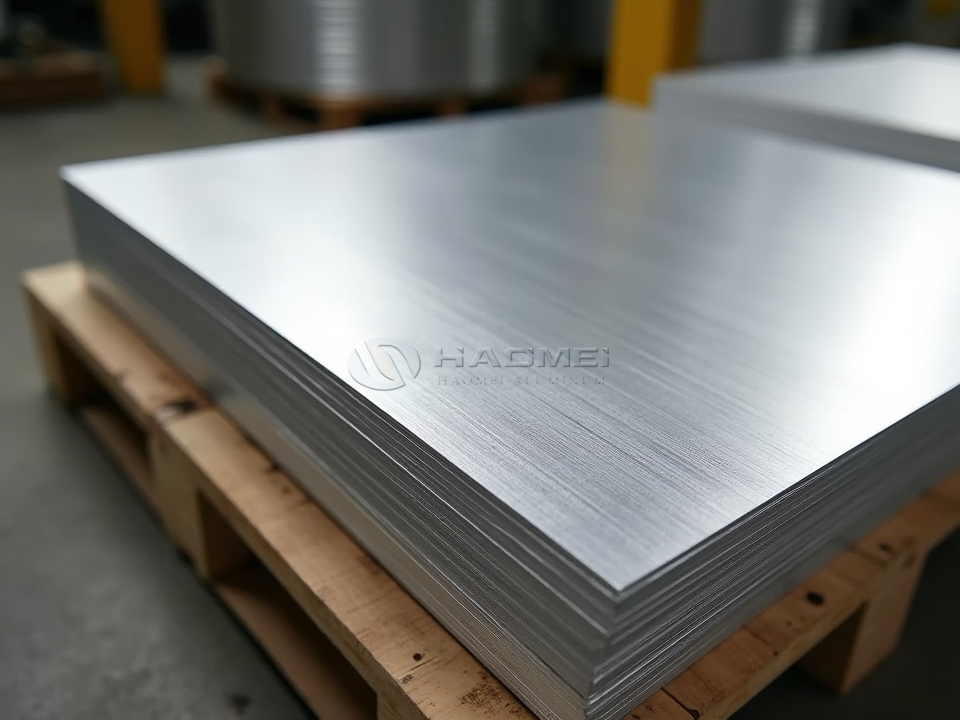
Anti-fingerprint brushed aluminum combines the refined linear texture of hairline metal with a protective surface treatment engineered to reduce visible hand marks, oil smudges, and everyday staining. It delivers a clean metallic appearance in high-touch spaces where ordinary brushed aluminum can quickly show fingerprints.
The material is commonly produced from aluminum sheet or coil, mechanically brushed to create a consistent directional grain, then treated by anodizing, coloring, or coating. A transparent anti-smudge layer is applied as the final surface system. This layer lowers surface energy, making oils and moisture less likely to adhere strongly and easier to remove during routine cleaning.
Surface Character and Product Benefits
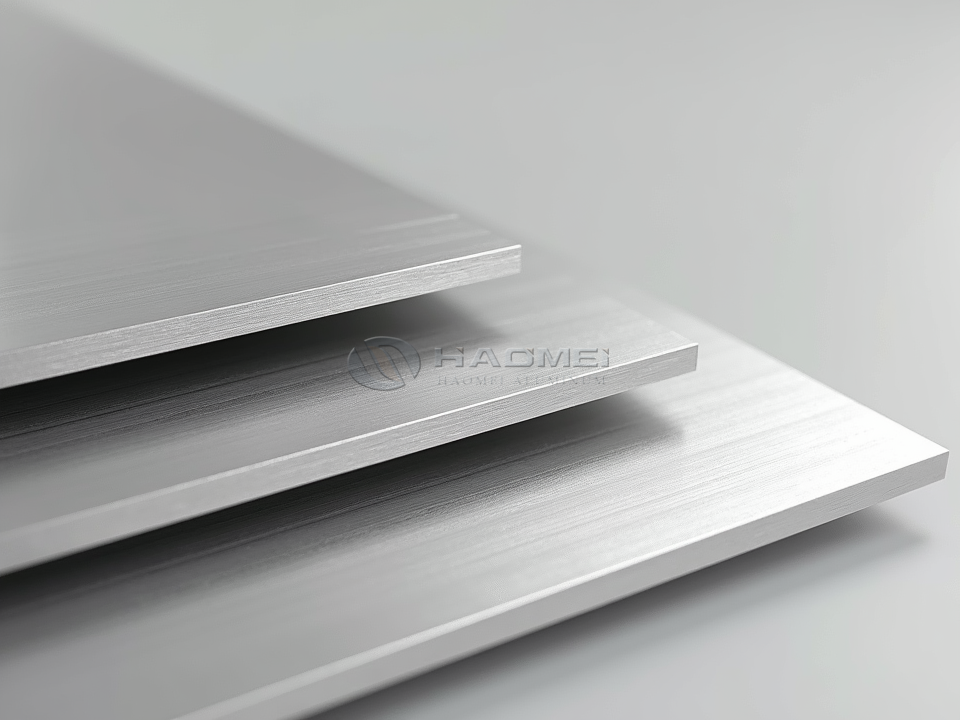
The brushed pattern softens reflected light and gives aluminum a modern, architectural character. Compared with mirror-polished sheet, it disguises minor handling marks more effectively. The anti-fingerprint finish adds another practical layer of protection, preserving a more uniform visual appearance after frequent contact.
| Property | Customer Value |
|---|---|
| Directional brushed grain | Creates a refined satin-metal appearance with controlled light reflection |
| Anti-fingerprint top layer | Reduces visible oil marks, handprints, and water spotting |
| Aluminum substrate | Offers low weight, good formability, and strong corrosion performance |
| Optional anodized or colored finish | Supports silver, champagne, gold, black, and custom decorative tones |
| Easy-care surface | Often cleans with a soft cloth, water, and a neutral detergent |
| Recyclable metal base | Supports material recovery at the end of product life |
Anti-fingerprint brushed aluminum is not intended to be completely mark-proof. Instead, it substantially reduces the contrast and persistence of fingerprints compared with untreated metal. Actual results depend on coating chemistry, color, gloss level, texture depth, lighting conditions, and the type of contamination.
Material Construction
A well-controlled production route is important because surface consistency depends on every stage, from the aluminum base metal to the final protective film. The sheet is typically degreased, brushed with abrasive belts or rollers, cleaned, chemically pretreated, and then anodized or coated. The anti-fingerprint layer is cured to form a thin, transparent protective barrier without masking the metallic grain.
| Layer | Typical Function | Typical Characteristics |
|---|---|---|
| Aluminum substrate | Provides structure and formability | 1050, 1060, 1100, 3003, or 5052 alloy |
| Pretreatment | Improves coating adhesion and corrosion resistance | Chemical conversion treatment or equivalent system |
| Brushed texture | Produces a directional satin appearance | Hairline, fine brush, medium brush, or customized grain |
| Decorative layer | Adds color or enhanced oxide protection | Natural anodized, colored anodized, PVDF, polyester, or other coating systems |
| Anti-fingerprint layer | Reduces smudging and facilitates cleaning | Clear low-surface-energy protective topcoat |
For applications requiring higher strength, moisture resistance, or better corrosion durability, 5052 Brushed Aluminum Sheet is often a suitable substrate choice. For interior trims, signage, appliance parts, and low-load decorative panels, 1060 or 1100 aluminum may provide an economical and highly formable solution.
Technical Specifications
The following values represent common commercial supply ranges. Final specifications should be agreed according to alloy, temper, width, finish system, and fabrication method.
| Item | Typical Range or Option |
|---|---|
| Base alloys | 1050, 1060, 1100, 3003, 5052 |
| Temper | O, H14, H16, H18, H24, H32 |
| Thickness | 0.30-3.00 mm for decorative sheet; heavier gauges available on request |
| Standard width | 1,000 mm, 1,220 mm, 1,250 mm, 1,500 mm |
| Standard length | 2,000 mm, 2,440 mm, 3,000 mm, or cut-to-length |
| Brushed direction | Longitudinal, transverse, or customized |
| Surface colors | Silver, black, gold, champagne, bronze, and custom colors |
| Finish options | Anodized, coated, painted, or laminated protective systems |
| Protective film | PE film, laser film, or customized masking film |
| Flatness tolerance | Subject to thickness, width, and agreed supply standard |
| Form | Sheet, coil, slit coil, or fabricated panel blank |
Chemical Composition
The alloy selection determines corrosion resistance, strength, forming behavior, and final appearance after brushing or anodizing. The table shows typical maximum or nominal composition limits in percent by mass. Values may vary according to the applicable ASTM, EN, JIS, or customer standard.
| Alloy | Si | Fe | Cu | Mn | Mg | Zn | Ti | Al |
|---|---|---|---|---|---|---|---|---|
| 1060 | 0.25 max | 0.35 max | 0.05 max | 0.03 max | 0.03 max | 0.05 max | 0.03 max | 99.60 min |
| 1100 | Si + Fe 0.95 max | Included | 0.05-0.20 | 0.05 max | - | 0.10 max | - | 99.00 min |
| 3003 | 0.60 max | 0.70 max | 0.05-0.20 | 1.0-1.5 | - | 0.10 max | - | Balance |
| 5052 | 0.25 max | 0.40 max | 0.10 max | 0.10 max | 2.2-2.8 | 0.10 max | - | Balance |
Mechanical and Surface Performance
Mechanical figures are dependent on thickness and temper. The anti-fingerprint coating also requires evaluation after forming, cleaning, abrasion exposure, and environmental cycling when the material will be used in demanding projects.
| Performance Item | Typical Value or Evaluation Method |
|---|---|
| 1060-H14 tensile strength | Approximately 95-125 MPa |
| 3003-H14 tensile strength | Approximately 145-185 MPa |
| 5052-H32 tensile strength | Approximately 210-260 MPa |
| 5052-H32 yield strength | Approximately 160 MPa minimum, subject to standard |
| Elongation | Commonly 4-15%, depending on alloy and thickness |
| Density | Approximately 2.71 g/cm3 |
| Anti-fingerprint contact angle | Often 90 degrees or higher, depending on coating design |
| Pencil hardness | Commonly H to 3H, subject to finish system |
| Adhesion | Typically tested by cross-hatch method after curing |
| Corrosion resistance | Evaluated by neutral salt spray or humidity testing as agreed |
| Cleaning resistance | Tested using water, neutral cleaner, alcohol, or project-specific agents |
A higher contact angle generally means that water and oily residues spread less easily across the surface. This helps reduce visible marks, particularly on dark colors and smooth satin finishes. However, abrasive cleaners, strong alkalis, concentrated acids, and rough scouring pads can damage the protective layer and should be avoided.
Applications for High-Touch Decorative Surfaces
This material suits projects where metal is frequently touched, viewed at close range, or exposed to interior lighting that can magnify smudges. It brings a premium appearance without the constant maintenance associated with glossy metal finishes.
| Application Area | Typical Components |
|---|---|
| Elevators and public interiors | Door skins, control-panel surrounds, wall cladding, handrail trims |
| Consumer appliances | Refrigerator fronts, oven panels, range hoods, dishwasher facings |
| Retail and hospitality | Display fixtures, counters, signage, menu panels, decorative columns |
| Office and residential interiors | Cabinet fronts, partition trims, doors, ceiling details, furniture panels |
| Electronics and equipment | Control housings, instrument panels, machine covers, enclosure faces |
| Transportation interiors | Luggage panels, trim components, service cabinets, decorative fittings |
For a bright, neutral finish suitable for appliances and interior wall panels, Silver Brushed Aluminum Sheet provides a versatile visual foundation. Dark and gold-toned versions can create stronger contrast for retail displays, luxury interiors, and branded architectural details.
Fabrication and Handling Guidance
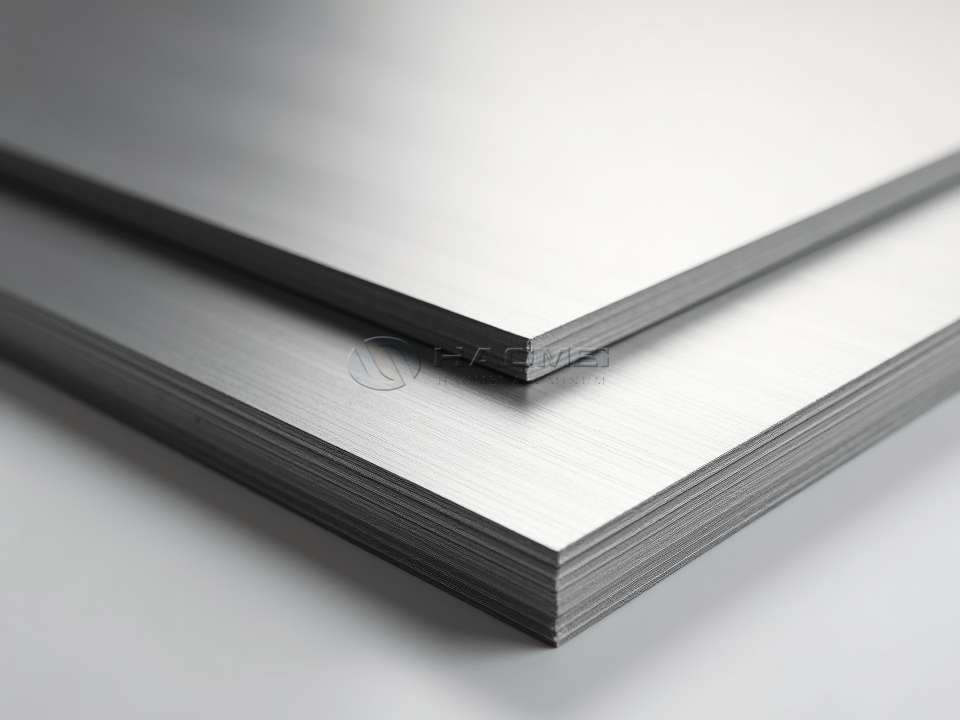
Anti-fingerprint brushed aluminum can be cut, bent, punched, routed, and bonded using methods appropriate for the alloy and thickness. During fabrication, the brush direction should be kept consistent across adjoining panels. This small detail has a major effect on visual continuity, especially on large walls, elevator doors, and appliance assemblies.
Maintain protective film until installation whenever possible. Use clean tooling, non-marking pads, and controlled bending radii to prevent scratches or coating stress. For deep drawing or severe forming, pre-production trials are recommended because coating flexibility varies by finish system.
Routine care is straightforward. Wipe the surface with a soft microfiber cloth and clean water or diluted neutral detergent. Rinse away cleaner residue and dry with a clean cloth. Avoid steel wool, powdered abrasives, aggressive solvents, and strongly alkaline cleaning products.
Why This Finish Adds Long-Term Value
Anti-fingerprint brushed aluminum pairs visual sophistication with practical maintenance advantages. It reduces the labor needed to keep high-contact surfaces presentable, supports lightweight product design, and provides wide freedom in alloy, thickness, grain, and color selection. For architects, fabricators, appliance producers, and interior product designers, it is a durable decorative metal solution that stays cleaner-looking throughout everyday use.