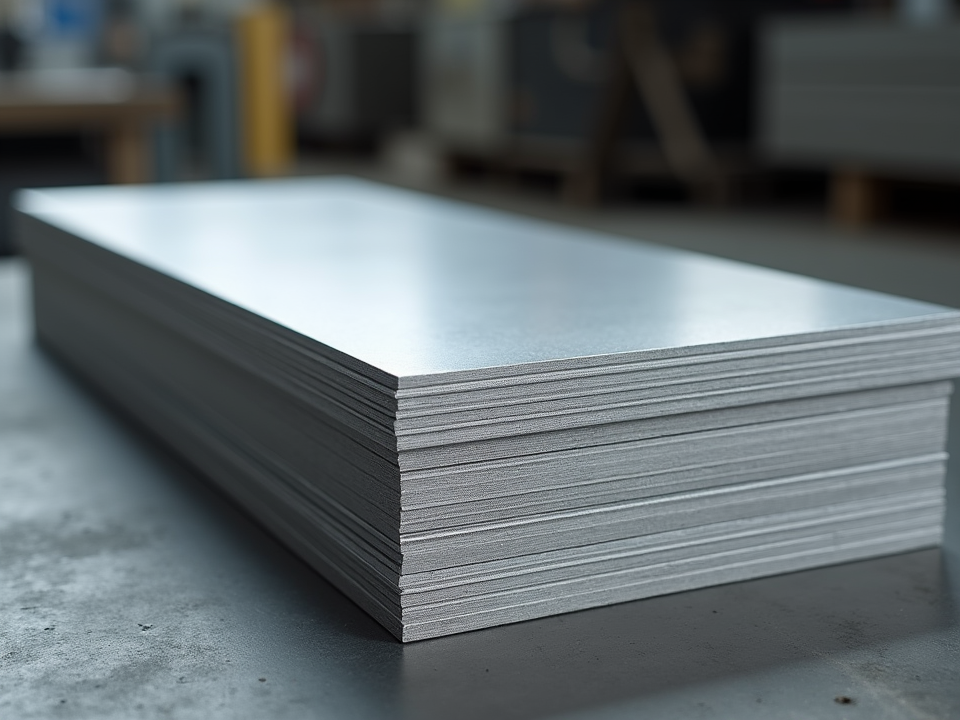
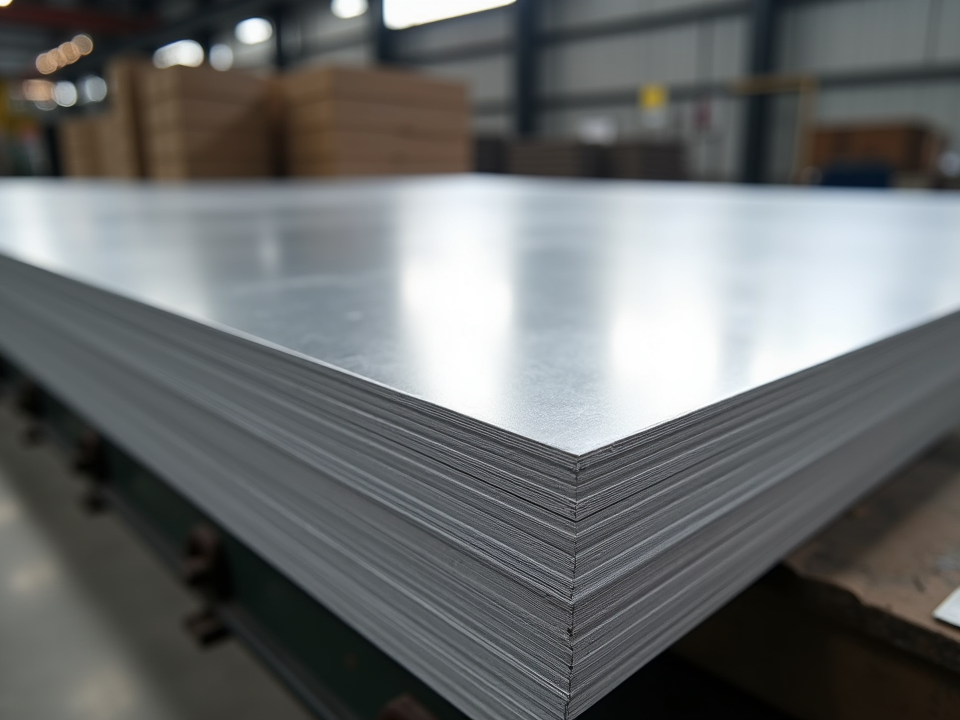
Brushed Aluminum Sheet for Nameplates
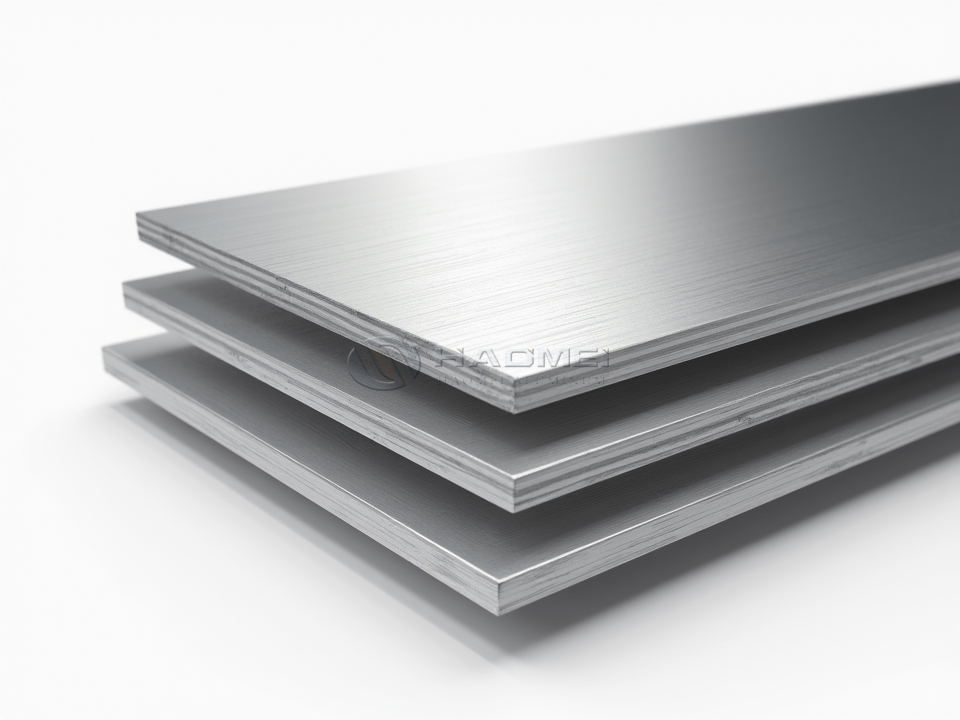
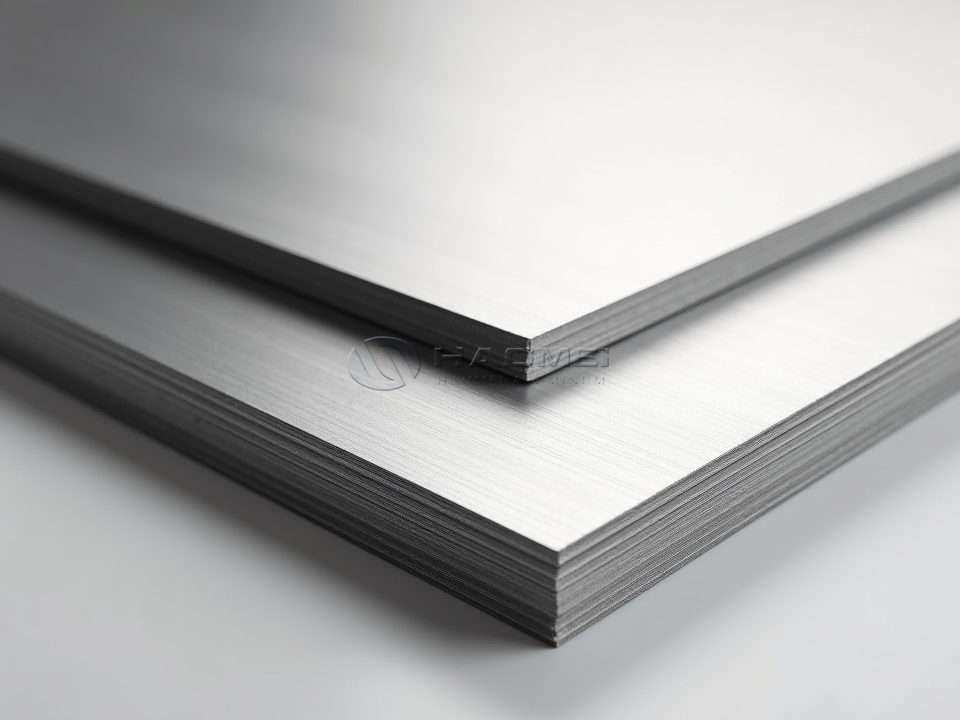
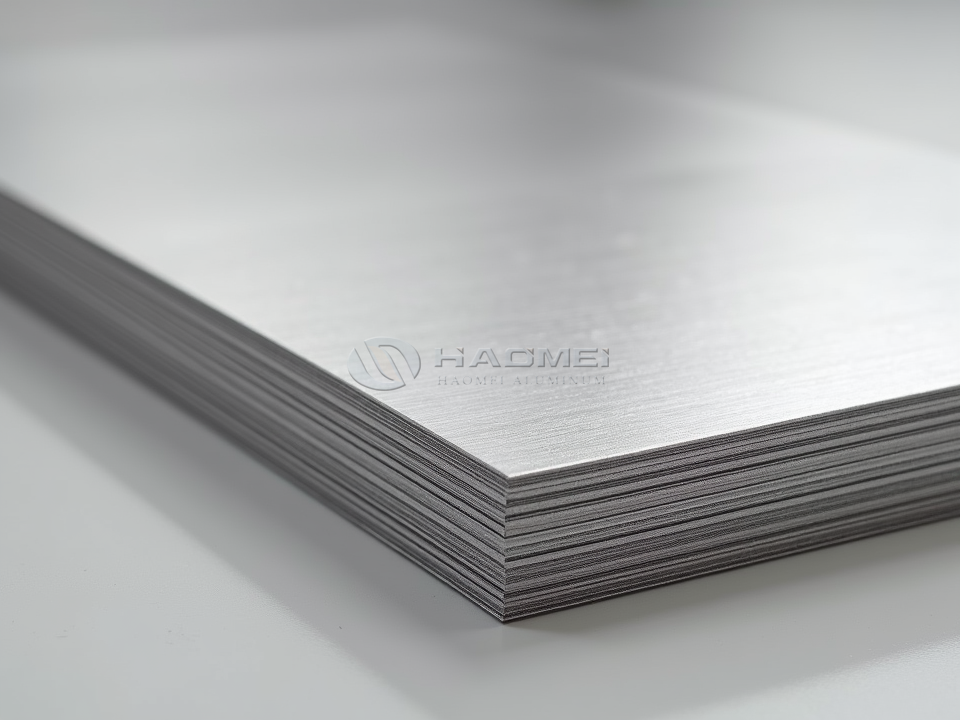
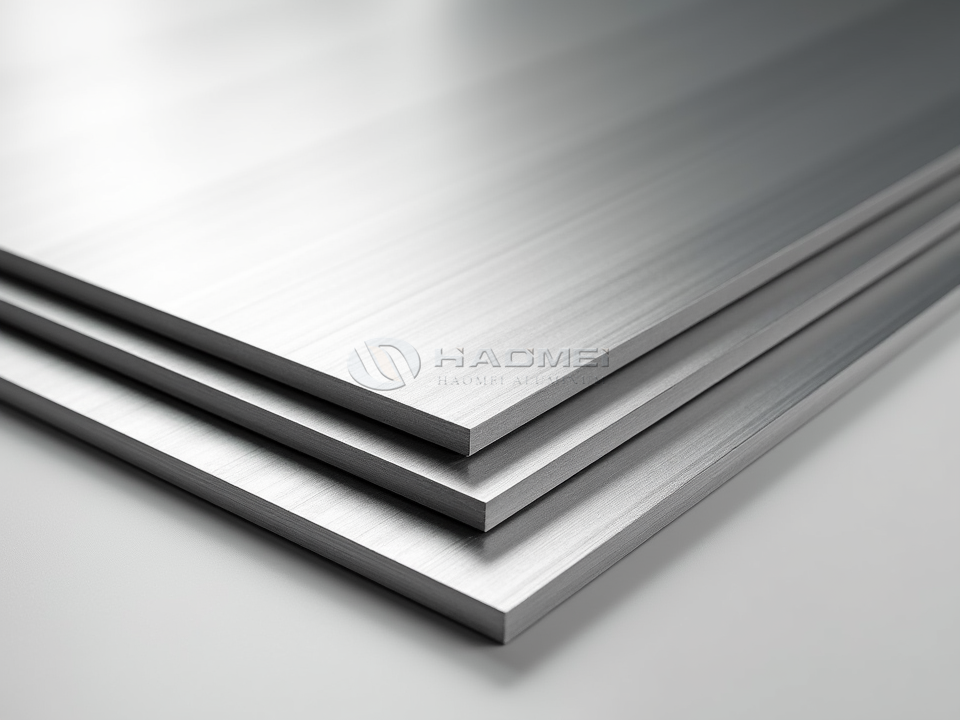
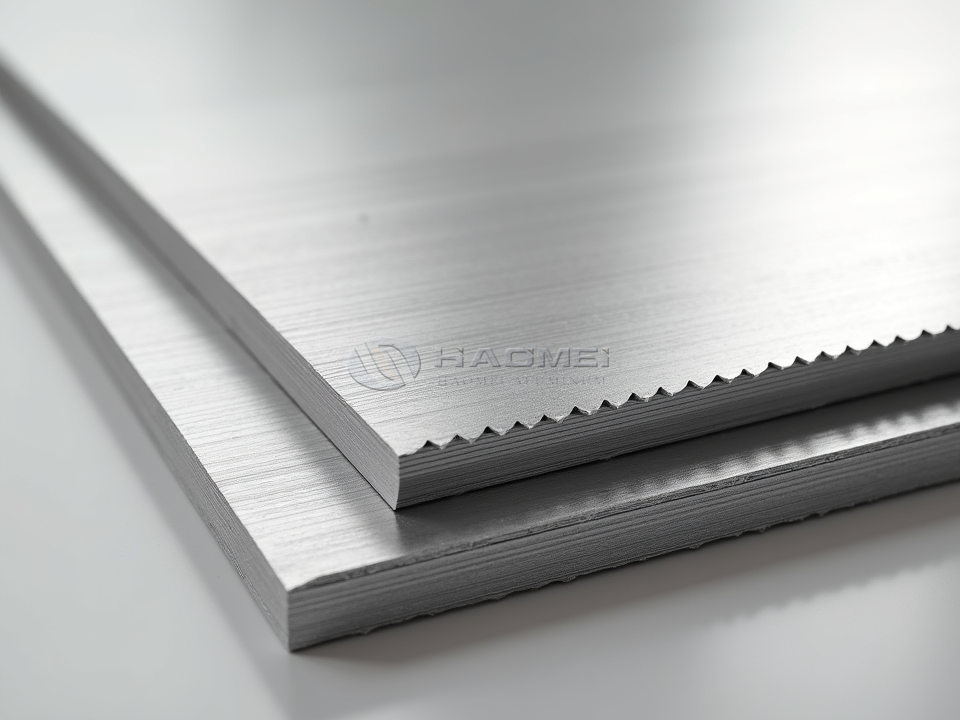
Brushed aluminum sheet for nameplates is a practical and visually refined material for equipment labels, brand badges, control panels, serial-number plates, safety signs, architectural plaques, and decorative identification panels. Its fine directional grain gives the metal a modern satin appearance while helping reduce the visibility of fingerprints, light scratches, and handling marks.
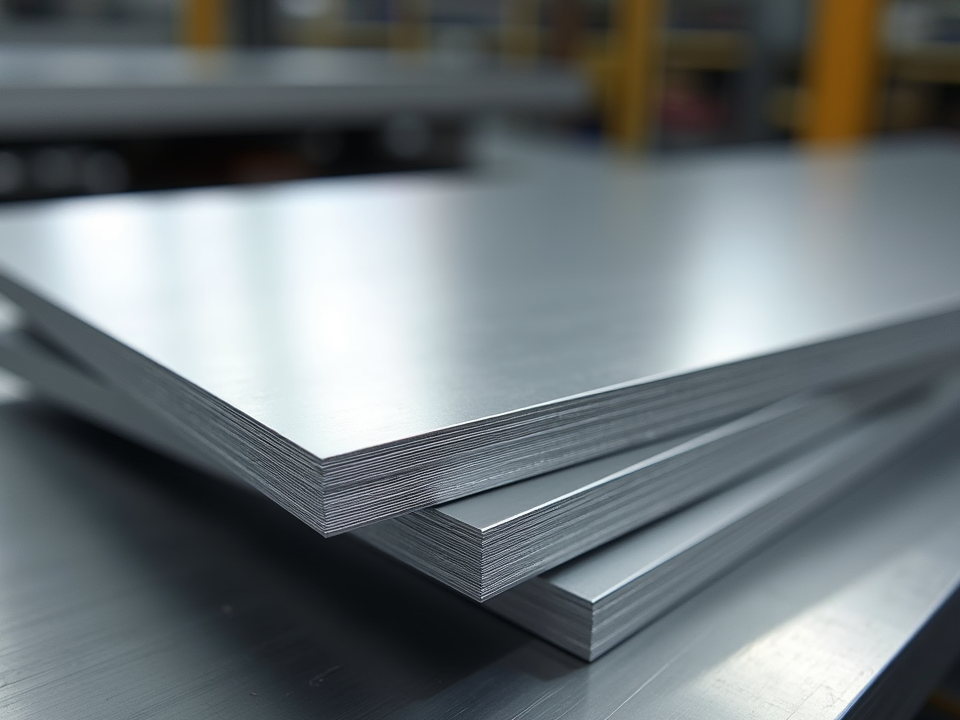
Compared with plain mill-finish aluminum, brushed material presents a more intentional surface character. The long, consistent hairline texture catches light softly rather than producing a harsh mirror reflection. This makes it especially suitable for products and spaces where information must remain readable while the finished nameplate also supports a premium brand image.
A Surface Made for Visible Information
Nameplates are often small, but they carry essential information: company logos, model numbers, voltage ratings, warning instructions, operating positions, QR codes, and asset identification. The substrate must therefore look clean, process reliably, and stay stable through fabrication and service.
A brushed surface is produced by controlled mechanical abrasion using abrasive belts, nylon wheels, or similar finishing media. The process creates parallel lines across the aluminum sheet. Grain direction can be specified according to the appearance of the finished nameplate, such as horizontal grain for wide panels or vertical grain for tall equipment labels.
The finish offers a balanced industrial aesthetic. It is more decorative than standard aluminum sheet, yet less reflective and more practical than polished metal. For branding programs that need an understated metallic appearance, Brushed Aluminum Sheet provides a versatile foundation for printing, laser marking, stamping, embossing, and anodizing.
Common Alloy Choices for Nameplate Production
The correct alloy depends on forming requirements, exposure conditions, thickness, and the marking method. Aluminum grades from the 1xxx and 5xxx series are widely used because they combine low weight with useful corrosion resistance and workable fabrication behavior.
| Alloy | Typical Aluminum Content | Nameplate Advantages | Suitable Uses |
|---|---|---|---|
| 1060 | 99.60% minimum Al | Highly formable, bright appearance, easy to stamp and engrave | Indoor labels, decorative badges, appliance panels |
| 1100 | 99.00% minimum Al | Excellent workability and corrosion resistance | Printed labels, embossed tags, general identification plates |
| 5052 | Balance Al with magnesium | Higher strength and strong resistance to humid or marine conditions | Outdoor plates, machinery labels, transport and marine equipment |
For flat decorative labels, 1060 and 1100 brushed aluminum sheets are often economical and easy to process. For nameplates exposed to moisture, vibration, salt spray, or frequent handling, 5052 is generally a stronger option. Customers requiring a more robust substrate can consider 5052 Brushed Aluminum Sheet for demanding industrial environments.
Typical Chemical Composition
The following values are representative limits or ranges commonly associated with these grades. Exact composition should be confirmed against the applicable material standard and mill test certificate.
| Alloy | Si + Fe | Cu | Mn | Mg | Zn | Al |
|---|---|---|---|---|---|---|
| 1060 | 0.35% max | 0.05% max | 0.03% max | 0.03% max | 0.05% max | 99.60% min |
| 1100 | Si + Fe 0.95% max | 0.05-0.20% | 0.05% max | - | 0.10% max | 99.00% min |
| 5052 | Si 0.25% max, Fe 0.40% max | 0.10% max | 0.10% max | 2.20-2.80% | 0.10% max | Balance |
Magnesium in 5052 contributes to its improved strength and corrosion performance. The high aluminum content of 1060 and 1100 supports smooth forming and a clean metallic response after brushing, anodizing, or mechanical engraving.
Performance Characteristics That Matter
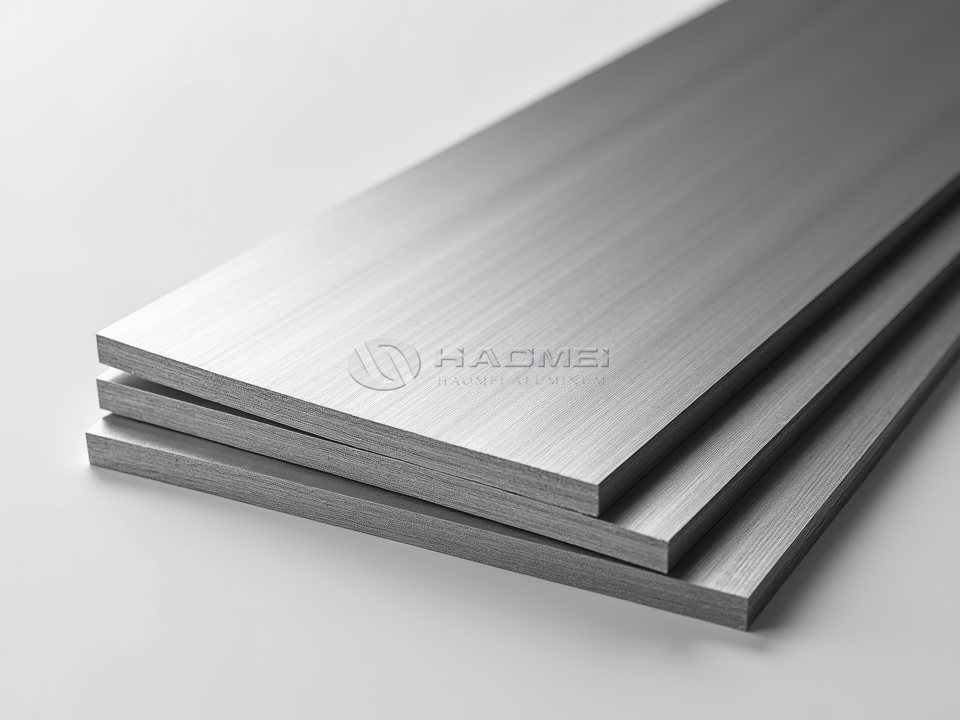
Brushed aluminum nameplate sheet is valued for its combination of light weight, appearance, and processing flexibility. It can be cut, punched, drilled, bent, stamped, embossed, screen printed, digitally printed, chemically etched, or laser marked. Protective films are commonly applied to preserve the finish during transport, slitting, blanking, and fabrication.
| Property | Typical Performance | Benefit for Nameplates |
|---|---|---|
| Density | About 2.70 g/cm³ | Reduces component weight compared with steel or brass |
| Corrosion resistance | Good for 1xxx grades, very good for 5052 | Supports long service life in indoor and outdoor settings |
| Surface appearance | Fine linear satin grain | Produces a professional, low-glare metallic look |
| Formability | Excellent for 1060 and 1100 | Suitable for curved labels, embossed logos, and stamped panels |
| Recyclability | Fully recyclable | Supports material recovery and lower environmental impact |
| Thermal conductivity | High compared with plastics | Useful for equipment labels near warm surfaces |
Thickness selection should match the application. Thin gauges such as 0.30 mm to 0.60 mm are common for adhesive-backed labels and lightweight decorative tags. Medium gauges from 0.80 mm to 1.50 mm provide greater rigidity for machinery labels, control panels, and screw-mounted plates. Heavier material can be supplied for engraved plaques, wall signs, and structural identification panels.
Color and Protective Finish Options
Natural silver is the traditional choice because it provides a clean technical appearance and strong contrast with black text or laser marking. Brushed aluminum can also be anodized or coated in black, gold, champagne, bronze, or other decorative tones. These finishes allow nameplates to match product housings, corporate colors, interior trim, or luxury packaging.
Anodizing forms a controlled oxide layer that improves surface hardness and corrosion resistance. It is particularly useful for nameplates used outdoors or in frequent-contact areas. Black anodized finishes can produce sharp laser-marked graphics, while gold and champagne surfaces create a warmer decorative style for premium consumer goods, hospitality fixtures, and architectural signs.
For printed nameplates, surface cleanliness is important. Oils, dust, fingerprints, and protective-film residue should be controlled before ink application. When adhesive bonding is planned, the rear surface may be supplied untreated, chemically cleaned, or prepared according to the adhesive system selected by the fabricator.
Typical Applications
Brushed aluminum sheet supports a wide range of identification and decorative uses:
- Industrial equipment nameplates carrying serial numbers, ratings, and operating information
- Electrical enclosure labels, switch panels, and control faceplates
- Elevator, appliance, and HVAC identification panels
- Automotive interior badges and transport equipment labels
- Outdoor directional signs, building plaques, and room markers
- Consumer electronics logos, audio equipment panels, and branded trim pieces
- Safety signs, warning plates, asset tags, and barcode labels
- Premium packaging inserts, trophy plates, and commemorative plaques
The material is especially effective where a printed message needs a metal background that looks durable without appearing overly glossy. A brushed texture can also make shallow handling marks less noticeable during daily use.
Fabrication and Ordering Considerations
For consistent visual results, specify grain direction, alloy, temper, thickness, width, length, color, protective film, and intended fabrication method. If nameplates will be laser marked, it is useful to provide sample artwork and desired contrast requirements. If the plates will be embossed or deep drawn, select a softer temper with adequate elongation.
Edges should be deburred after cutting to improve handling safety and avoid lifting of protective films or coatings. During fabrication, workers should avoid dragging finished blanks across each other, since even a durable brushed surface can be scratched by metal-to-metal contact.
Brushed aluminum sheet for nameplates brings together visual consistency, fabrication freedom, corrosion resistance, and lightweight performance. Whether used for a compact machine label or a decorative architectural plaque, it provides a dependable metal surface that communicates information with clarity and style.