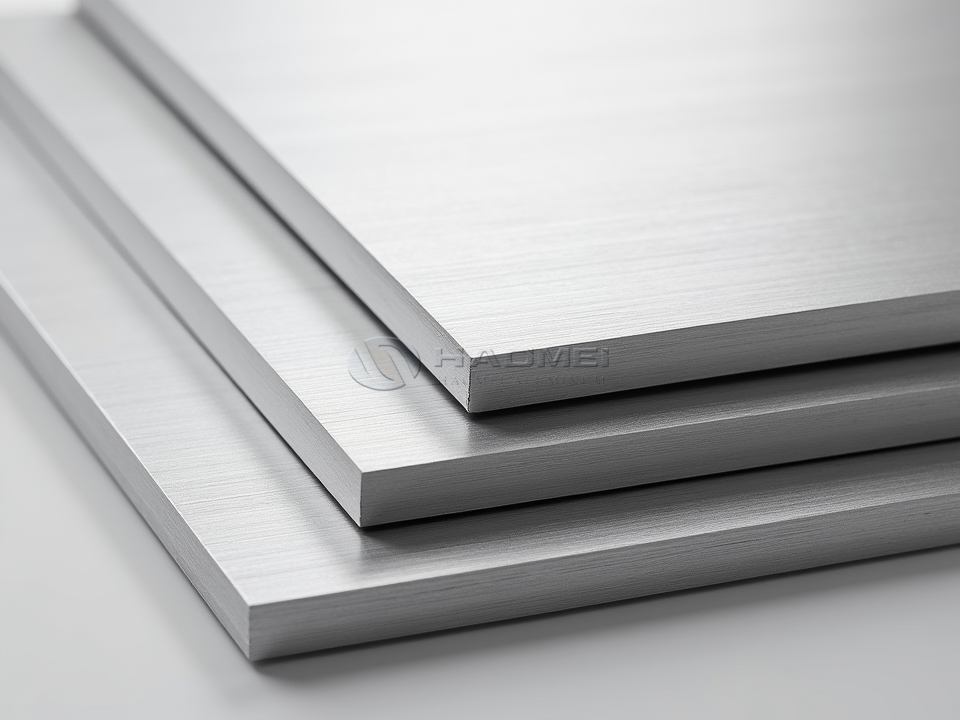
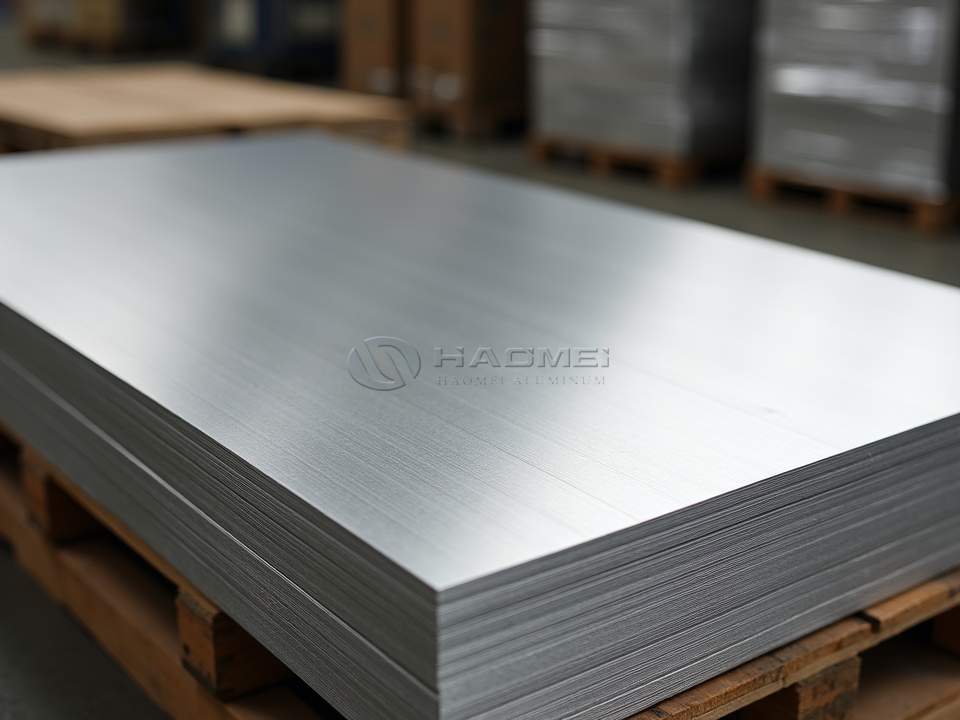
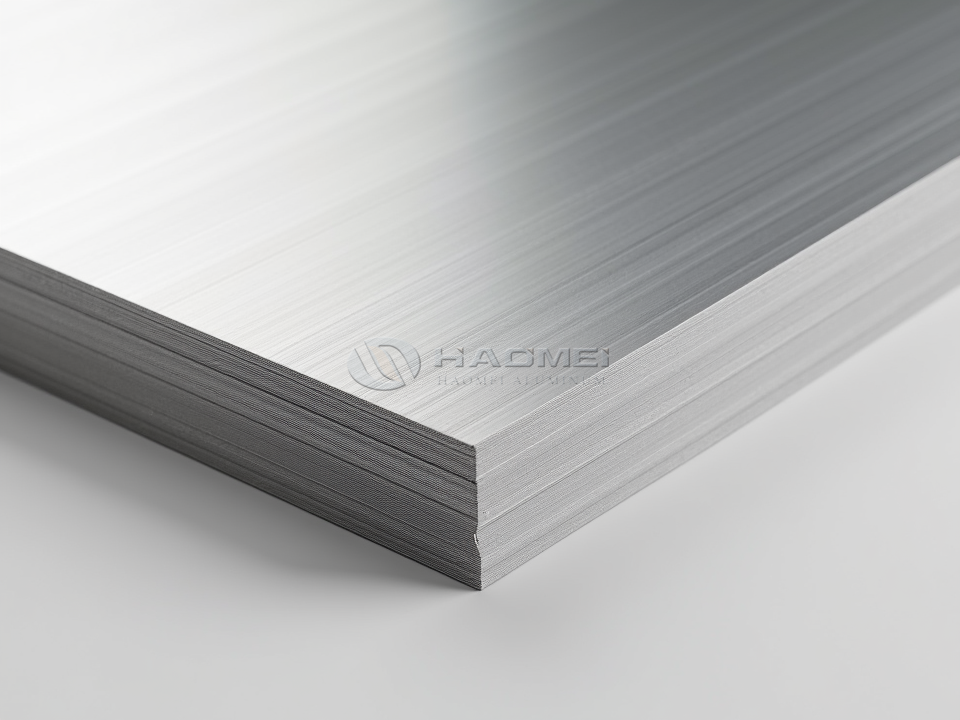
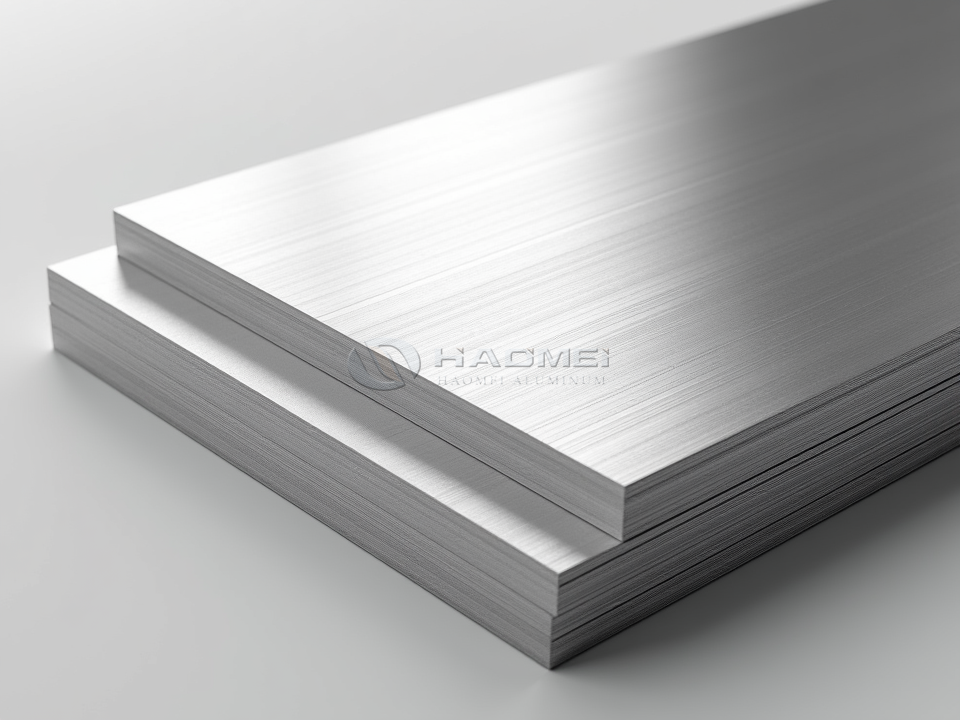
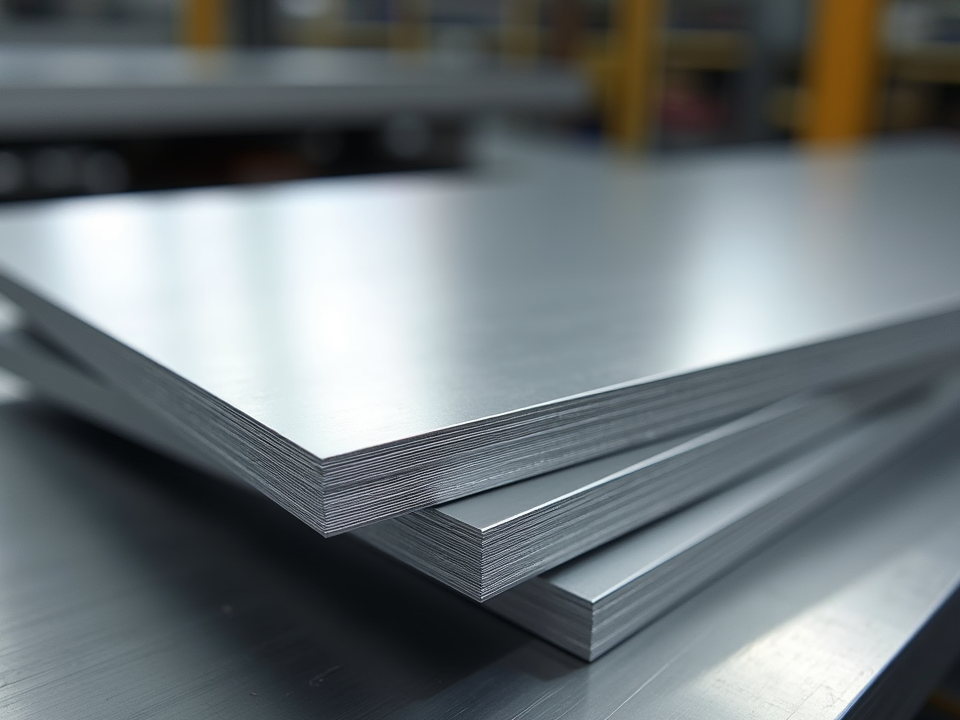
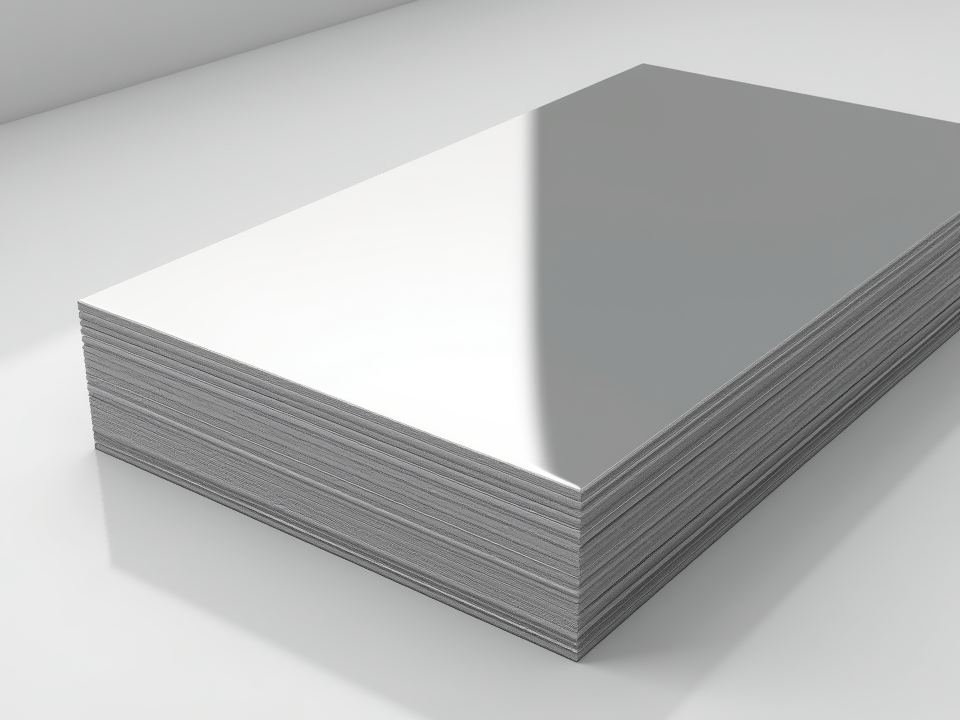
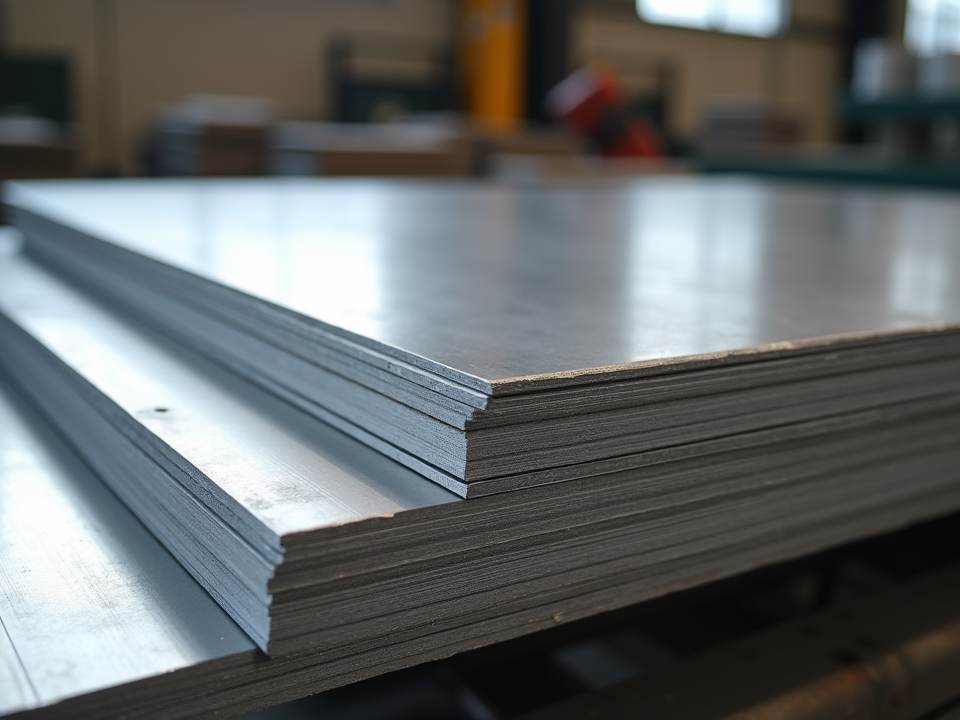
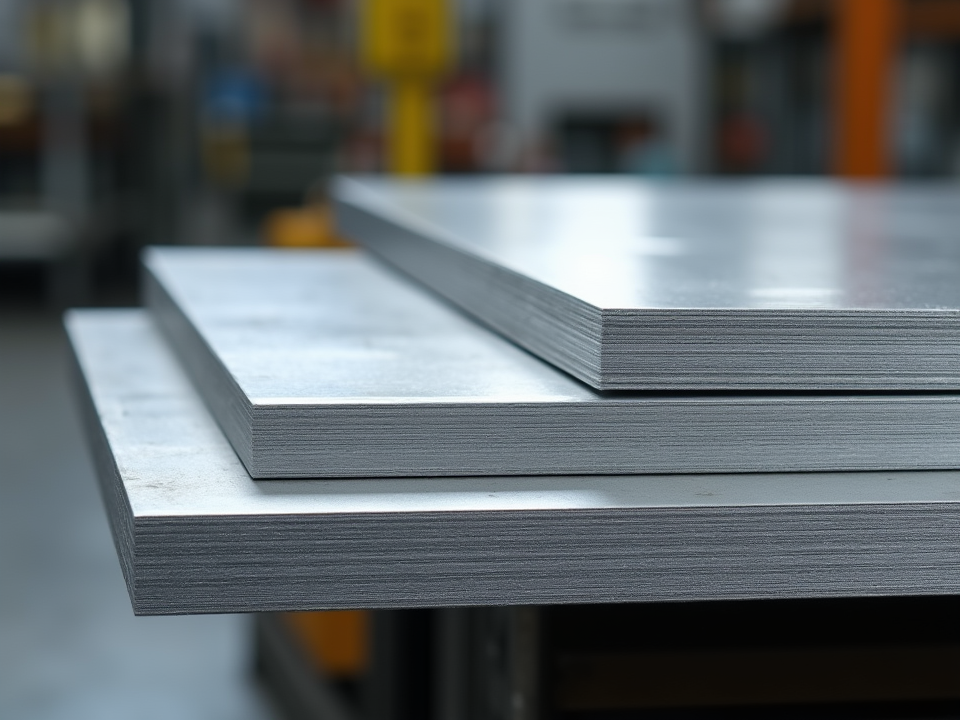
Double Sided Brushed Aluminum Sheet
Double sided brushed aluminum sheet is a decorative metal material finished with a consistent linear grain on both faces. Unlike single-face decorative sheet, it delivers an attractive, usable surface on the front and back, making it especially suitable for exposed partitions, cabinet components, screens, elevator details, display equipment, and fabricated metal products where both sides remain visible.
The brushed texture creates a refined satin-metal appearance. It softens reflected light, reduces the visual impact of fingerprints and small handling marks, and gives aluminum a modern architectural character. Depending on the selected alloy and finish treatment, the material can combine light weight with corrosion resistance, formability, and long-term visual stability.
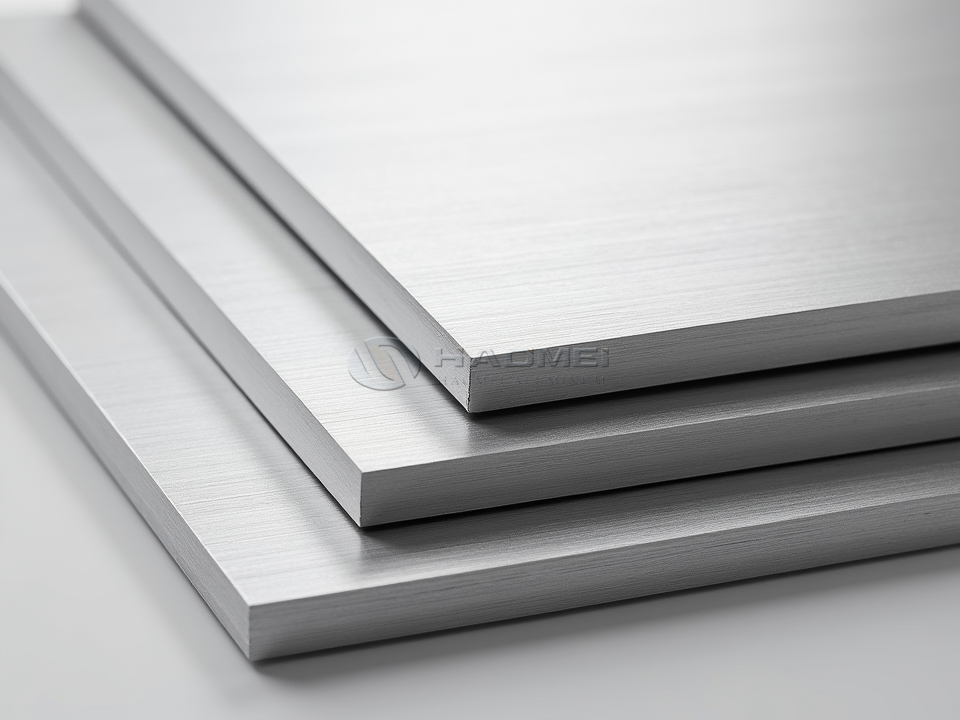
What Makes Double Sided Brushing Different
A double sided brushed aluminum sheet undergoes controlled mechanical brushing on each surface. Abrasive belts, brushes, or non-woven polishing media create fine, parallel lines along the rolling direction or a specified grain direction. The goal is not merely to make both sides matte; it is to achieve balanced texture, gloss, and color across the sheet.
This construction provides greater freedom during fabrication. Panels can be reversed if needed, edges can remain exposed, and finished assemblies look professional from multiple viewing angles. For products such as door skins, decorative housings, furniture panels, and room dividers, the backside no longer needs to be hidden or covered.
Compared with mirror-polished aluminum, a brushed surface is less reflective and more forgiving in daily use. Compared with plain mill-finish sheet, it adds visual depth without the weight or brittleness of many laminated decorative materials.
Material Choices and Typical Specifications
Double sided brushing can be applied to several aluminum grades. Alloy selection should reflect the required strength, forming radius, corrosion exposure, weldability, and final finish.
| Parameter | Typical Range or Option | Practical Value |
|---|---|---|
| Common alloys | 1060, 1100, 3003, 5052 | Matches formability, strength, and corrosion needs |
| Thickness | 0.3 mm to 3.0 mm | Suitable for thin skins through rigid panels |
| Standard width | 1,000 mm, 1,220 mm, 1,250 mm, 1,500 mm | Fits common fabrication and architectural panel formats |
| Standard length | Coil, 2,000 mm to 4,000 mm sheet | Can be cut for production efficiency |
| Surface grain | Fine hairline, medium satin, directional brushed | Controls visual texture and touch feel |
| Finish options | Natural silver, anodized, painted, colored anodized | Supports decorative and environmental requirements |
| Protective film | PE, laser film, PVC film | Helps prevent scratches during transport and fabrication |
| Flatness control | Commercial or precision level | Important for panel bonding and visible surfaces |
Pure aluminum grades such as 1060 and 1100 offer excellent workability and a bright, clean brushing response. They are commonly selected for interior cladding, signage, lamps, appliance trim, and lightweight decorative parts. Alloy 3003 adds manganese for improved strength while retaining good forming performance.
For projects requiring better mechanical strength and improved resistance in humid or mildly corrosive environments, 5052 Brushed Aluminum Sheet is a strong option. Its magnesium-bearing composition makes it well suited to equipment panels, marine-adjacent interiors, transportation trim, and fabricated enclosures.
Typical Chemical Composition
Chemical composition varies by grade. The table gives representative maximum or nominal values for frequently used brushed aluminum sheet alloys. Material should be ordered according to the applicable ASTM, EN, JIS, or customer-specific standard.
| Alloy | Aluminum | Magnesium | Manganese | Silicon + Iron | Copper | Main Character |
|---|---|---|---|---|---|---|
| 1060 | 99.60% min. | - | - | 0.35% max. | 0.05% max. | High purity, highly formable |
| 1100 | 99.00% min. | - | 0.05% max. | 0.95% max. | 0.05% to 0.20% | Decorative and general fabrication |
| 3003 | Balance | - | 1.0% to 1.5% | 0.70% max. | 0.05% to 0.20% | Better strength and good workability |
| 5052 | Balance | 2.2% to 2.8% | 0.10% max. | 0.45% max. | 0.10% max. | Strong corrosion resistance |
Surface Appearance and Finish Options
Natural silver remains the most requested appearance because it complements glass, stainless steel, wood, stone, and painted surfaces. A Silver Brushed Aluminum Sheet can provide a crisp, industrial finish for elevator walls, retail fixtures, office partitions, and electronic equipment covers.
Anodizing is often specified when improved surface hardness, corrosion resistance, and color consistency are required. During anodizing, a controlled oxide layer is formed on the aluminum surface. This transparent or colored layer preserves the brushed grain while strengthening resistance to staining and everyday wear. Champagne, bronze, black, and gold tones can create warmer or more dramatic designs without losing the metallic texture.
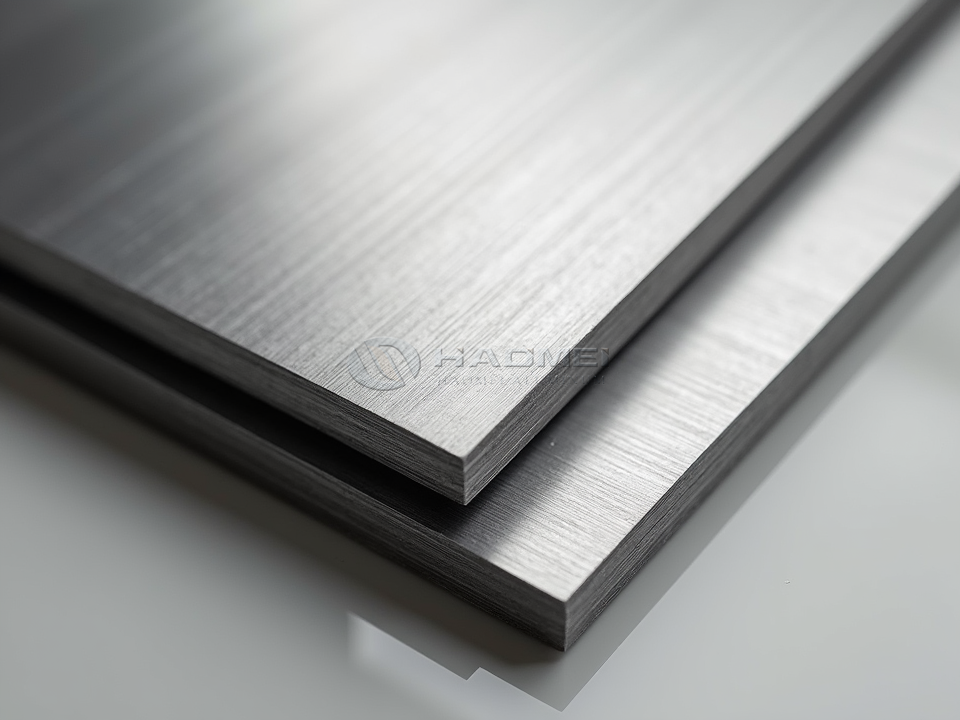
For painted or coated products, the brushing normally remains visible through clear protective coatings or is incorporated as part of a multilayer decorative system. Coating selection should consider UV exposure, cleaning chemicals, abrasion, and indoor or outdoor service conditions.
Performance Benefits for Fabricators and Designers
The first advantage is visual continuity. Both sheet faces carry a decorative brushed pattern, so the material is suitable for installations viewed from either side. This can reduce secondary finishing work and simplify product design.
Another benefit is light weight. Aluminum weighs about one-third as much as steel, making large panels easier to handle, transport, and install. This is valuable in ceiling systems, vehicle interiors, exhibition structures, and movable partitions.
Double sided brushed aluminum also offers good fabrication adaptability. Depending on alloy and temper, it can be cut, punched, bent, drilled, riveted, bonded, and formed into profiles or casings. Fine-grain products are commonly used where clean bending and controlled surface appearance are important. During bending, the brush direction should be planned carefully because directional lines can emphasize panel alignment.
The natural oxide film on aluminum offers inherent protection from normal atmospheric exposure. Anodized and coated surfaces offer further durability. For outdoor uses, engineers should specify alloy, coating system, panel design, and maintenance routine according to local climate, salt exposure, and pollution level.
Common Applications
In architectural interiors, double sided brushed aluminum sheet is used for lift cabins, wall panels, column wraps, ceiling features, reception counters, decorative doors, restroom partitions, and ventilation grilles. Its balanced finish is particularly useful for open-plan spaces where the rear side of a panel can be seen from corridors or adjacent rooms.
Furniture and cabinetry manufacturers use it for wardrobe doors, kitchen facings, table bases, shelving systems, appliance surrounds, and premium retail displays. The linear grain gives large surfaces a sense of direction while hiding minor daily wear better than high-gloss finishes.
In transportation, it can be fabricated into trim parts, luggage compartment panels, train interior fittings, caravan details, and vehicle equipment housings. The combination of low mass and corrosion resistance supports practical, durable assemblies.
Electronics, machinery, and instrument makers use brushed aluminum for control panels, protective covers, speaker housings, terminal enclosures, and branded product casings. Double-sided texture is valuable when components are assembled as exposed shells or removable panels.
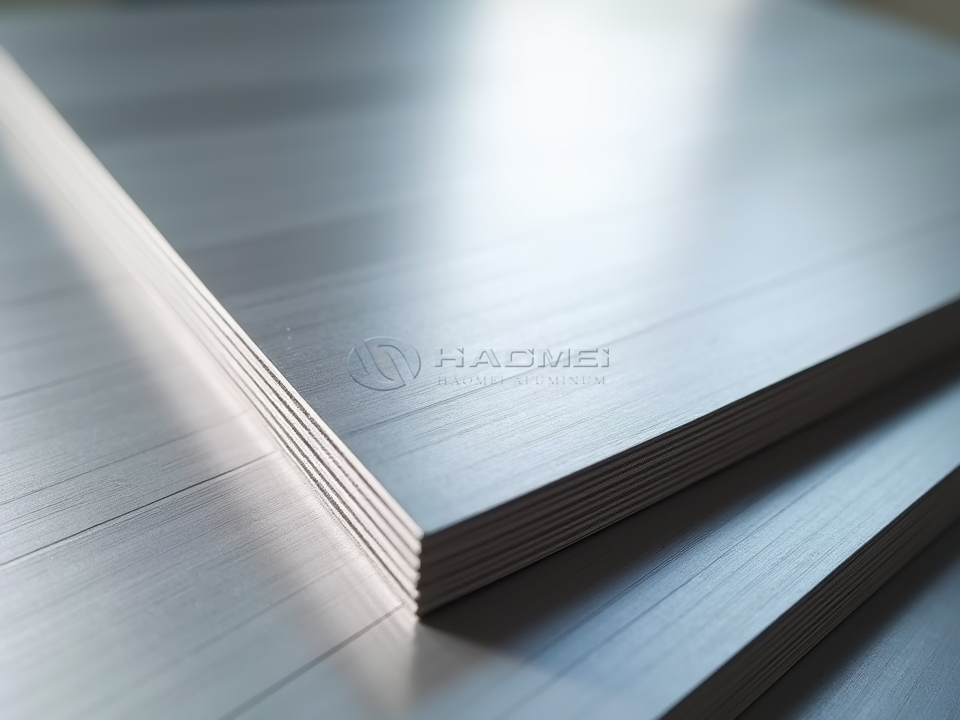
Fabrication and Care Recommendations
Keep protective film in place during cutting, bending, punching, and installation whenever possible. Film should be removed soon after installation, particularly in warm environments, because prolonged exposure can make adhesive removal more difficult.
Use clean tools and work surfaces to prevent embedded particles or cross-scratches. Brush lines should run in the same direction across adjacent panels for a continuous appearance. When cutting visible edges, deburr carefully to avoid bright, irregular edges that interrupt the satin finish.
For routine cleaning, use a soft microfiber cloth with clean water or a mild neutral detergent. Wipe in the direction of the grain. Avoid steel wool, highly alkaline cleaners, strong solvents, and abrasive powders, as these can alter the brushed pattern or damage anodized layers.
Double sided brushed aluminum sheet brings together practical metal performance and a calm, precise decorative surface. With the right alloy, temper, finish, thickness, and protection method, it can serve as both a structural skin and an exposed design element across architectural, industrial, transport, and furniture applications.