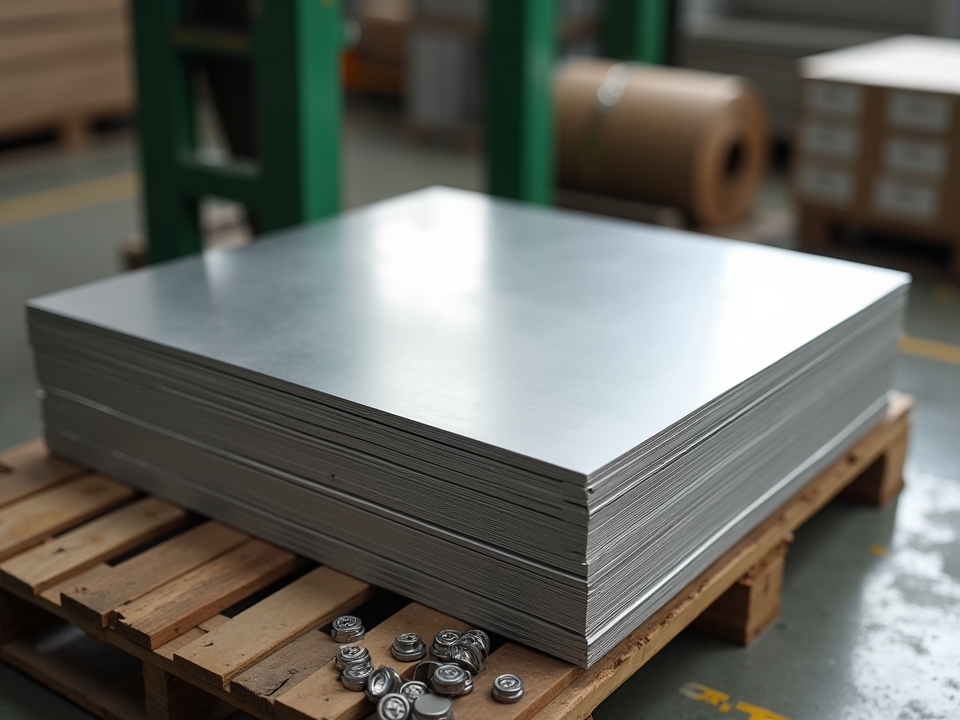
Trailer Floor Embossed Aluminum Plate
Trailer floor embossed aluminum plate is a durable metal flooring material designed for trailers exposed to foot traffic, rolling loads, moisture, dirt, road salt, and changing weather. Its raised tread pattern improves traction while the aluminum base delivers low weight, corrosion resistance, and straightforward maintenance. It is widely used as a full floor surface, protective overlay, ramp skin, step covering, wheel-well cover, and interior wall guard.
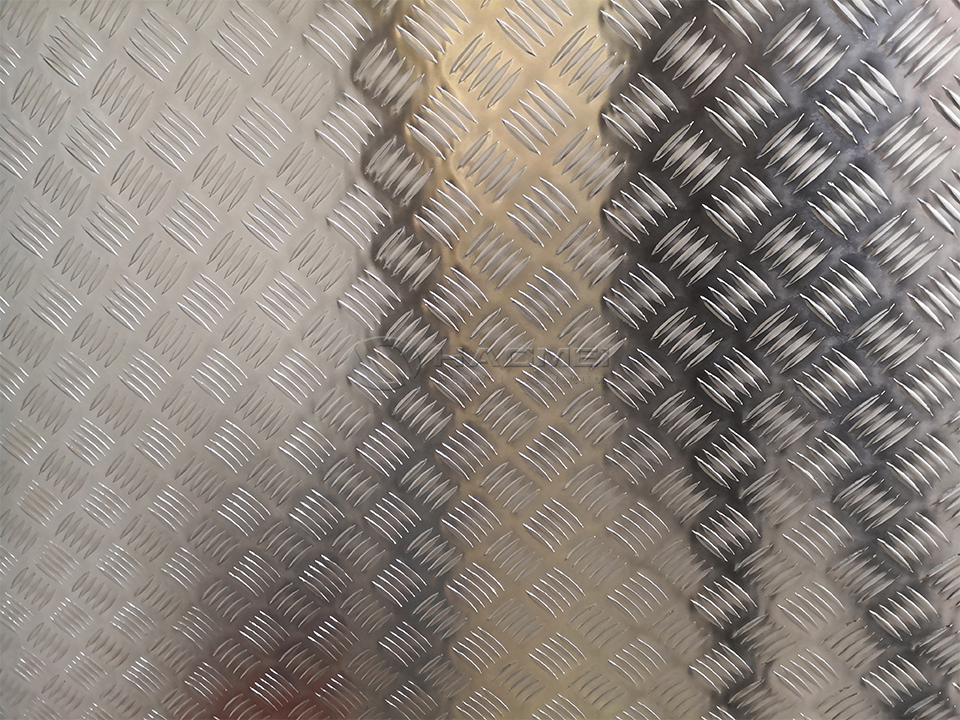
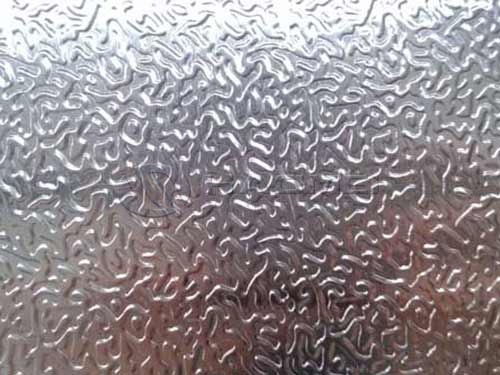
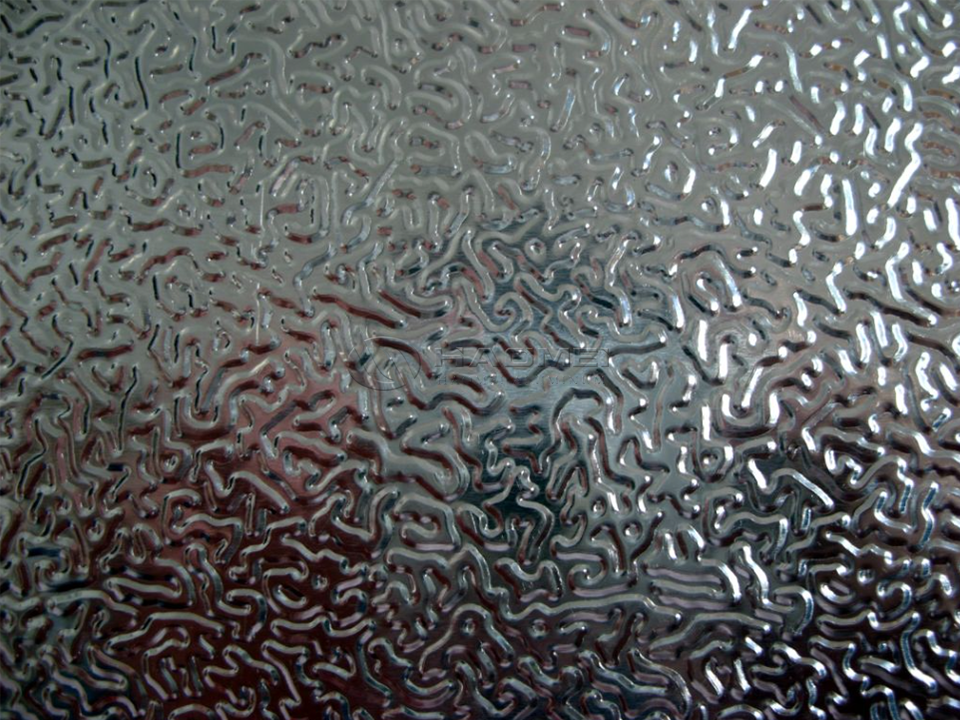
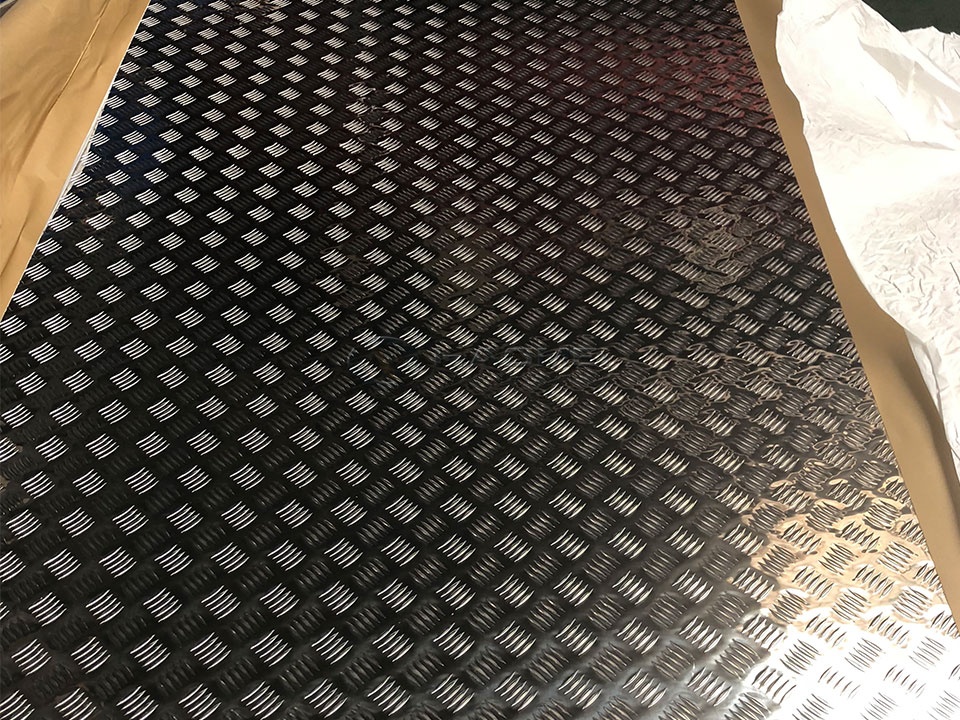
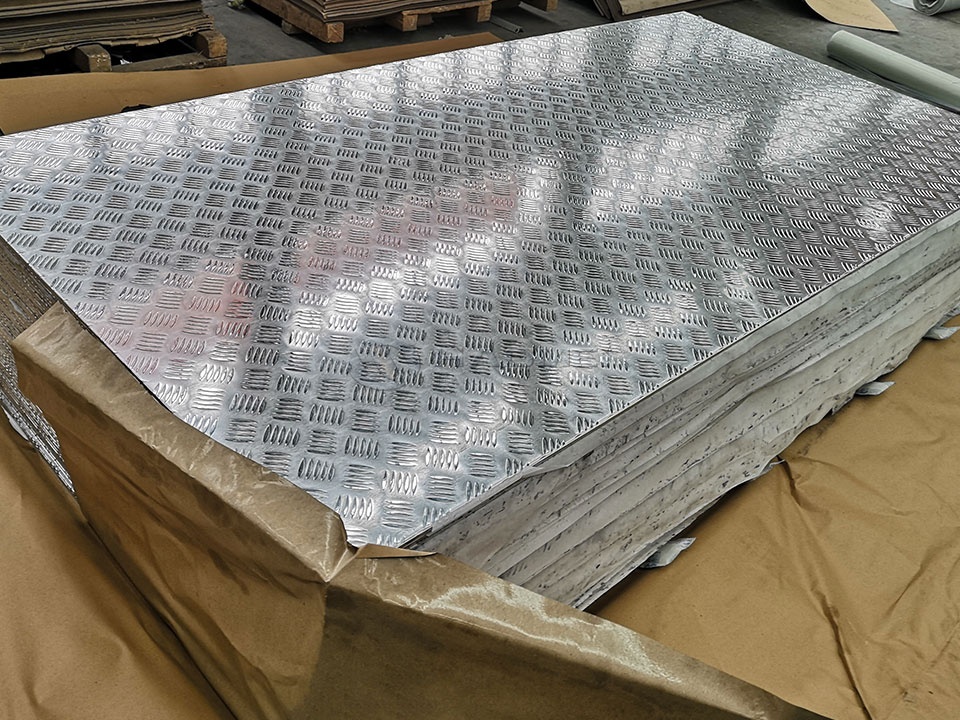
Compared with plain aluminum sheet, embossed plate has a patterned surface formed by rolling. Common designs include five-bar, diamond, two-bar, and custom anti-slip patterns. For trailer flooring, five-bar patterns are frequently selected because the repeated raised ribs provide dependable grip in several walking directions and help channel away water, mud, and loose debris.
A well-selected trailer floor embossed aluminum plate reduces dead weight without sacrificing practical strength. This can increase payload potential, improve fuel economy, and make removable trailer components easier to handle. Aluminum also develops a natural oxide layer that protects the surface from atmospheric corrosion, making it suitable for outdoor transport equipment.
Functional Benefits for Trailer Floors
| Function | How Embossed Aluminum Plate Helps | Trailer Benefit |
|---|---|---|
| Slip resistance | Raised bars or diamonds increase friction under shoes, tires, and equipment wheels | Safer loading, unloading, and walking |
| Corrosion resistance | Aluminum oxide film resists rain, humidity, and many road contaminants | Longer service life with less refinishing |
| Weight reduction | Aluminum weighs about one-third as much as steel | Lower trailer tare weight and easier handling |
| Surface protection | Plate shields wood, steel, and composite substrates from abrasion | Reduced wear on the base floor |
| Easy cleaning | Non-porous metal surface can be washed, swept, or pressure cleaned | Better hygiene for utility and livestock areas |
| Visual finish | Bright, mill, or coated surfaces create a professional industrial appearance | Improved trailer presentation |
The plate is especially useful where a trailer already has a structural base, such as plywood, steel cross-members, aluminum extrusion panels, or composite decking. In these cases, embossed aluminum functions as a wear layer rather than the sole load-bearing member. When used as standalone flooring, thickness, support spacing, alloy selection, and expected axle loads must be engineered together.
Common Trailer Applications
Trailer floor embossed aluminum plate serves many transport environments. Utility trailers use it for deck protection and ramp surfaces. Enclosed cargo trailers use it in entry zones and along walls where carts, crates, or hand trucks may strike the structure. Horse trailers benefit from a washable, corrosion-resistant surface in tack rooms, walkways, and ramp areas. Fire, rescue, maintenance, and mobile workshop trailers often use tread plate for durable interior floors and access steps.
| Application Area | Recommended Pattern | Typical Alloy Choice | Typical Thickness |
|---|---|---|---|
| Utility trailer deck overlay | Five-bar or diamond | 3003 H22/H24, 5052 H32 | 1.5-3.0 mm |
| Loading ramp and tailgate | Five-bar, deep diamond | 5052 H32/H34 | 2.0-4.0 mm |
| Enclosed cargo trailer entrance | Five-bar | 3003 H22, 5052 H32 | 1.5-2.5 mm |
| Horse trailer walkway or tack room | Five-bar | 5052 H32 | 1.5-3.0 mm |
| Service vehicle and workshop floor | Diamond or five-bar | 5052 H32/H34 | 2.0-4.0 mm |
| Steps, toolboxes, and wheel covers | Diamond or five-bar | 3003 H22/H24 | 1.0-2.0 mm |
For heavy ramps and high-impact service, 5052 aluminum is generally preferred. Its magnesium-containing composition offers higher strength and stronger resistance to marine or salt-rich environments than 3003. For decorative covers, light-duty deck overlays, and general fabrication, 3003 remains a practical and economical choice.
For a widely used ribbed surface, Five Bar Aluminum Tread Plate provides a balanced combination of traction, formability, and visual consistency for transport equipment.
Alloy Grades and Temper Conditions
Aluminum temper indicates the material condition after strain hardening, annealing, or stabilization. Temper selection affects bending behavior, hardness, and resistance to denting. Softer tempers form more easily around corners and trailer edges, while harder tempers offer improved surface durability.
| Alloy | Principal Characteristics | Suitable Tempers | Best-Fit Trailer Uses |
|---|---|---|---|
| 3003 | Manganese alloy with good formability and general corrosion resistance | H14, H22, H24, H114 | Light-duty floors, wall protection, tool covers, decorative tread |
| 5052 | Magnesium alloy with higher strength and excellent corrosion resistance | H32, H34, H114 | Ramps, wet-service floors, marine-adjacent trailers, heavy-duty lining |
| 5754 | Magnesium alloy with solid strength and corrosion performance | H22, H24, H111, H114 | Commercial vehicles, cargo bodies, demanding floor panels |
| Temper | General Condition | Relative Strength | Forming Suitability |
|---|---|---|---|
| H14 | Strain hardened to half-hard condition | Moderate | Good |
| H22 | Strain hardened and partially annealed | Moderate | Good |
| H24 | Strain hardened and stabilized/partially annealed | Moderate to high | Fair to good |
| H32 | Strain hardened and stabilized | High | Fair |
| H34 | Higher strain-hardened condition | High | Limited for tight bends |
| H114 | Tread plate condition with controlled mechanical properties | Moderate to high | Suitable for standard fabrication |
Chemical Composition Reference
Chemical limits vary slightly by governing specification and mill certification. The values shown are typical maximum or nominal ranges for commonly specified trailer-floor alloys.
| Element, % by Weight | 3003 Aluminum Alloy | 5052 Aluminum Alloy |
|---|---|---|
| Silicon, Si | 0.60 max | 0.25 max |
| Iron, Fe | 0.70 max | 0.40 max |
| Copper, Cu | 0.05-0.20 | 0.10 max |
| Manganese, Mn | 1.0-1.5 | 0.10 max |
| Magnesium, Mg | 0.05 max | 2.2-2.8 |
| Chromium, Cr | - | 0.15-0.35 |
| Zinc, Zn | 0.10 max | 0.10 max |
| Titanium, Ti | 0.10 max | - |
| Aluminum, Al | Balance | Balance |
Technical Specifications and Standards
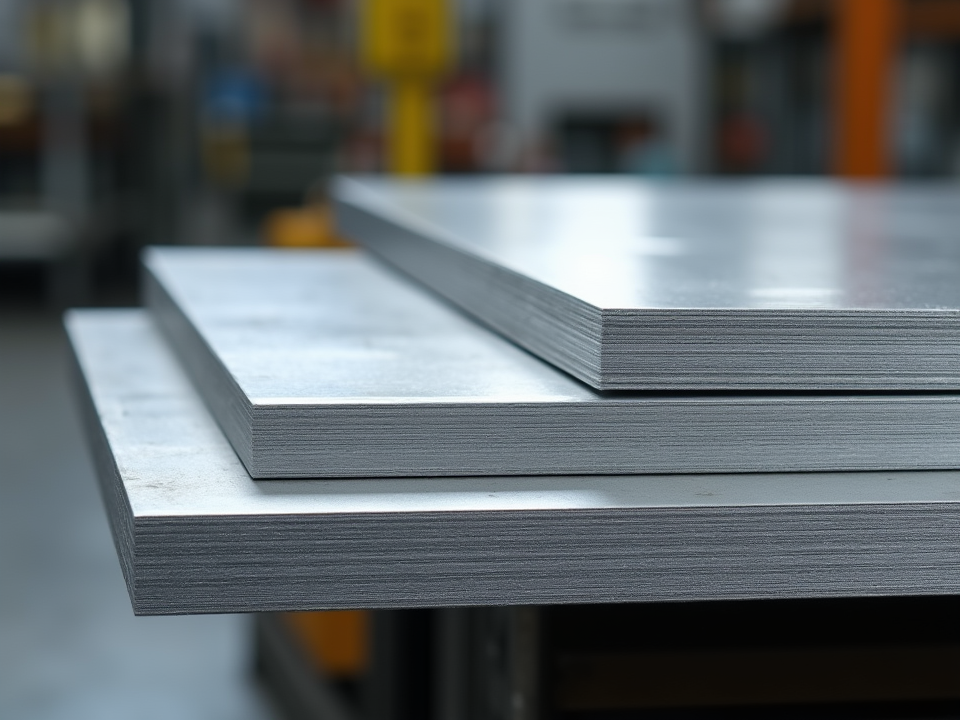
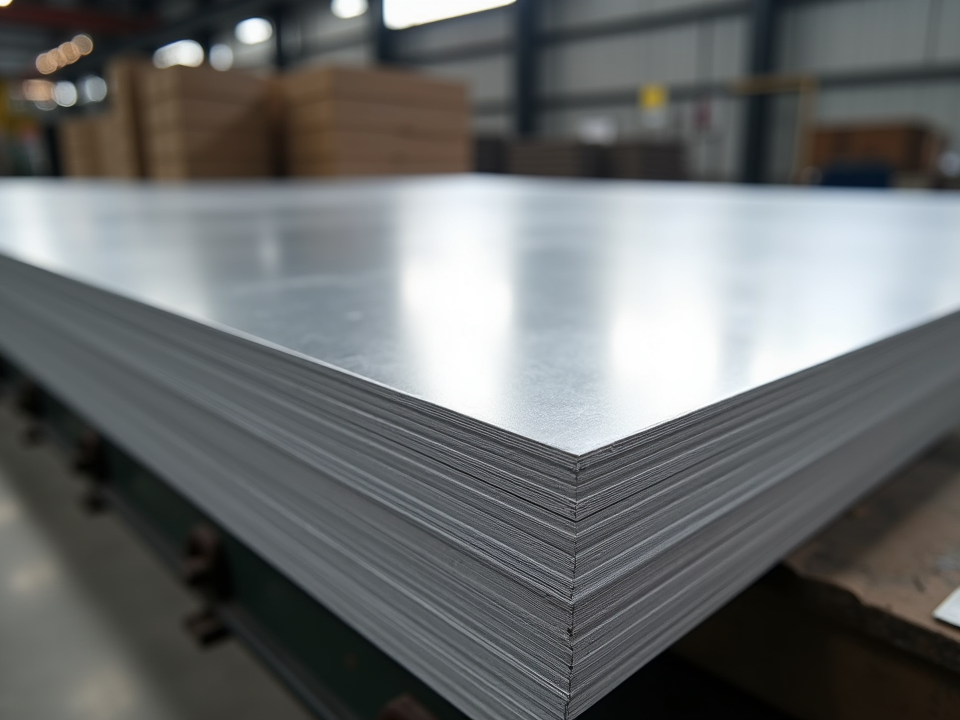
Trailer floor embossed aluminum plate can be supplied in standard sheets, coils, cut-to-length blanks, or customer-cut panels. Finished dimensions should consider tread height, flat base thickness, direction of the pattern, and required trimming allowance.
| Parameter | Common Supply Range | Notes |
|---|---|---|
| Base thickness | 1.0-6.0 mm | Heavy-duty floors may require thicker material or support framing |
| Overall thickness | Base thickness plus pattern height | Raised pattern commonly adds about 0.8-1.5 mm |
| Width | 1,000-1,600 mm | Wider widths available by mill capability |
| Length | 2,000-6,000 mm or custom | Cut sheets reduce fabrication waste |
| Surface finish | Mill finish, bright finish, coated finish | Protective film may be supplied for appearance-sensitive panels |
| Pattern | Five-bar, diamond, two-bar, custom | Pattern direction should support drainage and traction needs |
| Density | Approximately 2.68-2.73 g/cm³ | Much lighter than carbon steel |
| Electrical conductivity | Alloy dependent | Consider isolation where dissimilar metals contact |
| Standard | Scope |
|---|---|
| ASTM B209 | Aluminum and aluminum-alloy sheet and plate requirements |
| EN 485 | Tolerances and mechanical-property requirements for aluminum sheet, strip, and plate |
| EN 573 | Aluminum alloy designation and chemical composition requirements |
| ISO 6361 | Wrought aluminum and aluminum-alloy sheets, strips, and plates |
| GB/T 3880 | Aluminum and aluminum-alloy plates and sheets for general applications |
Installation Considerations
A clean, flat, properly supported substrate is essential. Aluminum tread plate should be fastened with compatible aluminum or stainless-steel hardware, while galvanic isolation should be used where it contacts carbon steel. Isolation tapes, sealants, nylon washers, or protective coatings can reduce the risk of moisture-driven galvanic corrosion.
For plywood-backed trailer decks, countersunk fasteners and sealed edges help prevent water from entering the timber. Adhesive bonding may supplement mechanical fastening when a smooth finished face is required, but adhesive selection must suit vibration, thermal expansion, and the expected service temperature. Expansion gaps are important on long panels because aluminum changes dimension more readily than steel under temperature variation.
Routine maintenance is simple: remove abrasive grit, wash with mild detergent, rinse thoroughly, and avoid aggressive alkaline cleaners that may stain aluminum. For demanding transport environments, specifying the alloy, temper, tread pattern, thickness, dimensions, standard, and intended load condition at the purchasing stage ensures the floor plate performs reliably throughout its service life.